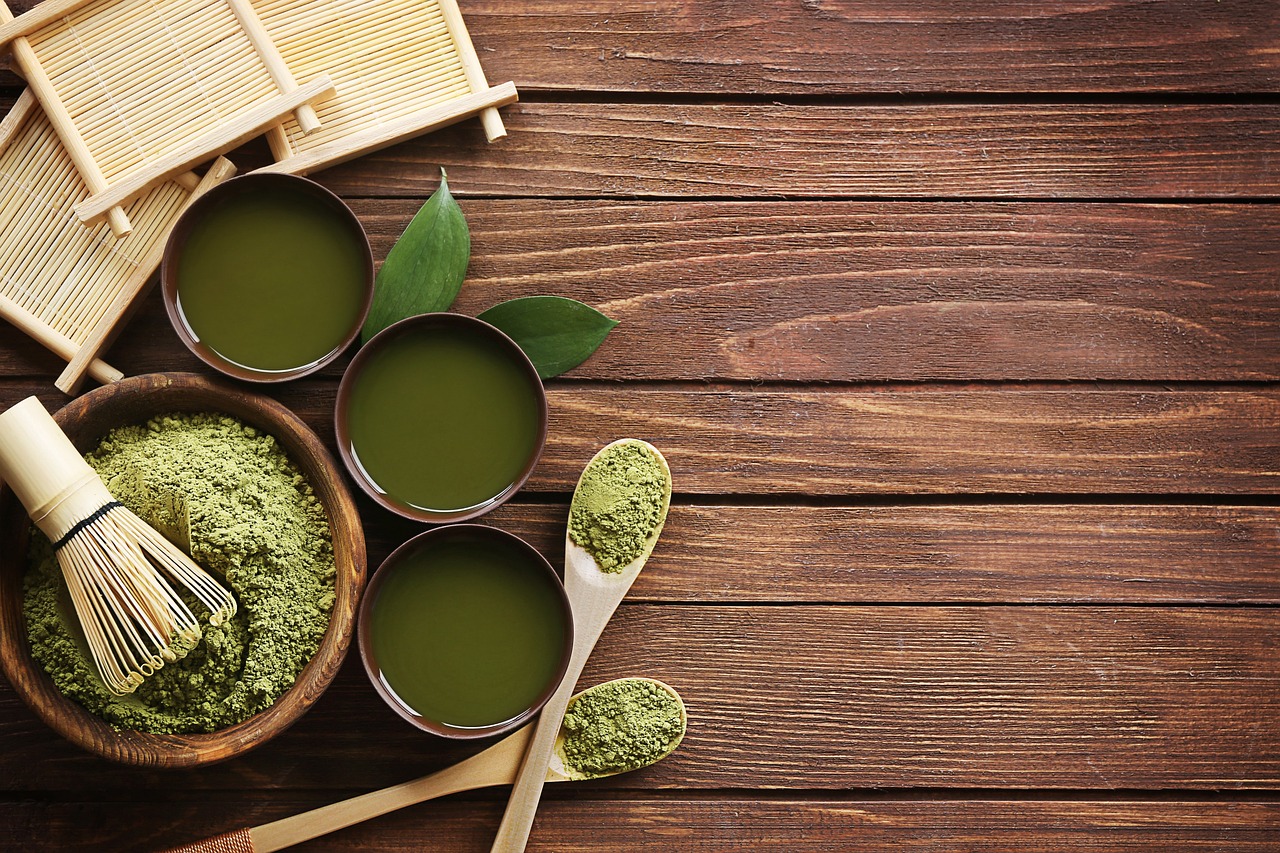
Yo, let’s get real for a sec. You think you know matcha? That sweet, kinda gritty green latte you grab on your way to work? Fam, that ain’t it. That’s the opening act. We’re here to talk about the headliner, the main event, the real-deal, life-changing green magic that is authentic Japanese matcha. This isn’t just a drink; it’s a whole vibe, a centuries-old ritual, and a flavor bomb that’ll straight up rewire your brain. As someone who’s spent years diving deep into the roots of East Asian culture, I’ve seen how tea is a thread connecting us all—from the mountains of Hangzhou to the serene gardens of Kyoto. But matcha… matcha is on another level. It’s the final boss of green tea. It’s an art form you can taste. We’re about to embark on a journey to the heart of Japan’s matcha scene, from the hallowed grounds of Uji to the chic cafes of Kyoto and beyond. We’re gonna spill the tea, literally. We’ll get into the history, the culture, the spots that are pure fire, and the etiquette so you don’t look like a total noob. This is your all-access pass to understanding and experiencing matcha in a way that’ll have you saying, “Starbucks who?” Get ready to level up your tea game and find your zen in a bowl of frothy, emerald goodness. It’s time to go on a matcha pilgrimage.
While you’re planning your matcha pilgrimage, it’s worth noting that the landscape of travel to Japan can shift, as seen when China’s travel advisory impacts Japan’s retail sector.
Spilling the Tea: What Even Is Real Matcha?
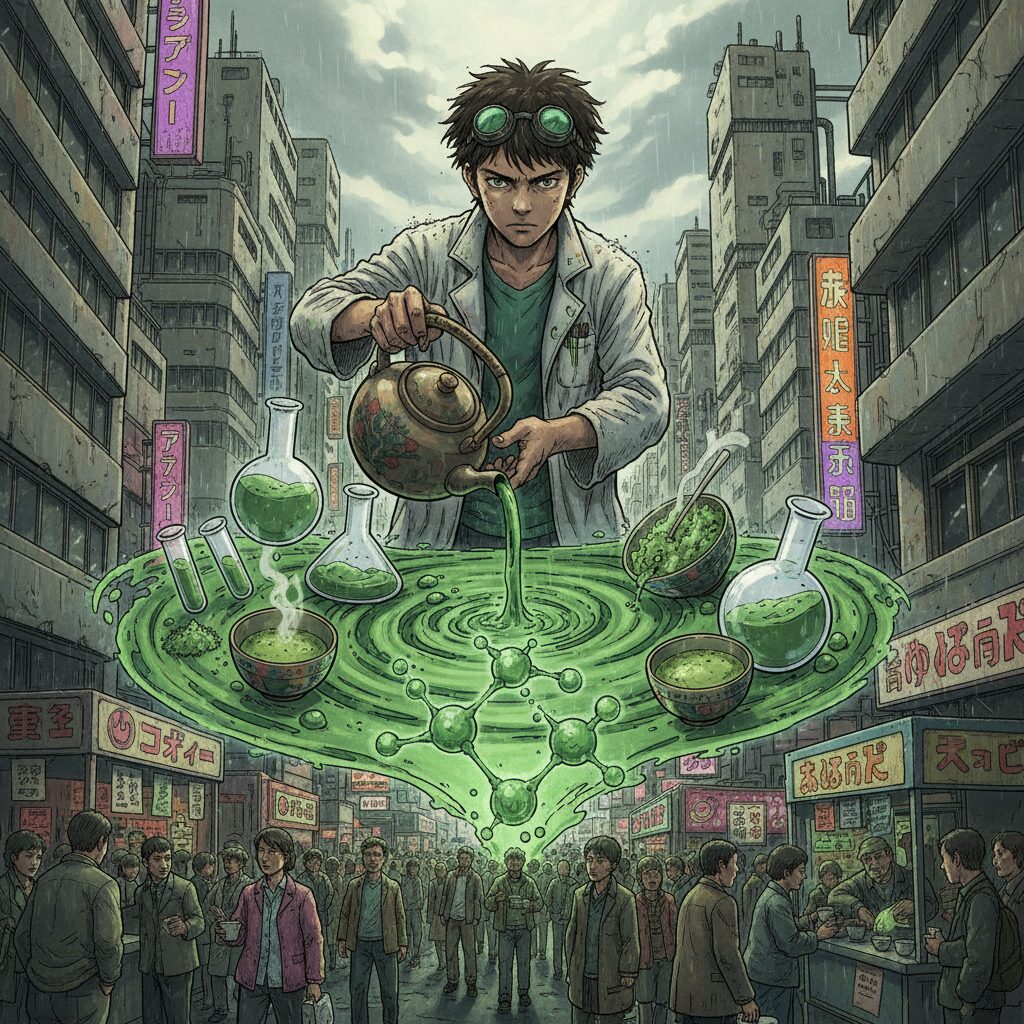
Alright, before we completely abandon our local coffee shop, let’s break down the basics. What exactly makes matcha, matcha? It’s not just powdered green tea, despite what some labels might claim. The difference is substantial, and it all comes down to the special preparation process. We’re talking about serious VIP treatment for the tea leaves. It all begins with a plant, Camellia sinensis, the same one that produces all our tea. But for matcha, these plants receive royal treatment. About three to four weeks before harvest, the tea bushes are covered with large sheets of black cloth. This shading process is a total game-changer. Why? By blocking sunlight, the plant ramps up production of chlorophyll and L-theanine. Chlorophyll gives matcha its vivid, vibrant green hue—none of that dull, swampy green you might expect. L-theanine is the secret ingredient. It’s an amino acid that provides that distinctive savory, umami flavor and, get this, promotes a state of calm alertness. It’s the focused zen without the caffeine jitters. Big mood.
Once the leaves are picked, they’re steamed immediately to halt oxidation. This step is crucial—it locks in the color and all the nutrients. Then, the stems and veins are carefully removed. What remains is the pure, tender leaf flesh, known as tencha. This is what sets the authentic stuff apart from the imitators. Only tencha can be ground into genuine matcha. This precious tencha is then stone-ground into an incredibly fine powder using massive granite wheels that turn very slowly. It can take up to an hour to grind just 30 to 40 grams. The gentle friction creates a subtle warmth that releases matcha’s signature sweet, mellow aroma. The resulting powder is as fine as talcum powder, with a texture that’s simply ethereal. When whisked with water, it doesn’t merely dissolve; it forms a suspension—a creamy, frothy emulsion that’s smooth, rich, and complex. You have ceremonial grade, which is the highest quality made from the youngest leaves, ideal for drinking straight. Then there’s culinary grade, which is a bit more robust and perfect for lattes or desserts. Understanding these differences is your first step toward becoming a true matcha connoisseur.
The Holy Land: Uji, Where Matcha Was Born
If matcha had a capital city—a Vatican or Mecca—it would undoubtedly be Uji. Period. This small city, nestled between Kyoto and Nara, is the undisputed birthplace of premium Japanese matcha. The atmosphere here is distinct: slower, quieter, with the air itself seemingly infused with the gentle, roasted aroma of tea. This isn’t a tourist trap; it’s a pilgrimage site for those truly dedicated to green tea. Strolling along the Uji River, with its traditional wooden bridge and cormorant fishing boats, feels like stepping into an ancient scroll painting. The entire town pays homage to tea. Family-run shops, some centuries old, line the main street, their storefronts showcasing gleaming tea canisters and elegant pottery. There’s an aura of quiet pride here—they’re not just selling a product; they’re safeguarding a legacy.
Uji’s bond with tea is ancient, dating back to the Kamakura period. The unique terroir—famous Uji soil, ideal rainfall, and mist rising off the river—creates perfect conditions for growing top-tier tencha. This is where the art of shading tea leaves was refined. The history is tangible. You sense it when visiting Byodo-in Temple, a stunning UNESCO World Heritage site featured on the 10-yen coin. The temple’s Phoenix Hall is a breathtaking example of Heian period architecture, surrounded by gardens that are masterpieces of landscape design. But how does this relate to matcha? The temple and the rise of tea culture in Uji are deeply connected. The aristocracy and samurai who supported these temples were the original tea connoisseurs, fueling demand for the finest tea and establishing Uji’s lasting reputation.
Finding Your Zen at Uji’s Legendary Tea Houses
In Uji, visiting a traditional tea house isn’t just a recommendation; it’s a spiritual necessity. And you have to start with the giants. Take Nakamura Tokichi Honten: an institution founded in 1854, housed in a beautifully preserved traditional building designated as an Important Cultural Landscape. Passing through a charming noren curtain, you enter a space that’s part shop, part museum, and part tranquil café. The main café overlooks a magnificent Japanese garden, featuring a gnarled, ancient pine tree that is a local landmark. A seat here often means a long wait, but it’s absolutely worth it. This is not a place to rush—you’re here to unwind and savor. Their signature dish is the Namacha Jelly, a masterpiece: a bamboo tube filled with silky, intensely flavored matcha jelly, chewy shiratama mochi, sweet azuki bean paste, and a scoop of incredibly creamy matcha ice cream. Each bite takes you through layers of texture and green tea flavor, from bitter to sweet to umami. Enjoying their top-grade usucha (thin matcha) or koicha (thick matcha) here is transformative—it’s velvety smooth, vibrant, like drinking liquid spring.
Then there’s Itoh Kyuemon, another heavyweight of the Uji tea scene, with roots tracing back to the late Edo period. While revering tradition, they’ve also perfected modern matcha creations. Their main store and café near the Uji River buzz with green tea delights. Their matcha parfait is legendary: a towering creation of matcha ice cream, sponge cake, jelly, and cookies—pure perfection. They also innovate; seasonal items like the matcha hydrangea parfait in early summer regularly grace Japanese Instagram for good reason. Gorgeous and delicious, Itoh Kyuemon makes high-quality matcha accessible and fun without diluting its essence. They even offer unexpected dishes like matcha curry and matcha soba noodles—wild but wonderfully effective—showcasing matcha’s versatility.
Getting Off the Beaten Path in Uji
While the renowned spots are must-visits, Uji’s true charm often lies in its smaller, quieter corners. Take a stroll down Byodo-in Omotesando, the main street leading to the temple, lined with dozens of tea shops. Pop into any of them—many offer a small cup of tea to sample as you browse. Chat with the owners, many families who’ve been in the tea trade for generations. They’ll share stories about their specific fields, the nuances between spring and summer harvests—a free crash course in tea appreciation. Seek out cozy cafes tucked away on side streets. One hidden treasure is the Tale of Genji Museum, which, beyond its fascinating exhibits on the classic novel set in the region, houses a quiet tea room where you can peacefully enjoy a bowl of matcha, away from the crowds. For a uniquely immersive experience, try grinding your own matcha at a place like the Taihoan tea house. Using a small stone mill, you slowly crush tencha leaves into powder—a meditative process that deepens your appreciation of the craft. And the matcha you create yourself? Somehow, it tastes even richer.
Uji is an effortless day trip. From Kyoto Station, hop on the JR Nara Line—about 17 minutes on a rapid train or 30 on a local. From Osaka, it’s also straightforward, usually requiring a transfer at Kyoto or via another line. The ideal time to visit is spring, when cherry blossoms along the river are stunning, and shincha, the prized first tea harvest, arrives. Autumn is equally beautiful, with fall foliage framing the temples and river. But honestly, Uji exudes its unique vibe year-round. Just bring comfortable walking shoes, an empty stomach, and an open mind.
The Kyoto City Scene: Tradition Meets Hype

If Uji represents the serene, traditional cradle of matcha, then Kyoto city is its sophisticated, vibrant descendant. Here, the timeless art of the tea ceremony thrives alongside a flourishing scene of modern cafes redefining what matcha can be. The city itself is a living museum, with matcha deeply intertwined in its essence. In neighborhoods like Gion and Higashiyama, featuring narrow stone-paved streets, wooden machiya houses, and occasional glimpses of geisha, you’ll discover exquisite tea houses that have been hosting ceremonies for centuries. This is the place for a full cultural immersion into Chanoyu, or the Way of Tea.
The Way of Tea: More Than Just a Drink
Let’s be clear: a traditional Japanese tea ceremony is far more than simply drinking matcha. It is a spiritual practice and a form of moving meditation meant to foster harmony (wa), respect (kei), purity (sei), and tranquility (jaku). Every movement, from the host cleaning the tea bowl to the way you turn it in your hands before drinking, is intentional and rich with meaning. It is both a performance and an art, as well as a moment of focused presence. For newcomers, it might feel somewhat intimidating, but the key is to relax and observe. Your host will guide you through the experience.
Where can you experience this? Kyoto offers many wonderful options. Venues like En, a small tea house in Gion, provide intimate ceremonies conducted in English, with explanations of the philosophy and symbolism behind each step. You’ll sit on a tatami mat in a beautifully minimalist room, possibly overlooking a private garden. Before the tea, you’ll be served a delicate, seasonal sweet called wagashi. The sweetness of the wagashi perfectly complements the bitter, umami flavors of the matcha. The host then prepares the matcha in front of you with a grace and precision that captivates. The only sound in the room is the whisking of the chasen (bamboo whisk) against the chawan (tea bowl). When presented with the bowl, you are meant to admire it first, then turn it slightly as a sign of respect. The matcha itself, often koicha (thick tea) during formal ceremonies, is unlike anything else—thick as paint, intensely flavorful, and surprisingly not bitter. This powerful experience connects you to centuries of Japanese aesthetic philosophy. It’s more than a tourist activity; it’s a moment of cultural communion.
Modern Matcha Madness: Kyoto’s Cafe Culture
On the other hand, Kyoto’s contemporary matcha scene is absolutely vibrant. The city embraces experimentation. Stroll through downtown areas like Kawaramachi or the trendy district near Nishiki Market, and you’ll find cafes pushing matcha to new creative heights. Think matcha tiramisu, matcha cream puffs, and matcha cheesecakes almost too beautiful to eat. A must-visit is Kagizen Yoshifusa in Gion, renowned for its kuzukiri—translucent noodles made from arrowroot starch dipped in sweet syrup—and also famous for its elegant, perfectly balanced matcha parfait. For a more modern twist, Maccha House at Fujii Daimaru department store offers their Uji Matcha Tiramisu served in a traditional wooden masu box—a viral favorite. Creamy, indulgent, and bursting with high-quality matcha that cuts through the richness, it’s an absolute masterpiece.
Another hotspot that has the city buzzing is Tsujiri. With a long history rooted in Uji, their Kyoto outlets are temples of modern matcha desserts. Their soft-serve ice cream is legendary, delivering an overwhelming intensity of flavor. Available in a cone or as a layered parfait with cornflakes, mochi, and more, it’s not just a sugar rush but a showcase of craftsmanship. The standard for matcha quality in Kyoto is exceptionally high, even in casual dessert spots. The discerning Japanese palate won’t tolerate anything less than premium matcha. So, even when indulging in extravagant desserts, you know the green tea at the core is authentic. This blend of ancient tradition and cutting-edge innovation is what makes Kyoto’s matcha scene so thrilling. You can experience a deeply spiritual tea ceremony in the morning and enjoy a mind-blowing matcha dessert in the afternoon. It’s truly the best of both worlds.
Beyond the Golden Triangle: Japan’s Other Matcha Hotspots
While the Kyoto-Uji area remains the undisputed heart of the matcha world, it’s not the only region in Japan producing exceptional green tea. To deepen your matcha knowledge, it’s worth exploring other key regions. Each of these areas boasts unique histories, terroirs, and styles, enriching the diverse landscape of Japanese tea culture.
Nishio, Aichi: The Underdog Champion
If Uji represents the elegant, ancient emperor of matcha, Nishio plays the role of the diligent, powerful shogun. Nestled in Aichi Prefecture, Nishio is among Japan’s largest producers of high-quality tencha. With a history spanning centuries, the region is deeply committed to its craft. Nishio’s atmosphere is less touristy and more industry-focused in the best way possible—it’s truly a city built on tea. What sets Nishio matcha apart? The terroir is distinctive, with fertile soil and the Yahagi River providing a reliable water source. The matcha produced here features a vibrant, deep emerald color, a robust, full-bodied flavor, and a lingering sweetness. It’s a strong matcha that holds up beautifully in lattes and desserts, yet remains refined enough to be enjoyed solo.
If you’re visiting the Aichi region—perhaps while in Nagoya—a detour to Nishio is perfect for the serious tea enthusiast. You can explore the Nishio City Historical Park, which includes a reconstructed Nishio Castle and the traditional tea house Shokoso, where you can participate in a tea ceremony with local Nishio matcha. The real highlight, however, is touring a local producer. Aoi Seicha, a prominent name, operates Ai-Terrace, a facility offering factory tours, insights into matcha production, and even opportunities to grind your own matcha. This behind-the-scenes experience shows how matcha goes from field to cup. Nishio provides a more grounded perspective on matcha, and its quality is unmatched. IYKYK.
Yame, Fukuoka: Kyushu’s Green Gem
Traveling south to Kyushu Island, you’ll discover another tea haven in Fukuoka Prefecture’s Yame region. Yame is renowned primarily for its premium gyokuro, a shade-grown green tea. But here’s the secret: the same cultivation methods and ideal growing conditions that produce outstanding gyokuro also yield exceptional tencha, the raw material for matcha. Yame matcha is an emerging star, celebrated for its strong umami flavor and minimal bitterness. It’s exceptionally smooth, often accompanied by a sweet, complex aroma that some describe as “seaweed-like,” a highly prized quality in premium Japanese green teas. The tea plantations scattered in the mountainous Yame region are often cloaked in river fog, which naturally shields the leaves from harsh sunlight, contributing to their distinctive taste. For visitors, Yame offers a chance to immerse themselves in tea culture amidst breathtaking rural scenery. The Yame Traditional Craftwork Center showcases local arts, including tea, and many farms now host tours and tea-picking experiences, especially during spring harvests. Sampling Yame matcha means tasting the terroir of Kyushu and appreciating Japan’s regional tea diversity—essential for anyone looking to go beyond the usual matcha stories.
Level Up: Getting Your Hands Dirty with Matcha

Drinking matcha is one thing, but to truly connect with it, you need to engage directly in the process. Throughout Japan’s tea-growing regions, there are increasing opportunities for hands-on experiences that deepen your appreciation for this powdered treasure. Now is the time to roll up your sleeves and dive into the world of green.
From Bush to Bowl: Tea Picking and Factory Tours
There’s nothing quite like standing in a tea field, surrounded by rows of lush green bushes under the warm Japanese sun. Tea picking is a seasonal event, usually taking place from spring to early summer. Many farms in Uji, Shizuoka, and even Nishio now offer experiences where you can wear a traditional picker’s outfit and try plucking the tender young leaves yourself. It’s trickier than it seems! You must be precise, selecting only the top few leaves—the most prized part of the plant. This meditative, humbling activity connects you directly to the source of the tea. After harvesting your leaves, many tours include a visit to the factory where the magic unfolds. You’ll witness massive steamers, dryers, and the intricate machines that separate stems and veins. The scent inside these factories is intoxicating—a blend of fresh grass and sweet, roasted notes. It’s an unforgettable sensory experience that reveals the process behind the product.
The Grind: Making Your Own Matcha
As mentioned earlier, one of the most rewarding hands-on experiences is grinding your own matcha. This activity is often offered at specialized tea houses or cultural centers. You’ll receive a traditional stone mill (ishiusu), a portion of tencha leaves, and instructions on the technique. Slowly and steadily, you turn the top stone, and the fragrant, vibrant green powder begins to form. The slow, rhythmic movement is incredibly soothing. The reward is immediate: you get to whisk the very matcha you just ground. The freshness is unparalleled—the aroma more intense, the flavor more vibrant. It’s the freshest bowl of matcha you’ll ever taste. This simple act fosters a profound appreciation for the labor and artistry behind every tin of matcha. It’s truly a game-changer.
A Beginner’s Playbook: Matcha Etiquette and Tips
Alright, you’re ready to jump in, but you want to avoid making any major mistakes. No worries. Japanese culture highly values politeness, yet they are also very welcoming to curious visitors. Here are a few simple tips to help you enjoy your matcha experience like a pro.
At a formal tea ceremony, the key is to be present and respectful. Set your phone to silent. Speak softly. When served the wagashi sweet, finish it completely before the tea arrives. When the tea bowl is presented, it’s often placed with its most beautiful side facing you. Pick it up using your right hand and support it with your left palm. To show humility, gently rotate the bowl clockwise (about twice) so you don’t drink directly from the front. Take a few sips—it’s polite to finish in about three sips if possible, ending with a small slurp to show appreciation. Once done, wipe the rim where your lips touched with your fingers, then rotate the bowl back to its original position before setting it down. It may sound complex, but it will feel natural once you’re there. Your host will value the effort.
In a more casual café setting, things are obviously much more relaxed. The main advice is to really savor what you’re having. If you order a traditionally prepared bowl of matcha, take a moment to admire its color and aroma before drinking. Don’t just chug it like a shot of espresso. If you choose a parfait or a cake, snap a photo for social media, but then put your phone away and focus on the flavors and textures. Notice the quality of the matcha—is it sweet, bitter, or savory? The more attention you pay, the more you’ll develop your own palate. And one last tip: don’t hesitate to ask questions! Whether you’re at a centuries-old shop in Uji or a trendy café in Tokyo, the staff are usually passionate and knowledgeable about their tea. Asking about the origin of their matcha or for recommendations is a great way to learn and connect.
Your Matcha Journey Awaits

We’ve traveled from the misty hills of Uji to the vibrant streets of Kyoto, exploring everything from the basics of matcha’s creation to its highest artistic expressions. Matcha is far more than a trendy flavor; it is a cultural cornerstone, a spiritual practice, and a tribute to Japan’s pursuit of perfection. It offers a world of flavor that is at once bold yet subtle, simple yet endlessly complex. Whether you seek a moment of quiet reflection in a traditional tea room, enjoy an extravagant dessert, or start your day with a perfectly whisked bowl at home, authentic matcha has something to offer everyone. It encourages you to slow down, pay attention, and truly savor the moment. So, the next time you see that vibrant green powder, I hope you view it with new appreciation—imagine the shaded fields, the granite mills, and centuries of tradition. Find your perfect bowl. Your personal matcha journey is just beginning. The real green gold awaits you.