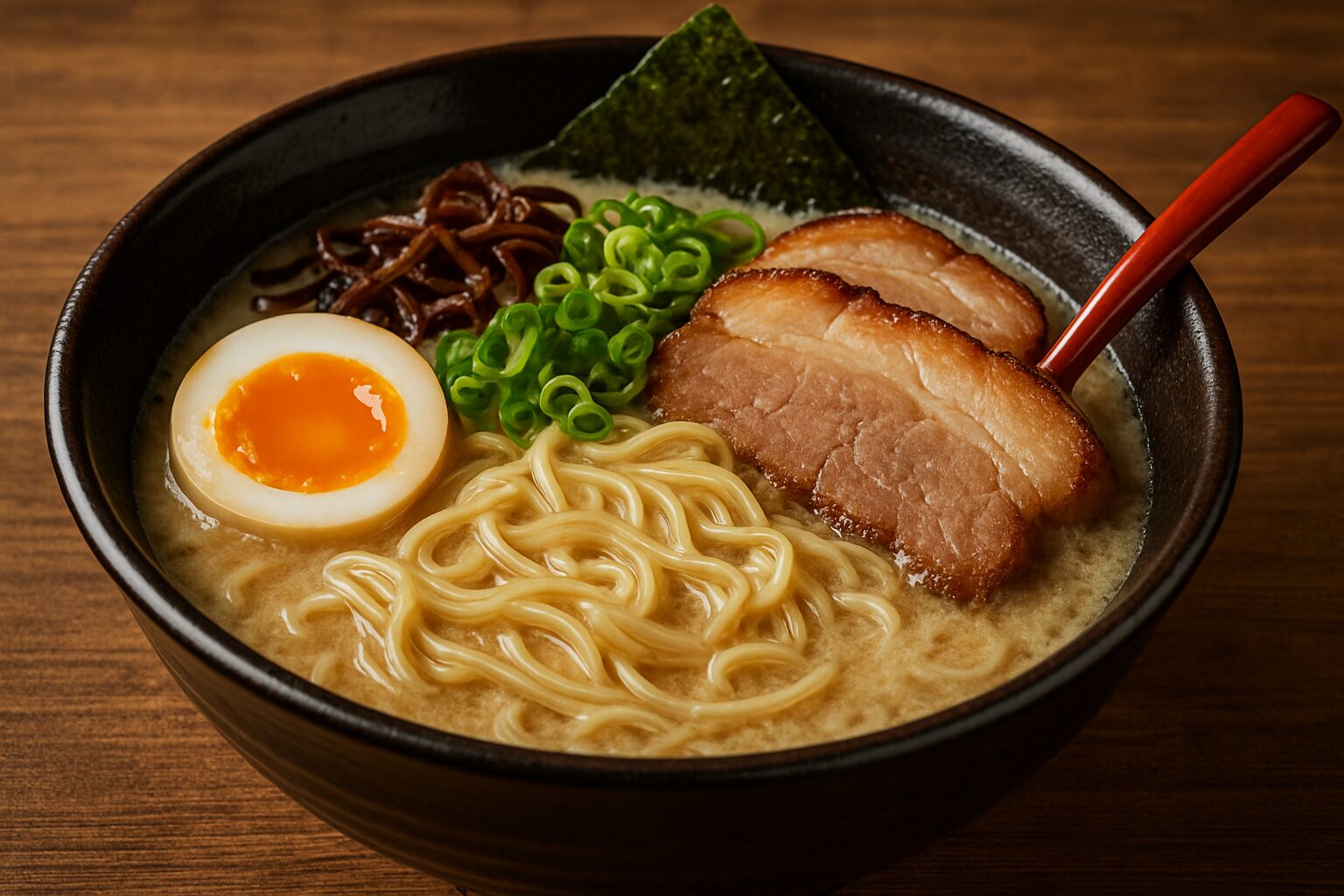
Yo, what’s the deal? Li Wei here, coming at you with the real scoop. When people talk about Japanese food, sushi and tempura get all the main character energy. But let’s be real, the true soul food, the dish that fuels the nation from late-night study sessions to post-work chill-downs, is ramen. And within that wild, wonderful world of noodles and broth, one style stands tall, a certified legend with a cult following. I’m talking about Tonkotsu ramen. No cap, this isn’t just a bowl of soup; it’s an entire experience, a culinary art form that’s been perfected over decades. It’s that rich, creamy, pork-bone broth that hits different, coating your soul with warmth and pure, unadulterated flavor. Originally from the streets of Fukuoka in Kyushu, the southernmost of Japan’s main islands, Tonkotsu has gone from a local secret to a global phenomenon. It’s the kind of dish that makes you say, “Okay, I get it now.” It’s a whole mood, a vibe that’s both intensely personal and universally understood. Forget everything you thought you knew about instant noodles. We’re about to dive deep into the world of authentic, life-changing Tonkotsu, exploring the spots that are straight fire and the culture that makes it so much more than just a meal. This is your ultimate guide to understanding and, more importantly, devouring the king of ramen. Get ready, because your taste buds are about to get a major glow-up. We’re starting our journey in its homeland, Fukuoka, the undisputed capital of the Tonkotsu universe.
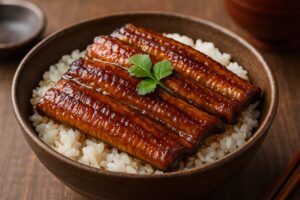
To truly experience Fukuoka’s rich culinary culture beyond tonkotsu, consider taking a day trip to nearby Yanagawa to savor its famous steamed eel.
The Broth: The Heart and Soul of Tonkotsu
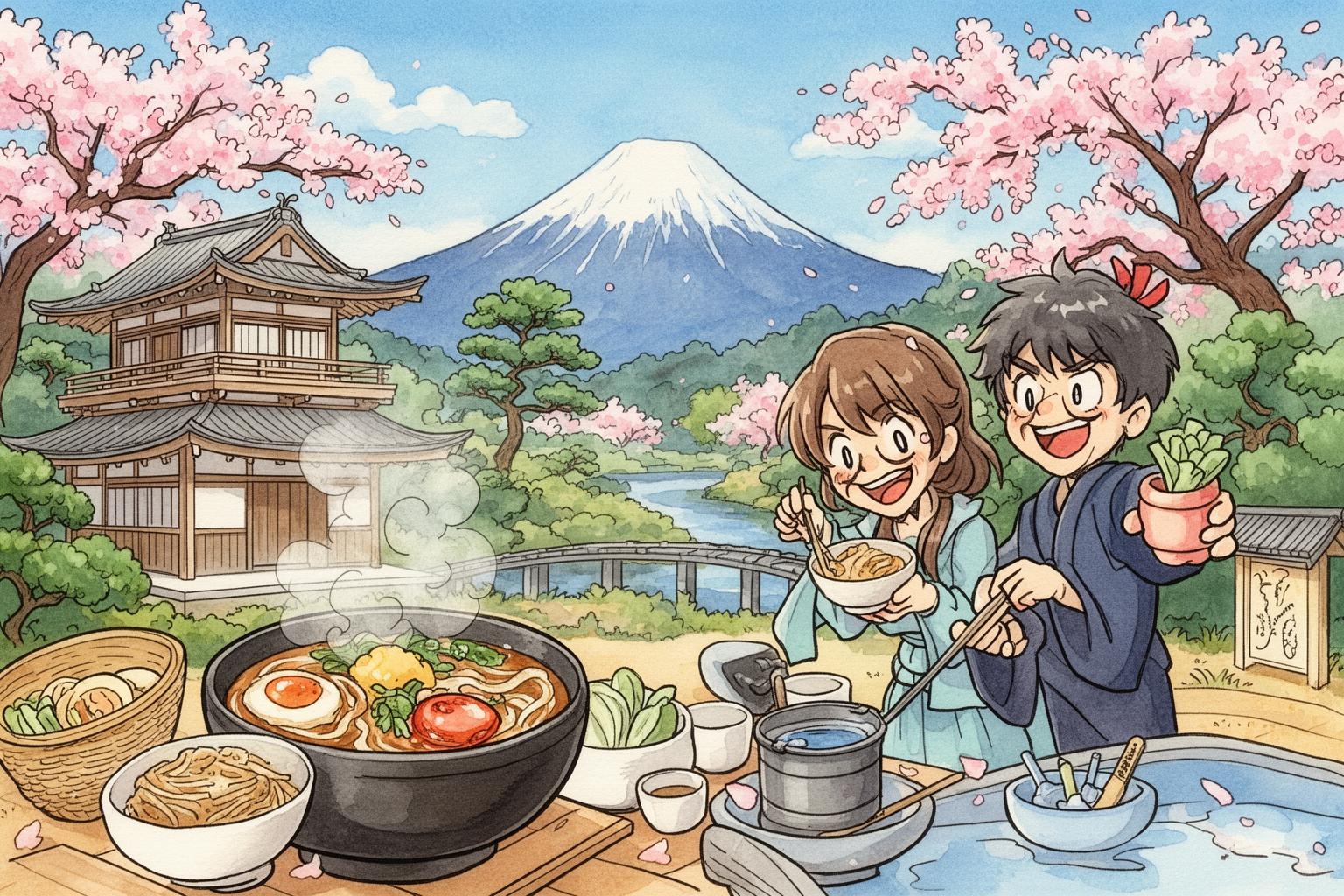
Let’s zero in on the absolute essence that makes Tonkotsu ramen the legend it is: the broth. The word tonkotsu (豚骨) literally means ‘pork bone,’ and that’s the crux of the whole story. This isn’t just any soup base. It’s a genuine potion—a milky, opaque elixir crafted by boiling pork bones, mainly femur and trotters, for an extraordinary amount of time. We’re talking eight, twelve, sometimes even over eighteen hours, all at a vigorous, rolling boil. This relentless method is essential. It breaks down the collagen, marrow, and fat in the bones, emulsifying them into the water to produce a broth with unrivaled richness and a creamy, velvety texture. The result is known as paitan (白湯), meaning ‘white soup,’ with a color that can vary from a soft ivory to a deep, rich beige, depending on the chef’s recipe. The air in an authentic Tonkotsu-ya is thick with the aroma—a primal, deeply savory scent called yobimodoshi, or ‘calling back the soup,’ where old broth is blended with new to preserve a consistent and ever-evolving flavor. This level of dedication exemplifies the Japanese concept of shokunin—the artisan’s spirit.
That said, not all Tonkotsu broths are the same. The richness spans a wide spectrum. On one side is the assari style, which is lighter and cleaner, allowing the pure pork flavor to shine without overpowering. It’s smooth and easy to drink, perfect for newcomers. On the other extreme is the kotteri style—legendary in its own right. It’s thick, ultra-rich, and saturated with collagen, often leaving a sticky, satisfying film on your lips. Some ramen shops in Fukuoka are known for broths so intense they resemble gravy. The surface frequently glistens with a layer of pork back fat, or seabura, that melts on the tongue, delivering an explosive umami hit. A variation of the kotteri style known among ramen enthusiasts as ‘cappuccino ramen’ features broth so aggressively emulsified that it creates a layer of foam, or awa, on top, trapping the aroma until you break through with your spoon. This is more than just food; it’s culinary chemistry and fluid dynamics in perfect harmony. Each sip narrates a tale of time, patience, and an obsessive quest for perfection. The broth is the canvas on which the entire bowl is crafted, and a true Tonkotsu master is an artist of the highest caliber.
Noodleology: The Skinny on Hakata-Style Noodles
If the broth is the soul, then the noodles are the backbone of the Tonkotsu experience. In the world of Hakata-style ramen, the most well-known variety of Tonkotsu, the noodle choice is very deliberate and precise. Forget the thick, wavy, yellow noodles common in other ramen styles. Hakata ramen features ultra-thin, straight, low-hydration noodles made from a simple mix of flour, water, and kansui (alkaline solution). This clever choice is deeply tied to the culture of Hakata itself. Workers at Fukuoka’s Nagahama Fish Market needed something quick to eat. Thin noodles cook rapidly—under a minute, sometimes as fast as 15-20 seconds—ensuring your bowl arrives piping hot, immediately. The low hydration gives the noodles a firm texture and a wheaty bite that holds up well against the rich, heavy broth without being overwhelmed.
This demand for speed also led to two iconic elements in the Tonkotsu world: katasa (noodle firmness) and kaedama (noodle refill). Because these noodles are so thin, they can get soft and mushy if left in the soup too long. To solve this, you get to choose how your noodles are cooked—this is katasa. The standard is futsu (regular), but true aficionados know the secret menu. You can request softer with yawa, or increase the firmness: kata means firm, barikata means extra firm, and for the most dedicated, there’s harigane (wire) or even konaotoshi (just shaking off the powder), which involves a very brief dip in hot water. Ordering barikata is a classic choice, delivering noodles with a strong chew that gradually softens as you eat, providing a dynamic texture throughout your meal—a pro tip that instantly earns you street cred.
The second innovation is the kaedama system. Instead of serving you a large portion of noodles that would inevitably become soggy, shops provide a smaller, manageable amount. When you’re nearing the end of your noodles but still have delicious broth left, you call out, ‘Kaedama, kudasai!’ and for a small fee (usually around 100-150 yen), a fresh, steaming portion of noodles is added to your remaining soup. This ensures every bite of noodle is at its optimal texture. It’s an elegant approach that values quality of experience over sheer quantity. It’s also incredibly satisfying—the second hit of fresh, firm noodles revitalizing your bowl is, no exaggeration, pure bliss. This entire system—the thin noodles, the firmness options, and the refill—is a perfect example of Japanese functional design, where every detail serves a logical and delicious purpose.
The Topping Game: Building Your Perfect Bowl
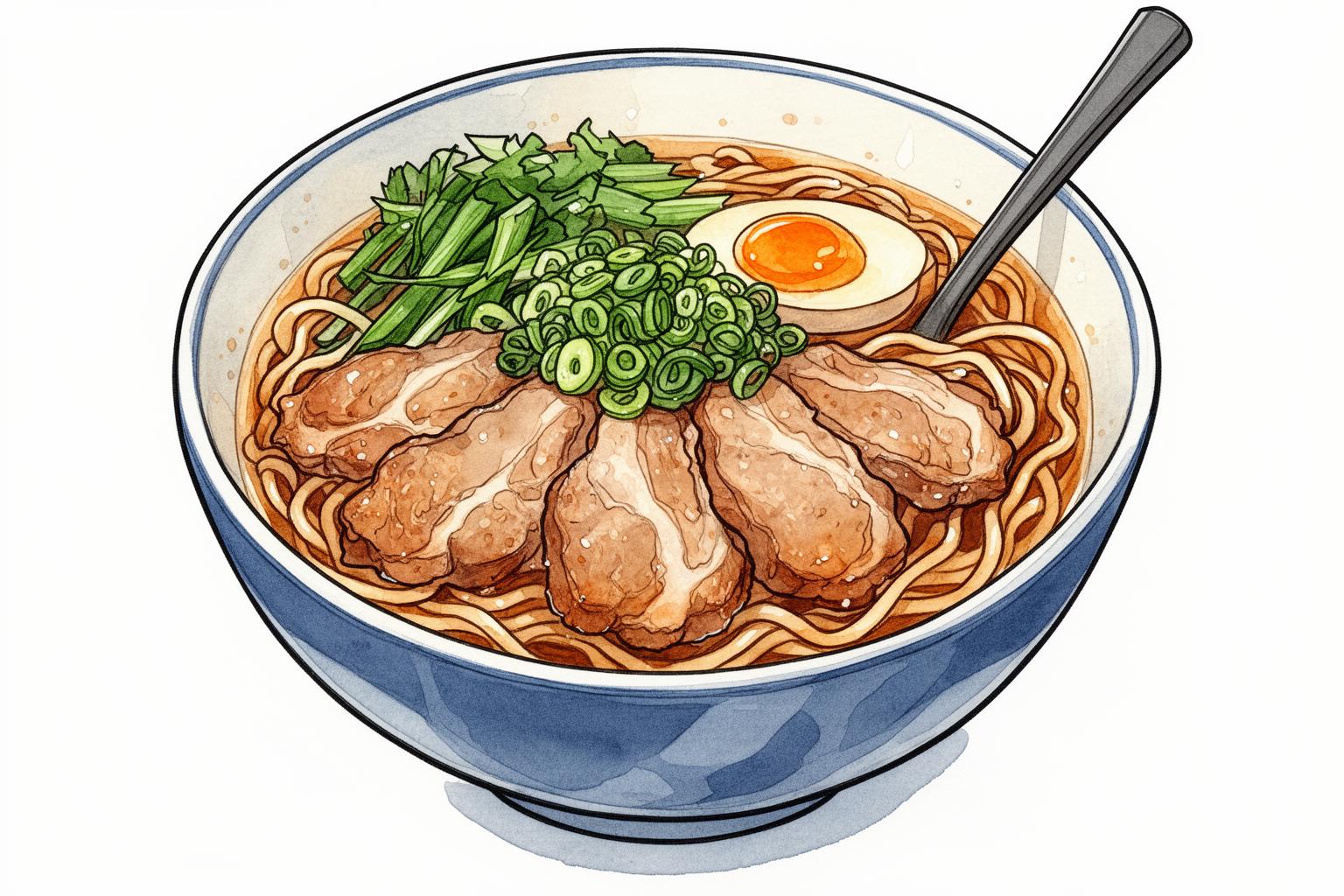
While the broth and noodles are the stars of the show, the toppings are what transform a great bowl of Tonkotsu into a true masterpiece. They add contrast in texture, flavor, and color, turning a simple dish into a complex symphony. The classic, minimalist Hakata ramen is often served quite plainly, but most shops offer a range of toppings that have become iconic in their own right. Let’s explore the starting lineup.
First up, chashu. This isn’t just any random slice of pork—it’s a culinary work of art. Usually made from pork belly or shoulder, it’s rolled, tied, and slowly braised in a blend of soy sauce, mirin, sake, and sugar until it’s tender enough to fall apart. Some places torch the slices before serving to add a smoky char, while others serve them soft and melting. A good slice of chashu melts in your mouth, its savory, fatty richness perfectly complementing the deep pork flavor of the broth. It’s the protein powerhouse of the bowl.
Next are the aromatics and vegetables. Finely chopped scallions, or negi, are essential. They offer a sharp, fresh, oniony bite that cuts through the richness of the broth, keeping it from feeling too heavy. Then there’s the underrated star: kikurage, or wood ear mushrooms. Typically sliced into thin strips, they have a unique, crunchy, almost rubbery texture. While mild in flavor, their textural contrast is crucial, adding a delightful crunch that balances the soft noodles and creamy soup.
Now let’s move on to the upgrades—toppings that elevate your bowl from great to god-tier. The top pick is the ajitama, or marinated soft-boiled egg. This staple is a fixture across all ramen styles but feels especially at home in Tonkotsu. The egg is boiled to a perfect jammy-yolk consistency, then marinated for hours or even days in the chashu braising liquid. When you cut into it, the golden yolk seeps into the broth, introducing another layer of creamy richness. It’s salty, sweet, and deeply savory. A bowl without an ajitama truly feels incomplete.
Other important players include menma (fermented bamboo shoots) with their sweet, earthy flavor and satisfying crunch; sheets of nori (dried seaweed) that soak up the broth and add a hint of oceanic umami; and beni shoga (red pickled ginger), a vibrant pink condiment that offers a sharp, acidic, palate-cleansing zing. In Hakata, tableside condiments play a crucial role too. Karashi takana (spicy pickled mustard greens) delivers a funky, spicy kick that’s fantastic in the latter half of your bowl. You’ll also often find freshly crushed garlic and sesame seeds to add even more layers of flavor. Crafting your perfect bowl is part of the experience—it’s a choose-your-own-adventure where every selection is a winner.
The Titans of Tonkotsu: Where to Get Your Fix
Alright, so you’re convinced by the concept. But where exactly do you go to experience this culinary paradise? While fantastic Tonkotsu shops can be found all over Japan (and beyond), let’s highlight a few legendary establishments that have truly shaped the scene. These are the iconic names, the spots that ramen enthusiasts consider pilgrimage sites.
Ichiran: The Solo Dining Retreat
Ichiran is likely the most well-known ramen export from Japan, and for good reason. They’ve transformed ramen into both a science and an art focused on personal customization. The entire experience is distinctive. You order from a ticket machine and are then seated at a small wooden booth, called a ‘flavor concentration counter,’ separated from other diners. This setup is designed so you can concentrate fully on your ramen with zero distractions. It’s ideal for solo travelers or anyone who’s a bit shy. Before your bowl arrives, you complete a form to customize everything: flavor intensity, richness, garlic amount, green onion type, chashu inclusion, noodle firmness, and the level of their signature spicy red sauce. This degree of control makes it a fantastic place for beginners, allowing you to tailor the bowl precisely to your tastes. The Tonkotsu broth is smooth, refined, and consistently delicious. Is it the most ‘authentic’ underground experience? Probably not. But is it a high-quality, perfectly executed bowl of ramen that hits the mark every single time? Absolutely. Ichiran is the gateway to a lifelong Tonkotsu obsession.
Ippudo: The Trendsetting Global Favorite
If Ichiran is the solo dining haven, Ippudo is the stylish, cosmopolitan ramen bistro. Founded in Hakata in 1985, Ippudo set out to reinvent ramen shops by making them cleaner, more modern, and inviting to everyone—including women and international guests. The atmosphere is pristine—cool music, sleek design, and welcoming service. They are credited with elevating Tonkotsu to a worldwide culinary phenomenon. Their menu focuses on two signature bowls. The Shiromaru Classic is their traditional Tonkotsu—a delicate, silky broth showcasing pure pork bone flavor. It’s elegant and timeless. Then there’s the Akamaru Modern, which builds on the Shiromaru base with a scoop of special miso paste and fragrant garlic oil. It’s richer, more complex, and has a bold kick that’s incredibly addictive. Ippudo shows that you can honor tradition while innovating. Their side dishes, like bite-sized gyoza and pork buns, are also excellent. Ippudo is the cool older sibling in the ramen world.
Hakata Issou: The Local Powerhouse
For those craving the raw, unfiltered power of Hakata Tonkotsu, a visit to a local favorite like Hakata Issou is essential. This spot is not for the faint-hearted. Just approaching the shop, you’re greeted by the strong, unmistakable aroma of pork bones simmered for ages. Issou is renowned for its ‘pork bone cappuccino’—a broth so rich and fatty it’s topped with tiny bubbles known as awa. This indicates a super-emulsified, high-density broth. The flavor is intense, deeply porky, and unapologetically bold. It’s a broth that coats your mouth and lingers long after the last bite. The ambiance is pure local ramen-ya: loud, steamy, and focused on the food. This is the true, unpolished Hakata experience. If Ippudo is a polished pop track, Issou is raw, energetic punk rock. It’s a must-try for anyone wanting to taste what locals line up for. If you know, you know (IYKYK).
Ganso Nagahamaya: The Original Classic
To truly appreciate Hakata ramen, you have to pay homage to one of the pioneers: Ganso Nagahamaya. This is a dive into ramen history. Located near Nagahama Fish Market, this shop has been serving workers since the 1950s. Their style is Nagahama ramen, a slightly lighter and saltier forerunner to the famous Hakata ramen style. The menu is humorously simple—you basically can only order ‘ramen.’ There’s no ticket machine or fancy frills. You sit at a long communal table, and a bowl is soon placed before you. The broth is thinner and less creamy than many Tonkotsu versions, but it boasts a clean, sharp pork flavor that’s incredibly refreshing. Toppings are minimal—just a few slices of chashu and a sprinkle of negi. It’s up to the diner to personalize the flavor with condiments on the table: sesame seeds, beni shoga, and a kettle of tare sauce to adjust the saltiness. It’s cheap, fast, and proudly unpretentious. Eating here feels like a trip back in time—a quiet history lesson served in a bowl. It’s the foundation of the ramen revolution.
The Art of the Order: How to Ramen Like a Pro
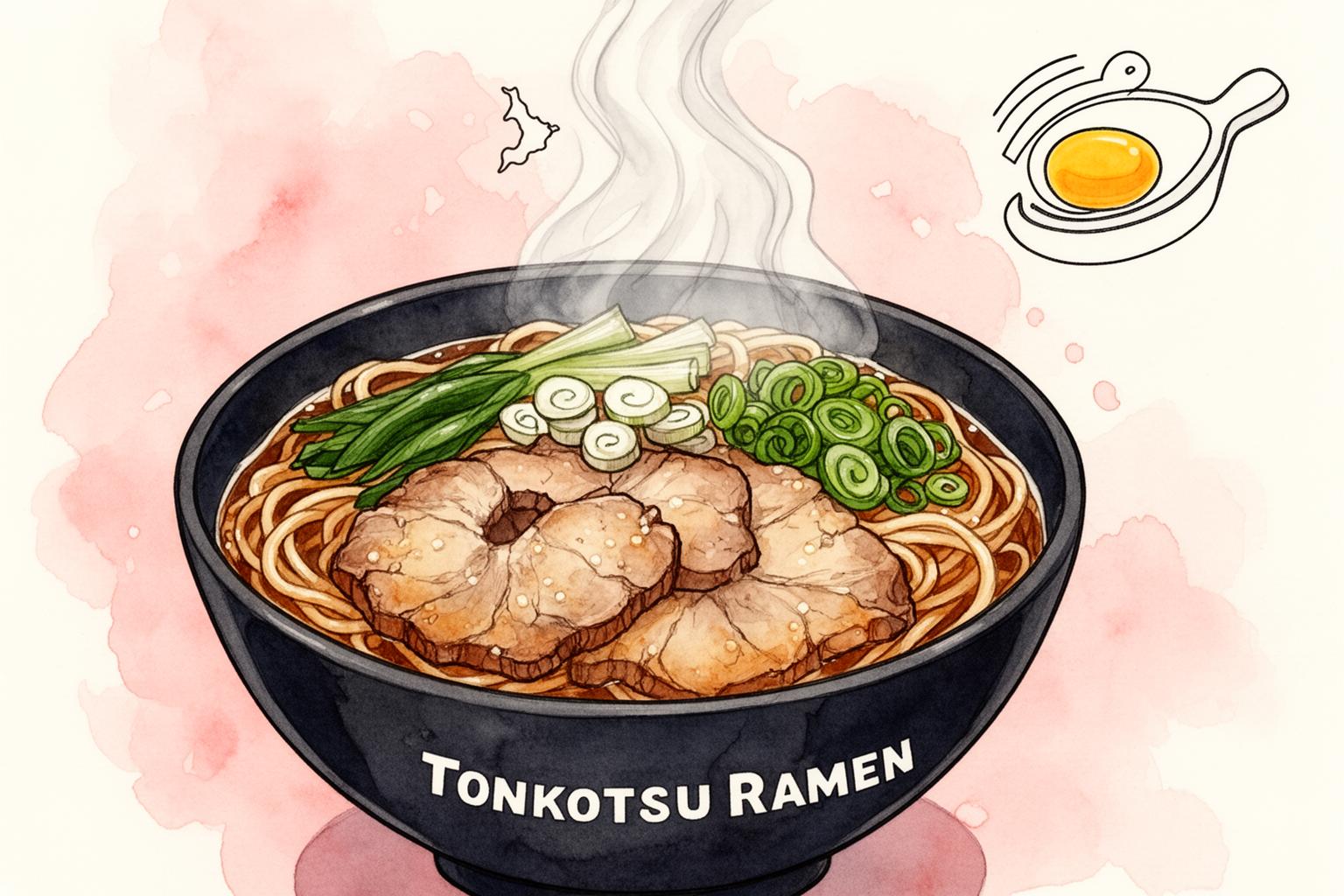
Stepping into an authentic ramen shop for the first time can feel a bit overwhelming. The sounds, the aromas, the pace—it’s a full sensory experience. But don’t worry, the process is actually quite straightforward once you understand how it works. Here’s a guide to navigating a Tonkotsu-ya as if you’ve been a regular forever.
First, spot the kenbaiki, or ticket machine. Many ramen shops, especially the simple, no-frills kinds, use these. It’s usually located right by the entrance. The machine will be covered with buttons featuring pictures and Japanese text. Don’t stress. The basic ramen is typically one of the buttons in the top-left corner. Look for the characters ラーメン. If you want extras, like an ajitama (味玉) or extra chashu (チャーシュー), press those buttons too. Insert your cash, select your items, and the machine will issue tickets. If there’s a queue, you usually buy your ticket before sitting down. Hand your ticket(s) to the staff, who will likely ask for your noodle preference: ‘Men no katasa wa?‘ This is your chance to shine. Confidently say ‘Barikata‘ or ‘Kata‘ and you’ll get a subtle nod of approval. Grab a seat at the counter and watch the magic unfold.
When your bowl arrives, take a moment to savor it—the steam, the aroma, the beautiful presentation of the toppings. According to purists, the first step is to sip the broth. Use your spoon to taste the soup on its own and appreciate its pure flavor before mixing everything together. After that, dive in. Don’t be shy about slurping! In Japan, slurping noodles isn’t rude; it’s actually the opposite. It indicates you’re enjoying your meal and serves a practical purpose: cooling the hot noodles as you eat and aerating the broth, which enhances its flavor. So go ahead, make some noise.
About halfway through, consider shifting the flavors. This is when the tabletop condiments come into play. Add a spoonful of crushed garlic for a bold kick. Sprinkle sesame seeds for a nutty aroma. To cut through the richness, add some bright pink beni shoga. A dash of spicy karashi takana can transform the broth with heat and depth. This second stage of the ramen experience is just as important as the first. And if you’re running low on noodles but still have plenty of that precious broth, it’s time for the kaedama. Simply call to the staff, hand over your 100 or 150 yen coin, and get ready for round two. Finishing every last drop of soup is the ultimate way to show respect to the chef—a silent, ‘Thank you for this amazing meal.’
Cultural Crosstalk: A Chinese Noodle Soup Perspective
As someone deeply intrigued by the interconnectedness of East Asian cultures, I can’t discuss ramen without recognizing its origins. Ramen is undeniably a Japanese national dish, but its predecessor is the Chinese lāmiàn. The transformation from Chinese noodle soup to Japanese ramen is a captivating tale of adaptation and refinement. From a Chinese viewpoint, the evolution of Tonkotsu is especially fascinating. Chinese cuisine is vast and varied, with numerous regional noodle soups. For instance, Lanzhou beef noodle soup is renowned for its crystal-clear, fragrant broth and hand-pulled noodles. Sichuan soups are famous for their fiery, numbing mala flavors, while Southern Chinese soups often tend to be lighter, emphasizing seafood or poultry.
The underlying philosophy often differs. In China, a noodle dish is typically a complete, balanced meal in a single bowl, focusing on the harmony of many ingredients. The Japanese approach, particularly with Tonkotsu, often embodies the principle of kodawari—an obsessive dedication to perfecting a single element. The practice of boiling pork bones for 24 hours to reach a particular emulsification level showcases a singular commitment that feels distinctly Japanese. They took the concept of noodle soup, deconstructed it into its essential components, and then spent decades refining each one to perfection: the broth, the noodles, the tare, the toppings. It’s a thorough exploration of specialization.
This isn’t to suggest that one approach is superior, but rather to appreciate the differing cultural attitudes toward food. The strength of Chinese cuisine lies in its extraordinary diversity and regional variety—a culinary world of flavors. Japanese ramen’s strength is in its remarkable depth, a focused quest for excellence within specific styles. The way the humble pork bone, a staple in Chinese stocks and broths, was elevated to the centerpiece of a dish like Tonkotsu is truly remarkable. It’s a culinary conversation between two cultures. The chashu is a clear adaptation of Chinese chāshāo (barbecued pork), and menma traces back to fermented bamboo shoots from Southern China. Ramen beautifully illustrates how a cultural import can be so fully embraced and transformed that it becomes something entirely new and iconic in its adopted homeland. It’s a story that resonates across all cultural forms, a reminder that traditions are always flowing and evolving.
Beyond the Bowl: Perfect Pairings and Side Hustles
A truly top-tier Tonkotsu experience extends beyond just the ramen itself. It’s about the entire ensemble—the side dishes and drinks that round out the meal. These aren’t mere afterthoughts; they are essential supporting elements that elevate the main event. Let’s explore the perfect pairings that will enhance your ramen feast to the next level.
The undisputed king of ramen side dishes is gyoza. These crispy, pan-fried dumplings make the ideal companion. In Hakata, gyoza are typically hitokuchi, meaning bite-sized. They’re smaller, more delicate, and often served in a sizzling cast-iron skillet. The bottoms are pan-fried to a perfect golden crisp, while the tops are steamed for softness and juiciness. Filled with minced pork, cabbage, and chives, they offer a savory, textural contrast to the soupy ramen. Dipping them into a blend of soy sauce, vinegar, and a hint of chili oil (rayu) is pure bliss. The cycle of a gyoza bite, a noodle slurp, and a broth sip creates a rhythm of sheer satisfaction.
Another outstanding side dish is karaage, Japanese fried chicken. This is boneless chicken thighs marinated in soy, ginger, and garlic, then coated in potato starch and deep-fried to crispy perfection. Juicy inside and crunchy outside, the savory, slightly sweet chicken flavor pairs beautifully with the rich, porky Tonkotsu broth. Many shops offer ramen-and-karaage sets, and it’s always a winning combo—comfort food squared.
And what about the leftover broth? Letting it go to waste is a culinary offense. This is where a simple bowl of white rice shines. Ordering a small bowl of rice to add to your remaining soup is a true pro move, often called ojiya style. The rice soaks up all that umami-packed goodness, transforming into a rich, savory porridge that ensures no drop of precious broth is lost. It’s a perfect, hearty way to end the meal.
To wash everything down, you have options. A frosty mug of draft beer, like Asahi or Kirin, is the classic pick. The cold, crisp carbonation cleanses the palate, cutting through the richness of the pork fat and prepping you for the next bite. For something stronger, a Highball—Japanese whisky and soda water—is another fantastic choice. Its clean, fizzy profile works like beer but with a bit more punch. If you prefer no alcohol, cold barley tea (mugicha) or oolong tea are excellent alternatives. Whatever you pick, the right drink completes the Tonkotsu puzzle, making this meal—no exaggeration—one of the greatest culinary experiences in the world.