Yo, what’s the deal? It’s your girl Megumi, coming at you live from the neon heart of Tokyo. Today, we’re about to take a deep dive, like, a full-on submarine mission, into a sound that’s the literal heartbeat of Japan’s pop culture mainframe. We’re talking chiptune. That crunchy, bleepy, bloopy, 8-bit symphony that probably scored your childhood if you ever picked up a controller. For real, this isn’t just some dusty, retro throwback; it’s a living, breathing, and totally lit subculture that’s pure fire. Think of it as the secret handshake between gaming, music, and straight-up artistic genius. It’s the sound of nostalgia getting a sick new remix, a pixelated world of sound that started inside tiny cartridges and exploded into the clubs and headphones of today. This is the origin story of the sounds that made Nintendo a legend, but it’s also the story of how that legacy keeps evolving, glitching, and grooving in the 21st century. We’re not just gonna listen; we’re gonna explore the hubs, meet the legends, and feel the bass drop in 8-bit glory. From the electric streets of Akihabara to the sweaty, pulsing energy of a basement club in Shibuya, this is your all-access pass to the chiptune dimension. Bet. Let’s get this bread and explore the sonic soul of Japan’s gaming generation.
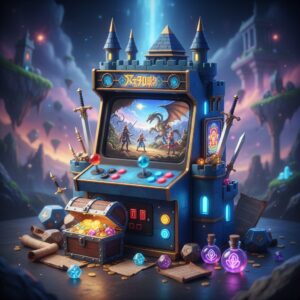
To fully immerse yourself in this retro-futuristic soundscape, you can start by exploring the legit 8-bit arcades where its roots are celebrated.
The Genesis Block: Unpacking the 8-bit Sonic Boom
Alright, let’s rewind the tape—or rather, dust off the cartridge. To really capture the chiptune vibe, you need to understand its origins. It all began with the OG, the legendary Nintendo Famicom, known to most as the NES. In the ’80s, this little plastic box was more than just a toy; it was a cultural reset. Inside it was a sound chip, the Ricoh 2A03, essentially the ultimate instrument for a generation of composers. This chip was, no joke, extremely limited. It had five sound channels: two pulse waves for melodies, one triangle wave for basslines, one noise channel for percussion and effects, and one DPCM channel for low-fi samples. That was it. You couldn’t simply play a full symphony; you had to build it piece by piece from these basic, raw electronic sounds. It was a masterclass in creative limitation.
This is where the magic took place. Composers like the iconic Koji Kondo, the genius behind Super Mario Bros. and The Legend of Zelda, weren’t just making music; they were essentially programming sound. They had to be masters of both code and composition. They discovered how to use arpeggios—rapidly cycling through notes—to simulate chords, a technique now synonymous with chiptune music. The noise channel was used to create everything from punch sounds to snare drums to crashing ocean waves. It was pure innovation born from constraint. The ‘Ground Theme’ from Super Mario Bros.? It’s not just an unforgettable melody; it’s a technical masterpiece. Every note was carefully crafted to maximize that modest chip’s potential. The same applies to the grand, sweeping scores of Dragon Quest by Koichi Sugiyama and the deeply emotional melodies of Final Fantasy by Nobuo Uematsu. These pioneers laid the groundwork. They proved that with enough inventiveness, entire worlds of emotion and adventure could be crafted using just a few square waves and static crackles. This era wasn’t merely about making background game music; it was about creating the first digital folk music—anthems that an entire generation internalized. This sound is etched into our collective memory, a shared experience that transcends language. It’s the sound of challenge, of triumph, of friendship, and of countless hours spent trying to conquer that one unbeatable level. This is the core, the source code, of the whole chiptune movement.
From Cartridge to Club: The Rebirth of Cool
So, you’ve got this iconic sound, right? The soundtrack to millions of childhoods. For a while, as technology advanced to CD-quality audio and orchestral scores, the old 8-bit sound might have become just a museum artifact. But it didn’t. It found a second life, a complete makeover, thanks to a generation of artists who saw this ‘limited’ technology not as outdated but as a powerful instrument. This is where chiptune as a music genre truly powers up. It shifted from the console beneath your TV to the stage of a club. The transition was wild and incredibly organic. It began with the demoscene, a community of computer enthusiasts and artists who pushed old hardware to its limits to create mind-blowing audio-visual presentations. They were the first to hack the system purely for artistic expression.
In Japan, this developed a very distinct style. Artists started modifying Nintendo Game Boys, transforming them into pocket-sized synthesizers. Using software cartridges like ‘LSDj’ or ‘Nanoloop,’ they composed complex, high-energy tracks directly on the hardware. The Game Boy, with its four channels of crunchy, bass-heavy sound, became the Stratocaster of the chiptune world. Portable, with a unique sound, and packed with undeniable coolness. This DIY spirit is central. It’s about taking consumer electronics, devices designed for passive entertainment, and opening them up to create something new and personal. It’s punk rock, but with a D-pad. The vibe focuses less on perfect, polished production and more on raw, unfiltered energy. It celebrates the beauty in glitches and the power in pixels. This movement birthed a whole new generation of musicians who weren’t just nostalgic about old games; they became active participants in a fresh musical dialogue. They sampled the sounds of their youth, re-contextualizing them into everything from face-melting breakcore to sugary-sweet pop anthems. This evolution is crucial. It proves that chiptune isn’t just about imitation; it’s a legitimate and versatile electronic music genre with its own pioneers, classics, and future.
Akihabara: Your Pilgrimage to Pixel Paradise
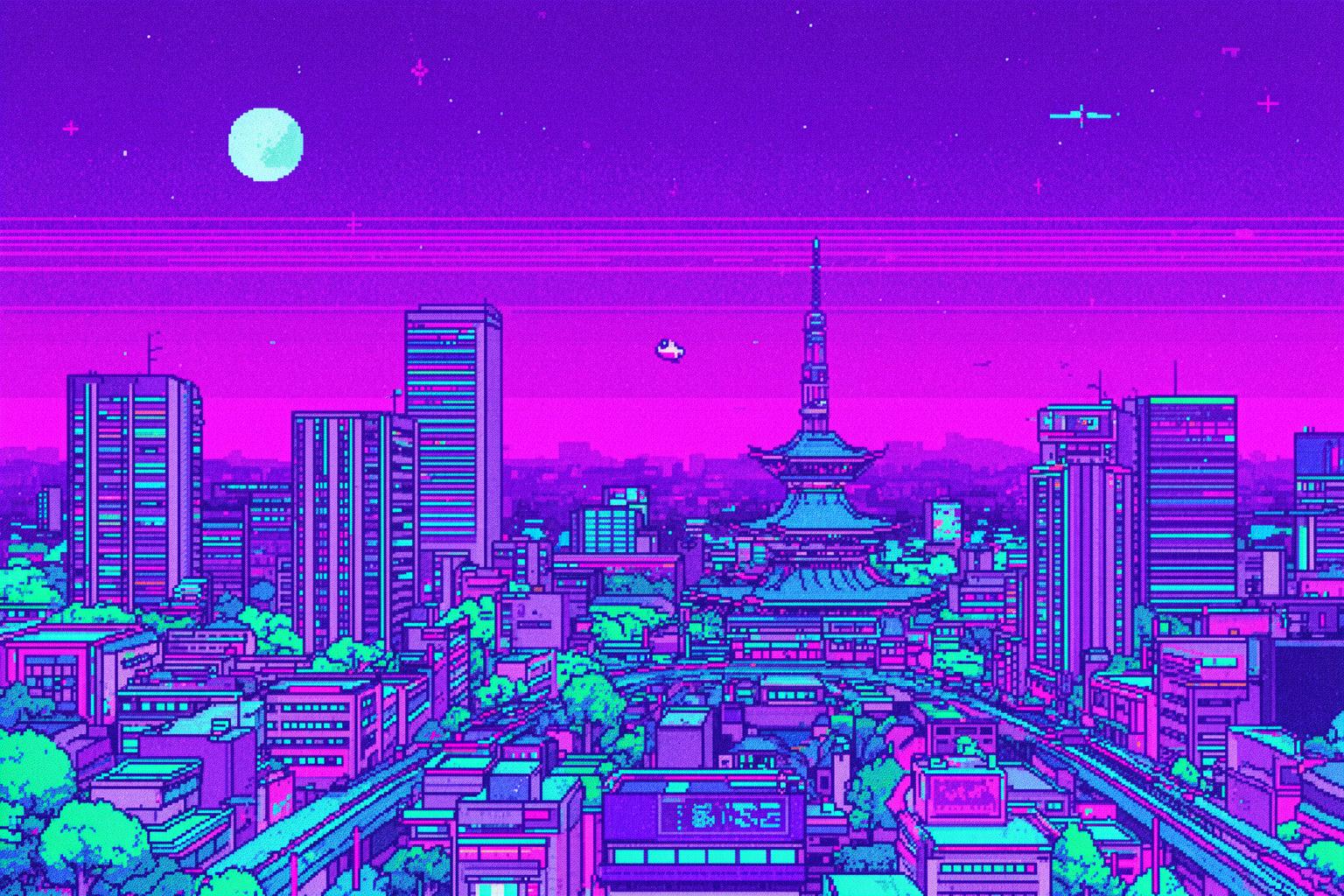
If chiptune has a spiritual home or a holy land, it has to be Akihabara—no doubt about it. This Tokyo district isn’t just a location; it’s an entire vibe. The moment you exit the station, you’re overwhelmed by a sensory flood of energy. It’s a dazzling mosaic of neon signs, gigantic anime billboards, a blend of arcade soundtracks merging into one chaotic melody, and a constant stream of people chasing their own version of geek culture. Known as ‘Akiba’ to locals, Akihabara is the heart of Japan’s gaming and electronics world, making it indispensable for anyone wanting to grasp the chiptune scene. It’s where the hardware resides, history is preserved, and the community flourishes.
The Retro Game Hunt Begins
First up: a retro game hunt is a must. This is non-negotiable. Your main destination is a store called Super Potato—legendary for a good reason. This multi-story nostalgia haven is packed floor-to-ceiling with every game console and cartridge imaginable. The air is thick with the scent of old plastic and cardboard, and 8-bit classics play on an endless loop. Wandering these aisles feels like stepping back in time. You’ll find pristine Famicom systems in their original packaging, Game Boys in every color under the sun, and rare Japan-only titles you’ve only heard about online. Even if you don’t buy anything, just being there is an incredible experience. It’s part museum, part shop. But don’t stop there—Akiba is full of other outstanding retro game stores like Trader, BEEP, and Friends. Each specializes in different things; some excel in rare finds while others offer bargain bins where classic games can be scored for just a few hundred yen. Digging through these bins is a rite of passage—you might unearth a game with a soundtrack that inspired your favorite chiptune artist. It’s about connecting with the physical media, the cartridges that hold the source code of this entire musical movement.
The Arcade Symphony
Next, dive into the modern arcade scene. Though the games have evolved, the energy remains the same. Enter one of the sprawling multi-story arcades such as the GiGO buildings or Taito Station. The ground floors are usually filled with UFO catchers, but as you move upstairs, you enter various zones. Some floors are dedicated to fighting games, alive with joystick clicks and intense battle cries. Others focus on rhythm games—the truest legacy of game music. Here, players perform astonishing feats of coordination on titles like ‘maimai,’ ‘Chunithm,’ and ‘Sound Voltex.’ The music is a dynamic blend of J-pop, anime themes, and electronic tunes directly descended from chiptune aesthetics. Fast arpeggios, driving beats, and catchy melodies fill the air. The atmosphere is electric; it’s more than just playing games—it’s a performance. Spend an hour here, and you’ll understand how deeply music and gaming remain intertwined in Japan. The arcade sounds are Akihabara’s urban soundtrack.
Finding the Beats
Beyond the games, Akiba is where you discover the music. While physical CD sales have dropped worldwide, they remain significant in Japan. Large stores like Tower Records feature extensive game music sections. For underground gems, though, explore smaller, specialized shops hidden in the maze-like corridors of buildings like Akihabara Radio Kaikan. Here, you’ll find “doujin” music—independent releases from small artist circles. This is often where physical albums from chiptune artists are found. It’s a treasure hunt, but the payoff of discovering a self-pressed CD from a local artist is priceless. It’s a tangible piece of the scene you can bring home.
The Live Experience: Where the 8-bit Magic Happens
Alright, you’ve done your homework and walked the sacred grounds of Akiba. Now it’s time for the main event: a live chiptune show. This is where the culture really comes alive. Forget any preconceptions you have about electronic music shows. A chiptune gig in Tokyo is often a small, intimate, and intensely passionate experience. It’s a community gathering, a celebration of a shared love for this distinctive sound. The energy is absolutely electric.
MOGRA: The Heart of the Scene
When discussing live chiptune in Tokyo, one name stands above the rest: MOGRA. Situated in Akihabara, this basement club is an institution. It’s not fancy—dark, loud, and often incredibly sweaty. Yet, the sound system is pristine, and the VJ setup is top-notch, with massive screens behind the DJ booth showcasing pixel art visuals perfectly synchronized with the music. MOGRA hosts a wide variety of events, from anime song nights to hard-techno parties, but it holds a special place for chiptune and game-music-related genres. Attending a chiptune night here is an experience. You’ll witness DJs pulling out two Game Boys to live-compose tracks that send the crowd into a frenzy. Artists perform with modded Famicoms, Sega Genesis consoles, and an array of bizarre, home-built electronic instruments. The visuals play a huge role, with VJs blending retro game sprites, glitch art, and abstract pixel patterns to create a fully immersive audio-visual world. The crowd mixes die-hard scene veterans, curious newcomers, and international fans who have made the pilgrimage. The vibe is super inclusive and friendly. Everyone shows up for the love of the music. You don’t need to be an expert to enjoy yourself—you just need to be ready to dance.
Key Artists to Watch For
The Japanese chiptune scene is brimming with incredible talent. Getting familiar with a few names will elevate your experience. YMCK is likely the most internationally renowned chiptune group from Japan. They blend 8-bit sounds with Shibuya-kei style jazz-pop, creating catchy, sophisticated, and always fun tunes. Then there’s Hige Driver, who injects metal and rock-and-roll energy into his chiptune tracks, crafting something heavy and fiercely energetic. TORIENA is a powerhouse known for her fast-paced, aggressive tracks and incredible live performances, often singing while controlling her Game Boys simultaneously. Saitone leans more experimental and atmospheric, producing complex, glitchy soundscapes with incredible detail. And that’s just the tip of the iceberg. The scene is constantly evolving with new artists emerging all the time. The best way to stay updated on who’s playing is to follow venues like MOGRA and key artists on social media, especially X (formerly Twitter), which is the primary platform for event announcements in Japan.
The Vibe of a Tokyo Gig
Going to a show in a small Tokyo venue, or ‘live house,’ has its own unique rhythm. Doors usually open shortly before the first act, and you’ll generally pay an entrance fee plus a mandatory ‘drink ticket’ fee. You exchange that ticket at the bar for your first drink—it’s just how the system works. Shows often feature a lineup of several artists, each performing 30 to 45-minute sets. The energy gradually builds throughout the night. Don’t be shy! While Japanese crowds can sometimes seem reserved, at a chiptune show, the passion is undeniable. People dance their hearts out, cheer their favorite moments, and lose themselves during a particularly intense 8-bit bass drop. It’s a place of pure, unfiltered joy. The connection between the artist on stage, hunched over a tiny Game Boy screen, and the audience moving as one is truly something special. It feels less like a concert and more like a secret party for people all in on the same amazing secret.
Beyond the Metro: Chiptune Across the Archipelago
While Tokyo is undeniably the largest hub, chiptune signals broadcast throughout Japan. This isn’t just a phenomenon of big cities; it’s a grassroots movement with passionate fans and creators spread across various regions. If your travels take you beyond the Kanto plain, you can still find the 8-bit pulse if you know where to look. Osaka, Japan’s vibrant and energetic second city, boasts its own thriving scene. The vibe in Osaka is often described as a bit wilder and less restrained than Tokyo’s. Areas like Amerikamura serve as the cultural heart of the city’s youth scene, where small clubs and bars host electronic music nights, including chiptune. The community is close-knit, and attending a show in Osaka can feel like being invited to a party with friends.
Further south, in cities like Fukuoka, or up north in Sapporo, the scenes may be smaller, but they are equally dedicated. Often, prominent Tokyo-based artists tour the country, collaborating with local acts and uniting the scene. These events offer a great opportunity to experience local culture and see how different regions interpret the genre. The internet has also played a huge role in connecting these scattered communities. Artists collaborate online, share tracks on platforms like SoundCloud and Bandcamp, and organize events via social media. This digital network enables chiptune culture to thrive even in places without a dedicated physical venue. So, when planning your trip, don’t hesitate to look beyond Tokyo. A quick search for terms like 「チップチューン イベント」 (chiptune event) combined with the name of the city you’re visiting might lead you to an unforgettable night of music in an unexpected place.
A First-Timer’s Cheat Sheet to the Chiptune World
Feeling excited to jump in? Bet. Here are some practical tips to make your first chiptune adventure in Japan smooth and absolutely awesome. This is your go-to guide for navigating the scene like a pro.
How to Find Gigs
This is the big one. Finding event information can be tricky if you don’t know where to look. Your top tool is X (Twitter). Seriously, nearly every artist, venue, and promoter in Japan uses it religiously. Start by following key venues like MOGRA Akihabara, which post their monthly schedules—a treasure trove of info. From there, you can see which artists are playing and follow them, too. This creates a domino effect, and your feed will soon be filled with event flyers and announcements. Another good resource is Resident Advisor; though it mainly covers larger electronic music events, it sometimes lists chiptune gigs. If you’re in Tokyo, check the schedules for venues in vibrant neighborhoods like Shibuya, Shinjuku, and Koenji, as they often host eclectic music nights.
Timing and Logistics
Most chiptune shows happen on Friday or Saturday nights. They often start late, around 10 or 11 PM, and can go until the first trains begin running in the morning, about 5 AM. This is very common for club events in Japan. Be ready for a long night! Make sure you check the last train times if you plan to leave early, or just commit to staying until sunrise—that’s a classic Tokyo experience. When you arrive at the venue, you’ll pay at the door. Cash remains king at many smaller venues, so it’s wise to have enough yen for entry and a few drinks. As mentioned earlier, the “one drink” ticket system is standard.
At the Show: What to Expect
Small Japanese live houses are… small. Personal space is somewhat of a luxury here, so just go with the flow. If you have a bag, most places offer coin lockers near the entrance, which are handy to use so you can move and dance freely. The sound will be LOUD. These venues are designed to let you feel the music deep in your bones, so if you have sensitive hearing, bringing earplugs is a smart move. Most importantly, have fun and be respectful. The chiptune community is incredibly welcoming. People come to share their passion. If you see an artist whose set you loved, feel free to approach them afterward, say hi, and maybe even buy some merch. They almost always have CDs or small items for sale. It’s the best way to support them directly.
A Little Language Goes a Long Way
You absolutely don’t need to be fluent in Japanese to have a great time. Music is a universal language, after all. However, learning a few basic phrases can make the experience even better. Simple expressions like ‘Sumimasen’ (Excuse me), ‘Arigatou gozaimasu’ (Thank you very much), and ‘Kore o kudasai’ (This one, please) when ordering a drink will be much appreciated. Pointing and smiling work wonders too! People are generally very happy to help visitors who show interest in their culture. Don’t let a language barrier stop you from experiencing one of the coolest music scenes on the planet.
The End Credits: Why This Vibe Still Slaps
So, there you have it: a journey from the modest sound chip of a Famicom to the pulsating, vibrant core of a Tokyo nightclub. Japan’s chiptune scene is far more than mere nostalgia. It stands as a testament to the power of creativity, a celebration of discovering beauty within limitations, and a living bridge between the nation’s past and its future. It’s a culture forged by artists who took the sounds of their childhood and crafted new anthems from them. Exploring this world is about more than just listening to music; it’s about experiencing a unique fusion of technology, art, and community. It’s about feeling the floor vibrate from a bassline that originated on a Game Boy. It’s about wandering the electric streets of Akihabara and sensing as if you’ve stepped directly into a game. It’s a reminder that sometimes the most powerful art emerges from the simplest tools. So next time you’re in Japan, venture beyond the temples and tourist spots. Follow the sound of the square waves, find a small basement club, and let the 8-bit symphony take control. It’s a side of Japan that’s raw, authentic, and utterly unforgettable. Believe me, it’s a high score you’ll be chasing for a long time. Peace out.