A Bold Move to Reclaim City Life
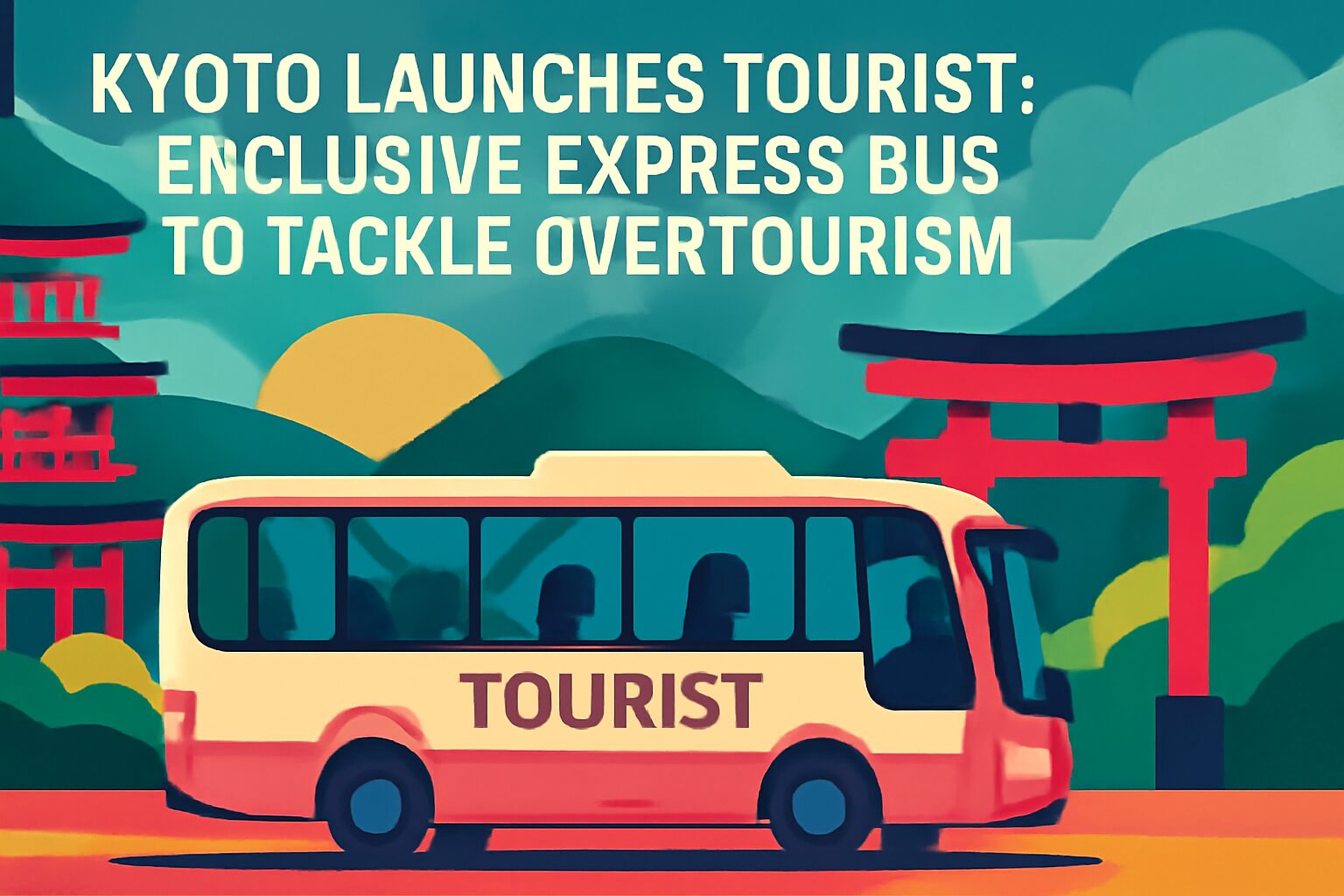
The historic city of Kyoto, a global icon of Japanese culture, has taken a significant step to combat the pressures of overtourism. The city has launched a new express bus service, the “Sightseeing Express,” designed exclusively for tourists. This initiative aims to alleviate the severe congestion on public transportation, which has become a major point of friction between the city’s booming tourism industry and the daily lives of its residents.
The Strain of Success: Kyoto’s Overtourism Challenge
For years, Kyoto has struggled to manage its own popularity. The post-pandemic travel surge has seen visitor numbers rebound dramatically. In 2023, the city welcomed over 3.19 million foreign overnight guests, recovering to over 90% of the record levels seen in 2019. While this influx provides a vital economic boost, it has placed an unprecedented strain on the city’s infrastructure.
Local residents have increasingly voiced their frustration over city buses so packed with tourists and their luggage that they are often unable to board for their daily commutes to work, school, or appointments. This phenomenon, sometimes called “tourism pollution,” directly impacts the quality of life for Kyoto’s citizens, turning a simple bus ride into a daily struggle. The city’s attempt is a direct response to this crisis, aiming for a “sumiwake”—a Japanese concept of separation or clear division of space—between tourists and locals.
A Closer Look at the “Sightseeing Express”
To achieve this separation, the city has introduced two new express bus routes, operating primarily on weekends and holidays when tourist numbers are at their peak.
Key Features of the New Service:
- Route EX100: Connects Kyoto Station directly with major attractions in the eastern part of the city, including Kiyomizu-dera Temple and the Gion district.
- Route EX101: Runs from Kyoto Station to key northern and central sights like Kinkaku-ji Temple (the Golden Pavilion) and Nijo Castle.
- Pricing: A single ride costs 500 yen for adults and 250 yen for children. This is more than double the standard city bus fare of 230 yen, positioning it as a premium service for visitors who value convenience and speed over cost.
- Goal: The service is designed to be a fast and direct option, encouraging tourists to bypass the regular, multi-stop local bus lines. This frees up space on those essential routes for residents.
Future Outlook: A Sustainable Path or a Temporary Fix?
The introduction of the Sightseeing Express is a pragmatic and closely watched experiment. Its success could have several significant impacts.
For residents, the most immediate and hoped-for outcome is relief. If the express buses successfully divert a substantial number of tourists, a sense of normalcy could return to their daily commutes. For tourists, the service offers a more comfortable and less stressful way to navigate the city, potentially improving their overall experience, despite the higher cost.
However, questions remain. Critics wonder if this creates a “tourist bubble,” segregating visitors from an authentic local experience. Furthermore, while the bus service addresses the issue of transit, it does not solve the problem of congestion at the tourist sites themselves.
Kyoto’s Balancing Act: A Model for Other Cities?
Kyoto’s initiative represents a critical attempt to find a sustainable balance between a thriving tourism economy and the well-being of its local population. It is a bold acknowledgment that unchecked tourism can erode the very culture and quality of life that attracts visitors in the first place.
Cities around the world, from Venice to Barcelona, are grappling with similar challenges. They will be watching closely to see if Kyoto’s “sumiwake” strategy proves to be an effective model for managing overtourism, ensuring that a city remains a home for its residents, not just a destination for its visitors.