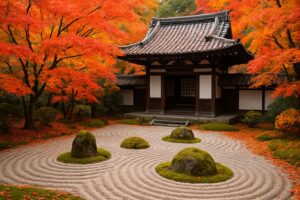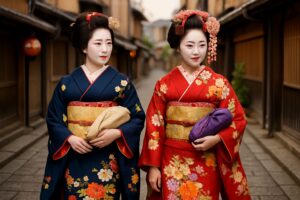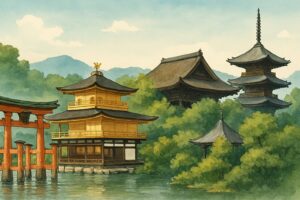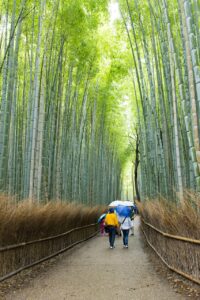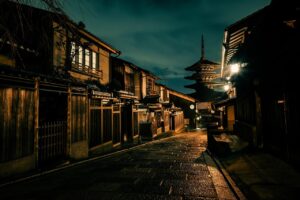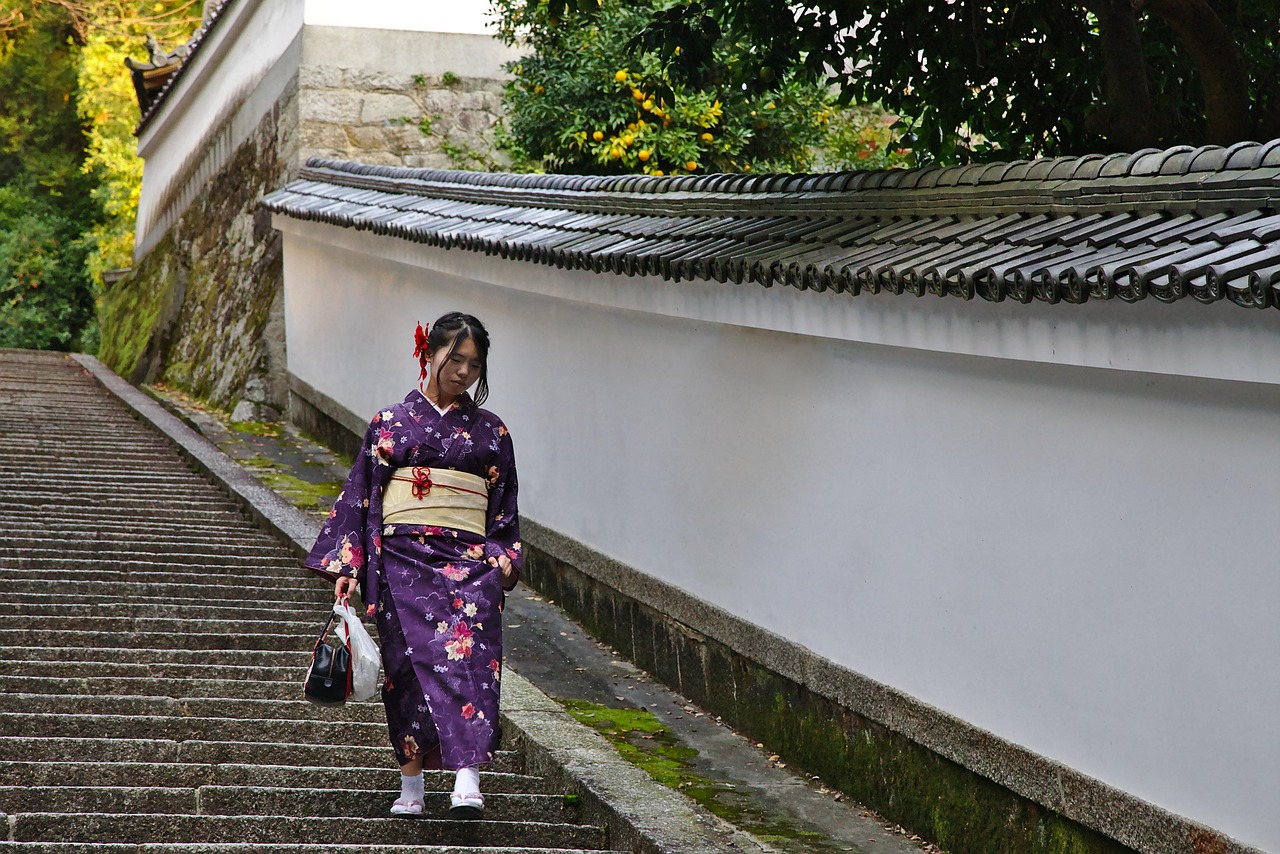
Yo, let’s get real for a second. You’ve seen the pictures, right? The iconic shots of Kyoto that live rent-free in your mind. The ones with graceful figures in vibrant kimono, gliding down ancient stone-paved streets, with dark wooden buildings and glowing paper lanterns framing the whole scene. That ain’t a movie set, fam. That’s Gion. It’s the legit, beating heart of traditional Japan, a district where history isn’t just in a museum—it’s in the air you breathe, in the scent of aged wood, in the hushed whispers that seem to echo from centuries past. Gion is Kyoto’s soul, its most famous geisha district, and a place that promises a full-blown trip back in time. But here’s the secret sauce, the ultimate cheat code to truly feel it: you don’t just walk through Gion, you become part of the scenery. You slip into a kimono, and for a few hours, you transform. You’re not just a tourist snapping pics; you’re a moving piece of art in a living gallery. It’s a vibe shift, a main character moment that connects you to the deep, rhythmic pulse of this incredible place. This isn’t just about playing dress-up; it’s about slowing your roll, changing your perspective, and seeing the world through a completely different, infinitely more beautiful lens. It’s an experience that’s straight-up magical, and trust me, it’s one you’ll be talking about forever. So, let’s get into it. Let’s talk about how to drop into this historic wonderland and make it your own.
After immersing yourself in Gion’s timeless atmosphere, you might also enjoy Kyoto’s unique summer tradition of catching flowing noodles.
The Kimono Glow-Up: Prepping for Your Gion Debut
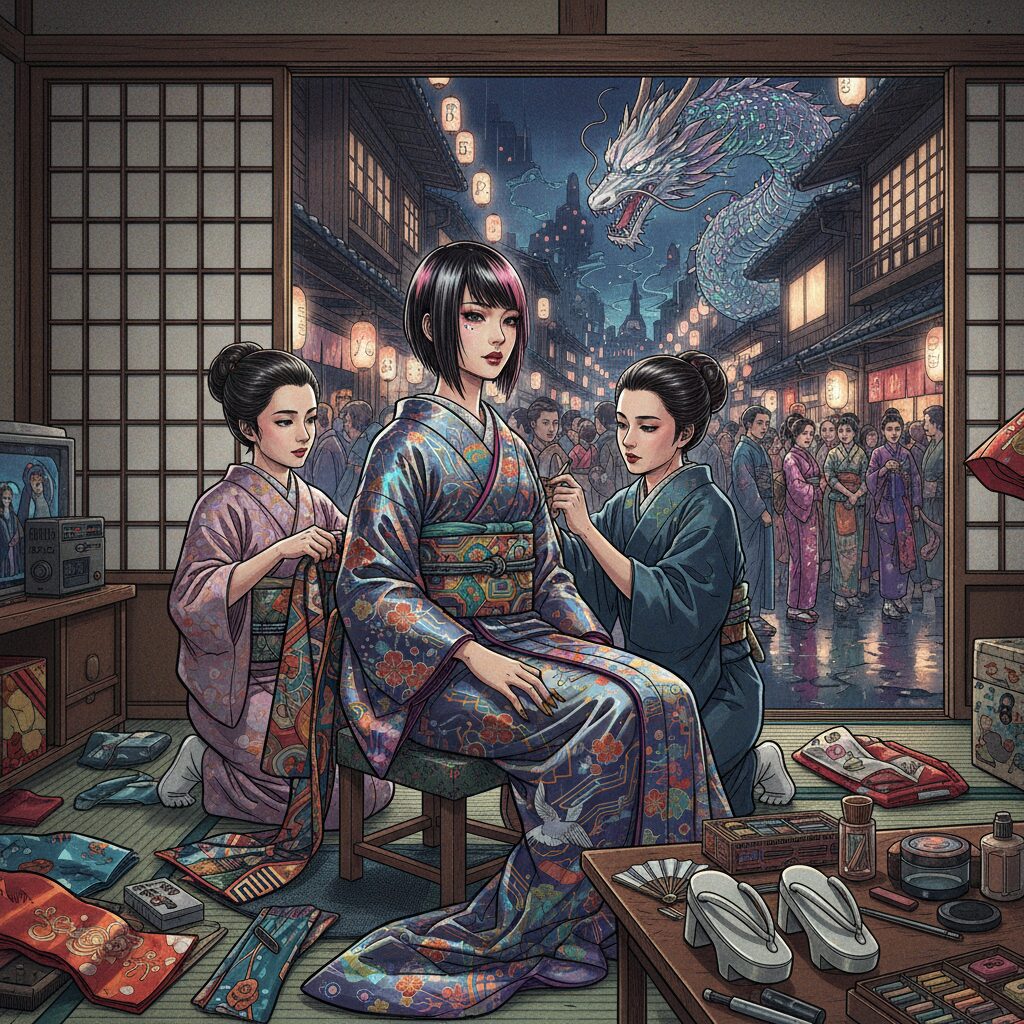
Let’s start with the transformation itself. Renting a kimono in Kyoto is more than just a service—it’s an entire ecosystem of pure aesthetic beauty. Rental shops are scattered throughout the Gion and Higashiyama area, which is incredibly convenient. However, don’t just walk into the first shop you come across. A little preparation goes a long way. My tip? Research them online first. Browse their selections, read reviews, and most importantly, make a reservation in advance, especially during peak seasons like cherry blossom spring or vibrant autumn. Booking ahead means less waiting and more time confidently striding the streets.
Stepping into one of these shops is a sensory delight. Rows of kimonos explode with color and patterns, which can be a bit overwhelming but wonderfully chaotic. This is where the excitement begins. The staff are usually experts who will guide you through the options. You’re not simply choosing a color; you’re selecting an entire mood. Are you drawn to bold, vibrant hues with deep reds and golds? Or do you prefer a more subtle, elegant feel with pastel pinks, lavender, or soft blues? The patterns tell their own stories. You’ll notice traditional floral motifs—sakura (cherry blossoms) for spring, hydrangeas for summer, momiji (maple leaves) for autumn, and plum blossoms for winter. Picking a pattern that matches the season is a savvy move; it shows you appreciate the nuanced language of Japanese aesthetics. Don’t hesitate to ask for recommendations—the staff have a keen eye for what complements your complexion and style.
Once you’ve found ‘the one,’ the real ritual begins. Wearing a kimono is truly an art, and a professional dresser, a kitsukeshi, will perform their magic. This isn’t a simple slip-on outfit. It’s a layered process. First come the hadajuban and susoyoke, the undergarments. Next is the nagajuban, an inner robe that peeks at the collar, adding a subtle line of color. Finally, the kimono itself. The dresser wraps it around you with skillful precision, smoothing every crease and perfecting the lines. It fits snugly, designed to create a straight, cylindrical silhouette. It instantly alters your posture—you stand taller, and your movements become more deliberate.
Then it’s time for the obi, the wide sash that’s the centerpiece of the entire outfit. This is no ordinary belt; it’s a work of structural art. The dresser will tie it into an intricate knot at your back. There are many styles of knots, ranging from simple and flat to elaborate, butterfly-like shapes. For young, unmarried women, the knot is usually more flamboyant and decorative. Watching the process is mesmerizing; their hands move swiftly and confidently, honed by years of practice. They’ll add an obi-jime, a decorative cord to secure it, and sometimes an obi-age, a silk piece that peeks out above the sash, adding another splash of color.
But the transformation isn’t over yet. The glow-up continues with hair and makeup. Most shops offer this as an optional add-on, and I highly recommend it. They’ll style your hair into an elegant updo, adorned with kanzashi—ornamental hairpins that range from a simple carved bead to elaborate dangling floral arrangements. This completes the look and keeps your hair tidy, integral to the traditional aesthetic. The final touches are the accessories: a pair of tabi (split-toed socks) and geta or zori, the traditional sandals. You also get to choose a kinchaku, a small, elegant drawstring bag just big enough for your phone, some cash, and lipstick. It’s the perfect tiny purse, encouraging you to travel light and live fully in the moment. When you finally see your reflection, you’re both yourself and someone transformed, ready to step into a different world.
Hanamikoji Dori: Hitting the Main Stage
Stepping out of the rental shop onto the streets of Gion is a moment in itself. The world instantly feels different. The snug fit of the kimono and the clacking of your geta on the pavement set a new rhythm. You can’t rush; you have to take smaller, more deliberate steps. You are compelled to slow down and truly observe the world around you, which is exactly the point. Your first stop should be Hanamikoji Dori, Gion’s main artery—a street iconic for a reason.
It is lined with beautifully preserved machiya, traditional wooden townhouses, their dark lattice facades creating a striking visual rhythm. Notice the details: the delicate bamboo fences, the noren curtains hanging in doorways hinting at the businesses inside, and the polished wood that seems to hold generations of stories. Many of these buildings are ochaya, exclusive teahouses where geisha entertain their clients. You can’t simply walk into these places. Gion’s entertainment world runs on a strict introduction system called ichigen-san okotowari—no first-time customers without a referral. This exclusivity has preserved both the culture and mystique of Gion for centuries. It’s a world hidden in plain sight, and as you pass by, you can almost hear the faint sound of a shamisen or a soft laugh behind paper screens.
This is the stage where, if you’re incredibly lucky, you might catch a glimpse of a geiko (the Kyoto term for geisha) or a maiko (an apprentice geiko) heading to an appointment. Seeing them is like spotting a rare, beautiful bird. They move with impossible grace, their white-painted faces serene, their elaborate kimono and obi masterpieces of wearable art. The maiko are especially striking, with their long, dangling darari obi and intricate, flower-adorned hairstyles. Here’s a crucial tip: be respectful. This is their workplace and home. Don’t be that tourist who chases them down the street with a camera or blocks their way. No flash photography. The best approach is to remain still, quiet, and appreciative. A fleeting, respectful glimpse makes for a far more powerful memory than a blurry, intrusive photo. It’s about witnessing the culture, not consuming it.
As you stroll down Hanamikoji, the atmosphere changes with the light. During the day, it’s bustling with sightseers, all captivated by the historic scenery. But as late afternoon nears, a golden light bathes the street, causing the dark wood of the machiya to glow. This is the magic hour for photographers. Then, as dusk falls, paper lanterns outside the ochaya begin to flicker to life, casting a warm, ethereal glow over the street. This is when Gion truly comes alive. The daytime crowds thin out, and a hushed, anticipatory energy fills the air. The district transforms from a historical tourist spot back into the living, breathing entertainment district it has always been. Walking here in the evening, with lantern light guiding your way, feels utterly cinematic.
Beyond the Main Drag: Finding Gion’s Soul
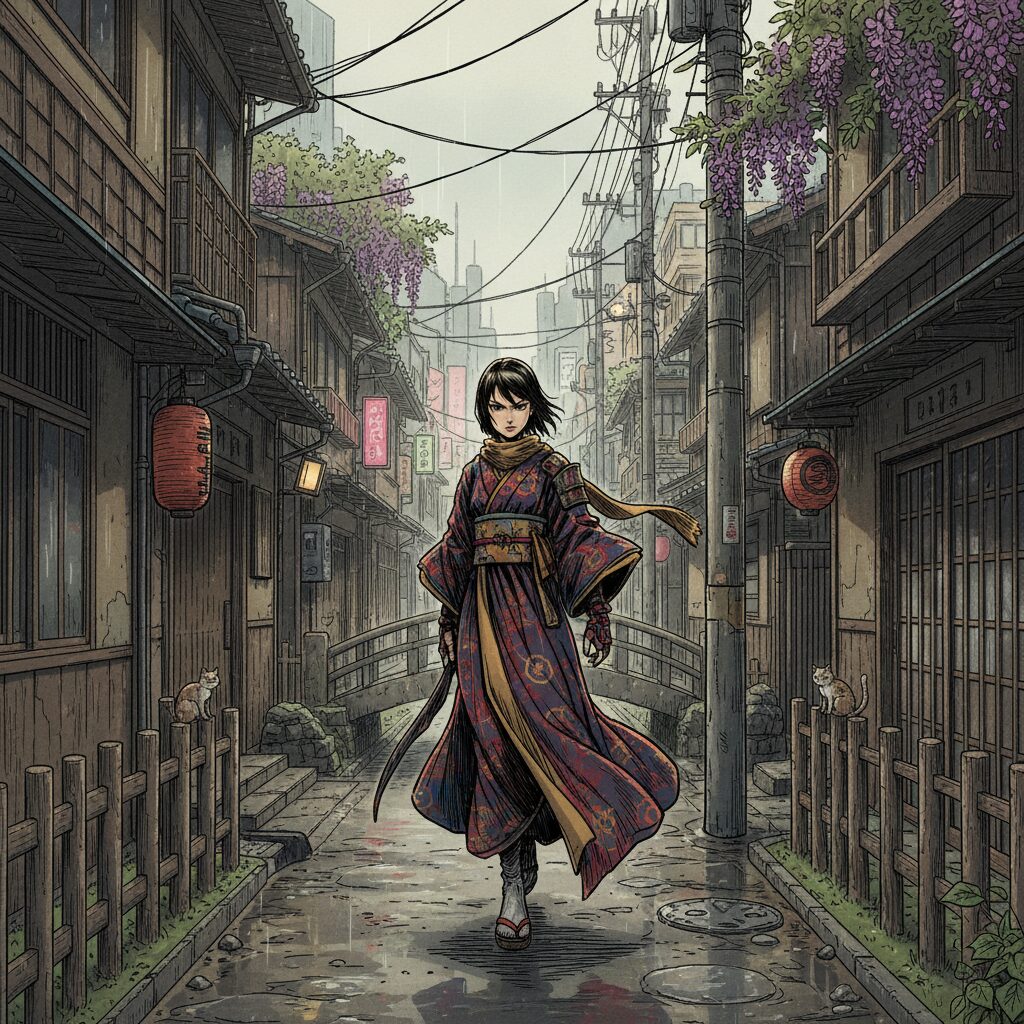
While Hanamikoji undeniably steals the spotlight, the true essence of Gion is often discovered in its quieter, less-frequented side streets and alleyways. To genuinely experience the spirit of the area, you need to stray from the main path. My absolute favorite spot is the Shirakawa district, which stretches along the Shirakawa Canal just north of Shijo Dori’s main thoroughfare. This neighborhood has a completely different atmosphere—serene, romantic, and stunningly beautiful.
Along the canal, elegant willow trees dip their branches into the gently flowing water. Traditional wooden machiya, many housing exclusive and exceptionally high-end ryotei (traditional restaurants), stand side-by-side along the water’s edge. The noise of the busy city fades into the background, replaced by the soft trickle of the canal and the whisper of willow leaves. It’s a dream for photographers—every view forms a perfect scene. The most iconic landmark here is Tatsumi Bashi, a small, graceful stone bridge featured in countless films and photos. Standing on that bridge, especially during cherry blossom season when the trees burst into pale pink blooms, creates a quintessential Kyoto memory. It feels far removed from Hanamikoji’s lively energy, offering a peaceful moment of contemplation.
Another essential visit is Shinbashi Dori, running parallel to the Shirakawa Canal. This street has been designated a national important preservation district—and deservedly so. It’s among the most impeccably preserved streets in all of Japan. The cobblestones, carefully maintained wooden buildings, and total absence of modern power lines all combine to create a flawless illusion of stepping back into the Edo period. It’s quieter here, and strolling down this street in a kimono feels like discovering a hidden gateway to the past. Nearby, a small stone monument honors the poet Isamu Yoshii, inscribed with a line from one of his poems about Gion. Unearthing such details deepens your appreciation of the area’s rich artistic and cultural heritage.
No trip to Gion is complete without visiting Yasaka Shrine, also called Gion Shrine. Positioned majestically at the eastern end of Shijo Dori, it serves as the district’s gateway. Its massive vermilion-painted main gate is a landmark in its own right. The shrine complex is expansive and vibrant, an active place of worship rather than just a historical site. Visitors can be seen praying, ringing the giant bells, and inscribing wishes on wooden ema plaques. While the main hall is impressive, my favorite feature is the central stage adorned with hundreds of paper lanterns. Sponsored by local Gion businesses, when these lanterns glow at night, the effect is simply breathtaking. The shrine holds a deep connection to the geisha community; geiko and maiko come here to pray, and it marks the starting point of the renowned Gion Matsuri, one of Japan’s largest and oldest festivals held every July. Visiting the shrine offers a spiritual grounding amid Gion’s more worldly attractions.
Practical Slay: Nailing Your Kimono Walk
Living your best kimono life in Gion calls for some practical know-how. This isn’t an everyday outfit and comes with its own set of rules and challenges. First: walking in geta. These wooden sandals make a statement but take some getting used to. The key is to take small, shuffling steps, allowing the geta to slide slightly along the ground. Taking long strides will only lead to disaster (and sore ankles). When facing stairs, go up and down sideways for better stability. Embrace the slower pace—it’s part of the experience, encouraging you to move with more mindfulness and grace.
Kimono etiquette is another important aspect. For instance, when sitting down at a café for a matcha break, do so carefully. Don’t just plop down; gently smooth the back of your kimono and sit on the edge of the chair to protect the large obi knot from wrinkling. Using the restroom is quite an adventure. Rental shop staff will likely give you a quick tutorial. The process involves peeling back the layers of the kimono one by one and holding them securely. Since it takes time, plan your bathroom breaks accordingly to allow plenty of time! While eating or drinking, be mindful to use your free hand to hold back the long, flowing sleeve of your kimono to prevent it from dipping into your food or drink. It might feel awkward initially, but you’ll quickly get the hang of it.
Timing your visit to Gion is key for the best experience. The district is beautiful any time of day, but late afternoon, from about 3 PM onwards, is ideal. The “golden hour” light is perfect for photos, casting a warm, magical glow on everything. This is also when you’re most likely to spot geiko and maiko heading to their evening appointments. To avoid the largest crowds, try to visit on a weekday if possible. Weekends can get extremely crowded, making it difficult to navigate the narrow streets in a kimono. Seasonally, spring (late March to early April) and autumn (mid to late November) are peak times. The cherry blossoms along the Shirakawa Canal are famous, and the fiery maple leaves in fall create a stunning backdrop. However, these periods are also the busiest. Winter is quieter and has its own magic, especially if there’s a light dusting of snow.
Getting to Gion is very easy. From Kyoto Station, the most direct way is to take a bus, such as the number 100 or 206, which stops right at the Gion bus stop. The trip takes about 20-25 minutes. Alternatively, you can take the train. The Keihan Main Line will bring you to Gion-Shijo Station, located at the district’s western edge. The Hankyu Kyoto Line to Kyoto-Kawaramachi Station is another good option, just a short walk across the Kamo River. Once there, the district is best explored on foot—it’s truly the only way to appreciate its full charm.
Fueling the Adventure: Gion’s Culinary Scene

A day spent walking in Gion, especially while wearing a kimono, is sure to build up an appetite. Luckily, the area is a food lover’s haven, featuring everything from exquisite fine dining to charming traditional sweets. Although Gion is renowned for kaiseki ryori—the ultimate Japanese haute cuisine, a multi-course artistic meal that can be quite costly and often requires reservations weeks or even months ahead—there are many other dining choices to explore.
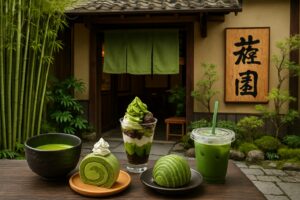
One of the best activities to enjoy while dressed in a kimono is taking a break at a traditional tea house or café. Gion hosts some of Kyoto’s most celebrated sweet shops. Settling into a quiet spot to relish a matcha parfait is an exquisite experience. These parfaits are often masterpieces, layered with matcha ice cream, mochi balls, red bean paste, castella cake, and fruit. Alternatively, you might try warabimochi, a chewy, jelly-like dessert dusted with sweet roasted soybean flour (kinako), or a bowl of hot zenzai, a sweet red bean soup served with toasted mochi. Pairing these sweets with a bowl of whisked, slightly bitter matcha strikes a perfect flavor balance. It’s a moment of pure, delicious zen.
For something heartier, numerous restaurants offer accessible lunch sets or dinners. You’ll find excellent spots serving tempura, soba noodles, or unagi (grilled eel). Shijo Dori—the main shopping street along Gion’s southern edge—boasts a wide variety of eateries. Exploring Pontocho Alley, a narrow, atmospheric lane on the opposite side of the Kamo River, also provides a wealth of dining options, ranging from casual izakaya to yakitori bars.
Don’t miss the food stalls and shops around Yasaka Shrine. Here, you can often find tasty street foods like takoyaki (octopus balls), karaage (Japanese fried chicken), or grilled mochi skewers. Snacking while wandering the shrine grounds is a fun and informal way to recharge. The key is to strike a balance. You don’t need to splurge on an elaborate kaiseki meal to enjoy Gion’s culinary treasures. A simple, perfectly made bowl of matcha paired with a traditional sweet can be just as memorable—and frankly, more relaxing—when you’re wrapped up in your kimono.
Fading Lanterns, Lasting Memories
As the day draws to a close and it’s time to return your kimono, a peculiar sensation arises. Removing it feels like waking from a dream. Your everyday clothes suddenly feel loose and unstructured. The spell is broken, yet the magic remains. Strolling back through Gion in your jeans and sneakers, the district appears unchanged, but you perceive it differently now. You’ve absorbed its rhythm, its pace, its distinctive grace. You’ve become part of the scene, not merely an onlooker.
This experience goes far beyond a simple photo opportunity. It’s an immersive journey into the aesthetics and etiquette of a culture that treasures beauty, precision, and mindfulness. It’s about sensing the weight of history in the rustle of a silk sleeve and the snugness of an obi, thereby gaining a fresh appreciation for the freedom in your own movements. It’s about slowing down to notice subtle details—the texture of a wooden lattice, the way lantern light glimmers on a wet cobblestone, the fleeting smile of a passerby. This is the Gion you cannot capture with a camera alone. It’s a feeling, a memory, a mood that lingers long after you’ve left Kyoto’s timeless streets. It’s the ultimate way to connect with the heart of old Japan, and it’s an adventure absolutely worth the transformation.