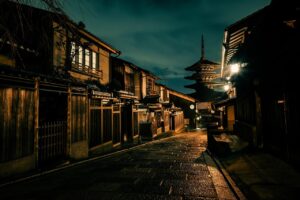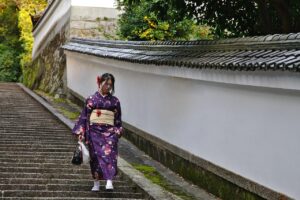
Alright, let’s spill the tea. You think you know Japan? You’ve seen the temples, you’ve crushed the ramen, you’ve done the scramble crossing. Bet. But have you ever sat on a platform built over a rushing mountain river, in a mystical valley straight out of an anime, trying to snatch ice-cold noodles out of a bamboo waterslide with a pair of chopsticks? Yeah, didn’t think so. Forget everything you know about basic tourist traps. We’re going deep into the mountains north of Kyoto, to a place called Kibune, to experience the legit most fire summer activity you will ever find in Japan: Nagashi Somen. This isn’t just lunch; it’s a full-on, high-stakes, delicious cultural flex. It’s a vibe, it’s a challenge, it’s the ultimate way to beat the legendary Kyoto summer heat. You’re not just eating; you’re earning every single bite. This is the story of how you can dive headfirst into this one-of-a-kind culinary adventure at a place called Hirobun, a spot so iconic it’s practically a pilgrimage site for those in the know. So buckle up, because your Japan travel goals are about to get a serious glow-up. This is the real Japan, unplugged and unbelievably cool, literally.
After you’ve mastered the art of catching noodles, discover a different side of the city by exploring Kyoto’s hidden bar scene for the perfect evening adventure.
The Vibe: What’s the Real Deal with Kibune?
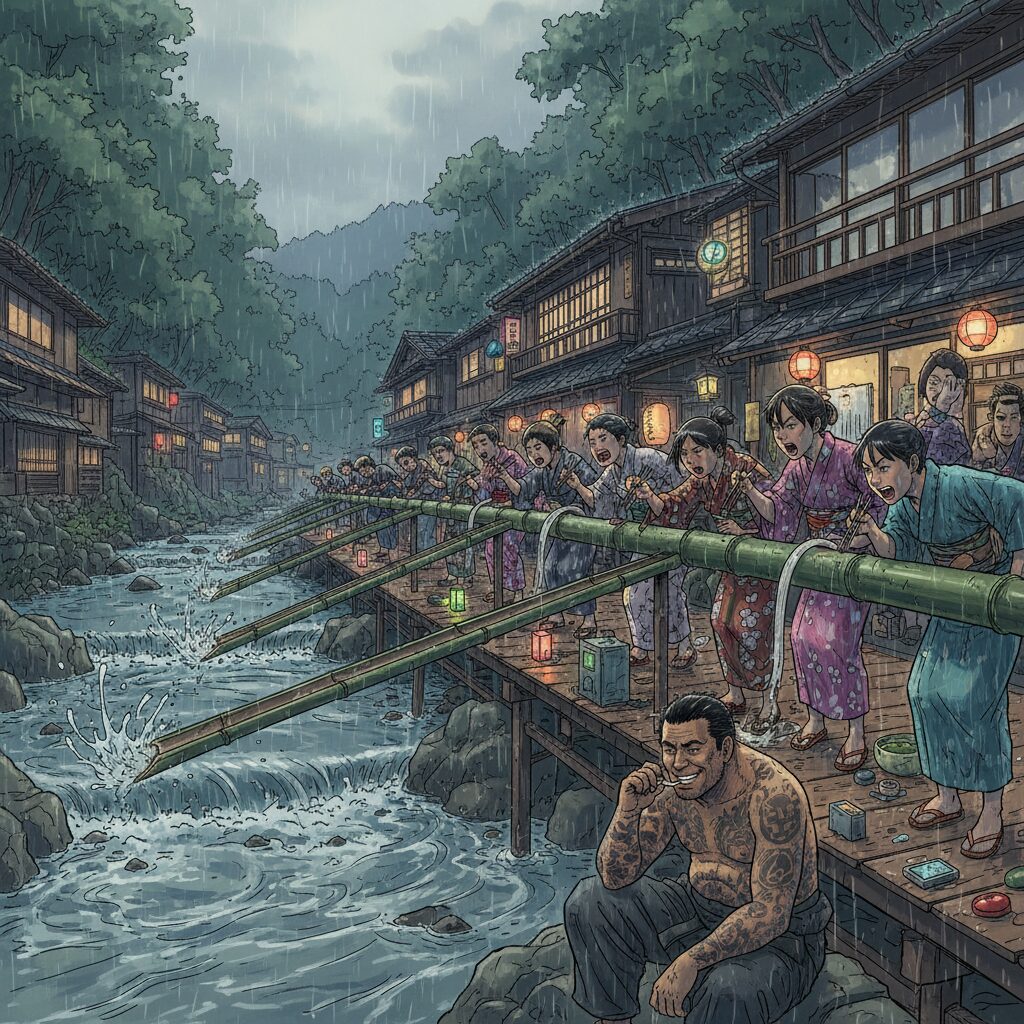
Before we even talk about the noodles, you need to grasp the setting. Kibune isn’t just a place; it’s an entire vibe. Imagine a narrow valley carved by the Kibune River, hidden away in the northern Kitayama mountains of Kyoto. The moment you step off the quaint, single-car Eizan train and enter Kibune, the atmosphere shifts. No joke. The temperature drops a few degrees, the humidity that suffocates Kyoto city disappears, and all you can hear is the roar of the river and the rustling of countless maple and cedar leaves. The whole village is basically one long, winding road snaking along the riverbank, dotted with traditional ryokans (inns) and restaurants. The feeling is ancient, mystical, and deeply connected to nature. Moss blankets everything—stone walls, lanterns, tree roots—in a vibrant, almost electric green. It’s like stepping into a Studio Ghibli movie set, a world where nature spirits, or kami, are probably hanging out just around the corner. This place is, simply put, sacred. It’s home to the Kifune Shrine, an ancient and revered Shinto site dedicated to the god of water and rain. For centuries, people, including emperors, have visited here to pray for good harvests and an end to droughts. That spiritual energy fills the entire valley. It’s a low-key power spot that revitalizes your soul before you even realize it needs recharging.
Escaping the Kyoto Heatwave Like a Boss
Let’s be honest: summer in Kyoto is brutal. It’s basically a city-sized sauna. The heat and humidity can be overwhelming, making even the most devoted traveler want to hide out in an air-conditioned convenience store. This is where Kibune really shines. The tradition of building temporary platforms, called kawadoko or yuka, over the river is a brilliant, centuries-old hack for staying cool. The restaurants here have mastered this technique. They build incredible wooden verandas just inches above the rushing, crystal-clear water. You sit on tatami mats, shaded by a dense forest canopy, while the cool air rising from the river works like natural air conditioning. It’s not just a little cooler; it’s an entirely different climate. You’re dining inside a natural refrigerator. The sound of the flowing water creates a soothing white noise that drowns out everything else. It’s a fully immersive sensory experience, the complete opposite of the hot, crowded city below. This is how Kyoto’s aristocrats spent their summers, and now you can too. It’s peak luxury, but in a rustic, unpretentious way.
A Spiritual Oasis You Didn’t Know You Needed
The spiritual energy here is real. You feel it in the air, in the ancient trees towering over the path, and in the deep respect everyone holds for Kifune Shrine. The main approach to the shrine features a famous stone staircase lined with rows of red wooden lanterns. It’s probably one of the most photographed spots in Kyoto, and for good reason. It feels like a gateway to another realm. As you climb, the noises of the modern world fade away, replaced by the symphony of forest and river. The shrine isn’t a single building but a complex of three parts scattered along the valley, each radiating its own energy. It’s a place of immense power, especially the Okunomiya, or rear shrine, said to be where the deity first arrived on earth in a yellow boat (Kibune literally means ‘yellow boat’). The whole valley feels like a sanctuary, a place to disconnect from chaos and reconnect with something older and deeper. Even if you’re not spiritual, the sheer beauty and tranquility will impact you. It’s like a reset button for your mind and a deep breath of fresh mountain air for your soul.
The Main Event: Catch ‘Em If You Can – Nagashi Somen at Hirobun
Alright, onto the main quest. While many restaurants in Kibune serve luxurious multi-course kaiseki meals on their kawadoko platforms, there’s one experience that stands out as truly unique and legendary: Nagashi Somen at Hirobun. ‘Nagashi’ means ‘flowing,’ and ‘somen’ are thin, white wheat noodles. Put them together, and you get ‘flowing noodles’—and that’s exactly what they mean. Hirobun arranges long bamboo chutes, angled downward with a steady flow of ice-cold mountain water running through them. From the top, staff release small bundles of somen noodles, which race down the chute toward you. Your challenge, if you choose to accept it, is to skillfully catch these slippery noodles with your chopsticks as they fly by. You then dip them into a chilled, savory broth called tsuyu and slurp them up. It’s part meal, part game, and 100% pure fun. An experience that’s both delightfully simple and thrilling.
Scoring Your Ticket to Noodle Paradise
Legendary experiences always draw a crowd. Securing a spot for Nagashi Somen at Hirobun requires some strategy. First, this is a summer-only event, typically running from May through late September, weather permitting. They don’t take reservations—seating is first-come, first-served, a rite of passage in itself. Upon arrival, you head to the reception, pay for your meal upfront, and receive a numbered fan (uchiwa), which acts as your ticket. Your number will be announced in Japanese when it’s your turn. Then the waiting begins—and friend, you will wait. On a weekday, the wait might be an hour. On weekends or holidays, it could stretch to three, four, or even five hours. This isn’t an exaggeration. The wait is part of the experience. But here’s a tip: don’t just stand around. Once you have your ticket fan, you’re free to explore. This is your perfect chance to visit Kibune Shrine, a short walk away. Make a wish, get your water fortune, and soak in the sacred atmosphere of the valley. By the time you return, you’ll be refreshed, spiritually uplifted, and ready for your noodle challenge. Keep an eye on the electronic board or listen for announcements—they call numbers in batches, so stay alert.
Dining Over a Waterfall, Literally
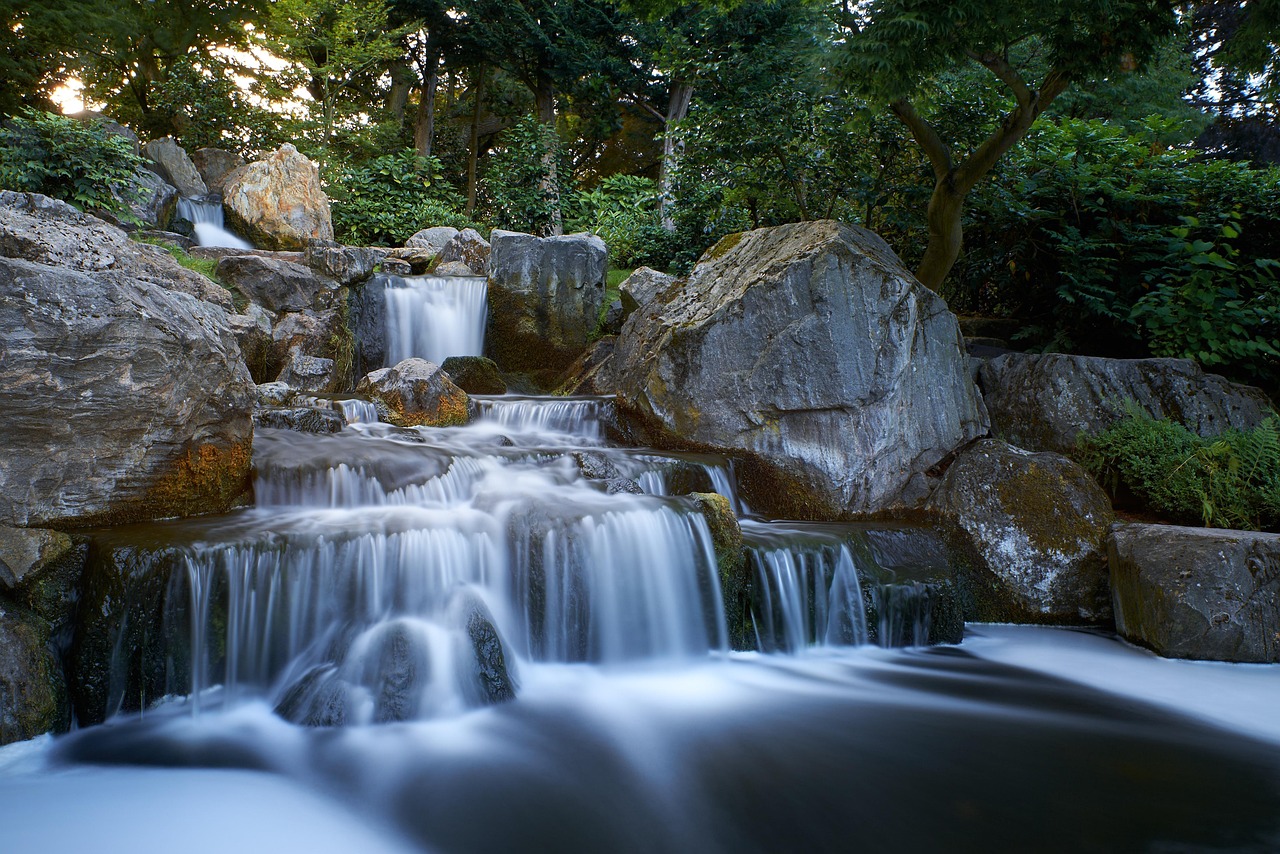
When your number is finally called, the real magic starts. You’re led down steep stairs to a special kawadoko platform reserved just for Nagashi Somen. This isn’t simply beside the river—it feels like you’re floating in it. Right in front of you is a small but powerful waterfall crashing onto the rocks below. The spray creates a cool mist that surrounds you. You can reach out and feel the flowing water. Taking your place along one of the bamboo chutes, which you share with other groups, the staff hands you a cup of tsuyu dipping sauce garnished with green onions and ginger, plus a pair of chopsticks. The anticipation builds. Sitting amid stunning nature, with a roaring waterfall beside you, you’re about to engage in a fast-paced food chase. The whole scene is breathtaking. The roaring water, the cool mist on your skin, and the lush greenery create a sensory experience like no other. This moment alone justifies the wait.
The Rules of the Noodle Game
Suddenly, it starts. Without much warning, the first bundle of white somen noodles barrels down the bamboo chute. It’s go time. Your reflexes kick in—you must be fast, positioning your chopsticks like a gate to catch the noodles as they pass. Miss them, and they keep flowing down to the next person or into the strainer at the end. It’s a hilarious, frantic, and surprisingly intense few seconds. When you succeed, it’s a triumphant moment. You dip your catch into the cool, savory tsuyu and slurp them up. The noodles are wonderfully refreshing—the perfect remedy for the summer heat. They come in waves, one bundle per person each round, ensuring everyone has a fair chance. Sharing the chute with strangers creates an unspoken bond. Everyone laughs at the misses and cheers the catches. Even if you don’t share a common language, you’ll exchange glances and smiles. It’s a universally joyful experience. The finale is unmistakable: a small bundle of pink somen noodles comes down the chute. These plum-flavored noodles mark the end of your session—a sweet, slightly tart close to an unforgettable meal. Catching that pink noodle is the final boss level, the victory lap of your Nagashi Somen adventure.
Beyond the Noodles: Leveling Up Your Kibune Trip

As epic as Nagashi Somen is, it’s only one aspect of the Kibune experience. To truly savor this trip, you need to explore the entire valley. The wait for your noodle slot offers the perfect opportunity to dive into what makes this area so special. This isn’t a place to rush; it’s a place to wander, get a little lost, and uncover the magic hidden in plain sight. From ancient shrines to breathtaking mountain hikes, Kibune has another layer of adventure waiting for you after your noodle fix. Treating Hirobun as the highlight but not the only attraction is key to unlocking the full potential of your day trip. Think of the noodles as the delicious reward for a day spent exploring one of Kyoto’s most enchanting and sacred landscapes. So, lace up your walking shoes—the adventure is far from over.
Kifune Shrine: Get Your Fortune Wet
Your first and most important side quest is Kifune Shrine. This ancient site dates back over 1,300 years and serves as the head shrine for about 500 Kifune shrines across Japan. It’s dedicated to Takaokami no Kami, the god of water. Here, water is central to everything. Aside from the stunning lantern-lined staircase at the main shrine (Hongu), the most famous feature is the unique mizu-ura mikuji, or water fortune. You buy a blank piece of paper, a seemingly empty omikuji (fortune slip), which reveals your fortune when floated on the surface of the shrine’s sacred water spring. The text slowly appears, unveiling your destiny in love, work, and health. Even if you don’t read Japanese, the ritual itself feels magical. It’s a perfect symbol of the shrine’s deep connection to water. Don’t stop at the main shrine either—the true spiritual journey continues beyond.
The Three Shrines Walkthrough
Kifune Shrine comprises three sites. After visiting the Hongu (main shrine), keep walking up the road to reach Yui no Yashiro, the middle shrine. This spot is dedicated to Iwanaga-hime no Mikoto, the deity of matchmaking and relationships, and is popular for prayers for love and happy marriage. The atmosphere here is more intimate and romantic, with visitors tying written wishes in designated places. The centerpiece is a huge cedar tree called ‘Katsura,’ formed by two trees growing together, symbolizing harmonious union. About a 15-minute walk further up the valley lies the most sacred and ancient site: Okunomiya, or rear shrine. This is believed to be where the water god first arrived. A moss-covered, boat-shaped rock formation here is thought to be the remnant of the divine yellow boat. The energy at Okunomiya is palpable—quieter, deeper in the forest, and incredibly ancient and powerful. Fewer tourists venture this far, allowing you to enjoy the place almost alone. Completing the pilgrimage to all three shrines is said to bring great blessings, and the walk offers a chance to fully absorb Kibune’s mystical atmosphere.
The Epic Hike from Kibune to Kurama
If you’re up for an adventure and have a few extra hours, the hike from Kibune to the neighboring town of Kurama is an absolute must. It’s one of Kyoto’s most popular and beautiful short hikes. The trailhead is just past Kifune Shrine’s main gate. You’ll pay a small entrance fee that helps maintain the mountain, then begin ascending into the forest of Mount Kurama. The path is well-kept but can be steep, winding through towering ancient cedar trees. The highlight is the Kinone Sando, or ‘Tree Root Pilgrim Path,’ where the ground is a sprawling, tangled web of massive cedar roots, like something from a fantasy novel. Watch your step as you navigate this natural labyrinth. The hike passes several small shrines and spiritual spots before reaching Kurama-dera Temple at the summit. This temple blends Buddhism with esoteric mountain worship and offers a stunning view of the surrounding mountains from its main hall. From there, you can take a cable car or walk down into Kurama town and catch the Eizan Railway back to Kyoto. The entire hike takes about 90 minutes to two hours at a leisurely pace, turning your day trip into a full mountain adventure.
The Deets: Your Pro-Gamer Guide to Nailing This Trip
Alright, let’s dive into the details. Understanding the logistics is what separates a smooth, unforgettable day from a stressful, confusing one. Kibune may seem far away, but it’s actually quite accessible once you know the way. Planning your trip, managing the timing, and packing the right gear are essential to a successful experience. Think of this as your playbook. Follow these tips, and you’ll be navigating your way to noodle bliss like a seasoned expert. No getting lost, no rookie errors—just pure, unfiltered adventure. This practical knowledge will make your trip seamless, leaving you free to enjoy the vibes instead of worrying about schedules.
Getting There Without Getting Lost
The journey to Kibune is part of the enjoyment. From central Kyoto (such as Kyoto Station or Gion-Shijo), your destination is Demachiyanagi Station. The easiest route is via the Keihan Main Line. Once you arrive at Demachiyanagi, transfer to the Eizan Electric Railway. That’s where the scenery begins to shine. Take the train headed for Kurama. This isn’t your typical subway—it’s a small, charming train that winds through residential areas before climbing into the mountains. In autumn, there’s even a special ‘Momiji Tunnel’ where the train slows down to let you admire the illuminated fall foliage at night. It’s an experience all by itself. Get off at Kibuneguchi Station, one stop before the final stop, Kurama. From Kibuneguchi Station, you’re still not quite there. You have two options: take the small local bus (Kyoto Bus #33), which runs every 20-30 minutes and drops you near the start of the village, or walk. The walk is about 30 minutes (2km) along a road beside the river. It’s a beautiful stroll, but it’s uphill on a narrow road with some traffic, so taking the bus is usually recommended, especially on hot days. The bus conserves your energy for exploring the shrine and, of course, for the noodle-catching excitement ahead.
Timing is Everything: The Art of Waiting
I can’t emphasize this enough: for Nagashi Somen at Hirobun, timing is crucial. Avoid weekends in August unless you’re ready to spend much of your day waiting. The best strategy is to visit on a weekday as early as possible. Hirobun opens around 11:00 AM, but people begin lining up well before then. Aim to arrive by 10:30 AM to be among the first to get a number. This will significantly reduce your wait time. If you can’t get there early, then accept the wait. When you arrive, get your fan and start exploring right away. Don’t just sit idle. A shrine visit or the start of the Kurama hike are ideal ways to pass the time. Also, check the weather. The kawadoko platforms may close if river levels rise too much from heavy rain, so always check forecasts before heading out. A light drizzle is usually fine, but a typhoon is a definite no-go. Remember, this is a summer-only experience. Don’t arrive in November expecting flowing noodles—you’ll be very disappointed. Check their official website or social media for the exact dates, as these can vary slightly each year.
What to Pack and Wear
This is a mountain outing, not a city walk, so dress accordingly. Comfortable shoes are a must. You’ll do a lot of walking, climbing stone steps, and possibly hiking on uneven forest trails. Leave the heels at home. Wear light, comfortable clothing. Even at peak summer, Kibune’s temperature is noticeably cooler than the city’s, and it can feel chilly once you’re on the river platform. Bringing a light jacket or cardigan is a wise idea, especially if you plan to stay into the evening. Cash is essential. While Japan is increasingly card-friendly, many smaller, traditional spots in Kibune still prefer cash, including the bus and the shrine. Bring bug spray if you’re sensitive to mosquitoes, since you’ll be in a forested area. Also, make sure your phone or camera is fully charged—you’ll want to snap tons of photos. The scenery is truly stunning. From the lantern-lit path to action shots of you catching noodles, this is a place made for photography. A portable battery pack is also a good idea, especially if you rely on your phone for navigation and pictures throughout the day.
A Year in Kibune: The Seasonal Glow-Up
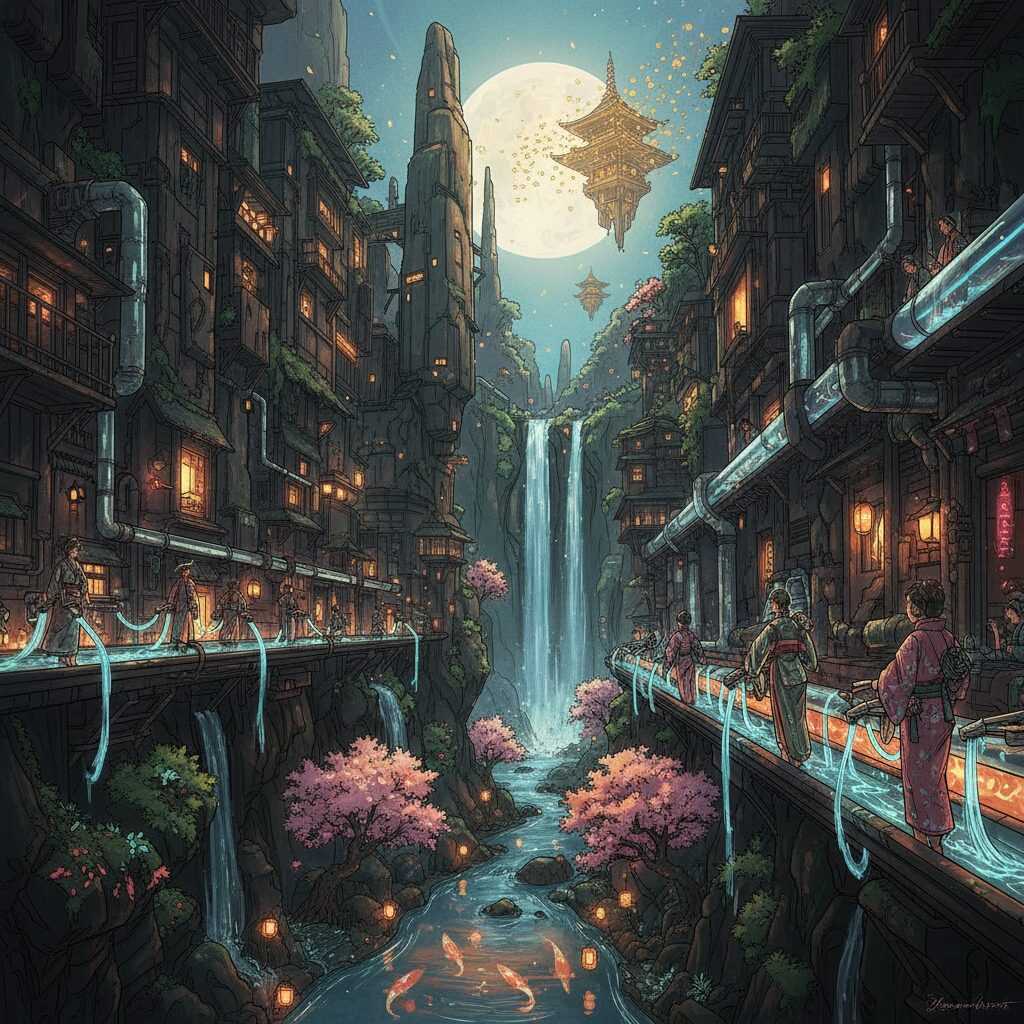
While Nagashi Somen makes summer the prime season for visiting Kibune, this enchanting valley shows a completely different yet equally breathtaking character in every season. Appreciating Kibune’s year-round charm adds a deeper layer of admiration for this unique place. Summer is defined by vibrant greenery, the cool river, and kawadoko dining. However, if you visit during other times of the year, you’ll experience an entirely different but just as magnificent spectacle. Locals understand that Kibune’s magic is not limited to summer—it’s a love affair that lasts all year long. In spring, the valley blossoms with fresh green leaves, forming a vibrant canopy of color. The cherry blossoms bloom slightly later here than in the city, giving a second chance to enjoy the famous sakura. The air is crisp and fresh, and the river rushes with melted snow from the mountains, symbolizing renewal and rebirth. Autumn is arguably the favorite season for photographers. From mid to late November, the valley erupts with fiery reds, oranges, and yellows as the maple leaves change. The striking contrast between the red leaves, green cedars, and the shrine’s red lanterns is stunning. During the Kifune Momiji Toro event, the area is illuminated at night, creating a surreal, dreamlike atmosphere. Winter turns Kibune into a tranquil, monochromatic wonderland. Snowfall is frequent, covering the shrine, lanterns, and forest in a thick layer of pure white. The scene is incredibly quiet and peaceful. Though the kawadoko disappear, some inns serve warm winter dishes like botan nabe (wild boar hot pot), offering a cozy shelter from the cold. Witnessing the shrine’s red lanterns dusted with snow is truly magical.
The Real Talk: Final Tips from a Pro
Before you dash off to catch that train, let me share a few final tips from someone who’s made the pilgrimage more than a few times. First, don’t be shy during the Nagashi Somen. Your neighbors in the noodle chute are your teammates for the next twenty minutes. Laugh, cheer, and enjoy the moment. No one masters this on their first try. If you drop your chopsticks (it happens!), the staff will gladly provide a fresh pair. Second, manage your expectations about the wait. See it as a gift of time to explore, not a punishment. The experience becomes all the sweeter when you’ve earned it. Third, while exploring the shrine, take a moment to pause and listen. Find a quiet spot, close your eyes, and absorb the sounds of the river, the wind through the trees, and the distant chime of a bell. That is the true sound of Kibune. Finally, don’t overbook your day. A trip to Kibune isn’t something to be squeezed in between other temples. Allow at least half a day, or a full day if you plan to hike to Kurama. It’s a place that rewards taking things slowly. Let the rhythm of the river set your pace.
So there you have it. A journey to Kibune for Nagashi Somen is much more than just a meal. It’s an escape into another world, a sacred space where nature, spirituality, and delightfully fun food come together. It’s about the thrill of the chase, the taste of ice-cold noodles on a hot day, and the profound peace of being somewhere truly timeless. It’s an experience that will stay with you long after you leave, a story you’ll share for years to come. So go ahead, get out of the city, and chase those noodles. You won’t regret it. It’s a core memory waiting to happen, a genuine taste of Japan’s incredible summer culture. Bet.