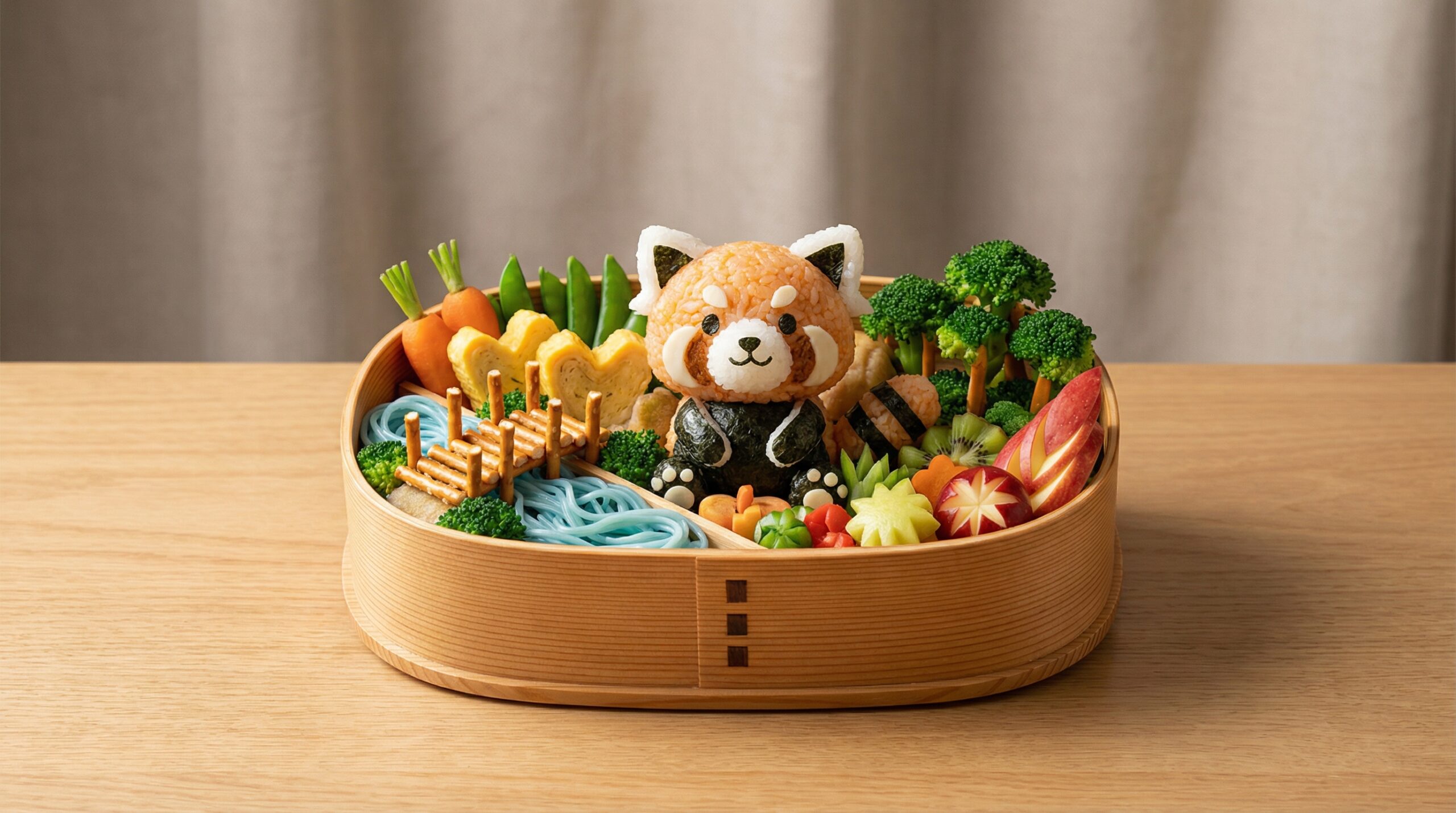
What’s up, Japan lovers! Keiko here, coming at you straight from the heart of Tokyo. Today, we’re diving deep into a universe where food isn’t just fuel—it’s a canvas, a love letter, and a straight-up work of art. We’re talking about kyaraben, the impossibly cute, character-themed bento boxes that are basically a national treasure. Forget your sad desk lunch. We’re about to glow up your midday meal into something that’s not only delicious but also 100% ‘Gram-worthy. This isn’t just about making food look cute; it’s a whole vibe, a cultural moment packed into a tiny box. It’s about the joy of opening a lunchbox to find your favorite anime character smiling back at you. It’s a skill, a hobby, and low-key a form of therapy. Whether you’re a total beginner who can barely make toast or a seasoned foodie looking for your next creative challenge, I got you. We’re going on a journey from the absolute basics to crafting bento masterpieces that will have everyone asking, “OMG, you made that?!” So grab your apron, get hyped, and let’s get ready to create some edible magic. And if you’re ever in Tokyo and want to hunt down the best tools for the trade, you’ve gotta check out Kappabashi Kitchen Town. It’s the promised land for anyone who loves to cook, for real.
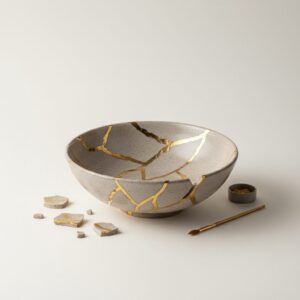
Just as kyaraben transforms food into art, the Japanese art of kintsugi finds profound beauty in repairing broken pottery with gold.
The Vibe of Kyaraben: More Than Just a Lunchbox
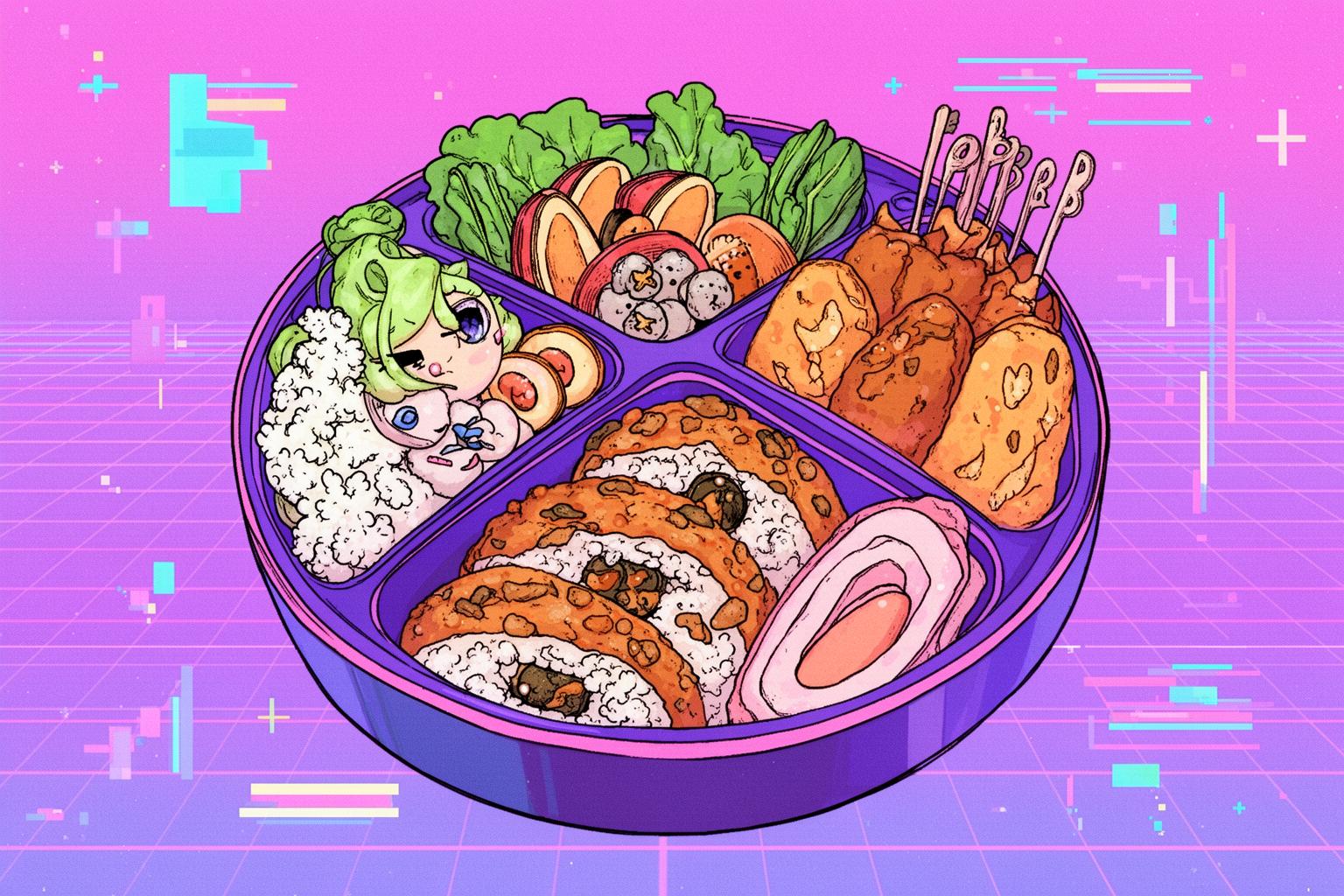
Before we even handle a single grain of rice, we need to get the ~mindset~ right. Kyaraben, a blend of kyarakutā (character) and bentō (lunchbox), is more than just arranging food in playful shapes. It’s a cultural phenomenon deeply embedded in everyday life in Japan, especially within families. It serves as a form of communication, a way to express creativity, and for some parents, honestly, a competitive sport. This extra touch transforms a simple meal into an experience. The gasp of delight from a child opening their lunch at school is the ultimate reward. It’s a silent “I’m thinking of you” and “Have a great day!” expressed through carefully placed seaweed eyes and an octopus-shaped sausage. It’s pure, wholesome energy, which lies at the heart of what makes kyaraben so special. It’s about pouring a little piece of your heart into something edible, turning the ordinary into something magical.
A Quick History Sesh: From Samurai Snacks to Pikachu Rice
So, where did it all begin? The bento box itself has existed for centuries—literally since the Kamakura period (around the 12th century). Back then, it was simply dried rice carried by everyone from samurai to travelers. It was all about practicality. Fast forward through centuries of development—ornate lacquered boxes for theater outings in the Edo period, the introduction of aluminum bento boxes with the railways—and you arrive at the modern era. Bento became a staple for schoolchildren and office workers. But the kyaraben we know and cherish today? That’s a more recent evolution. It really gained momentum in the 1990s and 2000s. As anime, manga, and video games grew into massive parts of Japanese culture, characters like Pikachu, Hello Kitty, and Anpanman became household icons. Creative parents, mostly moms, began drawing on these beloved characters to encourage picky eaters to finish their veggies. It was a brilliant tactic. What kid could resist broccoli if it was part of a Totoro-themed forest scene? Magazines and TV shows caught on to the trend, offering tutorials and hosting competitions. The internet and social media then propelled it to new heights. Suddenly, everyone was sharing their creations online, and a community was born. It evolved from a simple parenting trick into a comprehensive art form.
It’s All About the Love, For Real
The driving force behind every kyaraben is, without question, love. In Japan, there’s the concept of omotenashi, which embodies wholehearted hospitality and the anticipation of others’ needs. Kyaraben is like a small dose of omotenashi. It’s the belief that a fun lunch can brighten someone’s day. It’s also connected to aichaku (愛情), a profound sense of affection. The time and effort invested in planning, shopping for, and assembling a kyaraben are significant. Rising early to meticulously cut tiny nori eyebrows or shape a rice ball into a perfect panda head isn’t about showing off; it’s a tangible expression of care. It’s a non-verbal way to communicate encouragement and support. When a child is having a difficult day at school or facing exams, opening a bento featuring a supportive message or a favorite character can provide a huge emotional lift. It’s a little piece of home, a reminder that someone cares, packed alongside the tamagoyaki and carrots. This emotional core is what elevates kyaraben from a craft to something genuinely meaningful. It’s the secret ingredient that makes it taste so much better.
Your Kyaraben Glow-Up: The Essential Toolkit
Alright, feeling inspired? Let’s dive into the gear. You don’t need a professional kitchen to get started, but having the right tools is a total game-changer. It’s what separates a frustrating mess from a smooth, enjoyable creative session. We’ll begin with the basics you can find almost anywhere before leveling up to pro-tier gear for when you’re seriously hooked (and trust me, you will be).
Level One: The 100-Yen Shop Haul
Your first stop on the kyaraben journey should definitely be a 100-yen shop like Daiso, Seria, or Can Do. These stores are a treasure trove. For just a few coins, you can get a starter kit that lets you craft some incredibly cute creations. Don’t underestimate the 100-yen shop; it’s where most kyaraben pros start.
Nori Punches and Cutters: Your New Best Friends
This is essential. Nori (dried seaweed) is what you’ll use for faces, details, and text. Trying to cut tiny eyes and smiles with scissors is a recipe for frustration. Nori punches are basically craft punches designed for seaweed. You can buy sets that punch out perfect smiley faces, animal features, and other shapes. They are life-savers. You’ll also find small, precise scissors and craft knives in the stationery section that are perfect for more custom nori work. A good starter kit includes a few different expressions to mix and match for a whole range of emotions on your onigiri (rice balls).
Molds and Shapers: The Secret to Perfect Shapes
Ever wonder how people create those perfectly shaped rice balls that look like bears, stars, or hearts? It’s not magic—it’s molds. These plastic molds are incredibly easy to use. Just pack them with warm, seasoned rice, press down firmly with the lid, and pop out a perfectly shaped character base. Boom. You’ve got a flawless foundation. There are also molds for hard-boiled eggs—you peel a warm egg, place it in the mold, then submerge it in cold water. Ten minutes later, you have an egg shaped like a car or fish. This simple technique instantly elevates your bento game with minimal effort.
Cute Picks and Dividers: The Ultimate Aesthetic Boost
These accessories add that perfect kawaii finishing touch. Food picks come in all shapes and sizes—animals, letters, flowers, eyeballs—and are great for securing small items or just adding a splash of color. Instead of a plain cherry tomato, stick in a little leaf pick for instant cuteness. Silicone or plastic dividers (baran) are also essential. While traditionally made from bamboo leaves, now they come in fun shapes like grass or leaves. They’re not just decorative; they keep different foods from touching, prevent flavors from mixing, and keep everything fresh and neat. They create structure in the bento box, which is key to a visually appealing final product.
Leveling Up in Kappabashi: Tokyo’s Kitchen Paradise
Once you’ve mastered the basics and are ready to invest in higher-quality gear, it’s time for a pilgrimage to Kappabashi Kitchen Town in Tokyo. This street is literally devoted to all things cooking and restaurant supply. It’s sensory overload in the best way, with shops offering everything from giant plastic food models to exquisite handmade knives.
Navigating the Vibe of Kappabashi Street
Walking down Kappabashi is an adventure. You’ll encounter professional chefs, tourists, and home cooks all hunting for treasures. Shops are packed floor to ceiling with every kitchen gadget imaginable. For kyaraben, entire sections are dedicated to bento supplies. Here, you’ll find a much wider range of nori punches with intricate designs, high-quality metal vegetable cutters in delicate shapes like cherry blossoms or maple leaves, and specialized tools you won’t find at the 100-yen shop. The quality is a definite upgrade. The metal cutters give a much cleaner edge to your carrots and cucumbers, and the variety of shapes is endless.
Pro-Tier Knives and Precision Tools
This is where you can invest in tools for fine detail work. A small, sharp paring knife is essential for decorative cutting, or kazari-giri. Kappabashi offers world-class knives. You don’t need something super expensive, but a good quality small blade makes a huge difference. You can also find sets of precision tweezers—yes, tweezers—which are a total game-changer for placing tiny nori eyes or sesame seed details. Using fingers or chopsticks can be tricky and messy, but tweezers give you the control needed for those tiny, intricate touches that bring your characters to life.
Finding Your Perfect Bento Box
Kappabashi also boasts an incredible collection of bento boxes. The box itself is part of the art! You can choose from traditional wooden magewappa boxes, modern multi-tiered boxes with insulated compartments, and countless cute character-themed boxes. Picking a bento box is a personal decision. Consider portion size, how many compartments you want, and whether it needs to be microwave-safe. A good box not only looks great but also makes packing easier and keeps your food secure. Having several sizes and shapes on hand offers more creative freedom—some are long and thin, ideal for arranging items in a row, while others are deep and round, better for sculpted rice characters.
The Canvas and the Colors: Mastering Your Ingredients
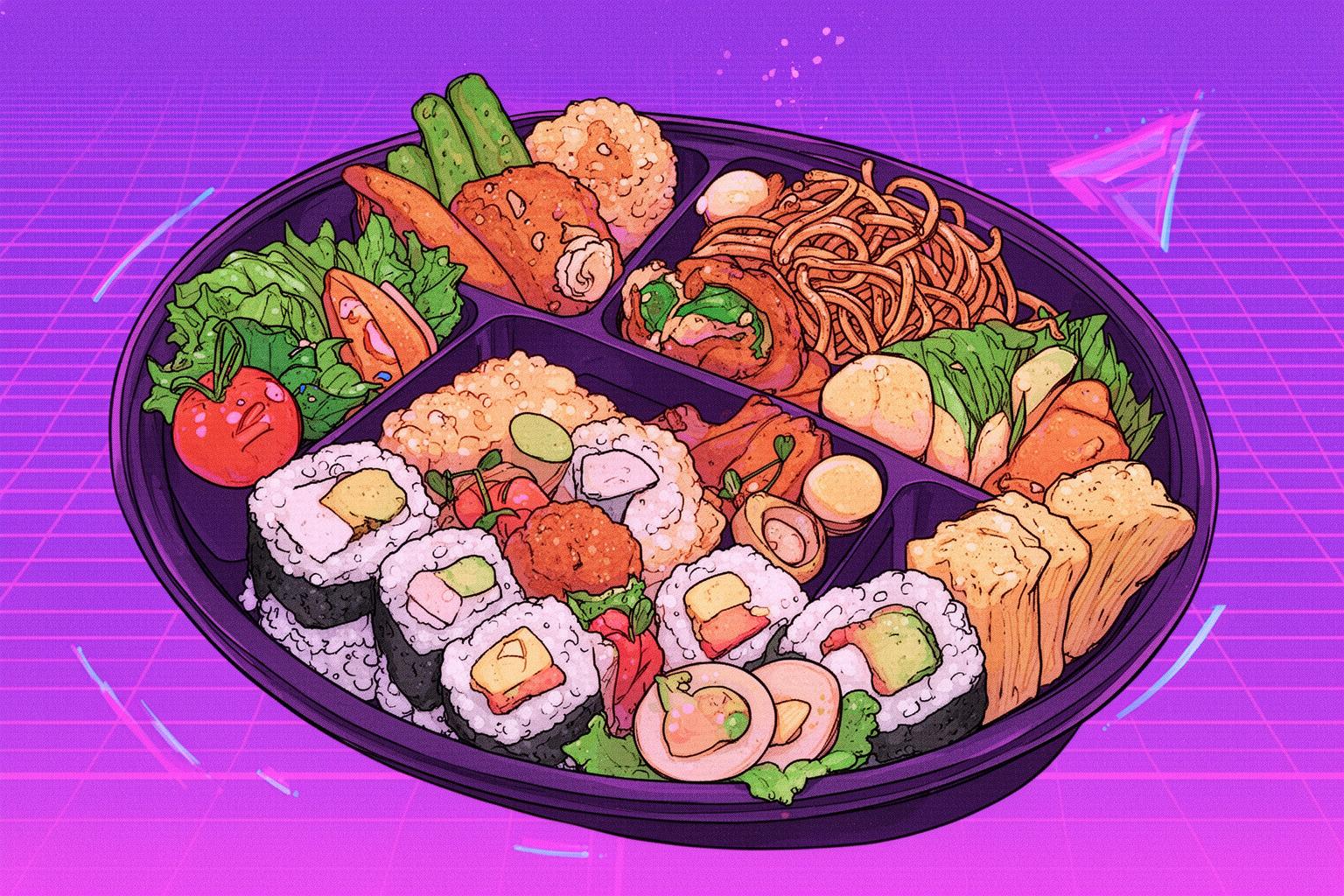
Now that you have your tools, let’s focus on the food itself. A great kyaraben is not only visually stunning but also delicious and well-balanced. Think of your ingredients as art supplies: you need a good canvas (rice), a palette of vibrant colors (vegetables and proteins), and a variety of textures to keep things interesting.
The Foundation: Rice is Key
Rice forms the heart of the bento. It’s the main element that often serves as the base or even the character itself. Getting the rice just right is essential. Too wet, and it becomes mushy and hard to shape; too dry, and it falls apart.
Choosing Your Rice: Picking the Right Type
Use a short or medium-grain Japanese rice variety, such as koshihikari or akita komachi. These types are naturally sticky and glutinous when cooked, perfect for shaping. Avoid long-grain rice like basmati or jasmine, which is too fluffy and won’t hold together. When buying Japanese rice, look for the term uruchimai (うるち米), which denotes standard everyday rice. Don’t confuse it with mochigome (もち米), the sweet glutinous rice used for mochi, which is much stickier.
Cooking Like a Pro: Japanese Kitchen Secrets
Cooking Japanese rice well is a skill. Start by washing it: place the rice in a bowl, cover with cold water, and swirl your hand around. The water will turn cloudy; drain and repeat this three or four times until the water runs mostly clear. This removes excess starch, improving texture. Then soak the rice in fresh water for at least 30 minutes to help the grains absorb moisture evenly. Cooking it in a rice cooker is ideal, as it is a staple in Japanese homes. If you don’t have one, use a heavy-bottomed pot with a tight lid. After cooking, let the rice steam for 10-15 minutes before fluffing with a rice paddle. For kyaraben, work with rice while still warm—it’s more pliable. Keep a small bowl of water mixed with a pinch of salt nearby to wet your hands and prevent sticking while shaping.
Elevate Your Colors: Natural Rice Dyes
White rice is your blank canvas, but colored rice offers many creative possibilities. Artificial food coloring isn’t necessary—Japanese cooks use natural ingredients that add subtle flavors. For yellow, mix in mashed egg yolk or a pinch of turmeric. Pink or red shades come from ketchup, crushed sakura denbu (sweet-savory pink fish floss), or beet water. Green can be achieved with finely ground edamame, matcha powder, or pureed spinach. Orange comes from mashed carrots or a bit of tomato paste. Brown shades come from soy sauce or mentsuyu, while black or gray tones come from ground black sesame seeds. Add color gradually to warm rice until you reach your desired shade.
Protein Power: The Characters’ Building Blocks
Proteins play supporting roles in your bento masterpiece by adding flavor, texture, and essential nutrients. They can be cut, shaped, and arranged to become integral parts of your character designs.
Tamagoyaki Dreams: Golden Sheets and Fluffy Clouds
Tamagoyaki, the Japanese rolled omelet, is a bento favorite. Sweet, savory, and beautifully golden, it takes some practice to perfect. Use a rectangular tamagoyaki pan for the classic shape. The batter combines eggs, dashi, soy sauce, sugar, and mirin. Pour a thin layer into the hot pan, let it set, then roll it up. Push the roll to one side, pour another layer underneath, and repeat until all the egg is used, creating a layered omelet. For kyaraben, you can also make usuyaki tamago—thin, crepe-like omelets that work as “blankets” for rice balls or can be cut into clothing or features for your characters, making them your go-to yellow component.
Wiener Art: Octopuses and More
This classic kyaraben technique is beloved for a reason. Red cocktail wieners are perfect for crafting cute creatures like the famous octopus, or tako-san wiener. Simply cut the sausage halfway from one end to create four, six, or eight “legs.” When pan-fried or boiled, the legs curl, mimicking an octopus. Add eyes with black sesame seeds or bits of nori. But don’t stop there—craft crabs by cutting sides strategically, or create flowers and little figures. It’s a fun, easy way to add whimsy to your bento.
More Protein Options: Soboro, Karaage, and Beyond
Soboro is finely ground meat (usually chicken or pork) cooked in a sweet-savory soy sauce mixture until crumbly, ideal for “soil” in garden scenes or brown/tan colors like teddy bear fur. Karaage (Japanese fried chicken) adds crispy, golden-brown nuggets that fill space and provide a hearty touch. Mini hamburger patties (hambaagu), meatballs, or slices of kamaboko (steamed fish cake) with cute pink swirls or floral patterns also make excellent protein additions.
Veggie Squad: Color, Crunch, and Cuteness
Vegetables are vital for balancing and beautifying your bento. They supply vibrant reds, greens, oranges, and purples, making veggies so appealing that even picky eaters can’t resist.
Decorative Cutting: The Art of Kazari-giri
Kazari-giri is the Japanese technique of cutting vegetables into decorative shapes, using your paring knife and metal cutters. Carrots are particularly versatile, easily fashioned into flowers, stars, or hearts. Slicing cucumber diagonally and flipping slices reveals a lovely chevron pattern. Broccoli florets make excellent trees or bushes for landscape bentos. Cherry tomatoes add bright red and can be sliced to resemble tulips or ladybugs. Don’t be afraid to experiment—even simple V-shaped notches on carrot slices can transform them into beautiful flowers.
Blanching: Keeping Colors Bright
To keep vegetables vibrant, blanch them by briefly boiling in salted water for a minute or two, then immediately plunging into an ice bath. This “shocking” stops cooking and locks in bright color. It works wonders for broccoli, green beans, carrots, and snap peas. It also gives them a slightly crisp texture perfect for bento.
Filling the Gaps: Unsung Heroes of Bento Packing
A key bento-packing rule is to avoid empty spaces, which allow food to shift and spoil your design. Filler veggies like edamame (in pods or shelled), corn kernels, and leafy greens such as lettuce are perfect for tucking into small gaps. A frilly lettuce leaf adds color and serves as both a divider and cushion for other items, helping your masterpiece arrive at lunchtime looking just as perfect as when packed.
Let’s Cook! Your First Kyaraben Masterpieces
Alright, theory time is done. Now it’s time to dive in and actually create something! We’ll begin with simple projects and gradually progress. Keep in mind, the main goal is to enjoy yourself. Your first few tries might not be perfect, and that’s completely fine. This is a skill you develop over time. Put on some music, relax, and let’s get creative.
The Beginner’s Journey: Smiley Onigiri and Basic Animals
This is where everyone begins. Onigiri are the ultimate Japanese comfort food and serve as the perfect canvas for your first kyaraben. They’re simple to shape and decorate.
Step-by-Step: Making the Perfect Onigiri Face
First, cook your Japanese rice. While it’s still warm, take a scoop (about half a cup) and place it in the center of a sheet of plastic wrap. Lightly season the rice with salt. Gather the plastic wrap and twist it to form a tight ball, pressing firmly to compact the rice. You can mold it into a classic triangle, a circle, or an oval. Now for the fun part: the face. Using your nori punch, create eyes and a mouth. Carefully place them onto the rice ball with tweezers. For rosy cheeks, add a small dab of ketchup or a tiny circle cut from a thin ham slice. And that’s it! You’ve crafted your first character. You can make a whole family of them with different expressions.
The Classic Octopus Wiener Tutorial
Let’s create that famous octopus wiener we mentioned. Take one red cocktail sausage. Using a small knife, cut upwards halfway up the sausage. Rotate it 90 degrees and make another cut, forming four “legs.” To make eight legs, add two more diagonal cuts. Heat a little oil in a frying pan and cook the sausages over medium heat. As they cook, the legs will curl outward. Once done, remove from the pan. For the face, use black sesame seeds for the eyes. Make two small indentations with a toothpick where you want the eyes, then press the sesame seeds in. Simple yet effective.
The Intermediate Challenge: My Neighbor Totoro
Ready for the next level? Let’s make one of the most beloved characters ever: Totoro from Studio Ghibli. It’s a great intermediate project because his shape is simple but has some details to master.
Sculpting Totoro’s Body with Sesame Rice
Start by preparing your rice. You’ll need plain white rice for his belly and grey rice for his body. To make the grey rice, mix a small bowl of warm cooked rice with finely ground black sesame seeds until you achieve a soft grey shade. Using plastic wrap, take a large portion of the grey rice and shape it into Totoro’s signature pear-like body—rounded at the bottom, tapering slightly towards the top. Make it compact. Then form a smaller, flat oval from the white rice for his belly and gently press it onto the front of the grey body. For ears, create two small, pointed triangles from the remaining grey rice and attach them to the top of the head. Use a piece of uncooked spaghetti to secure them if needed.
Adding Nori and Cheese Details: Eyes, Whiskers, and Belly Markings
Now for the details that bring Totoro to life. Cut two small circles from white cheese (such as provolone or mozzarella) for the eyes. Using a nori punch or fine scissors, cut two smaller black dots for pupils and place them on the cheese circles. Position the finished eyes on Totoro’s face using tweezers. For the nose, cut a small upside-down triangle from nori. For the belly markings, cut several small chevron (^) shapes from nori and arrange them across the white belly. Finally, cut six thin strips of nori for whiskers and place three on each side of the nose. Your Totoro is ready!
Creating the Scene: Soot Sprites and Acorns
To complete the theme, create a little Ghibli world inside the bento box. Make makkuro kurosuke (soot sprites) by shaping small rice balls mixed with crushed nori or black sesame seeds until fully black. Add two small white cheese circles for eyes and tiny nori dots for pupils. You can also make acorns from small sausages—cut each in half, then top with a small meatball or a piece of shimeji mushroom, secured with a piece of uncooked spaghetti. Place your finished Totoro in the bento box first, then surround him with broccoli “trees,” soot sprites, and acorns.
The Advanced Mission: A Full Anime Scene
This is the ultimate challenge in kyaraben. Creating a detailed scene featuring a complex character requires planning, patience, and various techniques. The key is layering and precision.
Planning and Sketching Your Bento Design
Don’t jump in blindly. For intricate designs, plan ahead. Pick a character and a scene—it could be Naruto using Rasengan, Sailor Moon posing, or a Demon Slayer figure. Find a reference image. Sketch your bento design on paper, considering which foods will represent the colors and shapes. For example, Naruto’s hair can be a thin yellow omelet, his jacket orange rice or carrots, and his headband a nori strip with cheese or kamaboko details. Planning your ingredients and colors beforehand will save a lot of stress.
Layering Techniques Using Obukuro and Thin Omelets
This is the secret to detailed images. Obukuro is a super thin seaweed sheet, almost like paper, easier to cut into detailed shapes than standard nori. You can place a printed character image under plastic wrap, put the obukuro on top, and use a craft knife to trace and cut the design, achieving perfect outlines. Similarly, use thin sheets of cheese or colored usuyaki tamago (crepe-like omelet) for different parts of the character’s clothing or hair. Build the image layer by layer, starting with the largest background shapes and progressing to the smallest details.
Final Touches: Bringing Your Creation to Life
This stage requires precision tools like tweezers and small scissors. Use them to add tiny details such as the sparkle in an eye (a tiny cheese dot), blush on a cheek (a spot of ketchup), or kimono patterns (minute pieces of colored vegetables or kamaboko). It’s meticulous work, but the outcome is a stunning, edible fan art masterpiece. This level of kyaraben truly shows your dedication and love for the craft.
The Kyaraben Philosophy: It’s a Lifestyle
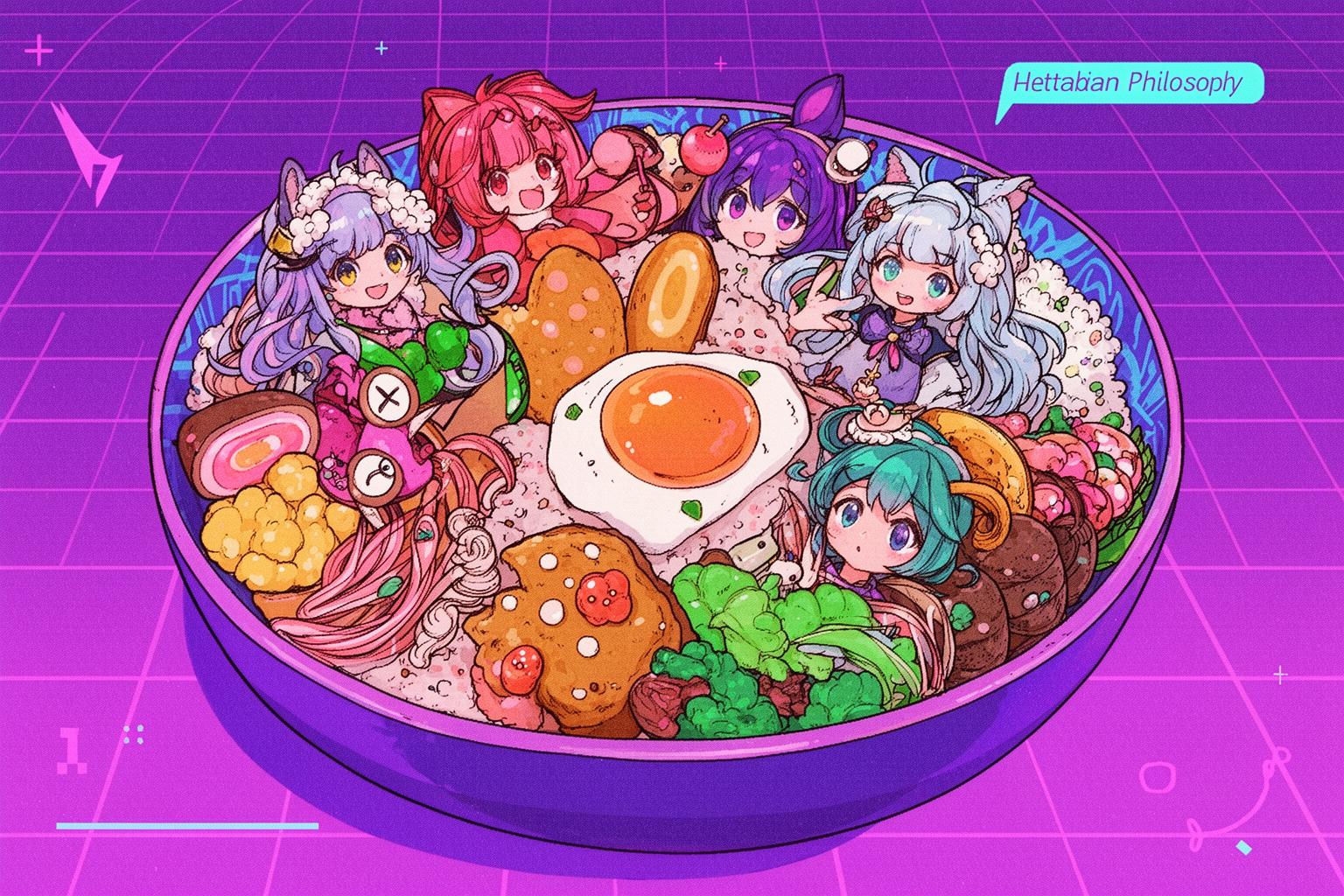
As you dive deeper into the world of kyaraben, you come to see it as more than just a hobby. It represents a unique perspective on food and life—finding joy in small moments, expressing creativity through a daily chore, and strengthening bonds with those you care about.
Bento as Communication: A Love Letter in a Lunchbox
In a culture that often tends to be reserved when it comes to direct emotional expression, kyaraben serves as a powerful medium. It allows parents to quietly say “I love you,” “Good luck on your test,” or even “I’m sorry we argued” without uttering a single word. It’s a daily check-in, a tangible piece of home that accompanies someone throughout their day. This form of non-verbal communication lies at the core of Japanese culture, with the bento box acting as one of its most charming and delicious vehicles.
The Art of Packing: Crafting a Puzzle of Deliciousness
Packing a bento is an art and a skill. The aim is not only to make it look beautiful but also to pack it tightly enough so the design remains intact during transit. You need to think like an engineer, fitting different shapes and sizes of food together like a puzzle. Begin with the largest item, usually the main rice character. Then add your main protein and larger side dishes. Finally, fill every nook and cranny with smaller items and fillers such as cherry tomatoes, broccoli florets, and edamame. This snug packing is essential for a picture-perfect reveal at lunchtime.
Food Safety is Key: Keeping it Cute and Safe
This is extremely important. A bento is typically packed in the morning and eaten hours later at room temperature, so food safety must be a top priority. Always ensure all proteins are cooked thoroughly. Allow cooked food, especially rice, to cool completely before packing to prevent condensation, which encourages bacterial growth. During the hot, humid Japanese summer, it’s common to place an antibacterial sheet (available at any drugstore) on top of the food or include a small ice pack in the lunch bag. Also, avoid ingredients that spoil easily, like mayonnaise-based salads. Opt for foods that hold up well at room temperature.
Finding Your Inspiration: The Digital Kyaraben Community
If you’re stuck for ideas, the internet is your greatest ally. Instagram and Pinterest are rich visual resources for kyaraben inspiration. Search for hashtags like #キャラ弁 (kyaraben), #デコ弁 (decoben), #お弁当記録 (obentoukiroku or bento diary), and #今日のお弁当 (kyounoobentou or today’s bento). You’ll discover a continuous flow of amazing creations from talented home cooks in Japan and worldwide. It’s a vibrant, supportive community where people share tips, tricks, and their latest masterpieces. Following a few kyaraben artists is a fantastic way to learn new methods and keep your creative energy alive. It’s a rabbit hole you’ll be glad to dive into, inspiring you to push your creative limits, one adorable lunchbox at a time.