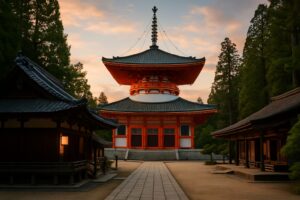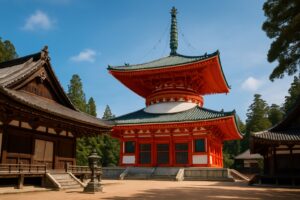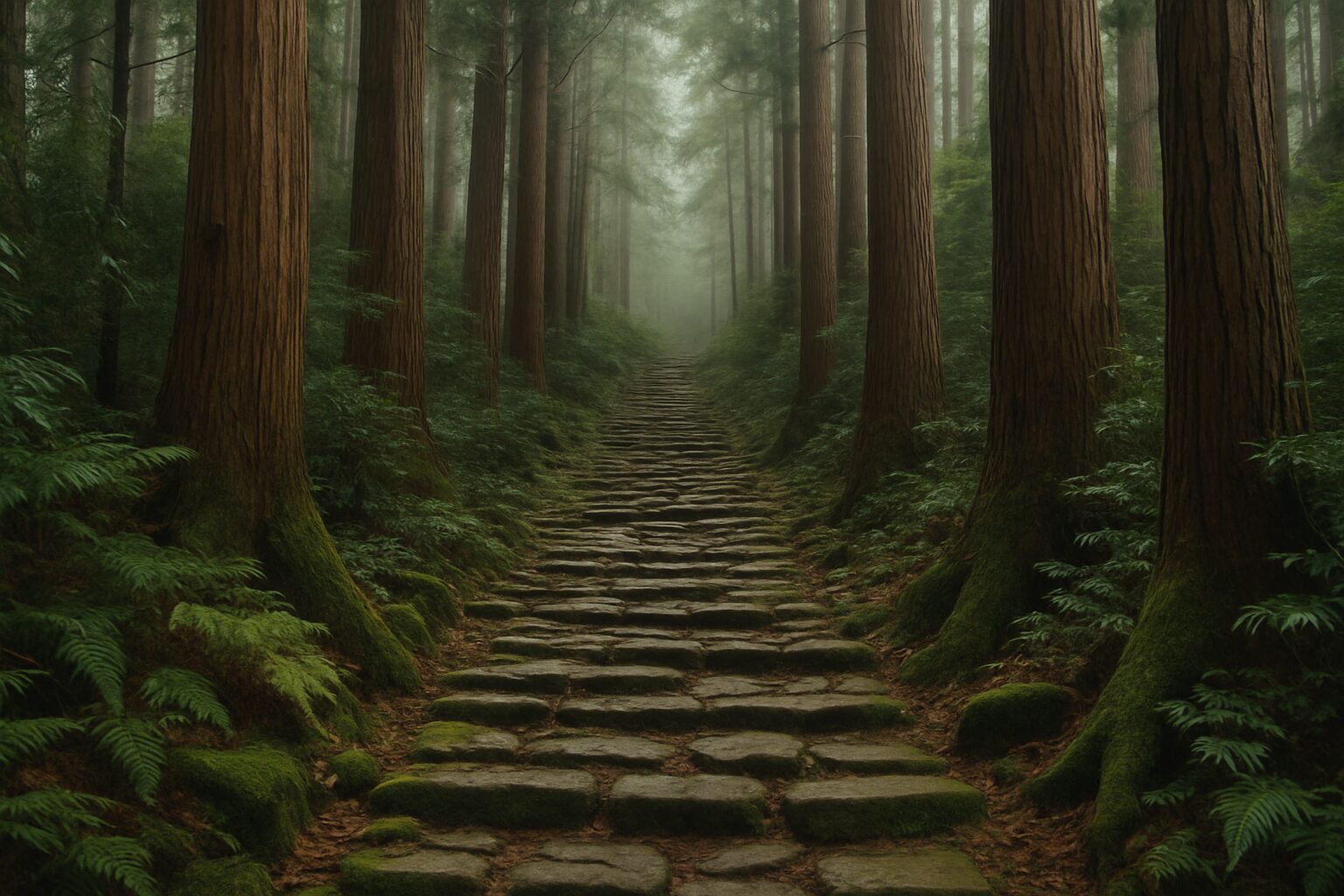
Alright, let’s get real. You’ve scrolled through a million travel feeds, seen the neon lights of Tokyo and the serene temples of Kyoto. You’re looking for that next-level trip, the one that’s less about a fleeting photo op and more about a full-blown spiritual glow-up. You’re craving a journey that resonates deep in your soul, a story you’ll be telling for years. If you’re nodding along, then I need you to listen up, because I’ve found the place. It’s called the Kumano Kodo, and it’s not just a hike; it’s an entire vibe. Tucked away in the misty, forest-drenched mountains of the Kii Peninsula, this isn’t just a trail—it’s a network of ancient pilgrimage routes that have been walked by emperors, samurai, and spiritual seekers for over a thousand years. It’s one of only two pilgrimage routes in the world to be granted UNESCO World Heritage status, the other being the legendary Camino de Santiago in Spain. But the Kumano Kodo hits different. It’s about plunging into the heart of Japan’s spiritual landscape, where Shinto gods and Buddhist deities vibe together in perfect harmony. It’s about trading city noise for the sound of rustling leaves and chanting sutras, about finding your rhythm one mossy stone step at a time. This is the ultimate main character energy trip, a journey that will challenge your body, soothe your mind, and leave you feeling completely transformed. It’s time to step into a living fairytale.
For a similarly profound experience that extends beyond the trail, consider deepening your spiritual journey with a temple stay on Koyasan.
So, Why Are We Literally Obsessed with Kumano Kodo?
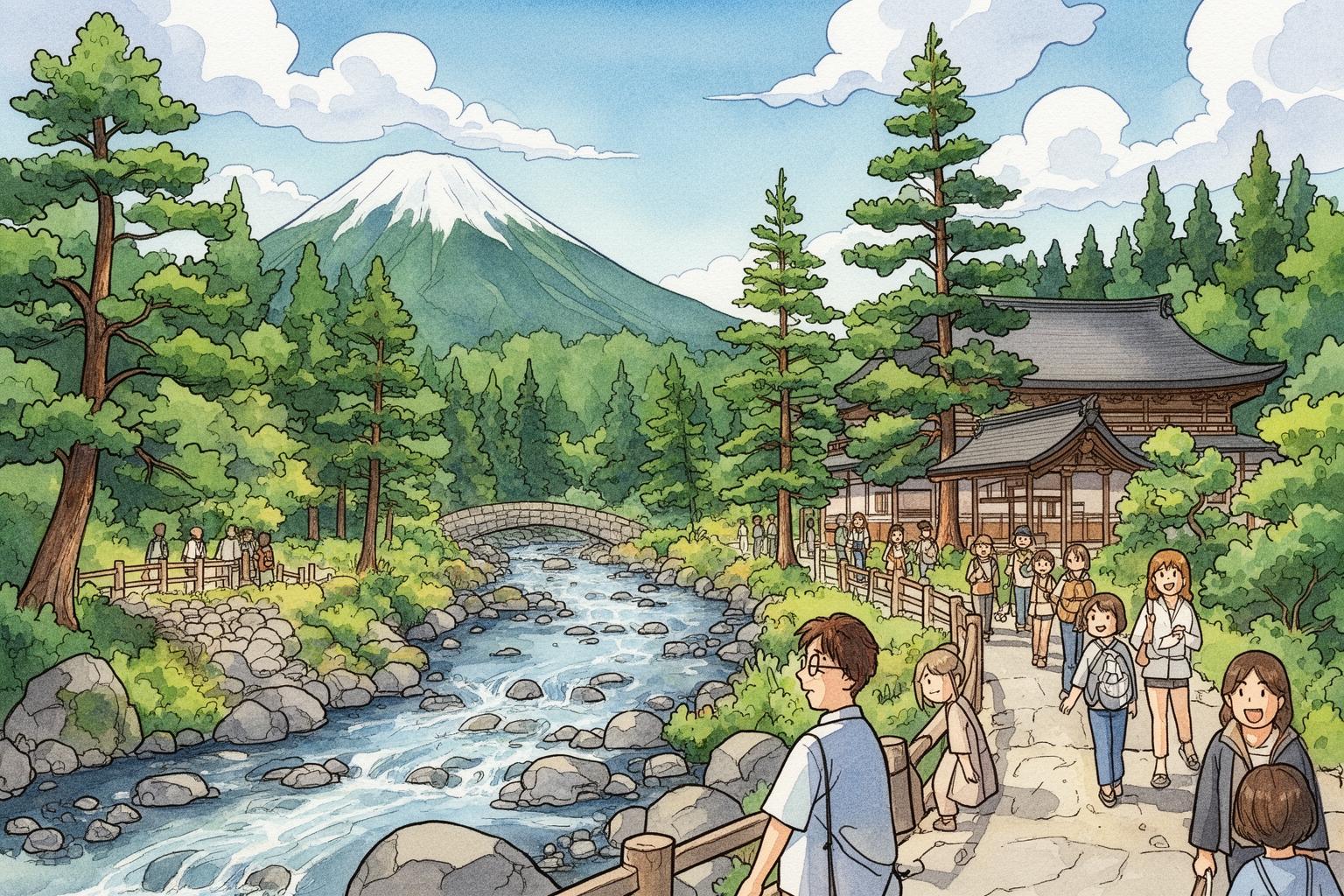
Before you even begin packing your best hiking boots, you need to grasp the magic. What drives people from across the globe to embark on a multi-day trek through rural Japan? It’s more than just an ordinary walk in the park, bestie. The Kumano Kodo offers a profound experience that connects to something ancient and powerful—a feeling that’s difficult to describe but unforgettable. It’s a journey into the core of what makes Japan so enchanting, a place where nature, history, and spirituality are so deeply intertwined that you can’t distinguish where one ends and the other begins.
It’s a Journey, Not a Destination
The main reason Kumano Kodo captures hearts is that the pilgrimage itself is the destination. The goal isn’t merely to check off the three Grand Shrines—Kumano Hongu Taisha, Kumano Hayatama Taisha, and Kumano Nachi Taisha—though they are breathtaking. The true treasure lies in the steps between them. It’s in the meditative rhythm of your breath as you climb a steep pass, the quiet reflection as you rest at a tiny, moss-covered oji shrine, and the shared smiles with fellow pilgrims you encounter along the way. In a world obsessed with instant gratification, the Kumano Kodo encourages you to slow down. It’s a natural digital detox. Cell service is patchy at best, and the only notifications you receive are the chirping of birds or the whisper of wind through towering cedar trees. You connect with yourself and the path in a way nearly impossible in modern life. You’re literally walking in the footsteps of countless souls who sought purification and rebirth in these sacred mountains, and you can feel that energy with every step.
Nature Takes Center Stage Here
Prepare for the most immersive nature experience of your life. The Kii Peninsula is a world of vibrant, overwhelming green. You’ll walk beneath the canopy of giant cedar (sugi) and cypress (hinoki) trees, some over 800 years old. Their immense scale makes you feel small and humbled. Sunlight filters through the leaves, scattering dappled patterns on the path like stepping into a Studio Ghibli film. The air is thick with the scent of damp earth, wood, and rain. Everything is blanketed in lush moss, turning ancient stones and statues into emerald-green sculptures. You’ll pass crystal-clear streams, powerful waterfalls, and viewpoints that open onto endless waves of rolling mountains. This isn’t manicured nature; it’s wild, raw, and sacred. In Shintoism, Japan’s native faith, gods (kami) are believed to dwell in natural elements—a majestic tree, a unique rock, a thundering waterfall. On the Kumano Kodo, you don’t just observe this belief; you feel it in your bones. The entire forest seems alive, pulsing with a quiet, powerful energy.
The Sacred Trio: The Three Grand Shrines
Of course, the spiritual pillars of the pilgrimage are the three Grand Shrines, collectively called the Kumano Sanzan. Each has its own unique character and aesthetic, making your arrival at each one a truly special reward.
Kumano Hongu Taisha is the heart of the pilgrimage. After days of walking, you’ll descend into the valley and behold its imposing, sweeping cypress-bark roofs. The architecture is rustic, elegant, and perfectly harmonized with the surrounding forest. It feels solemn, ancient, and deeply peaceful. Nearby is Oyu-no-hara, the shrine’s original site on a river sandbank, now marked by the largest torii gate in the world. Standing beneath it is a moment of pure awe.
Kumano Hayatama Taisha, near the coast in Shingu City, bursts with vibrant color. Its brilliant vermilion and white buildings sharply contrast the earthy tones of Hongu. It has a lively, energetic vibe and is linked to a sacred, ancient Nagi tree, believed to bring blessings to relationships.
Kumano Nachi Taisha is the dramatic showstopper. Perched on a mountainside, this stunning red shrine complex offers breathtaking views. The iconic image—likely one you’ve seen online—is the three-storied pagoda framed against the magnificent Nachi-no-Otaki, Japan’s tallest waterfall, cascading 133 meters in the background. The sight and sound of this powerful waterfall, revered as a deity itself, create a spiritual climax that will give you goosebumps.
Choosing Your Path: A Guide to the Kumano Kodo Routes
Alright, so you’re convinced by the vibe. Now, let’s get into the logistics. The Kumano Kodo isn’t just one trail but a network of paths weaving across the peninsula. Picking the right one is crucial to shaping your ideal adventure. Although there are several choices, most international pilgrims focus on a main route that delivers the classic Kumano experience.
The Nakahechi Route: The Imperial Trail
This is the centerpiece, the main attraction, and the route you’ll most likely take. The Nakahechi was the favored path of the Imperial family during their pilgrimages from the former capital, Kyoto, giving it a royal endorsement. It’s the best-preserved and most popular trail, offering a balanced mix of challenging mountain passes, charming post towns, historical landmarks, and breathtaking scenery. It’s well-marked (in both English and Japanese), and the guesthouses and transport infrastructure are the most developed, making it perfect for first-time pilgrims. Typically, the Nakahechi trek lasts between 4 to 6 days, depending on your pace and the sections you decide to hike.
Other Routes for the Adventurous
While the Nakahechi is the highlight, it’s worth knowing about the other routes. For experienced trekkers seeking a tough challenge, the Kohechi Route is a rugged mountainous path linking Kumano with the temple complex of Koyasan. It involves steep ascents and descents and has fewer accommodation options. Beach enthusiasts will appreciate the Ohechi Route, which follows the scenic coastline with spectacular views of the Pacific Ocean, although much of it consists of paved roads. The Iseji Route connects Kumano Sanzan with the Ise Grand Shrine, Japan’s most sacred Shinto shrine, offering an epic pilgrimage for the truly dedicated, though it also includes many paved stretches.
Your Epic 5-Day Nakahechi Itinerary: A Narrative Journey
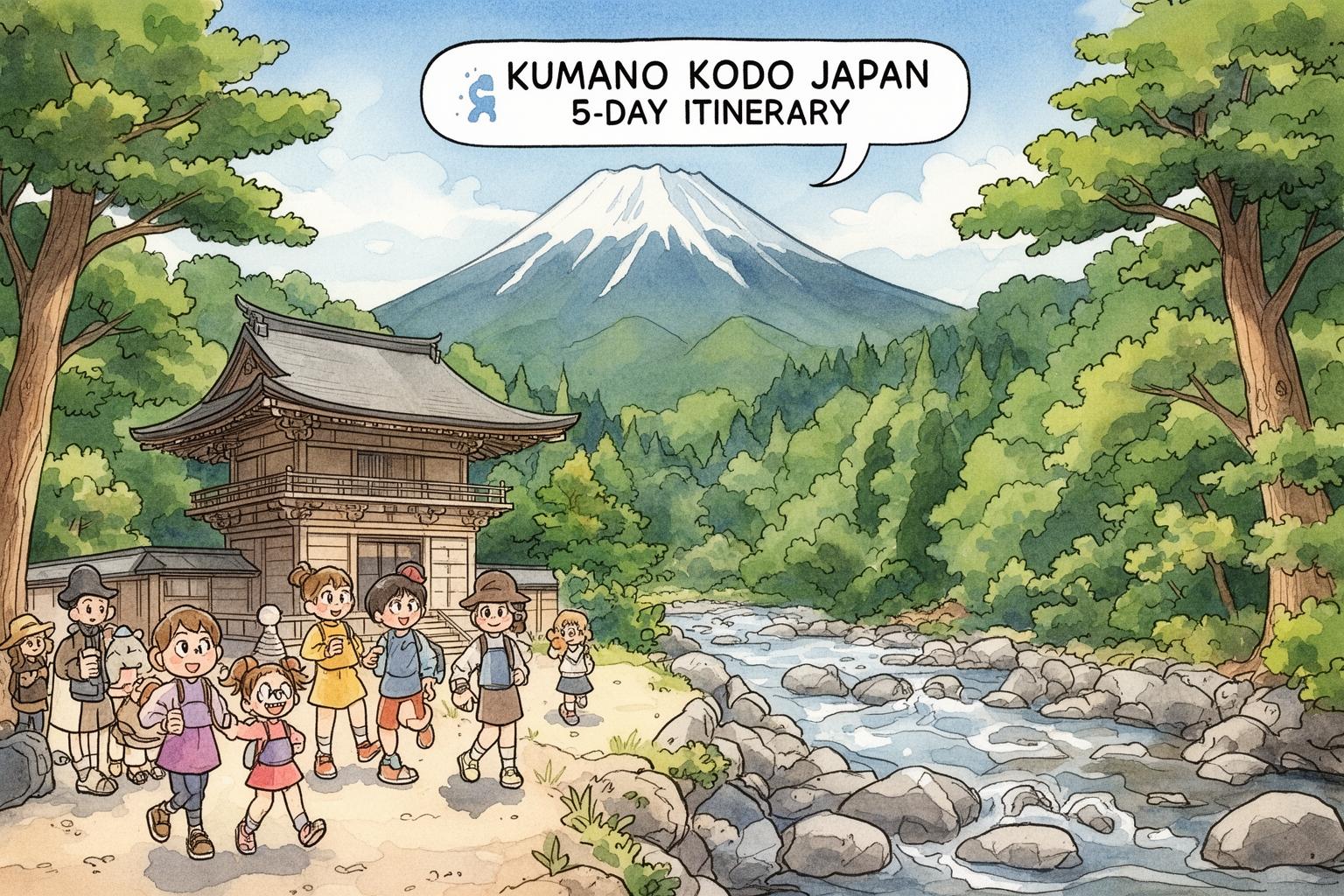
Let’s outline what your adventure might look like. Skip the dull lists; we’ll explore it together step by step. This 5-day itinerary along the Nakahechi route is a classic for good reason—it offers a fully immersive experience without feeling rushed.
Day 1: The Journey Begins | Takijiri-oji to Chikatsuyu-oji
Your trek starts in Kii-Tanabe, the gateway city. After picking up maps and information, you’ll take a bus to Takijiri-oji. This spot isn’t just a starting point; it’s a sacred gateway. The shrine marks the entrance to the realm of the gods. After a brief prayer for a safe journey, the trail quickly ascends—and I mean ascends. The first hour is a steep, root-filled climb that really wakes up your legs. It’s the trail’s way of asking, “Are you ready for this?” But once you push through, you’re rewarded by stepping into a deep, tranquil forest. The air cools, the outside world fades, and it’s just you, your footsteps, and the ancient trees. You’ll pass through Tainai-kuguri, a rock cave you squeeze through for a symbolic rebirth—definitely a must-do. After several hours of challenging yet stunning hiking, you’ll reach the tiny, charming village of Chikatsuyu-oji. You’ll likely stay in a minshuku, a family-run guesthouse, where the cultural immersion truly starts. Sliding open a paper screen door to a tatami-mat room, you’ll swap hiking gear for a cozy yukata robe and settle in for one of the most memorable meals of your life. Expect a banquet of local, seasonal dishes—grilled river fish, mountain vegetables, homemade pickles, and miso soup. It’s a soul-warming meal that refuels you for the days ahead. Sleeping on a soft futon laid out on the floor is the perfect end to a perfect first day.
Day 2: Over Hills to the Heart | Chikatsuyu-oji to Kumano Hongu Taisha
Wake up to the village’s morning sounds and another delicious Japanese breakfast. Today’s hike is longer but generally gentler than day one, featuring a wonderful mix of forest trails, quiet country roads, and sleepy hamlets. You’ll pass through tea fields and rice paddies, glimpsing rural Japanese life far from the bustle of the cities. The trail winds through magnificent cedar and cypress forests, passing several small oji shrines where you can pause, rest, and collect a stamp in your pilgrim’s passport. The day’s final major stretch leads to Hosshinmon-oji, known as the “gate of the awakening of the heart.” This spiritual landmark marks the outer border of the sacred grounds of Kumano Hongu Taisha. From here, the path mainly heads downhill and is relatively easy, meandering through villages and revealing the first tantalizing views of the grand shrine ahead. At last, you arrive. Stepping onto the grounds of Kumano Hongu Taisha is an unforgettable moment. The stark, elegant beauty of the dark wooden buildings is breathtaking. After paying your respects, take a short walk to Oyu-no-hara and stand beneath the enormous torii gate as the sun sets. It’s a powerful and humbling experience. This evening, you’ll stay in the nearby onsen village of Yunomine or Kawayu to soak your tired muscles.
Day 3: Sacred Soaks and River Journeys | Hongu, Onsen, and River Boats
Today is all about embracing the sacred waters of Kumano. This region is renowned for natural hot springs (onsen), integral to the pilgrimage for centuries, used for purification and healing rituals. You have two fantastic options. Visit Yunomine Onsen, one of Japan’s oldest hot springs. Its highlight is Tsuboyu, a small, rustic wooden cabin built over a creek, bookable for a private 30-minute bath. Soaking in these mineral-rich, slightly sulfuric waters is a truly unique experience—it’s the only UNESCO World Heritage hot spring where you’re allowed to bathe! The water is said to change color seven times daily. Alternatively, try Kawayu Onsen, where the magic happens right in the Oto River. Geothermally heated water bubbles up through the riverbed, allowing you to dig your own personal hot tub in the river’s gravel, blending hot spring water with cool river water to find the perfect temperature. In winter, a giant communal bath called the Sennin-buro is created here, which is pure magic.
In the afternoon, view the pilgrimage from a different angle with a traditional boat ride down the Kumano-gawa River. Historically, pilgrims traveled by boat between Kumano Hongu Taisha and Kumano Hayatama Taisha. This tranquil 90-minute journey on a flat-bottomed wooden boat lets you take in the stunning river gorge scenery—unique rock formations and lush greenery—while a storyteller shares local legends. It’s a peaceful and beautiful way to connect with the trail’s history.
Day 4: The Ultimate Challenge | The Ogumotori-goe Pass
Prepare yourself: today is the toughest—and arguably most rewarding—hike on the entire route. The Ogumotori-goe section connects the Hongu area with Nachisan. It’s a demanding, continuous climb and descent through the deepest, most remote forest yet. You’ll reach the Echizen-toge Pass, feeling the burn in your calves, but the payoff is huge. You are immersed completely in primeval forest. The silence is profound, broken only by your breathing and the occasional bird’s call. You’ll sense a deep solitude and connection with the raw nature around you. The views from the summit are spectacular—a sea of green mountains stretching endlessly. This stage of the journey truly tests your physical and mental endurance, making the sense of achievement at day’s end pure euphoria. You’ll finish near Nachisan, check into your guesthouse, and savor the pride of having overcome the trail’s biggest challenge.
Day 5: The Grand Finale | Daimon-zaka, Nachi Taisha, and the Waterfall
Today is the grand finale, the climax of your epic journey. You’ll begin with a walk down Daimon-zaka, a stunning 600-meter cobblestone slope lined with enormous, centuries-old cedar trees. It’s incredibly atmospheric and one of the most photogenic spots on the entire Kumano Kodo. The moss-covered stones and towering trees form a natural cathedral that feels sacred and timeless. For the ultimate photo op, you can even rent a traditional Heian-era pilgrim costume at a shop near the slope’s base and capture some truly epic shots.
At the top of the stairs, you arrive at the magnificent Kumano Nachi Taisha shrine complex. Explore the vibrant red buildings and soak up the spiritual atmosphere. Then, continue a short distance to Seiganto-ji Temple, where the iconic view awaits: the three-storied pagoda seemingly floating before the immense and powerful Nachi Falls. It’s a breathtaking scene that will leave you speechless. Spend time simply being present with it. Feel the mist on your face, listen to the thunderous roar, and understand why this place has been worshipped for millennia. It’s the perfect, awe-inspiring conclusion to a life-changing pilgrimage. From here, you can catch a bus down to the coastal town of Kii-Katsuura and celebrate your achievement with some of Japan’s freshest tuna.
The Deets: Getting Prepped for Your Pilgrimage
An epic journey calls for some epic preparation. A bit of planning goes a long way in making sure your Kumano Kodo adventure is smooth, safe, and stress-free. Here’s everything you need to know.
Getting There and Away
The main gateway to the Kii Peninsula is Kansai International Airport (KIX) in Osaka. From there, the best way to reach the trail is by train. Take the JR Kisei Main Line, specifically the Kuroshio Limited Express, to Kii-Tanabe Station. The journey lasts about two hours and offers scenic coastal views. Kii-Tanabe serves as the primary hub for starting the Nakahechi route. Right next to the station is the Tanabe City Kumano Tourism Bureau, an essential first stop to pick up maps, bus schedules, and get any last-minute tips. Local buses from Kii-Tanabe will take you to the trailhead at Takijiri-oji. For your return from Nachi, you can catch a bus to Kii-Katsuura or Nachi Station to board the same train line back to Osaka or Nagoya.
When to Go: A Seasonal Guide
While the Kumano Kodo can be walked year-round, some seasons offer more comfort than others.
Spring (March to May): This is prime season. The weather is pleasant and mild, with cherry blossoms and other spring flowers in full bloom. It’s also one of the busiest times, so securing accommodation in advance is highly recommended.
Autumn (October to November): Another peak season. Cool, comfortable temperatures make for ideal hiking, while the forests display fiery reds, oranges, and yellows. The air is crisp, and skies are often clear.
Summer (June to August): Expect heat, humidity, and rain. The rainy season (tsuyu) usually occurs in June and July, making stone paths slippery and risky. July and August bring intense heat and humidity, making steep climbs more challenging. On the upside, the forests are lush and vibrant.
Winter (December to February): Trails are quiet and peaceful, offering solitude. However, it can get very cold, especially at higher elevations, with possible snow and ice that may make hiking hazardous without proper gear. Some guesthouses might also close during this season.
Your Go-Bag: Packing the Essentials
Packing wisely is crucial. Remember, you’ll be carrying everything on your back—though there’s a handy trick we’ll cover shortly.
- Footwear: Absolutely essential. Choose sturdy, comfortable, waterproof hiking boots that are well broken-in. Your feet will thank you. Also bring several pairs of quality hiking socks (merino wool is a great option).
- Clothing: Pack layers. Moisture-wicking shirts, a fleece or mid-layer for warmth, and a dependable waterproof and windproof jacket and pants. Mountain weather can change quickly, even if the forecast looks clear.
- Backpack: A 25-35 liter daypack is ideal, large enough to hold daily essentials like water, snacks, lunch, rain gear, a first-aid kit, and an extra layer.
- Trekking Poles: Highly recommended for saving your knees on steep descents and providing balance on uneven or slippery terrain.
- Hydration: Carry at least 1.5-2 liters of water. Vending machines are available in villages but are rare on longer forest stretches.
- Cash: Very important. Many small guesthouses, shops, and restaurants in rural areas don’t accept credit cards. Bring enough Japanese Yen to cover expenses between larger towns.
- Other Essentials: Sunscreen, a hat, insect repellent, a small quick-dry towel (tenugui works great), a headlamp (for early starts or late finishes), a portable phone battery pack, and a basic first-aid kit with blister care.
The Ultimate Hack: Luggage Forwarding
This is a game-changer—a secret that lets you enjoy hiking without being weighed down like a pack mule. Japan’s luggage forwarding services (takkyubin) are highly efficient and reliable. You can arrange to have your main suitcase sent from your accommodation in one town to your next. Most guesthouses can help arrange this. You simply carry a small daypack with what you need for the day’s hike, and your main luggage appears at your next stop. While it adds a bit of extra cost, it’s worth every yen for the freedom it provides on the trail.
A Pilgrim’s Souvenir: The Stamp Credential
For a fun and meaningful way to track your progress, pick up a Kumano Kodo credential booklet. Each oji shrine along the trail has a unique wooden stamp to collect, acting like a pilgrim’s passport. Finding the stamp box becomes a fun ritual, and by journey’s end, you’ll have a beautifully stamped booklet—a fantastic and personal souvenir of your pilgrimage. It’s tangible proof of the sacred journey you completed, one stop at a time.
The Deep Lore: A Walk Through History
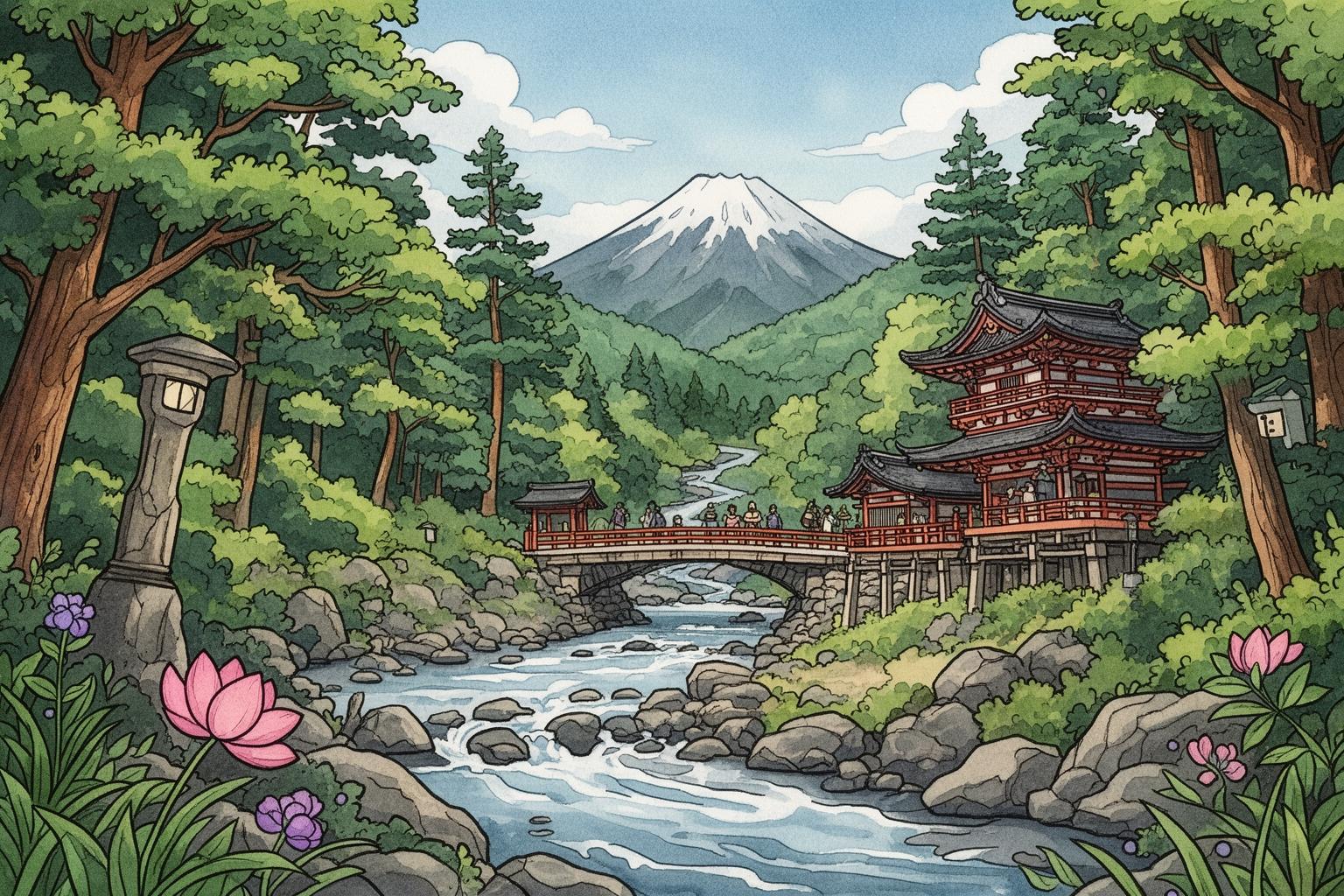
To fully appreciate the Kumano Kodo, it helps to grasp the rich spiritual tapestry you’re walking through. This area is steeped in a thousand years of faith, mythology, and history that is as captivating as the landscape itself. The spiritual foundation of Kumano is a unique fusion of Shintoism, Buddhism, and mountain worship, a concept known as Shinbutsu-shugo. For centuries, these different beliefs didn’t just coexist here; they blended into a harmonious whole. The native Shinto kami were regarded as manifestations of Buddhist deities, creating a powerful, inclusive form of worship that embraced everyone, regardless of class, status, or gender. This is why the journey was so popular, drawing everyone from cloistered emperors on grand 30-day processions from Kyoto to humble farmers seeking salvation.
Be sure to watch for the symbol of the Yatagarasu, the three-legged crow. This mythical creature is a divine messenger and the emblem of Kumano. According to legend, the Yatagarasu was sent by the heavens to guide Japan’s first emperor, Jimmu, through the rugged mountains of Kumano. Today, this sacred crow serves as a guide for all pilgrims, a symbol of divine intervention and safe passage. You’ll find its image on charms, banners, and stamps throughout the trail, a constant reminder that you are being led on your spiritual journey.
Your Journey Awaits
Walking the Kumano Kodo is much more than just a multi-day trek. It invites you to step away from your everyday life and enter a world where every stone, tree, and stream holds a story. This journey connects you not only to Japan’s stunning nature but also to the countless pilgrims who have traveled this path before you, and most importantly, to yourself. You’ll start at the trailheads with a plan and a backpack, but you’ll finish with a clear mind, a strong body, and a full heart. It will challenge you, transform you, and leave a lasting impression on your soul. It serves as a reminder that sometimes, the most meaningful destinations are found not on a map, but within the journey itself. So, what are you waiting for? The misty mountains are calling. Go find your path. Your spiritual glow-up is just a step away.