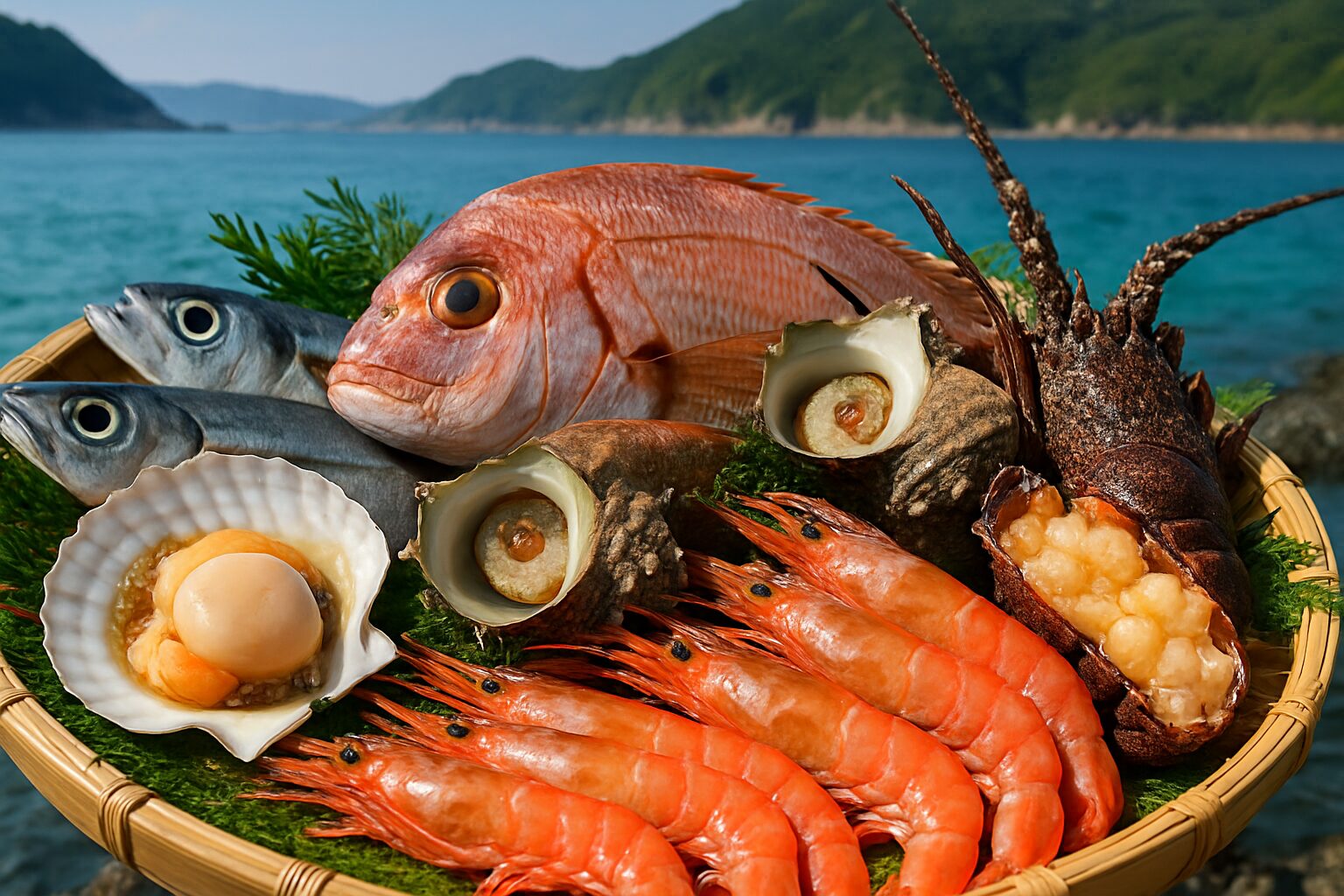
Alright, let’s have a real chat. If you’ve been scrolling through endless pics of Tokyo’s neon jungle and Kyoto’s serene temples, you might be thinking you’ve got Japan all figured out. But I’m here to spill the tea on a place that’s so off-the-beaten-path, it feels like a delicious secret whispered on the sea breeze. We’re talking about the Koshikijima Islands in Kagoshima Prefecture, a ruggedly beautiful archipelago that’s an absolute game-changer. Forget what you think you know. This is Japan on island time, where the rhythm of life is dictated by the tides, and the undisputed star of the show is a tiny, shimmering fish called kibinago. Seriously, this little guy is the main character, and its story is one you can taste. For any family, solo traveller, or foodie couple looking for something genuinely authentic, a trip that feels less like a vacation and more like a discovery, Koshikijima is it. It’s where the ocean’s bounty lands directly on your plate with zero fuss and a whole lot of heart. Before we dive into the foodie heaven that awaits, let’s get you oriented. This is where the magic happens.
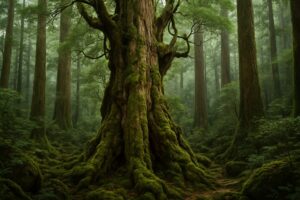
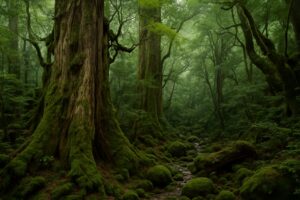
If you’re captivated by Kagoshima’s island magic, you’ll also want to explore the ancient, moss-draped cedar forests of Yakushima.
What’s the Vibe? Getting to Know the Koshikijima Islands
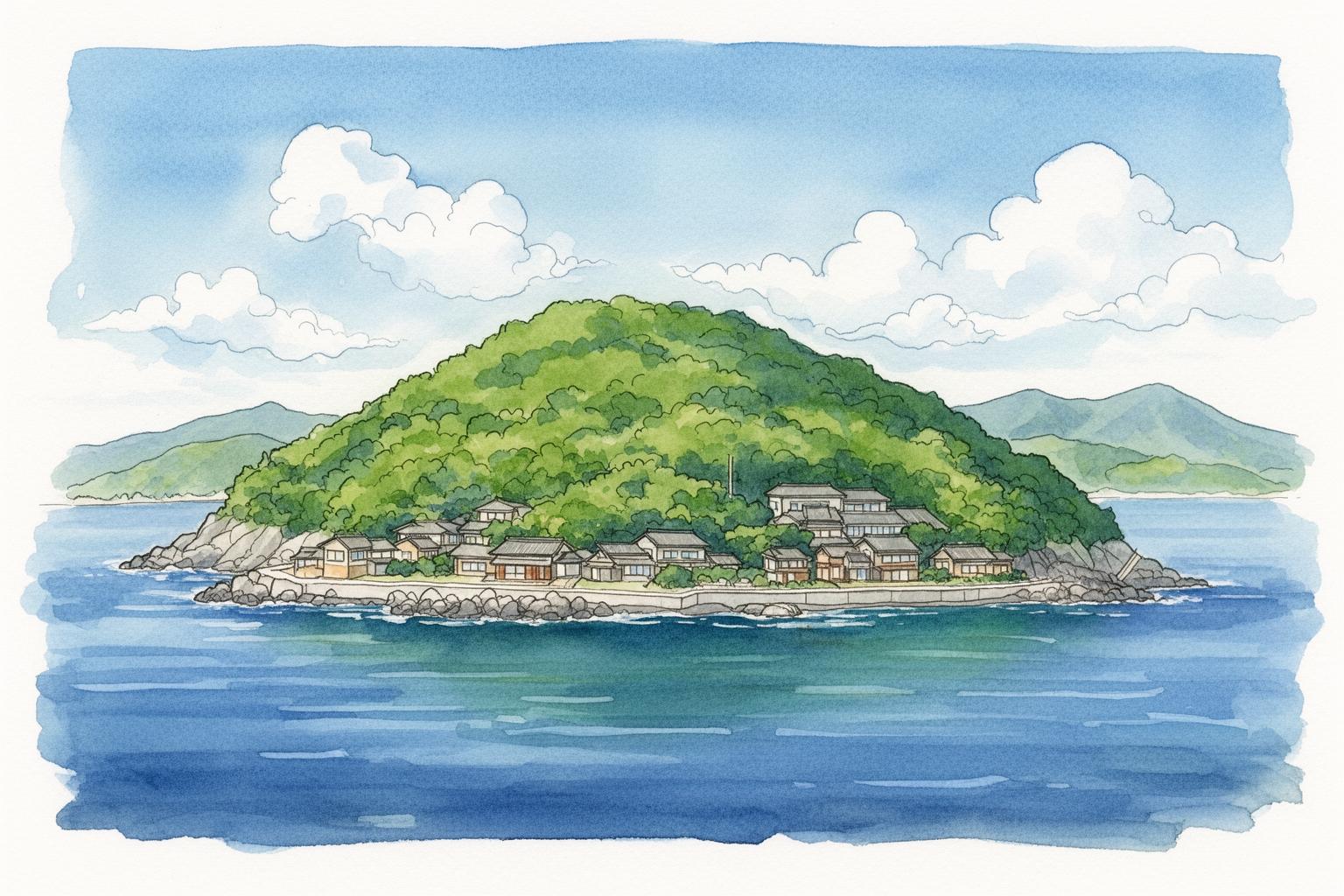
Arriving on the Koshikijima Islands feels like stepping through a gateway. The air shifts immediately—it’s heavy with the fresh, salty aroma of the East China Sea, and the noise of city life gives way to the sound of waves crashing against towering cliffs and the buzz of cicadas in the verdant hills. This is more than a single island; it’s a chain composed mainly of three inhabited islands that, until recently, were accessible only by boat. Now, thanks to the breathtaking Koshiki-ohashi bridges, you can drive across them, each boasting its own unique character. These are Kami-Koshiki (Upper Koshiki), Naka-Koshiki (Middle Koshiki), and Shimo-Koshiki (Lower Koshiki). The scenery here is truly spectacular. Imagine sheer cliffs rising 200 meters high, as if sculpted by a giant hand, odd rock formations jutting out of the turquoise sea, and hidden coves with untouched beaches. The most renowned formation is Napoleon Rock on Shimo-Koshiki, a sea stack that, if you look closely, remarkably resembles the French emperor in his iconic hat. It’s a perfect photo opportunity and a testament to the wild, untamed spirit of the islands.
The true heart of Koshikijima, however, lies in its remoteness and the leisurely pace it encourages. Locals refer to it as shima-jikan, or ‘island time.’ It’s the calm, unhurried rhythm that envelops you once you realize there’s no train to catch, no meeting to rush toward. The communities are small, close-knit fishing villages where everyone seems to know each other. Waving to strangers as you pass by isn’t just usual; it’s expected. There’s a warmth and genuineness here that can be rare in bigger cities. You’ll notice fishermen repairing their nets by the harbor, grandmothers tending vegetable patches, and children playing freely in the streets. It’s a profoundly peaceful, grounding vibe. As a parent, I found it wonderfully liberating to let the kids roam the shoreline and simply be present without the constant buzz of urban life. The evenings are just as enchanting. With almost no light pollution, the night sky bursts with stars. It’s the kind of dazzling, awe-inspiring celestial scene that makes you feel both incredibly small and deeply connected to the cosmos. Koshikijima isn’t about flashy tourist spots; it’s about a deep sense of tranquility, a bond with nature, and the authentic, vibrant culture of its people.
The Main Event: Say Hello to Kibinago, the Shimmering Superstar
Now, let’s dive into the heart of the matter—the reason we’re all here: the kibinago. So, what exactly is this legendary creature? In English, it’s called the Banded Blue Sprat, but that name hardly captures its essence. Picture a small, graceful fish about 10 centimeters long, slender and perfectly streamlined. Its back features a deep, iridescent blue, while a brilliant, almost metallic silver stripe runs along its side, gleaming in the light. A plate of freshly caught kibinago looks less like food and more like a collection of shimmering jewels pulled straight from the sea. Undoubtedly, they are among the most stunning fish you’ll ever see.
But what makes the kibinago from Koshikijima so celebrated throughout Japan? It all boils down to the environment. The waters of the East China Sea surrounding the islands offer an ideal blend of conditions. The powerful Kuroshio Current delivers a rich supply of nutrients that feed the plankton the kibinago consume. This nutrient-rich diet imparts exceptional flavor and a healthy fat content, making the fish succulent and richly satisfying. The water temperature and salinity are also perfectly balanced. This unique marine ecosystem means that kibinago caught here are widely regarded as the peak of quality—plumper, sweeter, and more flavorful than those found anywhere else.
The culture around kibinago fishing is as fascinating as the fish itself. This isn’t an industrial-scale operation; it’s a craft, a tradition carefully refined and passed down through generations of island families. The local fishermen are experts in their field. They set out in small boats in the dead of night, using a method called tateami-ryo, or stationary net fishing. Bright lights known as isaribi attract the schools of kibinago, which are drawn to the glow like moths to a flame. The fish are then gently guided into the nets. This nightly ritual ensures the kibinago are caught and brought back to port at peak freshness, often mere hours before being served. Freshness is non-negotiable for kibinago—especially when eaten raw. The locals understand this deeply, and their pride in their catch is unmistakable. It’s this profound bond between the people, the sea, and this special little fish that makes eating kibinago in Koshikijima an unforgettable experience.
While kibinago can be found year-round, if you want to taste them at their very best, the peak season is from late spring through early summer. During this period, the fish have fattened up for spawning, becoming extra juicy and bursting with umami. Visiting then is a genuine delight for any food enthusiast.
The Ultimate Kibinago Glow-Up: How to Eat It Like a Local
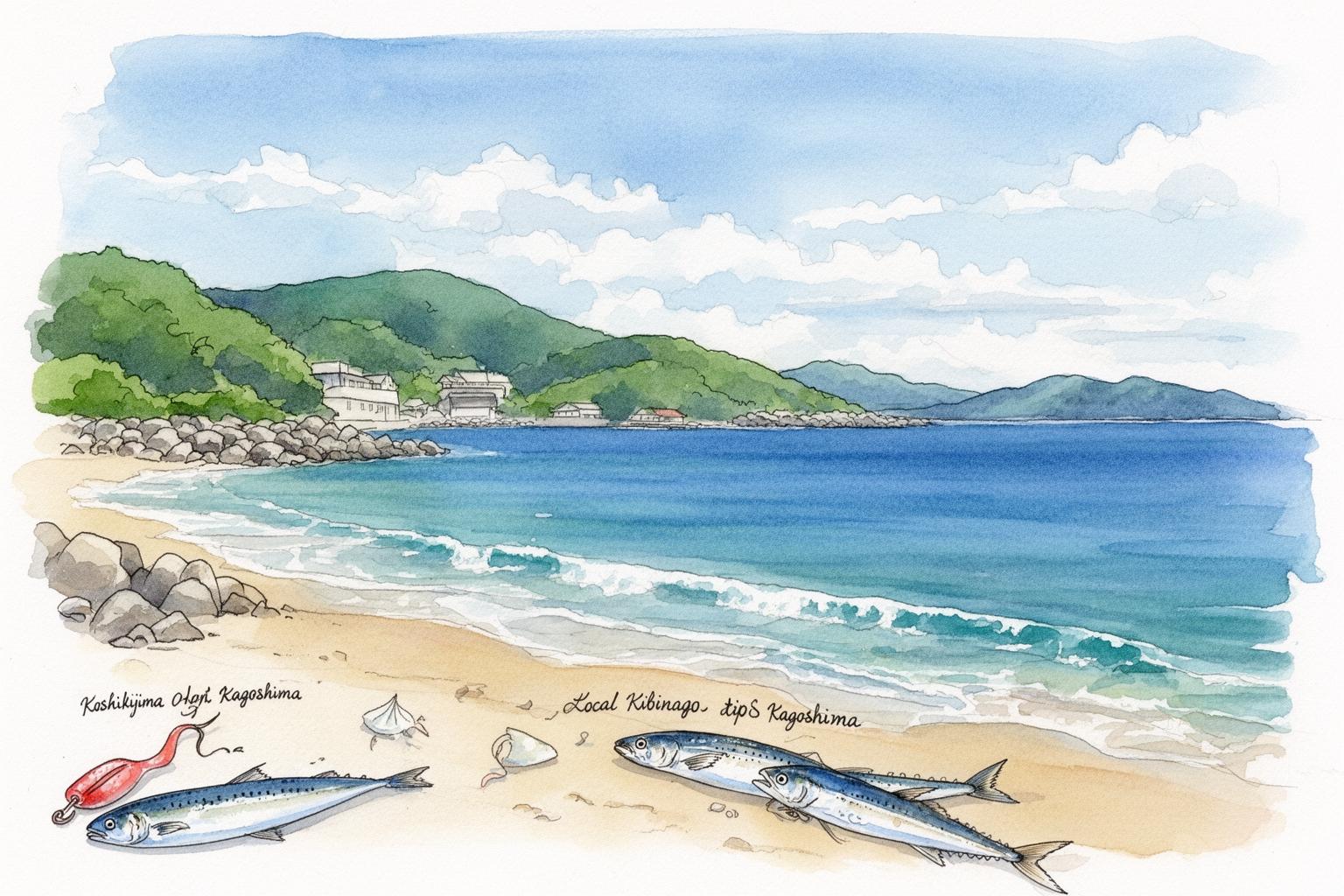
Forget everything you thought you knew about eating small fish. In Koshikijima, they’ve transformed the humble kibinago into an art form. You won’t find just one or two preparations here; instead, a whole culinary universe revolves around it. Sampling as many as possible is essentially the island’s top tourist activity—and a delicious one at that. Here’s a guide to the essential kibinago dishes you simply must try.
Kibinago Sashimi
This is the purest, most unadulterated way to enjoy the fish, and it’s a complete revelation. If raw fish makes you a little uneasy, this dish will win you over. Because the fish is caught mere hours before serving, the freshness is extraordinary. There is absolutely no ‘fishy’ taste or smell. Instead, you get a clean, subtly sweet flavor of the ocean. The presentation is breathtaking. Local chefs are experts in the kikka-mori, or chrysanthemum arrangement, meticulously placing the glistening fillets in a circular pattern on the plate, resembling a blooming flower. It’s almost too beautiful to eat. Almost. The texture is sublime—firm to the bite yet melting in your mouth. The game-changer here is the dipping sauce. While soy sauce with a dab of wasabi or grated ginger is an option, the traditional Kagoshima approach is to use sumiso—a vibrant, flavour-packed sauce made from miso paste, vinegar, and sugar. The tangy, sweet, and savory notes of the sumiso cut through the fish’s richness and elevate its delicate flavor in a way soy sauce simply can’t. It’s a perfect pairing, a culinary ‘aha!’ moment you’ll remember long after leaving the island.
Kibinago Tempura
If sashimi is the elegant star, tempura is the fun-loving, crowd-pleasing sidekick. This dish wins over even the pickiest eaters. The whole kibinago are lightly dusted in flour, dipped in a delicate, airy batter, then flash-fried in hot oil for just a minute or two. The result is pure magic: an incredibly light, shatteringly crispy coating with a moist, steamy, flavor-rich interior. You eat the entire fish—head, bones, and all. The tiny bones become so brittle from frying that you barely notice them, only adding to the satisfying crunch. Served piping hot, it usually comes with a bowl of tentsuyu (a light, savory tempura dipping sauce) mixed with grated daikon radish, which adds a fresh, peppery kick. Alternatively, a simple sprinkle of high-quality sea salt is enough. The contrast between the hot, crispy exterior and tender interior is irresistibly addictive. It’s the perfect snack with a cold beer after a day of island exploration.
Kibinago Shioyaki (Salt-Grilled)
Sometimes the simplest preparations are the most profound. Shioyaki is as straightforward as it gets: the fish are lightly salted, threaded onto bamboo skewers, and grilled over hot charcoal. The aroma wafting from the grill is intoxicating—the scent of fresh fish, sea salt, and charcoal smoke blending in the air. This method powerfully highlights the fish’s natural umami. The skin becomes wonderfully crispy and slightly charred, while the flesh inside stays tender and juicy. The salt crust provides perfect seasoning. Eating these straight off the grill, pulling the succulent meat from the skewer, offers a rustic and deeply satisfying experience. It’s a dish that connects you to the elemental flavors of the island: sea, fire, and salt. It pairs exceptionally well with a glass of local Kagoshima shochu (a distilled spirit), another famed regional product.
Kibinago Karaage (Deep-Fried)
You might think this is similar to tempura—but it’s quite different. Karaage is a distinct frying style that produces a completely different result. For karaage, kibinago are first marinated in a mixture of soy sauce, sake, ginger, and garlic, infusing the fish with rich savory flavor. They’re then coated in a thin layer of potato starch (katakuriko) rather than a wet batter before deep-frying. This creates a thinner, crispier, and more robust crust than tempura. The outcome is a flavor bomb: each bite bursts with savory, garlicky goodness and a super-crunchy texture. Less delicate than tempura, it’s a hearty, flavor-forward snack perfect for sharing with friends and family. My kids demolished a plate of these in about five minutes flat.
Kibinago Nitsuke (Simmered in Soy Sauce)
For a taste of Japanese home-style cooking, you must try nitsuke. This classic simmering technique gently cooks the fish in a broth made of soy sauce, mirin (sweet rice wine), sake, and a touch of sugar. Thinly sliced ginger is often added, imparting warmth and fragrance that beautifully complement the fish. The kibinago soak up the sweet and savory flavors of the broth, becoming incredibly tender and flavorful. It’s a deeply comforting, soulful dish—the kind of food that feels like a warm embrace. Typically served with a generous portion of the simmering liquid spooned over the top, it’s the perfect companion for a steaming bowl of white Japanese rice. The rice absorbs the delicious sauce, creating a perfectly satisfying meal.
Beyond the Plate: Soaking Up the Koshikijima Vibe
While planning your entire trip around eating kibinago is well worth it, Koshikijima offers so much more. The islands serve as an adventure playground, encouraging you to spend your time exploring their stunning natural beauty between meals. Renting a car is definitely the way to go, especially for families, as it provides the freedom to discover all the hidden spots at your own pace. The bridges connecting the three main islands offer one of the most scenic drives imaginable, with breathtaking ocean views around every bend.
On Kami-Koshiki, the northernmost island, be sure to visit Nagame-no-hama. This spectacular sandbar, a narrow strip of land stretching about 4 kilometers, separates the sea from a tranquil lagoon called Namako-ike (Sea Cucumber Pond). Walking along the sandbar with the wild ocean on one side and the calm lagoon on the other is a surreal and beautiful experience.
Naka-Koshiki, the middle island, is the gateway to the famous Napoleon Rock. Although visible from shore, taking a boat tour is highly recommended. These tours often pass through dramatic sea caves and bring you close to the rugged, bird-covered cliffs, offering a perspective unattainable from land. The raw power and beauty of the coastline inspire true awe.
Shimo-Koshiki, the largest island, is known for its sheer cliffs and a fantastic, slightly quirky Dinosaur Park, which was a big hit with my little one. The island’s western coast is a geological masterpiece, best appreciated from the water. Watching the sunset from this side, with the light illuminating the layers of ancient rock, creates a lasting memory.
For the more active traveler, the possibilities are endless. Sea kayaking or stand-up paddleboarding lets you explore the intricate coastline and paddle into hidden coves at your own pace. The water is often crystal clear, offering views of marine life beneath you. Fishing is, naturally, a popular pastime, and you can easily charter a boat or find an ideal spot to cast a line from shore. When night falls, don’t just head indoors—find a dark spot away from village lights, lay down a blanket, and gaze upward. The stargazing here is world-class. The Milky Way spans the sky in a brilliant, hazy band, and shooting stars are so numerous you’ll lose count. It’s a truly magical way to end an island day.
The Deets: Your Koshikijima Game Plan
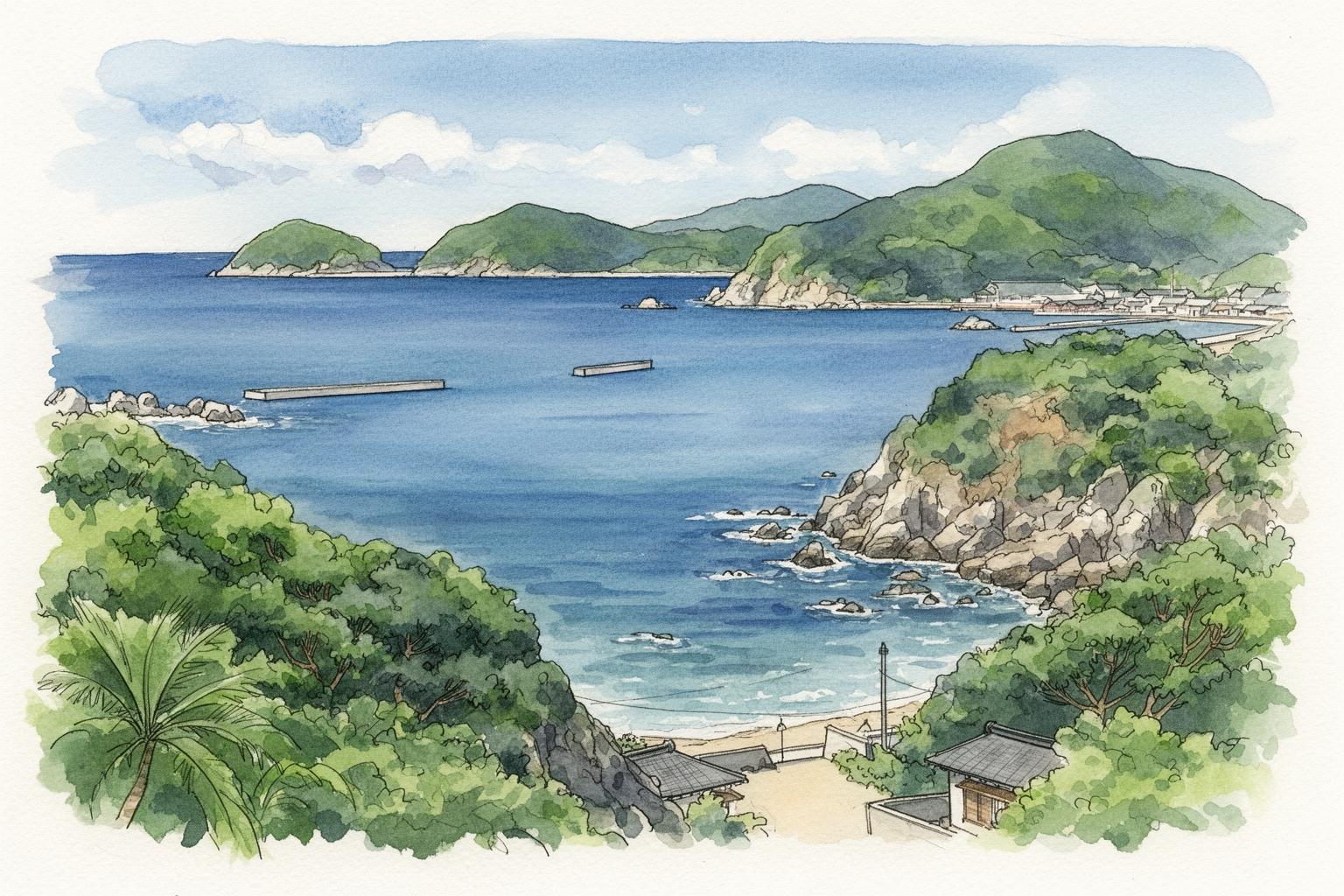
Reaching such a special destination requires some planning, but believe me, it’s worth every bit of effort. Here’s the practical information you need to make it happen.
Getting There
Your journey begins by traveling to Kagoshima, the southernmost prefecture on Japan’s main island, Kyushu. Kagoshima Airport (KOJ) is well-connected with domestic flights from major cities like Tokyo and Osaka. From Kagoshima city, you’ll need to get to one of two ferry ports. Kushikino Port serves as the main gateway, offering both a high-speed ferry (around 70 minutes) and a slower, more scenic car ferry (about 2 hours) to the islands. Sendai Port also provides ferry services. It’s important to check ferry schedules ahead of time and book your tickets, especially if you plan to bring a car, as space is limited. The ferry ride itself is part of the adventure, providing stunning views as you leave the mainland behind and approach the dramatic island silhouettes.
Getting Around
Once on the islands, renting a car is your best option. There are a few rental agencies available, but you must reserve early, as the fleet is small and fills up quickly during peak seasons. Having a car gives you the freedom to explore winding coastal roads and reach trailheads and viewpoints easily. For shorter trips or if you prefer more exercise, renting an electric-assist bicycle is a wonderful alternative. It’s a great way to slow down and fully enjoy the scenery. Local buses run, but their schedules are infrequent and may not fit typical tourist plans, so I wouldn’t depend on them as your main form of transport.
Where to Stay
The islands provide a range of accommodations, but for the most authentic experience, I highly recommend staying in a minshuku (family-run guesthouse) or a traditional ryokan. These places offer more than just a place to sleep; they provide a window into local life. The hosts are often exceptionally warm and welcoming, and the highlight is nearly always the food. A stay at a minshuku typically includes dinner and breakfast, featuring fresh, home-cooked meals. Here you’ll enjoy some of the best kibinago you’ll ever taste, lovingly prepared by families who have cooked it for generations. It’s an intimate and unforgettable way to experience Koshikijima’s famous hospitality.
A Few Final Tips
Bring cash. While larger hotels may accept credit cards, many small local restaurants, shops, and guesthouses are cash-only. It’s wise to carry enough yen. Also, don’t expect reliable connectivity. Wi-Fi can be spotty, and mobile service may drop out in remote areas. See it as an opportunity for a digital detox. Finally, pack for varying weather conditions. The sun can be strong, so bring sunscreen, a hat, and sunglasses. Comfortable walking shoes are essential. Even in summer, evenings can get cool with the sea breeze, so a light jacket or sweater is always recommended.
A Final Word from an Island Convert
There are places you simply visit, and then there are places that leave a lasting impression. Koshikijima clearly belongs to the latter. It’s a destination that awakens all your senses. You’ll recall the flavor of exceptionally fresh kibinago sashimi, the sensation of salty spray on your face during a boat ride, the view of countless stars in a pitch-dark sky, and the sound of a warm, genuine greeting from a local fisherman. It serves as a reminder that some of the most meaningful travel experiences aren’t found in bustling cities or famous landmarks, but in the serene, beautiful corners of the world where tradition and nature remain deeply connected. Enjoying kibinago in Koshikijima is more than just a meal; it’s a delicious, sparkling key to understanding the heart and soul of this extraordinary place. So go ahead—step off the beaten path. A truly unforgettable adventure—and some of the finest fish you’ll ever taste—is waiting for you.