Yo, what’s up, world travelers! Ami here. Let’s spill the tea on a place that’s been living in my head rent-free since I first stepped foot there. We all know and love the electric buzz of Tokyo and the timeless grace of Kyoto, but for real, Japan has a wild side that will absolutely rock your world. I’m talking about a landscape so raw, so epic, it feels like you’ve been dropped onto another planet. Forget everything you thought you knew and get ready to vibe with Kirishima-Kinkowan National Park in Kagoshima, the southernmost prefecture of mainland Japan. This isn’t your average walk in the park; it’s a full-blown adventure into a realm forged by fire, steeped in myth, and pulsing with the raw energy of the earth. We’re talking active volcanoes, crater lakes the color of jewels, and forests that whisper ancient secrets. It’s a place that commands respect, a place that reminds you just how powerful nature is. It’s a full-on reset button for the soul, and honestly, it’s a total game-changer. If you’re looking to get off the beaten path and experience something genuinely profound, this is it. This is where you connect with the real, untamed Japan.
If you’re captivated by volcanic landscapes, you’ll definitely want to explore the ancient Yakushima forests for another unforgettable hiking adventure.
The Vibe Check: What’s the Real Deal with Kirishima?

So, let’s set the scene. The moment you step into the Kirishima area, the air shifts. It becomes crisper, cleaner, and carries a subtle, sharp scent of sulfur—a quiet, constant reminder that you’re treading on living, breathing earth. This isn’t a manicured garden; it’s a dynamic, ever-evolving landscape where the planet literally asserts itself. Steam rises from vents in the ground, a process known as fumarole activity, creating an atmosphere that feels both mystical and slightly intimidating. The color palette here is simply unreal. Deep rusty reds and scorched blacks of volcanic rock contrast vividly with the bright greens of resilient plant life and the striking blues and emeralds of the crater lakes. It’s a visual feast my artist heart couldn’t get enough of. The vibe exudes profound, ancient power. You feel small here, but in the most uplifting way. It’s humbling to stand at the edge of a vast crater and realize it was carved by forces beyond human understanding. This stands in stark contrast to the order and precision found in much of Japan. Here, nature is chaotic, unpredictable, and unapologetically dominant. That’s the essence of its magic. You’re not just looking at the scenery; you’re sensing the planet’s pulse beneath your feet. It’s a next-level connection you won’t find anywhere else.
Where Legends Are Born: The Mythical Backdrop
This is the point where Kirishima transforms from a great hiking destination to a place of legendary importance. Truly, this area holds immense significance in Japanese mythology. According to Japan’s oldest records, the Kojiki and Nihon Shoki, it is the exact location where the gods descended from the heavens to establish the Japanese imperial lineage. The legend states that Amaterasu, the sun goddess, sent her grandson, Ninigi-no-Mikoto, to earth to govern it. And where did he land? Precisely here, atop Takachiho-no-mine in the Kirishima mountains. This makes the whole region sacred, regarded as the mythical birthplace of Japan itself. This isn’t just an ancient tale; it’s a living cultural tradition that endows every mountain and valley with deep significance. When you hike here, you’re quite literally walking through a foundational myth. That spear displayed at the summit of Mt. Takachiho-no-mine? It’s a replica of the heavenly spear, Ame-no-Sakahoko, which Ninigi-no-Mikoto planted upon his arrival. Knowing this completely transforms the hiking experience. You’re not merely climbing for the scenery; you’re embarking on a pilgrimage to the origins of a nation’s story. This adds an incredible depth of meaning to every step, connecting you to thousands of years of history and belief. It’s this unique combination of untamed nature and profound spiritual heritage that makes Kirishima truly extraordinary.
Your Kirishima Trail Guide: Picking Your Perfect Hike

Alright, let’s dive into the best part—the hikes. Kirishima offers a wide range of trails, from leisurely strolls to seriously tough climbs, so you can choose your own adventure based on your fitness level and mood. No matter which trail you pick, breathtaking scenery awaits that will keep your camera busy.
The Icon: Conquering Mt. Karakunidake
If you want the main highlight, this is it. Mt. Karakunidake stands as the tallest peak in the Kirishima range at 1,700 meters. The name supposedly means “the mountain from which you can see Korea,” and while that’s a bit of a stretch on most days, the panoramic views from the summit are absolutely spectacular. The hike offers a solid workout but is manageable for anyone with decent fitness. Starting from the Ebino Plateau, you’ll ascend through dwarf bamboo grass and volcanic scree forests. Climbing higher, the landscape turns stark and lunar. The final steep push to the summit rewards you with legendary views—a full 360-degree panorama of the Kirishima volcanic group. From the top, you can peer into the massive, perfectly circular crater of Karakunidake, and on clear days, spot the iconic smoking silhouette of Sakurajima volcano in the distance. The vivid blue Onami Pond crater lake below is, without exaggeration, one of Japan’s most stunning sights. The whole experience feels like standing on top of the world. It’s a challenging yet rewarding hike that delivers epic vistas—an absolute must.
The Insta-Famous Loop: Onami Pond (Onami-ike)
For those seeking maximum payoff with moderate effort, the Onami Pond trail is a standout. This hugely photogenic spot in the park features Japan’s highest crater lake. The water’s striking cobalt blue shifts with the light, creating a mesmerizing effect. The hike begins at a trailhead on the main road with a relatively short but steep climb to the crater rim. Once there, you can stroll the entire 2-kilometer loop around the lake. The trail offers ever-changing perspectives of the water and surrounding peaks, including a stunning view of Mt. Karakunidake. It’s an ideal picnic spot and photo op—the contrast of the blue water, green slopes, and red volcanic rock is simply breathtaking. This hike can be done alone in a few hours or combined with the Karakunidake climb for a truly epic full-day adventure. Low effort, high impact—this one’s a guaranteed crowd-pleaser and perfect for capturing that perfect ‘gram shot.
The Mythical Pilgrimage: Mt. Takachiho-no-mine
If you’re ready to follow in the footsteps of gods, the hike up Mt. Takachiho-no-mine is your choice. This peak is the more rugged and spiritually significant of Kirishima’s major summits. Though not as tall as Karakunidake, the climb is arguably more intense and dramatic. The final ascent is up a steep, exposed ridge of loose volcanic gravel known as the “uma-no-se” or “horse’s back.” It’s a real scramble where two steps forward often mean one step back, but pushing through feels incredible. The reward at the top is more than just a view—it’s reaching the very spot where Japanese mythology says the nation began. Standing by the bronze Ame-no-Sakahoko spear thrust into the sky is a powerful moment. This ascent feels less like finishing a hike and more like completing a sacred journey. The views are spectacular, overlooking volcanic plains and stretching out toward the ocean. This hike is both a physical and spiritual challenge that connects you to Japan’s ancient soul. It’s tough, dramatic, and an unforgettable experience.
The Chill Walk: Ebino Plateau (Ebino Kogen)
Not every day demands conquering a summit. For a relaxed yet beautiful experience, the Ebino Plateau is ideal. This highland area serves as the main hub for many park trails and offers a wonderful network of boardwalks and easy paths that immerse you in Kirishima’s unique ecosystem without any strenuous climbing. The plateau is famous for its three crater ponds—Rokukannonmi, Fudo, and Byakushi—whose waters change color depending on mineral content and weather, sometimes turning emerald green or milky blue. You can wander through fields of pampas grass and Japanese red pine forests all while enjoying stunning views of the surrounding volcanic peaks. Ebino Kogen is especially renowned for seasonal beauty. In late spring, the Miyamakirishima azaleas paint the hillsides vibrant pink, but the absolute showstopper is autumn, when the plateau bursts into a sea of gold and red. The colors are so vivid they call it “nishiki-kōyō” or “brocade autumn leaves.” It’s an easy, accessible way to soak up the Kirishima atmosphere—perfect for a recovery day or for those not eager to tackle a major mountain climb.
Beyond the Trails: How to Max Your Kirishima Trip
Your Kirishima adventure continues even after you slip off your hiking boots. The surrounding area is bursting with incredible experiences that perfectly complement a day spent on the mountain. To truly savor it all, you need to immerse yourself in the local culture, cuisine, and most importantly, the onsen.
The Ultimate Post-Hike Glow-Up: Onsen Heaven
Let’s be honest: after a long day of hiking, nothing—not a single thing—beats sinking your weary body into a natural hot spring. Kirishima is one of Japan’s premier onsen destinations, thanks to the volcanic activity simmering beneath the surface. The mineral-rich waters work wonders on sore muscles. Options abound, from the historic and expansive Kirishima Onsen village to the quieter, rustic hot springs in the Myoken Onsen area. You’ll find everything from upscale ryokans with private open-air baths (rotenburo) to simple public bathhouses where you can soak alongside the locals. Immersing yourself in an onsen, surrounded by the sounds of nature and steam rising into the cool mountain air, is the ultimate path to recovery and relaxation. It’s an essential part of the Kirishima experience—don’t even consider skipping it. It’s the perfect way to end your day of adventure and prepare for the next one.
Fueling Your Adventure: Kagoshima’s Food Scene
Hiking those trails will burn plenty of calories, and luckily, Kagoshima boasts a fantastic food scene to help you refuel. The region is renowned for its premium ingredients, with the standout dish being Kurobuta pork. Known as Kagoshima’s “black pig,” it’s incredibly tender, juicy, and flavorful. Enjoy it as tonkatsu (deep-fried cutlet), shabu-shabu (hot pot), or simply grilled—it’s absolutely delicious. For the more adventurous, there’s torisashi, raw chicken sashimi. It might sound daring, but Kagoshima is famous for its fresh, high-quality chicken, and when sourced from reputable places, it offers an extraordinary culinary experience. To wash it all down, be sure to try the local imo-jochu, a type of shochu made from sweet potatoes. Kagoshima is the shochu capital of Japan with hundreds of distilleries. After your hike, finding a cozy izakaya (Japanese pub), ordering local dishes and a glass of shochu, is the perfect way to soak up the local culture and reward yourself for all your efforts.
A Different Kind of View: Kirishima Open-Air Museum
For a cultural experience that wonderfully complements the natural surroundings, you absolutely must visit the Kirishima Open-Air Museum. With my background in art, I was genuinely excited about this spot, and it did not disappoint. It’s an amazing space where large-scale contemporary art installations are scattered across a stunning park, framed by the Kirishima mountains. Many of the pieces are interactive, making the visit engaging and fun. There’s something incredibly striking about witnessing modern, often abstract, artwork set against such a powerful and ancient natural backdrop. It creates a fascinating dialogue between human creativity and the raw power of nature. It’s a unique way to appreciate the landscape and a perfect activity for a laid-back afternoon. Stylish, thought-provoking, and a fantastic way to see the scenery from a fresh perspective.
The Nitty-Gritty: Your Kirishima Survival Guide
Okay, let’s get real for a moment. Kirishima is wild and incredible, but you need to be prepared. A little planning goes a long way to ensure your trip is safe, smooth, and absolutely epic. Here’s the essential info on the practical side of things.
Getting There & Getting Around
The main gateway to the region is Kagoshima Airport (KOJ), which offers plenty of flights from Tokyo, Osaka, and other major Japanese cities. Once you arrive, the best way to explore Kirishima is by renting a car—I can’t stress this enough. Public transport in the area is limited and infrequent. Having your own vehicle lets you travel between trailheads, onsen towns, and restaurants at your own pace. It also gives you the freedom to stop whenever you spot an amazing viewpoint and discover hidden gems. Roads are well-maintained and driving is straightforward; just be sure to arrange your International Driving Permit before you head out.
When to Go: Timing is Everything
While Kirishima is breathtaking throughout the year, certain seasons are better for hiking. Spring (April-May) is lovely, with mild weather and the iconic pink Miyamakirishima azaleas in full bloom. Summer (June-August) is lush and green but can be very hot and humid—it’s also typhoon season, so expect heavy rain and possible trail closures. Winter (December-February) is magical with snow dusting the peaks, but it’s recommended only for experienced hikers since trails can be icy and hazardous. The clear winner is autumn (October-November)—the weather is perfect for hiking, cool and crisp, with spectacular fall foliage lighting up the landscape in fiery reds, oranges, and golds. If you can plan your trip for fall, you’re definitely winning.
Gear Up: What to Pack for Your Volcanic Trek
Don’t skimp on gear here. First and foremost: get sturdy hiking boots with good ankle support—the terrain is rocky and uneven, and your feet will thank you. For clothing, think layers. Mountain weather can change quickly. Bring a moisture-wicking base layer, a fleece or mid-layer for warmth, and a high-quality waterproof and windproof shell jacket. Even on sunny days, it can get chilly and windy at the summit. Don’t forget basics like a hat, sunglasses, and high-SPF sunscreen since the sun is intense at altitude. Pack plenty of water and energy-rich snacks. A bear bell adds peace of mind, and a basic first-aid kit is always wise. Lastly, download offline maps to your phone, as cell coverage can be spotty or non-existent on the trails.
Stay Safe, Stay Slay: Volcanic Activity 101
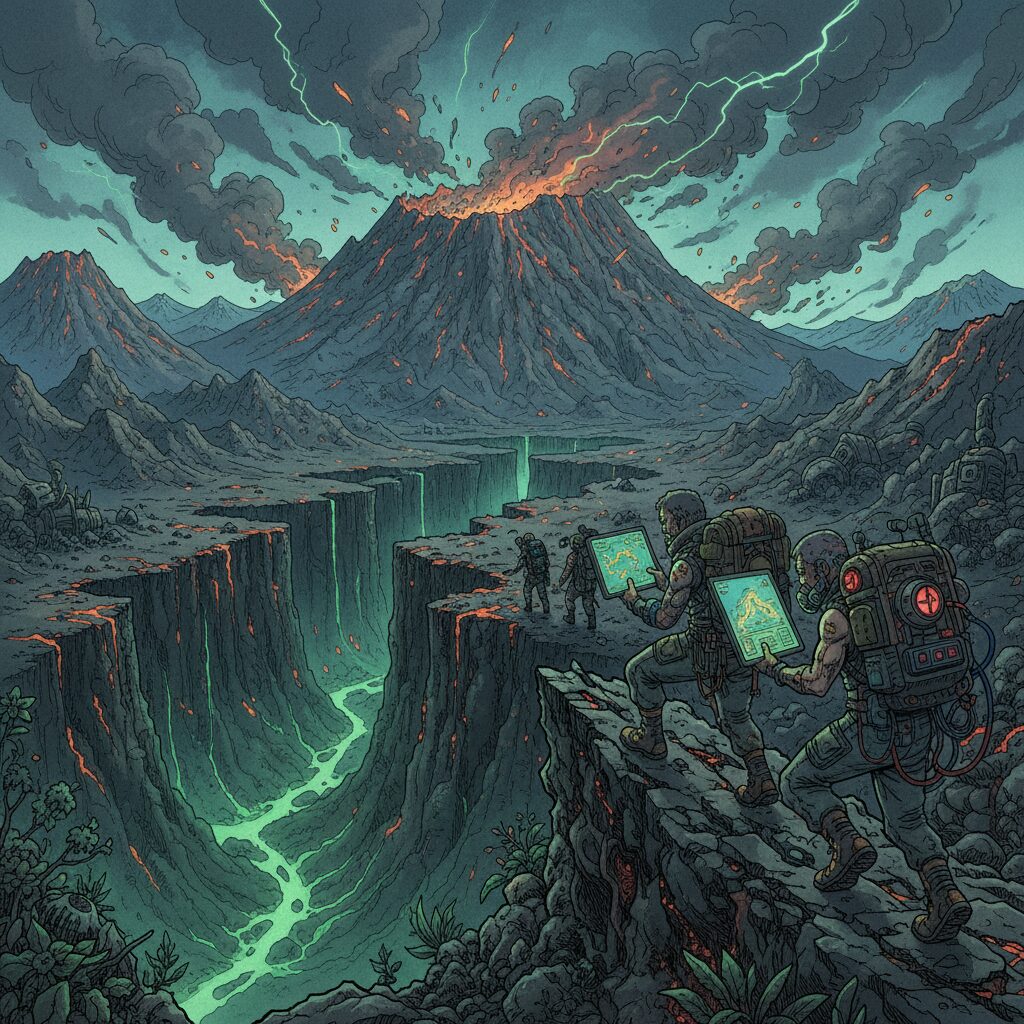
This is crucial, so pay attention. The Kirishima mountains are a group of active volcanoes—that’s what makes them so special, but it also means risk. Before heading out, check the latest volcanic alert levels from the Japan Meteorological Agency (JMA). Their website provides real-time updates, and you’ll find signs at trailheads as well. These alerts indicate which areas are safe and which trails are closed. Be ready to adjust your plans; a trail open yesterday might be off-limits today. If you detect a strong sulfur smell (like rotten eggs), it’s best to leave the area promptly, especially if you have respiratory issues. Respect all warnings, stay on marked trails, and you’ll have an amazing and safe adventure.
The Final Word: More Than Just a Mountain
Kirishima-Kinkowan National Park is one of those rare places that stays with you long after you’ve visited. It’s much more than a series of stunning hiking trails—it’s a journey into the core of Japan’s creation story, where you can experience the immense, untamed power of nature in a way that is both humbling and invigorating. Here, you can challenge your physical limits on volcanic slopes and then relax your spirit in a steaming onsen beneath the stars. It serves as a reminder that the most beautiful things in life are often wild, unpredictable, and slightly dangerous. So, if you’re seeking an adventure that is as profound as it is breathtaking, look no further. It’s time to swap the city grid for crater rims and ancient legends. Kirishima is calling, and you won’t regret answering.