Yo, let me spill the tea on a place that is, no cap, one of the most legit, soul-soothing spots in all of Japan. Picture this: you’re swapping your sneakers for wooden clogs, your jeans for a breezy cotton yukata, and your daily grind for a full-blown onsen crawl. This isn’t some niche fantasy; this is the everyday reality in Kinosaki Onsen, a town that’s basically built around the heavenly pursuit of chilling in volcanically heated water. Forget everything you thought you knew about a vacation. Kinosaki isn’t a place you just visit; it’s a vibe you live in. The entire town is your resort. The streets are your hallways, the ryokans are your bedrooms, and the seven public bathhouses, the legendary sotoyu, are your spectacular, steamy bathrooms. For over 1,300 years, people have been making a pilgrimage here to soak away their troubles, and let me tell you, the tradition is alive and well. The main drag is a storybook scene, with a willow-lined canal running through the middle, stone bridges arching over it, and traditional wooden buildings leaning in to whisper secrets of centuries past. At night, when the lanterns flicker to life and the clip-clop of geta sandals echoes on the pavement, it’s pure magic. You’re not just a tourist here; you’re part of a living, breathing tradition, a moving tapestry of people united by the simple, glorious act of taking a bath. This is the ultimate guide to doing Kinosaki right, a deep dive into the seven public onsen that make this town an absolute must-visit on any Japan itinerary. Get ready to soak it all in.
To master the art of the onsen crawl and plan your perfect route between the legendary bathhouses, be sure to read our ultimate guide to hopping between the seven public onsen.
The Art of the Onsen Crawl: Yukata, Geta, and the Yumepa Pass
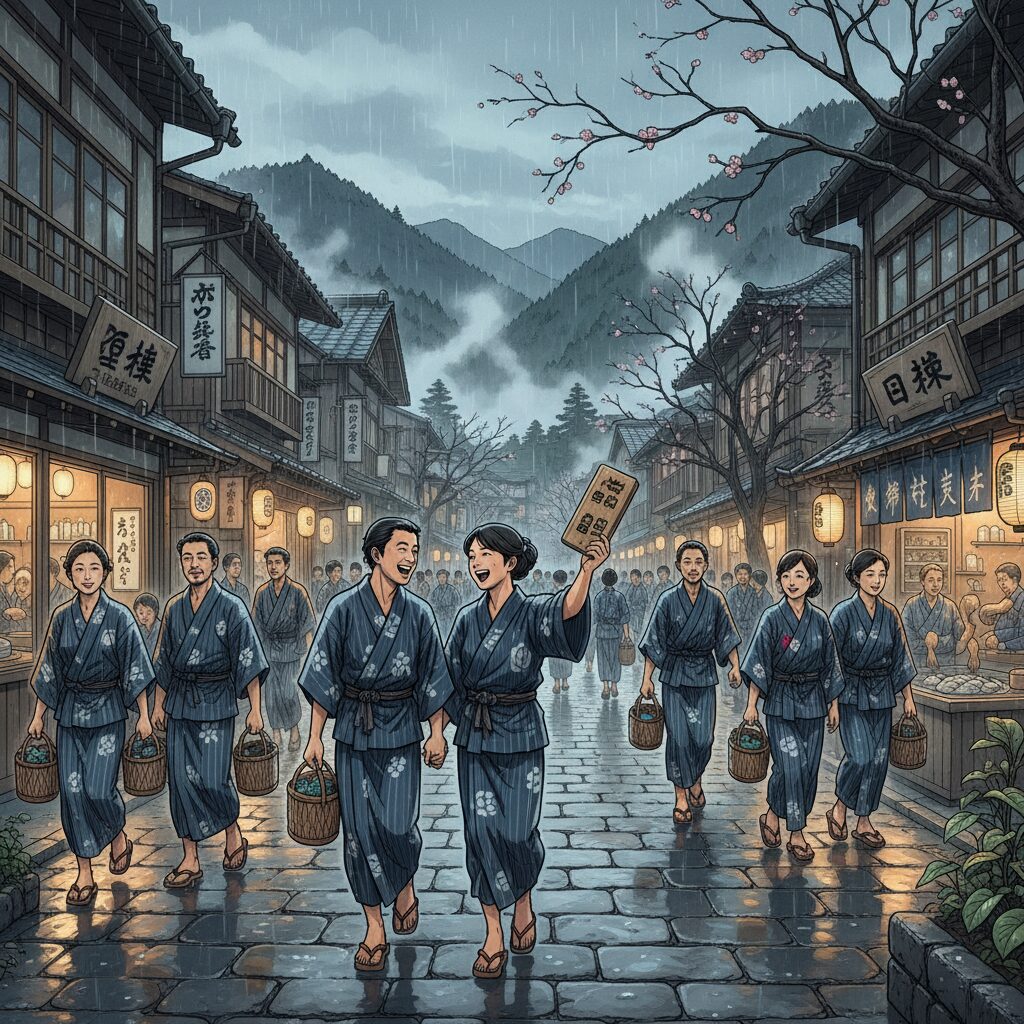
Before we plunge into the hot springs, let’s first discuss the uniform and the golden ticket. The moment you check into your ryokan (a traditional Japanese inn, and trust me, you absolutely have to stay in one), you’ll be handed a yukata. This isn’t just any bathrobe, my friend. It’s the official town uniform. Everyone—from toddlers to elders, locals to visitors—wanders the town in their yukata and geta (wooden sandals). It’s a remarkable equalizer. There’s no fashion competition, no showing off. It’s pure, genuine comfort and tradition. Each ryokan features its own unique yukata pattern, so you become a walking ambassador for your temporary home. The sound of hundreds of geta clip-clopping across stone bridges forms the town’s soundtrack, a rhythmic beat that resonates with your own relaxed heartbeat. It’s a complete aesthetic, and honestly, you might never want to wear regular clothes again.
Your other crucial item is the Yumepa pass. This is your key to the kingdom. Most ryokans provide this digital pass, which looks like a small QR code on a lanyard or card. It grants you unlimited access to all seven public onsen during your stay. Just scan the barcode at the entrance of each bathhouse, and you’re in. It’s incredibly convenient and encourages you to do exactly what you came for: onsen hopping until you’re as relaxed as a noodle. The goal, the unspoken challenge, is to visit all seven. It’s a quest for ultimate relaxation, and each stop offers a uniquely different experience.
The Seven Sotoyu: A Bath-by-Bath Breakdown
Alright, let’s dive into the main event. The seven public onsen, or sotoyu, are the very heart and soul of Kinosaki. Each one tells its own story, boasts unique architectural charm, and radiates its own distinctive atmosphere. They’re spread out across town, making the walk between them just as much a part of the experience as the baths themselves. Think of it as a sacred pilgrimage—only way more relaxing. As you stroll along the canal, maybe stopping for a gelato or a craft beer, you dip into another slice of hot spring heaven. Each onsen is believed to bestow a different blessing, from business prosperity to a happy marriage. So, you’re not just cleansing yourself; you’re gathering good fortune. It’s a win-win.
Kouno-yu: The Original Oriental Bath
Let’s begin where it all started. Kouno-yu is the oldest onsen in Kinosaki, tucked away at the peaceful, far end of town. Legend has it that an Oriental White Stork, or Kounotori, healed its injured leg in these waters, revealing the spring’s magical properties to the world. That’s some serious history. The atmosphere at Kouno-yu is tranquil and deeply immersed in nature. It’s a bit of a walk from the main station area, so it’s usually less crowded, attracting those truly devoted to soaking.
The building itself is simple yet elegant, with a calm ambiance that makes you feel as if you’ve stepped back in time. Inside, the main bath is spacious, but the real highlight is the outdoor rotenburo. Nestled in a quiet garden surrounded by trees and rocks, soaking there—steam rising into the cool air and nature’s sounds all around—is transcendental. You can almost sense centuries of history soaking into your bones. The water here is said to bring happiness and longevity, especially for married couples. It’s the perfect place to start your onsen adventure, washing away travel stress and centering yourself before exploring the rest of town.
Mandara-yu: The Path to Spiritual Enlightenment
Next on the route, as you head back toward the town center, is Mandara-yu. Its name derives from Buddhist imagery, and its legend is equally mystical. A Buddhist saint named Douchi Shonin prayed for a thousand days to summon a spring to heal the local villagers, and on the thousandth day, Mandara-yu’s waters burst forth. This place carries some serious divine energy. The blessing offered here is for success in business and agriculture. If you’re aiming to thrive, this is your spot.
The architecture is distinct, featuring a striking green ceramic roof and an entrance that feels like stepping into a temple. The vibe is more intimate and contemplative. The must-try here is the outdoor bath—one Hinoki cypress tub perched on a small hill behind the main building. A short flight of stairs leads you there, enhancing the sense of a private pilgrimage. The tub isn’t large, so it’s often a solo or small group experience. Soaking in the fragrant wooden barrel and looking up at the sky brings profound peace. It’s less about socializing and more about meditation and clearing your mind—maybe even a light spiritual awakening. The water feels silky smooth, and the scent of cypress is intoxicating.
Goshono-yu: The Imperial Palace of Baths
Time to elevate your experience. Goshono-yu is a true showstopper. Known as the “water of beauty,” it’s said to bring luck in love and protection from fire—a very specific but appreciated combination. Modeled after the Kyoto Imperial Palace, the building is a masterpiece of Japanese architecture, featuring a grand, sweeping roof and intricate woodwork. It feels less like a bathhouse and more like a royal court, perfect for feeling like a celebrity.
Inside, the ceilings soar with massive wooden beams, and the bathing area is vast, boasting floor-to-ceiling glass panels that look out onto a breathtaking waterfall. The scale is awe-inspiring. You’re literally soaking at the foot of a waterfall. The cascading water’s sound mingles with steam filling the immense space for a full sensory experience. The outdoor rotenburo is just as impressive, carved from natural rock formations. Reclining in the hot water, surrounded by dramatic boulders and lush greenery, you feel completely immersed in nature, even in the heart of town. Goshono-yu’s popularity is no surprise. It’s bold, gorgeous, and makes you feel like royalty. This stop is a must on your Kinosaki tour.
Ichino-yu: The King of Caves
Right at Kinosaki’s center is Ichino-yu, or “Number One Bath.” It earned this prestigious title after a famed Edo-period doctor declared its waters the best in Japan—so you know it’s legit. The building’s retro kabuki-theater facade makes it a standout landmark. It’s said to bring good luck and academic success—students, take note. This is your spot before a big exam.
The real draw at Ichino-yu is the cave bath. Yes, a cave bath. The outdoor rotenburo is set within a man-made cave hewn from massive rocks. Soaking in this dimly lit, steam-filled grotto offers one of the most unique and atmospheric onsen experiences anywhere. The acoustics are incredible; every splash echoes around you, creating a primal, mysterious vibe like discovering a secret thermal spring deep in the mountains. It can get crowded due to its popularity, but the experience is more than worth it. The water feels potent, and the atmosphere is undeniably cool. It’s a must for any onsen lover. Emerging from that cave, you feel reborn, as if you’ve completed an ancient ritual. No exaggeration—it’s unforgettable.
Yanagi-yu: The Cozy Neighborhood Treasure
Don’t underestimate its size—Yanagi-yu is brimming with charm. Named after the willow trees lining the canal outside its doors, it’s the tiniest and most traditional of the seven sotoyu. The wooden structure exudes old-world Japan vibes. The water here is believed to ensure fertility and safe childbirth, making it special for expecting parents and those hoping to start a family.
Inside, it’s all about classic Hinoki cypress: walls, ceiling, and tub made from this fragrant wood, filling the air with an exquisite aroma. The steam mingles with the cypress scent for a natural aromatherapy effect. The bath is deep and piping hot—the hottest of the seven—and a delight for those who like a strong soak. There’s no outdoor bath, giving the experience a more focused, intimate feel. It’s a true neighborhood bathhouse, where locals might stop by for a quick, restorative dip. Cozy, intensely aromatic, and simply beautiful—Yanagi-yu proves that sometimes the best things come in small packages. It’s essential for the pure, authentic Japanese bathhouse experience.
Jizo-yu: The Modern Family Favorite
Located near Kinosaki Onsen station, Jizo-yu is often one of the first or last baths visitors enjoy. It’s known for promoting family safety and children’s well-being. The name comes from a legend of a hot spring bubbling up at the foot of a Jizo statue, the guardian deity of children. Architecturally, it’s a bit different from the others, featuring modern hexagonal windows designed to resemble traditional lanterns. It stands out with a welcoming, energetic vibe.
Jizo-yu is a hit with families for good reason. It offers a spacious indoor bath and a relaxed atmosphere. The feel here is less about quiet reflection and more about a joyful, communal soak. You’ll often see parents with kids enjoying the water together. There’s even a private bathing area families can rent, perfect for little ones or those seeking privacy. The water is said to be especially gentle. While Jizo-yu lacks an outdoor rotenburo, its high ceilings and large windows create an open, airy environment. It’s a straightforward, no-fuss spot to wash away the grime of your travels upon arrival or to enjoy a final relaxing soak before your train ride home.
Sato-no-yu: The Grand Finale with a View
Finally, we reach Sato-no-yu, located right next to the train station. It’s the largest and arguably most modern of the seven public onsen. If Goshono-yu is the imperial palace, Sato-no-yu is the luxury spa. This multi-story complex boasts an incredible variety of baths, with its standout feature being a breathtaking panoramic view.
The bathing areas are gender-separated and switch daily, so if time allows, visit twice to experience both. One side features Japanese-style design; the other offers a European, Romanesque feel. But the real highlight is the top-floor open-air sky bath. You can soak in hot water while gazing over the town, the Maruyama River, and distant mountains—especially stunning at sunset. There are also sauna rooms, including a rare ice sauna and a mist sauna, providing a completely different kind of thermal experience. Sato-no-yu has it all: traditional baths, modern comforts, and a view to die for. It’s the perfect spot to conclude your onsen pilgrimage with a grand, spectacular finale that leaves you feeling fully rejuvenated—and probably ready to plan your next trip back to Kinosaki.
More Than Just Baths: Ryokan Life and Culinary Quests
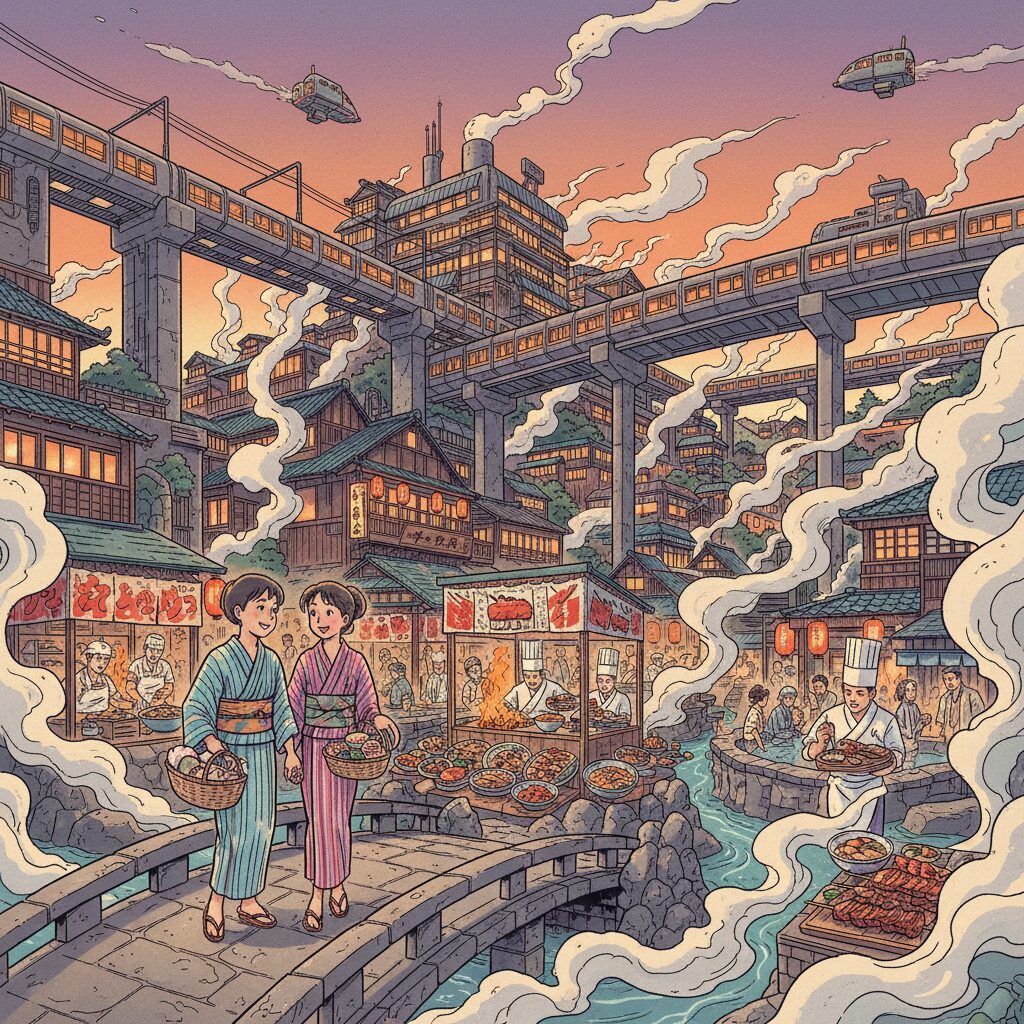
The onsen are undoubtedly the main attraction, but the complete Kinosaki experience is a package deal. Staying in a traditional ryokan is an essential part of the charm. These inns offer more than just a place to sleep; they provide a full immersion into Japanese hospitality, or omotenashi. From the moment you arrive and are welcomed with tea and a snack, to the intricate, multi-course kaiseki dinner served in your room, every detail is carefully attended to. Your room will feature tatami mat floors, sliding shoji screens, and a comfortable futon that is set up for you while you dine. The level of service and attention is truly exceptional.
The food alone makes the trip worthwhile. Kinosaki, located in Hyogo Prefecture, is famous for one thing: Tajima beef. This renowned brand of wagyu includes the world-famous Kobe beef. The kaiseki dinner at your ryokan will almost certainly highlight this melt-in-your-mouth delicacy, served perhaps as shabu-shabu, sukiyaki, or grilled on a small stone. During winter, the area is also celebrated for its snow crab, a sweet and succulent specialty that is highly prized locally. Beyond the ryokan, the town is filled with fantastic little eateries. You’ll find incredible seafood rice bowls, handmade soba noodles, and even onsen tamago—eggs slow-cooked in hot spring water to a perfect, custard-like texture. And don’t forget the local craft beer, Kinosaki Beer, an ideal refreshment after a soak in the onsen. You can grab a bottle from a vending machine or local shop and enjoy it by the canal. It’s simply a foodie’s paradise.
Practical Tips for the Pro Soaker
A few final tips to ensure your trip goes smoothly. First, a word on onsen etiquette—it’s simple but crucial. Before entering the bath, be sure to wash your body thoroughly at the shower stations provided. Onsens are meant for soaking, not washing. You’ll receive a large towel for drying off and a small towel for modesty and washing. This small towel must never be submerged in the bathwater. Instead, you can place it on your head (the expert’s tip) or set it aside on the edge of the tub. If you have tattoos, you’ll be pleased to know that Kinosaki is famously tattoo-friendly, a rare and welcome exception in Japan where tattoos are often prohibited in onsens. All seven public sotoyu openly welcome guests with tattoos, so you can soak comfortably without concern.
Getting to Kinosaki is easy. It’s a direct, scenic train ride from major cities like Kyoto or Osaka, taking about two and a half hours on a Limited Express train. The trip itself, winding through the Japanese countryside, is part of the experience. Once in town, everything is within walking distance. The whole point is to stroll, so leave your heavy luggage at the ryokan and just carry a small onsen bag with your towel and Yumepa pass.
The Final Soak
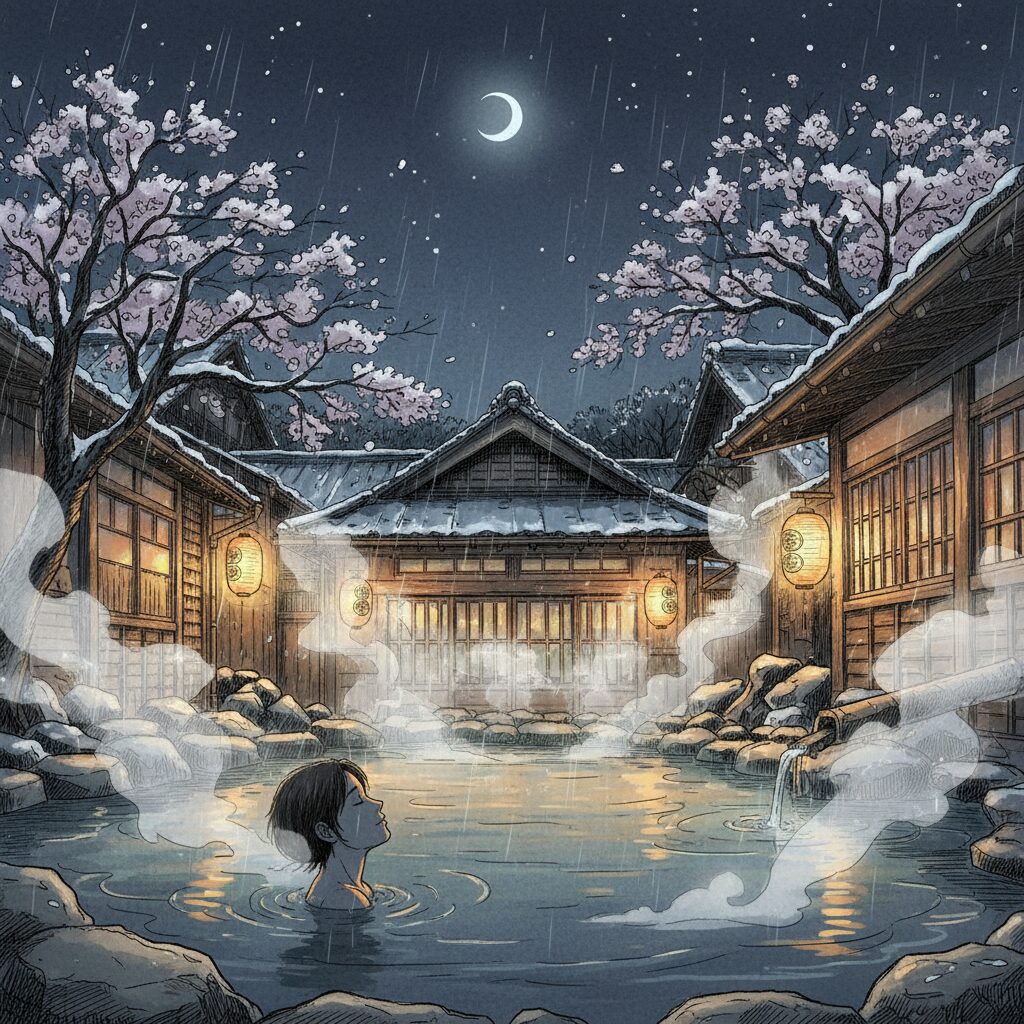
Kinosaki Onsen is more than just a town filled with numerous hot springs. It’s a time machine, a wellness retreat, and a cultural lesson all combined. It’s a place that encourages you to slow down, disconnect from the chaos of modern life, and reconnect with the simple joy of a warm bath and a quiet moment. Walking from one onsen to another in your yukata, accompanied by the gentle sounds of the town, becomes a form of moving meditation. You leave Kinosaki not only cleaner but also lighter. Your muscles feel relaxed, your mind clear, and your spirit refreshed. It’s a place that lingers in your memory long after the steam has faded—a warm experience you’ll want to revisit again and again. So pack your bags, leave your stress behind, and get ready to fall in love with Japan’s most enchanting onsen town. Believe me, it’s a whole vibe.