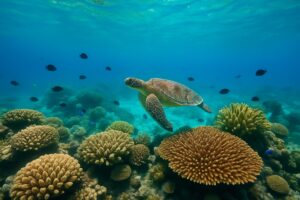
Yo, what’s up, world travelers. Ryo here. Picture this: you’re floating. Not in a pool, not in some murky lake, but suspended in the most ridiculously, intensely, impossibly blue water you’ve ever seen. It’s a blue so pure it feels like it’s vibrating, a color that seems to have its own soul. It’s not just water; it’s liquid sky. Below you, a city of coral explodes with life, and a sea turtle, ancient and unbothered, glides past you with a lazy flick of its flipper. You’re not dreaming. You’re not looking at a filtered Instagram post. You’ve just plunged into “Kerama Blue.” This, my friends, is the magic of the Kerama Islands, a string of subtropical jewels scattered just a quick ferry ride from the hustle of Okinawa’s main island. Forget what you think you know about Japan being all ancient temples and neon-drenched cityscapes. Out here, about 40 kilometers west of Naha, lies a National Park that is, without a doubt, one of the planet’s most epic underwater playgrounds. This isn’t just a destination; it’s a full-blown sensory overload, a deep-dive into a world that’s more vibrant and alive than you could ever imagine. It’s the kind of place that grabs you, shakes up your perspective, and leaves an imprint on your soul long after the salt has dried on your skin. Ready to take the plunge? Let’s get into it.
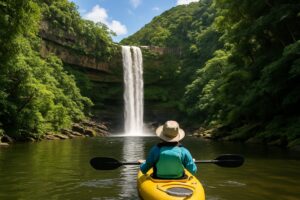
If you’re looking for another epic aquatic adventure in Japan’s southern islands, consider the incredible jungle trek to Pinaisara Falls on Iriomote Island.
The Vibe Check: What is Kerama Blue?
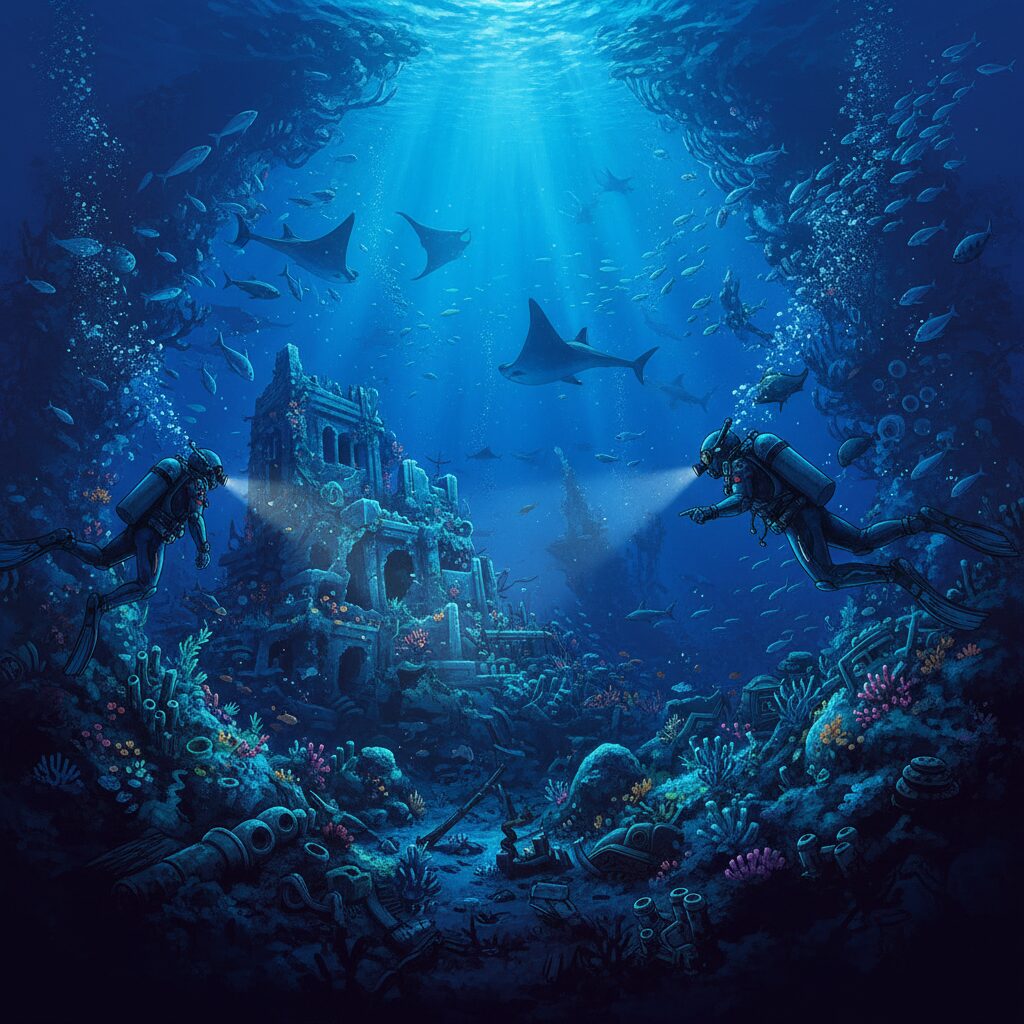
So, let’s dive into the concept of “Kerama Blue.” It’s a phrase you’ll hear tossed around by everyone—from seasoned divemasters to eager beginners—and it’s not mere marketing fluff. It’s a genuine, palpable phenomenon. The magic lies in a mix of factors that combine to create an aquatic masterpiece. First, the islands are relatively isolated, far from major city runoff. Second, and most importantly, the powerful Kuroshio Current, one of the strongest ocean currents globally, flows past the islands. This current acts like a vast filtration system, continuously flushing the area with crystal-clear water from the deep ocean. The result is visibility that is, quite frankly, mind-blowing. We’re talking 30, 40, sometimes even 50 meters of clarity on a good day. It feels less like swimming and more like flying. You can be hovering at 15 meters and still see the intricate patterns of the sand on the seabed below, or look up to see the hull of your dive boat shimmering as if suspended in air. The light penetration is simply incredible. Sunbeams break the surface and dance on the reefs, creating ethereal, cathedral-like shafts of light that illuminate the entire underwater world. This stunning clarity is what gives the water its distinctive color—a deep, radiant, almost electric sapphire shade you won’t find anywhere else. It’s a color that feels both soothing and powerfully energizing at once. Floating in Kerama Blue is a meditative experience, a complete escape from the noise of the surface world. It’s just you, your breath, and the endless, silent blue.
Getting Your Fins Wet: The Main Islands & The Scene
The Kerama archipelago consists of over 20 islands, but the main attractions for travelers and divers revolve around three key hubs: Tokashiki, Zamami, and Aka. Each island has its own unique character, pace, and community. Deciding where to stay is part of the adventure.
Tokashiki Island: The Welcoming Giant
Tokashiki, the largest and most populated island in the chain, serves as a highly accessible gateway into the Kerama experience. It boasts two iconic beaches. Aharen Beach is the livelier one, a beautiful crescent of white sand backed by a quaint village. Here, you’ll find numerous dive shops, cozy guesthouses (minshuku), and informal eateries where you can enjoy a post-dive Orion beer and Okinawan cuisine. The atmosphere is lively and social, ideal for those wanting a bit of energy after a day on the water. On the opposite side of the island’s central ridge lies Tokashiku Beach, a calmer, more peaceful bay famed for its resident sea turtles. The vibe here is more relaxed, a perfect spot to unwind and immerse yourself in nature’s beauty. Tokashiki strikes a great balance—it combines the raw charm of the Keramas with better infrastructure, making it a convenient and comfortable choice, especially for first-time visitors.
Zamami Island: The Diver’s Mecca
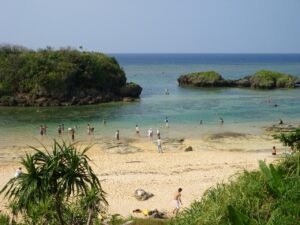
Cross the waters to Zamami, and the energy shifts noticeably. This island is the hub for serious diving enthusiasts. Smaller than Tokashiki, Zamami Village feels more concentrated, with a close-knit community where diving culture dominates. The streets are lined with dive shops, their gear drying in the salty breeze, and conversations at local izakayas often revolve around recent sightings and favorite dive sites. Zamami is home to two of Okinawa’s most celebrated beaches. Furuzamami Beach dazzles with its brilliant white sand and turquoise waters, frequently ranked among Japan’s most beautiful beaches. It’s an ideal snorkeling spot with coral gardens just a short swim offshore. Then there’s Ama Beach, a legendary, quieter, more rustic locale known as the prime spot for swimming alongside sea turtles feeding on the seagrass in the shallow waters. Zamami feels rawer and more adventurous—a place where lifelong friendships are forged through a shared love of the ocean.
Aka Island: The Rustic Retreat
For those truly looking to unplug, Aka Island awaits. Linked to Zamami by a brief ferry ride, Aka is the smallest and most peaceful of the three main islands. Life here moves slowly. The village is tiny, the streets are tranquil, and the main disruptions come from the island’s famous Kerama deer, which are known to casually swim between Aka and nearby Geruma Island. Nishibama Beach, the primary beach, is an immaculate, often deserted stretch of sand that will make you feel like you’ve landed in your own private paradise. Diving around Aka feels more exploratory and intimate. The island’s atmosphere is ideal for travelers seeking solitude and a deeper bond with nature. It’s a place for quiet reflection, reading on an empty beach, and feeling as though you’ve uncovered a hidden gem unknown to most of the world.
The Underwater A-List: Marine Life That’ll Blow Your Mind
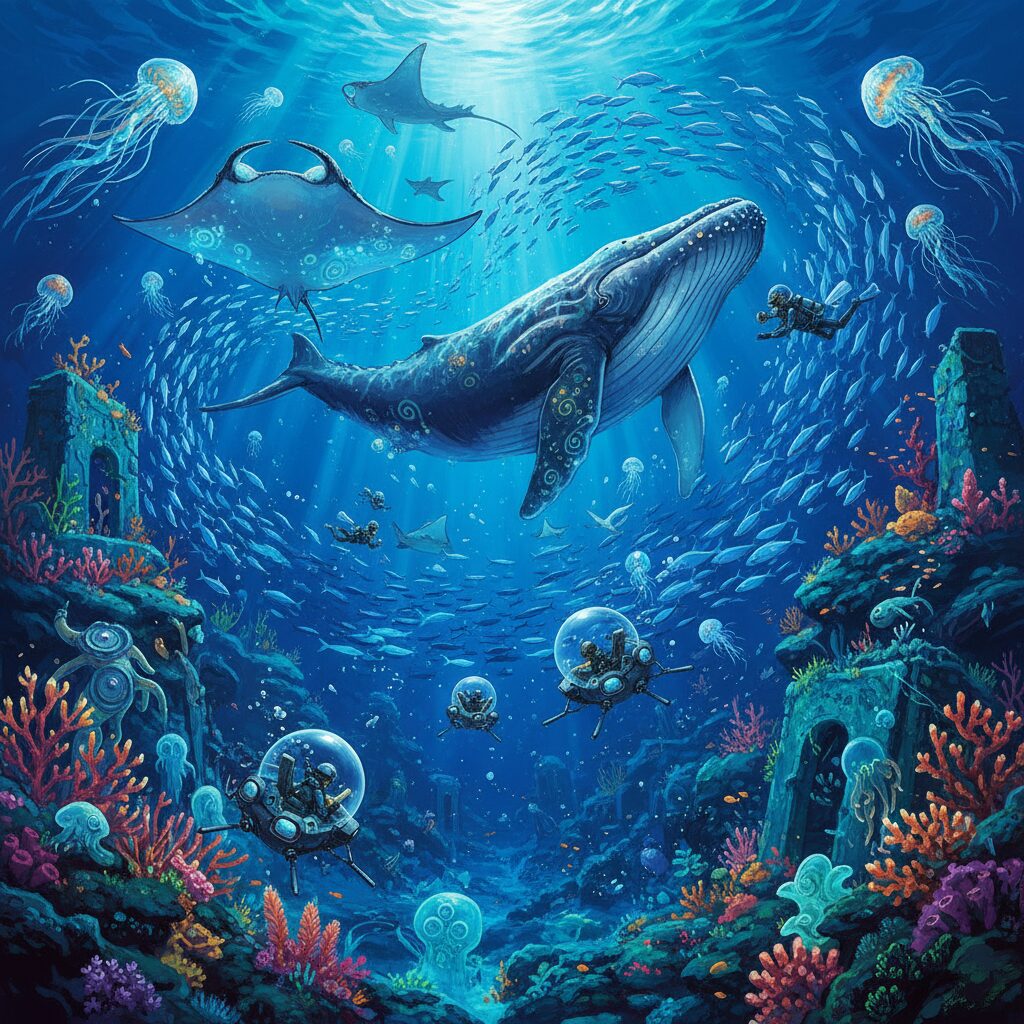
Alright, let’s dive into the main attraction: what you’ll actually encounter beneath that stunning blue surface. The Kerama Islands have earned their status as a National Park for good reason. The biodiversity here is extraordinary, a vibrant burst of life that makes every dive a unique adventure.
Turtle Town Central
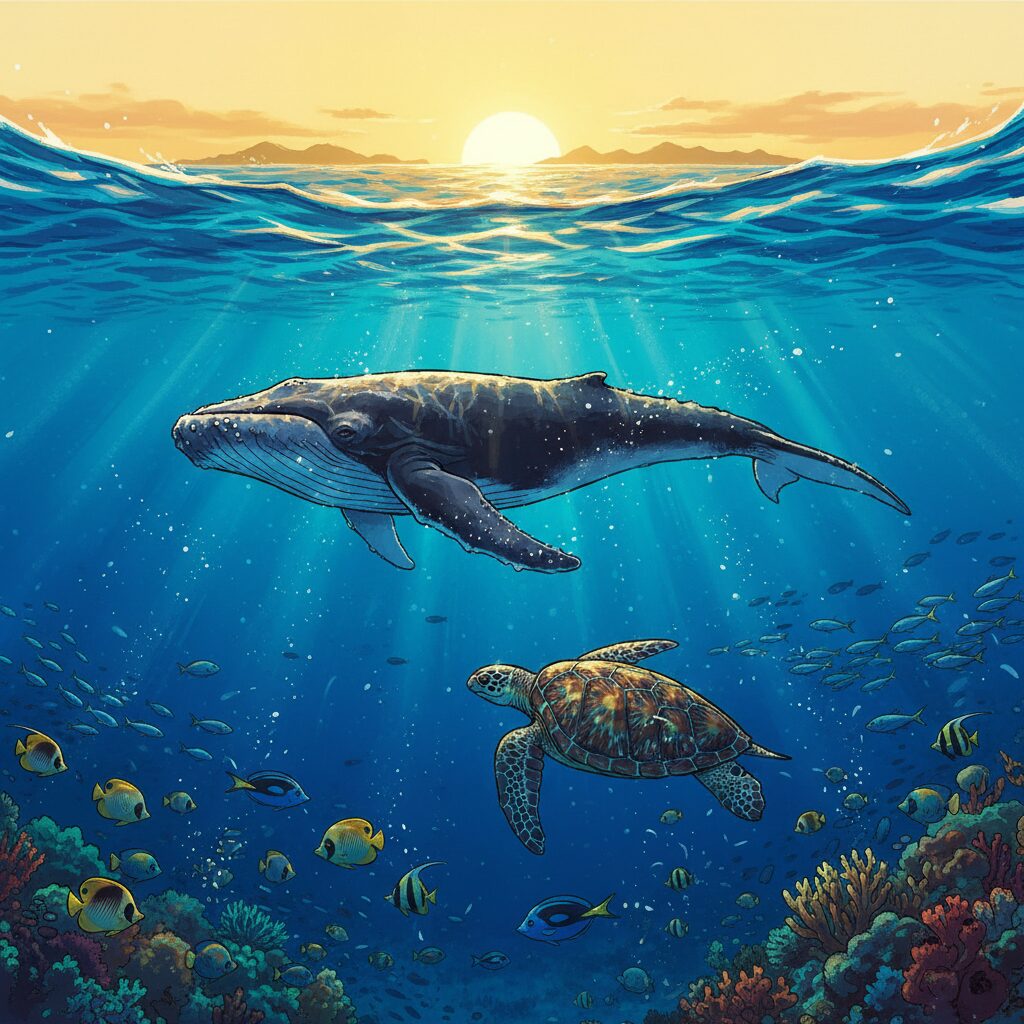
First and foremost, the turtles. The Keramas serve as a sanctuary for Green and Hawksbill sea turtles. Encounters aren’t occasional treats here; they happen daily. There’s something deeply humbling about sharing the water with these gentle, ancient beings. Watching a Green sea turtle, some as big as a small car tire, peacefully grazing on seagrass, completely indifferent to your presence, is a memory you’ll cherish forever. They move with effortless grace—a slow-motion ballet that captivates completely. At spots like Zamami’s Ama Beach or Tokashiki’s Tokashiku Beach, you can snorkel with them just off the shore, but seeing them glide through the deep blue on a dive is an entirely different kind of magic. They are the calm, wise ambassadors of this underwater realm, and swimming alongside one connects you directly to the timeless rhythm of the ocean.
The Coral Kingdoms
Coral forms the foundation of this entire ecosystem. The reefs of the Keramas are vast, intricate cities bustling with life. Despite the challenges posed by rising sea temperatures, the resilience of these reefs is remarkable. You’ll float over expansive gardens of soft corals, swaying like fields of psychedelic flowers. Massive table corals, some spanning several meters, provide shelter for countless smaller inhabitants. You’ll explore intricate mazes of branching corals where every crevice reveals a new wonder. The colors are electric—pinks, purples, oranges, and greens weave together a kaleidoscopic tapestry. These reefs are the lifeblood of the islands, their health a testament to the dedicated conservation that makes this park so exceptional.
A Symphony of Fish
The fish life here is, quite simply, overwhelming. It’s a continuous parade of color and movement. Nestled in waving sea anemone tentacles, you’ll find families of anemonefish—yes, Nemo and his relatives—in brilliant shades of orange, pink, and red. Clouds of Anthias, tiny fish in vivid hues of fuchsia and tangerine, hover above the reef, casting a shimmering, living glow. Schools of electric-blue Damselfish dart seamlessly through coral branches. Look closer and discover the macro world: tiny nudibranchs, colorful shrimp, and perfectly camouflaged scorpionfish. Peer into the blue beyond, and you might spot larger pelagics such as sleek Dogtooth Tuna hunting or a majestic Napoleon Wrasse with its distinctive humphead and intricate facial markings. Every dive is a treasure hunt, ensuring you’ll return with a story to tell.
Winter’s Epic Soundtrack: The Humpback Whales
If you’re adventurous enough to visit in the winter months, from late December to March, you’re in for an extraordinary experience. This is when humpback whales migrate from the icy waters of Alaska to the warm seas around Okinawa to breed and calve. While the primary attraction is whale watching from a boat—an incredible spectacle as these 40-ton giants breach and slap their tails—their presence transforms the underwater world completely. You might not see them while diving, but you will hear them. The male humpback’s song is among the most complex and haunting natural sounds. It carries for miles underwater, a series of moans, cries, and rumbles that resonate deep in your chest. It’s an eerie, beautiful, and profoundly moving experience to be 20 meters deep, surrounded by the quiet reef world, with this ancient, powerful soundtrack as your companion. It’s a powerful reminder that you are a guest in a much larger, wilder realm.
Legendary Dive Spots: Your Underwater Bucket List
With countless dive sites spread throughout the archipelago, you could spend a lifetime exploring and still not see everything. However, there are a few legendary spots that consistently appear on every diver’s must-do list.
One of the most distinctive sites is Ariga Cable off Tokashiki Island. This site revolves around an old underwater telephone cable laid on the seafloor decades ago. Over time, nature has fully reclaimed it. The cable is now covered with a stunning variety of soft corals, sponges, and anemones, forming a vibrant, artificial reef that winds along the sandy bottom. It’s an excellent spot for macro photography, as the structure provides a habitat for many critters, from jawfish peeking out of their burrows to flamboyant ghost pipefish camouflaged in plain sight.
For classic reef diving, the area around the uninhabited Gishippu Islands is world-class. Sites such as Kuroshima North feature dynamic topography with exciting swim-throughs, dramatic drop-offs, and expansive fields of pristine coral. Here, you’ll often encounter huge schools of fusiliers and anthias, creating a mesmerizing wall of shimmering life. The currents can be stronger, making for an exhilarating drift dive where you simply glide over the reef and let the ocean carry you.
Near Zamami, there are spots almost guaranteed to offer turtle encounters. The dive sites here often have gentle, sloping reefs that merge into seagrass beds, ideal feeding grounds for Green sea turtles. The diving is generally relaxed and shallow, allowing for long, peaceful bottom times where you can hang out and observe these incredible animals in their natural environment.
For the more experienced diver seeking a thrill, Uganzaki (or Ugan Point) off Aka Island delivers. This point juts out into the open ocean, often attracting stronger currents and larger marine life. It’s a prime spot to see big pelagic species like tuna, trevally, and occasionally reef sharks patrolling the drop-off’s edge. It’s a powerful, high-energy dive that reminds you of the ocean’s untamed nature.
The Logistics Lowdown: How to Get There & Get Around
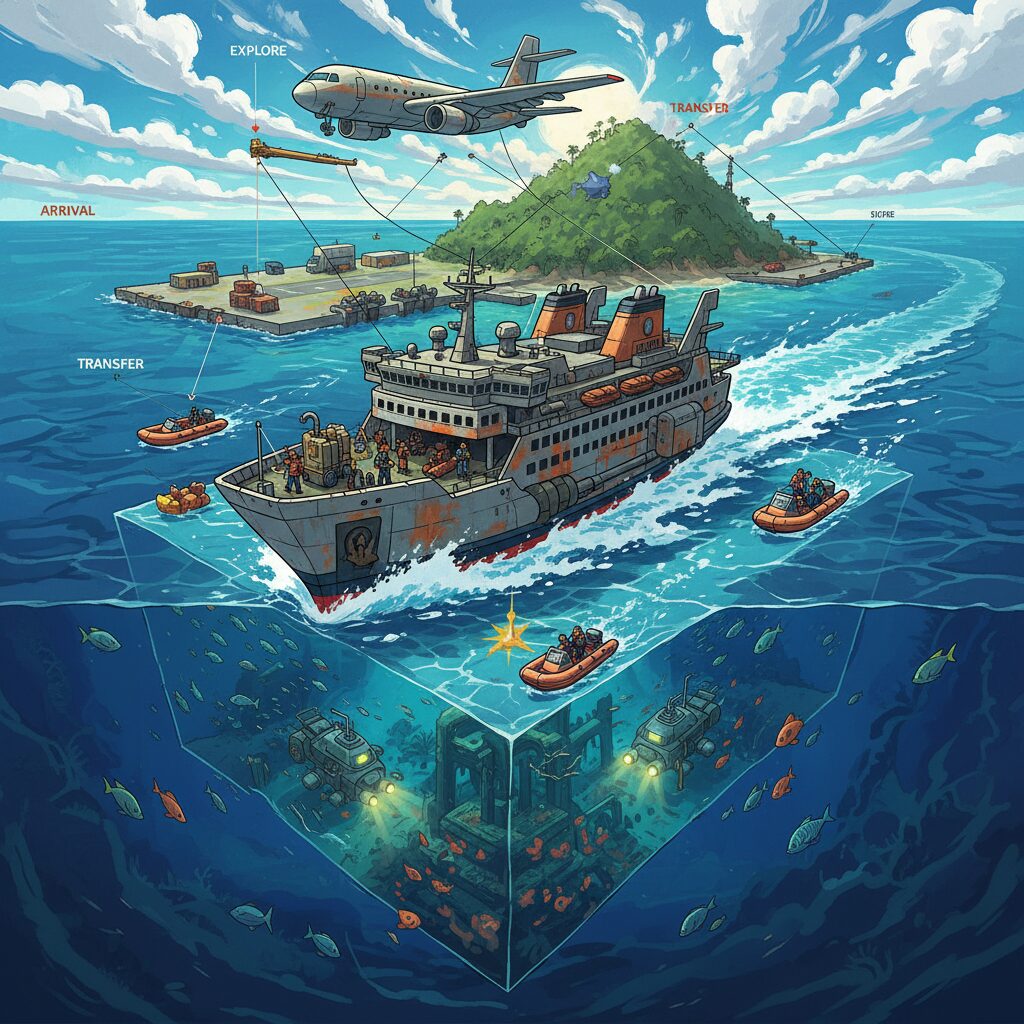
Reaching this slice of paradise is surprisingly simple. Your adventure begins at Tomari Port in Naha, the capital of Okinawa. From there, you have two options to get to the islands. The High-Speed Ferry, such as the Queen Zamami or Marine Liner Tokashiki, will whisk you across the water in about 50-70 minutes. It’s quick and efficient, but can be bumpy on rough days, and tickets tend to sell out very quickly. Alternatively, there’s the larger, more traditional Standard Ferry. This trip takes a more relaxed 90-120 minutes, but it’s cheaper, much steadier in rough seas, and offers a scenic journey. You can stand on deck, feel the sea spray, and watch the islands gradually appear on the horizon. My recommendation? Take the slow ferry on the way out to gently ease into “island time.”
Here’s the most important practical tip I can give you: BOOK YOUR FERRY TICKETS IN ADVANCE. Seriously, I cannot emphasize this enough. During peak periods (summer, Golden Week), tickets often sell out weeks or even a month ahead. You can book online through the official village websites. Don’t just show up at the port assuming you’ll get a spot—disappointment awaits if you do.
Once on the islands, getting around is part of the adventure. On Tokashiki and Zamami, renting a scooter is the best way to explore, offering freedom to find hidden beaches and scenic overlooks at your own pace. Bicycles are another option for those feeling more athletic. If you’d rather not drive, local village buses connect the port, main villages, and beaches. To travel between Zamami and Aka, a small, convenient inter-island ferry runs several times daily, making it easy to experience the unique atmosphere of each island.
When to Drop In: Timing Your Kerama Trip
The Keramas can be visited year-round, but the experience varies significantly with the changing seasons.
Summer (June – October) marks the peak season. The water is warm, often reaching 29-30°C, allowing you to dive in just a rash guard or a thin wetsuit. The sun shines bright, beaches are lively, and the overall atmosphere is pure tropical paradise. The downside? This period is the most crowded and costly to visit, and it coincides with typhoon season, which can occasionally disrupt ferry schedules and travel plans for several days.
Spring (April – May) and Autumn (November) are the shoulder seasons and, for many, the perfect time to visit. The weather is excellent—warm and sunny without the heavy humidity of summer. The water remains comfortably warm, visibility is often exceptional, and the crowds have diminished. It is arguably the best time for a comfortable and spectacular diving experience.
Winter (December – March) is suited for the truly dedicated. Water temperatures drop to around 21-23°C, so a 5mm wetsuit or even a drysuit is required. The air can be chilly, and the winds may be strong. However, the rewards are great: the water visibility can be extraordinarily clear, and this is prime time for humpback whale watching. The islands are peaceful, giving you a sense of having the place almost to yourself. If you can brave the cold, a winter trip to the Keramas is an unforgettable adventure.
Surface Interval: What to Do When You’re Not Blowing Bubbles
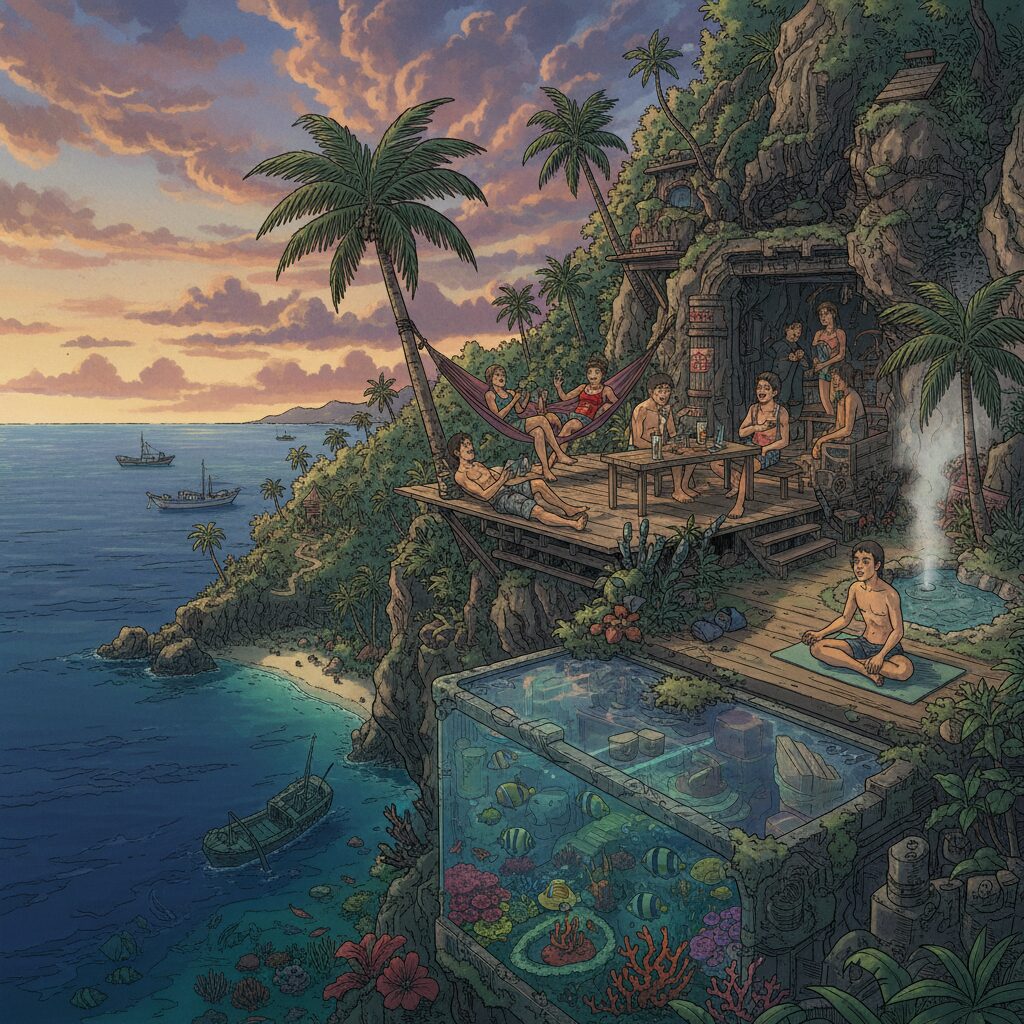
Your time in Keramas doesn’t have to be spent entirely underwater. The “surface intervals”—the breaks between dives—are just as enchanting. The beaches here serve not only as launch points for dive boats but also as destinations themselves. Spending an afternoon relaxing on the powder-soft sands of Furuzamami or Nishibama, with a good book and a cold drink, is pure bliss. The snorkeling in the shallows is world-class, providing a fantastic, laid-back way to explore the vibrant reefs and, of course, the turtles.
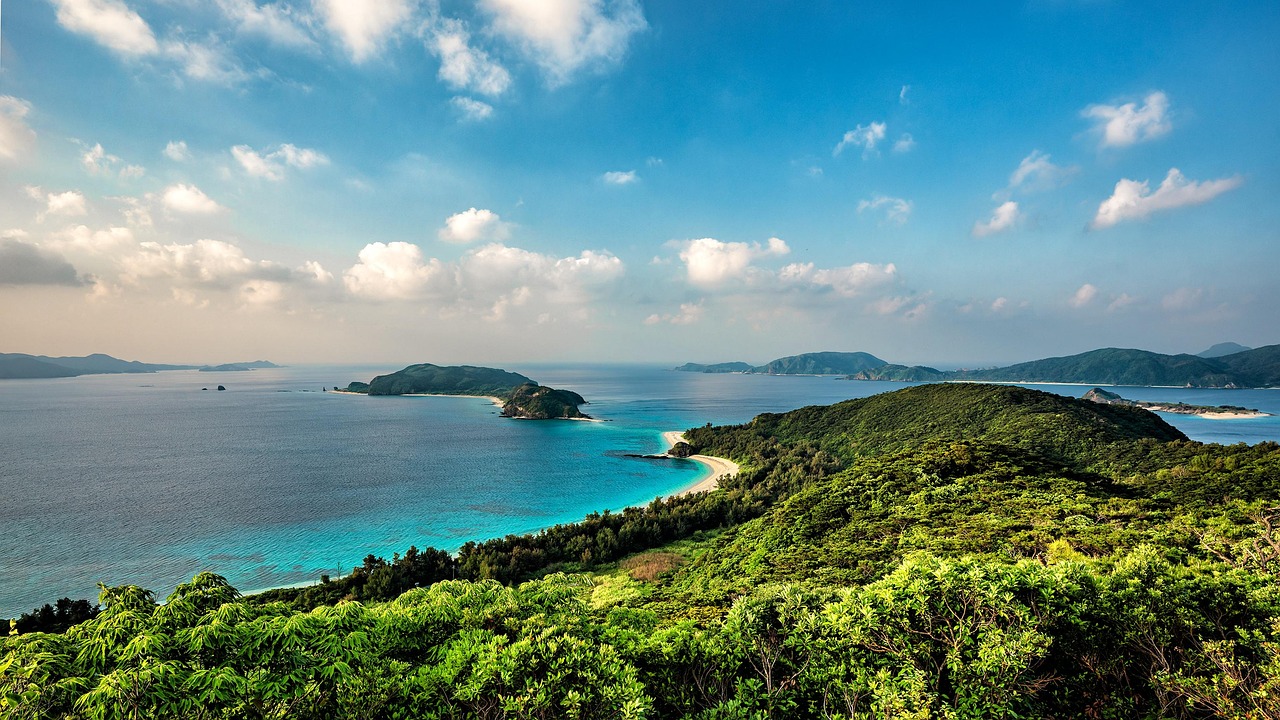
For a different view, hike up to one of the many observation decks scattered across the islands. From Takatsukiyama Observatory on Zamami or Teruyama Observatory on Aka, you’ll get a breathtaking panoramic view of the entire archipelago. It’s from up here that you can truly grasp the scale and brilliance of the “Kerama Blue” as it contrasts with the emerald green islands and the dazzling white reefs below.
Stay active by renting a sea kayak or a stand-up paddleboard. It’s an amazing way to explore the coastline, find hidden coves unreachable by foot, and get a great workout. Paddling over the crystal-clear waters, watching the coral gardens drift beneath you, is an almost surreal experience.
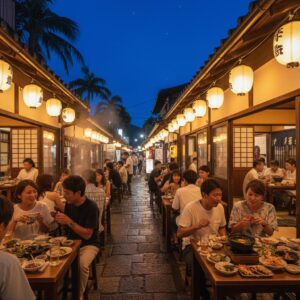
And when the sun sets, it’s time to dive into the local food scene. The villages are filled with small, family-run izakayas and restaurants. Be sure not to miss classic Okinawan dishes like Goya Chanpuru (stir-fried bitter melon), Rafute (braised pork belly), and freshly caught Gurukun (a local fish). Pair them with an ice-cold Orion beer or a glass of Awamori, the local spirit, for the perfect end to a perfect day.
Pro Tips for First-Timers & The Deeper Cut
A few final tips to ensure your trip goes smoothly. First, book your dive shop well ahead of time, just as you would your ferry. Many shops are small businesses and fill up fast. Take some time to find one that matches your style and language preferences—many have English-speaking staff who are very welcoming. Second, carry cash. While some larger establishments accept cards, many smaller guesthouses and restaurants only take cash. Although ATMs are available, it’s best to be prepared. Third, protect yourself from the sun. The Okinawan sun is intense, even on cloudy days. High-SPF sunscreen (reef-safe, if possible), a wide-brimmed hat, and sunglasses are essential.
Most importantly, embrace the local mindset. The islands run on “Uchinaa time” (Okinawa time). Things move slower here. People are laid-back. Don’t rush. Let go of your mainland habits and go with the flow. And please be a responsible visitor. These islands are a precious natural treasure. Follow National Park rules. Avoid touching or standing on coral. Respect marine life and give it space. Practice the “leave no trace” principle. The beauty of the Keramas is a shared gift, and it’s our collective duty to protect it for future generations.
There are places in the world that you visit, and then there are places that become a part of you. The Kerama Islands fall firmly into the latter category. It’s more than just the incredible diving, the stunning beaches, or the friendly locals. It’s a feeling. It’s the sound of the humpback’s song vibrating through the water. It’s the sight of a turtle gliding peacefully into the endless blue. It’s the taste of salt on your lips and the warmth of the sun on your back. It’s the way the world seems to fade away, leaving only the rhythm of the waves and the beat of your own heart. That intense, soul-stirring color, Kerama Blue, will be burned into your memory forever. It’s a call to adventure, a beckoning from the deep. The blue is calling. You just have to answer.
Please make slight modifications to the entire sentence without altering its original meaning.