Alright, let’s get real for a hot second. You think you know seafood? You think you’ve had a decent poke bowl back home? That’s cute. But I’m here to tell you, you haven’t truly lived until you’ve been completely humbled by a kaisendon in Kanazawa. We’re talking about a city that’s basically the undisputed G.O.A.T. of all things fresh from the sea, and its beating heart, its glorious, chaotic, and mouth-wateringly loud soul, is Omicho Market. Forget everything you know and prepare for a full-scale assault on your senses in the absolute best way possible. This isn’t just a market, fam; it’s a three-hundred-year-old culinary institution, the literal ‘kitchen’ of Kanazawa, where local chefs, grandmas, and now you, get to dive headfirst into the treasures of the Sea of Japan. The energy here is electric, a non-stop buzz of vendors shouting welcomes, the sizzle of shellfish on grills, and the sight of seafood so vibrant it practically glows. It’s here, in this beautiful mess, that you’ll find the kaisendon—a bowl of perfectly seasoned rice topped with a king’s ransom of glistening, just-caught sashimi. It’s not just a meal; it’s the whole vibe of Ishikawa Prefecture served up in a bowl, and trust me, it absolutely slaps.
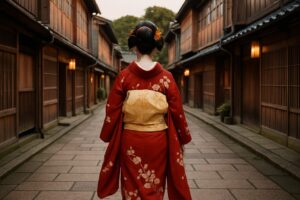
After indulging in Omicho Market’s legendary seafood, you can continue your journey through the city’s rich history by exploring Kanazawa’s samurai and geisha districts.
The Vibe Check: What’s Omicho Market Even Like?
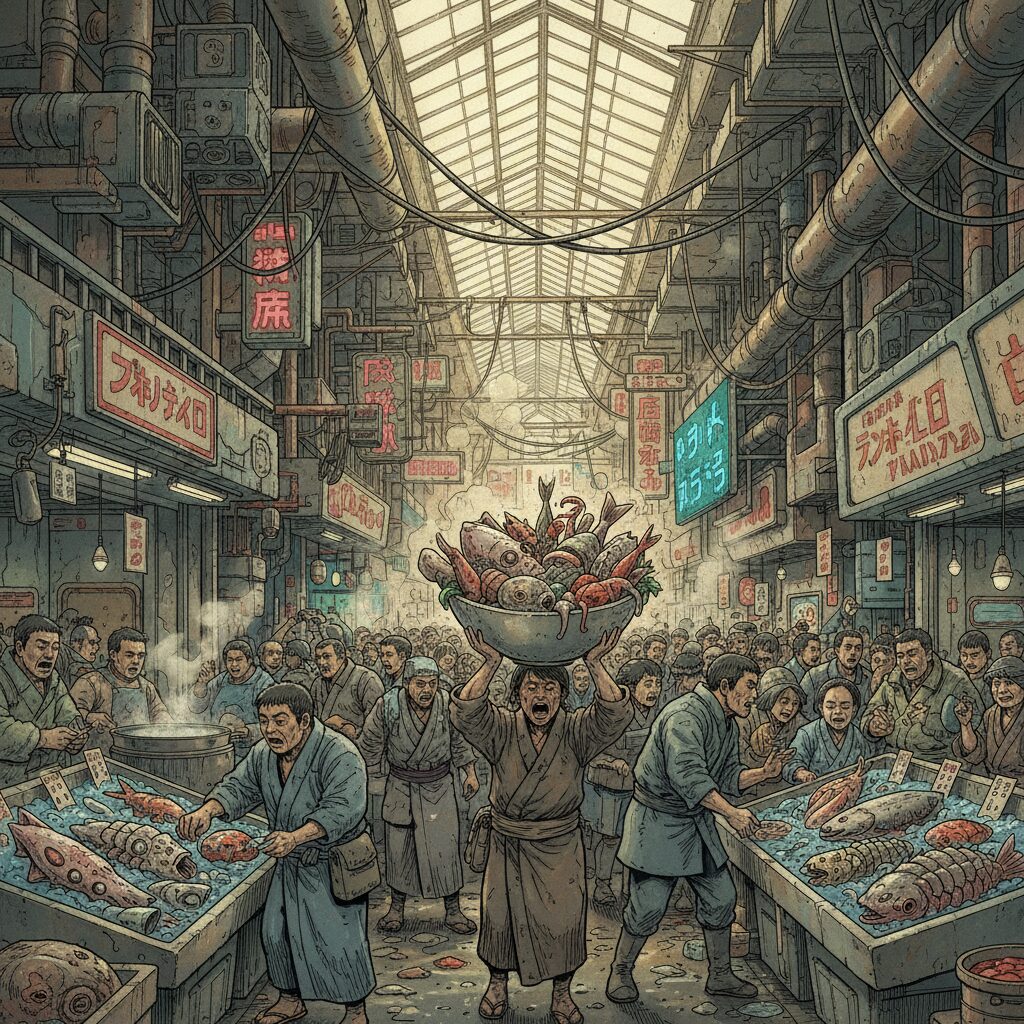
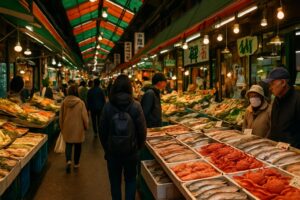
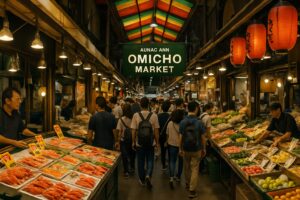
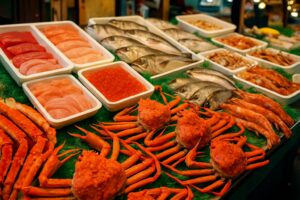
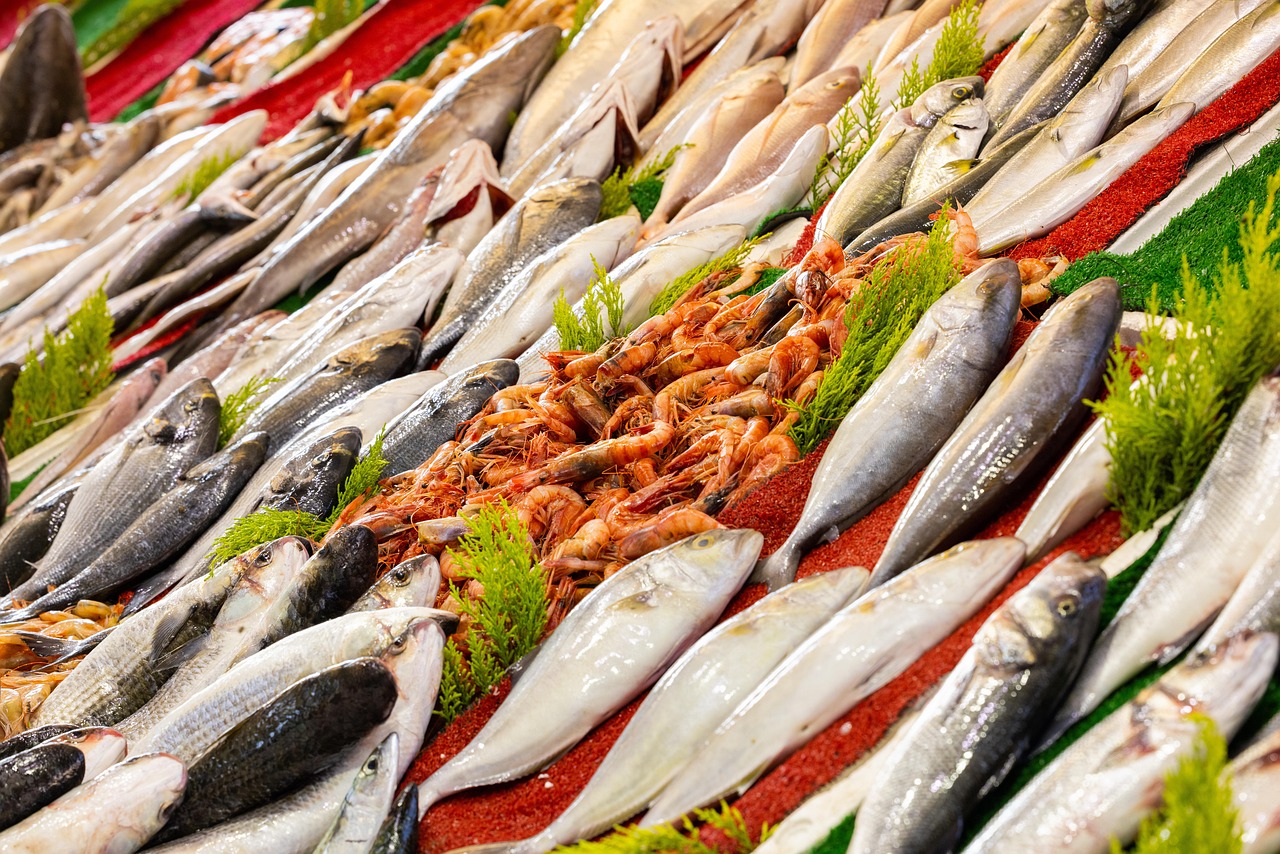
Stepping into Omicho Market feels like plugging straight into Kanazawa’s core. The instant you duck under the main entrance, the atmosphere shifts. It’s thick with the fresh, salty aroma of the ocean, layered with the smoky scent of grilled eel and the sweet tang of local pickles. Then the sound surrounds you—a lively symphony of cheerful chaos. There are the deep, rhythmic calls of fishmongers, “Irasshaimase, irasshai!” (Welcome, welcome!), the clatter of knives on wooden blocks, the joyful buzz of shoppers, and the steady murmur of hundreds weaving through a vibrant maze of over 170 stalls. It’s not overwhelming; it’s invigorating. The market is a vast network of covered alleys, shielding you from the weather while still feeling open and alive. Light streams through high ceilings, highlighting piles of crimson snow crabs, trays of pearly squid, and tuna fillets so rich in red they resemble jewels. It’s a full sensory experience that feels worlds apart from a sterile supermarket aisle.
What truly makes Omicho special is its authenticity. This isn’t some tourist trap set up for show. It’s a living, breathing market where locals have shopped for generations. You’ll spot elderly women in aprons expertly bargaining for the best mackerel, top sushi chefs personally examining the day’s catch, and families, like mine, navigating the joyful crowd with wide-eyed kids fascinated by giant oysters and spiky sea urchins. The vendors are real characters—in the best way possible. They’re proud, passionate, and incredibly knowledgeable. Even with a language barrier, a smile and a gesture go a long way. They’ll show you the finest way to enjoy a fresh scallop, perhaps offer a tiny sample of dried shrimp, and their energy is absolutely contagious. The whole place buzzes with a gritty, genuine charm. It’s a bit damp underfoot, a bit loud, and totally, unapologetically real. It’s a spot that’s all about the food, and that sincere passion is what makes it so uniquely special.
The Main Event: Diving into Kaisendon Glory
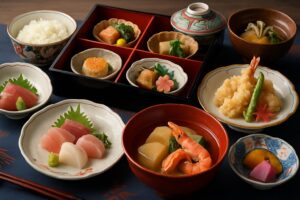
Alright, let’s dive into the main attraction: the kaisendon—the very reason we’re gathered here. For those unfamiliar, here’s a quick breakdown: Kaisen means fresh seafood, and don means bowl, typically a rice bowl. So, a kaisendon is a visually stunning bowl of warm, perfectly seasoned sushi rice that serves as the perfect stage for a star-studded lineup of raw fish and seafood. And in Ishikawa, that lineup is truly first-rate. The secret lies in the Sea of Japan itself. Its unique currents and cold waters slow the growth of seafood, resulting in a firmer texture and a richer, sweeter flavor. This isn’t just fish on rice; it’s an edible mosaic showcasing the absolute best of the local waters. Chefs here focus solely on ingredient quality, with presentations that burst with vibrant colors and textures, arranged so beautifully that you almost hesitate to dig in. Almost.
Seasonal Highlights: Your Guide to What’s Best All Year Round
The real charm of Omicho’s kaisendon is its constantly evolving menu, reflecting whatever the fishermen have caught that very morning. Eating seasonally isn’t a trend here—it’s the only way. Here’s your go-to guide for what to seek out.
Winter: The Season of Rich Flavors
Winter in Ishikawa may be harsh, but it brings the most decadent, renowned seafood of the year. This is peak season, and the kaisendon bowls reach new heights.
- Kan-buri (Winter Yellowtail): We have to start with the king. Forget any yellowtail you’ve tried before. Kan-buri is the heavyweight champ. These fish migrate from cold northern waters, packing on incredible amounts of fat for their journey. By the time they reach Ishikawa, they’re at their prime. The flesh is a deep pink, beautifully marbled with delicate veins of fat. The fat isn’t greasy; it offers a clean, sweet, buttery richness that melts on your tongue. So tender, it’s almost creamy. A thick slice of kan-buri belly is truly life-changing. No exaggeration.
- Kano-gani (Male Snow Crab): These iconic long-legged crabs are stacked high at every stall. The leg meat is extraordinarily sweet and delicate, a pure taste of ocean freshness. The real prize is the kani-miso—savory, rich, and funky crab tomalley from the shell. Many kaisendon bowls include a generous dollop of this umami powerhouse, adding incredible depth that blows your mind.
- Amaebi (Sweet Shrimp): The name says it all. These small, pink shrimp burst with a natural sweetness that’s almost candy-like. Their delightfully sticky, melt-in-your-mouth texture is utterly addictive. Usually served raw, their translucent bodies draped over the rice are a true delicacy, showcasing the exceptional freshness found only here.
- Gasu-ebi (Gas Shrimp): Less famous than their sweet cousins but a real local treasure. These are slightly larger, with a firmer texture and a deep, robust flavor. So fresh they can’t be shipped far, tasting them in Kanazawa is a unique experience. If you spot them on the menu, don’t miss out.
Spring: The Season of Renewal
As snow melts, the sea awakens with a fresh cast of characters. Spring kaisendon is lighter, more delicate, and full of unique flavors.
- Hotaru-ika (Firefly Squid): These tiny squid are one of spring’s magical signs, famous for their bioluminescence that lights the coastline at night. In your bowl, they’re a culinary marvel. Lightly boiled and served whole, their tender texture offers surprisingly deep, complex flavors—a blend of sweetness, savoriness, and oceanic umami. Small but packing a powerful punch.
- Sayori (Japanese Halfbeak): A long, slender fish with silver skin embodying elegance. Its flesh is nearly translucent, with a clean, crisp, subtly sweet taste. Firm in texture, it contrasts beautifully with softer toppings, making it a refreshing, sophisticated addition to any spring kaisendon.
- Mebaru (Rockfish): This white-fleshed fish shines in spring with a clean, delicate flavor and pleasantly firm texture. Often lightly seared (aburi) to highlight its sweetness, it adds a smoky layer to the bowl.
Summer: The Season of Brightness
Summer brings warmer waters and an abundance of shellfish and fresh, vibrant fish. Kaisendon becomes a lively celebration of the sunniest season.
- Awabi (Abalone): A luxurious summer star, abalone offers a unique crunchy texture and a subtle, clean ocean flavor. Served raw in thin slices, it’s a textural delight that feels truly special.
- Aji (Horse Mackerel): Don’t be fooled by the name; fresh summer aji is outstanding. When in season, its silvery skin shines, and its flesh strikes a perfect balance between rich flavor and firm texture. Often garnished with grated ginger and scallion, its clean taste cuts through the summer heat perfectly.
- Ika (Squid/Cuttlefish): Available year-round, summer squid is especially sweet and tender. Chefs often score its surface with intricate knife cuts (kakushi-bōchō), not only creating a beautiful presentation but also helping it soak up soy sauce and achieve an incredibly soft, almost creamy texture when chewed.
Autumn: The Season of Depth
As temperatures drop, fish begin to fatten, leading to deeply rich, complex, and utterly satisfying flavors.
- Nodoguro (Blackthroat Seaperch): If kan-buri is winter’s king, nodoguro reigns supreme in autumn. This pure luxury fish is known as the “white-fleshed toro” due to its high fat content, making its flesh exceptionally tender and buttery. The flavor is rich, sweet, and absolutely divine. Often lightly seared to melt the fat and release its aroma, a slice of glistening nodoguro on your kaisendon means you’ve hit the jackpot. It’s a premium ingredient worth every yen.
- Katsuo (Bonito/Skipjack Tuna): Autumn is the season for “modori-gatsuo,” the returning bonito heading south after a summer feed. These fish are fattier and richer than spring bonito. Traditionally prepared as tataki, with the outside seared over straw fire and the inside raw, it creates a smoky crust and a deeply meaty flavor that’s heavenly.
- Saba (Mackerel): Autumn mackerel is another fatty, flavorful treat. Often cured with salt and vinegar in a preparation called shime-saba, this process firms the flesh and balances the rich, oily flavor. Expertly prepared shime-saba adds a bright, tangy, and savory burst to any kaisendon.
Navigating the Maze: Finding Your Perfect Bowl
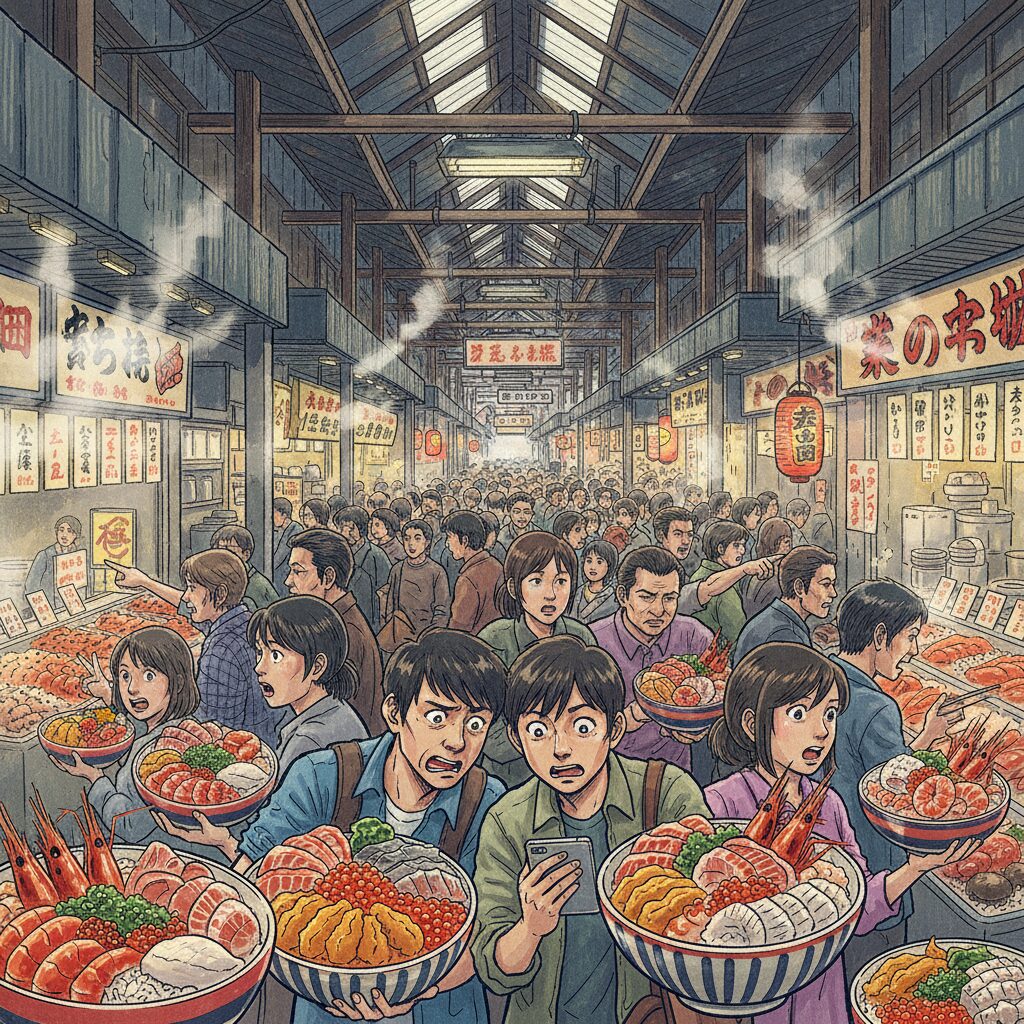
Alright, so you’re excited and ready to go. You step into Omicho, and BAM! You’re greeted by dozens of small restaurants, each displaying tempting photos of kaisendon outside. How do you decide? This is the fun part—the hunt.
First, there are different types of places to satisfy your craving. There are dedicated kaisendon-ya, small eateries often just a counter with a few tables, specializing in seafood bowls. Then there are tiny sushi bars tucked away in corners, where you can order a kaisendon or pick nigiri piece by piece. Lastly, some fresh fish stalls have a handful of seats where they serve up ultra-fresh bowls or even let you do a DIY style meal—buy a bowl of rice and choose your own sashimi toppings from their display. This last option is a pro move and especially fun if you’re feeling adventurous.
So, how do you choose a spot? My go-to tactic is simple: look for a line. More specifically, look for a line filled with locals—students, office workers on lunch break, elderly couples. If the locals are willing to wait, you know it’s legit. Don’t be put off by places with only Japanese menus. The plastic food models outside are your best guide, and you can always just point and say “Kore, kudasai” (This one, please). The most unassuming, slightly worn-looking places are often hidden gems that have been serving the best bowls for years. Wander the alleys, peek inside, and trust your instincts. What looks freshest? What calls to you? Are you in the mood for a simple tuna and salmon bowl, or ready to go all out with a deluxe version piled high with sea urchin (uni), salmon roe (ikura), and crab? The choice is yours, and there’s no wrong answer.
One final crucial tip: timing matters. Omicho Market gets packed during peak lunch hours (around 11:30 AM to 1:30 PM). The lines can be seriously long. To beat the crowd, aim for an early lunch around 10:30 or 11:00 AM. Think of it as a late, epic breakfast. Or, if you’re not an early riser, a late lunch around 2:00 PM can work, but keep in mind some popular fish might be sold out by then, and many shops start closing between 3:00 and 4:00 PM. So, plan accordingly and come hungry.
Beyond the Bowl: What Else is Poppin’ at Omicho?
As incredible as the kaisendon is, you’d be missing out if you didn’t explore the other culinary delights Omicho has to offer. The market is a haven for tabe-aruki, the wonderful Japanese tradition of snacking while strolling (or more precisely, stepping aside to enjoy your snack before moving on—it’s considered polite!).
Start with one of the stalls grilling fresh seafood right in front of you. The aroma alone is irresistible. You can savor enormous, juicy oysters grilled with soy sauce and a squeeze of lemon, or plump scallops seared in butter. Squid skewers (ika-yaki) are also essential, grilled to tender, smoky perfection. It’s the ideal appetizer before your main meal.
Next, be sure to try a croquette, or korokke. These deep-fried mashed potato patties are legendary at Omicho and come with a variety of fillings. The crab cream croquette is a favorite—crispy outside with a warm, creamy crab-filled center that’s pure comfort food. You’ll also find versions made with sweet shrimp or other local ingredients. They’re affordable, delicious, and a definite hit, especially if you’re with picky eaters or children.
Don’t overlook the fruit stalls either. Japan takes fruit seriously, and the produce here is stunning. Depending on the season, you might find giant, flawless strawberries, perfectly round grapes, or white peaches so fragrant they can be smelled from across the market. Many stalls offer freshly squeezed juices or fruit on a stick, a refreshing and healthy palate cleanser after all that savory seafood.
As you wander, keep an eye out for other local specialties. You’ll find stalls selling tamagoyaki (sweet rolled omelet) on a stick, shops with every variety of local pickles (tsukemono), and vendors offering top-quality seaweed, dried fish, and other pantry essentials. This is your chance to see, smell, and taste the fundamental ingredients of Japanese cuisine. It’s also a fantastic spot to pick up unique edible souvenirs. Grabbing some local dashi ingredients or a pack of firefly squid crackers is far cooler than a generic keychain.
The Logistics Lowdown: Getting There & Getting Around

Getting to Omicho Market is easy, which is perfect because nothing should stand between you and that kaisendon. If you’re arriving from Kanazawa Station—the main hub for the Shinkansen bullet train—you have two convenient options. You can take a leisurely 15 to 20-minute walk straight down the main road, which is a great way to soak in the city’s atmosphere. Alternatively, if you want to save your energy for eating, you can catch one of the many local buses departing from the station’s east exit. The Kanazawa Loop Bus is especially convenient for tourists. Make sure to get off at the “Musashigatsuji/Omicho Market” stop, right in front of the market. You really can’t miss it.
Once you arrive, just jump right in. The market is a maze of connected alleys, and getting a little lost only adds to the adventure. Keep wandering, and you’ll eventually find your way. A tip from one parent to another: if you’re navigating with a stroller or young kids, be aware the crowds can be overwhelming during peak times. Try to stick to the wider main aisles when possible, and hold onto little hands tightly. There’s an amazing amount to see for kids, but it can also be sensory overload. My go-to is to find a snack stall early on to keep the little one content while we choose a lunch spot. A warm croquette works wonders.
As for what to bring, three things are key. First, comfortable shoes—you’ll be walking and standing a lot. Second, a camera or phone, because you’ll want to capture the stunning food. And third, and most importantly, bring cash. While some bigger restaurants accept credit cards, most smaller stalls, snack vendors, and traditional fishmongers only take cash. Having plenty of yen on hand is essential so you don’t miss out on that perfect grilled eel skewer because you only have plastic. And of course, bring the biggest appetite you can muster. You’re going to need it.
A Kanazawa State of Mind
Leaving Omicho Market with a full belly and a camera roll packed with vibrant fish, you realize it was so much more than just a meal. It was a complete immersion, a crash course in Ishikawa’s culture, history, and identity. This market, boasting 300 years of history, is a direct link to the soul of Kanazawa. It’s a city that honors its past—the beautifully preserved geisha districts and samurai houses stand as proof—but it lives and breathes through its food. The passion for quality, the respect for seasonality, and the pride vendors take in their products can be felt in the very air of the market.
Eating kaisendon here means tasting the story of this region: the cold, nutrient-rich sea, the generations of fishermen who have worked its waters, and the skilled chefs who understand that, with ingredients this good, the simplest preparation is always best. It connects you to the place in a way that a museum or temple sometimes cannot. It’s a living, delicious piece of history.
So, when you visit Kanazawa, make Omicho Market your first stop. Come with an open mind and an empty stomach. Be adventurous. Point at something unfamiliar. Try the unusual shellfish. Chat with the vendors. Let the vibrant, beautiful chaos of the market wash over you. Find the perfect bowl of kaisendon calling your name, take a seat at a tiny counter, and savor every bite. It’s a taste, a feeling, and a memory that will linger long after you’ve left this incredible city. Bet.