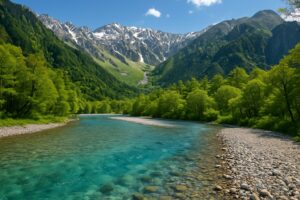
Yo, what’s up, world travelers! Taro here. Let me drop some real talk on you. There are places you visit, and then there are places that completely rewire your soul. Kamikochi is the latter. Seriously. Tucked away deep in the heart of the Chubu Sangaku National Park, this spot is the undisputed heavyweight champion of the Japanese Alps. Forget what you think you know about Japan’s bustling cities for a second. Picture this: you step off a bus and the air instantly changes. It’s crisp, clean, and carries the scent of pine and damp earth. The soundtrack isn’t the rumble of trains; it’s the roar of the impossibly turquoise Azusa River and the whisper of wind through ancient trees. This isn’t just a destination; it’s a full-on sensory reset. Kamikochi is a protected sanctuary, a pristine alpine valley so sacred and fragile that private cars are totally banned. You have to earn your way in via a special bus or taxi, and that first glimpse you get of the majestic Hotaka mountain range reflecting in the river is your reward. It’s a jaw-on-the-floor moment, guaranteed. This is the real deal, an unfiltered dose of nature’s power and beauty. It’s a place that humbles you, energizes you, and reminds you that some corners of the world are still genuinely wild and perfect. So, if you’re ready to trade concrete jungles for mountain cathedrals, let’s dive into the absolute magic that is Kamikochi.
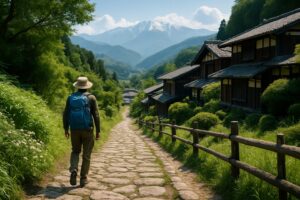
This pristine sanctuary offers a glimpse into a Japan where nature and ancient traditions, like the Matagi hunting culture, are deeply intertwined.
The Vibe Check: What Makes Kamikochi So Epic?
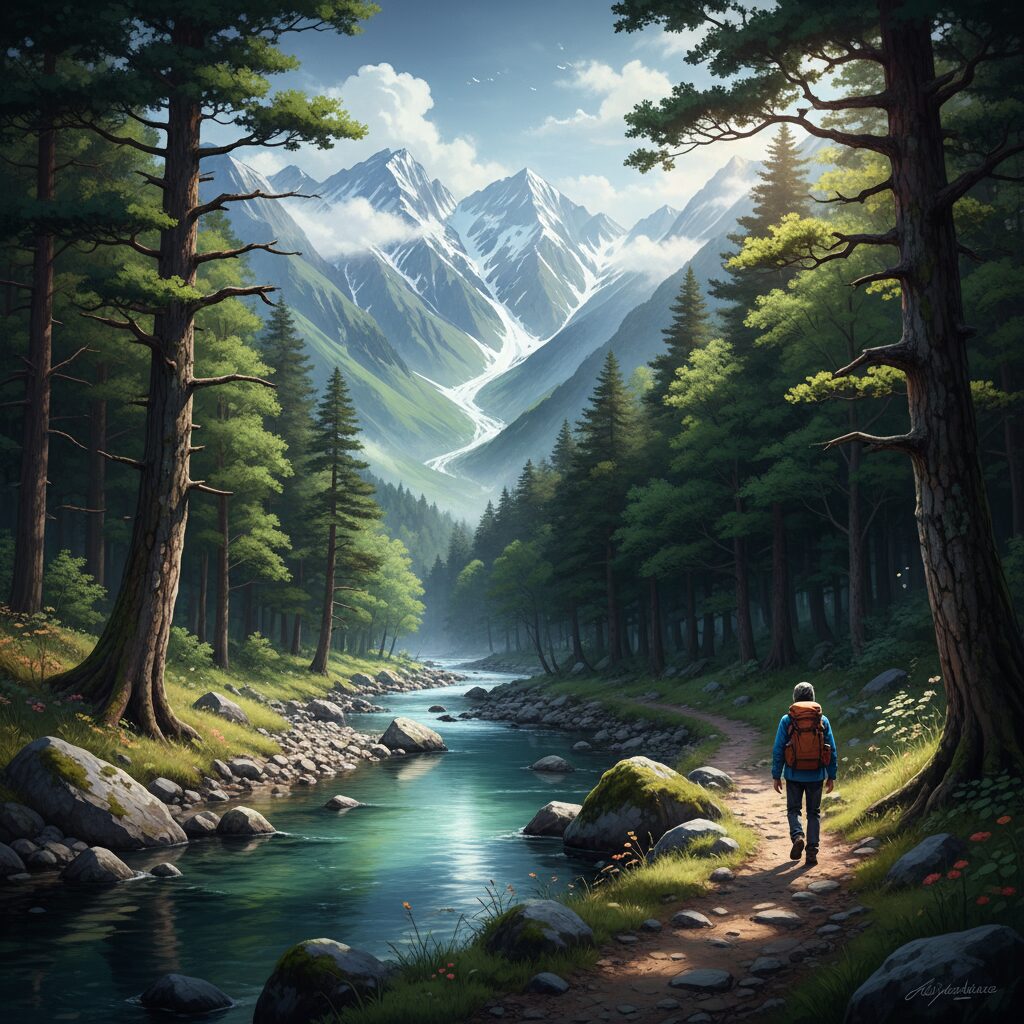
Before we even dive into the trails and sights, we need to talk about the vibe. The atmosphere of Kamikochi is something truly unique. It’s more than just a beautiful scene; it’s an immersive experience that touches you on every level. The name Kamikochi (上高地) is often interpreted as “Land where the gods descended,” and honestly, it feels exactly like that. There’s a tangible sense of reverence in the air, a quiet power that demands respect. It’s a place that naturally makes you lower your voice—not because you have to, but because it feels right. Strict conservation efforts have kept this valley nearly pristine, making it a living museum of Japan’s alpine ecosystem. Here, you’re not merely a tourist; you’re a guest in nature’s home, and that’s a feeling you can sense with every step.
The Symphony of Nature
Close your eyes for a moment and just listen. The first thing you’ll notice is the steady, powerful rush of the Azusa River. It serves as the valley’s heartbeat—a sound both energizing and meditative. It reminds you of the immense force of snowmelt cascading down from the surrounding 3,000-meter peaks. Layered over this are gentler sounds: the chirping of a Japanese bush warbler, the rustle of leaves carried by a soft breeze from the mountains, the distant caw of a crow echoing through the valley. And amidst it all, there’s a profound silence—a silence so pure and deep that it almost feels like a sound itself. In the early mornings, especially away from the busy area near Kappa Bridge, this stillness can be nearly overwhelming. It’s a silence that lets you hear your own thoughts, feel your breath, and connect with the world in a way impossible to achieve in our noisy daily lives. This natural symphony plays on continuously, a dynamic soundtrack to your journey that shifts as you move through different parts of the valley—from open riverbeds to dense, moss-covered forests.
A Visual Feast for the Soul
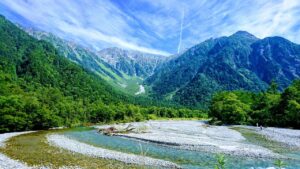
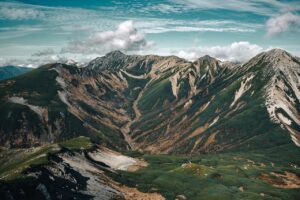
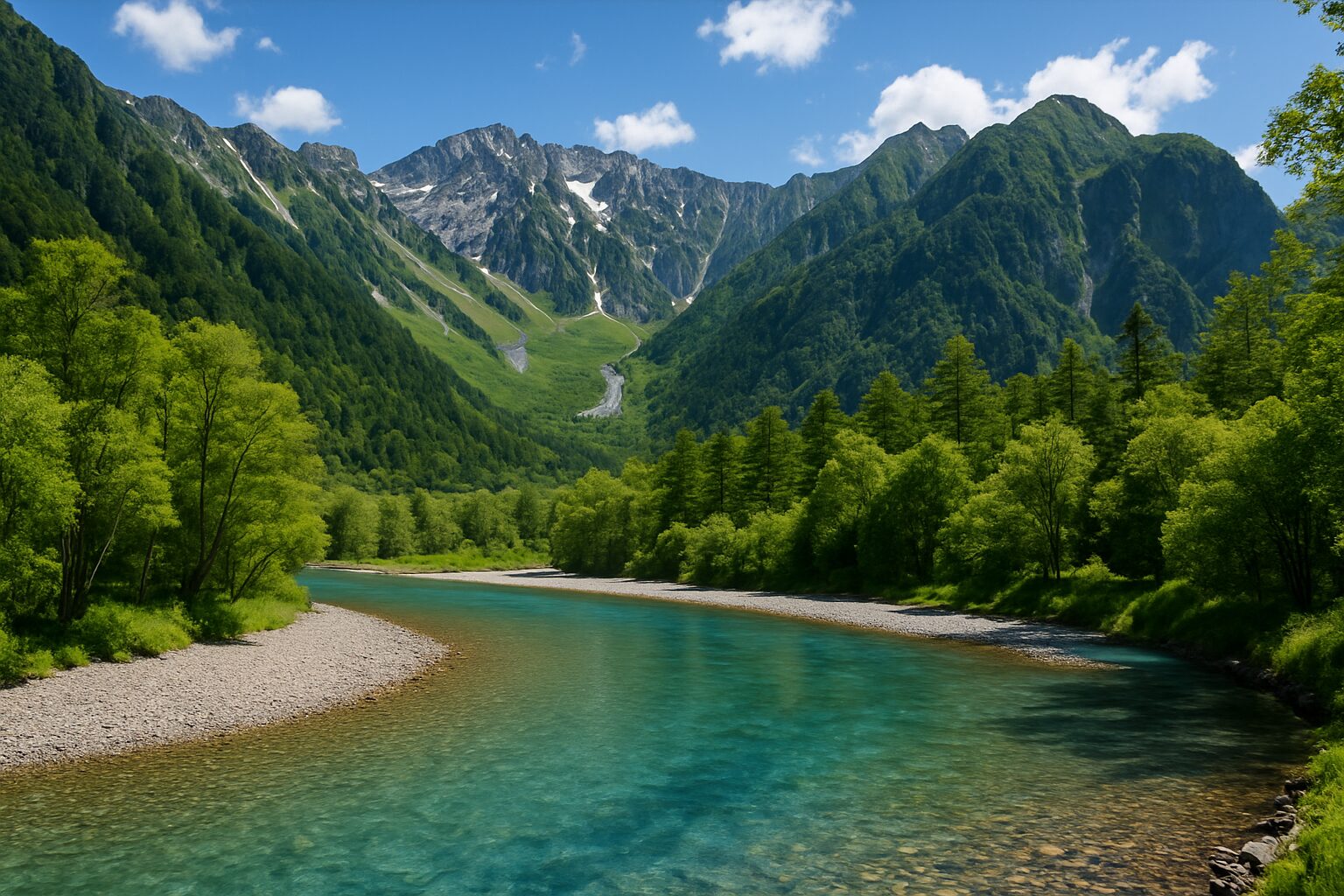
Now, open your eyes. The sights in Kamikochi are so vivid they border on surreal. The centerpiece is the Azusa River, with water so clear and brilliantly turquoise it resembles liquid gemstone. This stunning color comes from fine mineral deposits flowing down from the mountains, creating a striking contrast with the deep greens of the forest and the muted grays of the river stones. Then your eyes are drawn upward to the Hotaka mountain range—not gentle, rolling hills, but jagged, dramatic peaks that pierce the sky. Mt. Mae-Hotakadake, Mt. Oku-Hotakadake, and their companions form a breathtaking wall of rock and snow dominating the horizon. The way the light plays across these peaks throughout the day is a spectacle itself—sharp and bright in the morning sun, warm and golden in the late afternoon, sometimes veiled in mystical clouds. The landscape composes itself like a masterpiece. Dead trees standing stoically in Taisho Pond paint a hauntingly beautiful picture. Perfectly conical volcanoes such as Mt. Yakedake, which still emits gentle steam, add an element of primal drama. Every viewpoint feels like it’s perfectly framed by nature, offering shots both epic and intimate. It’s a place that brings photographers to tears of joy and compels even the most phone-obsessed among us to pause, stare, and become completely captivated.
The Sacred Air of the Mountains
The air here in Kamikochi feels distinctly different. At about 1,500 meters (around 5,000 feet) elevation, it’s thinner, cooler, and filled with an invigorating purity. Taking a deep breath seems to cleanse your entire body. This physical sensation enhances the valley’s spiritual atmosphere. For centuries, these mountains were considered sacred realms, accessible only to monks and the most devout pilgrims. Reverence for the mountains is deeply ingrained in Japanese culture through Sangaku Shinko (mountain worship). You can feel the echoes of this tradition in places like Myojin Pond, part of the Hotaka Shrine. This isn’t just a park; it’s a site of spiritual importance. That sense is intensified by the colossal scale of the surroundings. Standing by the river and looking up at the towering peaks, you can’t help but feel small—a tiny piece of a larger, more powerful world. It’s a humbling experience that dissolves the ego and fosters a profound connection to nature. This blend of physical purity and spiritual resonance captures the true essence of Kamikochi’s magic.
The A-List Attractions: Kamikochi’s Iconic Spots
While the entire valley is a highlight, there are several legendary spots that together create the classic Kamikochi experience. These are the places featured in photographs—the landmarks that attract visitors from around the world. But trust me, no photo can truly convey the feeling of being there. Each spot has its own distinct personality and story, and visiting them is like getting to know the characters that bring Kamikochi’s story to life.
Kappa Bridge: The Heartbeat of the Valley
If Kamikochi has a central gathering place, it’s Kappa Bridge (Kappabashi). This wooden suspension bridge is more than just a crossing over the Azusa River; it’s the social and scenic centerpiece of the valley. From the moment you step onto its planks, you are greeted by one of Japan’s most iconic views: the crystal-clear river flowing beneath you, framed by the sharp, imposing peaks of the Hotaka range standing guard in the distance. It’s the quintessential postcard shot, and it never loses its charm. The area surrounding the bridge is the most developed part of Kamikochi, featuring a collection of hotels, restaurants, cafes, and souvenir shops. This creates a lively and bustling atmosphere where hikers prepare for their treks, families capture memories in photos, artists sketch the scenery, and visitors relax on the riverbank, soaking in the beauty. The bridge is named after the Kappa, a mythical water creature from Japanese folklore said to inhabit rivers and streams. While sighting one is unlikely, the name lends a whimsical charm to this stunning spot. Pro tip: visit at different times of day. In the early morning, you might find it nearly deserted, bathed in soft light. At midday, the area pulses with energy. And in the late afternoon, as the sun sets, the peaks can glow with a breathtaking alpine hue known as ‘alpenglow,’ painting them in shades of pink and orange. Kappa Bridge is a dynamic focal point that offers a fresh experience with every visit.
Taisho Pond: A Masterpiece Born from Fire
Just a short walk from the Taisho Pond bus stop—the first stop within Kamikochi for many—lies a scene of serene and haunting beauty. Taisho Pond is a relatively recent addition to this ancient landscape, formed dramatically in 1915 when an eruption of the nearby active volcano, Mt. Yakedake, dammed the Azusa River. The result is a stunningly calm body of water that perfectly mirrors the surrounding mountains on still days. What makes Taisho Pond so iconic are the withered, submerged trees standing like ghostly sculptures in the water. These are remnants of the forest flooded over a century ago, creating a uniquely melancholic and beautiful atmosphere. The best time to witness the magic of Taisho Pond is at dawn. Early in the morning, a thick mist often blankets the water’s surface, swirling around the dead trees and shrouding the mountains in mystery. As the sun rises and dissipates the fog, the scene slowly unfolds in a cinematic way. The walking path from the pond toward Kappa Bridge offers constantly shifting perspectives of this natural masterpiece. It’s a powerful reminder of nature’s destructive and creative powers—a place where volcanic catastrophe gave birth to breathtaking beauty.
Myojin Pond: The Sanctuary of the Gods
A one-hour hike upstream from Kappa Bridge leads to a spot that feels worlds apart from the relative bustle of the central area. Myojin Pond is a true sanctuary, a place of deep tranquility and spiritual significance. The pond is part of the grounds of Hotaka Shrine, and a small entrance fee is required to access the inner pond area, which is well worth it. Passing through the torii gate, you step into another world. Myojin Pond actually comprises two ponds—Ichinoike (first pond) and Ninoike (second pond)—connected by a small stream. The water is remarkably clear, fed by underground springs, and often as smooth as glass, reflecting the surrounding ancient trees and the towering Mt. Myojindake. Small wooden boats moored at the edge add to the picturesque, timeless quality of the scene. This is a place for quiet contemplation. Find a spot on the viewing deck, sit quietly, and absorb the profound peace of the surroundings. It feels ancient, sacred, and untouched. Each year on October 8th, the shrine hosts a festival where two decorated boats are floated on the pond in gratitude for the safety of the mountains. Visiting Myojin Pond isn’t just about seeing a beautiful spot; it’s about connecting with the spiritual heart of Kamikochi.
The Azusa River: The Lifeline of Kamikochi
While famous spots get the spotlight, the Azusa River is the ever-present main character in Kamikochi’s story. This river is the valley’s artery, shaping the terrain and defining its spirit. It begins as snowmelt high on the slopes of Mt. Yarigatake and carves its way through the valley with relentless energy. The water remains exceptionally cold, even at summer’s peak, reflecting its glacial origins. Walking along its banks is one of Kamikochi’s simplest pleasures. Trails on either side of the river offer different experiences: the right bank trail (heading upstream) tends to be wider and more forested, while the left bank trail provides more open, expansive views of the river and mountains. The river’s character shifts with the landscape—from wide, placid braided streams flowing over vast gravel beds to narrow channels where its waters churn into white-water torrents. Its clarity is stunning; you can often see straight to the bottom, watching smooth, colorful stones and the occasional Iwana (a type of char) holding steady against the current. It’s an ideal spot for a picnic, quiet reflection, or to cool your feet after a long hike. The Azusa River is more than just water; it is the living, breathing soul of Kamikochi.
Gearing Up for Adventure: Hitting the Trails
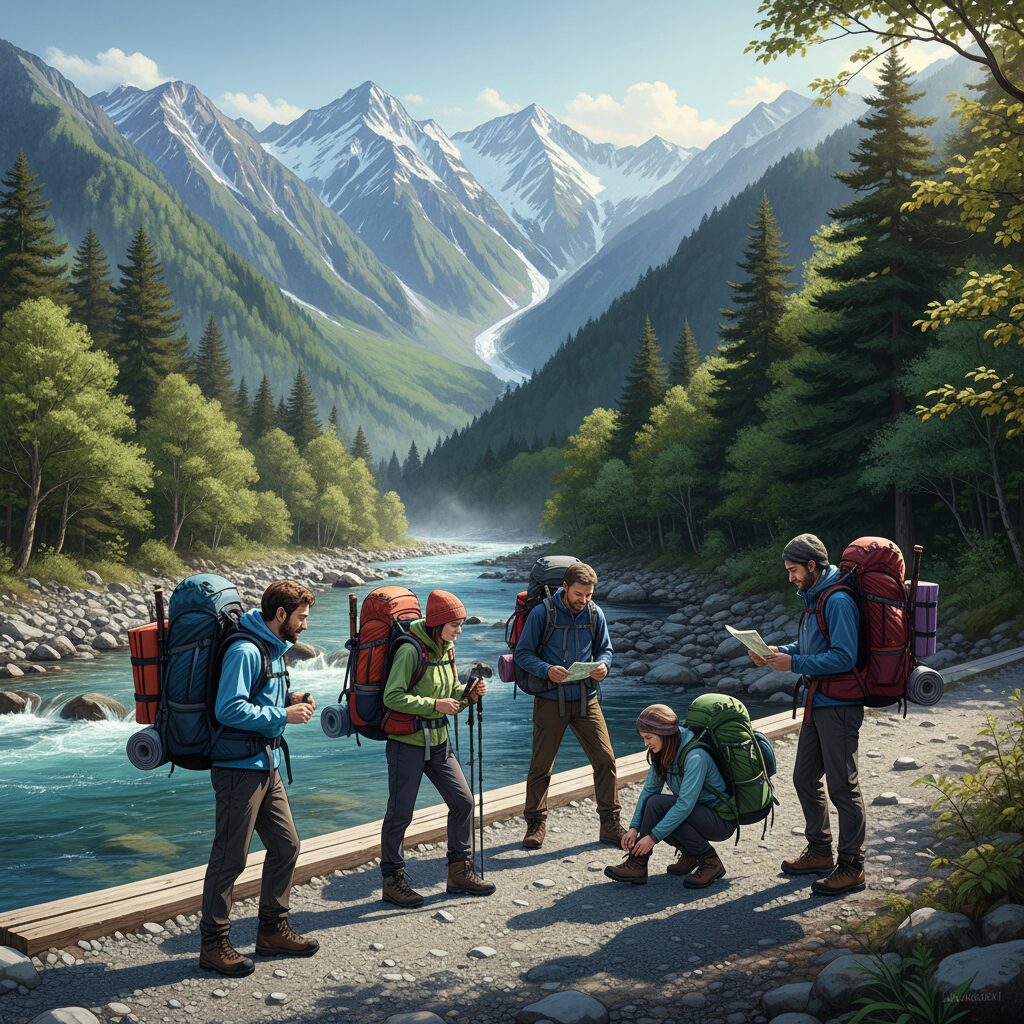
Kamikochi is fundamentally a hiker’s paradise. Its charm lies in offering something for everyone, from absolute beginners who want a leisurely scenic stroll to experienced mountaineers seeking a serious challenge. The main valley floor is almost completely flat, making the primary trails accessible to people of all fitness levels. These well-maintained and clearly marked paths showcase world-class scenery without demanding a strenuous climb. However, for those seeking elevation and a tougher workout, the trails leading into the surrounding peaks provide endless adventure opportunities. Whatever your preference, exploring the trails is the best way to experience Kamikochi.
The Classic Kamikochi Stroll: Taisho Pond to Myojin Bridge
This quintessential Kamikochi day hike is a flat, incredibly scenic walk that covers all the main highlights. Most people tackle it in one direction, taking a bus to Taisho Pond and walking upstream. The full route to Myojin Pond and back to the bus terminal is about 10 kilometers (around 6 miles) and can be comfortably completed in 3-4 hours, excluding breaks. Here’s a breakdown.
The segment from Taisho Pond to Tashiro Bridge is a nature lover’s paradise, with the trail weaving through lush forests and crossing the beautiful Tashiro Wetlands via wooden boardwalks. This area offers stunning, unobstructed views of the steaming Mt. Yakedake and the marshy landscape stretching to the Hotaka range. It’s often quieter than the central area, making it an excellent spot for birdwatching.
From Tashiro Bridge to Kappa Bridge, the path follows the river more closely. Along the way, you’ll pass the iconic Kamikochi Imperial Hotel, a historic mountain resort, and find yourself on a wider, more trafficked trail. This stretch showcases the grandeur of the Hotaka peaks dominating the scenery ahead and ends at the lively Kappa Bridge, an ideal spot for a lunch break.
Continuing upstream from Kappa Bridge to Myojin Pond, the crowds thin again. Here, you can choose one of two trails: the right bank trail, which winds through a dense, primeval-feeling birch and hemlock forest, or the left bank trail, which stays closer to the river and offers more open views. A popular approach is to take one trail going and the other returning, creating a peaceful loop. The one-hour walk is calming, with anticipation building as you approach the sacred pond. This entire route perfectly introduces the valley’s diverse ecosystems.
Leveling Up: Day Hikes for the More Ambitious
If the flat valley walk leaves you craving more, Kamikochi serves as an excellent base for strenuous day hikes reaching into the alpine zones. These require better fitness, proper hiking gear, and an early start, but the rewards are tremendous.
The Dakesawa Marsh Route
Just past Kappa Bridge, on the way to Myojin, a trail branches left toward the base of the Hotaka mountains, leading to Dakesawa Marsh (Dakesawa Shitsugen). Though a slight detour from the main path, it’s well worth it. The trail involves some climbing, but shortly after walking through a forest, you emerge into a stunning, tranquil marshland. What makes this spot special is the view: standing at the foot of massive rock faces, it’s a breathtaking sight. Photographers favor this area, as the marsh’s pools often create perfect reflections of the jagged peaks. It offers a glimpse of the alpine world without the commitment of a major climb.
The Climb to Dakesawa Hut
For a real challenge, continue on from Dakesawa Marsh for a steep ascent to Dakesawa Hut (Dakesawa Goya). This demanding mountain hike climbs around 700 meters (2,300 feet) from the valley floor via a relentless series of switchbacks through the tree line. As you ascend, the vegetation changes, and the valley views become increasingly spectacular. The hut perches on a rocky outcrop and serves as a base for climbers tackling the Hotaka peaks. For day hikers, it’s an excellent lunch spot with world-class vistas, overlooking the entire Kamikochi valley and the Azusa River winding like a silver ribbon below. This hike requires a full day, sturdy boots, ample water, and close attention to weather, which can change rapidly.
Summiting Mt. Yakedake: The Active Volcano
For the truly adventurous and experienced, summiting Mt. Yakedake (2,455 meters) is unforgettable. As Kamikochi’s active volcano, the hike is a thrilling passage through a dynamic landscape. The trail is steep, rocky, and exposed in places. Near the summit, you’ll walk past steam vents hissing from the ground, a vivid reminder of the volcanic power beneath. The final ascent involves some scrambling and a head for heights. The reward is unparalleled 360-degree views of Kamikochi, the Hotaka range, and the Northern Alps. This expert-level day hike should only be attempted in good weather by those with mountain experience. Proper gear, including a helmet, is often recommended given the volcanic terrain.
The Ultimate Quest: Multi-Day Treks into the Northern Alps
For many serious Japanese mountaineers, Kamikochi isn’t the final destination but the starting point. It acts as the gateway to some of Japan’s most famous and challenging multi-day treks. Routes such as the ascent of Mt. Yarigatake (the “Matterhorn of Japan”) or the legendary Daikiretto traverse along the Hotaka ridge are epic adventures requiring extensive planning, experience, and gear. These journeys involve overnight stays in mountain huts, or ‘yamagoya,’ unique lodgings integral to Japanese hiking culture. These huts provide basic accommodations and meals, allowing hikers to travel light. Although such multi-day treks are beyond the casual visitor’s scope, it’s inspiring to witness seasoned mountaineers setting off on incredible journeys deep into the heart of the Alps.
The Practical Playbook: Your Kamikochi Mission Brief
Alright, let’s dive into the details. Reaching Kamikochi and organizing your trip requires some logistical knowledge, especially because of its protected status. But don’t worry, it’s all part of the experience, and planning ahead will help ensure your visit is smooth and hassle-free.
How to Access Kamikochi (No Private Cars Allowed!)
First and foremost, private cars are not allowed in Kamikochi. This rule is strict and is the most crucial measure to protect the valley’s pristine environment. The access road is closed to private vehicles. To enter, you must take either a bus or a licensed taxi. This system effectively limits traffic and pollution.
There are two main entry points to Kamikochi. From the east (Matsumoto side), you usually take a train on the Matsumoto Dentetsu line from Matsumoto Station to Shin-Shimashima Station, the terminus. From there, a scenic one-hour bus ride takes you up into the mountains. If you are driving, you must park at a large designated parking lot such as the Sawando Bus Terminal and then transfer to a bus or taxi for the last part of the trip.
From the west (Takayama side), you catch a bus from the Nohi Bus Center located next to Takayama Station. This route is also very scenic, crossing a high mountain pass. Drivers from this direction must park at the Akandana Parking Area and switch to a shuttle bus. Additionally, there are a limited number of direct highway buses from major cities like Tokyo (Shinjuku) and Osaka/Kyoto during peak season, which can be a convenient, though lengthy, option. It’s always wise to check bus schedules ahead of time, especially for the first and last departures of the day, and consider buying a round-trip ticket, which often comes with a small discount.
Timing is Key: Understanding Kamikochi’s Seasonal Calendar
Kamikochi is not accessible year-round. Due to heavy snowfall, the access road is completely closed in winter. The season runs officially from mid-April to mid-November. The atmosphere of the valley changes dramatically during this time, and the best visiting period depends on what you want to experience.
Spring Awakening (Late April – June)
The season begins in mid-April with a grand celebration, though the valley is still thawing from winter. You’ll likely see patches of snow on the ground and mountains, beautifully contrasting with emerging greenery. Late May and June bring ‘shinryoku,’ or fresh green leaves, flooding the valley with vibrant colors and a sense of new life. Alpine flowers bloom at this time too. The weather can be unpredictable, but crowds are usually lighter than in summer and autumn.
Summer Bliss (July – August)
This is Kamikochi’s peak season. The weather is warmest, days are long, and the valley is a lush, deep green. It’s prime time for serious mountaineering, as high-altitude trails are mostly snow-free. However, expect crowds, particularly near Kappa Bridge. Japan’s rainy season (‘tsuyu’) may linger into July, so be ready for rain. August tends to be hot and humid elsewhere in Japan, making Kamikochi’s cool mountain air a refreshing refuge.
Autumn’s Fiery Spectacle (Late September – October)
For many, this is the best time to visit. Kamikochi’s autumn foliage (‘koyo’) is stunning. Larch trees turn brilliant gold, while mountain ashes and maples blaze with red and orange hues. Leaf color change begins at higher elevations in late September, peaking in the valley by mid-October. The blend of golden leaves, turquoise rivers, and snow-capped peaks is unforgettable. This is a popular season, so book accommodation and transport well in advance.
The Quiet Shoulder (November)
The last weeks of the season, from late October through mid-November, offer a different kind of beauty. Autumn colors fade, the air turns cold and crisp, and early snowfalls may appear. Crowds thin, and the valley adopts a quiet, reflective mood as it prepares for winter. The season closes with a ceremony in mid-November, and the valley remains silent until the next spring.
What to Pack: The Essential Trio for Hikers
Even for a gentle riverside walk, remember you’re in a high-altitude mountain environment where weather can change quickly. Proper preparation is vital.
First, footwear is non-negotiable. Wear sturdy, comfortable walking shoes with good grip. Hiking boots are best, even on flat valley paths, because they support ankles on uneven, rocky terrain. Avoid flip-flops or fashion sneakers.
Second, dress in layers. Temperatures can vary widely throughout the day. A sunny afternoon can turn into a chilly evening fast. Start with a moisture-wicking base layer, add a fleece or insulating mid-layer, and always carry a waterproof, windproof outer jacket. A hat and gloves are also advisable, even in summer, especially for early mornings.
Third, bring enough water and essentials. While restaurants and cafes exist at hubs like the bus terminal and Kappa Bridge, hiking beyond spots like Myojin Pond means you’ll be on your own. Carry at least 1-2 liters of water per person along with high-energy snacks. Sunscreen, a hat, and sunglasses are important because the sun is strong at altitude. A compact first-aid kit, a portable phone charger, and some cash are recommended, as credit cards are not widely accepted in remote huts. Lastly, carry a bear bell—a small bell that jingles as you walk to alert bears and other wildlife. It’s a simple but crucial safety device and a classic sound on Japanese trails.
Living the High Life: Where to Stay and Eat
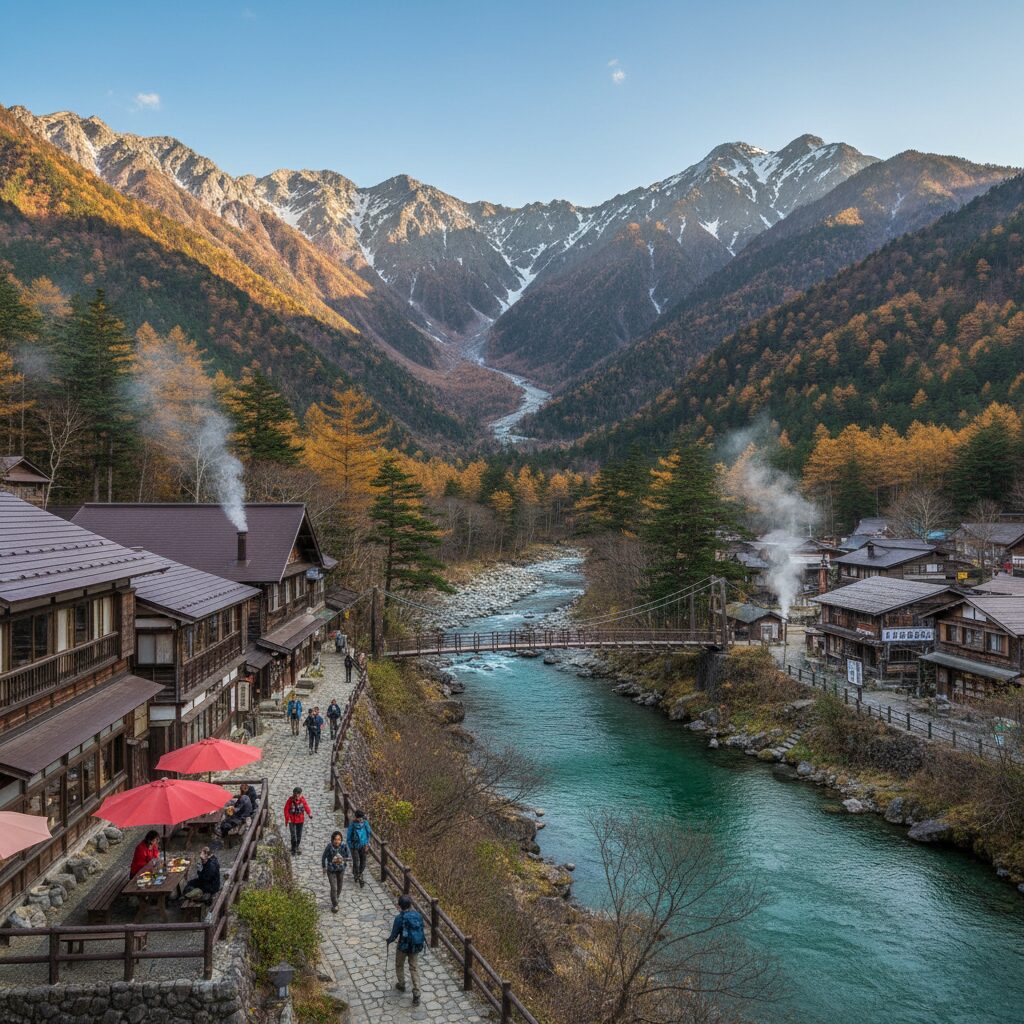
While many visitors come to Kamikochi just for a day trip, spending the night there offers a truly magical experience. It lets you see the valley during the calm early morning and late evening hours, when day-trippers have left and the atmosphere is at its most peaceful. Accommodation options cater to a wide variety of budgets and preferences, ranging from world-class luxury hotels to simple mountain lodges.
Resting Your Head: From Luxe to Rustic
At the top end, you’ll find historic and prestigious places like the Kamikochi Imperial Hotel, welcoming guests since 1933 with its classic red-roofed mountain lodge design and impeccable service. Several other excellent hotels and traditional Japanese inns (ryokan) are clustered around the Kappa Bridge and Bus Terminal areas, offering comfortable rooms, delicious meals, and often relaxing onsen (hot spring) baths.
For a more authentic hiker’s stay, consider lodges further up the valley, such as the Myojinkan near Myojin Pond or the Tokusawa-en lodge, about an hour’s walk beyond. These offer a quieter, more immersive experience in nature, providing a warm bed, hearty meals, and a wonderful camaraderie with fellow hikers.
For multi-day trekkers, the network of mountain huts (yamagoya) is indispensable. These are not luxury accommodations and typically involve sleeping in shared dormitory-style rooms. However, they are clean, safe, and serve an important role high in the mountains. Spending a night in a yamagoya, sharing stories with other mountaineers over a hot meal, is a quintessential Japanese alpine experience. No matter where you stay, one rule applies: book well in advance. Rooms in Kamikochi, especially on peak weekends and during autumn foliage season, get fully reserved months—sometimes even a year—ahead.
Fueling Your Adventure: Kamikochi Eats
After a few hours of hiking and inhaling that fresh mountain air, you’ll build up a serious appetite. Luckily, Kamikochi offers some excellent dining options. The main concentration of restaurants and cafeterias around the Bus Terminal and Kappa Bridge serve classic Japanese comfort food perfect after a woodland walk. A hot bowl of soba or udon noodles in savory broth, a hearty plate of Japanese curry rice, or a tasty katsudon (pork cutlet rice bowl) are popular picks.
A regional specialty you might encounter is ‘Sanzoku-yaki,’ or “mountain bandit grill,” featuring a large piece of chicken marinated in garlic-soy sauce and fried to perfection. It’s extremely flavorful and satisfying. Another local delicacy is grilled Iwana (river char), typically salted and cooked over an open flame until the skin is crispy, offering a simple yet delicious taste of the local environment.
For lighter meals or snacks, Kamikochi’s cafes are excellent and many offer stunning views. Sitting by the window with a hot coffee and indulging in a slice of the region’s famous apple pie or a rich, creamy cheesecake while gazing at the Hotaka mountains is a sublime treat. Hikers looking to picnic can find onigiri (rice balls), sandwiches, and other snacks at shops near the bus terminal, perfect for taking on the trail. There’s nothing better than finding a quiet spot on the banks of the Azusa River and enjoying a simple lunch surrounded by breathtaking scenery.
The Unwritten Rules: Kamikochi Trail Etiquette
Kamikochi’s stunning beauty is the result of decades of careful preservation combined with the respectful efforts of visitors. To keep this natural haven pristine for future generations, it’s crucial to observe a few basic etiquette rules that protect the environment and ensure a safe, enjoyable experience for all.
Leave No Trace, Seriously
This is Kamikochi’s most important rule. The concept is straightforward: take nothing but photographs, leave nothing but footprints—always staying on the trail. You must carry out everything you bring in. Trash cans are scarce in the valley for a good reason: visitors are expected to take all their garbage, including food wrappers and plastic bottles, with them. Do not pick plants, flowers, or rocks, as the alpine ecosystem is extremely fragile and even minor disturbances can have long-lasting effects. Feeding wildlife is strictly forbidden as it harms their health, changes their natural behavior, and can make them aggressive toward humans.
Wildlife Encounters: Monkeys, Bears, and Birds
Kamikochi is rich with wildlife, and witnessing these creatures in the wild is a highlight of the visit. The most common large animals you’ll see are Japanese macaques, or snow monkeys. Although they appear cute, remember they remain wild animals. Do not approach them, make eye contact, or offer food. Keep your distance and watch quietly. Secure your food in your backpack because these clever monkeys are known to snatch unattended bags.
Asiatic black bears also inhabit the surrounding mountains. While sightings along the main valley trails are rare, they can occur, which is why carrying a bear bell is important. The noise alerts bears to your presence, giving them a chance to avoid you. If you encounter a bear, do not run. Slowly and calmly back away while facing the animal, and speak in a calm, firm voice to make your presence clear. Stay alert and prepared.
In addition to large mammals, Kamikochi is a birdwatcher’s dream. Look out for the elegant Japanese paradise flycatcher, the colorful varied tit, and dippers in the swift rivers. Observing these birds quietly from a distance allows you to enjoy them without causing stress.
Trail Manners 101
While hiking, a few simple courtesies go a long way. In Japan, it’s customary to greet fellow hikers with a cheerful “Konnichiwa!” (Hello), a small gesture that builds camaraderie on the trail. A common rule is to yield to uphill hikers since they exert more effort. On Kamikochi’s level paths, simply staying aware and not blocking the trail is enough. Always remain on marked trails; cutting corners or creating new paths leads to soil erosion and damages fragile plants. By following these straightforward guidelines, you’re not only a considerate visitor but also a temporary steward of this remarkable place.
Beyond the Valley: Exploring the Neighborhood
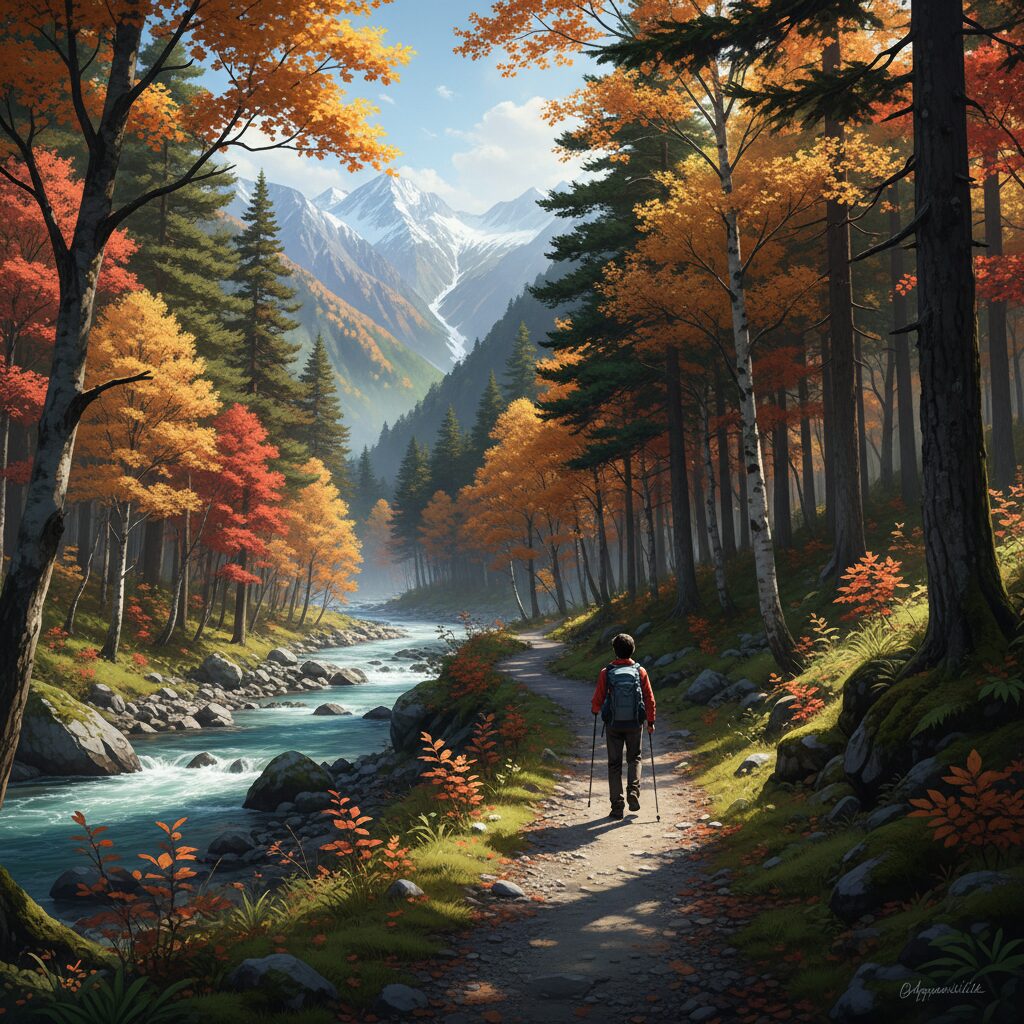
While you could easily spend several days exploring Kamikochi alone, its location in the heart of the Northern Alps makes it an excellent base for discovering other amazing destinations in the region. If you have some extra time, consider taking a side trip to one of these nearby spots to complete your alpine adventure.
Norikura Highlands: A Sky-High Neighbor
Just beyond the mountains from Kamikochi lies Norikura Kogen (Highlands), offering a distinct yet equally stunning alpine experience. One of its main attractions is the Norikura Echo Line, one of Japan’s highest roads, which transports you by bus up to the Tatamidaira bus terminal at an impressive altitude of 2,702 meters. From here, you are well above the treeline, surrounded by alpine flower fields (in summer) and sweeping panoramic views. A fairly easy 90-minute hike from the bus terminal leads to the summit of Mt. Kengamine (3,026 meters), providing a fantastic chance to reach a 3,000-meter peak without a strenuous multi-day climb.
Shirahone Onsen: A Milky White Escape
After several days of hiking, there’s no better way to soothe your tired muscles than a long soak in a natural hot spring, or onsen. Nestled in a quiet valley near Norikura is Shirahone Onsen, a rustic and historic spa town renowned for its unique, milky-white thermal waters. Rich in sulfur and other minerals, the water’s cloudy appearance is believed to have powerful healing effects. Bathing in an outdoor rotenburo here, surrounded by forest, offers a deeply relaxing and authentically Japanese experience.
The Castle Town of Matsumoto
Matsumoto, the main gateway city to Kamikochi from the east, is a destination worth exploring on its own. Its centerpiece is Matsumoto Castle, one of Japan’s few remaining original castles. Nicknamed the “Crow Castle” due to its striking black exterior, it is a remarkable example of feudal-era architecture. Beyond the castle, Matsumoto boasts a lively arts scene, including the Matsumoto City Museum of Art, heavily featuring works by the world-famous avant-garde artist Yayoi Kusama, who was born here. Nawate-dori, or “Frog Street,” along the river is a delightful area to explore with quirky shops and cafes.
Historic Takayama
On the opposite side of the Alps is Takayama, the gateway city from the west. This beautifully preserved old town in the Hida Mountains transports visitors back to the Edo Period. Its narrow streets are lined with traditional wooden merchant houses, sake breweries, and craft shops. Takayama is renowned for its biannual festival, regarded as one of Japan’s three most beautiful, featuring ornate, handcrafted floats. It’s also an excellent place to sample local delicacies like Hida beef and mitarashi dango (sweet soy-glazed rice dumplings). Visiting Takayama provides a wonderful cultural contrast to the natural beauty of Kamikochi.
Kamikochi is not just a place you see; it’s a place you feel. It’s the chill of the morning mist on your skin, the thunderous roar of the river in your ears, and the overwhelming awe as you gaze up at peaks that have stood for millennia. It’s a powerful reminder of our planet’s raw, untamed beauty and the importance of preserving it. A trip here is more than a hike; it’s a pilgrimage to one of nature’s most magnificent cathedrals. It will challenge you, inspire you, and leave an everlasting impression on your memory. So pack your boots, charge your camera, and prepare to answer the mountains’ call. The gods are waiting to welcome you to their realm.