
Yo, what’s the deal? It’s Ami. When you hear “Kamakura,” what’s the first thing that pops into your head? Probably the massive bronze Buddha, right? Or maybe the packed Komachi-dori street, with its endless array of street food and souvenir shops. And yeah, that’s all part of the Kamakura vibe, for sure. It’s a city that absolutely buzzes with energy, a place where history hangs in the air like the salty scent from the nearby Sagami Bay. But let me tell you, the Kamakura that gets posted all over the ‘gram is only half the story. The real, raw, deeply spiritual heart of this ancient capital isn’t found in the queue for a matcha ice cream cone. It’s hidden in plain sight, etched into the green, rolling hills that cradle the city like a protective embrace. We’re talking about the hiking trails, the ancient pathways carved by samurai centuries ago. These aren’t just scenic walks; they’re a full-on time-travel experience, a moving meditation that connects you directly to the warrior monks and shoguns who shaped this nation. This is where you trade the noise of the crowds for the whisper of the wind in the bamboo, and discover what I call the Samurai Zen peak experience. It’s about getting your boots a little dirty to find a piece of your soul. Forget the tourist map for a second; the real Kamakura is waiting for you up in the mountains. It’s an adventure that challenges your body and calms your mind, leaving you with a sense of clarity that’s more refreshing than any seaside breeze. So, are you ready to see the Kamakura that most people miss? Let’s get into it.
The Vibe is Real: Stepping onto the Ancient Paths
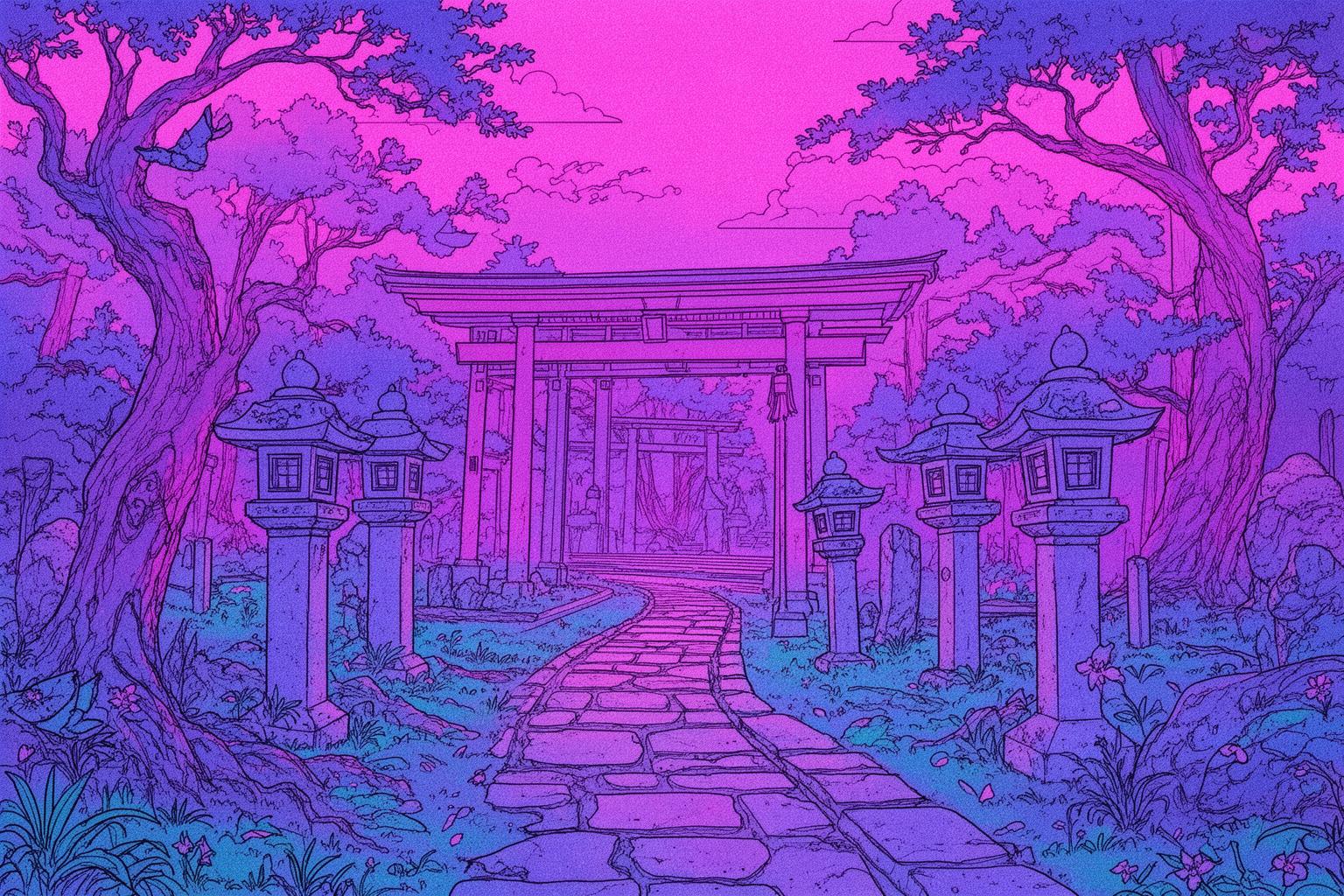
The moment you leave the main road and step onto one of these trails, everything shifts. It feels like passing through a portal. The roar of traffic, the chatter of tour groups, and the clanging of the Enoden train crossing—all of it fades away, replaced by a deep, almost sacred silence. The air itself seems different here: cooler, fresher, and filled with the scent of damp earth, decaying leaves, and the sharp, piney aroma of cedar trees. Sunlight, which moments before had harshly bounced off the asphalt, now filters softly through a dense canopy of leaves, casting dappled, shifting patterns that paint the forest floor with light and shadow. You are instantly wrapped in nature. This isn’t a manicured park path; it’s the genuine article. The trails are rugged, often little more than dirt tracks worn into the hillside over centuries. Gnarled tree roots crisscross like the veins of the mountain itself, forming natural staircases that demand your full attention. This deliberate focus on each step, on being fully present in your movement, is the first taste of a Zen experience. There’s no scrolling through your phone here. You must be here, now. And that is precisely the point. These trails are called kiridoshi, which literally means ‘cut-throughs.’ Originally, they served as defensive roads, supply routes, and strategic mountain passes carved by the samurai of the Kamakura Shogunate in the 13th century. Hiking here means walking in the footsteps of warriors. The sensation is electric. You can almost hear the faint echo of straw sandals on dirt, the rustling of armor, the steady breathing of a samurai on patrol. It’s an immersive historical experience no museum can replicate. The seasons paint these trails in strikingly different palettes. In spring, wild cherry blossoms erupt in delicate pinks and whites, starkly contrasting with the rugged landscape. Early summer brings the rainy season and an explosion of vibrant green, accompanied by countless hydrangeas, their heavy blue and purple blooms bowing in the humid air. Autumn is perhaps the most breathtaking season, when Japanese maples ignite the hillsides with fiery reds, oranges, and golds. Even winter holds its own stark, quiet beauty, with crisp air, bare branches tracing intricate silhouettes against the sky, and a greater chance of a crystal-clear view of majestic Mount Fuji in the distance.
The Tenen Hiking Trail: The OG Kamakura Hike
If you’re going to choose one trail that truly embodies the Kamakura hiking experience, the Tenen Hiking Trail stands out. It’s the classic, the original legend among Kamakura trails. It’s challenging enough to feel like a genuine achievement yet accessible for most people with a reasonable level of fitness. The journey is as memorable as the destination, linking two of Kamakura’s most significant Zen temples, Kencho-ji and Zuisen-ji. The adventure starts at Kencho-ji Temple, a historical powerhouse. Founded in 1253, it holds the esteemed title of Kamakura’s first Zen temple and heads its own branch of Rinzai Zen Buddhism. Before hitting the trail, you must walk through the temple grounds, and it’s well worth taking your time here. The impressive Sanmon main gate alone will make you pause. Passing through it feels like stepping away from the outside world. The air inside the complex is rich with the scent of incense and centuries of devotion. The main hall, the Butsuden, houses a massive statue of the Jizo Bodhisattva, while the soft chanting of monks occasionally echoes through the wooden corridors. Don’t miss the temple’s garden—a Zen masterpiece featuring a heart-shaped pond said to soothe the mind of anyone who gazes upon it. To reach the trailhead, head toward the back of the temple complex, beyond the main halls and smaller sub-temples. There’s a small entrance fee for the temple, but it is worth every yen. The trail begins with a steep stone stairway leading to the Hansobo Shrine, a sub-shrine of Kencho-ji dedicated to the temple’s protective spirit. This is where things get really intriguing. The path to Hansobo is lined with statues of tengu, mythical creatures from Japanese folklore. These warrior-like beings—often portrayed with long noses or crow-like beaks—are revered as martial arts masters and mountain guardians. Their fierce, imposing presence along the path makes you feel as though you’re entering a truly sacred and mystical realm. Once you arrive at Hansobo Shrine, take a moment to catch your breath and then turn around. The view from here is absolutely breathtaking. You get a panoramic vista of the entire Kencho-ji temple complex nestled in the valley below, the city of Kamakura stretching beyond it, and on clear days, the shimmering blue of Sagami Bay and even the distant silhouette of Mount Fuji on the horizon. This is your first major reward. From there, the real hike begins. The Tenen trail follows the ridge of the hills—a winding, rolling path offering stunning views at nearly every turn. It’s narrow, rustic, and distinctly natural. You’ll scramble over tree roots, navigate rocky patches, and feel the burn in your legs, but the reward is immense. There’s a profound sense of freedom and solitude atop the ridge, with the world stretched out below. Along the way, you’ll encounter one of the most fascinating and slightly eerie features of the Kamakura mountains: the yagura. These are man-made caves, carved into the soft hillside rock, which served as tombs or cenotaphs for samurai and high-ranking priests. Peering into these dark, moss-covered chambers feels like gazing directly into the past. They stand as stark reminders that these serene hills once served as the final resting place for the warriors who lived and died here. The trail continues for a few kilometers, a rollercoaster of small climbs and descents, before making its final descent toward Zuisen-ji Temple. This last section can be steep and a little slippery, so proceed carefully. Arriving at Zuisen-ji feels like re-entering civilization—but a quieter, more contemplative version of it. Zuisen-ji is renowned for its stunning rock garden, designed by the legendary Zen master Muso Soseki. It’s the perfect spot to conclude your hike: sitting on the temple veranda, gazing out at the meticulously arranged rocks and plants, and reflecting on the journey you’ve just completed.
The Daibutsu Hiking Trail: From Coins to Colossus
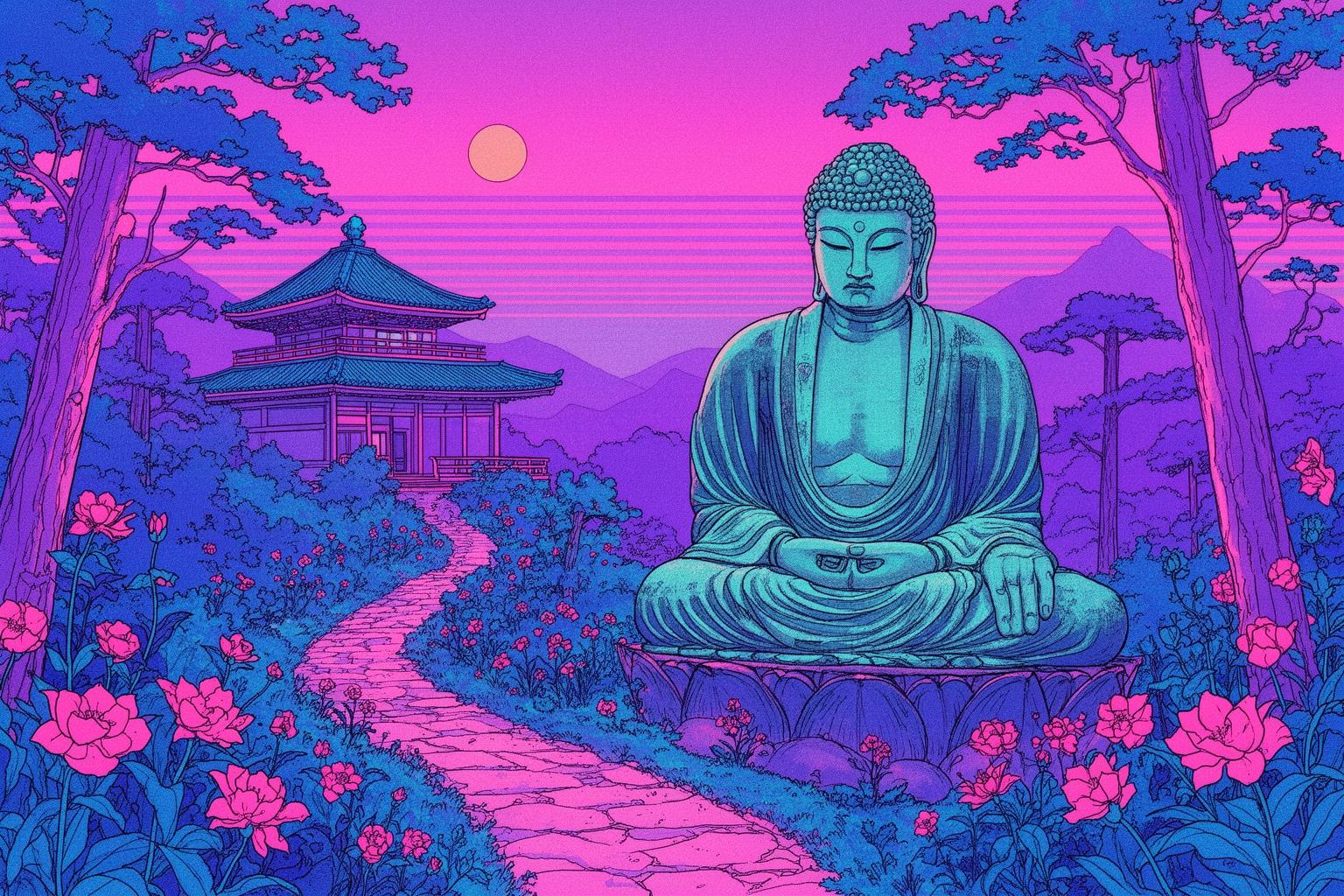
If the Tenen trail represents an epic, spiritual journey, then the Daibutsu Hiking Trail is its slightly more playful, town-centered counterpart. It’s an excellent choice that links two of Kamakura’s most distinctive and popular destinations: the money-washing Zeniarai Benten Shrine and the iconic Great Buddha, or Daibutsu, at Kotoku-in Temple. This trail offers a different atmosphere. Rather than being entirely secluded in the mountains, it winds through quiet residential neighborhoods, offering a glimpse into the everyday lives of Kamakura’s residents before leading you back into peaceful forested areas. It feels less like a rugged mountain trek and more like a hidden path connecting the city’s sacred landmarks. The journey often begins at Zeniarai Benten Shrine, a truly unique site. Nestled at the end of a narrow road, you enter the shrine grounds through a tunnel hewn from rock. The main highlight is a cave where a natural spring flows from the earth. According to legend, if you wash your money (both coins and bills) in the wicker baskets provided using this sacred spring water, your money will multiply. It’s a captivating ritual blending Shinto and Buddhist traditions, and it’s impossible not to get swept up in the excitement as you join the line of hopeful visitors carefully rinsing their yen. After cleansing your finances, you’ll find the trailhead nearby. The path swiftly climbs into the hills, and although it’s not as long or as elevated as the Tenen trail, it has its own appeal. The forest here feels ancient and lush, with tall bamboo groves that creak and sway in the breeze, creating a natural, rhythmic soundtrack for your hike. The trail is well-marked but retains an authentic, unpaved character. One of the delights of this hike is the element of surprise. You’ll be walking along a quiet, wooded path, fully immersed in nature, and then you round a corner and suddenly see a traditional tiled roof through the trees, signaling that you’re passing behind someone’s home. This blend of nature and habitation is what makes the Daibutsu trail so special. After about an hour of walking, you start to descend. The forest thins, and the faint hum of the city returns. Then comes the grand finale. You emerge from the trail near the entrance to Kotoku-in Temple. The transition is striking. You move from the tranquil solitude of the forest to the awe-inspiring presence of the Great Buddha. Standing over 11 meters tall and weighing around 121 tons, this massive bronze statue of Amitabha Buddha is a true wonder. Cast in the 13th century, it has rested peacefully here for nearly 800 years, weathering earthquakes and tsunamis that destroyed the temple hall that once sheltered it. Its serene, meditative expression seems to emanate a deep sense of calm over the entire area. Standing before it after your hike, with tired muscles and a clear mind, is a profound experience. You can even pay a small fee to go inside the hollow statue, a quirky little adventure that completes the journey from washing money in a cave to standing inside a giant bronze Buddha. It’s a pilgrimage of the finest kind.
Practical Deets & Pro Tips: Your Kamakura Hike, Sorted
Alright, let’s dive into the essentials. You’re on board with the idea, but you need the inside scoop on how to do it right. I’ve got you covered. This is what will take your hike from good to absolutely epic. First things first, what to wear. Seriously, skip the stylish but impractical shoes. Forget heels, sandals, and even flat-soled fashion sneakers. You need footwear with good traction. A sturdy pair of running shoes or trail runners will work, but hiking boots are even better. The trails are uneven, rocky, and can get really slippery, especially after rain. When it comes to clothing, think layers. Even on a cool day, you’ll work up a sweat climbing. A moisture-wicking base layer is a game-changer. Pack a fleece or a light jacket you can easily add or remove. In summer, lightweight, breathable fabrics are your best bet, along with a hat and sunscreen since parts of the ridges are exposed. Next, what goes in your pack? Water is a must. Bring more than you think you’ll need, especially in warm weather. There are no vending machines out on the trails. Pack snacks to keep your energy up. My tip: stop by a local convenience store, or konbini, before you start and grab some onigiri (rice balls) and maybe a CalorieMate bar. It’s classic Japanese hiking fuel. Also, bring a small towel or tenugui to wipe sweat away—it’s a very Japanese habit and super practical. And don’t forget cash! You’ll need it for temple entrance fees and any offerings you want to make. When’s the best time to hike? As I said, spring and autumn are prime for gorgeous foliage and pleasant temperatures. But honestly, any time works as long as you’re prepared. One big no-no is hiking after typhoons or heavy rainstorms because the trails can turn into dangerous mudslides. Always check the weather forecast before you head out. Now, a bit of safety talk, Ami-style. These trails are generally safe, but you’re still in nature. Cell service can be spotty in the valleys, so it’s smart to download an offline map on your phone before you start. Let someone know your planned trail and expected return time. The trails aren’t lit, so plan to finish well before sunset. You don’t want to be stumbling over roots in the dark. And here’s a truly local tip that sounds like a joke but is totally real: watch out for the hawks! In Kamakura, they’re called tobi, or black kites, and they’re expert thieves. Especially at scenic viewpoints where people stop to eat, these birds will swoop down and grab food right out of your hand. It’s both terrifying and kind of hilarious. So if you’re having a picnic, be aware of your surroundings and maybe eat under some tree cover.
Beyond the Trails: Refuel & Recharge, Kamakura-Style
You’ve done it. You’ve conquered the trail, connected with the samurai spirits, and your legs feel like jelly in the best way possible. So, what’s next? The post-hike experience in Kamakura is just as important as the hike itself. You’ve earned a chance to indulge, and this city has plenty to offer. First things first: food. You’re likely starving. Head to Komachi-dori, the lively main street stretching from Kamakura Station to the Tsurugaoka Hachimangu Shrine. Yes, it’s touristy, but it’s also filled with fantastic food choices. The absolute must-try Kamakura specialty is shirasu-don, a bowl of rice topped with tiny, delicate whitebait. You can have it boiled (kamaage shirasu) or raw (nama shirasu), although the raw version is only available when the local catch is fresh. It’s the perfect salty, savory, protein-rich recovery meal. For a sweet treat, the options are endless. Shops offer purple sweet potato soft serve, freshly made senbei (rice crackers), and delicious dango (sweet rice dumplings). If you need a caffeine boost or a quiet place to relax and reflect on your epic journey, Kamakura is full of stylish, low-key cafes. You’ll find everything from traditional Japanese teahouses serving exquisite matcha and wagashi (traditional sweets) to modern, third-wave coffee shops roasting their own beans. Pick a spot with a nice view, sit back, and soak in the atmosphere. Another wonderful way to unwind is to revisit one of the temples you passed, but this time with a different mindset. Without the pressure of the hike ahead, you can truly take your time. Spend an hour sitting quietly in the gardens of Zuisen-ji, or explore the sub-temples of Kencho-ji that you might have hurried past earlier. This is the ‘Zen’ part of the experience. The physical effort of the hike quiets the noise in your mind, making you more open to the peaceful, contemplative ambiance of these sacred places. It’s a form of active meditation followed by quiet reflection. And if you still have some energy left, there’s no better way to end a day in Kamakura than by heading to the beach. Yuigahama Beach is just a short walk or a quick ride on the charming Enoden train. Find a spot on the sand, watch surfers catch the last waves of the day, and witness the sunset over the ocean, painting the sky with stunning shades of orange and pink. Feeling the cool sand between your toes after a long day in hiking boots is pure bliss. It’s the perfect finale to a day spent connecting with the natural elements that make Kamakura so special—the mountains and the sea.
The Echo of the Samurai
Ultimately, a trip to Kamakura can be whatever you want it to be. You can stick to the main attractions, visit the famous sights, and have an amazing time. There’s absolutely nothing wrong with that. But if you truly want to understand this place, to feel its history deep in your bones and connect with the profound spirituality infused in its very soil, you need to hit the trails. The hikes are more than just physical exercise; they serve as a bridge to the past. They are the quiet spaces amidst the noisy, crowded landmarks where Kamakura’s true spirit lives. Walking those ancient kiridoshi paths, you realize that the samurai weren’t just warriors; they were people intimately connected to the landscape, using the challenges of the natural world to sharpen both body and mind. The Zen masters weren’t just thinkers; they were poets of nature who found enlightenment in the curve of a rock and the rustle of bamboo. By following in their footsteps, you tap into that same energy. You leave behind the distractions of the modern world and discover a clearer, quieter version of yourself waiting in the mountains. So, when you visit Kamakura, by all means, see the Great Buddha. But then, glance up at the green hills that surround it. The mountains are calling. The echo of the samurai awaits. Go find it.