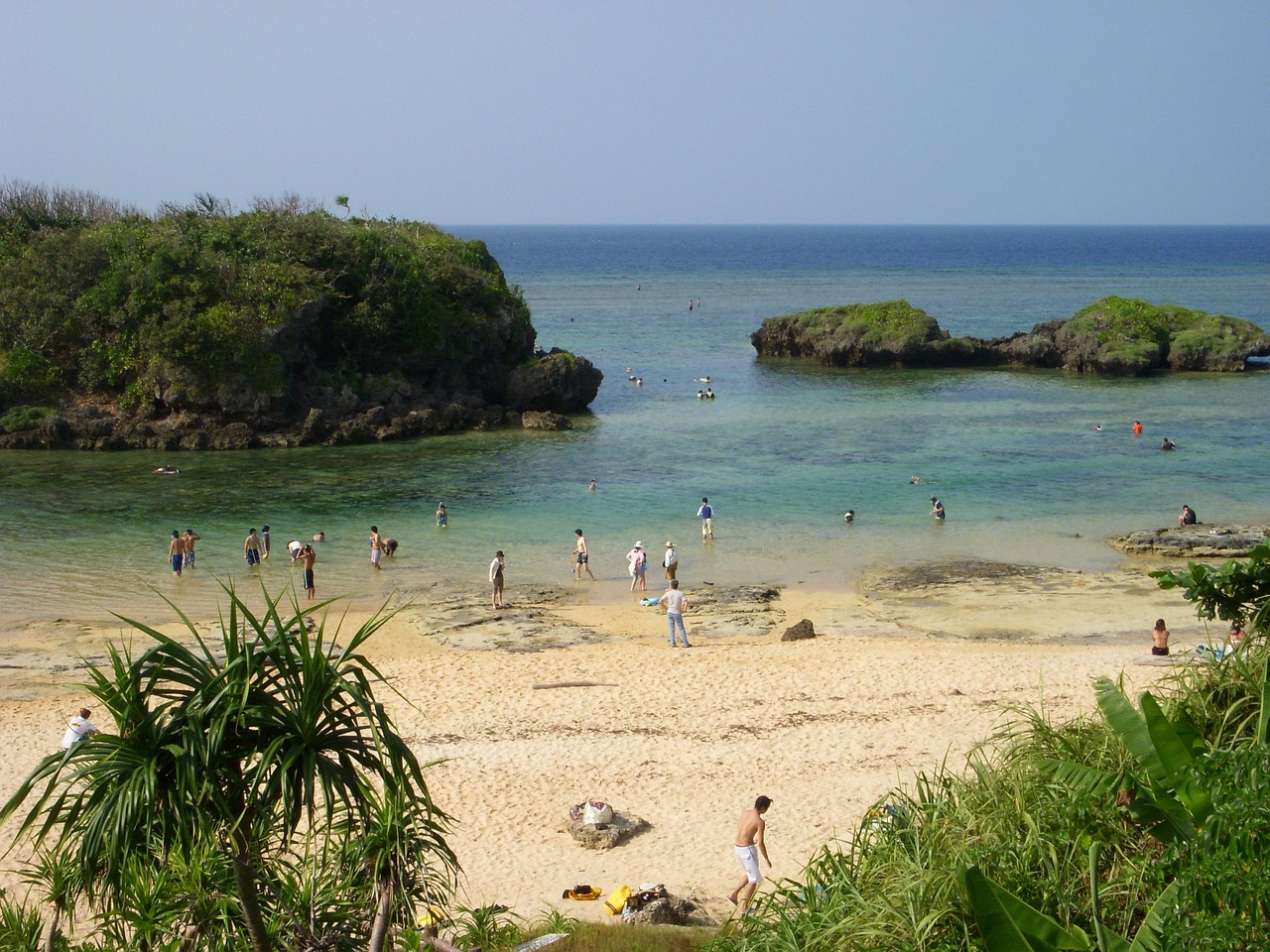
Yo, what’s up adventure fam! Ever get that feeling like you just need to disconnect? To ditch the doomscrolling and concrete jungles for something real, something raw, something that gets your heart pumping and your soul soaring? If you’re nodding along, then listen up, ’cause I’m about to put you on to Japan’s best-kept secret, a place so wild it feels like a whole different planet. We’re talking about Iriomote Island in Okinawa, a legit subtropical paradise that’s 90% untamed jungle. This ain’t your granddad’s temple tour; this is the final frontier. And deep within this emerald maze lies the ultimate prize: Pinaisara Falls, the tallest waterfall in Okinawa. Getting there isn’t just a walk in the park; it’s a full-blown quest, a journey by kayak and by foot that’ll test your grit and reward you with a view so fire, it’ll be seared into your memory forever. This is the kind of trip that changes your vibe, that reminds you how massive and epic the world can be. It’s a full-body experience, a challenge, and a straight-up spiritual reset button. So, if you’re ready to trade your notifications for the sounds of the jungle and earn a story you’ll be telling for years, then stick around. We’re about to drop into the heart of Iriomote and chase that waterfall. Let’s get it.
If you’re captivated by the untamed beauty of Iriomote’s jungle, you’ll also want to explore the ancient mysteries of Okinawa’s other emerald jungles in Yanbaru.
Landing in Another World: The Iriomote Vibe Check
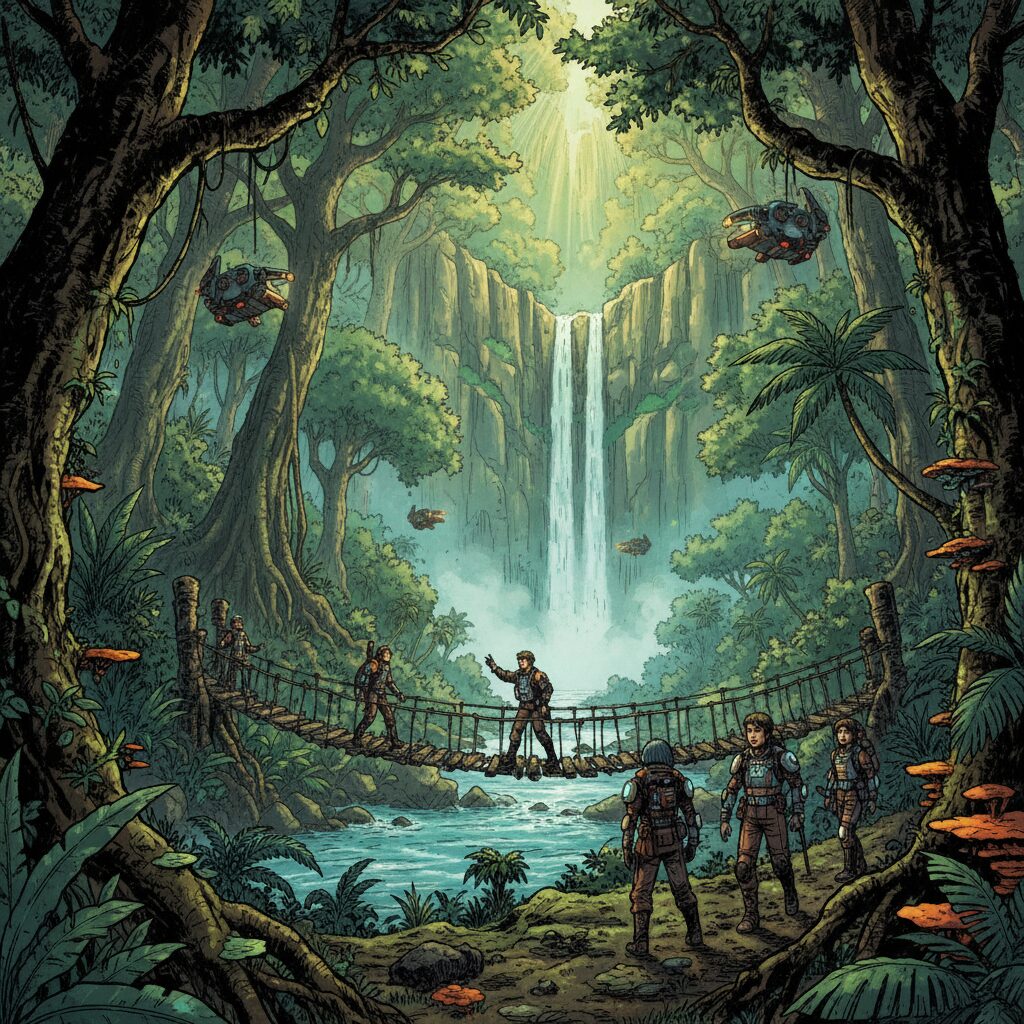
Before you even consider the falls, you need to understand the island itself. Iriomote embodies an entire vibe. It’s part of the Yaeyama Islands, Japan’s southernmost chain, situated much closer to Taiwan than to Tokyo. The moment you step off the ferry from Ishigaki Island, you notice the change. The air becomes thick and heavy with humidity, carrying the scent of damp earth and salt. The city’s neon glow gives way to an almost blindingly vibrant green—a canopy so dense it seems to swallow the sky. This place is a designated UNESCO World Natural Heritage site for good reason. It’s a biodiversity hotspot, a living, breathing ecosystem that feels both ancient and powerful. This is the home of the Iriomote Yamaneko, a critically endangered wildcat that’s essentially a living fossil. Signs everywhere urge you to drive slowly to protect them—a constant reminder that you are a guest in their realm. The chances of spotting one are almost nonexistent, but just knowing they lurk in the shadows of the jungle adds to the island’s untamed mystique.
Getting here is the first part of the journey. You fly into the new Ishigaki Airport, the gateway to the archipelago, then catch a high-speed ferry. Your destination is one of two ports on Iriomote: Uehara in the north or Ohara in the south. For the Pinaisara trek, Uehara is your best bet. It’s closer to the action and offers a slightly more developed (and I use that term loosely) strip of guesthouses, dive shops, and excellent local restaurants. But be warned: the sea between Ishigaki and Uehara can get rough, and ferry cancellations happen, especially during windier months. It’s all part of the island’s way of reminding you who’s in charge. There’s no rail system or sprawling bus network—you either rent a car to slowly navigate the single main road hugging the coast or rely on a local tour guide. Honestly, for Pinaisara, the guide is the best choice. They are the gatekeepers of the jungle, intimately familiar with its secrets, rhythms, and dangers.
The Pinaisara Quest: More Than Just a Hike
The journey to Pinaisara Falls unfolds like a two-act play, a dynamic blend of physical challenges that fully immerse you in the island’s natural world. You don’t simply hike to the waterfall; you first paddle your way into its territory. This clever design compels you to slow down and attune yourself to the island’s natural rhythm even before setting foot on the trail. The entire adventure builds like a crescendo, moving from serene calm to intense exertion, and finally, to a breathtaking release.
Act I: The Mangrove Maze Paddle
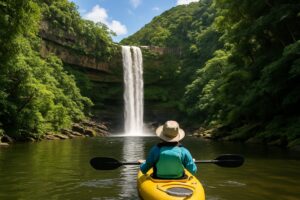
Your day will almost certainly begin at a quiet dock on the Hinai River, where your guide will equip you with a life vest and kayak, followed by a quick paddling primer. Then you push off into the brackish water, and the familiar world fades away. You enter the mangroves, an eerie and silent realm that feels ancient. The water is smooth as glass, reflecting the twisted roots and dense green canopy overhead. The only sounds are the gentle dipping of your paddle, distant bird calls, and perhaps the splash of a mudskipper escaping along the bank. It’s meditative. You find a rhythm: paddle, glide, paddle, glide—your kayak slicing through the murky water. The mangrove prop roots are the true stars, rising like skeletal fingers, forming an intricate network that stabilizes the coastline and nurtures countless marine species. It’s a vibrant, slightly otherworldly ecosystem. You feel small here, a fleeting visitor in an ancient world governed by its own rules. The paddle is more than just transportation; it’s vital mental preparation—a calming of the mind before the body’s effort begins. With every stroke, you leave civilization behind, delving deeper into Iriomote’s wild heart.
Act II: The Jungle Trek – Time to Earn It
After about 45 minutes to an hour of paddling, you’ll dock at a small muddy clearing that marks the trailhead. This is where the real challenge starts. The trail to Pinaisara is far from polished; it’s a raw, rugged jungle path, a mix of thick mud, tangled roots designed to trip you, and slick, moss-covered rocks. The air is heavy and humid, and within minutes, you’ll be soaked in sweat. It’s a primal, full-sensory experience. You’ll hear the constant hum of insects, smell decaying leaves, and feel the slippery mud tugging at your shoes. Most tours split the waterfall route into two parts: a grueling climb to the summit followed by a trek down to the basin below.
The Grind: Conquering the Summit
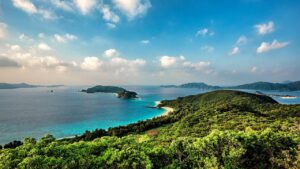
The climb to the top of Pinaisara Falls is relentless—a steep, demanding ascent that will have your calves and quads burning. This isn’t a casual hike; it’s a vertical test requiring you to use fixed ropes on some stretches. You’ll scramble, climb, and push yourself onward while the jungle’s humidity saps your strength. But your guide will be there every step of the way, directing your footing, encouraging you, and ensuring you stay hydrated. They know this trail intimately. Just when you think you can’t ascend another step, you break through the canopy—and the view stuns. It’s breathtaking. You stand on the edge where the river plunges over to become the waterfall. The entire Iriomote landscape unfolds below: an endless sea of deep green jungle, cut by the winding, khaki-colored Hinai River, snaking through mangroves into a bay of impossible turquoise dotted with tiny islands and fringed by coral reefs. The panorama stretches for miles. It’s a view that fills you with both pride for having reached it and awe at the vastness of nature surrounding you. This is one of those unforgettable moments, a reward making every drop of sweat and aching muscle entirely worth it.
The Payoff: Baptized in the Basin
After taking in the epic vista from above, the journey continues. You descend a different, slightly gentler trail toward the falls’ base. You hear it before you see it—a low rumble escalating into a deafening roar as you near. Pushing through one last clutch of giant ferns, there it is: Pinaisara Falls in all its 55-meter glory. A majestic curtain of white water cascades down a dark rock face into a massive, deep emerald pool. The power is palpable. The mist from the falls creates a refreshing microclimate, a cool breeze that feels heavenly on your sweaty skin. This is the iconic scene you’ve been aiming for all day. Best of all? You can get in. Dropping your pack and plunging into the cool, clear water is like a baptism. It washes away the mud, sweat, and fatigue, leaving you elated. Floating on your back, gazing up at the towering waterfall framed by jungle canopy, it’s a moment of pure joy. This is also where your guide will likely pull out lunch, and believe me, a simple bowl of hot Yaeyama soba cooked on a portable stove beside the waterfall tastes better than any Michelin-star meal. It’s the perfect energy boost to prepare you for the trek and paddle back to civilization, a changed and ridiculously happy person.
What to Expect on a Guided Tour: The Lowdown
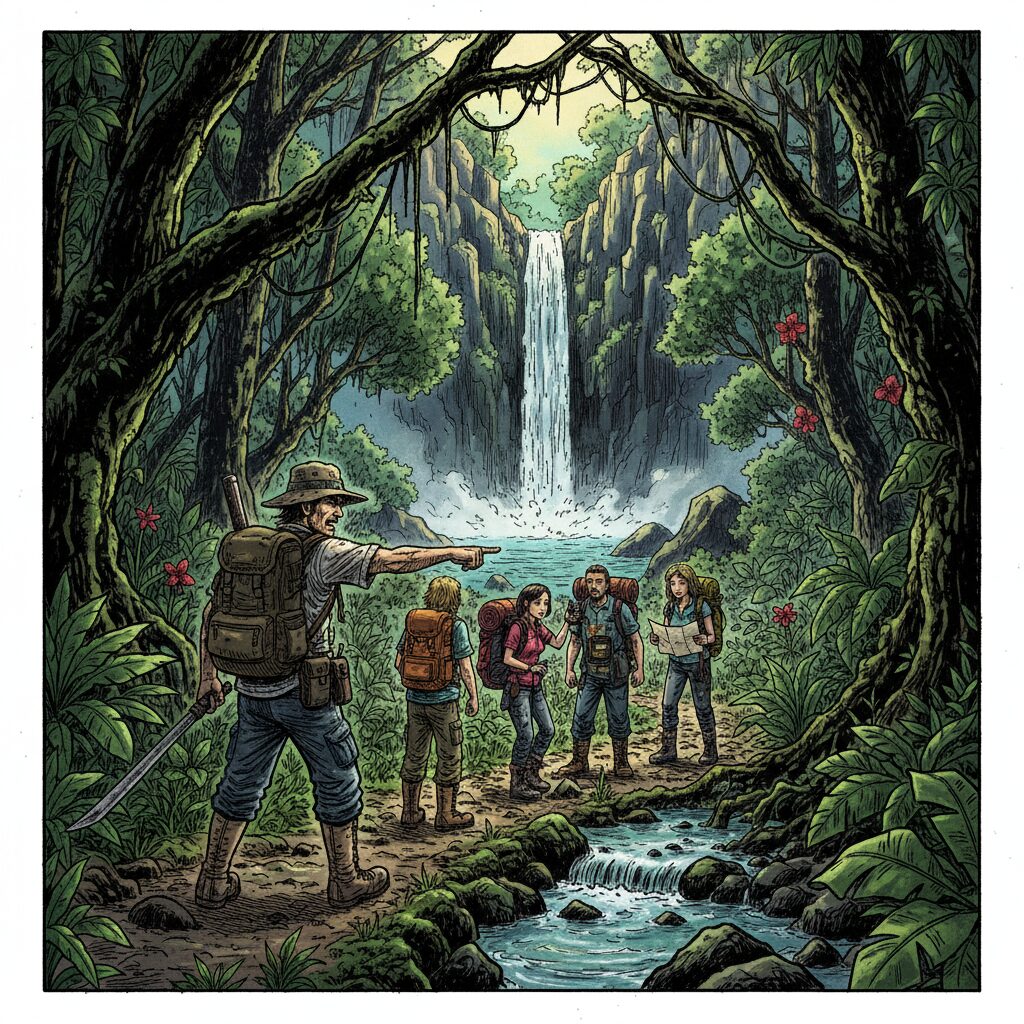
Let’s be honest for a moment: you’re not tackling this trek alone. Attempting to navigate this jungle without a guide is not just unwise—it’s outright dangerous. The trails aren’t marked for visitors, and the dangers of getting lost, dehydrated, or injured are very real. The local guides are true legends, combining the roles of expert naturalists, safety instructors, chefs, and storytellers. They carry first aid kits, emergency communication devices, and, most importantly, invaluable knowledge. They’ll point out unique plants like the giant ‘hiker’s ear’ ferns, spot camouflaged animals you’d easily miss, and share stories about the island’s history and culture.
When you book a tour, all essential gear is provided. This includes kayaks, paddles, and life vests, of course, but also a waterproof bag for your valuables and—crucially—the proper footwear. Don’t underestimate the importance of the shoes. You’ll be fitted with felt-soled river trekking shoes, called ‘sawarabi’ shoes locally. They may look a bit odd, but they’re incredible. The felt soles grip wet, algae-covered rocks far better than regular hiking boots. Wearing your own expensive trail runners is a rookie mistake—they’ll be ruined by mud and water and will turn you into a human slip-and-slide. Trust the gear your guides provide—they know exactly what they’re doing.
A typical full-day tour lasts from about 9 AM to 4 PM and usually includes pickup and drop-off from your accommodation in the Uehara area, all the necessary gear, lunch, and a drink. All you have to bring is yourself, a can-do spirit, and a few personal items. Wear clothes you don’t mind getting wet and muddy—quick-dry synthetic fabrics are your best bet. Avoid cotton at all costs since it gets heavy, cold, and takes forever to dry when wet. Wearing a swimsuit under your clothes is a smart move. Also, pack a small towel, a change of clothes to leave in the car for the ride home, a reusable water bottle (your guide will provide extra water for refills), waterproof sunscreen, a hat, and a waterproof case for your camera or phone if you want to capture those epic shots. Be prepared for a physically demanding day. The guides can accommodate various fitness levels, but you should have a reasonable base fitness level and be ready for a solid workout.
Iriomote’s Soul: Beyond the Waterfall
Conquering Pinaisara Falls is an incredible accomplishment, yet the experience goes far beyond simply checking off an activity. It’s about connecting with the very essence of Iriomote. In the traditional Ryukyuan religion, deeply rooted in Okinawa, nature is revered as sacred. Waterfalls, ancient trees, and prominent mountains are often regarded as utaki, or sacred places inhabited by spirits. Pinaisara is among the most powerful utaki on the island. The name itself, ‘Pinaisara,’ is believed to mean ‘old man’s beard’ in the local dialect, conjuring an image of ancient wisdom cascading down the mountain. Standing in its presence, you can truly feel that energy. It’s a site of power and reverence, and appreciating this adds a meaningful cultural dimension to your physical journey.
This respect for nature underpins the island’s dedication to ecotourism. The guides are not just leading a hike; they are teaching how to move through this fragile environment with care. They’ll remind you to carry out everything you bring in, to stick to the trails to prevent erosion, and to observe wildlife from a distance. Visiting Iriomote is a lesson in sustainable travel, offering a chance to witness how a community can build its identity and economy around preservation rather than exploitation.
While Pinaisara may be the highlight, don’t overlook the rest of the island. Rent a car for the day and explore the coastline. Visit Hoshizuna-no-Hama, or Star Sand Beach, where the ‘sand’ is actually the star-shaped exoskeletons of tiny marine protozoa. Take an iconic water buffalo cart across the shallow strait to the charming island of Yubu, which resembles a vast botanical garden. At night, escape any artificial lights, look up, and prepare to be amazed. The lack of light pollution means stargazing on Iriomote is truly world-class. The Milky Way appears so clearly it looks like a cloud, and constellations you’ve only seen in books shine with brilliant clarity. The island’s magic continues long after the sun sets.
The Practical Deets: Your Pinaisara Playbook
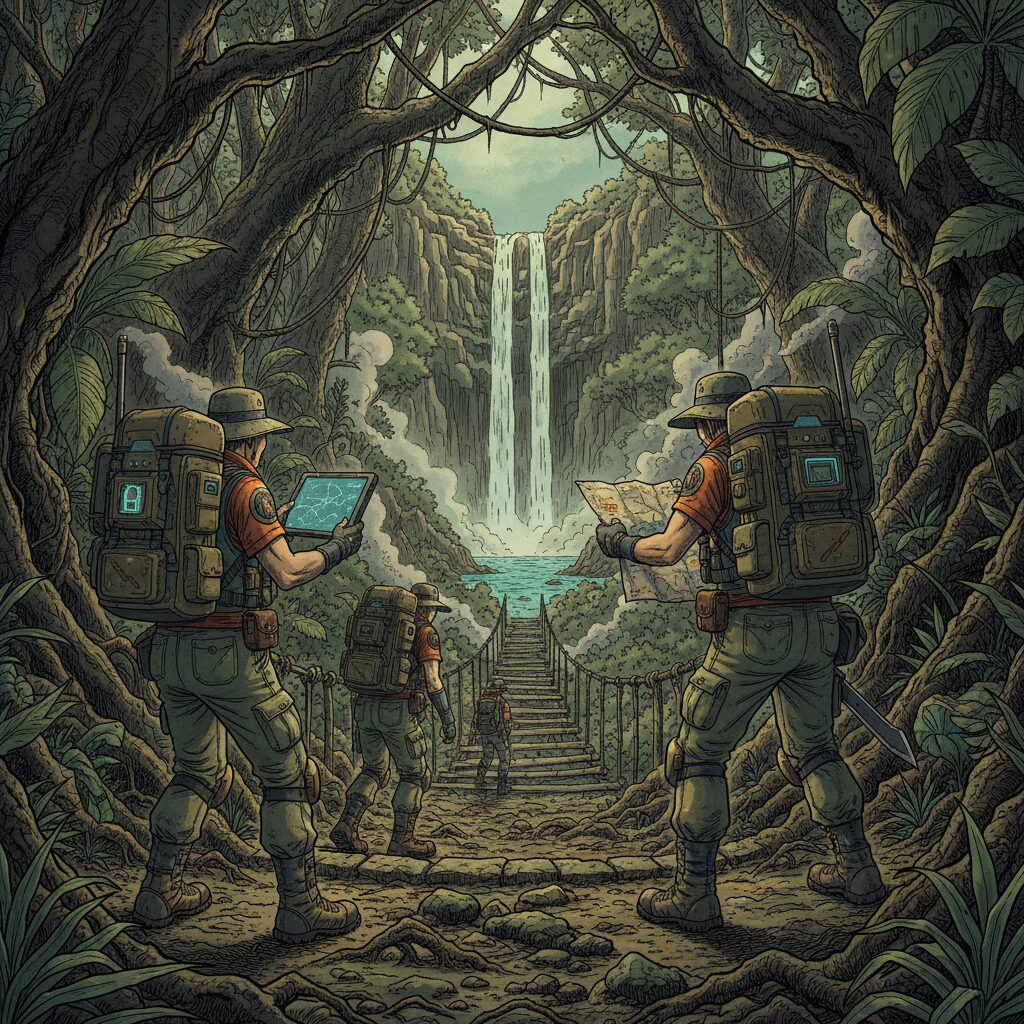
Ready to book your flight? Bet. Here’s the final rundown of essential info you’ll need to make this adventure happen.
Best Time to Go
Iriomote can be visited year-round, but some seasons are better than others. Spring (late March to May) and autumn (October to November) are generally the sweet spots. The temperatures are warm but not scorching, humidity is lower, and the chance of a typhoon interrupting your plans is minimal. Summer (June to September) is peak season—hot, very humid, and busier on the trails. It’s also prime typhoon season, so be prepared to be flexible. However, the water is warmest for swimming, and the jungle is at its most vibrant. Winter (December to February) is the coolest and driest time of year with fewer crowds. The trek remains doable, but the waterfall pool might feel too chilly for a relaxed swim.
Booking and Logistics
Reserve your Pinaisara tour well in advance, especially if you’re visiting during major Japanese holidays like Golden Week or Obon. Uehara hosts many excellent tour operators; a quick search will reveal plenty with English-speaking guides. Check reviews and choose one that matches your style. When booking, they’ll ask for your height, weight, and shoe size to prepare the appropriate gear. Also, book your accommodation and rental car early, as options on the island are limited and fill quickly. Remember to bring enough cash—while some places accept cards, many small guesthouses and restaurants are cash-only, and ATMs are scarce.
The Right Mindset
This is the most crucial gear you can bring. Approach Iriomote with a spirit of adventure, flexibility, and respect. Your ferry might get canceled. It will probably rain at some point. You’ll get muddy. You’ll be tired. But that’s all part of the experience. Embrace the wildness. Listen to your guide, trust their expertise, and avoid unnecessary risks. Leave no trace—take only photos, leave only footprints (and try to minimize those). Disconnect from your phone and connect with the incredible nature around you. The jungle has its own rhythm, and if you tune in, you’ll find it.
A journey to Pinaisara Falls is more than just a hike. It’s an immersion. It’s a challenge that breaks you down and rebuilds you stronger, with a renewed awe for nature. You’ll leave Iriomote with sore muscles, muddy clothes, and a camera full of stunning photos. But you’ll also carry away something intangible: a piece of the island’s wild, untamed spirit embedded in yourself. So if you’re scrolling and dreaming of a real, meaningful escape, stop dreaming. Iriomote is calling. The jungle is waiting. The adventure is out there. Go get it.