Navigating Japan’s bustling and complex train stations is often a quintessential part of the travel experience, but for many international visitors, it can also be a daunting challenge. Language barriers can turn a simple ticket purchase or a query about the right platform into a stressful encounter. However, a new initiative by JR East promises to change that, heralding a new era of tech-driven hospitality.
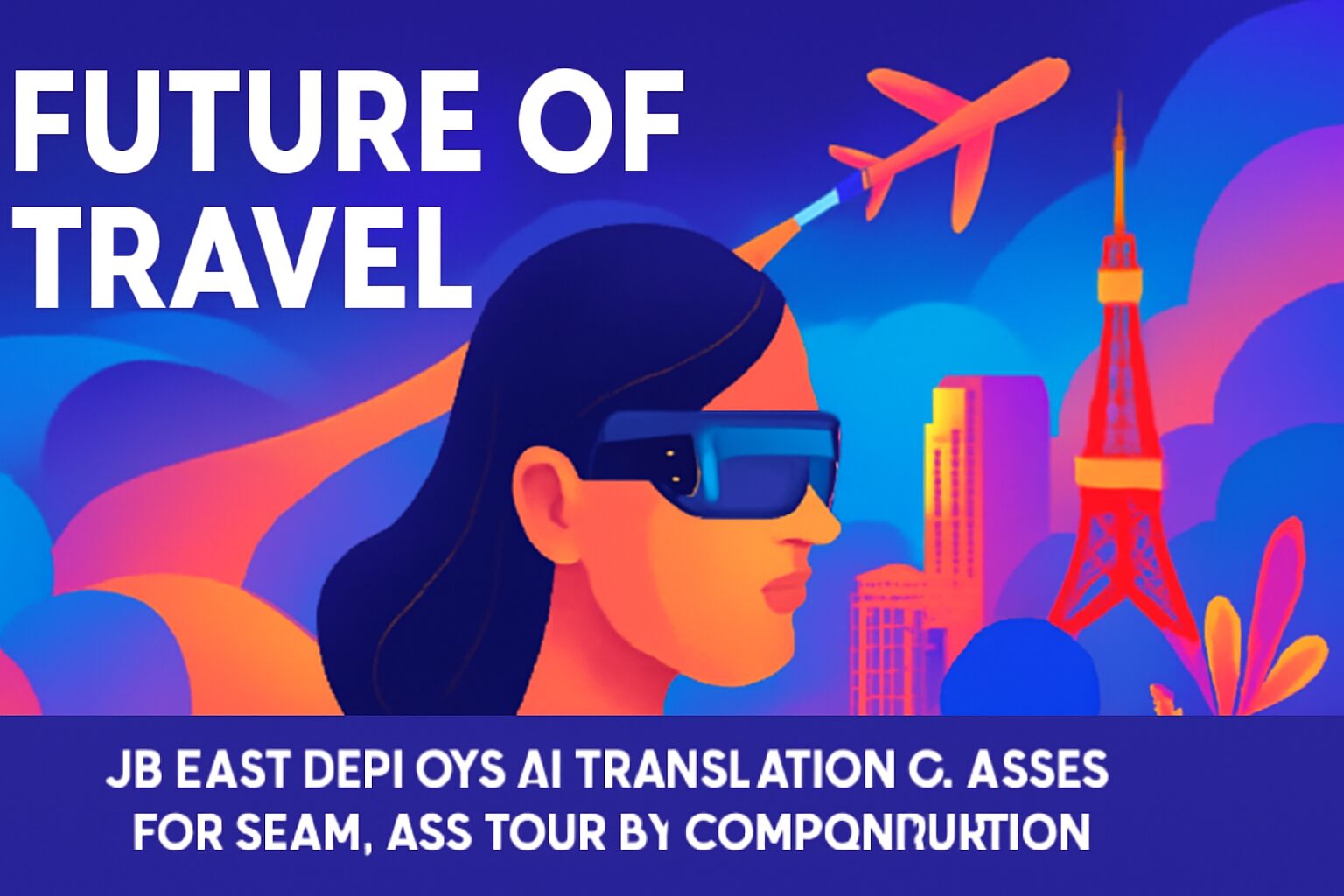
JR East, one of Japan’s leading railway companies, has launched a trial for AI-powered smart glasses at some of its busiest stations, including the major hubs of Tokyo and Shinjuku. This wearable device is designed to provide station staff with real-time, hands-free translation, aiming to create a smoother and more welcoming experience for the ever-increasing number of foreign tourists.
Bridging the Communication Gap Amid a Tourism Boom
The timing of this initiative is no coincidence. Japan is currently experiencing an unprecedented surge in inbound tourism. According to the Japan National Tourism Organization (JNTO), the number of international visitors has been breaking records, with March 2024 marking the first time ever that monthly arrivals surpassed the 3 million mark. With a record 25 million visitors in 2023 and the trend continuing upwards, the demand for multilingual support at critical infrastructure points like train stations has never been higher.
Traditionally, station staff have relied on pocket translators, phrasebooks, or smartphone apps to assist foreign travelers. While helpful, these methods can be clunky and time-consuming, leading to queues and potential frustration for both staff and visitors. The new smart glasses aim to eliminate this friction, allowing for more natural, face-to-face conversations.
How Do the AI-Powered Smart Glasses Work?
The technology is both simple in concept and powerful in execution. When a tourist speaks, the smart glasses capture their voice, and the AI engine instantly translates it. The translated text then appears directly on a small screen within the staff member’s field of vision, viewable through the glasses’ lens. The system supports over 12 languages, covering a wide range of visitors to Japan.
This hands-free approach is a significant advantage. It allows staff to maintain eye contact and use hand gestures, making the interaction feel more personal and less mediated by a device. For travelers asking for complex directions or needing assistance with intricate ticketing machines, this clear and immediate communication can make all the difference.
A Glimpse into the Future of Japanese Hospitality
If this trial proves successful, the implications could be far-reaching.
Enhanced Tourist Experience
For visitors, this technology means less stress and more confidence when navigating Japan’s world-class but often intricate public transport system. It breaks down one of the most significant barriers to a deeper travel experience, empowering tourists to ask questions and interact with locals more freely. This initiative reinforces Japan’s global reputation for omotenashi, or wholehearted hospitality, by adapting it for the digital age.
Wider Industry Adoption
The potential for this technology extends well beyond train stations. A successful rollout could see similar devices adopted in airports, hotels, tourist information centers, and retail stores across the country. As Japan prepares to host major international events like the Osaka-Kansai Expo in 2025, a tech-enabled, multilingual service infrastructure will be a crucial asset.
What This Means for Your Next Trip to Japan
While still in the trial phase, JR East’s smart glasses project is a clear signal of Japan’s commitment to leveraging technology to make the country more accessible and enjoyable for international visitors. For anyone planning a trip, this means the future of travel in Japan looks set to be even more seamless and engaging. The next time you find yourself in a sprawling Tokyo station, the help you need might just be a glance away, thanks to a fusion of artificial intelligence and a timeless commitment to service.