A New Era for Japan’s Busiest Train Lines
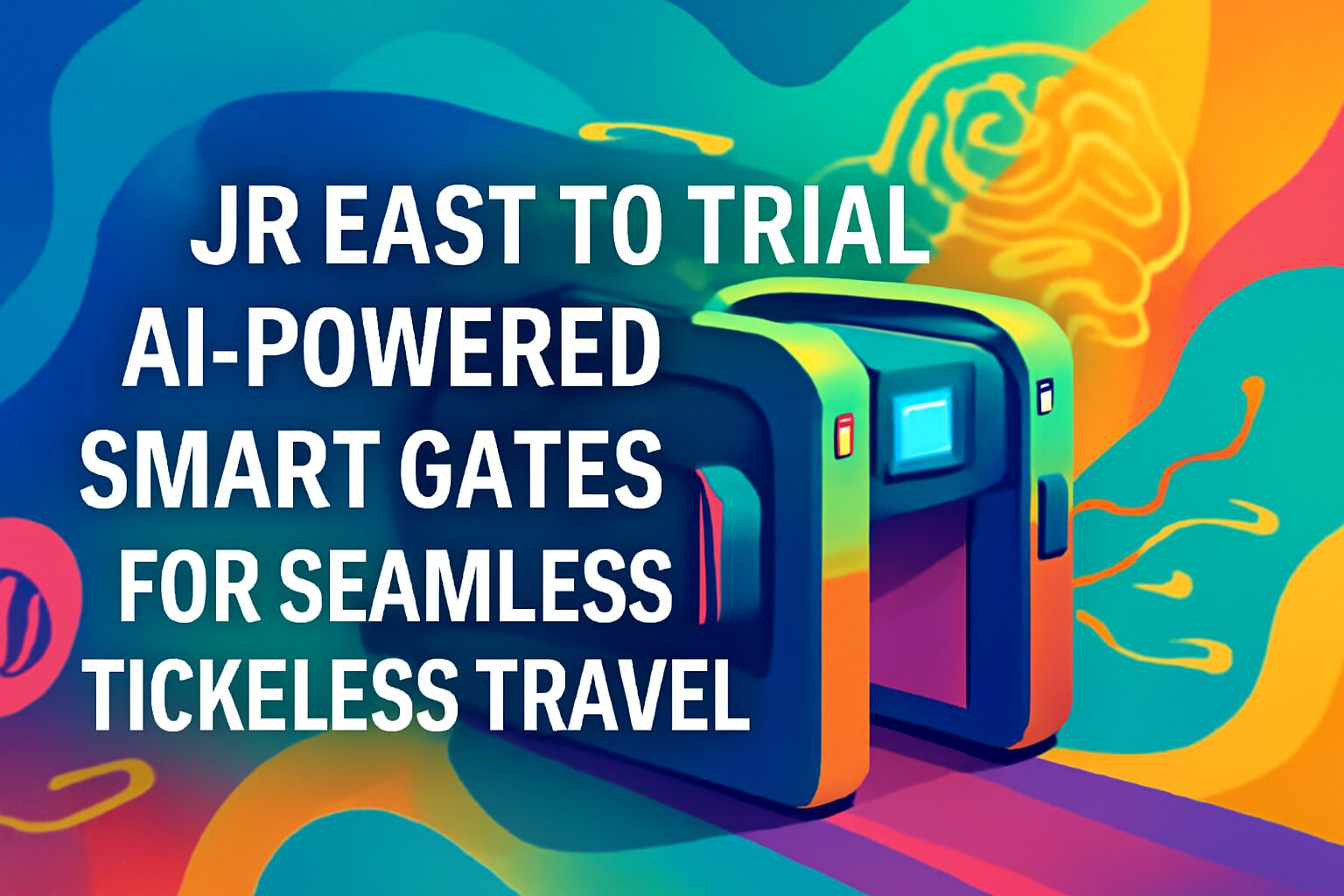
East Japan Railway Co. (JR East), one of Japan’s leading railway operators, has announced it will begin trials for new AI-powered ticket gates at select stations in Tokyo. This ambitious project, utilizing a combination of facial recognition and QR code technology, aims to create a truly seamless, ticketless travel experience. For the millions of daily commuters and international visitors navigating Japan’s complex but efficient train network, this marks a significant leap into the future of urban transit.
The Challenge: Modernizing a World-Class System
Japan’s railway system is renowned for its punctuality and extensive coverage. The introduction of IC cards like Suica and PASMO over two decades ago revolutionized how people ride trains, replacing paper tickets for a majority of travelers. However, even this system faces challenges in one of the world’s most densely populated metropolitan areas.
Before the pandemic, JR East’s network in the greater Tokyo area handled a staggering average of nearly 18 million passenger journeys per day. While numbers dipped, they are steadily recovering, and the familiar sight of long queues at ticket machines and congested gates during peak rush hours remains a daily reality. This trial is a direct response to the long-standing need to alleviate these bottlenecks and further enhance passenger flow.
How the New Smart Gates Work
The new system, dubbed “Smart Gates,” will offer two primary methods for entry and exit:
- Facial Recognition: Regular commuters and registered users will be able to link their travel pass or payment method to their facial data. A simple glance at a camera embedded in the gate will be enough to grant passage, eliminating the need to physically tap a card or phone. This promises an almost frictionless commute.
- QR Codes: This feature is particularly exciting for international tourists and infrequent travelers. Passengers can purchase tickets or passes online and receive a QR code on their smartphones. Scanning this code at the gate will provide quick and easy access. This could potentially streamline the use of popular tourist passes like the Japan Rail Pass, removing the need to exchange vouchers for physical passes.
The Future Impact: A Smoother Journey for Everyone
The successful implementation of this technology could have a transformative impact on travel in Japan.
For International Visitors
Navigating a foreign transit system can be daunting. The process of buying the correct ticket, understanding fare zones, or purchasing and topping up an IC card often presents a small but significant barrier for tourists. With a QR code system, visitors could pre-purchase necessary tickets online in their native language before even arriving in Japan. This aligns perfectly with Japan’s booming tourism industry, which saw a record-breaking influx of over 3 million visitors in March 2024 alone, signaling a strong post-pandemic recovery. A more intuitive and accessible system is crucial to managing this growth.
For Daily Commuters
For residents, the primary benefit will be speed and convenience. Eliminating the physical interaction with the gate—even the simple act of tapping a card—can shave precious seconds off each person’s journey. Multiplied by millions of passengers, this could lead to a noticeable reduction in platform and concourse congestion, especially during the notoriously crowded morning and evening rush hours.
What’s Next?
The trials are scheduled to begin at select Tokyo stations, allowing JR East to gather real-world data on the system’s accuracy, speed, and user acceptance. While challenges related to data privacy and ensuring accessibility for all users must be addressed, this initiative represents a bold step forward.
If successful, these AI-powered gates could be rolled out across major stations in the coming years, setting a new global standard for public transportation. For anyone planning a trip to Japan, the future of train travel looks set to be smarter, faster, and more convenient than ever before.