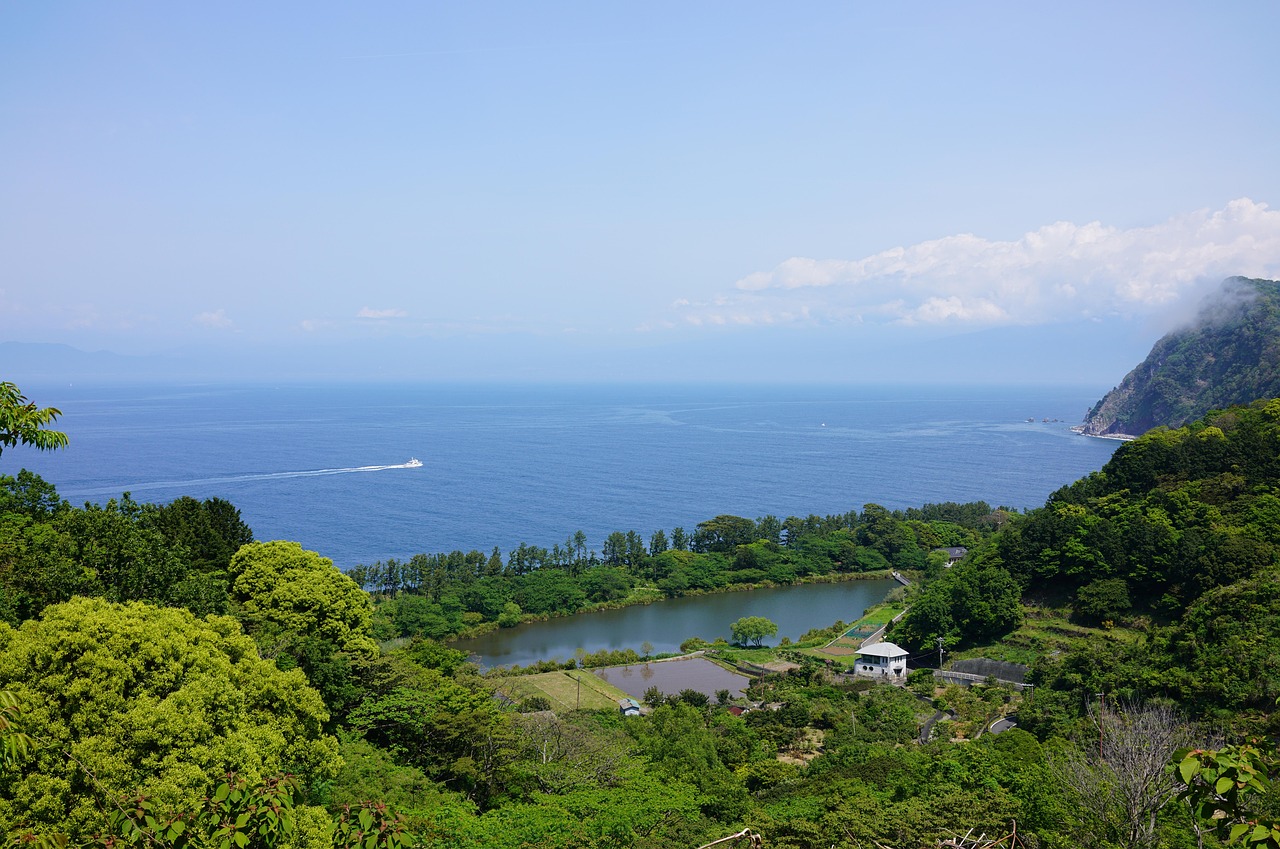
Yo, let’s talk real for a sec. You think you know coastlines? You think you’ve seen cliffs? Bet. But you haven’t really lived until you’ve stood on the edge of the Jogasaki Coast, where a volcano basically had a major glow-up and decided to bless us with the most epic, dramatic shoreline on the Izu Peninsula. This isn’t your grandma’s chill little beach trip. Nah, this is where you go to feel something. We’re talking raw, untamed Pacific Ocean energy crashing against jagged, jet-black lava cliffs that look like they were ripped straight out of a fantasy anime. Thousands of years ago, Mount Omuro threw a massive tantrum, spewing lava all the way to the sea. The result? A coastline so ridiculously beautiful it feels like a flex. This is the spot where you get your main character moment, trekking a legendary trail, crossing a suspension bridge that’ll test your nerve, and soaking in views that are, no cap, life-changing. It’s the perfect mashup of wild nature and accessible adventure, a place that reminds you how fire Mother Nature truly is. So lace up your best kicks, charge your phone, and get ready to flood the feed, because the Jogasaki Coast is calling, and you’re gonna want to answer. This is the crown jewel of the Izu Geopark, a real-life testament to the planet’s power, and honestly, it’s a whole vibe.
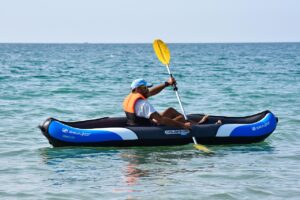
If you’re looking for another way to experience this incredible coastline, consider exploring the area through sea kayaking.
The Vibe: What’s the Real Deal with Jogasaki?
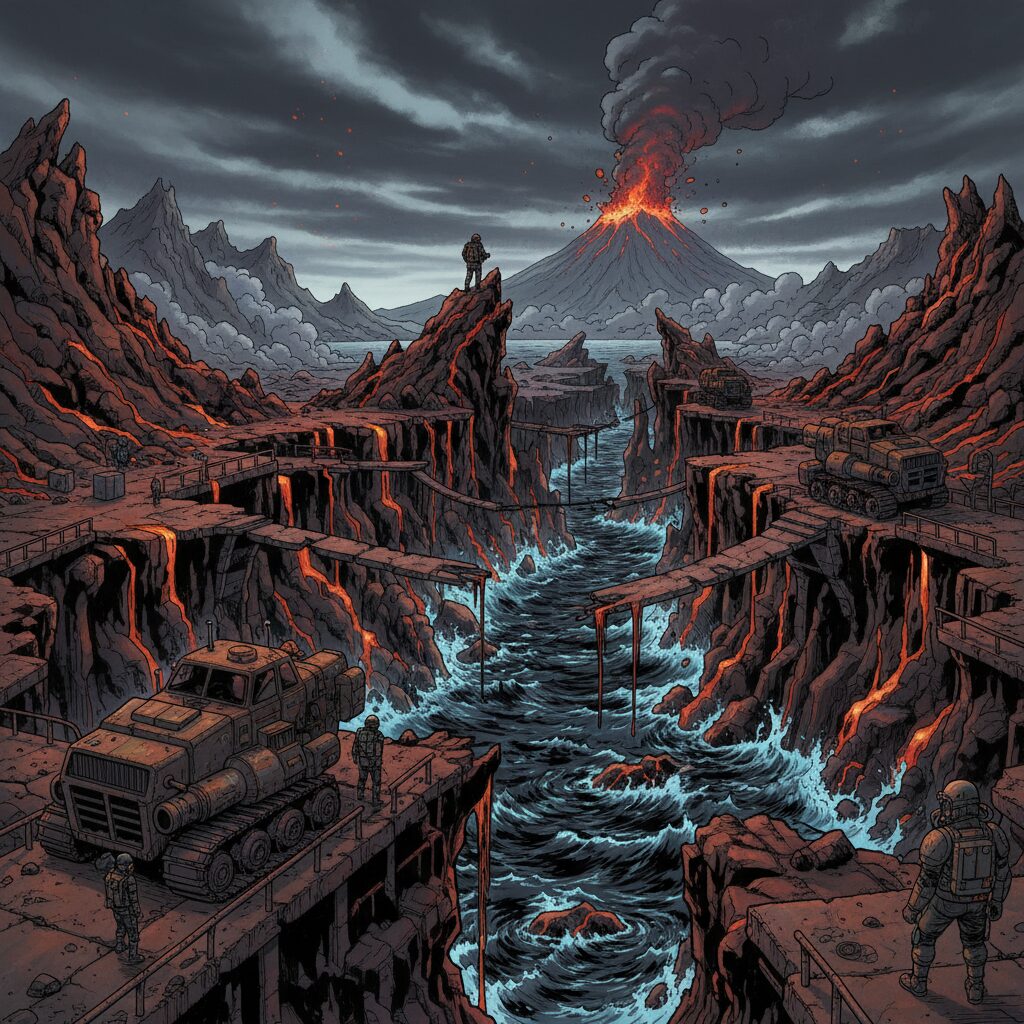
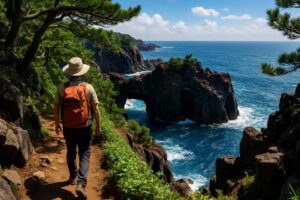
Alright, let’s dive into the atmosphere, the true essence of the place, because that’s what really stands out. The moment you step onto the trail, the air shifts. It’s thick with the salty scent of ocean spray and the earthy, green aroma from the dense canopy of pine and broadleaf trees gripping the cliffs. It’s a sensory overload in the best possible way. The soundtrack here isn’t some lo-fi playlist; it’s the steady, rhythmic roar of the Pacific waves crashing against the volcanic rock below. It’s a deep, powerful percussion that you feel in your chest, a constant reminder of the raw energy that shaped this entire landscape. The cliffs themselves are a spectacle. They’re not smooth, rolling hills. They’re sharp, angular, and a striking shade of black, often forming these astonishing hexagonal columns called columnar joints. It’s geology’s version of modern art, making you feel incredibly small, like a visitor in a land of ancient giants. Yet, despite its wildness, there’s a curious sense of peace. The hiking path, the Jogasaki Picnical Course, winds through this dramatic scenery with an almost poetic elegance. One moment you’re in a lush, shaded forest grove, feeling completely secluded, and the next, the trees part and—bam—you’re met with a breathtaking panoramic view of the endless blue ocean. That contrast is everything. It’s this interplay between untamed nature and human accessibility that defines the Jogasaki vibe. You can feel like a hardcore explorer while still walking on a well-maintained path, meaning you get all the excitement without the need for intense survival skills. It’s a place that demands respect yet warmly invites you in. In the morning, the light hits the water, making it sparkle like a million diamonds. By late afternoon, the sun casts long, dramatic shadows across the cliffs, bathing the whole scene in golden hues. It’s moody, beautiful, and unapologetically epic. This isn’t just a walk; it’s an immersion into a world sculpted by fire and water.
The Main Event: Conquering the Kadowaki Suspension Bridge
Now let’s focus on the absolute icon—the shot you came here for, the exhilarating highlight of the Jogasaki Coast: the Kadowaki Suspension Bridge, or Kadowakizaki Tsuribashi in official terms. This bridge is the real deal. Spanning 48 meters in length and hanging a dizzying 23 meters above a jagged, turbulent inlet, it’s not for the faint-hearted but unquestionably a must-experience. As you approach along the coastal trail, you’ll hear it before you see it—the excited chatter, camera clicks, and the faint creak of the bridge itself. Then, rounding a corner, there it is: a slender ribbon of wood and steel linking two massive lava formations, with turquoise, white-capped waves raging below. It looks like a scene straight from an adventure film, and you’re the star. Crossing it is a full-on experience. With every step, the bridge sways gently. It’s perfectly safe, engineered to the highest standards, yet that slight movement combined with the height delivers a serious adrenaline rush. You’ll instinctively grip the ropes tighter as you reach the midpoint. And from there? The view is absolutely breathtaking. To your left and right, the jagged coastline stretches endlessly. Below, you have a god’s-eye view of waves crashing against rocks, carving sea caves and shaping cliffs. You can see the intricate patterns in the lava rock and witness the ocean’s raw power in action. It’s mesmerizing. People often pause here, soaking it all in and snapping selfies against this stunning backdrop. It’s a moment of pure, thrilling connection with nature. The wind whips around you, the roar of the sea fills your ears, and for a moment, you’re suspended between sky and sea. It’s the ultimate reward for your trek and a memory that will stay with you long after you’ve gone.
Level Up Your Hike: The Jogasaki Picnical Course
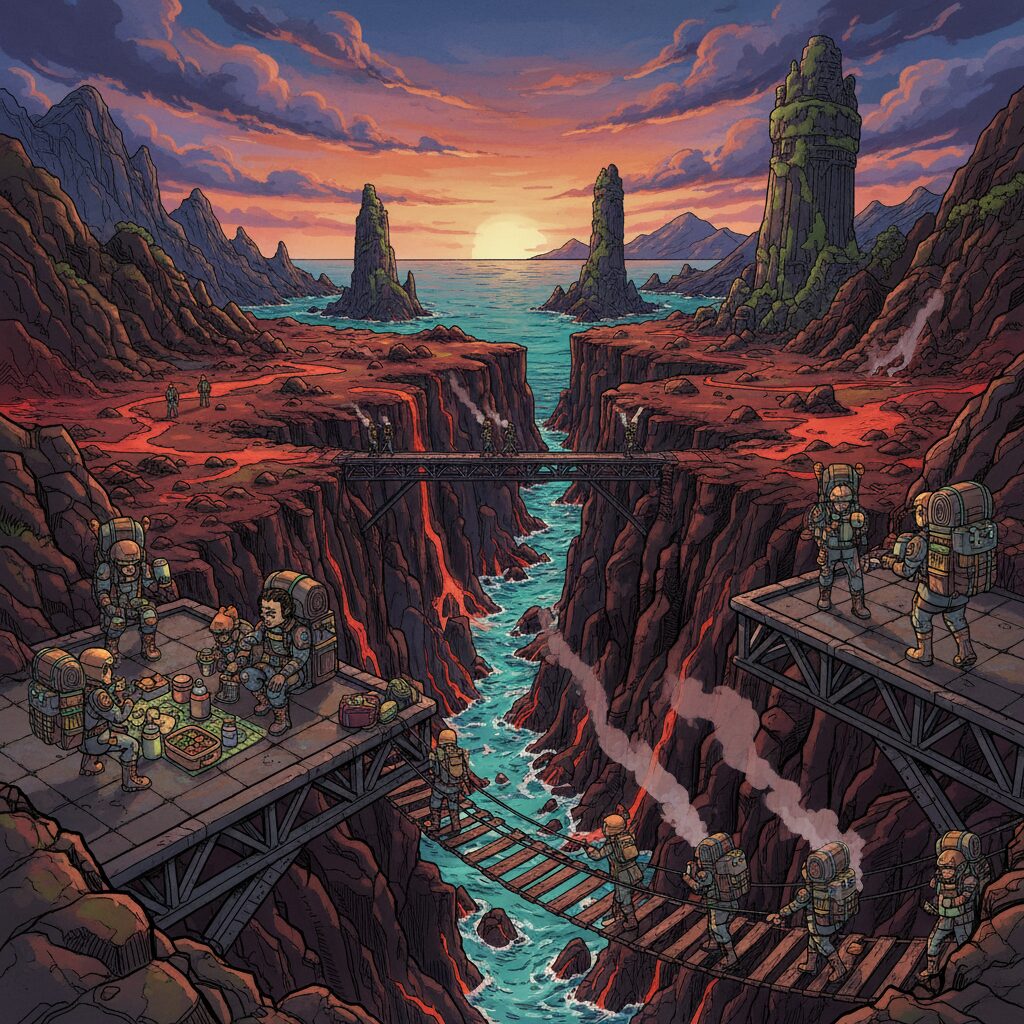
While the suspension bridge often steals the spotlight, the true heart of Jogasaki lies along the full 9-kilometer hiking trail, officially named the Jogasaki Picnical Course. Don’t be misled by the charming name; this is a genuine coastal trek that’s both rewarding and stunning. This trail offers the best way to experience the coastline’s diversity, guiding you from tranquil fishing ports to dramatic cliffs and peaceful forests. Most hikers begin their journey near Izu-Kogen Station, heading down to the coast, or take a bus closer to the main attractions. A popular route starts near Renchakuji Temple, proceeds south towards the Kadowaki Suspension Bridge and Lighthouse, and finishes at the Izu Oceanic Park (Izu Kaiyo Koen), or even continues onward to the Boranaya restaurant near Futo Port. The trail itself presents a fantastic mix of terrains: some sections are wide, paved paths perfect for easy walking, while others narrow into rugged, unpaved stretches that scramble over lava rocks and up and down stone steps. This variety keeps the trek engaging and adventurous. Along the way, the scenery constantly changes. You’ll walk through dense, subtropical forests where ancient trees form a cool, green canopy, then emerge onto breathtaking lookout points with unobstructed views of the Pacific Ocean. You’ll encounter hidden coves named “Maji” and “Hashidate,” each showcasing unique rock formations and character. One of the trail’s highlights is its seasonal charm. Visiting in early summer, around June or July, reveals thousands of hydrangea bushes bursting into vivid blue, purple, and pink blooms. The contrast of these vibrant flowers against the dark volcanic rock and deep blue sea is simply extraordinary—a photographer’s paradise. Plan on spending at least three to four hours to complete the hike at a relaxed pace, allowing ample time to pause, enjoy the views, and take countless photos. It’s the perfect way to earn a post-hike meal and fully appreciate the scale and magnificence of this volcanic wonder.
Don’t Sleep on the Kadowaki Lighthouse
Right beside the famous suspension bridge stands another must-see landmark: the Kadowaki Lighthouse (Kadowakizaki Todai). From afar, it appears as a classic, pristine white lighthouse, but you definitely need to get up close with this one, as the views from the top are truly spectacular. The best part? Climbing it is completely free. Inside, a spiral staircase winds its way up to the observation deck. As you climb, small windows provide teasing glimpses of the coast, building anticipation for the stunning reveal at the summit. Once you step onto the open-air deck, 24.9 meters above ground, you’re rewarded with a breathtaking 360-degree panorama that puts the entire region into perspective. From here, you can look down on the suspension bridge you just crossed, seeing it as a slender thread woven into the vast tapestry of the coastline. You can trace the rugged line of the Jogasaki cliffs stretching for miles in either direction—a dramatic streak of black rock against the blue sea. But the view reaches far beyond the immediate coast. On a clear day, your eyes wander across Sagami Bay to the majestic silhouette of the Izu Islands, including the active volcano on Oshima Island, resembling a mythical land floating on the horizon. Turn inland, and you’ll see the lush rolling hills and the impressive shapes of the Amagi Mountains, the backbone of the Izu Peninsula. This view ties together all the elements of this distinctive geological region. You can spot volcanic peaks on land and volcanic islands at sea, realizing in one sweeping glance how the entire area was shaped by fire. It offers a completely different perspective than the trail-level experience. Down on the path, you’re in the landscape, immersed in its details; from the top of the lighthouse, you’re above it, grasping its grand scale. It perfectly complements the suspension bridge and is an absolute must to complete your visit to this iconic location.
The Geological Glow-Up: How This Place Was Made
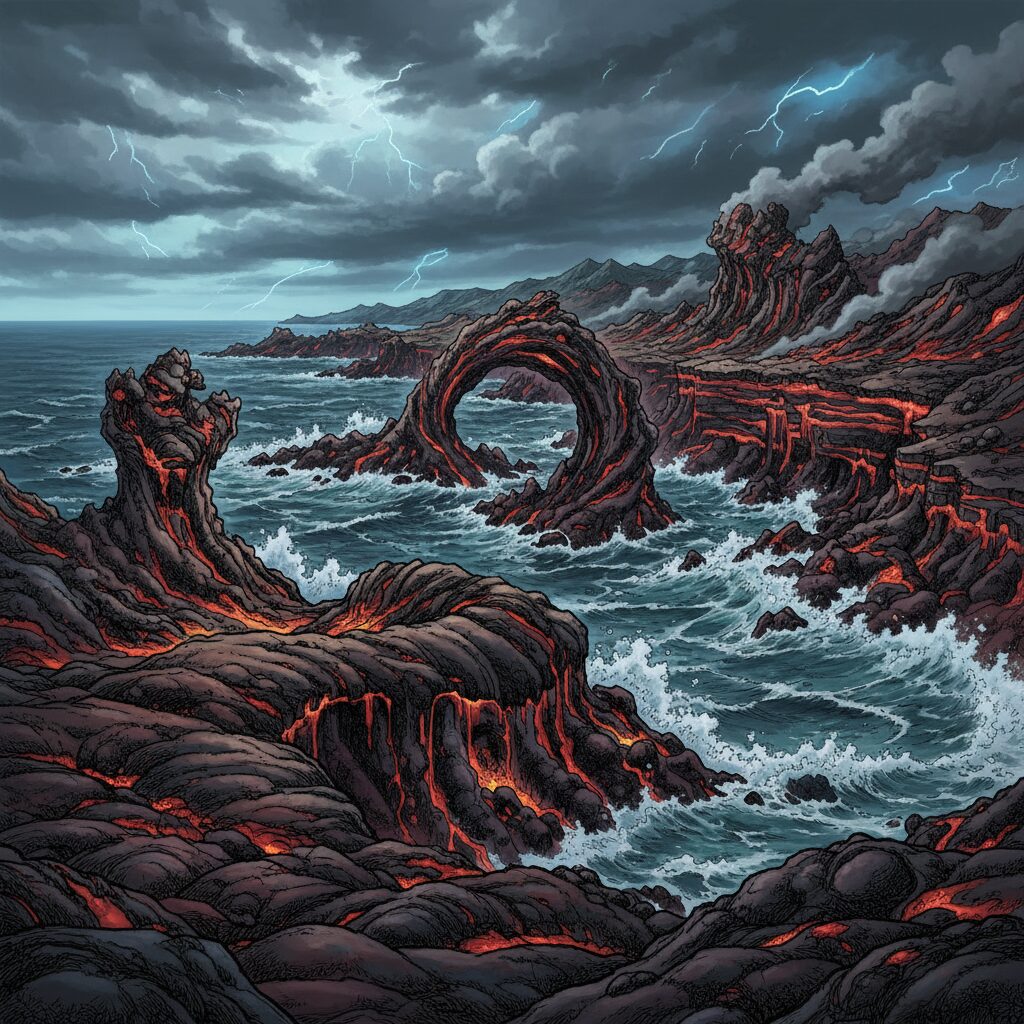
So, how did this unbelievably photogenic coastline come to be? It wasn’t by chance; it was a full-scale geological event that combined chaos and artistry. The story begins around 4,000 years ago with Mount Omuro, that perfectly symmetrical, matcha-green-tea-bowl-shaped mountain visible throughout the area. Back then, Omuro wasn’t the peaceful landmark it is now. It erupted massively, sending rivers of molten lava—scorching hot, over 1000°C liquid rock—flowing down its slopes and carving a path straight to the sea. When this blazing lava met the cold seawater, it was a dramatic clash. The lava cooled quickly and violently, shrinking and cracking into the stunning geometric patterns visible today. This is how the famous columnar joints formed. As the thick lava flow cooled from the top down and the bottom up, it fractured into these remarkable, mostly hexagonal basalt pillars. It looks like a giant carefully placed them, but it’s completely natural—a perfect example of physics creating art. Over the millennia that followed, the relentless force of the Pacific Ocean took over. Waves relentlessly battered this newly formed lava plateau, eroding the softer rock and sculpting the jagged cliffs, deep inlets, and dramatic sea caves that define the Jogasaki Coast. For instance, the suspension bridge spans a chasm that was once solid rock before the sea found a weak spot and worked its magic. This whole area is a living museum of volcanic activity, which is why the entire Izu Peninsula is designated as a UNESCO Global Geopark. When you walk the trail, you’re literally stepping on the cooled remains of a volcanic eruption. Every rock beneath your feet, every cliff face you admire, tells a story of fiery creation and oceanic shaping. It’s a powerful reminder that the landscapes we cherish are the results of epic, slow-motion battles between the elements. So yes, Mother Nature really went all out here, and we get to enjoy the amazing outcome.
Beyond the Bridge: Hidden Gems and Local Flavor
While the bridge and lighthouse are the main attractions, the true charm of Jogasaki often lies in the smaller moments and hidden spots you uncover along the way. If you hike the entire trail, you’ll encounter plenty of these. One must-do is stopping at Boranaya, a rustic, cliffside restaurant near the Futo Port end of the trail. This place is iconic. It’s a traditional wooden building perched right on the rocks, with seating that offers stunning ocean views. The specialty is the “kaijin-nabe,” a hearty fisherman’s stew cooked at your table, filled with fresh, local seafood and vegetables in a rich miso broth. After a long hike, enjoying this comforting, delicious meal while listening to the waves crash just a few feet away is a top-tier experience and the perfect, authentic way to recharge. Another hidden treasure is exploring the tide pools, or “isou-asobi.” At low tide, the rocky shore reveals a miniature ecosystem. Carefully scramble over the volcanic rocks and you’ll find shallow pools teeming with life—tiny crabs scuttling sideways, small fish darting around, colorful sea anemones, and maybe even a starfish or two. It’s a fun, free activity that connects you directly with the coastal marine life. For a different atmosphere, visit Futo Port (Futo Gyoko), a quiet but active fishing harbor where you can watch local fishermen mend their nets and bring in their daily catch. This offers a glimpse into the local lifestyle that has been intertwined with the sea for generations—a peaceful contrast to the dramatic energy of the main cliffs. And for flower lovers, don’t miss the New York Lamp Museum & Flower Garden, located near the trailhead. It’s a slightly quirky yet beautiful spot that blends a Tiffany lamp museum with stunning, seasonally changing flower gardens—an unexpected burst of curated beauty amid the rugged coast. These smaller experiences enrich your visit, turning it from a simple sightseeing trip into a deep, memorable adventure.
The Logistics Lowdown: Getting There and Getting Around
Reaching this slice of paradise is actually quite straightforward, even from Tokyo. Let’s break down the travel details. Your main access point for the area is Izu-Kogen Station. From Tokyo, you have a couple of solid choices. The fastest option is to take the Tokaido Shinkansen (bullet train) to Atami Station. From Atami, transfer to the local JR Ito Line, which offers a scenic coastal ride directly to Izu-Kogen. The entire trip takes about two hours. Alternatively, for a more direct and relaxed journey, consider the limited express Odoriko or Saphir Odoriko trains. These run directly from major Tokyo stations like Tokyo Station or Shinjuku straight to Izu-Kogen with no transfers, though they are a bit slower but much more comfortable. Once you arrive at Izu-Kogen Station, you have options. If you’re feeling energetic and want to begin the full 9km hike, you can walk from the station down to the coast, which takes about 20-30 minutes to reach the trailhead. If you want to get right to the main sights, your best bet is the local Tokai Bus. Look for buses going to “Izu Kaiyo Koen” (Izu Oceanic Park), which will drop you off near Kadowaki Lighthouse and Suspension Bridge. The ride is short—around 10 minutes. If you’re driving, there’s a large paid parking lot near Kadowaki Lighthouse, making it very convenient. Now for some on-the-ground tips. First and foremost: footwear is essential. Wear comfortable, sturdy walking shoes or sneakers with good grip, as the trail is uneven and includes rocky sections and stairs. Flip-flops or heels are a bad idea. Seriously, don’t risk it. Pack light but wisely: bring a water bottle, especially in summer, sunscreen, and a hat since parts of the trail are exposed. A few snacks are great for keeping your energy up. For timing, try to visit on a weekday if possible, as weekends and holidays get quite crowded, especially near the suspension bridge. An early morning start helps you avoid the biggest crowds and enjoy beautiful morning light. Allow at least a couple of hours if you just want to see the bridge and lighthouse, but plan for a good half-day if you want to explore a significant part of the coastal trail. Proper planning lets you relax and fully enjoy the stunning scenery without stress.
The Adventure Awaits
Standing on the Jogasaki Coast offers more than just a beautiful view; it’s about sensing the heartbeat of the planet. This place tells an epic story of creation— a four-thousand-year-old saga shaped by fire and water, stone and sea. As you walk the trail, you follow the path of ancient lava flows. When you cross the bridge, you’re suspended above a chasm carved by relentless waves over millennia. It’s a raw, visceral connection to the forces shaping our world. This part of the Izu Peninsula isn’t merely a destination; it’s an experience that resonates deeply. It’s the thrill of adventure, the serenity of a forest path, and the awe-inspiring power of nature all bundled into one unforgettable journey. Whether you’re an avid hiker, a casual visitor, or simply seeking an epic photo for the ‘gram, Jogasaki delivers. It reminds you that some of the most stunning things in the world are a little wild, a little dramatic, and completely worth the trip. So go see it yourself. Feel the ocean spray on your face, hear its roar, and let the volcanic magic of Izu leave a lasting impression. The coast is calling.