So you’ve heard about the snow in Japan. Of course you have. The word ‘Japow’ has become a kind of holy grail for skiers and snowboarders around the world, whispered in chairlift lines from Whistler to Chamonix. It describes a meteorological miracle: a relentless, impossibly light, and bottomless deluge of powder snow, born from Siberian winds picking up moisture over the Sea of Japan and dumping it on the country’s mountainous spine. Riding it is a sensation unlike any other. It’s like floating through a dream, a silent, weightless dance where the world dissolves into a cloud of crystalline white. For many, that’s the entire point of the trip. They come, they ride the deepest powder of their lives, they drink a few beers, and they fly home with incredible stories.
But they’ve missed half the story. They’ve experienced the thrill but skipped the soul. Because the perfect day in the Japanese mountains doesn’t end when you unclip your boots. It ends when you slide, naked and anonymous, into a steaming, mineral-rich hot spring, with snow falling gently on your shoulders. This is the onsen, and it is not an optional extra or a luxury add-on. It’s the essential, non-negotiable other half of the ‘Japow’ experience. It’s the cultural bookend that gives the day its meaning, its depth, and its distinctly Japanese character. To come here only for the snow and treat the onsen as just a big hot tub is like going to Italy for the pasta and ignoring the wine. You’re only getting a fraction of the profound satisfaction on offer. This isn’t just about soothing sore muscles; it’s a deeply ingrained ritual that touches on Japanese ideas of purity, nature, community, and the art of slowing down. It is the quiet, contemplative soul that balances the wild, exhilarating body of a day spent in the powder.
Embracing Japan’s soul-soothing onsen experience naturally leads to exploring the calming practice of Shinrin-yoku, a modern antidote for burnout that deepens your connection with nature.
The Primal Contrast: Fire and Ice on a Grand Scale
The core power of the winter onsen experience starts with a striking, beautiful sensory contrast. You spend your day immersed in a world of cold. It’s the sharp sting of air in your lungs at the peak of a run, the chill creeping into your bones during a long lift ride, the sensation of snow melting on your face. Your body remains coiled, tense, constantly battling to stay warm and balanced against the forces of gravity and weather. The entire day is an adrenaline-driven exercise within a frozen landscape.
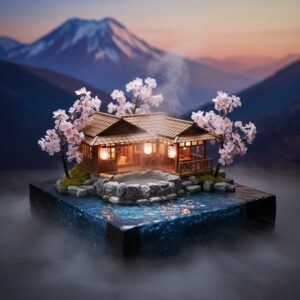
Then comes the onsen. The shift is profound. You leave the cold world behind, stepping through a wooden door into a steamy, humid sanctuary. After the cleansing ritual, you step outside once more, but now into a controlled environment: the rotenburo, or outdoor bath. The air is still freezing, perhaps even more so now that you’re barefoot and clad only in your skin. You take a deep breath, and for a moment, the cold feels absolute. Then you lower yourself into the water. The heat is immediate, enveloping, almost startling in its intensity. It penetrates deep into your muscles, joints, and bones, banishing the final traces of the mountain’s chill. It’s a sensation of complete surrender.
This is more than a simple temperature shift. It’s a dialogue between elemental forces. You are suspended between the earth’s geothermal heat and the winter sky’s frozen stillness. You can feel snowflakes melting the instant they touch your forehead or shoulders while the rest of your body remains submerged in volcanic warmth. Steam rises from the water, mingling with your breath, cloaking the landscape in a soft, ethereal mist. Here, the experience transcends mere relaxation. It becomes a moment of pure, primal connection to nature in its most dramatic form. Japanese culture deeply values the beauty of seasonal extremes, and the winter onsen is perhaps the ultimate expression of this: discovering a pocket of life-giving warmth in the heart of an apparently inhospitable environment. It feels less like a facility and more like a discovery, a secret source of comfort gifted by the landscape itself.
More Than Muscle Relief: The Ritual of Purification
Anyone who has pushed themselves on the slopes knows the simple, physical pleasure of soaking in a hot bath afterward. The heat boosts blood flow, helping to flush out lactic acid from tired muscles and soothe the aches and pains of a day spent absorbing bumps and holding edges. The minerals in onsen water—sulfur, iron, magnesium, and others, depending on the source—are believed to have their own healing properties, from calming skin conditions to easing joint pain. This part is easy to grasp, as it aligns with a Western, science-based view of wellness.
But stopping there misses the cultural essence of the practice. Physical relief is a welcome benefit, but the primary goal is ritual purification. It’s about cleansing not just the body, but also the mind and spirit.
The Body: A Physical and Symbolic Reset
Before you ever enter the main bath, you must wash. This is the most important rule of onsen etiquette and marks the true beginning of the ritual. Beside the main bath, you’ll find a row of washing stations, each furnished with a small stool, faucet, shower head, and a wooden or plastic bucket. You are expected to sit on the stool and thoroughly scrub your entire body with soap and water. This is not a quick rinse. It is a deliberate act of cleansing. You are washing away the sweat, dirt, and fatigue of the day.
Symbolically, you are washing away the outside world. The worries, stresses, and social roles you carry—all of it gets scrubbed off before you are considered ready to enter the pure, communal waters of the onsen. The water is regarded as a gift from nature, and you must present yourself to it in a state of cleanliness. This simple act fundamentally reframes the purpose of the bath. A Western bath or hot tub is a place you go to get clean. A Japanese onsen is a place you go once you are already clean to soak, heal, and reflect. This distinction is crucial. It transforms the experience from a merely hygienic act into a mindful ceremony.
The Mind: Shedding the Day’s Armor
Along with your clothes, you are expected to leave your ego behind in the changing room. The onsen serves as the great equalizer. Inside, there is no CEO or intern, no pro athlete or beginner. Everyone is simply a human being, sharing a moment of quiet vulnerability. This concept is often called hadaka no tsukiai, or “naked communion.” It reflects the idea that by removing external symbols of status, you can connect on a more fundamental, honest level.
This doesn’t necessarily mean engaging in deep conversations. Often, the opposite is true. The communion is a silent one. It’s a shared understanding, a collective sigh of contentment as everyone soaks in the restorative heat. In a society that values group harmony and unspoken understanding, the onsen provides a unique space for connection without words. You are shedding the armor of your daily identity and simply existing, present with those around you. For the skier, this means letting go of the ego tied to performance—the perfect line, a failed trick, the speed, the style. All of that dissolves in the steam, leaving only the quiet satisfaction of a body that has worked hard and a mind finally allowed to be still.
The Architecture of Tranquility: Designing the Onsen Experience
The profound sense of peace experienced in a good onsen is no coincidence. It results from centuries of design philosophy focused on creating a seamless transition from the human world to the natural environment. The architecture of an onsen, especially a rotenburo, is an exercise in subtraction and framing.
Rotenburo: The Art of Framing Nature
The finest outdoor baths are never ostentatious. They don’t demand attention with elaborate tilework or flashy features. Instead, they are crafted from natural, rustic materials—uneven stones gathered from local rivers, dark wood that blends with the forest backdrop, bamboo pipes guiding the flow of water. The bath itself often feels less like a man-made pool and more like a naturally occurring part of the landscape you’ve been fortunate to discover.
The design emphasizes deference to the surrounding environment. The bath’s edge might be an infinity edge that appears to spill directly into a snowy valley. A carefully placed boulder may serve as a backrest while also blocking the view of a nearby building, directing your gaze instead toward a stand of silver birch trees. The architect’s role is not to create a spectacle but to perfectly frame the spectacle nature has already provided. The onsen becomes a lens through which you can appreciate the winter landscape with heightened awareness. You are not merely observing nature; you are immersed in it, becoming part of the scene. This thoughtful curation of view and experience is a physical expression of the Japanese aesthetic that finds beauty in simplicity and harmony with nature.
The Journey Inward: From Changing Room to Bath
The experience is also shaped by the carefully sequenced journey to reach the water. It begins in the datsuijo, the changing room. Here, the aesthetic is clean, simple, and functional. Woven bamboo baskets for your clothes replace metal lockers, connecting you to natural materials from the outset. The air is warm and humid.
From there, you enter the indoor bathing area, or uchiburo. This space is often misty and steamy, with high wooden ceilings designed to handle moisture. The sound of running water and quiet echoes fills the air. This area acts as an acclimatization chamber, preparing you for the main event. Here, you perform the washing ritual, transitioning your mind into a state of cleanliness and calm. Finally, you slide open a often heavy, wooden door. You are met with a rush of cold air, a brief shock, before seeing it: the rotenburo, steaming invitingly against a backdrop of pure white snow. This entire progression is a deliberate, managed journey that moves you from the mundane to the sublime, from inside to outside, from clothed to naked, from private preparation to communal soaking. It is a small pilgrimage that takes place daily in the mountains of Japan.
A Social Scene of Silence: The Après-Ski Alternative
The term “après-ski” evokes a very distinct image in the global ski culture. It’s a lively scene filled with loud music and even louder stories. It involves clinking beer steins, dancing in ski boots, and sharing tales of the day’s mountain adventures. It is extroverted, festive, and centered on verbally connecting with your companions. It serves to prolong the adrenaline rush of the day well into the evening.
Japan presents a radically different yet equally fulfilling alternative. The onsen acts as the Japanese version of après-ski, but its social value lies not in bravado, but in shared stillness. The energy is inverted, turned inward rather than outward. After a day of sensory overload—the speed, the wind, the physical challenge—the onsen offers a space for quiet reflection. Instead of immediately recounting your activities, you are encouraged to simply feel them, allowing memories and sensations to settle within your body and mind.
Conversation in an onsen tends to be minimal, quiet, and reserved for close friends. Among strangers, a simple nod or brief, soft acknowledgment is usually all that occurs. This can be surprising for visitors accustomed to louder social settings, but it is not unfriendly. It reflects mutual respect for the contemplative atmosphere of the space. The shared experience arises from a collective appreciation of the warmth, the beauty of the surroundings, and the sensation of profound, well-earned relaxation. You are together yet immersed in your own thoughts, creating a unique and powerful sense of community through shared silence. This social scene is built on empathy and ambiance (kuuki, or “air”), where the most important things remain unspoken because they are understood implicitly.
Beyond the Resort: Finding the Authentic Onsen Ryokan
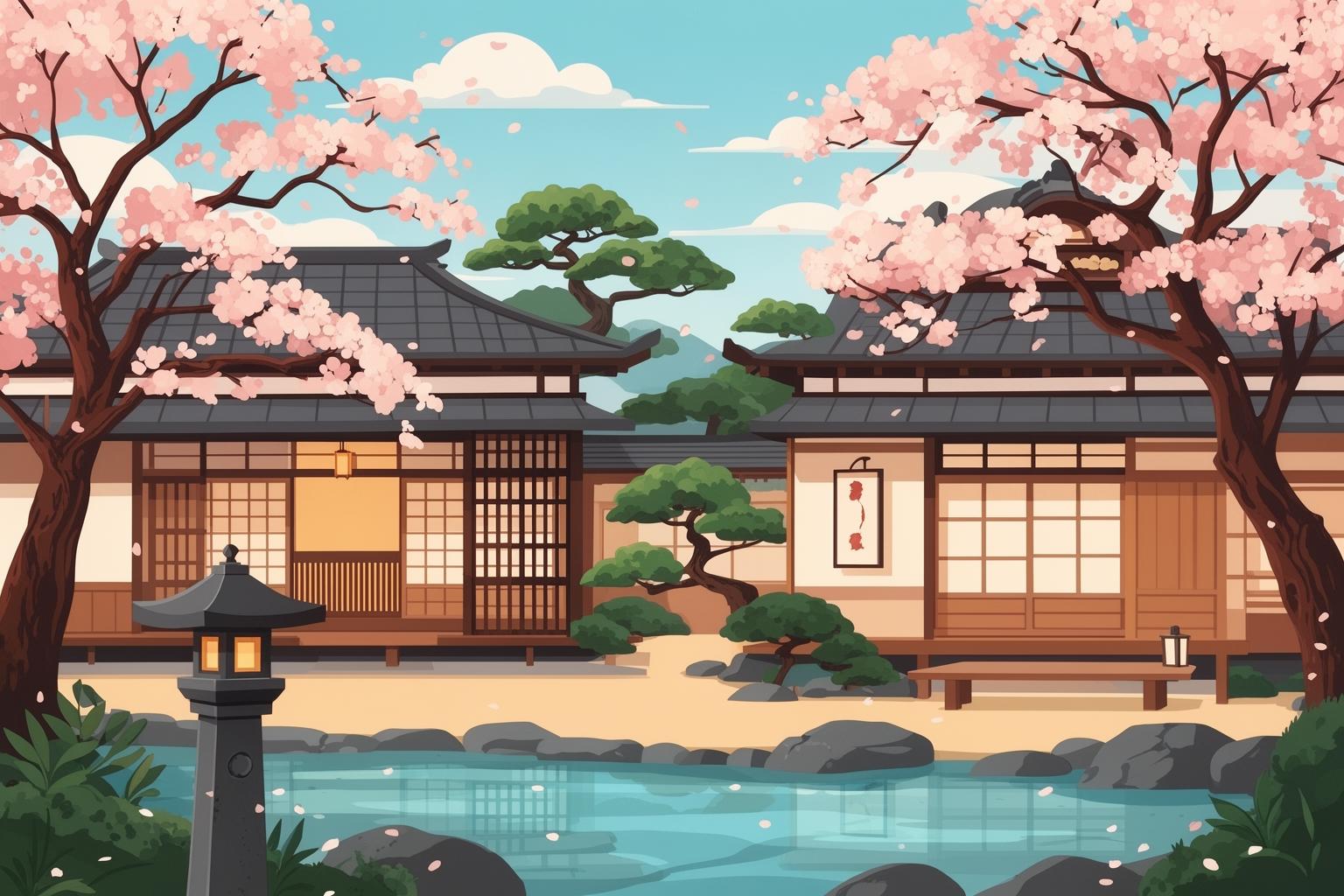
While many large ski resort hotels offer their own bathing facilities, which can certainly be enjoyable, the most profound experiences are often discovered in more traditional settings. To truly complete the cultural journey of a Japanese ski trip, seek out a ryokan, or traditional Japanese inn, that features its own natural onsen.
Staying at a ryokan transforms the onsen from a single activity into the heart of a holistic experience. Here, the cycle of exertion and rejuvenation is fully embraced. After your soak, you don’t simply return to a generic hotel room. Instead, you slip into a yukata, a light cotton robe, and stroll down wooden hallways to a dinner of kaiseki. This traditional multi-course meal is as much a feast for the eyes as it is for the palate, showcasing a carefully prepared selection of seasonal, local ingredients. The meal reflects the onsen experience: it encourages slow, mindful appreciation of nature’s bounty in a beautifully aesthetic manner.
The entire ryokan is designed to soothe the senses and calm the mind. The tatami mat rooms, paper screens, and minimalist decor work together with the onsen to create an atmosphere of complete tranquility. This is the ultimate expression of Japanese hospitality, or omotenashi. It’s a space where your needs are anticipated, and every detail is thoughtfully arranged to enhance your peace and comfort. A day that starts with charging through deep powder and ends with a quiet, meditative meal in a yukata after a long onsen soak is a day you will never forget. It’s a journey through the full spectrum of Japanese aesthetics, from the wild and dynamic to the serene and contemplative.
The Complete Experience: Why ‘Japow’ Demands the Onsen
You can come to Japan, ski the finest powder of your life, and leave satisfied. Many do. However, you will have experienced the country only on a physical level. You will have conquered its terrain but missed its essence. The legendary snow results from Japan’s geography, while the onsen stems from its culture. It is a tradition born from the same volcanic landscape that shapes the mountains, yet polished over centuries into an art of relaxation and contemplation.
The onsen anchors the fleeting, adrenaline-charged joy of skiing in something timeless and profound. It offers the essential conclusion to a perfect day—a moment of stillness, not an exclamation point of more excitement. It finishes the story. The thrill of the descent finds peace in the calm of the soak. The tales you’ll share later won’t only be about how deep the snow was; they’ll be about the sensation of sitting in a stone bath as thick snowflakes drift quietly from the sky, with the mountains you just conquered watching over you like ancient, slumbering gods. That is when the experience becomes truly Japanese. The powder brings you here, but it is the onsen that helps you understand why you came.