Yo, what’s the deal? Let’s get real for a sec. When you think of Japan, you probably picture neon-drenched cyberpunk streets, serene temples, or maybe that perfect bowl of ramen that’s gonna change your life. And yeah, that’s all here, it’s all facts. But there’s a whole other layer to this place, a dimension that’s low-key hiding in plain sight, tucked away in quiet backstreets and dusty building basements. I’m talking about the world of the kissaten. This ain’t your average grab-and-go coffee spot. No cap, a kissaten is a vibe, a time capsule, a whole mood. It’s a traditional Japanese coffee house, born in an era before Wi-Fi passwords and oat milk lattes, where the main currency was time and conversation. But we’re not just talking about any old kissaten. We’re going deeper. We’re diving into the establishments where the owner, the “Master,” has let their personal obsession completely run the show. These aren’t just businesses; they’re living, breathing art installations fueled by decades of singular focus. The Master is king here, and their kingdom might be filled with hundreds of antique clocks, or coffee beans aged for half a century, or a collection of porcelain so vast it puts museums to shame. Stepping into one of these spots is like walking directly into someone’s soul, and trust me, it’s a trip. It’s a full-on sensory overload, a deep dive into a world governed by one person’s beautiful, bizarre, and utterly captivating passion. This is Japan’s underground, its heart, and we’re about to spill the tea. So grab a seat, get comfy. We’re about to explore the spots that are so extra, so dedicated, they’re basically a pilgrimage for anyone who gets it. If you know, you know.
For a completely different, yet equally profound, take on Japanese cafe culture, explore the serene world of minimalist cafes.
Gakuya in Koenji: The Keeper of Time
The Vibe: A Symphony of Ticking
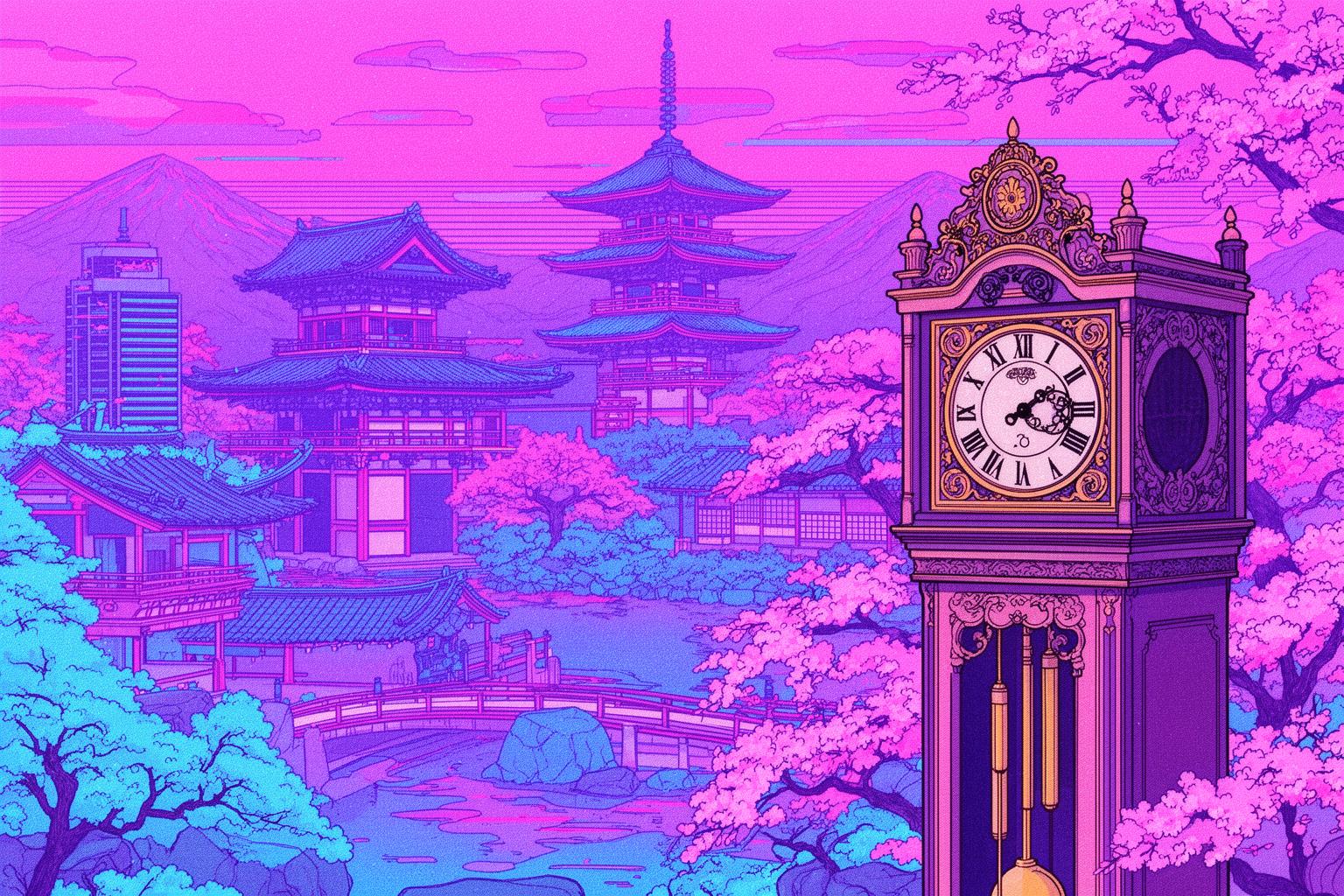
Koenji is a vibe all its own. It’s Tokyo’s scruffy, cool older sibling who listens to punk rock and exclusively wears vintage threads. The energy here feels different—less polished than Shibuya, more raw and genuine. Hidden within this neighborhood of thrift stores and tiny live music venues is Gakuya, a kissaten that feels less like a coffee shop and more like a tear in the fabric of spacetime. The moment you push open its heavy wooden door, the first thing to strike you isn’t the smell of coffee but the sound. It’s a gentle, chaotic, yet somehow harmonious chorus of ticking. Hundreds of antique clocks—grandfather clocks, cuckoo clocks, wall clocks, mantel clocks—crowd every available surface. They hang from the ceiling, line the dark wooden walls, and rest on shelves beside sugar bowls. Each clock keeps its own time, their pendulums swinging in a mesmerizing, unsynchronized dance. The dim light casts long, dramatic shadows that make the brass and wood gleam. It’s a photographer’s dream, every corner a study in light, shadow, and history. The air is thick with the scent of old wood, dust, and the faint, sweet aroma of brewing coffee. It’s high-key cinematic. You immediately feel like you’ve discovered a secret, a place where the usual rules don’t apply. The atmosphere is hushed, not because of any strict rule but out of a shared, unspoken reverence for the space. Patrons speak softly, their words weaving through the constant, gentle percussion of ticking clocks. It’s not just quiet; it’s alive with a sound that heightens your awareness of time’s passage, while making you feel utterly suspended from it.
The Master’s Opus: A Lifelong Collection
The master of Gakuya is a quiet, unassuming man devoted to two lifelong passions: coffee and horology. This isn’t a curated collection acquired all at once; it’s a lifetime spent searching for, finding, and restoring these beautiful timepieces. Each clock carries a story, a history the master can share if you’re lucky enough to spark a conversation. His obsession is tangible—in the way he carefully winds a clock that’s gone silent or thoughtfully arranges a new addition. The café is his gallery, and the collection his masterpiece. It’s an overwhelming display that never feels cluttered. Instead, it feels intentional, as if every clock fits perfectly within this grand orchestra of time. This dedication elevates Gakuya from a quirky café to something truly profound. It’s a testament to the beauty of a singular, lifelong passion. In a world obsessed with minimalism and decluttering, Gakuya stands as a defiant celebration of collecting, history, and the tangible objects that connect us to the past. The master didn’t just create a coffee shop; he crafted a sanctuary for forgotten things, a haven where time itself takes center stage.
The Ritual: Slow Coffee in a Timeless Realm
Don’t come to Gakuya expecting a quick caffeine fix—that’s not the point. The coffee here is brewed with the same meticulous care the master devotes to his clocks. The menu is simple, classic kissaten fare. The house blend is a dark, rich roast, prepared using the nel drip method—a slow, careful process with a cloth filter that produces coffee incredibly smooth, full-bodied, and free of bitterness. Watching the master prepare your coffee is part of the ritual. It’s slow and deliberate, mirroring the steady, unhurried ticking of the clocks around you. Your coffee will likely arrive in a beautiful, slightly mismatched vintage cup and saucer, another nod to the café’s love for all things aged and charming. Ordering a slice of their homemade cake is also highly recommended—it’s simple, delicious, and the perfect companion to the rich coffee. The true experience, however, is simply to sit. Find a small table, let your eyes wander over the endless faces of the clocks, and just listen. Let the symphony of ticking wash over you. It’s a meditative moment that encourages you to slow down and be present. It’s the ultimate digital detox.
Practical Magic: Finding Your Way to Koenji’s Core
Gakuya is a short walk from Koenji Station on the JR Chuo Line. The neighborhood itself deserves a day of exploration. Before or after your coffee, lose yourself in the maze of shopping arcades like Pal and Look. They’re filled with some of Tokyo’s best vintage clothing stores, record shops, and quirky zakka (miscellaneous goods) stores. Koenji is also known for its vibrant music scene, with numerous small venues hosting indie and punk bands nightly. A small tip for visiting Gakuya: it’s a place for quiet reflection. It’s not suited for loud conversations or conference calls. Come alone or with one companion you can comfortably sit with in silence. Photography is sometimes discouraged, so it’s always polite to ask the master first. He’s generally accommodating if you’re discreet and respectful. Be sure to check the opening hours beforehand—they can be somewhat irregular, which is honestly very fitting for a place that plays fast and loose with the concept of time.
Café de L’ambre in Ginza: The Alchemist of Aged Beans
The Vibe: A Subterranean Coffee Laboratory
Ginza represents Tokyo at its most luxurious, with flagship high-end stores, Michelin-starred dining, and art galleries boasting price tags that stun. It’s all sparkle and sophistication. Yet, just steps away from the main street, down a narrow staircase, lies a venue that stands in stark contrast to Ginza’s polished exterior: Café de L’ambre. Translating to “Amber Cafe,” the name becomes clear the moment you step inside. The entire space glows softly with warm amber light from hanging lamps. This small, underground retreat feels worlds apart from the bright lights and hustle of the streets above. The atmosphere is dense, almost sacred, filled with the scent of decades-old roasted coffee. Dark wooden panels, timeworn velvet seats, and a long counter fill the room. It feels less like a café and more like a secret society’s chamber or an ancient alchemist’s workshop. The clientele are devoted coffee connoisseurs, longtime patrons, and curious travelers drawn by legend. There’s no music—only hushed conversations and the clinking of porcelain. The mood is serious but welcoming. It’s a shrine dedicated to one profound belief: that coffee, like fine wine, improves with age.
The Master’s Opus: Coffee Older Than You Are
The late Ichiro Sekiguchi was the soul and spirit behind L’ambre. He founded the café in 1948 and managed it until his passing at 104, becoming a true icon in the coffee world. His passion wasn’t just for coffee, but specifically aged coffee. A pioneer and visionary, Sekiguchi treated green, unroasted beans as something to be aged for years—even decades—to develop richer, more nuanced, and smoother flavors. This is his enduring legacy. L’ambre’s menu reflects that obsession. You can order coffees crafted from beans dating back to the 1970s or, if you’re lucky, even the 1950s. The beans rest in small wooden drawers behind the counter, each marked with its origin and vintage. The current team, trained under Sekiguchi’s attentive guidance, continues his work with unwavering commitment. They grasp the chemistry, artistry, and alchemy required to unlock the potential sealed within these dormant beans. It’s a staggering level of devotion. Picture this: holding onto a product for fifty years before selling it. It defies modern logic, and that’s exactly what makes it remarkable. It’s a pure passion project, carried through generations.
The Ritual: A Taste of History
Ordering coffee at L’ambre is a unique experience. The menu can seem daunting, listing single-origin beans across various vintages. Don’t hesitate to ask for suggestions—the staff are experts who tailor recommendations to your tastes. Whether you opt for a fresh roast or a vintage bean, the brewing process is a performance. Each cup is prepared with meticulous care using the nel drip method. The barista pours hot water in a slow, almost impossibly thin stream, their focus unwavering. The finished coffee is served in a tiny, delicate demitasse cup. It’s potent, intense, and unlike anything you’ve ever tasted. If you select an aged coffee, take time to savor it fully. The flavors are subtle and complex—hints of whiskey, aged leather, and dark chocolate might surface. It offers a smooth, mellow profile completely absent of the acidity found in contemporary roasts. Here, you’re not merely drinking coffee—you’re tasting history. One famed signature drink is the “Blanc et Noir,” or “Queen Amber,” a layered coffee cocktail featuring a shot of rich, sweet coffee liqueur at the base, topped with unsweetened evaporated milk. It’s a perfect harmony of texture and temperature. Visiting L’ambre is a pilgrimage—a chance to engage with the lifelong work of a true master.
Practical Magic: A Timeless Escape in Glitzy Ginza
Café de L’ambre is just a short walk from Ginza or Shimbashi stations. It offers an ideal respite from a day exploring luxury department stores like Mitsukoshi and Wako or admiring upscale art galleries. L’ambre invites you to relax and reset your senses. A crucial tip: it’s a cash-only venue, a charming nod to another era, just like everything else here. Also, be aware that smoking is permitted inside, a classic feature of traditional kissaten that might surprise some visitors. Honestly, the faint tobacco aroma only enhances the vintage, film-noir ambiance. The space is small and can get crowded, so a wait might be necessary—but it’s absolutely worth it. This isn’t just a coffee stop; it’s an unforgettable cultural experience.
Saboru in Jinbocho: The Cave of Forgotten Stories

The Vibe: A Subterranean Labyrinth of Nostalgia
Jinbocho is Tokyo’s renowned book town. Its streets are filled with numerous bookstores offering everything from rare antique manuscripts to contemporary manga. This neighborhood caters to intellectuals, students, and dreamers alike. At its center lies Saboru, a kissaten that seems to have emerged naturally from the earth. Its entrance is modest, marked by a weathered wooden sign and surrounded by overgrown plants. Descending inside, you enter a space that feels like a warm, underground cave. The walls consist of rough-hewn logs and exposed brick, and the entire place is packed—truly packed—with an astonishing array of items. Vintage posters, handwritten notes from patrons, thousands of business cards embedded in the walls, small wooden totems, dusty lamps, and shelves bowed under the weight of various trinkets fill every corner. Though chaotic, it feels intensely personal and well-lived-in. Seating is made up of mismatched wooden booths and tables, carved with the graffiti left by countless students and writers who came before. Dim light filters through the grimy windows, creating an atmosphere both intimate and mysterious. Saboru is more than just a café; it’s a living museum of its own history, a vault of a million forgotten conversations and quiet moments. It feels ancient, timeless, and unapologetically genuine.
The Master’s Opus: Curated Chaos
Here, the obsession isn’t focused on a single item like clocks or cups, but on crafting a fully immersive environment. The master of Saboru has spent decades nurturing this unique brand of organized chaos. Every object, from the red public telephone in the corner to the tiny wooden bear figurines, seems placed with a purpose known only to him. It’s an exercise in world-building. Established in 1955, the café embraces its age proudly. Nothing is sterile or new; the worn wooden tables have been smoothed by countless elbows, and the air is thick with the presence of past guests. The master’s dedication lies in preservation—not only of objects but of a feeling. The feeling of a Showa-era refuge, a sanctuary from the relentless passage of time and modernity just beyond the door. This devotion to a particular aesthetic, to a specific moment in time, is what makes Saboru so iconic. It’s a defiant stance against minimalism and the bright, pristine cafés that dominate today. Instead, it celebrates clutter, history, and the beauty of imperfection.
The Ritual: Strawberry Juice and Naporitan
Saboru has a sister shop next door called Saboru 2, which focuses more on food, especially kissaten staples. But the original Saboru has its own legendary offerings. While their coffee is a dependable, classic dark roast, what everyone raves about is the strawberry juice. Served in a tall, vintage-style glass, it’s made with fresh strawberries, delivering an incredibly refreshing and delicious burst of bright, sweet flavor that contrasts perfectly with the café’s dark, earthy ambiance. They’re also famous for their “Naporitan,” a classic Japanese pasta dish featuring sausage, onions, and bell peppers in a sweet ketchup-based sauce. It’s pure comfort food, evoking the taste of a Japanese childhood. For the quintessential Saboru experience, slide into one of the graffiti-covered booths, order a strawberry juice and a plate of Naporitan, and soak it all in. Read one of your new Jinbocho books, jot down thoughts in your journal, or simply watch the world drift by from your subterranean perch. The service is famously gruff but efficient, which is part of the charm. Don’t expect fawning attention; expect authenticity.
Practical Magic: Fueling Up in Book Town
Saboru is conveniently located near Jimbocho Station, accessible via the Toei Shinjuku, Toei Mita, and Tokyo Metro Hanzomon lines. It’s an ideal spot to start or end a day of book hunting. The entire neighborhood is a bibliophile’s paradise, offering everything from ukiyo-e woodblock prints to rare first editions and affordable secondhand paperbacks. Yasukuni Dori is the main thoroughfare for bookstores, but don’t hesitate to explore the smaller side alleys where specialized shops hide. Jinbocho is also close to the Imperial Palace, making it easy to combine a visit with a stroll around the palace grounds. A tip for visiting Saboru: it gets very busy, especially during lunchtime, so be ready to wait in line. Saboru is best for drinks and light snacks, while Saboru 2 next door offers a broader food menu. If you want that iconic cave-like atmosphere, be sure to enter the original Saboru. It’s a true Tokyo institution and an essential stop for anyone seeking to experience the city’s vanishing Showa-era spirit.
Tajimaya Coffee House in Shinjuku: The Curator of Cups
The Vibe: A Grand, Opulent Time Capsule
Shinjuku is pure, raw chaos. It hosts the busiest train station in the world, towering skyscrapers, the neon frenzy of Kabukicho, and endless throngs of people. It’s both exhilarating and exhausting in equal measure. Yet tucked away in the basement of a building in the Omoide Yokocho (Memory Lane) area lies a portal to another realm: Tajimaya Coffee House. Stepping into Tajimaya feels like entering the set of an elaborate period drama. The atmosphere exudes pure Taisho and early Showa-era luxury. Dark, polished wood, ornate lamps, plush velvet chairs, and stained glass together create an ambiance of old-world grandeur. But the first thing that will truly astonish you is the wall behind the counter. It’s a floor-to-ceiling display showcasing hundreds of exquisite, antique coffee cups and saucers. Royal Copenhagen, Meissen, Wedgwood, Arita ware—it’s a collection of porcelain fit for a museum, gathered from around the world. The air carries the scent of dark roasted coffee, a trace of pipe tobacco, and fine perfume. The clientele comprises refined older Japanese couples, businesspeople conducting quiet meetings, and savvy travelers seeking refuge from Shinjuku’s wild energy. Classical music plays softly in the background, enhancing the sophisticated, almost theatrical ambiance. It’s a setting that encourages you to sit up straight and speak in hushed tones.
The Master’s Opus: A Library of Porcelain
At the core of Tajimaya lies an obsession with the vessel itself. The master believes that the cup you drink from matters just as much as the coffee inside it. This philosophy turns the simple act of drinking coffee into a bespoke art form. The collection of cups is the master’s pride and joy—a library of porcelain curated over decades. The most enchanting part of the experience is that the staff selects a cup specifically for you. They seem to possess a sixth sense. Based on your appearance, mood, or perhaps an intuitive feeling, they choose one of the hundreds of cups from the wall to serve your coffee in. A delicate, floral cup for one guest; a bold, geometric design for another. This selection makes every visit unique and profoundly personal. It’s a silent, intimate gesture that says, “I see you.” This devotion to beauty and personalization is what sets Tajimaya apart. It’s not merely about serving excellent coffee; it’s about crafting a moment of tailored elegance for each customer. It’s unquestionably the most extravagant and wonderful thing.
The Ritual: Personalized Elegance in a Cup
Tajimaya is a classic nel drip coffee house specializing in dark, strong, and richly flavorful coffee. The house blend is a fantastic place to begin, though they also offer various single-origin beans. The menu is a beautifully illustrated booklet that adds to the vintage charm. Watching your coffee being brewed is part of the experience. The baristas are impeccably dressed in crisp uniforms, moving with precision and grace. The main highlight, of course, is when your coffee arrives. The moment the tray is set before you, bearing the cup chosen especially for you, feels genuinely special. You find yourself admiring the delicate pattern, the shape of the handle, and how the dark coffee contrasts with the fine porcelain. It compels you to slow down and appreciate the artistry of the moment. They also offer a selection of incredible homemade cakes, such as a rich gateau au chocolat or a classic mont blanc, which pair perfectly with the robust coffee. Visiting Tajimaya is an indulgence, a small act of self-care. It’s a reminder that beauty resides in the smallest details.
Practical Magic: An Oasis in the Shinjuku Storm
Tajimaya Coffee House is situated near the West Exit of Shinjuku Station, in the same vicinity as the famed Omoide Yokocho, a labyrinth of narrow alleyways filled with yakitori stalls and izakayas. It’s a fantastic area to explore for a taste of old Tokyo. After your refined coffee experience at Tajimaya, you can dive into the lively, smoky atmosphere of the alleys for dinner and drinks. Shinjuku also offers the tranquil beauty of Shinjuku Gyoen National Garden, one of Tokyo’s most gorgeous parks, as well as sweeping city views from the Tokyo Metropolitan Government Building’s free observation decks. A couple of tips for Tajimaya: prices are on the higher side, but you’re paying for the full experience, not just the coffee. It’s absolutely worth it. Also, it’s a smoking-permitted café, so be prepared. It’s a place of quiet dignity—loud conversations are not welcome. Let the classical music and the elegance of your surroundings transport you. It’s the ultimate refined escape.