Walk away from the blindingly bright, impeccably clean main streets of any major Japanese city. Turn down a side road, then another. Sooner or later, you’ll feel it: a subtle shift in the atmosphere. The air grows thick with the scent of grilled meat and old wood. The clean, crisp lines of modern architecture give way to a chaotic tangle of electrical wires overhead. You see the warm, inviting glow of a paper lantern, a red chōchin swaying gently, beckoning you into a passage so narrow you could stretch out your arms and touch both sides. You’ve found a yokocho.
Literally translating to “side alley,” a yokocho is far more than just a shortcut between two busier streets. It’s a living artery of urban life, a time capsule preserving the tastes, sounds, and textures of a bygone era. These are Japan’s drinking and dining warrens, tightly packed corridors of tiny bars, smoky yakitori stalls, and cozy eateries, most with seating for no more than a dozen people. To the uninitiated, they can seem intimidating—a bit grimy, claustrophobic, and stubbornly local. But to those who step inside, they offer something increasingly rare in our hyper-polished world: an authentic, unpretentious, and deeply human connection.
This isn’t a space designed for slick efficiency or Instagrammable aesthetics, though it possesses its own rugged charm. The yokocho is a product of history, born from the black markets that sprung up in the ashes of World War II. They were places of necessity, where people gathered for cheap food, strong drink, and the simple comfort of company. That spirit endures. Stepping into a yokocho is stepping into a different social rhythm, one that values intimacy over privacy, conversation over quiet contemplation, and community over anonymity. Forget what you know about spacious restaurants and formal service. Here, the experience is about getting a little lost, squeezing in shoulder-to-shoulder with strangers, and discovering the unfiltered soul of urban Japan, one skewer and one glass at a time.
The lively spirit of these hidden alleys is mirrored in the surprises of Japan’s culinary scene, where exploring tabehoudai culture can further enrich your journey into authentic local experiences.
The Architecture of Intimacy
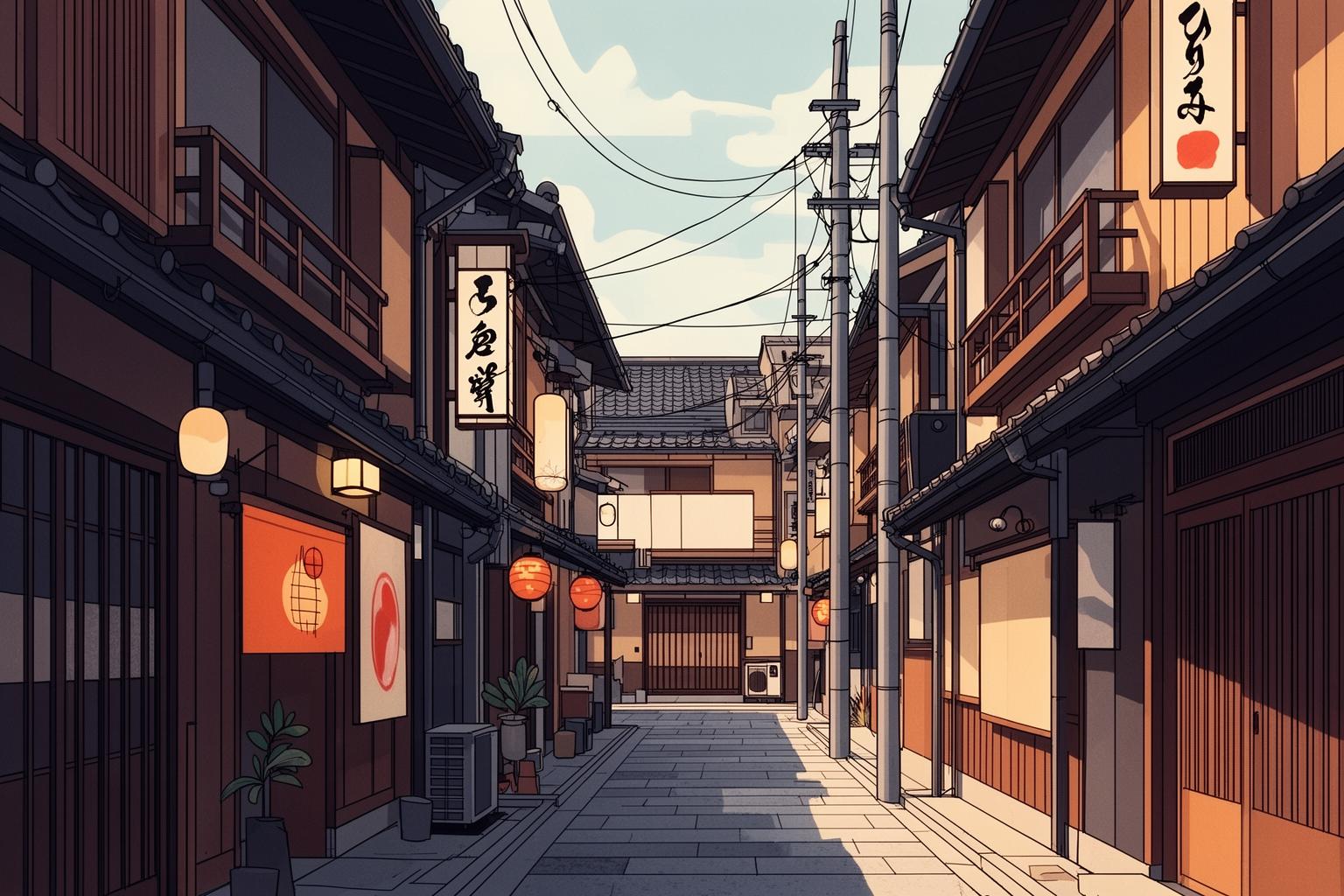
The first thing that strikes you about a yokocho is the intense physicality of the space. It’s an overwhelming experience for the senses, but in the most delightful way. The alleys are almost always narrow, sometimes barely wide enough for two people to pass side by side. This isn’t a design oversight; it’s the whole point. The confined area instantly dismantles personal boundaries. There’s no room for pretense when you have to turn sideways to let someone by or carefully tuck your bag under a tiny counter to avoid bumping into the person next to you.
Above, a tangled web of electrical wires and pipes stretches between rickety two-story buildings, many appearing unchanged since the 1960s. Signs, faded and sometimes handwritten, vie for attention, their kanji glowing under bare light bulbs. The ground is often uneven, slick from decades of foot traffic and who knows what else. All of this adds to a sense of organic, almost accidental, growth. Unlike the meticulously planned boulevards just meters away, the yokocho feels as if it simply happened, evolving naturally over time to serve the needs of its community.
This deliberate roughness fosters a unique social dynamic. The tiny venues—a six-seat oden bar, a standing-only yakitori spot—demand closeness. You’re not seated at a private table, isolated from others. You sit at a counter, elbow-to-elbow with salarymen loosening their ties, young couples on dates, and grizzled regulars who’ve occupied the same stool for decades. This shared space creates a temporary community. Conversations blend together, laughter spreads easily, and a sense of camaraderie grows throughout the meal. The architecture itself acts as a social catalyst, gently encouraging you to connect with those around you and engage with the collective energy.
The sensory experience is a vital part of this design. The air is thick with charcoal smoke from the grill, savory steam rising from a bubbling pot of stew, and the faint sweetness of sake. You hear the rhythmic clatter of kitchen tools, the sizzle of food hitting a hot griddle, and the murmur of dozens of conversations packed into a small space. It’s a dense, layered atmosphere that feels vividly alive. In a world of minimalist cafes and silent, formal dining rooms, the yokocho is a loud, messy, and joyful celebration of human presence. It reminds you that eating and drinking are, fundamentally, communal acts.
Echoes of the Showa Past
To truly grasp the essence of the yokocho, you must trace its roots. These alleys are not merely charming historical recreations; they are the direct descendants of the yami-ichi, or black markets, that thrived during the harsh years immediately after World War II. With official supply chains broken and food rationed, these black markets became essential survival spots for ordinary Japanese citizens. They were chaotic, semi-legal centers of trade where everything from food and clothing to daily necessities was sold from makeshift stalls and shanties.
As Japan began to recover, these markets gradually took on a more formal shape. The shacks and stalls slowly transformed into permanent structures, evolving into the tiny bars and eateries found today. They clustered in overlooked spaces—along railway tracks, in narrow gaps between buildings—and continued to serve their original patrons: the working class. Here, laborers, construction workers, and office employees came to unwind after a long day. The food was inexpensive, hearty, and simple. The drinks were strong. The atmosphere was uncomplicated.
This history is embedded in the very fabric of the yokocho. The common presence of yakitori (grilled chicken skewers) and motsuni (stewed offal) originates from times of scarcity, when no part of the animal could be wasted. These dishes were born out of necessity, delivering maximum flavor and protein at minimal cost. The small, cramped spaces were all that proprietors could afford, and the close-knit, almost familial vibe offered comfort during uncertain times.
When you visit a classic yokocho like Shinjuku’s Omoide Yokocho (literally “Memory Lane”) or Shibuya’s Nonbei Yokocho (“Drunkard’s Alley”), you step into a living museum of the Showa Era (1926-1989). The worn wooden counters, the vintage beer posters on the walls, and the straightforward, hearty cuisine—all evoke a powerful sense of natsukashii, a deep and pleasant nostalgia. It’s a longing for a simpler, rougher, perhaps more communal Japan, a time before the economic bubble brought unimaginable wealth and gleaming glass towers. For many Japanese, visiting a yokocho is a way to connect with that cultural memory, even if they never lived it firsthand. It is a tangible link to the resilience and spirit of their parents’ and grandparents’ generations.
The Rituals of the Counter
Navigating a yokocho for the first time can feel intimidating. The spaces are cramped, the menus might be entirely in Japanese, and the etiquette is mostly unspoken. However, understanding the rhythm and rituals is key to fully enjoying the experience. It’s less about strict rules and more about a social dance.
The Art of the Squeeze
When you spot a spot that looks inviting, take a quick peek inside. If there’s an open seat or two at the counter, it’s usually fine to slide in. Don’t be surprised if you need to ask someone to move their coat or shift slightly—that’s expected. A simple “Sumimasen” (Excuse me) and a nod will suffice. Once seated, be mindful of your space. You’re now part of a very tight-knit ecosystem. Keep your bags tucked away and your elbows close to your body. The aim is to blend into the human tapestry of the counter, not to dominate it. A small bow or a quiet “Konbanwa” (Good evening) to acknowledge your neighbors goes a long way.
The Master of the House
In most of these tiny establishments, there is one person behind the counter orchestrating everything. This is the taisho (master) or mama-san. They are not just a chef or bartender; they serve as the host, conductor, and soul of the place. Your interaction with them, however brief, shapes your entire experience. Be patient—they’re likely juggling orders, cooking, pouring drinks, and chatting with regulars all at once. Make eye contact when you’re ready, but avoid shouting or waving your hands wildly. Observe the flow and see how others interact with them. A respectful, calm approach will earn warm service.
The Rhythm of Ordering
A yokocho evening follows a natural cadence. It starts with a drink, typically “Toriaezu, biru,” which means “For now, a beer.” This is a simple and effective way to begin while browsing the menu, often handwritten on strips of paper posted on the wall. Food is usually ordered in stages. Don’t order everything at once as you might in a larger restaurant. Start with one or two dishes and enjoy them with your drink. When ready, order another round. This encourages a slower, more deliberate pace, allowing the evening to be savored rather than rushed.
Get familiar with typical yokocho fare. Yakitori reigns supreme, but don’t hesitate to try various parts like kawa (skin), hatsu (heart), or tsukune (meatball). Motsuni, a rich, flavorful stew, reflects the yokocho’s resourceful past. In winter, oden—a comforting assortment of ingredients like daikon radish, boiled eggs, and fish cakes simmered in a light dashi broth—is the ultimate comfort food. Pointing to items is perfectly acceptable if you’re unsure; the taisho has seen it all before.
The Graceful Exit
Yokocho culture often includes hashigo-zake, or bar-hopping. You might have a few skewers and a beer at one spot, then move down the alley for a bowl of oden and some sake at another. Because seating is limited, it’s considered polite not to linger long after finishing, especially if others are waiting. When ready to leave, catch the taisho’s attention and say, “Okaikei onegaishimasu” (The bill, please). Payment is almost always at the counter, so carrying cash is advisable. A sincere “Gochisousama deshita” (Thank you for the meal) as you depart is a perfect way to close the experience. You’ve been a guest in their small home, and acknowledging their hospitality is an essential part of the ritual.
The Evolution of the Alley
While the image of the yokocho is firmly rooted in the smoky, Showa-era past, the concept itself remains dynamic. In recent years, Japan has witnessed a rise in what are often called “neo-yokocho.” These are contemporary takes on the classic alleyway experience, frequently located on the lower floors of new office buildings or designed as curated dining destinations.
These new-wave yokocho replicate the look of their predecessors—the narrow walkways, glowing lanterns, and tightly packed small establishments—but with a distinctly modern twist. The spaces are cleaner, the designs more deliberate (sometimes crafted by high-end interior design firms), and the culinary offerings more varied. Alongside traditional yakitori and izakaya dishes, you might discover tiny wine bars, craft beer pubs, gyoza specialists, or even Italian and Spanish tapas spots, all arranged to fit the yokocho model of counter seating and small plates.
Places like Tokyo’s Ebisu Yokocho or Shibuya’s almost theme-park-like Miyashita Park complex serve as prime examples. They are lively, energetic, and hugely popular with a younger crowd. They’ve successfully captured the vibrant, communal atmosphere of traditional yokocho while smoothing out some of the rough edges that might deter newcomers. The crowd tends to be more diverse, with a balanced mix of men and women, as well as a greater number of international visitors.
This evolution prompts an intriguing question about authenticity. Are these modern food halls truly yokocho? Purists might argue they lack the historic grit and the organic, well-worn feel of the originals. They can seem more like carefully designed products than places with souls shaped by decades of history. Nevertheless, they fulfill an important role. They introduce the core elements of yokocho culture—communal dining, shared spaces, bar-hopping—to a new generation. They act as gateways, providing an accessible entry point that might encourage people to later explore more traditional alleys. They demonstrate that the fundamental appeal of the yokocho—the yearning for connection in a dense urban setting—is timeless, able to be reimagined and revitalized for the 21st century.
The Joy of Getting Lost
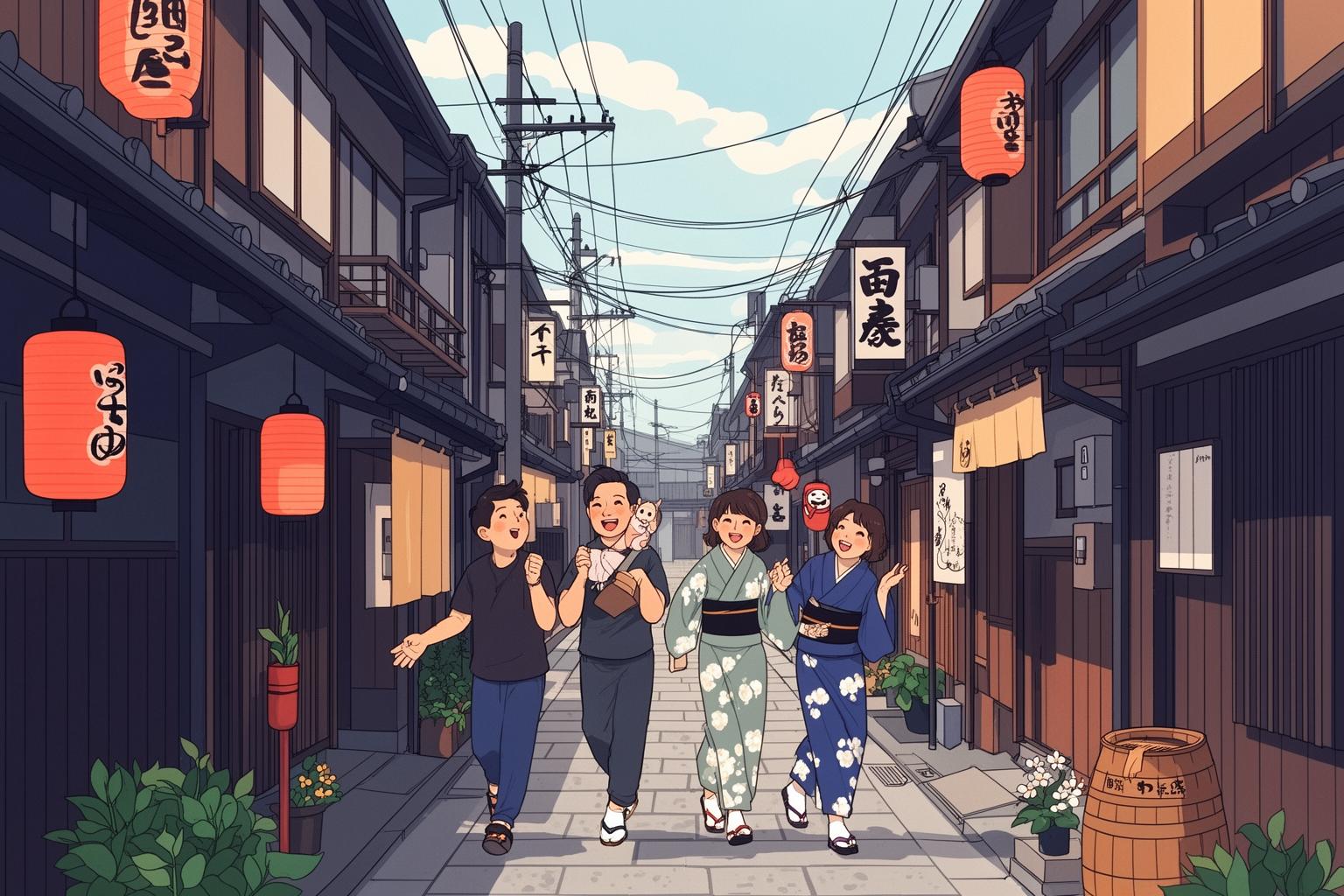
Ultimately, the yokocho is not a specific location to simply check off a list; it represents a spirit of discovery. While well-known alleys in Shinjuku, Shibuya, or Yurakucho are certainly worth visiting, some of the most unforgettable experiences happen by pure chance. They emerge from wandering the backstreets of neighborhoods like Kichijoji, Koenji, or Asagaya in Tokyo, or exploring areas around main stations in cities such as Osaka or Fukuoka.
Don’t hesitate to trust your instincts. Follow the scent of grilling charcoal. Follow the sound of laughter spilling out from a doorway draped with a simple cloth curtain, or noren. Take a peek inside. Does it seem welcoming? Is there an empty seat? The worst that can happen is that it’s full, or maybe a private members’ club (which is rare but possible). The best that can happen is you discover a hidden gem, a place run by a charming older couple where the food is simple yet perfect, and the other patrons are curious and friendly.
Embrace the uncertainty. Be ready to communicate with gestures. Be open to trying something unrecognizable. The yokocho rewards the curious. It invites you to step off the beaten path and connect with Japan on a more intimate, human level. It reminds us that in an era of globalization and homogenization, there are still corners of the world that remain stubbornly, beautifully, and deliciously unique. So put away your map, follow the lanterns, and allow yourself to get a bit lost. You might just discover exactly what you were seeking.