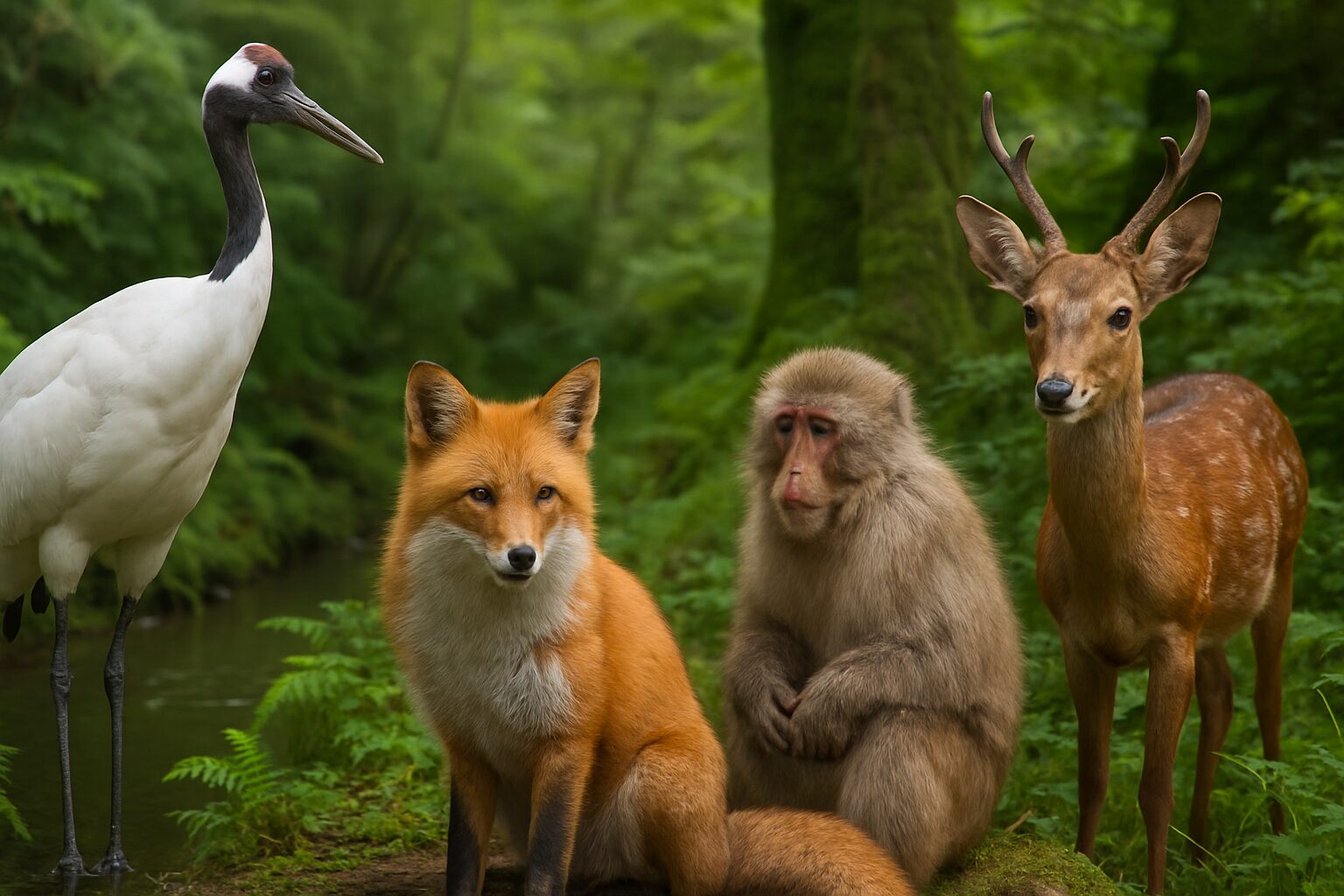
Yo, let’s have a real talk. When you picture Japan, what pops into your head? Neon-drenched streets of Tokyo? Serene temples in Kyoto? A bullet train so fast it feels like teleportation? For sure, that’s all part of the magic. But what if I told you there’s a whole other side to this country, a wilder, untamed Japan that’s straight-up breathtaking? We’re talking vast, raw wilderness where giants of the land and sea roam free, where ancient forests whisper secrets, and where creatures straight out of a fairytale live their best lives. It’s a Japan that’s less about cityscapes and more about mind-blowing landscapes. This isn’t just some niche side-quest; it’s a main event, a whole dimension of Japan that’s seriously slept on. Forget everything you thought you knew, because we’re about to dive deep into the country’s incredible natural world. This is your ultimate guide to Japan’s wildlife scene, from the frozen north to the subtropical south. It’s an adventure that hits different, a chance to see a side of this incredible nation that will redefine your travel goals. Get ready to explore the wild heart of Japan, for real.
If you’re looking to combine these incredible wildlife encounters with some breathtaking scenery, consider planning one of Japan’s epic hikes for a truly unforgettable adventure.
Hokkaido: The Last Frontier, For Real
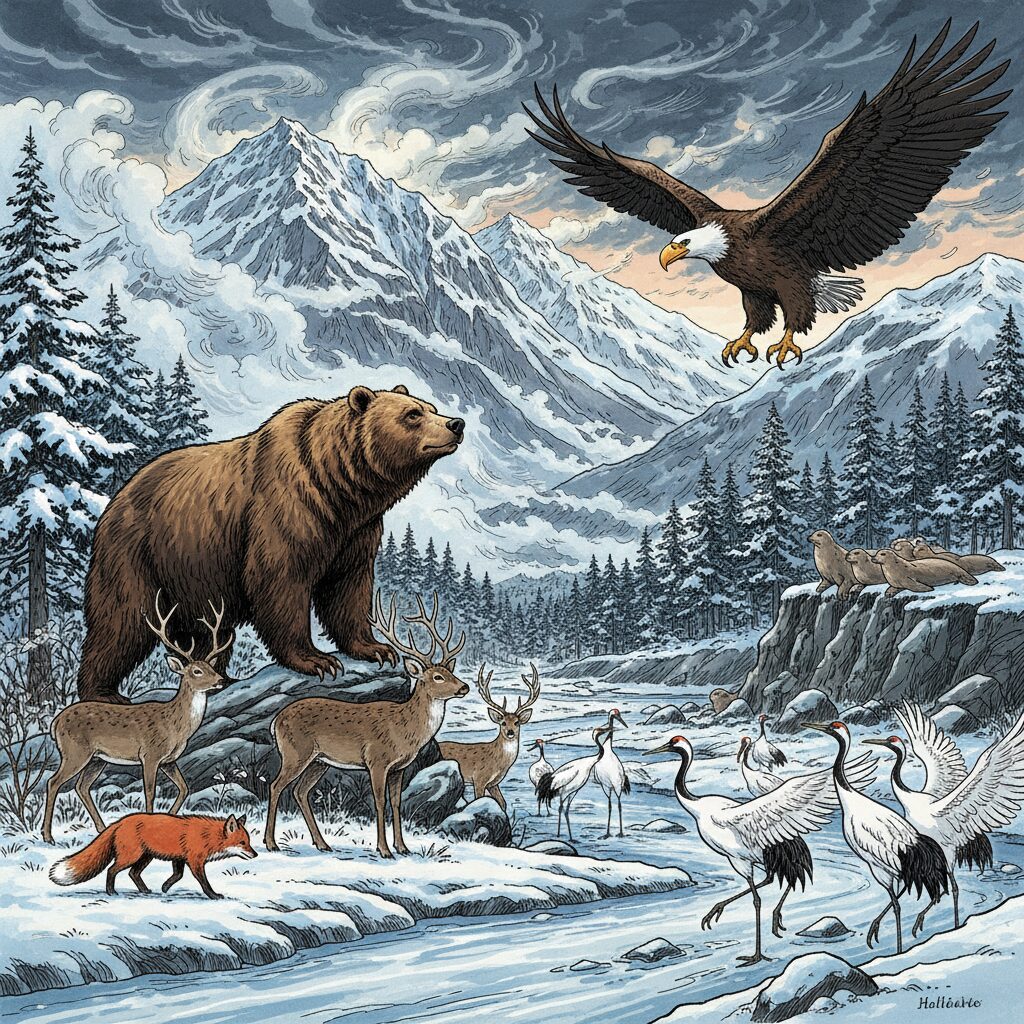
First stop, Hokkaido. This northern island is Japan’s wild child, the final frontier. Everything here is immense in scale. The sky seems vast, the mountains sharper, the forests deeper. It’s a place that feels ancient and powerful, where nature reigns supreme. The air is crisp and pure, infused with the scent of pine and distant snow. Visiting Hokkaido is like stepping into another country, one where life’s pace is set by the seasons rather than train timetables. It’s a land made for epic road trips, vast national parks, and some of the most amazing wildlife encounters imaginable. For anyone who thinks Japan is crowded, Hokkaido completely rewrites that narrative. In some areas, deer outnumber people, and the sense of freedom is utterly intoxicating. This is where Japan’s wildest heart beats strongest—a place of raw, untamed beauty that commands both respect and awe. It’s the perfect place to start our journey into the wild.
Shiretoko National Park: Where the Bears Roam Free
Let’s get straight to the point: Shiretoko is the GOAT. This remote peninsula, jutting into the icy Sea of Okhotsk, is a UNESCO World Heritage site for good reason. Its name comes from the Ainu language, meaning “the end of the earth,” and honestly, it lives up to that. This place is rugged, isolated, and brimming with life. The coastline is a dramatic mix of sheer cliffs and crashing waves, while the interior is a dense, primeval forest untouched by time. The atmosphere here is one of deep respect for nature. You’re not just a visitor; you’re a guest in a vibrant, living ecosystem. The air buzzes with an energy that tells you you’re in the presence of something truly wild.
The main attraction, the superstar of Shiretoko, is the Ussuri brown bear, or Higuma. This area holds one of the largest concentrations of brown bears in the world. But don’t worry; you won’t be wandering through the woods hoping for a chance encounter. The safest and best way to see these magnificent animals is from the water. Taking a wildlife cruise along the peninsula’s coast is a must-do experience. From the boat, you can watch bears patrolling the shoreline, foraging, and sometimes even see cubs playing near their mothers. Seeing a massive brown bear in its natural habitat, framed by Shiretoko’s dramatic cliffs, is a memory you won’t forget. It’s a humbling and awe-inspiring sight that showcases nature’s raw power.
But Shiretoko offers more than just bears. Keep your eyes open for graceful Sika deer wandering the beaches and sly red foxes, known as Kita Kitsune, moving through the grasslands. The birdwatching here is exceptional. In winter, the drift ice flowing down from Siberia transforms the landscape into a dramatic, otherworldly scene. This ice attracts an incredible spectacle: Steller’s sea eagles and white-tailed eagles. These enormous birds have wingspans that nearly blot out the sky as they perch on ice floes, scanning the freezing water for prey. It’s a photographer’s dream and a nature lover’s haven. To get the most out of your visit, come in summer (June to September) for the best bear-watching boat tours. For the eagles and drift ice, you’ll need to brave the winter cold (February to early March). The main hub for tours is the town of Utoro. Remember, this is truly wild territory, so always follow your guides, keep a respectful distance from wildlife, and never feed the animals. This is their home, and protecting its integrity is essential.
Kushiro Shitsugen: Crane Watching on Another Level
From Shiretoko’s rugged coast, we head inland to a very different world: Kushiro Shitsugen National Park. This is Japan’s largest marshland, a vast, flat expanse of reeds and rivers stretching to the horizon. The atmosphere here is one of profound tranquility and quiet beauty. In summer, it is a sea of green alive with buzzing insects and the calls of hidden birds. But in winter, this landscape transforms into something magical. A blanket of snow silences the land, while a mystical morning mist often rises from the rivers, evoking an ethereal, ink-wash painting scene. It’s a place that invites you to slow down, breathe deeply, and just observe.
The undisputed stars of this wetland are the Red-crowned Cranes, or Tancho. These birds are iconic symbols of Japan, representing longevity, luck, and fidelity. They are breathtakingly elegant, with pure white plumage, black flight feathers, and a striking red patch on their crown. Though once thought extinct in Japan for much of the 20th century, dedicated conservation work has brought them back, with Kushiro at the center of their revival. Seeing them is deeply moving. In winter, they gather at feeding stations where you can witness their famous courtship dance—bowing, leaping into the air, calling to each other, and tossing sticks in a display of pure graceful energy. It’s a natural ballet set against pristine snow, so beautiful it almost seems unreal.
To witness this spectacle, visit one of the dedicated sanctuaries, such as the Tsurui-Ito Tancho Sanctuary or the Akan International Crane Center. These sites provide food for the cranes during harsh winters, ensuring sightings are nearly guaranteed from December to February. It gets extremely cold here, so dress in serious thermal layers—gloves, a warm hat, and insulated boots are essential. Kushiro city, with its airport and train station, offers the easiest access. While cranes are the star attraction, the marshland is also home to other fascinating creatures, including Sika deer, red foxes, and even large Steller’s sea eagles during winter. Kushiro Shitsugen presents a different kind of wild experience—less about thrills and more about quiet wonder and the profound beauty of survival.
Whale Watching off Rausu and the Nemuro Strait
Returning to the coast, this time we visit the eastern side of the Shiretoko Peninsula, near the town of Rausu. This salty fishing port faces the Nemuro Strait, a deep channel of nutrient-rich water separating Hokkaido from the disputed Kuril Islands. The atmosphere is rugged and authentic. It’s a working town where the sea is the heartbeat. The air smells of salt and diesel, and the bustling docks are alive with activity. Boarding a boat here feels like joining a genuine maritime expedition rather than a typical tourist outing. The excitement of heading out into cold, open waters to see some of the ocean’s most intelligent giants is palpable.
The Nemuro Strait is a world-class spot for cetacean watching. Its deep, cold waters trigger a feeding frenzy that draws a remarkable variety of marine life. From late spring to autumn, it’s one of the best places globally to see sperm whales. These deep-diving giants, the largest of the toothed whales, come here to feed. Seeing one surface, exhale a huge spray from its blowhole, then lift its massive tail flukes before diving back down is a memory that lasts forever. But that’s not all. The area is also famed for pods of orcas. Witnessing their distinctive black-and-white dorsal fins slicing through the water is exhilarating. These powerful, highly intelligent predators are a privilege to observe in their natural habitat. You might also spot pods of lively Dall’s porpoises, which often bow-ride the boats, along with several species of beaked whales.
The prime whale and dolphin watching season in Rausu runs from May to September. Different species are more common at various times, so check with tour operators for the latest sightings. Local guides run the tours and know these waters intimately. They’re passionate about the marine life and committed to responsible viewing. A word of caution: the sea here can be rough, and weather changes rapidly. Even in summer, it can be cold and windy offshore. Dress warmly in waterproof layers, and if prone to seasickness, take remedies beforehand. This is a true adventure—a chance to witness the ocean’s top predators in one of the world’s most dramatic marine environments.
Honshu’s Hidden Wilds: Beyond the Golden Route
Leaving the vast expanse of Hokkaido behind, we travel to Honshu, Japan’s primary island. Here, you’ll encounter the bustling megacities of Tokyo and Osaka alongside the cultural treasures of Kyoto. While it might seem like nature takes a backseat in this region, nothing could be further from the truth. Hidden within the island’s mountainous spine and rugged coastlines are pockets of wilderness that rival the beauty and vibrancy of Hokkaido. The best part? Many of these natural havens are surprisingly easy to access, making for an unforgettable detour off the main tourist path. It’s time to discover Honshu’s wild side—a realm of snow-bathing monkeys, mythical mountain creatures, and ancient forests just moments away from the shinkansen lines.
Jigokudani’s Snow Monkeys: The Original Spa Influencers
You’ve probably seen the famous photos: fluffy monkeys with bright red faces relaxing in steamy hot springs as snow softly falls around them. This iconic image of Japan is entirely real. Welcome to Jigokudani Yaen-Koen, or Snow Monkey Park, nestled in the mountains of Nagano Prefecture. The name Jigokudani, meaning “Hell’s Valley,” refers to the steep cliffs and bubbling hot water that produce clouds of steam. But for the Japanese Macaques that live here, it’s more like paradise. The atmosphere is surreal. After walking through a tranquil forest trail, you suddenly find yourself in a mystical, foggy valley surrounded by dozens of monkeys going about their daily lives. Unbothered by human visitors, they groom one another, chase each other playfully, and luxuriate in their very own hot spring baths.
This behavior is unique to this troop of monkeys, who learned to use the hot springs to keep warm during harsh winters—a tradition passed down through generations. It’s a remarkable example of animal adaptation. Watching them is endlessly captivating. You’ll see old monkeys meditating in the steam and tiny babies with wide, curious eyes clinging to their mothers. Their interactions are amusing, adorable, and surprisingly human-like. This isn’t a zoo; the monkeys are wild and free, coming and going as they please. The park simply offers a safe environment for them to gather and for us to observe without disturbing their natural life.
The best time to visit is definitely winter (December to March), when the valley is blanketed in snow. The striking contrast of white snow and steaming onsen creates those classic photographs. To reach the park, take a bus from Nagano or Yudanaka, then walk 25-30 minutes along a forest path. In winter, this path can be icy and slippery, so sturdy, waterproof boots with good traction are essential. The park can get crowded, so arriving early enhances the chance for a more peaceful experience. It’s a popular tourist destination, but one that fully lives up to the hype. This unique wildlife encounter is truly one of a kind.
The Japanese Alps: Serows, Ptarmigans, and Epic Hikes
Spanning the center of Honshu is the majestic Japanese Alps, a formidable mountain range featuring soaring 3,000-meter peaks, deep gorges, pristine rivers, and alpine meadows teeming with wildflowers. The atmosphere here exudes grandeur and invigorating adventure. The crisp, clean air feels refreshing with every breath, cleansing the soul. This is a paradise for hikers, climbers, and anyone drawn to the mountains. For those patient and observant enough, it’s also a sanctuary for spotting some of Japan’s most elusive and fascinating wildlife.
This is no place for guaranteed wildlife sightings on a guided tour—it’s about earning your encounter. While trekking beautiful trails like Kamikochi or the Tateyama Kurobe Alpine Route, stay alert for unique creatures. One you might be fortunate enough to see is the Japanese Serow, or Kamoshika. This enigmatic animal resembles a blend of goat and antelope, with thick grey fur, short horns, and impressive agility on rugged cliffs. Recognized as a “Special Natural Monument” in Japan, the Serow carries a mythical, almost spiritual presence. Spotting one perched stoically on a distant cliff is a truly special experience.
Above the treeline lives another remarkable resident: the Raicho, or Rock Ptarmigan. This bird is a camouflage expert—brown and grey in summer, turning brilliant white in winter to blend into the snow. In local folklore, the Raicho is revered as a sacred messenger of the gods, and its survival signals the health of the alpine ecosystem. Seeing one, especially with a brood of chicks, feels like being let in on a mountain secret. For the best chances of encountering these animals, devote time to hiking during the main season from July to October. Prepare for rapidly changing mountain weather by packing layers, rain gear, and plenty of water. Wildlife watching in the Japanese Alps is about immersing yourself in nature and being rewarded for patience and effort. It offers a deeper, more personal connection to Japan’s wild heart.
The Southern Isles: Subtropical Paradise and Ancient Beasts
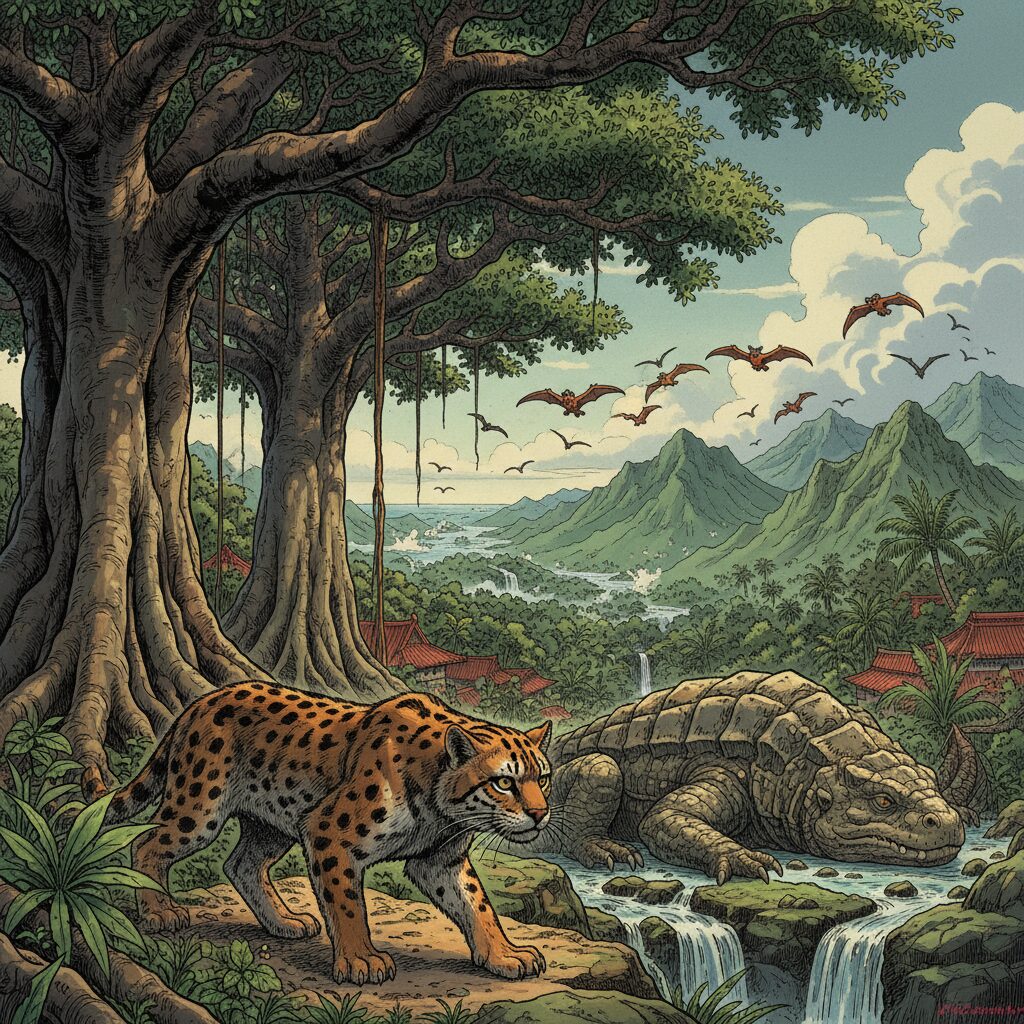
Let’s completely shift the scenery. We’re heading far south to the islands scattered across the ocean beneath Japan’s main archipelago. Here, Siberia’s cold winds give way to warm, humid tropical breezes. The landscape morphs from snowy mountains to lush subtropical rainforests and turquoise waters edged by white sandy beaches. The atmosphere is relaxed, enchanting, and ancient. This is a Japan that feels more like a South Pacific paradise, filled with vibrant coral reefs, mystical forests, and unique island ecosystems harboring species found nowhere else. It’s a stunning testament to the remarkable biodiversity packed into one nation.
Yakushima Island: A Princess Mononoke Fantasy
If you’ve ever watched Studio Ghibli’s masterpiece ‘Princess Mononoke’ and wished a place like that truly existed, it does—it’s called Yakushima. This small, mountainous island south of Kyushu is a UNESCO World Natural Heritage site, and stepping there feels like entering another realm. The atmosphere is utterly magical. The island boasts a dense, ancient cedar forest of Yakusugi trees, some thousands of years old. Everything—the trees, rocks, and ground—is blanketed in a thick, vibrant green moss. Mist hangs perpetually, filtering sunlight and imparting a profound sense of timeless serenity. This is a deeply spiritual land that feels alive, breathing, and ancient.
Yakushima is home to two special endemic residents: the Yakushima Macaque and the Yaku Sika Deer. These subspecies are smaller and often furrier than their mainland counterparts. What’s remarkable is their unique relationship with each other and their complete lack of fear toward humans. You’ll encounter them everywhere. As you drive or hike, deer will calmly graze roadside while monkeys relax in the trees or groom one another just feet away. It’s common to see monkeys riding on deer backs, a curious behavior that has intrigued scientists and delighted visitors for years. The best place to witness this is along Seibu Rindo, a narrow, winding forest road on the island’s west side through the core UNESCO zone. Here, you truly feel like a silent observer in their world. They own the island; we’re simply fortunate guests.
To fully experience the magic, you must hike. Trails range from easy strolls to multi-day treks into the mountainous interior to visit the oldest cedars, like the legendary Jomon Sugi. Prepare for rain—locals joke it rains “35 days a month.” High-quality waterproof gear—jacket, pants, boots—is essential. Don’t be deterred by the rain; it’s what makes the forest so lush and mystical. To get to Yakushima, you can fly from major cities like Osaka or Fukuoka, or take a high-speed ferry from Kagoshima on the mainland. The journey requires effort, but the reward is an experience like stepping into a living fairy tale.
Okinawa & the Kerama Islands: Finding Nemo, Real Life
Our final stop is Japan’s southernmost prefecture, Okinawa. This island chain is Japan’s tropical paradise, boasting its own unique culture, history, and ecosystem. The vibe is pure bliss. Think crystal-clear turquoise waters, vibrant coral reefs, and a laid-back island rhythm that invites relaxation. While Okinawa’s main island has plenty to offer, the best underwater wildlife experiences await on the ferry ride to Kerama Islands National Park, a small archipelago just an hour from the capital, Naha.
The true highlight lies beneath the waves. The Keramas are famed for their stunning water clarity—the signature “Kerama Blue”—and rich marine biodiversity. Here, you can live your ‘Finding Nemo’ dreams. Snorkeling and diving tours reveal a vibrant underwater world filled with life. You’ll swim alongside abundant sea turtles, especially around Tokashiki and Zamami islands. Gliding over healthy coral reefs, you’ll encounter hundreds of colorful tropical fish like clownfish, butterflyfish, and parrotfish—an utterly mesmerizing sight. For divers, there are opportunities to see larger creatures such as manta rays at certain cleaning stations.
The underwater spectacle shifts with the seasons. From late January to March, the Kerama waters become a nursery for humpback whales. These gentle giants journey from Alaska’s frigid seas to breed and calve here. Whale-watching tours during this time are a must. Hearing a whale’s powerful breath and witnessing its massive body breach the surface is a moment of awe-inspiring wonder. It’s a vivid reminder of the incredible life cycles connecting our oceans. When visiting, please act responsibly. The coral reefs are fragile—use reef-safe sunscreen, never touch or step on coral, and choose eco-conscious tour operators. The Kerama Islands offer a sun-drenched, salt-kissed finale to our exploration of Japan’s wild side, showcasing the nation’s stunning natural diversity.
The Nitty-Gritty: Your Wildlife Tour Starter Pack
Alright, you’re excited and ready to go. But before you book that flight, let’s go over a few practical details. Proper planning can be the difference between a good trip and an unforgettable adventure. Consider this your cheat sheet for a smooth Japanese wildlife experience.
When to Go: A Seasonal Overview
Japan experiences four very distinct seasons, and the best time to visit depends on what you want to see. There’s no single “best” season; it’s all about aligning your trip with the wildlife calendar.
- Winter (December – March): This is prime time for Hokkaido’s most iconic sights. Visit Kushiro for the dancing Red-crowned Cranes and Shiretoko for the magnificent Steller’s sea eagles on the drift ice. On Honshu, winter is the best time to see Jigokudani’s snow monkeys enjoying their hot spring spa. In Okinawa, it’s peak season for humpback whale watching.
- Spring (April – May): A transitional season when snow melts and forests burst with fresh green growth. It’s a beautiful time for hiking at lower elevations, and you might catch migratory birds returning. Generally, it’s a pleasant time to be outdoors before summer’s heat and humidity arrive.
- Summer (June – August): The heat is on, and so is wildlife activity. It’s the best season to see brown bears along Shiretoko’s coast and the peak time for whale and dolphin watching in Rausu. The Japanese Alps open for high-altitude hiking, offering chances to spot serow and ptarmigan. Plus, it’s ideal for diving and snorkeling in Okinawa’s warm waters.
- Autumn (September – November): Temperatures cool, humidity drops, and the forests burst into vibrant reds, oranges, and yellows. This is arguably Japan’s most comfortable and beautiful hiking season. Wildlife is often active, foraging before winter. It’s an excellent season for exploring national parks.
What to Pack: The Essentials
Packing for a trip that spans snowy Hokkaido to tropical Okinawa requires some planning. Layers are key.
- Gear: A quality camera with a good zoom lens is essential since wildlife is often far away, and phone cameras might not suffice. Binoculars are invaluable for close-up views without disturbing animals. A portable battery charger is crucial, as cold weather quickly drains batteries.
- Clothing: Waterproof gear is a must. A high-quality waterproof and windproof jacket is essential, along with waterproof pants and shoes or boots, especially for Yakushima and winter trips. Layer underneath with a base layer (like merino wool), a mid-layer (such as fleece), and an outer shell for adapting to changing conditions. Don’t forget a warm hat, gloves, and scarf for winter.
- Miscellaneous: In summer, insect repellent is recommended. Sunscreen, sunglasses, and a hat are necessary year-round as the sun can be strong even in winter. Carry some Japanese Yen in cash since rural areas and small operators may not accept credit cards. And, of course, pack any personal medications you need.
A Word on Ethics: Be a Respectful Visitor
This is the most important part. We are guests in these animals’ homes, and it is our duty to treat them and their environment with the highest respect. Responsible wildlife tourism ensures these amazing experiences remain possible for future generations.
- Keep Your Distance: This is rule number one, especially with large animals like bears. Use your zoom lens and binoculars to observe from afar. Never approach wildlife, and if an animal changes its behavior due to your presence, you are too close.
- No Feeding: Never feed wild animals. It harms their health, creates dependency on humans, and can lead to dangerous situations. Keep your food securely packed away.
- Leave No Trace: Take everything you bring with you when you leave. Don’t leave any trash behind, and stick to designated trails to protect fragile ecosystems.
- Choose Reputable Operators: Book tours with companies committed to conservation and ethical wildlife viewing. Good guides prioritize animal welfare over getting a closer photo.
- Be Quiet: Loud noises stress animals. Speak softly and avoid sudden movements. The quieter you are, the more likely you’ll see wildlife behaving naturally.
Observing wildlife in its natural environment is a rare privilege. By following these simple guidelines, we can minimize our impact and help keep Japan’s wild places truly wild.
A Final Thought
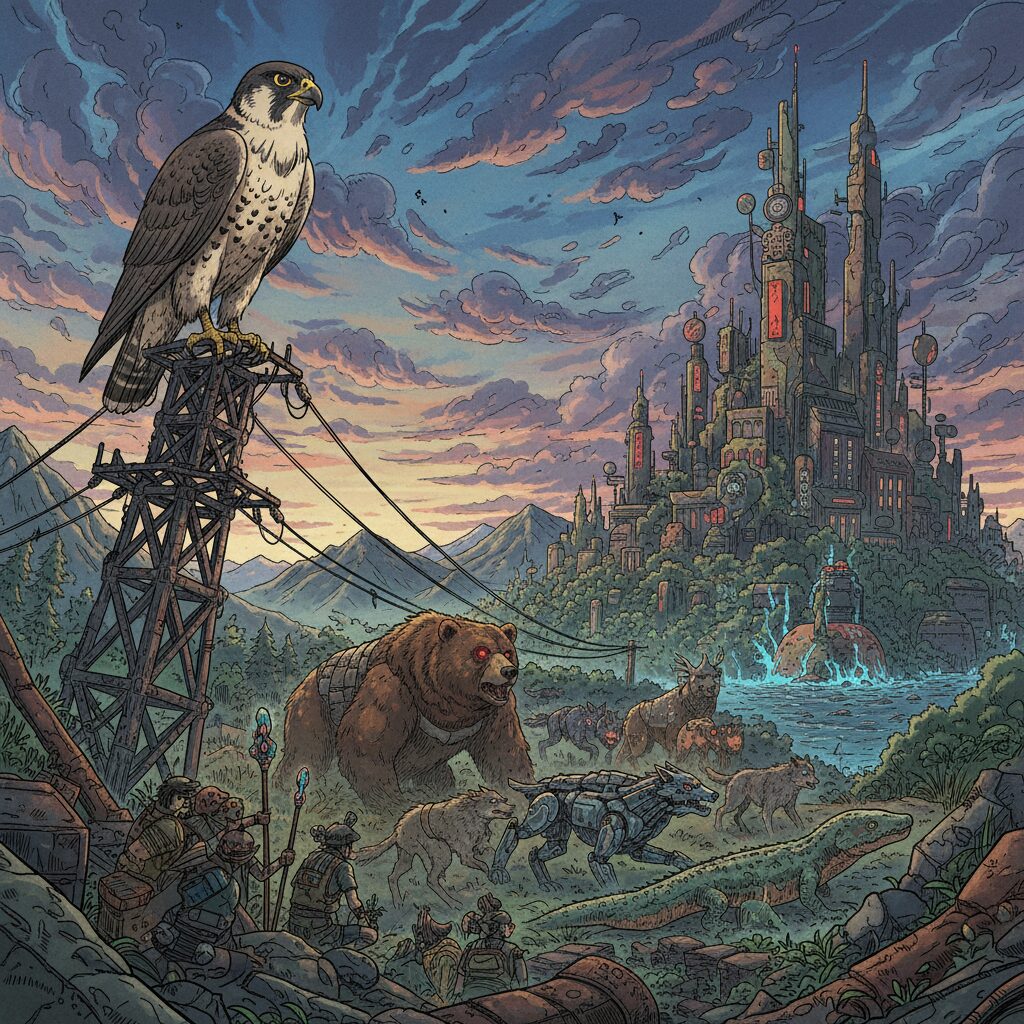
Japan is a land of striking contrasts, where cutting-edge technology and age-old traditions exist in seamless harmony. As we’ve observed, it is also a place where vibrant, neon-lit cities give way to some of the most awe-inspiring and pristine wilderness on the planet. Exploring Japan’s wild side goes beyond simply checking off animal sightings; it’s about reconnecting with nature, experiencing the raw force of untamed landscapes, and witnessing moments of genuine, unscripted magic. It’s about sensing the awe-inspiring presence of a massive bear, the graceful elegance of a dancing crane, and the timeless wisdom embodied by a millennia-old tree. This aspect of Japan leaves a lasting impression, lingering with you long after you’ve returned home. So, on your next journey, dare to explore beyond the well-trodden golden route. An entirely different world awaits—a wilder Japan, eager to be discovered.