Yo, what’s the deal, jet-setters! It’s your girl Sofia, coming at you straight from the land of neon dreams and mind-bending convenience. So, you’ve been to Japan. You’ve snapped the cherry blossoms, navigated the Shibuya Scramble, and maybe even bowed back to a deer in Nara. You think you’ve got the vibe down. But then you turn a corner in some quiet residential neighborhood, and BAM. There it is. A glowing box on the side of the road, humming softly in the night. It’s not selling Coke or green tea. It’s selling… flying fish broth? Hot ramen in a can? A bouquet of flowers? Maybe even… edible insects? For real, that first encounter with a truly bizarre Japanese vending machine is a core travel memory. It’s that moment you stop and think, “Okay, what is actually going on here?” It’s a question that goes way beyond just ‘quirky Japan.’ It’s a legit rabbit hole into the country’s soul, and today, we are jumping in headfirst. We’re not just gonna catalogue the weirdness; we’re gonna spill the tea on why this culture of extreme automation exists. Why can you buy a hot meal from a machine that looks older than your parents, and why does it feel so… normal here? Get ready, ’cause we’re about to decode the matrix of Japan’s vending machine universe. It’s not just about what you can buy; it’s about what it says about the society that created it. This ain’t your basic travel guide; this is the deep dive you’ve been searching for. Let’s get it.
If you think vending machines are the peak of Japan’s quirky automation, wait until you meet the uncanny mascots guarding its tallest tower.
The Vending Machine Gospel: Decoding Japan’s Obsession with Automation
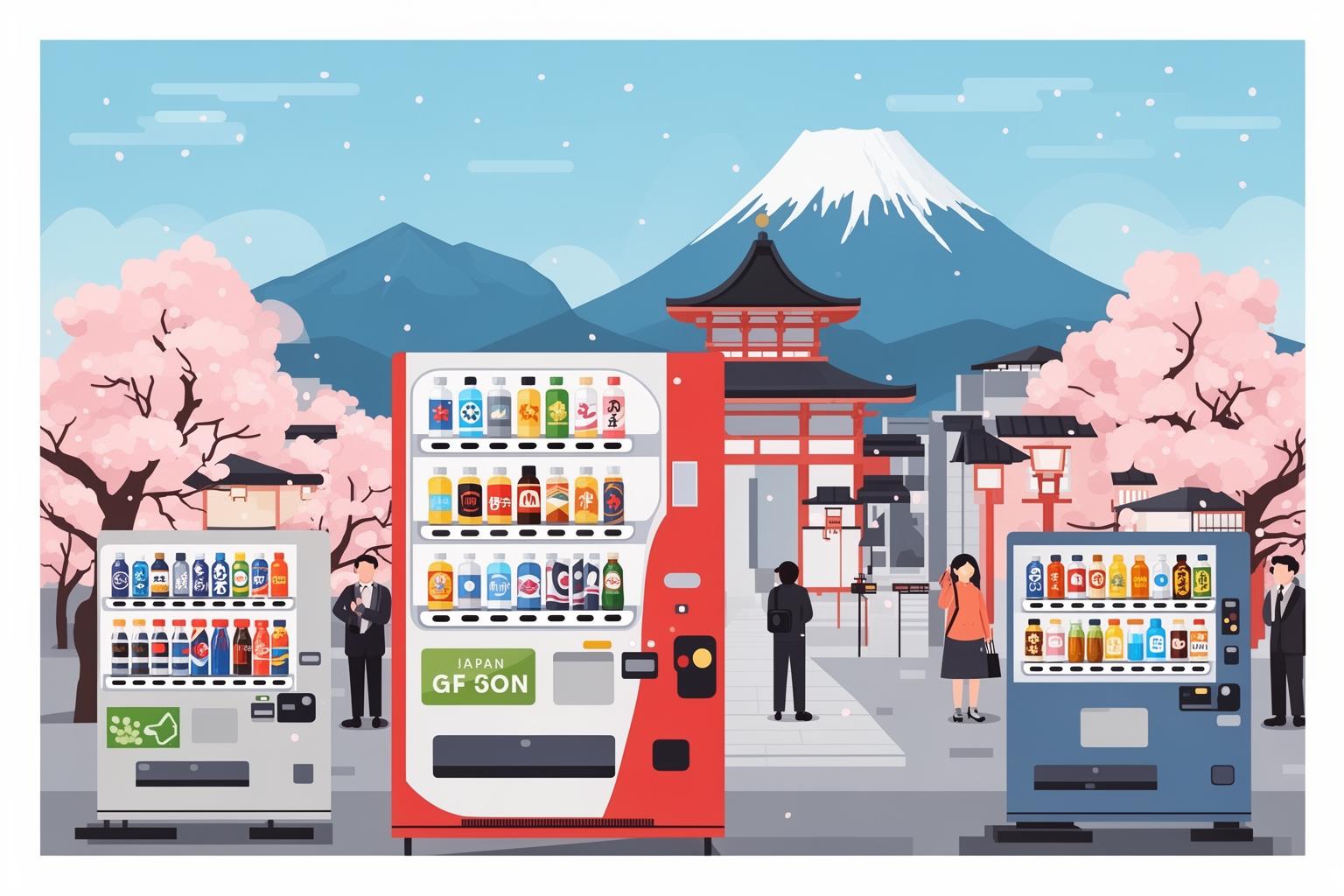
Before we dive into the crispy-fried crickets and canned bread, we need to address the big question: why are there an estimated 4 million vending machines in Japan? That’s roughly one for every 30-something people. It’s astonishing. You’ll find them everywhere—in bustling city centers, along remote mountain paths, and tucked away in the quietest suburban alleys. The answer isn’t straightforward; it’s a unique blend of history, sociology, and economics that defines Japan.
A Legacy of Labor and Efficiency
Let’s take a step back. Picture post-war Japan. The nation was rebuilding at a dizzying pace, experiencing an unprecedented economic boom. Alongside this growth came a serious challenge: a persistent labor shortage. Factories were operating at full capacity, cities were expanding rapidly, but there weren’t enough workers to man all the shops and service counters needed to provide around-the-clock food and drink. The fix? Automation. The first modern vending machines emerged as a revolutionary solution. They were the ideal workers: never calling in sick, needing no breaks, and able to operate 24/7. This drive for efficiency is embedded in Japanese culture. It’s the same mentality behind the Shinkansen bullet train and just-in-time manufacturing. Why employ a person to sell drinks all day when a machine can do it perfectly? This approach isn’t considered cold or impersonal but smart, practical, and highly efficient. Over time, this mentality has deepened, turning vending machines into a ubiquitous means of retail.
The Social Contract of Safety and Trust
But wait—most countries couldn’t just place millions of vending machines full of cash and goods on every street corner without them being vandalized or stolen from within minutes. This is where a crucial factor comes in: Japan’s exceptionally low crime rate. There’s a deeply rooted social contract, a public trust and respect for property that can be astonishing to outsiders. People generally don’t vandalize or steal. Vending machines aren’t viewed as targets; they’re accepted as public infrastructure, like mailboxes or bus stops. They exist for everyone’s convenience, supported by an unspoken collective agreement to leave them unharmed. This foundation of safety is the cornerstone of Japan’s vending machine network. Without it, the system would fail. It’s proof of a society that largely trusts its members to do the right thing, even when unobserved.
The Economics of a Small Footprint
Now, let’s consider the economics. Real estate in Japanese cities is notoriously pricey. Renting even a small storefront can be prohibitive for many small businesses. Vending machines, however, occupy only about a square meter and require only an electrical outlet. This makes them an exceptionally attractive business model. For example, farmers can sell fresh eggs directly to customers without the overhead of a shop, and famous ramen shops can offer frozen meal kits 24/7 to customers who can’t visit during business hours. It’s a low-risk, highly efficient way to run a micro-business. Often, you’ll spot these machines right outside existing businesses—a butcher might vend frozen gyoza, or a bakery might sell bread after hours. It’s a brilliant extension of their business, a silent salesman that never sleeps.
The Psychology of a Cash-Based Culture and Solitude
There’s also a psychological dimension. Until recently, Japan was primarily a cash-based society. People carry coins and small bills—which happen to be perfect for vending machine transactions. The process is quick, straightforward, and requires exact change, something most people carry. Beyond that, there’s a cultural preference for non-interaction. While Japanese customer service is renowned for its politeness, sometimes people just don’t want to engage socially. After a long day, when you’re in a rush or simply not in the mood for chit-chat, vending machines provide a moment of pure, straightforward transaction. No small talk or awkward eye contact—just you, the machine, and the satisfying clunk of your purchase dropping into the tray. It’s a private, personal, and refreshingly simple experience that fits seamlessly into the rhythm of everyday urban life in Japan.
Beyond the Basic Beverage: An Expedition into the Bizarre
Alright, now that we’ve clarified the “why,” let’s dive into the exciting part: the “what the heck?” We can categorize these delightfully unusual machines into a few primary groups, each reflecting a unique aspect of modern Japanese life. This isn’t merely a random assortment of oddities; it’s an ecosystem of automated retail catering to every conceivable need and whim.
Category A: The Hyper-Local Heroes
This category is quietly my favorite because it feels so authentic. These machines connect you directly to the local community and its produce, showcasing regional pride and a desire for farm-to-table freshness—even if the ‘table’ is just a tiny apartment kitchen.
Fresh From the Farm
Travel through the Japanese countryside, and you’ll spot them: humble, sometimes slightly rustic vending machines lining the roadside. These don’t vend Pocari Sweat; instead, they offer fresh eggs from nearby farms. You might also find locally grown rice, crisp apples, or bunches of green onions. These machines serve as vital sales channels for small farmers, letting them reach customers directly without the need for market stalls. The concept is elegantly simple: the chickens laid the eggs this morning, and now you can pick them up on your way home. Trust is implicit—there’s no one verifying quality; you just rely on the farmer’s integrity. It’s a modern take on the classic honesty-box farm stand, enhanced by the convenience of automation.
The Dashi Dilemma: Broth in a Bottle
This one really grabs attention—a vending machine dispensing bottles of dashi, the essential broth in Japanese cooking. You’ll find these in some cities, especially Hiroshima. The most renowned machines sell ago-dashi, a broth made from grilled flying fish. The bottles are visually striking, featuring a whole grilled fish submerged in amber liquid. What’s the story here? Firstly, making authentic dashi is time-consuming. This offers a high-quality, artisanal shortcut for home cooks seeking genuine flavor without the hassle. Secondly, it’s a savvy marketing tactic for local producers, transforming a regional specialty into a convenient, memorable souvenir. Both tourists and locals can grab a bottle 24/7. It exemplifies how vending machines celebrate and distribute local culinary heritage. It may seem odd at first, but once you grasp dashi’s importance in Japanese cuisine, it all makes perfect, delicious sense.
Category B: The Urban Survival Kit
This category addresses the realities of life in Japan’s sprawling, fast-moving megacities. These machines are the unsung heroes of urban life, supplying essentials to salarymen, office workers, and anyone caught off guard by the city’s relentless pace.
The Salaryman’s Savior
Imagine you’re a salaryman in Tokyo after a 12-hour workday, followed by mandatory drinks with your boss, and you’ve just missed the last train home. You’re staying at a capsule hotel or manga café, but you have a key meeting at 9 AM. Your shirt is wrinkled and carries a faint yakitori smoke scent. What do you do? You find a vending machine selling fresh, neatly folded business shirts—and maybe a new tie and socks, too. Seriously. These lifesavers are strategically placed in business districts and near major train stations. They respond directly to Japan’s intense work culture, where appearance matters and long hours are standard. They silently acknowledge the grind, serving as a small but vital cog in the massive machine of corporate life, helping people look polished regardless of what happened the night before.
When the Sky Opens Up
Japan’s weather can be unpredictable, especially in the rainy season. You might leave home under clear skies only to be caught in a heavy downpour an hour later. While convenience stores stock umbrellas, so do dedicated vending machines found outside train stations and office buildings. The utility is clear—it’s about anticipating needs and automating solutions. This reflects Japan’s deep culture of preparedness. It’s not just convenience; it ensures society’s flow isn’t interrupted by something as minor as rain. Anyone can grab an umbrella, stay on schedule, and keep the city moving. It’s a small detail, but it reveals a lot about the collective focus on smooth, uninterrupted daily life.
Category C: The Culinary Curiosities
Now for the weird stuff—the category behind viral videos and endless blog posts. These machines offer everything from full hot meals to snacks that challenge Western tastes, ranging from nostalgic relics to modern food-tech experiments.
A Blast from the Past: The Retro Food Machines
In some parts of Japan—often rural rest stops or retro arcades—you’ll encounter a special kind of vending machine. These aren’t sleek or digital but mechanical relics from the Showa Era (1926-1989), lovingly maintained by their owners. They dispense hot, surprisingly tasty meals like udon, ramen, toasties, or even cheeseburgers in warm, soggy boxes. The experience is pure nostalgia. Insert coins, watch a Nixie tube timer count down, and a steaming meal slides out moments later. These machines are pilgrimage spots for many Japanese, reconnecting them with childhood memories. They date back to a time before 24-hour convenience stores, when vending machines were often the only late-night meal option. Keeping them alive is a labor of love supported by passionate communities. Eating vending machine udon isn’t just about food—it’s about connecting with post-war Japanese history.
Emergency Rations as Daily Snacks: The Canned Bread Phenomenon
Another curious staple is canned bread, or pan no kanzume. Found in machines in places like Akihabara and tourist areas, the bread comes in flavors like chocolate chip or butter and boasts a long shelf life. Its origin is serious: Japan’s frequent natural disasters like earthquakes and typhoons mean emergency preparedness is vital, and long-lasting, ready-to-eat food is essential. Canned bread was developed as emergency rations. So why vending machines? It’s a brilliant example of Japanese ingenuity and marketing—normalizing emergency supplies by making them accessible and intriguing. People buy out of curiosity, try it, and become familiar with the product. It cleverly encourages stocking up for disasters by turning a practical item into a quirky treat disguised as snack food.
The Buzzworthy Snack: Edible Insects
Believe it or not, packaged edible insects—crispy crickets, roasted diving beetles—are available from vending machines aimed at adventurous eaters. Though insect-eating isn’t mainstream in Japan, it has historical roots in some rural areas. Today, it’s reframed through sustainability and alternative protein lenses. These machines blend novelty with social experimentation, playing perfectly into the “weird Japan” stereotype and racking up social media attention. At the same time, they introduce a serious concept—the future of food—in a casual, accessible way. No need for specialty restaurants; you can discreetly buy a small packet for a few hundred yen. It’s shock value paired with eco-consciousness.
Category D: The Niche and The Novelty
The final category celebrates Japan’s love for hobbies, collecting, and pure fun. These machines don’t serve practical survival needs; they exist solely to bring joy, surprise, or niche convenience into daily life.
Gachapon: The Art of the Capsule Toy
No conversation about Japanese vending machines would be complete without mentioning gachapon. These machines dispense high-quality capsule toys and are a cultural phenomenon. Unlike cheap Western counterparts, gachapon offers intricately detailed, licensed figures from popular anime and manga, miniature everyday objects, or whimsically odd items like cats wearing fruit hats. There’s a deep psychological element—the thrill of not knowing which item you’ll get encourages collecting and repeat play. Entire multi-floor stores are dedicated to walls of these machines. It’s a multi-billion yen industry that taps into otaku (geek) culture and the universal delight in collecting cute miniatures.
What’s in the Box? The Mystery Vending Machine
Elevating the gacha concept, mystery vending machines present their offerings wrapped in plain paper or covered in cryptic writing. For a set price, say 1000 yen, you receive an unknown item—it could be a gadget, a quirky toy, local craft, or snacks. The surprise is total. These machines offer a dopamine hit driven by curiosity and are often operated by locals or small shops to clear stock or create engaging experiences. They rebel against modern retail’s predictability; in a world where everything can be seen and reviewed before purchase, the mystery box delivers a rare moment of genuine, unscripted surprise.
The Vibe Check: Actually Using These Machines
So, what is it actually like to structure a day around these automated marvels? Is it a vision of the future or a lonely, dystopian reality? The answer lies somewhere in the middle, revealing much about the social fabric of Japan.
A Day in Akihabara: The Vending Machine Capital
Strolling through Akihabara, Tokyo’s electric town, is an overwhelming sensory experience, with vending machines playing a major role in the environment. They are everywhere, glowing brightly in rows along narrow side streets. Here, competition is intense, so each machine is specialized to stand out. You’ll find machines dedicated solely to various brands of canned coffee, offering a dozen types of hot and cold brews. There’s the renowned oden can machine, serving a hot, savory stew of fish cakes and vegetables—a surprisingly comforting snack on a chilly day. You’ll also see canned bread, niche energy drinks targeted at gamers, and gachapon machines stocked with the latest anime figures. Using these machines feels like a natural part of the Akihabara experience. You casually grab an unusual drink to power your trek between multi-story arcades and electronics stores. It feels less like a substitute for human interaction and more like an essential, integrated element of the hyper-efficient, highly stimulating urban landscape.
The Retro Pilgrimage: A Visit to the Showa-Era Sanctuary
For a completely different atmosphere, you can seek out one of the last remaining ‘parks’ devoted to old-fashioned hot food machines. One of the best known is in Sagamihara, just outside Tokyo. Visiting such a place feels like stepping back in time. The machines hum and clatter with a mechanical warmth that modern machines don’t have. The patrons are a mix of truckers, families on outings, and young people on nostalgic journeys. There’s a genuine sense of community here. People gather at the tables, slurping machine-dispensed udon and chatting about which machine to try next. In this setting, the vending machine is far from isolating; it serves as the heart of a shared social experience. It’s a destination. People don’t come here for convenience; they come for the experience, to savor the food and absorb the atmosphere. This shows that automation need not be cold or sterile; it can be imbued with history, character, and a great deal of warmth.
Is It Worth the Hype? Influencer Fantasy vs. Gritty Reality
As someone who literally makes a living sharing the most photogenic and intriguing aspects of travel, I need to be honest with you. The world of bizarre vending machines popular on social media can be somewhat misleading. It’s time to distinguish the curated fantasy from the real-life experience.
The Hunt is Part of the Story
First and foremost, the truly unusual machines—those vending insects, dashi, or engagement rings—are not found on every street corner. Far from it. The vast majority of Japan’s 4 million vending machines sell drinks, which is their core business. Discovering the genuinely unique ones takes research and effort. They tend to be standalone machines located in specific, sometimes obscure spots. The search itself is part of the thrill. You can’t just arrive in Tokyo and expect to stumble across a fresh-crepe-in-a-jar vending machine. You have to research their whereabouts, navigate there, and hope that they’re still operational and well-stocked when you arrive. The photos you see online are the outcome of a deliberate quest, not a chance encounter.
So… Is the Food Actually Good?
This is the big question. And the answer is: it varies greatly. The hot udon and ramen from the vintage machines? Surprisingly, they’re quite good. The broth is flavorful, the noodles have a decent texture, and there’s a cozy, home-style feel to them. It’s a satisfying meal for a few hundred yen. The canned bread? It’s okay—tastes like bread out of a can. It’s a novelty you try once. The hot burgers? Known for being soggy, but that’s part of their nostalgic appeal. The artisanal products, such as bottled dashi, are genuinely high-quality items you’d be happy to use in your kitchen. Like with any food, you get what you pay for. The key is managing your expectations. Don’t expect a Michelin-star meal from a vending machine, but be ready to be pleasantly surprised by the quality and care often put into these automated offerings.
The Not-So-Pretty Side: Energy and Waste
We also need to address the environmental impact, because it’s not all fun and games. Running millions of machines around the clock—lit, refrigerated, or heated—consumes a huge amount of electricity. Although modern machines are becoming more energy-efficient, the environmental footprint remains significant. Then there’s the packaging. Vending machines generate a large volume of PET bottles, cans, and plastic wrap. While Japan boasts an excellent recycling system—you’ll almost always find dedicated recycling bins near vending machine clusters—it still fosters a culture of single-use consumption. It’s the inevitable trade-off for ultimate convenience and a growing topic of debate in Japan as global focus on sustainability intensifies. This adds a complex and critical dimension to the whole phenomenon.
The Final Sip: A Reflection in the Glass
So, after diving deep into this rabbit hole, what’s the ultimate takeaway? Japan’s vending machines are far more than just quirky photo opportunities. They serve as a mirror reflecting the essential values of the society itself. They reveal a history of addressing labor shortages through a passion for automation. They embody a society grounded in public safety and trust, enabling them to operate without disturbance. They illustrate the economic realities of urban living, where space is limited and efficiency reigns supreme. And they showcase a culture that delights in the hyper-local, finds comfort in nostalgia, and enjoys endless fun chasing niche hobbies and collectibles. They stand as a tangible expression of the balance Japan maintains between strict social order and vibrant creative freedom. The next time you visit and find yourself choosing between a can of corn soup or a bottle of melon soda, pause for a moment. Look beyond the products and appreciate the story it tells. It’s the story of a nation that has mastered automated convenience—not to replace human connection, but to support the intricate, fast-moving, and utterly captivating rhythm of everyday life. Honestly, it’s one of the most genuinely Japanese experiences you can have. Now go ahead and treat yourself to an unusual drink. You’ve earned it.