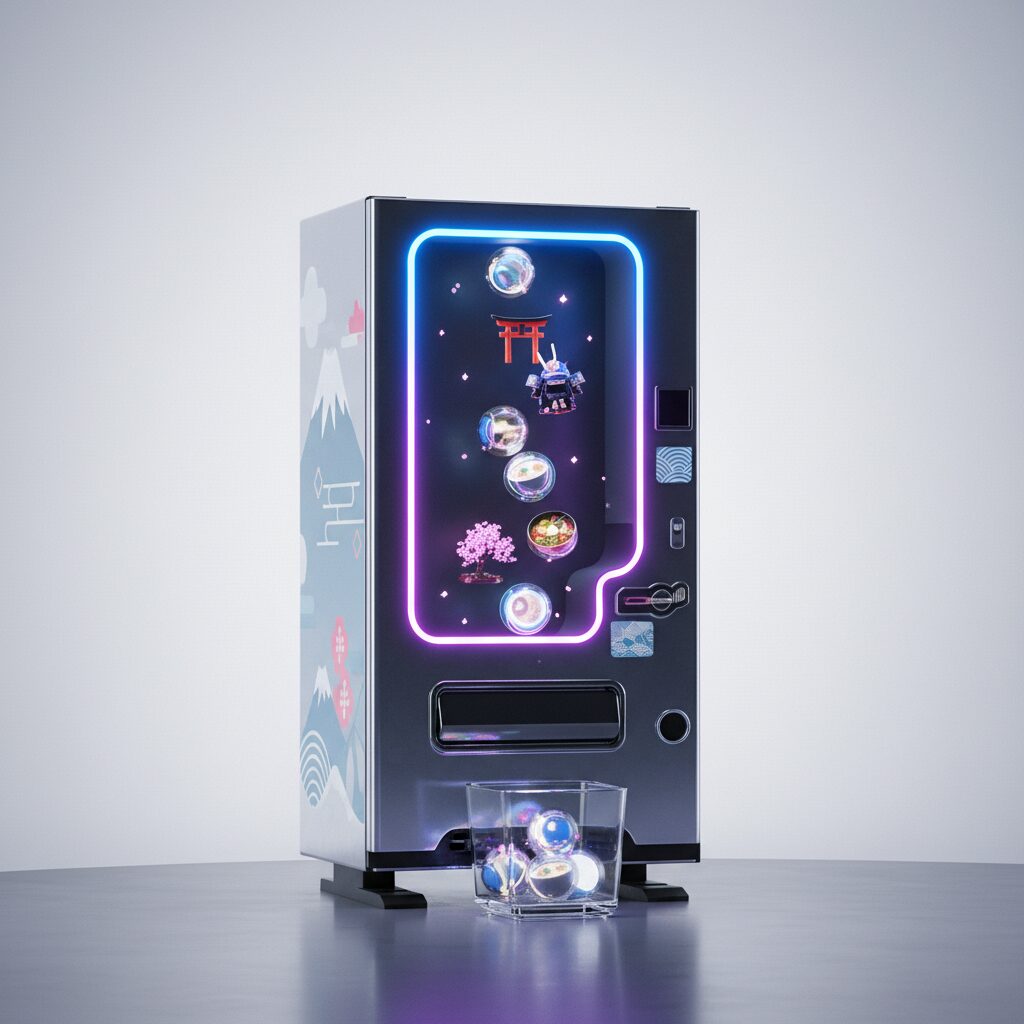
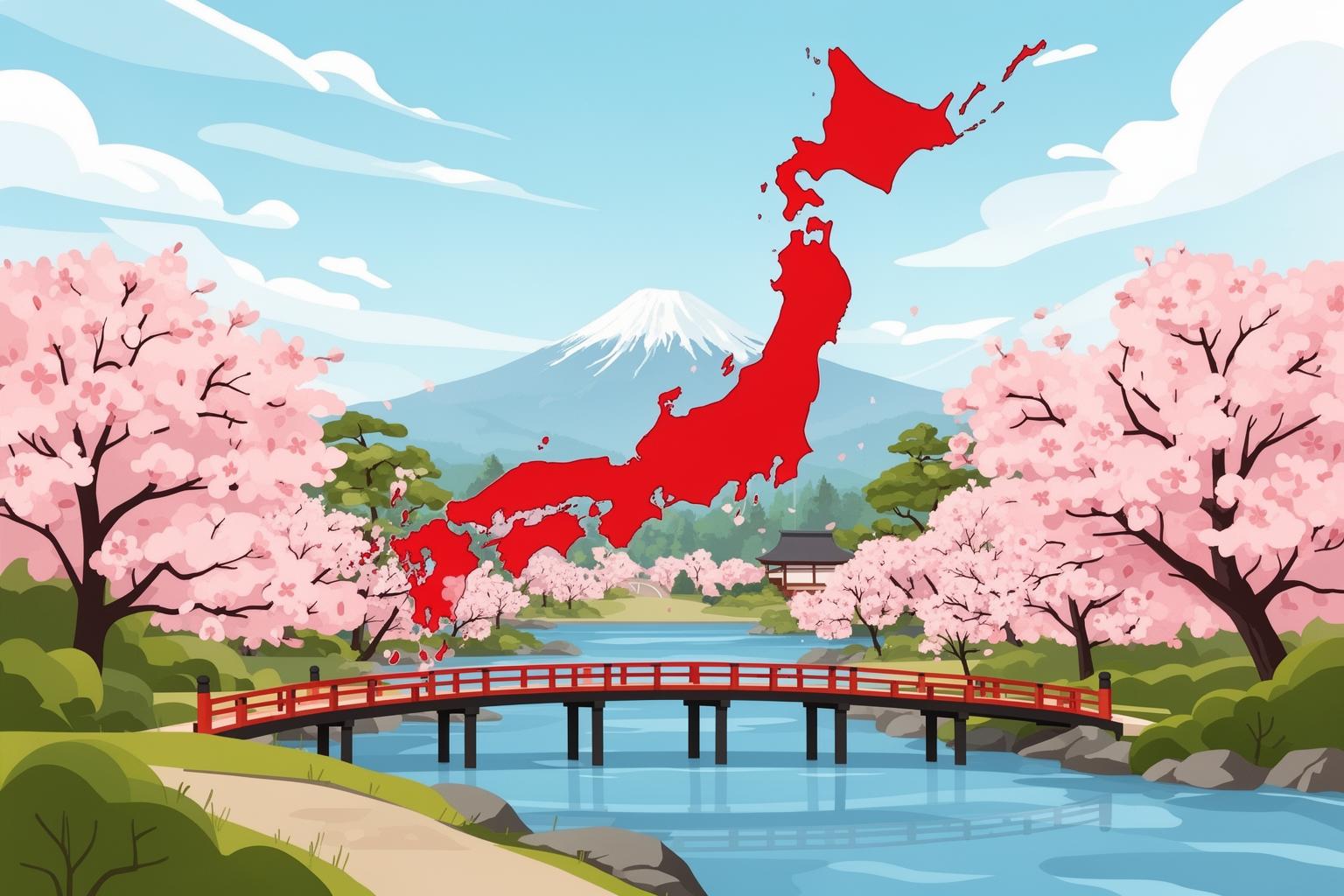
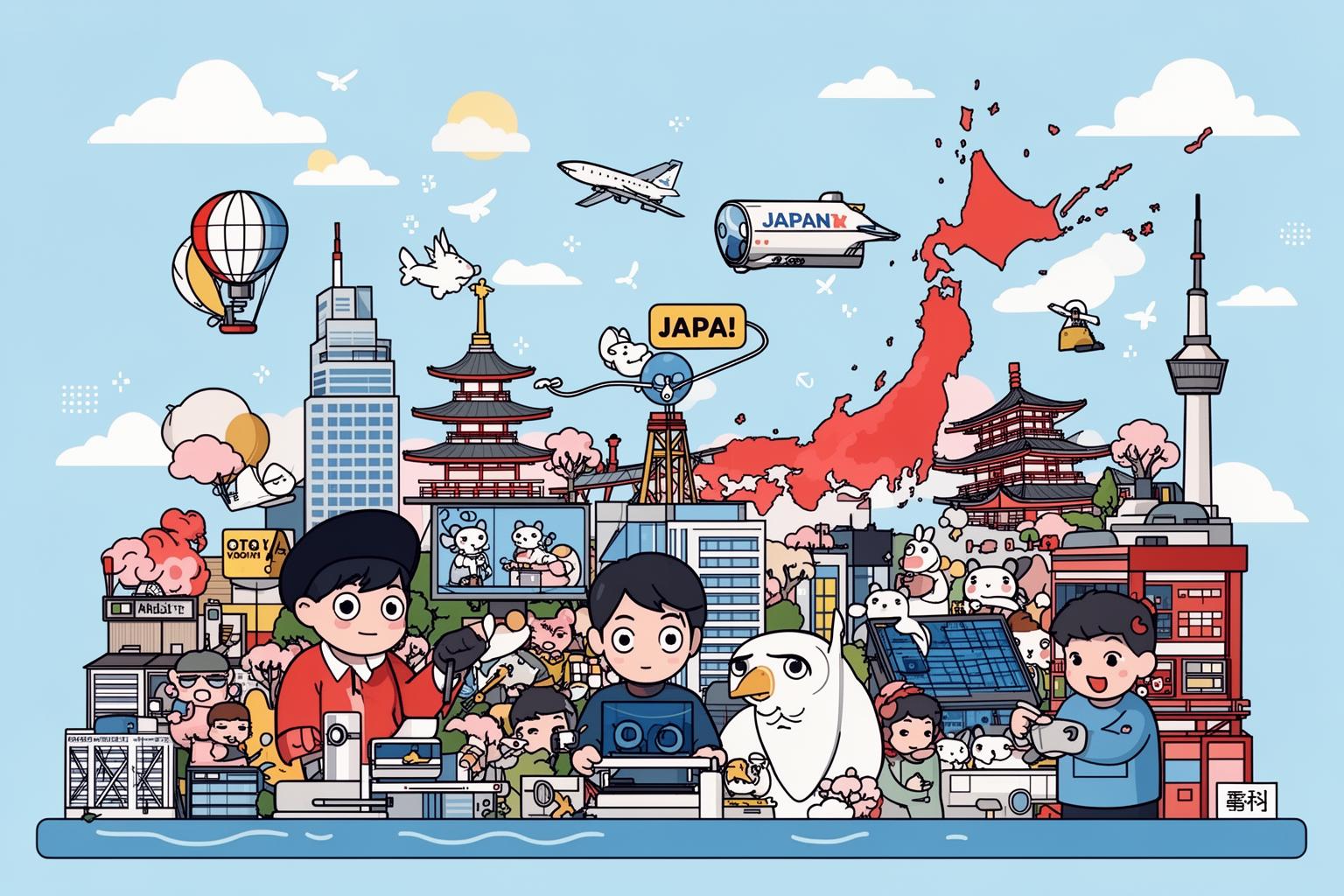
Yo, what’s up! Megumi here, coming at you straight from Tokyo. So, you’ve probably seen the pics online, right? The wild TikToks of vending machines in Japan spitting out, like, hot ramen or live beetles or something totally random. And you’re probably thinking, “Okay, Japan, what is actually going on?” It’s a whole mood, for real. You see these glowing boxes on literally every corner, from the middle of Shibuya Crossing to some random mountain trail, and they’re not just selling Coke. They’re selling a full-on experience. It’s giving… organized chaos. You might’ve heard Japan is the land of convenience, but this is next level. It’s not just about grabbing a quick drink. It’s a peek into the Japanese psyche—our obsession with automation, our low-key social anxiety, and our love for hyper-specific, niche stuff. Before we dive deep into this rabbit hole of automated retail therapy, let’s get you grounded. Peep the map below—this is the epicenter of the madness, but trust, these machines are everywhere, an essential part of the landscape. They’re the quiet, humming heartbeat of our cities. So, grab a drink (from a vending machine, obvs) and let’s unpack why Japan decided to put its entire culture up for sale, one coin at a time.
This automated convenience is a direct reflection of Japan’s deep-seated obsession with perfection, which extends far beyond vending machines.
The Gospel of Convenience: Why Wait When a Robot Can Serve You?
First, let’s discuss the biggest driving force behind Japanese culture: convenience. We are completely obsessed with it. It’s not merely a preference; it’s a core foundation of modern life here. In a city like Tokyo, where millions are constantly on the move, every second is precious. The entire infrastructure—from train systems that run precisely on time to 24/7 convenience stores (konbini)—is designed to maximize efficiency and reduce hassle in daily life. Vending machines, or jidouhanbaiki (literally “automatic selling machine”), embody this philosophy perfectly. They serve as front-line soldiers in the battle against wasted time and minor inconveniences.
Life in the Concrete Jungle
Consider the urban environment. Tokyo is incredibly dense. People live in tiny apartments and commute on crowded trains. Space is limited, and so is time. You don’t always have the luxury to stop at a café or restaurant. You need a hot coffee now, on the platform before your train arrives. You need a cold tea now, right after climbing the subway stairs. Vending machines fill these brief temporal and spatial gaps in our day. They’re strategically placed where thirst and minor urgency peak: outside office buildings, deep inside train stations, near parks, and tucked in quiet residential streets. They’re silent providers, always on and ready. This isn’t just about drinks. It’s about meeting an immediate need with no human interaction and zero wait. This craving for instant satisfaction has driven technology forward. You don’t just get a cold can of coffee—you get a piping hot one, heated perfectly, available at the press of a button, 24/7, every day of the year. It’s a small miracle of logistics and engineering that we take completely for granted.
Beyond the Can: Hot Meals and Fresh Produce
The convenience principle goes far beyond drinks. If you can automate beverages, why not food? This is where things get fascinating for visitors. You’ll find machines selling hot meals like fried chicken, takoyaki (octopus balls), and even full bowls of ramen or udon. These aren’t just sad, lukewarm snacks. Some of these machines are surprisingly advanced, flash-frying food to order or serving a bowl of noodles with hot broth in under a minute. Are they Michelin-star quality? Definitely not. But at 3 AM, when you’ve missed the last train and are walking home, a hot meal from a glowing box can feel like the finest cuisine. This is especially true in rural areas or late-night truck stops where restaurants are closed. The vending machine becomes a lifeline.
Then there’s fresh produce. You can find machines selling fresh eggs from local farms, bags of rice, bananas, and even sliced apples. This may seem odd, but it makes perfect sense in context. Maybe you’re heading home, forgot to buy eggs, and the supermarket is closed or too far away. The local egg vending machine, quietly standing on a street corner, saves the day. It’s about hyper-local, ultra-convenient access to daily essentials. It fills the gaps left by traditional store hours and locations, ensuring that no matter where you are or what time it is, you can likely get what you need from a machine.
Trust Issues? Not Here. The Unspoken Social Contract
Alright, this is a big question my friends from abroad often ask: How can millions of vending machines, many stocked with valuable items like electronics or expensive sake, just sit on the street without being broken into or vandalized? The answer is simple but true: Japan has an exceptionally low crime rate and a society built on high trust. It’s simply not something people do. This isn’t due to some magical code of honor, but rather a complex combination of social, cultural, and systemic factors worth exploring.
The Ever-Watchful Eyes of Society
In Japan, there’s a strong sense of public ownership and collective responsibility. The street outside your home isn’t just a public path; it’s considered part of the community’s shared space. Vandalizing a machine isn’t just damaging property; it’s showing disrespect to the entire neighborhood. There’s a powerful cultural concept called meiwaku, meaning roughly “causing trouble” or “being a nuisance.” Creating meiwaku is one of the greatest social offenses. Destroying a vending machine represents the ultimate meiwaku. The social pressure to conform and keep public harmony is an enormous deterrent. People are always watching—not through intrusive surveillance, but as part of a community network. The elderly lady sweeping the sidewalk, the salaryman heading home, the nearby children—they all form a kind of informal neighborhood watch. This environment makes destructive, anti-social acts simply… cringe-worthy. It’s not acceptable, and it would bring great shame upon you and your family.
Cash Still Rules (More or Less)
Another practical reason for the widespread presence of vending machines is Japan’s long-standing reliance on cash. Although digital payments are gradually becoming more popular, Japan has stubbornly remained a mostly cash society for decades. People habitually carry coins and small bills, which perfectly suit vending machines. The machines are remarkably reliable with money—they give exact change, rarely jam, and just work. This dependability builds trust. Insert your money, and you get your product, plain and simple. There’s no worry about being cheated by a malfunctioning machine. This smooth, dependable transaction, repeated billions of times daily nationwide, reinforces the whole system. The introduction of contactless payment methods like Suica and PASMO (rechargeable transit cards) has further increased convenience, seamlessly integrating with commuters’ daily routines.
Handling Alcohol and Cigarettes
But what about age-restricted products? Vending machines sell beer, sake, and cigarettes—how is age verification handled without a person to check IDs? For years, the system operated largely on the honor code. Now, cigarette machines require a special ID card called “Taspo” to operate, and for alcohol, newer machines incorporate driver’s license scanners. It’s a typically Japanese approach: instead of sacrificing convenience, they add a technological layer to address the issue. The basic assumption is that people will follow the rules, and the system is there to manage exceptions. This fundamental trust in the public’s responsibility is what enables these machines to exist. It sharply contrasts with other countries where such machines would be seen as open invitations to underage purchases or theft.
The Otaku Economy: Serving the Hyper-Niche
Here’s where things get truly strange—and genuinely fun. Vending machines in Japan go beyond just satisfying thirst or hunger. They serve as a low-cost, low-risk distribution channel for an endless array of niche hobbies and interests. This is closely linked to otaku culture—the community of passionate fans devoted to specific subcultures like anime, manga, video games, and idols. Otaku culture thrives on collecting, rarity, and the excitement of the hunt. Vending machines provide the perfect medium for this.
Gachapon: The Original Loot Box
The most iconic example is the gachapon machine. These capsule toy dispensers appear everywhere, often grouped in large banks in areas like Akihabara or Nakano Broadway. You insert a few hundred yen, turn the crank, and a plastic capsule emerges containing a surprise toy. The name is an onomatopoeia: gacha imitates the sound of the crank turning, and pon the sound of the capsule dropping. Essentially, this is gambling for collectors. You never know exactly which item in a series you’ll receive. This unpredictability is addictive. You might be aiming to collect a complete set of characters from your favorite anime, miniature, hyper-realistic sushi models, or quirky figurines of bowing animals. The quality of these toys often impresses with intricate details and clever designs. Gachapon isn’t just for children; adults are the main buyers. It’s a multi-billion yen industry fueled by small, impulsive purchases and the collector’s mentality. The vending machine format works perfectly since it requires no staff, occupies minimal space, and can be installed anywhere, turning any small corner into a potential treasure trove.
From Weird to Weirder: Bugs, Dashi, and Mystery Boxes
This approach to niche markets extends to some truly bizarre products. You’ll find vending machines selling edible insects, from crickets to scorpions. Is there a huge market for this? No. But there is a small, curious audience, and people seeking gag gifts or viral social media content? Absolutely. The vending machine lets producers reach this niche without the overhead of a traditional storefront.
A more culturally significant example is the dashi vending machine. Dashi is a fundamental Japanese soup stock made from ingredients like kelp and bonito flakes. Certain artisanal producers sell their specialty dashi in glass bottles through vending machines. You can find varieties like flying fish dashi, for instance. This product appeals to a very specific consumer: someone who values high-quality, traditional ingredients but also appreciates the convenience of 24/7 availability. It’s the ideal mix of tradition and modernity.
Then there are the mystery machines. For 1000 yen (around 10 dollars), you can purchase a randomly chosen box. What’s inside? No one knows. It might be an old video game, a strange gadget, a collectible toy, or something utterly useless. The allure lies in the unknown. These machines offer an experience rather than just a product. They tap into our love for surprise and our willingness to spend a bit on a moment of fun, even if the result disappoints. It’s retail as performance art.
The Silent Salesman: Automation in a Shrinking Society
There is a deeper, more serious economic and demographic reason behind Japan’s vending machine empire: the country’s shrinking and aging population. This issue is on everyone’s mind here. We face a severe labor shortage, which continues to worsen. Finding workers for retail jobs, especially during late-night or early-morning shifts, is extremely difficult and costly. Vending machines offer a logical, if somewhat dystopian, solution. They are the ideal employees: working 24/7, never taking sick days, requiring no salary or benefits, and never complaining.
A History Rooted in Efficiency
Japan’s fascination with automation is not new; it dates back to the post-war economic boom. The nation rebuilt itself through manufacturing, engineering, and robotics. There is a strong cultural respect for well-crafted machines that perform tasks perfectly and efficiently. The first modern vending machine in Japan, introduced in the 1960s to dispense drinks, quickly became widespread during the 1970s and ’80s, the height of the economic bubble. They symbolized a futuristic, prosperous, and technologically advanced society.
After the bubble burst in the early 1990s, the economic focus shifted. Companies were no longer just expanding; they were trying to cut costs and survive. Vending machines became a way to maintain a retail presence without the expenses of a full store and staff. A business owner could place a machine outside their closed shop and keep making sales throughout the night. It’s a ruthlessly efficient business model—owners simply need to stock the machine and collect the cash. This economic pressure has spurred innovation, leading to an increasing range of products sold through automated channels.
The Future is Unmanned
This logic is now playing out in new and intriguing forms. Fully unmanned gyoza (dumpling) shops have emerged where the entire store consists of a wall of freezers and a payment machine. Customers grab a frozen pack of gyoza, scan it, pay, and leave. While not technically vending machines, they operate on the same principle of removing the human worker from the transaction. This trend is accelerating. As the population continues to decline, expect even more aspects of daily life to become automated. The vending machine is not just a quirky cultural artifact; it previews the future of retail in a society facing profound demographic challenges. It presents a solution but also contributes to a less personal, more transactional public space, a trade-off we make every day.
Is It All Just a Marketing Ploy?
With all these bizarre vending machines around, you have to wonder: are they truly profitable, or merely for show? The truth lies somewhere in between. While the core beverage vending machine business is a stable, high-volume industry, the truly unusual machines often straddle the line between genuine commerce and clever marketing.
The Instagrammable Vending Machine
In the social media era, a quirky vending machine serves as free advertising. Companies offering something unique, like canned bread or gourmet popcorn in odd flavors, can create huge online buzz by placing their machines in busy spots like Shibuya or Akihabara. People snap photos, share them on Instagram and TikTok, and suddenly everyone is talking about it. The machine becomes a destination—a pilgrimage site for tourists and locals hunting for something distinctive to share. While the actual sales might be modest, the marketing impact can be tremendous. It’s a way for small brands to stand out in a crowded market.
The Regional PR Machine
Vending machines also promote regional specialties. Japan has a deep love for local souvenirs and foods (meibutsu). When traveling to another prefecture, bringing back local snacks for friends and coworkers is customary. Vending machines offer a convenient way to sell these products, especially in places like train stations or airports. For instance, you might find a machine in Niigata selling cups of famous local sake, or one in Hokkaido offering specialty seafood. They showcase local pride and make it easy for tourists to take home a taste of the region. Acting as mini automated tourism ambassadors, they dispense culture in cans or boxes. It’s a low-key, brilliant strategy: using existing infrastructure to support local economies. The goal isn’t huge profits from any single machine but building the region’s brand over time. It’s a smart long-term move in domestic tourism.
So, the next time you encounter a vending machine in Japan selling something that makes you go “WTF,” don’t dismiss it as a random oddity. See it for what it is: a small, glowing window into the soul of Japan. It’s a story of convenience, trust, obsession, and an unyielding push for automation in a changing world. It’s the past, present, and future of our culture, all neatly packaged and available for a few hundred yen.