A New Era for Japanese Tourism: Tackling Modern Challenges with Technology
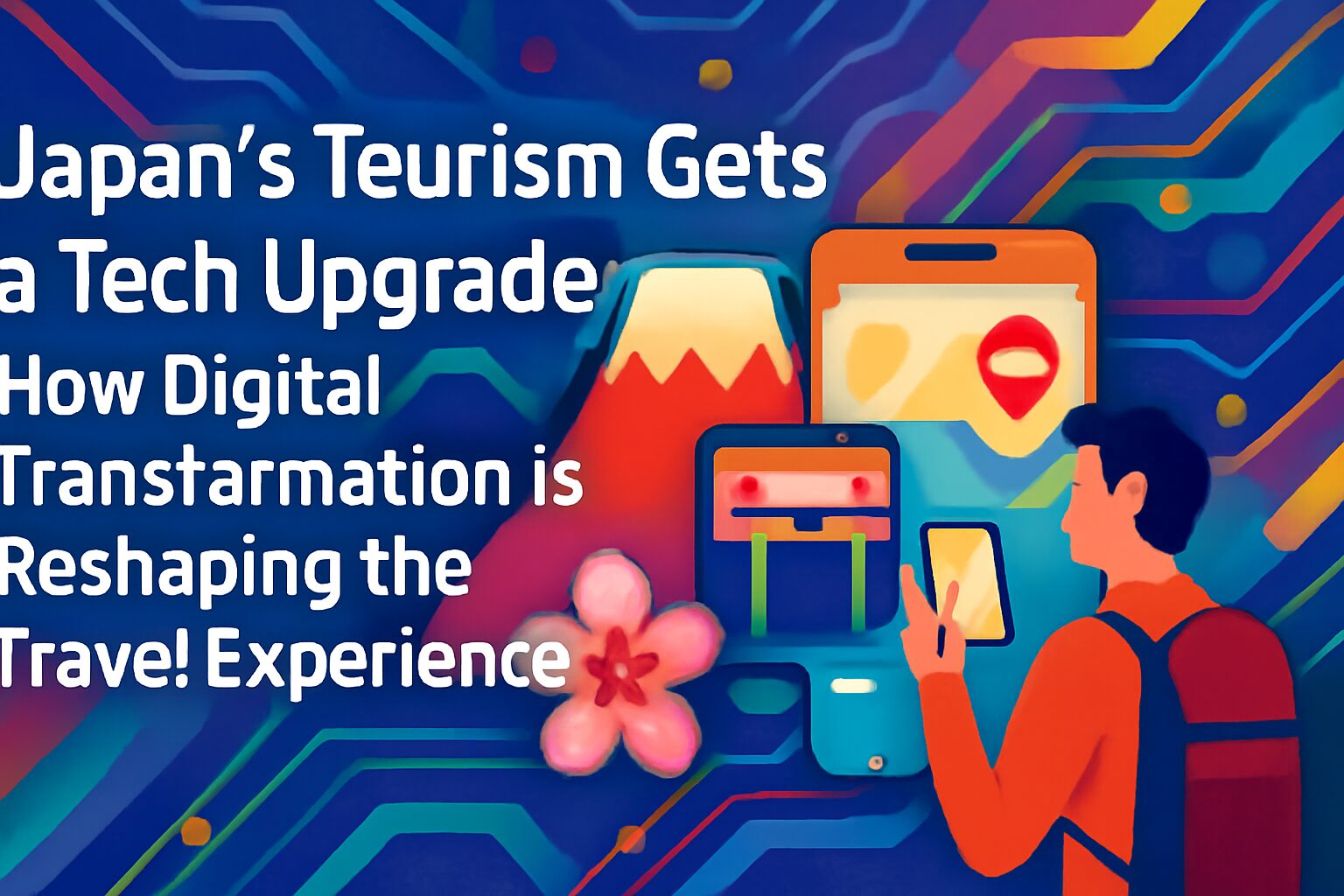
Japan’s tourism industry is undergoing a revolutionary shift. Faced with a record-breaking influx of international visitors and persistent domestic labor shortages, the country is turning to a nationwide Digital Transformation (DX) strategy. By harnessing the power of AI, big data, and innovative digital tools, Japan aims to create a “frictionless travel” experience, enhance visitor satisfaction, and ensure the long-term sustainability of its tourism sector.
The Driving Forces: Why Japan Needs a Digital Overhaul
The push for DX is a direct response to two critical challenges: an unprecedented tourism boom and a severe labor crisis.
The Post-Pandemic Surge and Overtourism
Since reopening its borders, Japan has seen a dramatic recovery in tourism. According to the Japan National Tourism Organization (JNTO), the country welcomed over 25 million international visitors in 2023. This trend has accelerated into 2024, with a record-breaking 3.08 million visitors in March alone—the highest single-month figure ever recorded. This surge, while economically beneficial, has intensified the issue of “overtourism” in popular destinations like Kyoto, Hakone, and the Mount Fuji area, leading to overcrowding, strain on public transport, and a diminished experience for both tourists and locals.
The Unseen Challenge: A Critical Labor Shortage
Simultaneously, Japan is grappling with a demographic-driven labor shortage, which is particularly acute in the service and hospitality sectors. The effective jobs-to-applicants ratio for service occupations remains high, meaning there are far more open positions than available workers. This shortage makes it difficult for hotels, restaurants, and transport operators to maintain high service standards, especially during peak travel seasons.
Smart Solutions in Action: The Future of Travel is Here
The DX initiative is not just a concept; it’s being implemented across the country with tangible solutions designed to streamline every aspect of a traveler’s journey.
Real-Time Crowd Control and Dispersal
In the popular hot spring resort town of Hakone, authorities are using big data to monitor crowd levels in real-time. By analyzing data from mobile networks and sensors, they can provide live congestion maps to visitors via websites and digital signage. This allows tourists to avoid packed areas, discover less-crowded alternative spots, and enjoy a more comfortable visit. The ultimate goal is to apply this model nationwide, encouraging travelers to explore lesser-known regional destinations and distributing the economic benefits of tourism more evenly.
AI Concierges and Language Support
Breaking down the language barrier is a key focus. Hotels and tourist information centers are introducing AI-powered multilingual concierge services. These AI chatbots and avatars can answer questions, provide recommendations, and assist with bookings in multiple languages, 24/7. This not only improves the experience for non-Japanese speakers but also frees up human staff to handle more complex guest needs, increasing overall operational efficiency.
A Seamless, “Frictionless” Journey
The vision of “frictionless travel” extends to every touchpoint. This includes:
- Smart Check-in: Streamlined check-in processes at airports and hotels using facial recognition and mobile apps.
- Integrated Transport Passes: Digital transit cards that can be used seamlessly across different train and bus networks.
- Cashless Payments: A continued push for wider acceptance of credit cards and digital payment methods, even in rural areas.
The Future Impact: What This Means for Travelers
For international visitors, Japan’s tourism DX promises a significantly enhanced travel experience.
- Personalized and Efficient Trips: AI and big data will enable personalized recommendations based on individual preferences, while real-time information will help travelers optimize their itineraries and avoid delays.
- Deeper Cultural Exploration: By making it easier to navigate and discover regional areas, the DX strategy will empower travelers to venture off the beaten path and experience the authentic, diverse culture of Japan beyond the major cities.
- Stress-Free Travel: From booking to departure, the focus on a seamless journey aims to eliminate common travel frustrations, allowing visitors to focus on enjoying their destination.
Ultimately, Japan’s strategic embrace of technology is a forward-thinking move to build a more resilient, efficient, and sustainable tourism infrastructure. It represents a commitment to preserving the high-quality experience the country is known for, ensuring that Japan remains a top global destination for generations to come.