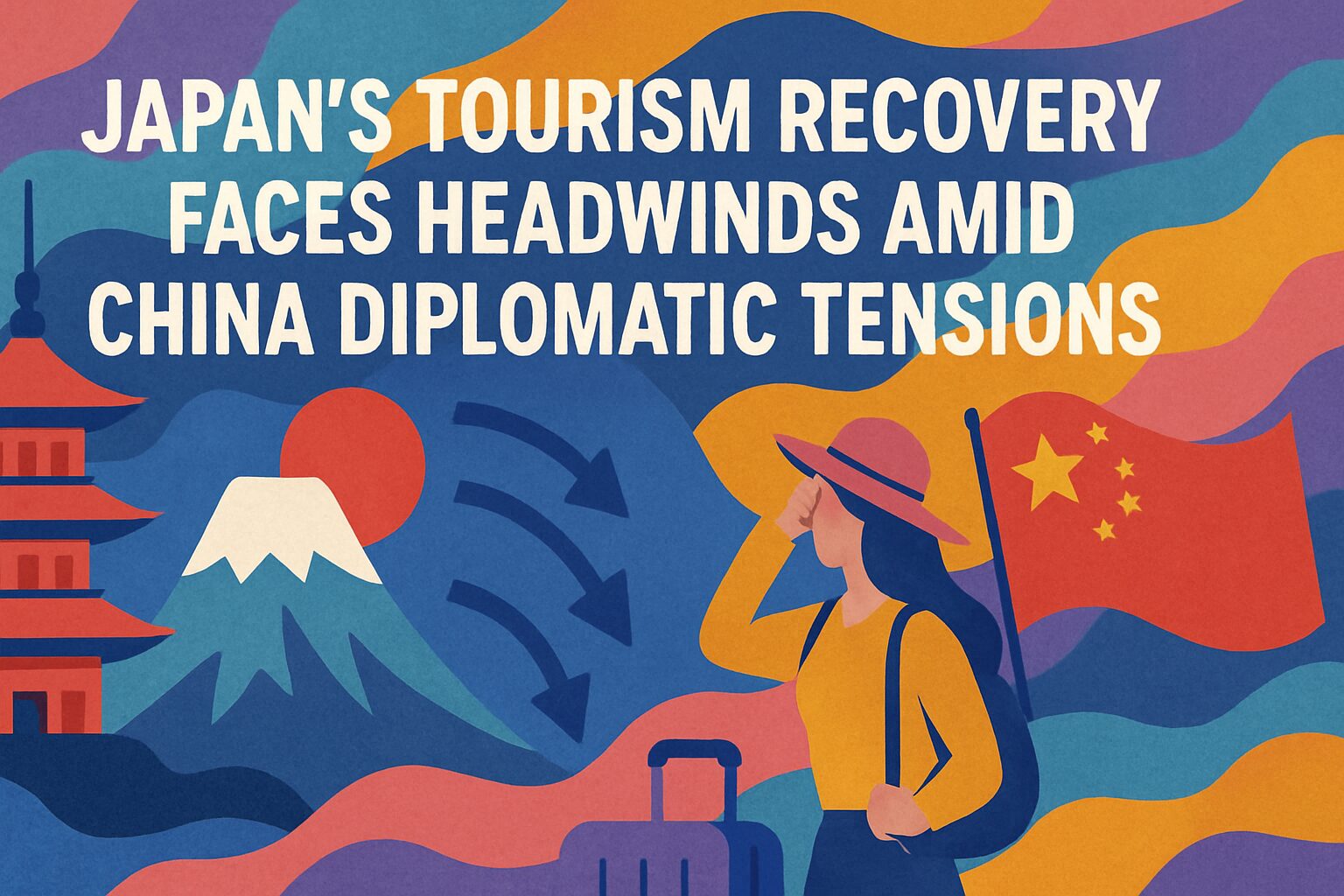
Japan’s tourism industry, once on a promising path to a full post-pandemic recovery, is now navigating turbulent waters as diplomatic friction with China over the release of treated water from the Fukushima Daiichi nuclear power plant triggers a wave of travel cancellations. The long-awaited return of Chinese group tours, approved just last month, has quickly soured, leaving hotels and tour operators grappling with uncertainty.
The Immediate Fallout: Cancellations and Boycotts
Shortly after Japan began the discharge of ALPS-treated water into the Pacific Ocean on August 24, the impact on the travel sector was swift and severe. Chinese state media and social platforms have been dominated by anti-Japanese sentiment, leading many citizens to reconsider or cancel their travel plans to Japan.
Travel agencies have reported a significant number of cancellations for both individual and group tours. This backlash comes at a critical time, as the industry had been gearing up for a major influx of visitors during China’s upcoming Golden Week holiday in early October, traditionally one of the busiest travel seasons. The hope that Chinese travelers would fill the void left during the pandemic years is now rapidly diminishing.
Background: The Fukushima Wastewater Controversy
The core of the dispute is the release of water used to cool the damaged reactors at the Fukushima plant. Japan maintains that the water has been treated through an Advanced Liquid Processing System (ALPS) to remove most radioactive elements, with the exception of tritium, which is then diluted to levels well below international safety standards. The International Atomic Energy Agency (IAEA) has reviewed the plan and concluded that it is consistent with global safety standards and will have a “negligible radiological impact on people and the environment.”
However, the Chinese government has vehemently opposed the release, labeling the water “nuclear-contaminated” and implementing a blanket ban on all Japanese seafood imports. This official stance has fueled public anger and a widespread boycott of Japanese products and services, including tourism.
By the Numbers: China’s Crucial Role in Japanese Tourism
The economic stakes for Japan’s tourism sector are immense. To understand the potential impact, one need only look at pre-pandemic figures.
In 2019, Japan welcomed a record 31.88 million international visitors. Of these, travelers from mainland China were the largest contingent, accounting for 9.59 million arrivals, or approximately 30% of the total.
Their economic contribution was even more significant. Chinese tourists spent 1.77 trillion yen (approximately US$12 billion), representing 36.8% of the total spending by all international visitors that year. This spending supported a wide range of businesses, from luxury hotels and department stores in major cities to small inns and local shops in regional areas. The loss of this demographic, even temporarily, poses a serious threat to the financial health of these businesses.
Future Outlook: Diversification as a Key Strategy
The current situation highlights the risks of over-reliance on a single market. While the Japanese government and tourism bodies hope for a swift diplomatic resolution, the industry is being forced to adapt. The outlook is now divided into short-term challenges and long-term strategic shifts.
Short-Term Challenges
The immediate future, particularly the upcoming autumn travel season, looks challenging. The decline in Chinese tourists will likely not be fully offset by visitors from other nations, leading to a potential drop in revenue for hotels, airlines, and retail sectors that heavily cater to this market.
Long-Term Strategy
In response, Japan’s tourism industry is expected to accelerate its efforts to diversify its source markets. The ongoing weakness of the yen has already made Japan an attractive destination for travelers from other regions. Strong growth has been observed from markets such as the United States, Europe, Southeast Asia, and the Middle East.
Industry experts suggest that promotional efforts will be intensified in these regions. The focus will shift to showcasing Japan’s diverse attractions beyond shopping, including its rich culture, natural landscapes, and unique local experiences, which appeal to a broader international audience. While China will undoubtedly remain an important market in the long run, this incident serves as a stark reminder that a resilient tourism strategy requires a balanced and diverse portfolio of visitors.