A New Era of Travel in Japan’s Ancient Capital
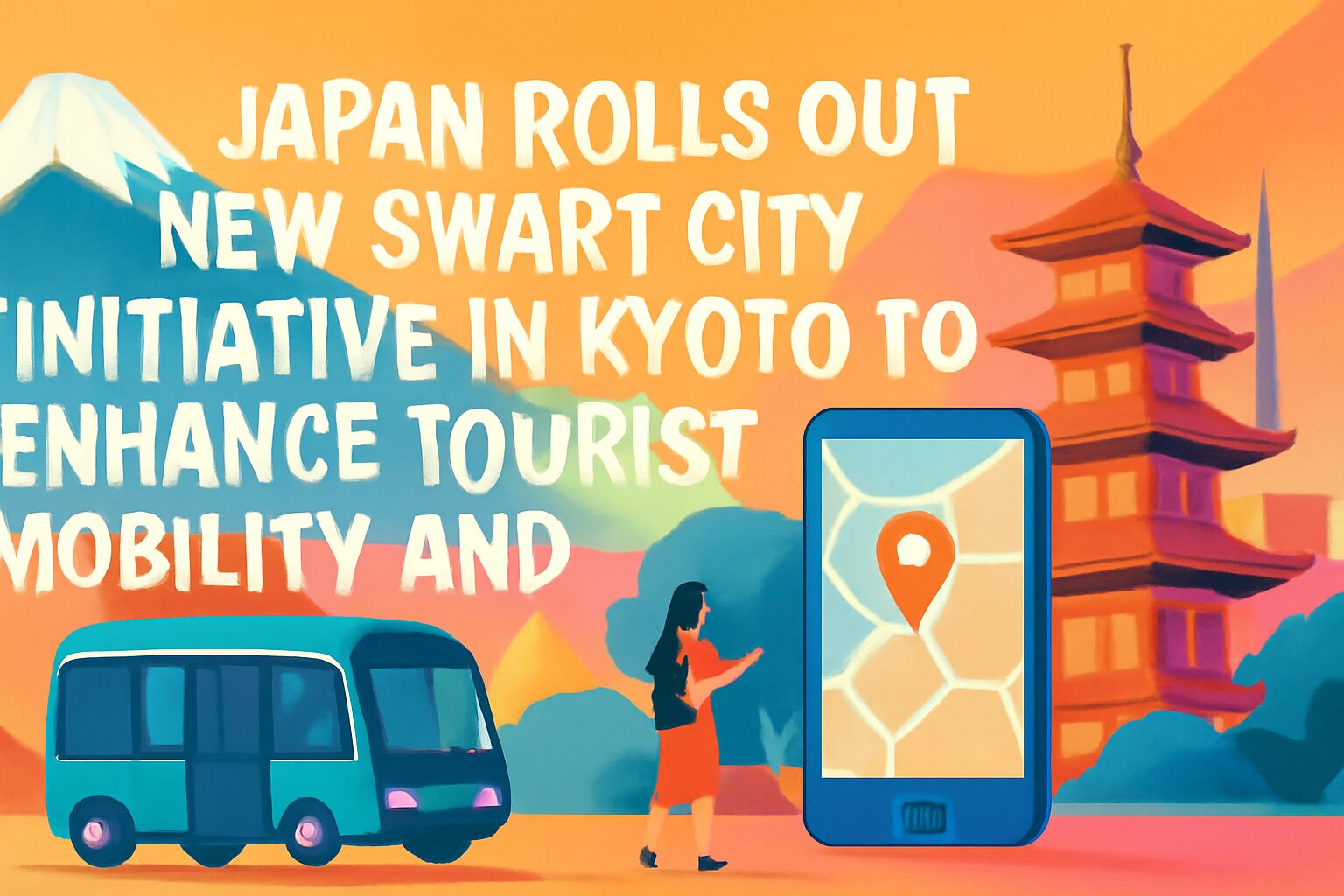
Japan has launched an ambitious new smart city project in its historic heart, Kyoto, aiming to revolutionize the travel experience for millions of visitors. By integrating cutting-edge IoT (Internet of Things) and AI (Artificial Intelligence) technologies, the initiative seeks to streamline public transport, reduce crippling congestion, and offer a more personalized journey through the ancient capital. At the core of this project is a new mobile application designed to be an all-in-one digital companion for tourists.
Tackling the Challenge of Overtourism
The Background: A City Loved by Too Many
Before the global pandemic, Japan’s tourism was booming. In 2019, the country welcomed a record-breaking 31.88 million international visitors. Kyoto, with its iconic temples, serene gardens, and traditional geisha districts, has long been a top destination, attracting over 50 million tourists annually (including domestic travelers).
However, this popularity came at a cost. The phenomenon of “overtourism” placed immense strain on the city’s infrastructure. Public buses, the primary mode of transport for many tourists, were frequently overcrowded, causing frustration for both visitors and local residents. Popular sites like the Fushimi Inari Shrine and Arashiyama Bamboo Grove saw unmanageable crowds, diminishing the quality of the experience and impacting the daily lives of citizens. The new smart city initiative is a direct response to these long-standing challenges, aiming to create a more sustainable model for tourism.
How the Smart City Project Works
The new initiative leverages technology to intelligently manage the flow of people and provide visitors with powerful tools to navigate the city.
The Smart Companion App
The centerpiece of the project is a sophisticated mobile app that offers a suite of features:
- Real-Time Transit Updates: The app connects to the city’s public transport network, providing live updates on bus and train locations, arrival times, and, crucially, real-time congestion levels. This allows tourists to avoid packed buses and choose less crowded, more efficient routes.
- AI-Powered Recommendations: Using AI, the app analyzes a user’s interests, location, and current crowd data to suggest personalized sightseeing itineraries. If a popular temple is currently overwhelmed with visitors, the app might recommend a lesser-known but equally beautiful garden nearby, or suggest visiting the main site at a later, quieter time.
- Seamless Mobile Payments: To enhance convenience, the app incorporates a seamless payment system. Users can purchase bus passes, train tickets, and even pay at participating shops and attractions directly through their smartphones, eliminating the need to handle cash or multiple physical tickets.
Future Impacts and the Outlook for Japanese Tourism
A Smoother, Deeper Travel Experience
The most immediate impact will be a significantly improved travel experience. By minimizing time spent waiting in queues or stuck in crowded buses, tourists can dedicate more time to enjoying the cultural treasures Kyoto has to offer. The personalized recommendations also encourage exploration beyond the main tourist trail, offering a more authentic and unique visit.
Mitigating Overtourism and Fostering Sustainability
By strategically redirecting tourist traffic, the initiative is expected to alleviate pressure on the most famous landmarks. This dispersal of visitors can help preserve these sites while also bringing economic benefits to less-explored neighborhoods. The data collected on tourist movements will be invaluable for city planners, allowing them to make informed decisions on infrastructure development and future tourism policies. This data-driven approach is key to building a sustainable tourism model that balances economic growth with cultural preservation and resident well-being.
A Blueprint for Other Cities
Kyoto’s smart city project is poised to become a blueprint for other popular tourist destinations in Japan, such as Kamakura, Nara, and parts of Tokyo, which face similar overtourism challenges. If successful, this fusion of technology and tourism management could be adopted nationwide, redefining how Japan welcomes its visitors in a post-pandemic world where tourist numbers are once again surging toward pre-2019 levels. This initiative marks a critical step forward, demonstrating Japan’s commitment to not only attracting tourists but also ensuring their visits are enjoyable, efficient, and sustainable for years to come.