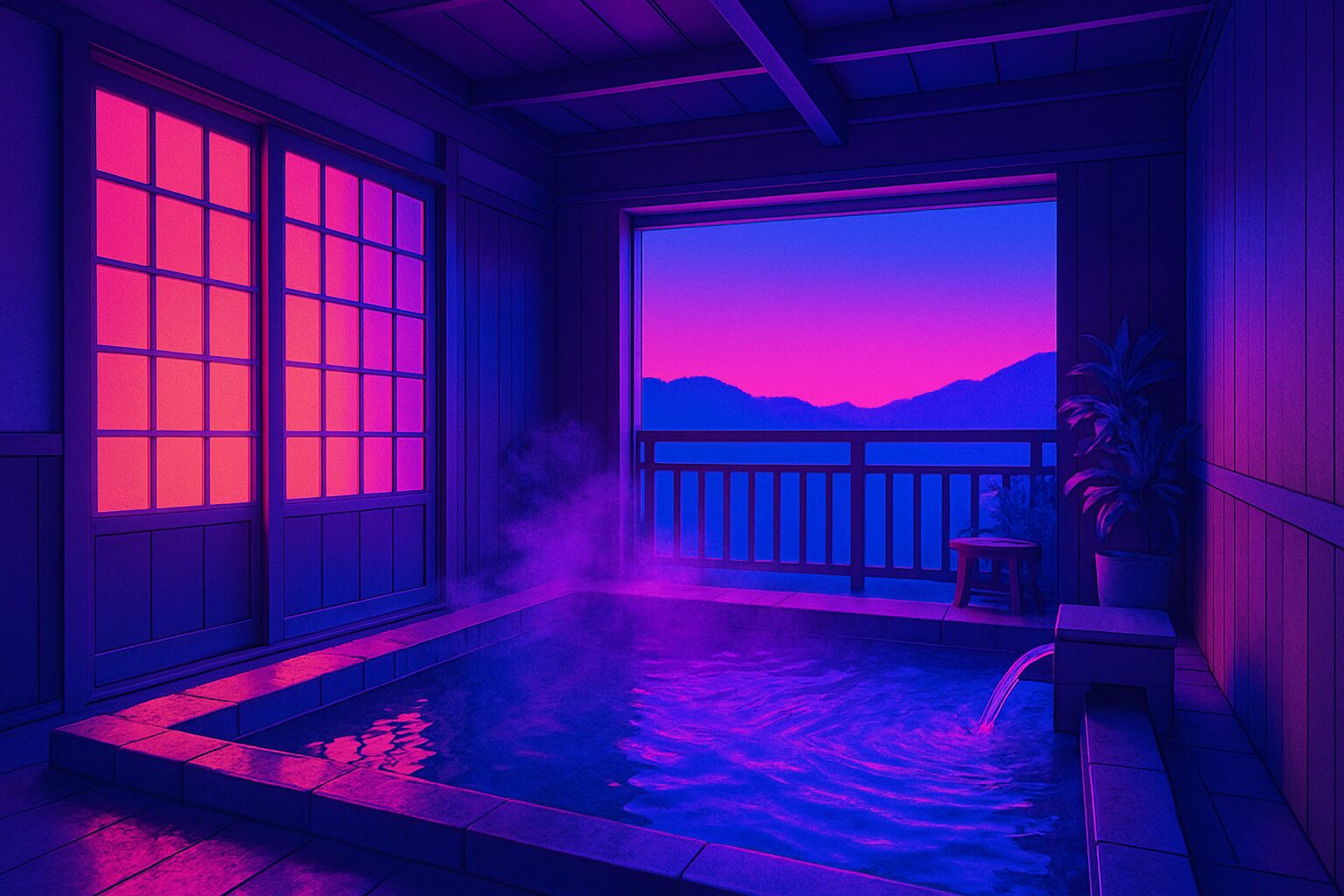
Yo, what’s up, world travelers. Taro here. When you think of Japan, you’re probably picturing neon-drenched Tokyo streets, serene temples in Kyoto, or maybe even that epic powder snow up in Hokkaido. All legit. But let me drop some knowledge on a totally different level of Japanese travel, something that’s less about the hustle and more about a deep, immersive chill. I’m talking about the ultimate luxury ryokan experience. This isn’t just a place to crash for the night; it’s a full-blown cultural deep dive that’ll reset your soul. We’re talking about spots where you get your own private onsen—a natural hot spring bath, all to yourself, no crowds—and an in-room omakase kaiseki dinner. That means a multi-course artistic meal, crafted by a master chef, served right in the privacy of your own space. It’s peak exclusivity, a vibe so serene and personal it feels like the rest of the world just melts away. This is the kind of travel that changes you, low-key. It’s about disconnecting from the noise and plugging into something ancient, something real. It’s about experiencing Japan’s legendary hospitality, or ‘omotenashi,’ at its absolute finest. So, if you’re ready to graduate from tourist to true connoisseur, stick with me. We’re about to explore some of the most mind-blowing ryokans in the country where this dream combo is the standard. It’s time to level up your travel game, for real.
For a different kind of exclusive culinary journey, consider exploring a hidden omakase experience in Ginza.
Gora Kadan, Hakone: Where Imperial Vibes Meet Volcanic Power
First, let’s jet over to Hakone, the original hot spring haven just a quick hop from Tokyo. This spot is my favorite because it’s tucked within Fuji-Hakone-Izu National Park, so the hiking and nature vistas are absolutely stunning. Right at the center of it all is Gora Kadan. This isn’t just any ryokan; it’s the former retreat of the Kan’in-no-miya imperial family. So yes, you’re literally staying on grounds where royalty once relaxed. The history strikes you as soon as you arrive. The architecture is an impressive blend of traditional Japanese aesthetics and sleek, modern design. It feels significant, yet incredibly inviting.
The Ambiance and Your Private Retreat
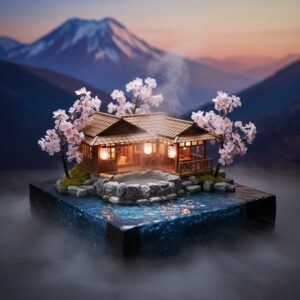
The atmosphere at Gora Kadan is one of refined calm. It’s quiet, but it’s a profound quiet. You catch the whisper of the wind through towering trees, the soft bubbling of water features, and little else. The staff move with a graceful efficiency that’s both impressive and reassuring. They’ve mastered the art of being present exactly when needed and invisible when not. Once you step into your room, the real magic starts. We’re talking spacious suites with fragrant tatami mat floors, minimalist decor that lets the outside view shine, and your very own open-air onsen. Stepping into that stone-lined bath, filled with mineral-rich volcanic water with steam rising into the cool mountain air—it’s an unforgettable experience. The water is drawn from two private springs, known for their skin-softening qualities. You can genuinely feel the stress of city life melting away with every soak. Morning, noon, or midnight—your personal sanctuary is always ready. Watching the sunrise paint the sky from your private hot spring becomes a memory you’ll cherish forever.
In-Room Kaiseki: A Culinary Masterpiece
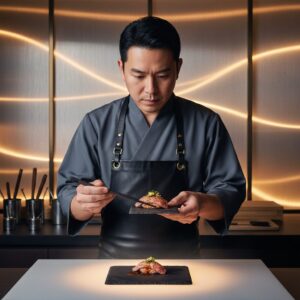
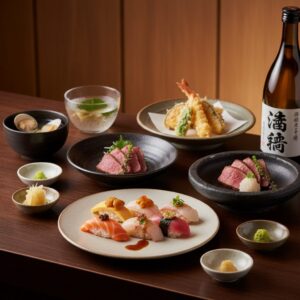
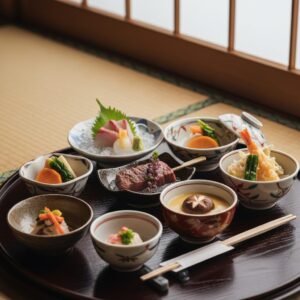
Now, about dinner. The in-room kaiseki at Gora Kadan is a full sensory show. Your personal attendant, or ‘nakai-san,’ crafts the entire experience. They transform your room into an elegant private dining space. Each course is a masterpiece, presented on exquisite, carefully selected ceramics and lacquerware. The menu is hyper-seasonal, celebrating the mountains and the nearby Sagami Bay. One night you might savor perfectly grilled local Ashigara beef that melts in your mouth, and the next, enjoy the freshest sashimi, possibly sourced from fish caught just hours earlier. The dishes are intricate and balanced—a delicate clear soup (suimono) that captures the essence of the season, a platter of small, artful bites (hassun) resembling a miniature garden, and perfectly steamed rice cooked in an earthenware pot. It’s an omakase experience, so you trust the chef, and they never disappoint. Each dish is explained, along with its ingredients and cultural significance. Paired with a curated selection of sake or Japanese wine, it’s more than a meal; it’s a journey through Hakone’s flavors.
Exploring the Area
As an outdoors enthusiast, I have to say, Gora Kadan’s location is a major plus. You’re just a short walk from the Hakone Open-Air Museum, an incredible space where massive sculptures sit against mountain backdrops. The hike itself is surreal and beautiful. You can also catch the Hakone Tozan Railway, a charming mountain train winding through valleys, or take the ropeway up to Ōwakudani, the “Great Boiling Valley,” to see volcanic vents steaming up close. The hiking trails nearby range from gentle walks to more challenging treks, offering breathtaking views of Mount Fuji on clear days. After a long day of exploring, returning to your private onsen at Gora Kadan feels like the perfect reward.
Getting There and Pro Tips
Access is super easy. From Tokyo, take the Shinkansen (bullet train) to Odawara Station, then transfer to the local Hakone Tozan line to Gora. The whole trip takes about 90 minutes. A tip for first-timers: inform the ryokan of your arrival time. They often provide a shuttle or can arrange a taxi from Gora Station. Also, don’t hesitate to share any dietary requirements when booking—chefs will tailor your kaiseki menu accordingly. This level of personalization is what makes this place truly special. Pack light; all you’ll need at the ryokan is the provided yukata (a casual cotton kimono) and a mindset ready to completely, utterly unwind.
Tawaraya Ryokan, Kyoto: The Undisputed GOAT of Hospitality
Alright, let’s change course and journey to Kyoto, the cultural soul of Japan. If Gora Kadan represents imperial splendor, Tawaraya serves as its quietly elegant and profoundly refined counterpart. Those in the know speak of Tawaraya with hushed reverence. It’s not ostentatious. There’s no grand sign. It’s discreet, concealed behind a simple wooden gate right in the heart of the city. Yet, for over 300 years, many have regarded this place as the finest ryokan in all of Japan. It is a living museum of Japanese aesthetics and the absolute peak of omotenashi. Staying here feels less like lodging in a hotel and more like being welcomed into a distinguished, historic family home.
The Atmosphere: Immersing in Wabi-Sabi
The moment you enter Tawaraya, the bustling sounds of Kyoto fade away. They’re replaced by the sound of your footsteps on polished wooden floors and the soft murmur of water in the central garden. The atmosphere embodies the Japanese concept of wabi-sabi—appreciating beauty in imperfection, impermanence, and simplicity. The architecture is timeless, the rooms adorned with priceless antiques, yet nothing demands attention. It’s all about subtle details: the way light filters through a shoji paper screen, the artful placement of a single flower in an alcove, the texture of weathered wood. Each room is distinct and overlooks a meticulously tended private garden, making you feel as though you’ve entered a secluded world of your own. Your private onsen here isn’t about dramatic mountain vistas; it’s an intimate, meditative retreat. The bath, often crafted from fragrant hinoki cypress wood, offers a truly Zen experience as you soak and gaze upon your moss-covered garden. It’s a stillness that permeates your very being.
Kyo-Kaiseki: Kyoto’s Culinary Essence
Kyoto is the birthplace of kaiseki, and the dining experience at Tawaraya is, without exaggeration, legendary. This is Kyo-kaiseki, a style celebrated for its delicate flavors, elegance, and artistic presentation. The emphasis lies in highlighting the pure, natural taste of the finest local and seasonal ingredients. Your in-room dinner unfolds as a procession of small, exquisite dishes that narrate the story of the season. Picture delicate servings of yuba (tofu skin), grilled sweet ayu fish in summer, or succulent snow crab in winter. The presentation is breathtaking—sometimes a single maple leaf marks the arrival of autumn. The ceramics are thoughtfully chosen to complement the food, each a work of art itself. The nakai-san attending you is a consummate professional, deeply knowledgeable about the cuisine, culture, and the art of conversation. They anticipate your needs before you’re even aware of them. Dining on kaiseki at Tawaraya is like attending an exclusive concert where the chef is the composer and the ingredients form the orchestra. It’s both a cultural immersion and among the finest meals you’ll ever enjoy.
Living the Kyoto Dream
Staying at Tawaraya places you right in Kyoto’s vibrant center. You are within walking distance of Nishiki Market, the city’s lively food hub, and the Gion district, where you might catch a glimpse of a geiko (Kyoto’s term for geisha) moving gracefully along lantern-lit streets. But truthfully, the greatest temptation is simply to remain inside. Tawaraya itself is a destination. Spend your day reading by the window, practicing calligraphy, or meditating in your garden. It offers a rare chance to experience the slow, reflective pace of life that has defined Kyoto for centuries. For first-time visitors to Japan, it provides a profound insight into the nation’s spirit that cannot be found from temples and shrines alone.
Booking and Insider Tips
Here’s the catch: securing a reservation at Tawaraya is notoriously challenging. There’s no website for online bookings. Reservations are usually made by phone or through high-end concierge services. It’s an old-fashioned system that favors repeat guests and personal referrals. Often, you’ll need to book a year or more in advance. It epitomizes exclusivity. But if you manage to secure a stay, it’s an unforgettable, once-in-a-lifetime experience. Keep in mind, this is not a place for loud gatherings. It is a sanctuary for quiet reflection. Respect the serenity, and you will be rewarded with an extraordinary stay. Tawaraya is the ultimate ‘if you know, you know’ (IYKYK) destination.
Zaborin, Hokkaido: Modern Zen in the Wild North
Let’s embark on a journey to the wild, untamed north: Hokkaido. Specifically, the Niseko area, renowned worldwide for its champagne powder snow. However, this region dazzles year-round, a haven for anyone who cherishes nature. Hidden within a tranquil Hanazono forest is Zaborin. The name itself blends Japanese characters meaning “to sit, to forget, in the woods.” And that’s precisely the atmosphere. This place is a masterpiece of modern Japanese design, offering a striking contrast to the ancient traditions of Tawaraya, yet equally luxurious and thoughtful.
The Design and That Onsen Ambience
Zaborin features clean lines, floor-to-ceiling glass, and a profound connection to its natural surroundings. It consists of just 15 private villas, each a secluded sanctuary. The moment you step into your villa, the outside world fades away. You’re welcomed by an uninterrupted view of the silver birch forest or the rolling fields leading up to Mount Yotei. It’s a strikingly dramatic and beautiful scene. The best part? Each villa includes both an indoor and an open-air private onsen. The water, called ‘gensen kakenagashi,’ flows directly from a volcanic source deep underground and is never recycled. It’s pure, potent, and continuously refreshes your bath. Soaking in your private outdoor onsen while gentle snowflakes fall in winter, or listening to the chorus of cicadas amid the lush summer greenery, is a profound experience. It’s this blend of raw nature and ultimate comfort that makes Zaborin truly special.
Kita-Kaiseki: A Taste of Hokkaido’s Richness
Dinner at Zaborin is known as ‘kita-kaiseki,’ a northern take on the classic culinary tradition. Hokkaido is Japan’s breadbasket, celebrated for its exceptional seafood, dairy, and produce. Zaborin’s chef fully embraces this bounty. The omakase menu celebrates the island’s terroir. You’ll dine in the ryokan’s stunning restaurant, with options for private dining experiences as well. Imagine savoring the sweetest, creamiest sea urchin (uni) you’ve ever tasted, succulent king crab legs, or tender lamb raised on local pastures. The chef’s creativity shines, blending traditional Japanese techniques with contemporary culinary ideas. They even use their own on-site spring water for cooking and serving at the table. The meal is a journey through Hokkaido’s seasons, from mountains to sea, and it’s absolutely delicious. It’s more contemporary and adventurous than traditional kaiseki, perfectly matching the ryokan’s modern aesthetic.
Adventures in the Great Outdoors
This is where my outdoor-loving heart comes alive. Zaborin serves as a gateway for adventure. In winter, you’re in one of the world’s premier ski destinations. The ryokan can arrange everything—lift passes, private lessons—at nearby Hanazono or Grand Hirafu resorts. Yet, the ‘green season’ is equally thrilling. Hiking around Niseko is outstanding, with trails ascending Mount Yotei (often called the ‘Fuji of Hokkaido’) and winding through pristine national parks. You can raft on the Shiribetsu River, play golf on world-class courses, or simply bike along quiet country roads. Zaborin offers a peaceful, luxurious retreat to return to after an adrenaline-filled day. The contrast between exhilarating adventure and serene relaxation defines the perfect vacation.
Getting There and Seasonal Tips
To reach Zaborin, you’ll likely fly into New Chitose Airport (CTS) near Sapporo. From there, it’s about a two-hour drive. The ryokan can arrange private transfers, which is the most convenient option. A tip: book well in advance, particularly for the winter ski season, as villas are reserved a year or more ahead. While winter is peak season, don’t overlook summer and autumn. The weather is beautiful, crowds are thinner, and the landscape vibrantly alive. It’s a different kind of enchantment, but just as compelling.
Takefue, Kyushu: A Magical Bamboo Forest Escape
For our final destination, we’re heading south to the island of Kyushu, a land of fiery volcanoes, lush forests, and rich history. Tucked away deep in the countryside of Kumamoto Prefecture, near the well-known Kurokawa Onsen town, is Takefue. This is more than just a ryokan; it’s a vast, 130,000-square-meter fantasy realm nestled within a stunning bamboo forest. The name means “bamboo flute,” and the whole experience feels like a mystical melody that transports you to another world.
The Ambiance: Lost in a Dream
Arriving at Takefue is like stepping onto a movie set. You’re guided along winding stone paths illuminated by traditional lanterns, with towering bamboo stalks rising on either side, their leaves whispering in the breeze. The sheer scale is immense, yet it remains incredibly intimate, with only 12 guest suites scattered throughout the expansive grounds. Each suite is a private haven—a large traditional Japanese home with multiple rooms, a beautiful garden, and, of course, an awe-inspiring private onsen. And by awe-inspiring, I mean some of the open-air baths are huge, carved into rock, encircled by bamboo, or even set within a cave-like grotto. You could easily spend a whole day exploring your own private onsen complex. At night, the entire property is bathed in soft light, turning the bamboo forest into a magical, glowing labyrinth. The atmosphere is pure escapism—romantic, dramatic, and utterly unforgettable.
Kyushu Kaiseki: Hearty and Soulful
The dining experience at Takefue celebrates Kyushu’s rich and hearty cuisine, served in the privacy of your suite. The kaiseki here is generous and deeply flavorful, showcasing local specialties. A highlight is often Kumamoto’s famous ‘basashi’ (horse sashimi), a regional delicacy that’s surprisingly tender and delicious. You can also look forward to dishes featuring premium Kyushu wagyu, fresh river fish, and unique mountain vegetables foraged from the nearby forests. The presentation is rustic yet refined, perfectly complementing the natural surroundings. It feels less like a delicate, formal Kyoto meal and more like a soulful, abundant feast made just for you. It’s the kind of food that warms you from within—the perfect pairing for a long soak in the onsen.
Embracing the Seclusion
Takefue is designed to be a place where you never have to leave. The entire experience revolves around immersing yourself in the property’s unique atmosphere. Spend your days moving between your private baths, relaxing on your veranda while listening to the sounds of the forest, or wandering the enchanting grounds. There’s even a central area with footbaths and a traditional hearth for lounging. However, if you do wish to explore more, the charming onsen town of Kurokawa is a short drive away, famous for its ‘onsen-hopping’ tradition of visiting multiple historic baths. You’re also on the doorstep of Aso-Kuju National Park, home to Mount Aso, one of the world’s largest active volcanoes. Hiking and driving through this volcanic caldera offer breathtaking panoramic views that feel truly otherworldly. It’s an ideal day trip before returning to your bamboo sanctuary.
Logistics and Final Thoughts
Takefue is best accessed by car, giving you the freedom to explore the Aso area. The nearest major city is Fukuoka, about two and a half hours away by car. Alternatively, you can take a train to Aso Station and then a taxi. As with the other ryokans on this list, booking well in advance is essential. This destination is a bucket-list spot for both Japanese and international travelers. It’s proof that a ryokan can be much more than just lodging; it can be an entire world, a story, and an experience that completely redefines your sense of relaxation.
The Art of the Stay: Understanding Onsen, Kaiseki, and Omotenashi
We’ve visited some of the finest spots, but to fully appreciate this experience, it’s important to understand the culture behind it. This goes beyond elegant rooms and delicious food; it centers on three cultural pillars: onsen, kaiseki, and omotenashi.
Onsen: Beyond Just a Hot Bath
Onsen are an integral part of Japanese culture. Due to the country’s volcanic activity, natural hot springs are abundant, and for centuries, they have been used for healing, relaxation, and social connection. The water is mineral-rich, with various springs believed to offer distinct health benefits. While public onsen have strict etiquette, a private onsen offers a personal sanctuary. The key is to thoroughly wash yourself at the shower station before entering the bath, as the tub is meant for soaking, not cleaning. Once submerged, simply relax. The experience is intended to be meditative; feel the heat ease your muscles, listen to the surrounding nature, and sense the earth’s energy. It’s a purification ritual for both body and mind.
Kaiseki: The Art of Seasonal Dining
Kaiseki is often described as Japanese haute cuisine, but it is much more than that. It evolved from the simple fare served during traditional tea ceremonies. Its philosophy celebrates the season at its pinnacle. Every ingredient on the plate is carefully chosen and at its peak freshness. A genuine kaiseki meal balances flavors (sweet, sour, salty, bitter, umami), colors, and cooking techniques (grilled, steamed, fried, raw, simmered). It tells a story through food, shaped by the chef’s creativity and reverence for nature. The omakase aspect means you entrust the chef—‘I leave it to you.’ This trust lets the chef present the best offerings of the day. It’s a silent dialogue between the chef, the ingredients, and you.
Omotenashi: The Heart of Japanese Hospitality
This is the secret ingredient that unites everything. Omotenashi is often translated as ‘hospitality,’ but it carries a deeper meaning. It embodies selfless, intuitive, and meticulous care. It’s about anticipating a guest’s needs before they even realize them. It’s the nakai-san recalling your preferred tea, the slippers thoughtfully placed when you return to your room, or the handwritten note wishing you a safe journey. This service comes from the heart, without expecting anything in return (tipping is uncommon in Japan). At a luxury ryokan, omotenashi surrounds you, making you feel not like a customer, but like a cherished guest in a private home. This spirit transforms a simple trip into something truly special and profoundly human.
Booking Your Dream Stay: A Quick Guide
Feeling excited? Great. Reserving a stay at one of these prestigious ryokans takes some advance planning, but it’s definitely worth it. First, book well in advance — I mean six months to a year ahead, especially during peak times like cherry blossom season in spring or the autumn foliage. These ryokans have very limited rooms and a stellar reputation. Second, use the appropriate channels. For instance, Tawaraya often requires a phone call or a personal connection. For others, a luxury travel agent or concierge service, such as Amex Platinum, can be incredibly helpful. Many ryokans are also now listed on boutique booking platforms. Third, be clear about your needs. When you make your reservation, inform them of any dietary restrictions or allergies. Kaiseki chefs can create wonders, but they need advance notice. Also, mention if you’re celebrating a special occasion — you might receive a thoughtful, added touch of omotenashi. Finally, get ready to unwind. The charm of a ryokan stay lies in its leisurely pace. Don’t overbook your time; leave space to simply do nothing. Read a book, soak in the onsen multiple times, nap on the tatami mats. The goal is to relax and be fully present. It’s a digital detox for your soul.
Beyond the Bath: The Vibe That Stays With You
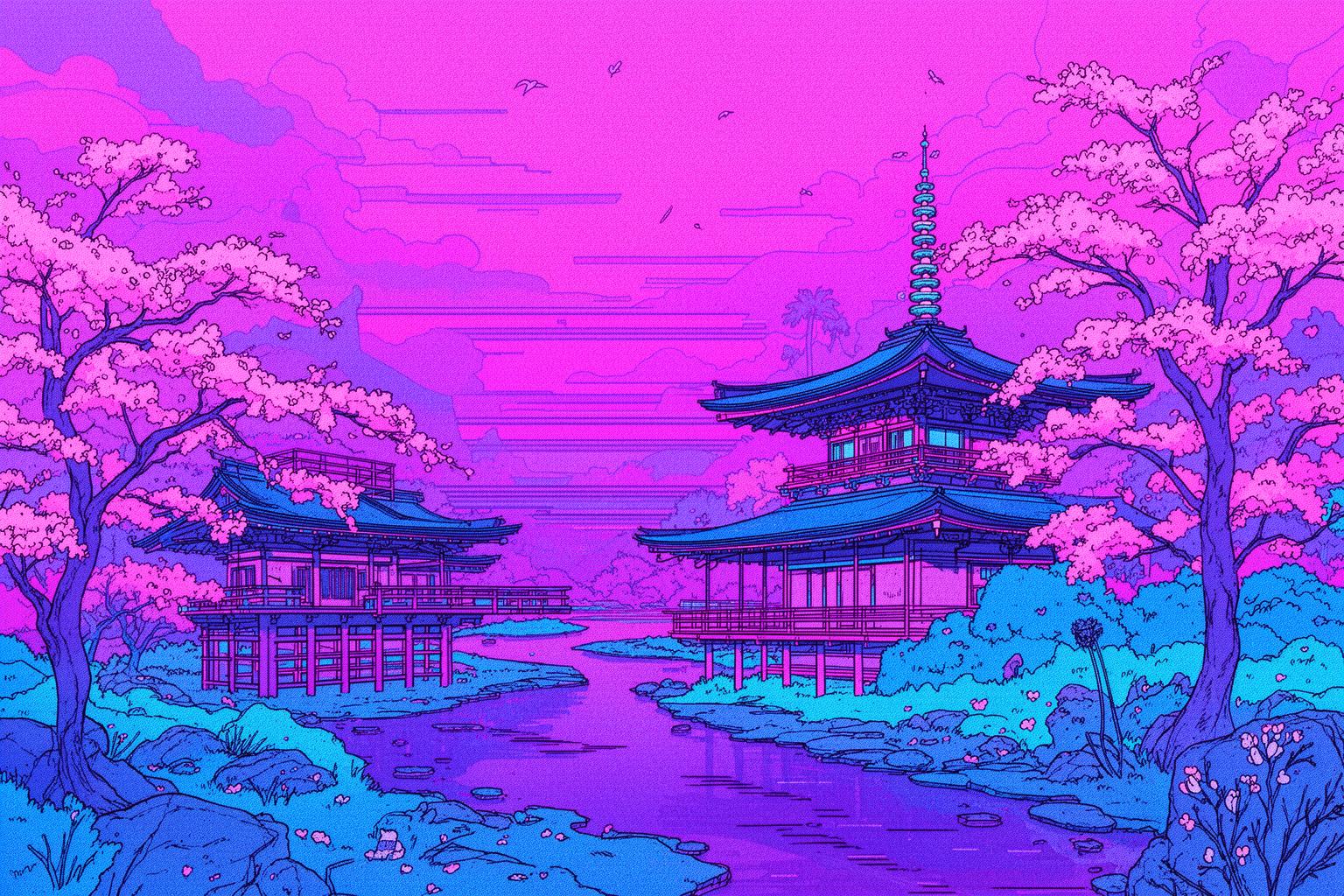
You can travel the world, staying in five-star hotels with infinity pools and Michelin-starred dining, and that’s impressive. But the experience of staying in a world-class Japanese ryokan with a private onsen and in-room kaiseki is truly unique. It goes beyond luxury in a material sense; it’s about the luxury of time, privacy, and silence. It offers an intimate connection to nature, culture, and a centuries-old tradition of hospitality. You leave feeling not only rested but deeply restored. The soothing rhythm of the ryokan, the flavors of a genuinely seasonal meal, and the warmth of the onsen are sensations that linger long after you’ve left. It reminds you that sometimes the most profound adventures are the quietest. So, when planning your next trip to Japan, consider setting aside a few days for this experience. It’s an investment in your well-being and a memory that will undoubtedly become a highlight of your travels. Trust me—it’s the real deal.