The first time you see it, you’ll probably do a double-take. Strolling down a Japanese street, you peer into a restaurant window, and there it is: a perfect, glistening bowl of ramen, its broth seemingly frozen mid-ripple. A plate of gyoza, browned to an impossible standard of uniformity. A slice of strawberry shortcake so fluffy and pristine it defies the laws of physics and gravity. You lean in closer, your brain trying to process the visual information. It looks real. It looks delicious. But something is off. There’s no steam, no scent, no tiny imperfections. And then you realize. It’s all fake. You’ve just had your first encounter with shokuhin sampuru, Japan’s extraordinary art of hyper-realistic food samples.
This isn’t just a quirky decoration. These plastic meals are a ubiquitous and essential part of Japan’s dining landscape, a multi-million dollar industry built on meticulous craftsmanship. In a country that prides itself on subtlety and unspoken rules, these displays are a surprisingly direct, almost brazen form of communication. They sit in glass cases at the entrance of countless eateries, from humble ramen shops and old-school coffee houses to high-end department store restaurants, acting as a three-dimensional, life-sized menu. But why? Why invest so much time, money, and artistic talent into creating inedible replicas of every single dish? The answer reveals a fascinating intersection of practicality, cultural values, and a deep, abiding respect for craftsmanship. These plastic feasts aren’t just for show; they are a silent promise, a visual contract between the chef and the customer, and an art form that tells a uniquely Japanese story.
Delving deeper into this art of illusion, many enthusiasts also explore fascinating insights into Japan’s fake food art to uncover the techniques behind these strikingly realistic displays.
A Delicious Deception: What Exactly Are We Looking At?

Before we can grasp the why, it helps to first appreciate the what. A well-crafted food sample is far more than a rough replica of a dish; it is an almost flawless facsimile. It’s a sculptural piece created to deceive your eyes and stimulate your salivary glands. The level of detail achieved by today’s artisans is truly breathtaking. They capture the delicate marbling of fat on a slice of raw tuna, the subtle sheen on a perfectly cooked grain of rice, and the thousands of tiny bubbles suspended in a frosty mug of beer. This is not mass-produced plastic junk; it is an expert, labor-intensive craft.
From Wax to Vinyl Chloride: The Evolution of an Art Form
The history of food samples is a tale of material innovation. The earliest models, which emerged in the 1920s, were made from paraffin wax. Though groundbreaking at the time, wax had its limitations. It was fragile, its colors faded under sunlight or the heat of display lights, and it could literally melt on a hot summer day—not ideal for a restaurant’s main advertising tool. The true revolution arrived after World War II with the introduction of plastics. Polyvinyl chloride (PVC) changed everything.
This new material was durable, stable, and capable of capturing incredibly fine detail and vibrant, permanent color. It enabled artisans to push realism to new heights. The process today remains a blend of industrial methods and painstaking handiwork. It usually begins with a restaurant providing the artisan a real dish, fresh from the kitchen. The artist then creates a silicone mold of each individual element—every slice of pork, each bamboo shoot, every single noodle. Liquid PVC is poured into these molds and baked until solid. But this is only the start. The true artistry comes next, as these blank, monochrome pieces are transformed into lifelike works.
The Uncanny Valley of Cuisine
Once the plastic components have been cast, they are handed to master painters who work more like fine artists than factory operators. Using a combination of airbrushing and delicate hand-painting, they painstakingly replicate the colors and textures of the original dish. They paint the char marks on grilled eel, the blush on a slice of ginger, and the translucent skin of shrimp. Tiny, meticulous details are added. A glistening glaze is applied to a piece of teriyaki chicken. A delicate dusting of “powdered sugar” (a special type of paint) is sprinkled over a plastic pastry. The final pieces are then assembled into the completed dish and secured with a strong adhesive, often recreating the exact layout a chef would use.
Becoming a sampuru artisan is no easy feat. It requires years of apprenticeship to master the many techniques needed to replicate the vast variety of Japanese cuisine. An artist must learn how to create the texture of crispy tempura batter, the delicate shape of a lettuce leaf, and the glossy surface of miso soup. They are masters of illusion, wielding paintbrushes and molding tools to capture a perfect, eternal snapshot of a fleeting culinary moment. It is this devotion to detail that elevates food samples from simple models to a fascinating and legitimate form of folk art.
The Menu You Can See: The Practical Genius of Food Samples
While the artistry is captivating, the entire industry originated from a very practical need. In a culture that values efficiency and clarity, food samples offer a brilliantly simple solution to a universal problem: helping people decide what to eat. They fulfill several key roles that are deeply connected to the Japanese approach to customer service and social harmony.
Addressing the Universal “What to Order” Dilemma
Primarily, a food sample functions as a visual menu. It instantly shows what a restaurant serves without requiring customers to read any text. This was revolutionary in the early 20th century when Western-style dishes were introduced to a Japanese audience unfamiliar with what “cutlet” or “omelet rice” looked like. Today, it makes dining much more accessible for foreign tourists. You don’t need to speak or read Japanese to know what you’re ordering; you can simply point to the glistening plate of tonkatsu in the window and say, “Kore, kudasai” (“This one, please”).
However, they are not just for foreigners. Japanese patrons rely on them, too. They enable diners to quickly evaluate a restaurant’s offerings from outside, deciding if the style and price suit them without the social discomfort of entering, reading a menu, and then leaving. Inside, they help diners choose between unfamiliar specials or understand the differences between two similarly named dishes. They remove uncertainty and streamline the decision-making process.
Managing Expectations, the Japanese Way
Beyond simple identification, the food sample fulfills a vital cultural role: managing expectations. In Japan, there is a strong focus on delivering exactly what is promised and avoiding causing trouble or disappointment for others. The food sample physically embodies this principle. It acts as a guarantee. The plate of curry rice you see in the window will, with remarkable consistency, be exactly the same plate that arrives at your table. The size, ingredients, and arrangement—all will match.
This eliminates the risk of “menu disappointment,” where the dish that arrives bears little resemblance to the glossy, professionally styled photograph. This strict fidelity fosters trust between customer and establishment. It is a form of non-verbal communication saying, “We take pride in our food, and this is precisely what you will receive.” It respects the customer’s choice by providing all the information needed to make an informed decision, ensuring no unpleasant surprises.
The Marketing Strength of a Perfect Ramen Bowl
Lastly, and most noticeably, food samples serve as a powerful marketing tool. They are silent, tireless salespeople, attracting potential customers around the clock. A vibrant, well-maintained display can stop pedestrians in their tracks, turning a casual glance into a committed diner. It showcases the chef’s specialties and highlights new or seasonal menu items in a way words on a menu cannot.
The visual appeal of food is universal. We eat with our eyes first, and a beautifully crafted sample can ignite a genuine craving. A restaurant with a sparse, uninviting window display might be overlooked in favor of one with a vibrant, mouth-watering selection, even if the food quality is comparable. The initial investment in high-quality samples—which can be quite costly, sometimes with a single complex dish costing hundreds of dollars—pays off by continuously drawing new and returning customers, all enticed by the promise of a delicious meal visible before they even sit down.
More Than Just a Model: The Art and Culture of Sampuru
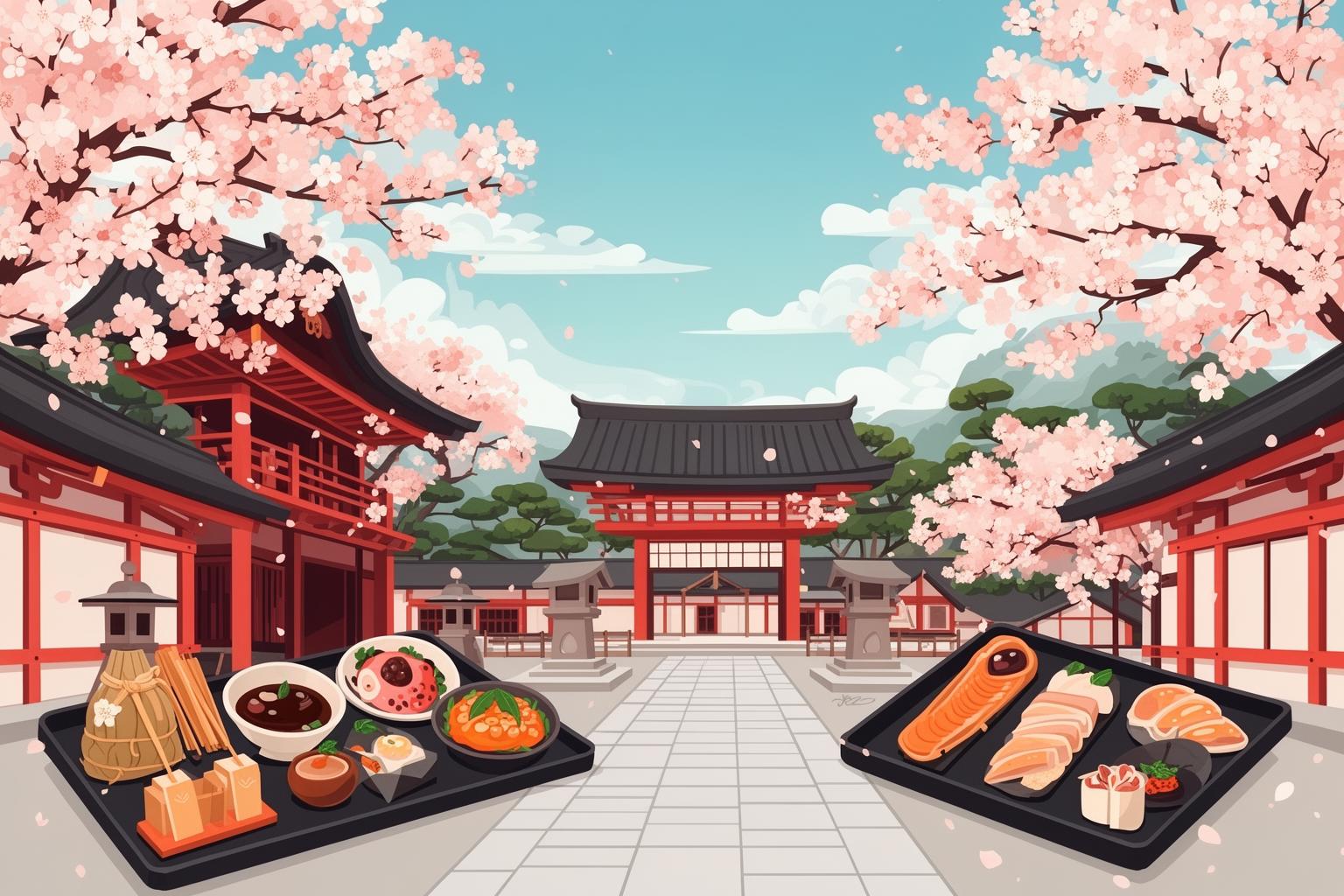
To view food samples solely as functional items is to overlook half the story. Their evolution from a department store novelty to a national icon reveals a tale of Japanese modernization, creativity, and cultural admiration for specialized craftsmanship. The industry has its own origin myth, geographic center, and class of dedicated masters.
The Birth of an Industry: The Story of Takizo Iwasaki
The invention of modern food samples is commonly attributed to Takizo Iwasaki. According to industry lore, in 1932, Iwasaki crafted a wax model of his wife’s omurice (a popular omelet filled with fried rice). He worked on it carefully, and when finished, placed it on a plate next to the real dish. His creation was so realistic that his wife couldn’t distinguish between the two. Seeing the commercial promise, he founded Iwasaki Works in his hometown of Gujo Hachiman in Gifu Prefecture.
His timing was ideal. Japan was rapidly urbanizing and westernizing. Department stores were becoming popular social centers, often featuring large cafeterias serving a wide range of Japanese and foreign dishes. Food sample displays provided an excellent way to introduce these new items to the public and help customers navigate extensive menus. The concept took off, and Gujo Hachiman became—and remains—the epicenter of food sample production in Japan, producing a large share of the national market.
Kappabashi: The Kitchen Street Where Food Lives Forever
While Gujo Hachiman is the manufacturing hub, the public face of the sampuru world is unquestionably Tokyo’s Kappabashi-dori. Known as “Kitchen Town,” this long street is filled with hundreds of shops selling everything a restaurant might need, from industrial stoves and custom knives to thousands of ceramic bowls and, naturally, food samples. Several shops specialize in sampuru, their windows brimming with an astounding variety of plastic cuisine.
These shops have become prominent tourist attractions. Visitors marvel at the endless displays of perfectly crafted sushi, tempura, and pastries. Here, the art form has entered pop culture. You can find not only full-scale restaurant models but also a wide range of sampuru-themed souvenirs: keychains shaped like gyoza, magnets resembling slices of sashimi, and phone cases decorated with bacon and eggs. These items offer visitors a quirky keepsake of this unique Japanese craft.
The Craftsmanship Behind the Scenes
What often goes unnoticed amidst the novelty is the deep, collaborative relationship between the restaurant and the sample artisan. Creating a new sample is not a one-way process. A chef doesn’t simply send a photo; they send the actual dish. The sample artist then dissects it, studies every detail, and strives to capture what they call the shokkan, or the perceived texture and essence of the food. They aim to convey not only how the food looks but how it feels to eat. Is the tonkatsu crispy? Is the tofu silky? Is the ramen broth rich and fatty?
This process requires dialogue. The chef may provide feedback on early prototypes, suggesting changes in color or arrangement to better reflect the real dish. The objective is a flawless, one-to-one replica. This commitment embodies the Japanese concept of shokunin, or the master artisan devoted to perfecting a single craft. The sampuru maker is a shokunin just as much as a master sushi chef or swordsmith. Their pride stems from the impeccable execution of their work and their ability to honor the culinary artistry of another craftsman.
The Modern Life of Fake Food
In an age dominated by Instagram, QR code menus, and digital ordering tablets, one might question whether these physical, plastic models have become outdated. Are food samples simply destined to be relics of the past? The evidence suggests otherwise. Rather than disappearing, the art of sampuru has evolved and discovered new forms of expression, embedding itself more deeply into both Japanese culture and the global imagination.
From Restaurant Window to Your Keychain
The surge of sampuru as souvenirs and novelty items has breathed new life into the industry. Once a purely B2B sector catering exclusively to restaurants, it now boasts a thriving direct-to-consumer market. This shift has encouraged artisans to become more creative and playful with their designs. Today, you can find incredibly detailed food-themed accessories, from earrings resembling tiny lemon slices to elaborate hair clips featuring a full plate of spaghetti. These items appeal to both tourists and young Japanese alike, serving as quirky and fun forms of self-expression. They transform functional objects into wearable art, underscoring their iconic status.
Can I Make My Own? The Rise of the Sampuru Workshop
Further solidifying its role as a cultural experience, many sample-makers now offer hands-on workshops to the public. In places like Kappabashi and Gujo Hachiman, you can book a session to try the craft firsthand under professional guidance. Popular projects include creating tempura and lettuce leaves—two items featuring particularly satisfying and almost magical-looking techniques. For tempura, colored wax is dripped into warm water, where it takes on the characteristic crispy shape. For lettuce, layers of green and white wax are carefully drizzled onto the water’s surface, then gathered and shaped into a surprisingly lifelike head of lettuce.
These workshops foster a deeper appreciation for the skill involved. What seems simple is, in fact, incredibly challenging to master. The experience is both fun and engaging, demystifying the process and connecting people directly with this unique Japanese tradition. It has become a favored activity for school trips, dates, and curious travelers, ensuring the craft’s knowledge and appreciation are passed on to new generations.
A Future-Proof Art?
So, are food samples here to stay? All indications say yes. Although digital menus offer convenience, they lack the physical presence and inherent honesty of sampuru. While photos on screens can be edited to appear better than reality, a physical model cannot deceive. It occupies the same space as you, lit by the same light. Its tangibility is its greatest strength, providing a sense of assurance and charm that technology cannot replicate.
Ultimately, shokuhin sampuru endures because it embodies key aspects of Japanese culture: a pragmatic approach to problem-solving, meticulous attention to detail, deep respect for craftsmanship (monozukuri), and a dedication to exceptional customer service (omotenashi). It is a solution that is simultaneously highly logical and wonderfully artistic.
Next time you visit Japan, take a moment to truly observe the food displayed in the window. Don’t just see it as a menu. Appreciate it for what it is: a piece of art, a slice of history, and a quiet promise of the delicious meal awaiting you inside. You’re not simply looking at a bowl of plastic noodles; you’re witnessing a century of Japanese ingenuity, frozen in time and presented for your admiration.