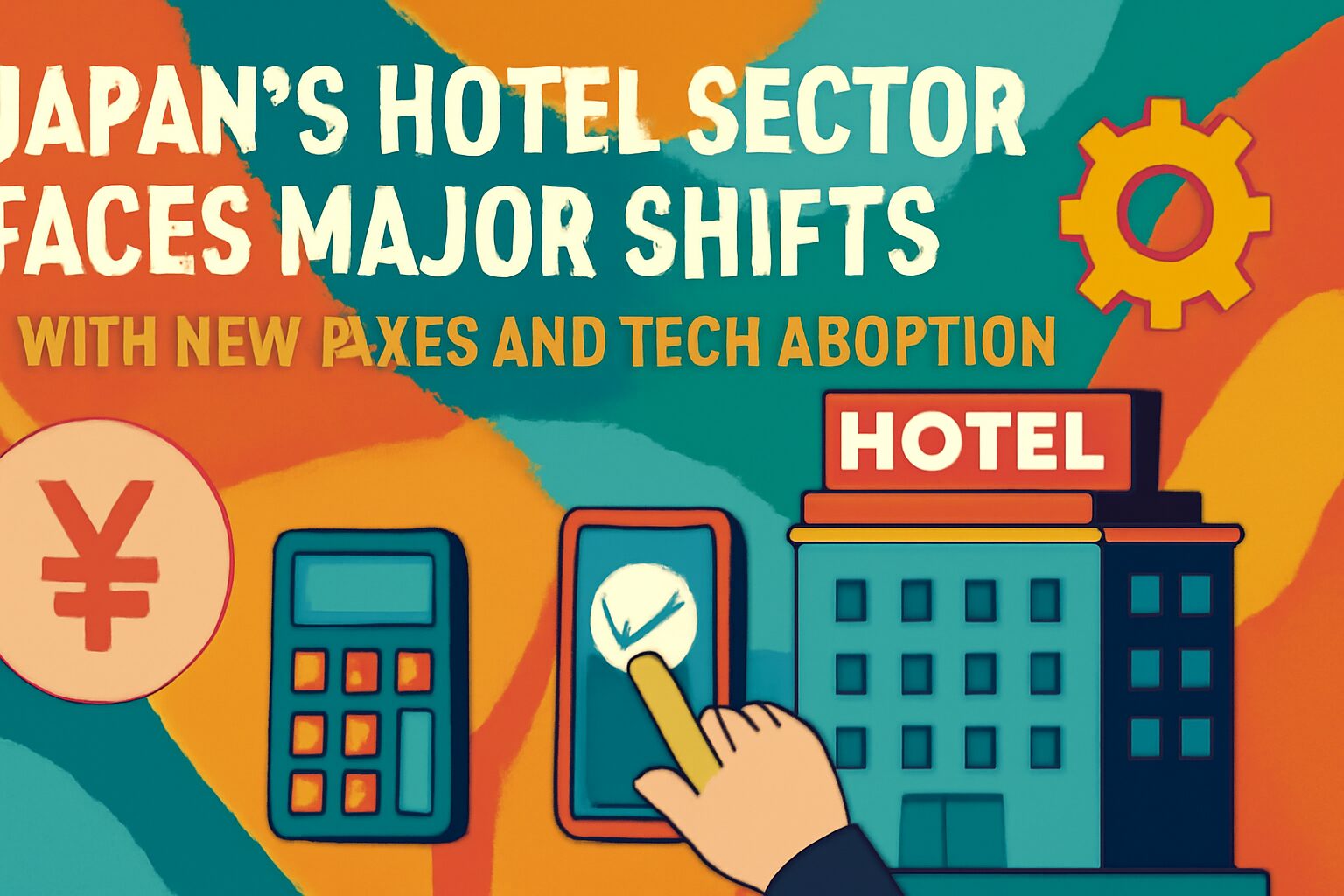
As Japan’s tourism industry continues its powerful post-pandemic rebound, the hotel sector is bracing for a wave of transformative changes set to redefine the landscape by 2026. Two major forces are at play: significant adjustments in tourism-related fiscal policies and the rapid integration of artificial intelligence into travel planning. These shifts present both challenges and opportunities for hoteliers across the country.
The Rising Tide of Tourism Taxes
With visitor numbers soaring—surpassing 25 million in 2023 and on track to exceed pre-pandemic levels in 2024—many of Japan’s most popular destinations are grappling with the effects of overtourism. To manage the strain on public infrastructure and preserve cultural heritage, local governments are turning to accommodation taxes as a key revenue source.
Kyoto’s Proposed Tax Hike
Kyoto, a city synonymous with traditional Japanese culture, is at the forefront of this movement. The city already imposes a tiered accommodation tax of ¥200 to ¥1,000 per person per night, depending on the room rate. However, facing unprecedented tourist crowds, the city council is now considering a drastic increase. While specific figures are still under discussion, the new proposal aims to generate more substantial funds for sustainable tourism initiatives, which could see the tax rate climb significantly by 2026. This move follows a trend set by other popular locations like Tokyo, Osaka, and Kanazawa, which have all implemented their own lodging taxes.
Potential Impact on Travelers and Hotels
For international visitors, this means an increase in the overall cost of a trip to Japan. While a few extra hundred or thousand yen may not deter luxury travelers, it could influence the decisions of budget-conscious tourists and long-stay visitors. Hotels, in turn, face the challenge of incorporating these taxes into their pricing strategies without losing a competitive edge. The increased tax burden could also complicate administrative processes and potentially impact booking volumes, especially in highly competitive markets.
The AI Revolution in Travel Planning
Simultaneously, a technological revolution is reshaping how travelers discover, plan, and book their journeys. The integration of generative AI, such as ChatGPT, into major Online Travel Agencies (OTAs) is fundamentally altering the booking ecosystem.
OTAs Evolve into AI-Powered Concierges
Major players like Expedia and Booking.com have already rolled out AI-driven trip planners. These tools allow users to plan complex itineraries through natural language conversations. Instead of searching for hotels based on fixed criteria, travelers can now ask for “a quiet hotel in Kyoto near Gion with traditional design and a great breakfast for under ¥30,000.” The AI then sifts through vast amounts of data, including reviews, photos, and amenities, to provide personalized recommendations.
A New Challenge for Hotel Direct Bookings
This shift poses a significant challenge to hotels’ direct channel strategies. As travelers become more reliant on the seamless, all-in-one planning experience offered by AI-powered OTAs, it becomes harder for individual hotels to capture direct bookings. To compete, hotels must adapt by:
- Enhancing their own digital experience: Implementing AI chatbots on their websites to offer instant, personalized assistance.
- Focusing on “AI Optimization”: Ensuring their hotel’s unique selling points—be it an exceptional view, a unique cultural experience, or award-winning cuisine—are clearly described and tagged in data that AI can easily parse and recommend.
- Leveraging unique value: Highlighting exclusive perks and experiences available only through direct booking, creating a compelling reason for travelers to visit the hotel’s own website.
Navigating the Future: A Dual Challenge
Looking ahead to 2026, Japan’s hotel industry must navigate this dual-front transformation. The fiscal pressure from new taxes will require hotels to optimize operations and clearly communicate value, while the technological disruption from AI will demand a fundamental rethink of digital marketing and customer engagement.
Hotels that successfully adapt will be those that embrace technology to enhance the guest experience, use data to understand and anticipate traveler needs, and offer authentic, high-value experiences that justify both the price and the tax. The coming years will undoubtedly be a period of adjustment, but for those who innovate, the future of Japanese hospitality remains bright.