Yo, what’s up, fellow travelers and foodies! It’s your girl, Emily, coming at you straight from the land of the rising sun. Let’s talk about autumn in Japan. You’re probably picturing those fire temples in Kyoto, right? Crowds of people all trying to get that perfect shot of a crimson maple. It’s a vibe, for sure, but what if I told you there’s a place where you can see autumn’s first blush, way before anyone else in Japan? A place so vast, so wild, and so unbelievably epic that it makes you feel like you’ve stepped onto another planet. We’re talking about Daisetsuzan National Park in Hokkaido, Japan’s largest national park and the undisputed GOAT when it comes to early fall colors. No cap, this is where autumn makes its grand entrance, dropping the mic on summer in mid-September while the rest of the country is still sweating. Forget what you thought you knew about fall foliage schedules. Here, in the Playground of the Gods, nature sets its own clock, and getting to witness it is a core memory in the making. This isn’t just a park; it’s a whole mood, a grand adventure that kicks off the most beautiful season in Japan. It’s time to ditch the crowds and get a front-row seat to the greatest color show on Earth. Let’s get into it.
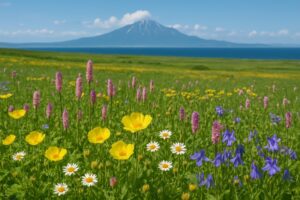
If you’re looking for another incredible Hokkaido wilderness experience beyond the autumn leaves, you should definitely check out the stunning Sarobetsu Plain for its wildflowers and birdwatching.
The Daisetsuzan Vibe Check: Why This Place is Next Level
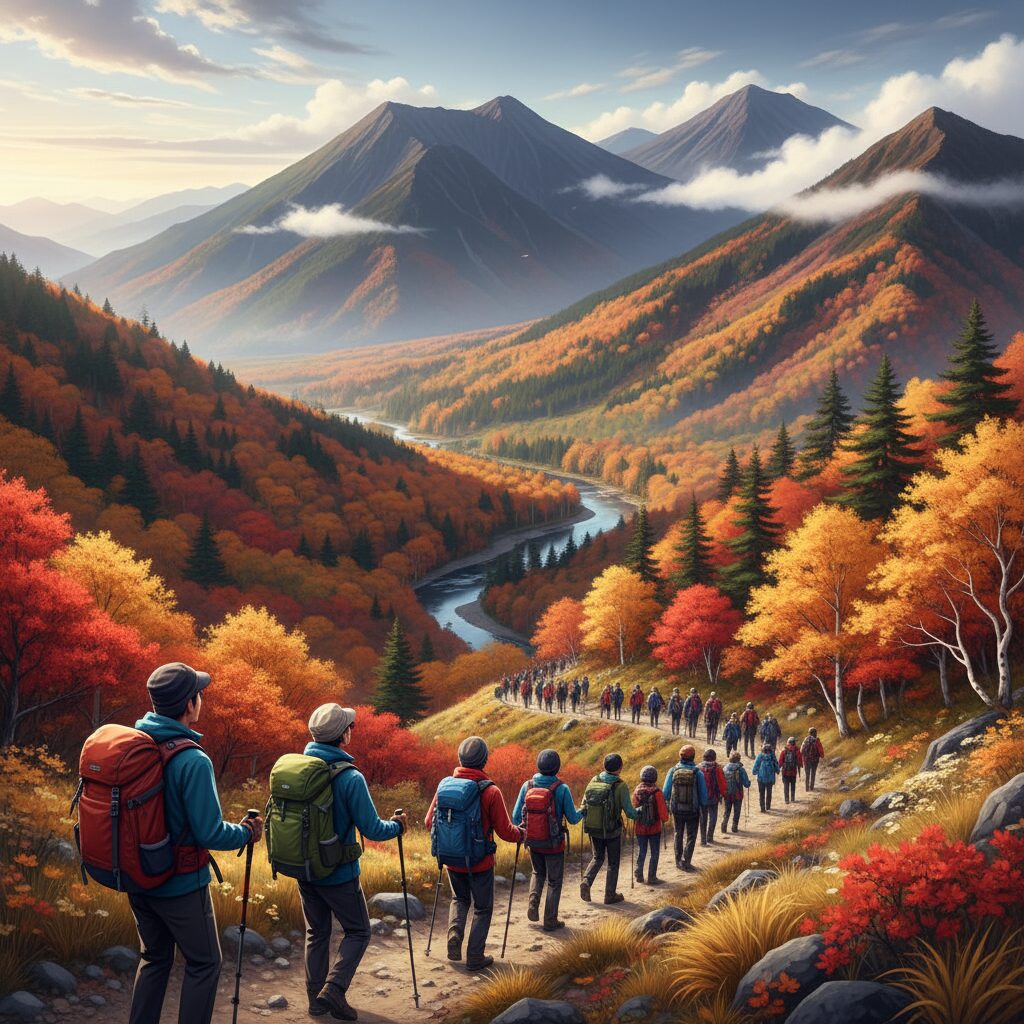
So, what’s the real story with Daisetsuzan? First, let’s consider its scale. This park is enormous—bigger than some small countries. It’s an expansive wilderness filled with active volcanoes, alpine meadows, primeval forests, and crystal-clear lakes. The name Daisetsuzan translates to “Great Snowy Mountains,” and it certainly lives up to that reputation. This range forms the literal roof of Hokkaido, and due to its high elevation, it experiences cold weather much earlier than anywhere else in Japan. That’s the secret ingredient. While people in Tokyo are still wearing t-shirts, the alpine plants and tough trees high on these peaks are already bursting into a vibrant display of reds, oranges, and yellows. The atmosphere here is completely different from the manicured, peaceful gardens often linked with Japan. This is nature in its rawest state—untamed, unpredictable, and profoundly beautiful. Here, you feel small, in the best possible way. The air is so crisp it almost crackles, and the silence is interrupted only by the whistle of the wind, the call of a pika, or the crunch of your hiking boots on volcanic soil. It’s a fully immersive sensory experience that grounds you and deepens your appreciation for the sheer power of the natural world. This isn’t just about admiring pretty leaves; it’s about sensing the turning of the seasons in a place that feels ancient and sacred.
Asahidake: The Main Character of the Autumn Show
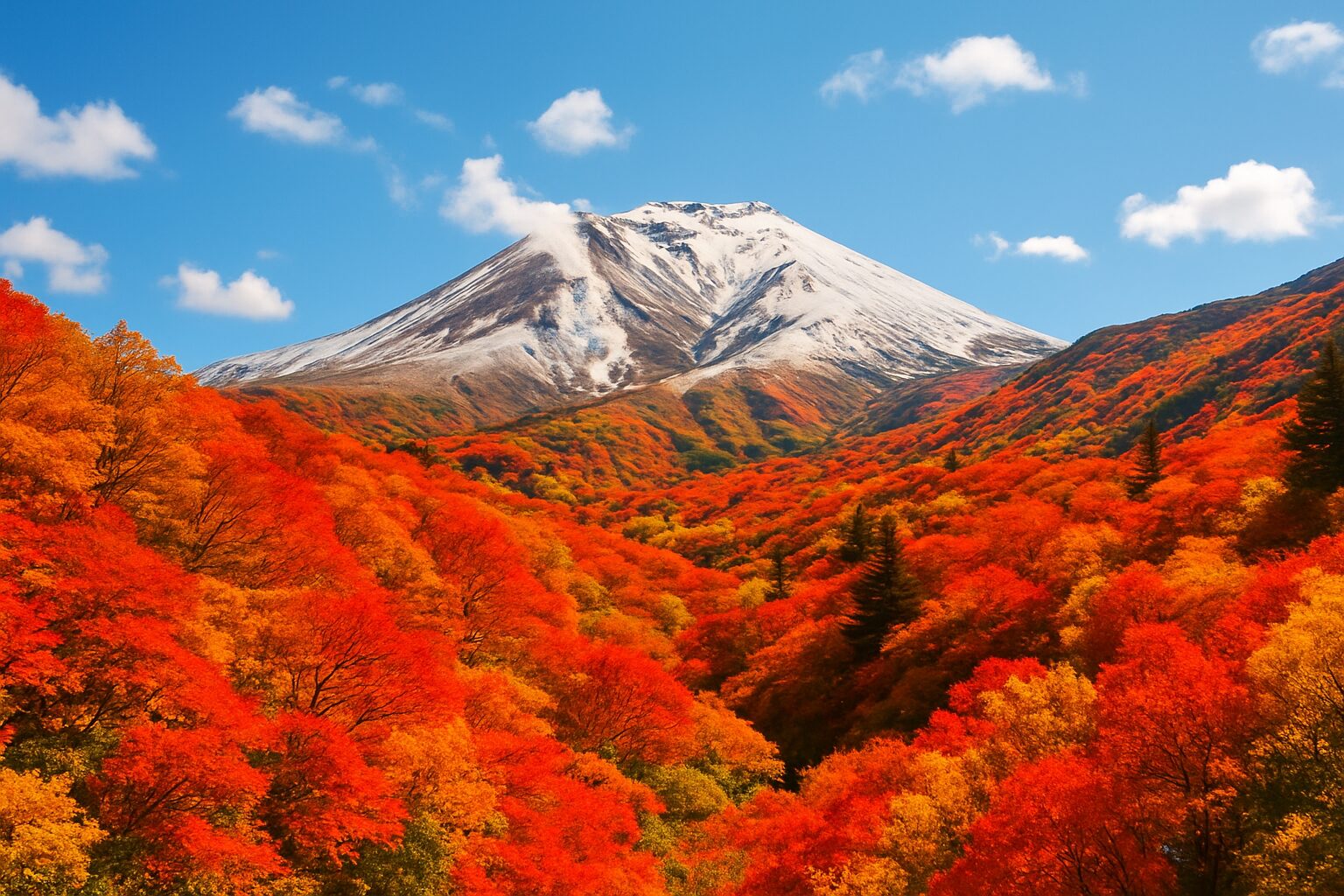
If Daisetsuzan National Park is the main stage, then Mount Asahidake undoubtedly takes the spotlight. Rising to 2,291 meters, it’s the tallest peak in Hokkaido and the place where the autumn festivities begin. The best way to enjoy it, especially if you’re not an experienced mountaineer, is the Asahidake Ropeway. This incredible lift changes everything, whisking you up to the alpine zone in about ten minutes. As you climb, the scenery below shifts dramatically. The dense green forest transforms into a vivid patchwork of dazzling colors. Honestly, your jaw will drop before you even step out of the cabin.
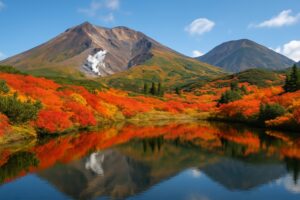
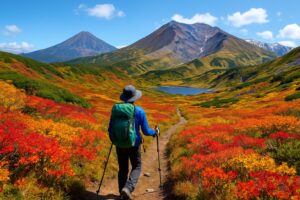
Upon reaching the top station, you’re greeted by an otherworldly landscape. The air feels thinner, the colors more vibrant, and you can spot plumes of steam rising from volcanic vents, or jigokudani (hell valleys), scattered across the slopes. It’s a constant, powerful reminder that you’re standing on an active volcano. The must-do here is the Sugatami Pond Loop Trail, a relatively easy, one-hour walk that circles through this stunning alpine environment. The trail is well-maintained but still rugged, so be sure to wear proper footwear. Along the way, you’ll encounter the star attraction: the nanakamado, or Japanese rowan. These low shrubs blaze with a red so intense it almost looks unreal. That electric crimson stands out beautifully against the golden yellows of the birches and the deep green of the creeping pines. The trail leads you past a series of pristine ponds, and on a clear, calm day, the reflection of Mount Asahidake, with its steaming vents and autumnal hues, creates a view that will stay etched in your memory forever. It’s one of those moments that makes you put your phone down and simply be present. The silence, the vastness, the colors—it’s a truly spiritual experience. After soaking it all in and filling your camera roll, head back to the ropeway station. Believe me: the soft-serve ice cream there tastes especially good after a crisp mountain hike. The creamy, rich flavor of Hokkaido milk is the perfect reward for your adventure.
Level Up: Exploring Daisetsuzan’s Hidden Gems
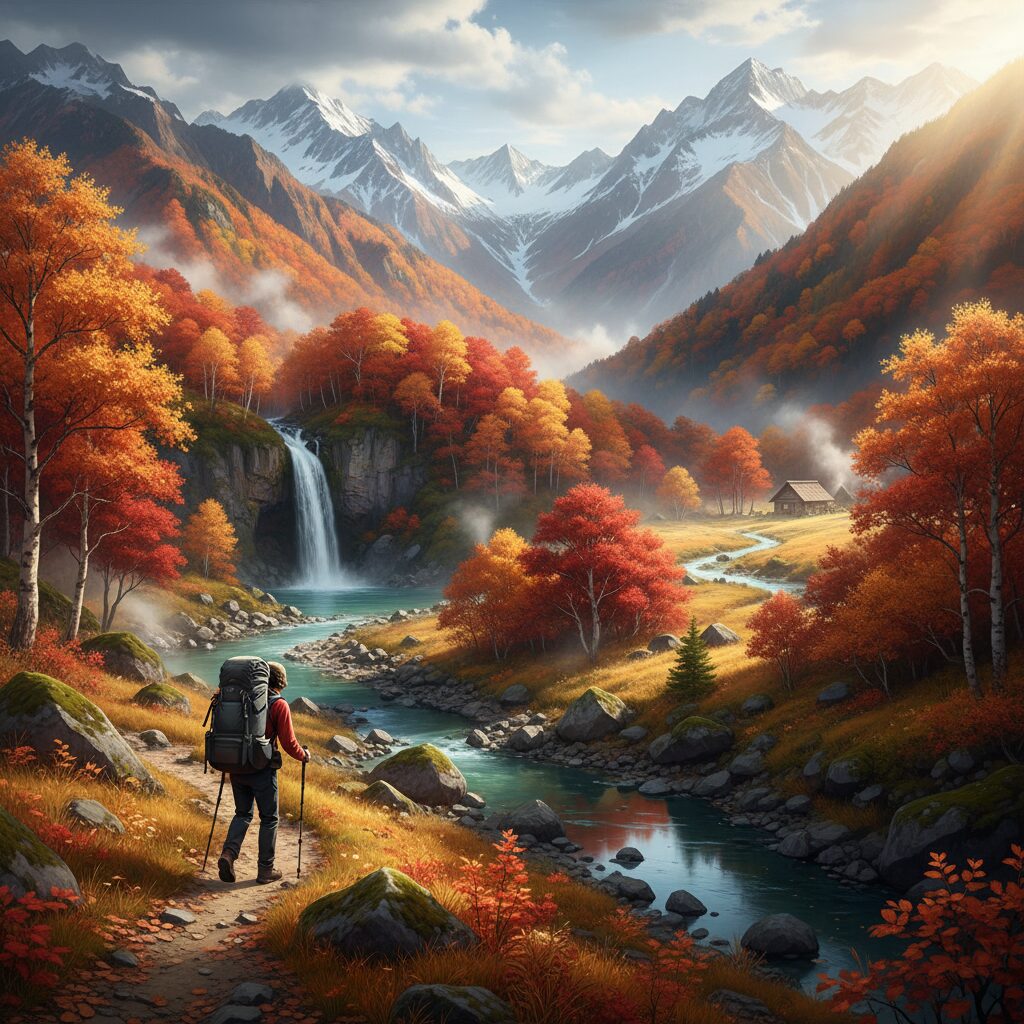
Asahidake is incredible, but it’s just the start. The vastness of Daisetsuzan means there are countless other areas to explore, each offering its own distinct charm. To truly experience this park, having a car is essential. It gives you the freedom to follow the changing colors and discover the less-traveled paths.
Ginsendai & Daisetsu Kogen Onsen: For the Dedicated Leaf Peepers
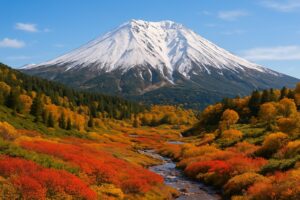
If you want to go beyond the main tourist routes, Ginsendai is the place to visit. This spot is legendary among Japanese autumn enthusiasts. It’s a viewpoint on a mountain pass renowned for providing a view of what can only be called a literal sea of red. The slopes are blanketed with nanakamado bushes, creating a fiery landscape. The road leading up to Ginsendai is narrow and operates as a one-way shuttle bus during the absolute peak season (usually mid-to-late September) to manage traffic, so careful planning is essential. You can’t just show up whenever you like. You have to park and take the designated bus. It’s a bit inconvenient, but the reward is absolutely worth it.
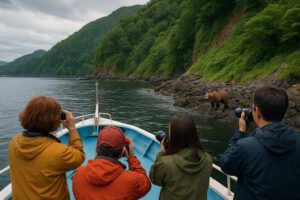
For the truly adventurous, there’s the Daisetsu Kogen Onsen area, also called the Brown Bear Information Center. And yes, that’s correct. This area is so wild and has such a high concentration of higuma (brown bears) that you must attend a safety briefing before you’re allowed to hike the trails. They cover bear etiquette: make noise, avoid surprising them, carry a bear bell, and know how to react during an encounter. This adds an exciting, slightly daunting edge to your hike. The main trail here is the Numa Meguri, or pond-hopping course. It leads you through a primeval forest to a series of beautiful, secluded ponds, each with its own personality. The autumn colors reflecting on the still waters, combined with the awareness that you’re sharing the forest with its most powerful inhabitants, create an unforgettable experience. This isn’t a casual walk; it’s a true immersion into Hokkaido’s untamed wilderness.
Sounkyo Gorge: Waterfalls and Onsen Atmosphere
Switching things up entirely, Sounkyo Gorge offers a different kind of spectacle. Instead of vast alpine views, you’re surrounded by towering, 100-meter-high columnar cliffs extending for miles. It feels like stepping into a prehistoric canyon. The main highlights are two stunning waterfalls: Ginga no Taki (Milky Way Falls) and Ryusei no Taki (Shooting Star Falls). They tumble down sheer rock faces, and in autumn, they’re framed by vibrant foliage. You can admire them from a parking area below or hike up to a dual-view platform for an even more spectacular sight. For an even better panorama of the gorge and surrounding peaks, take the Sounkyo Ropeway up Mount Kurodake. Like Asahidake, this lift carries you above the treeline for breathtaking vistas. From the top station, you can also take a chairlift further up to experience a true mountaintop feeling. After a day of exploration, Sounkyo Onsen town is the ideal place to relax. Nestled right in the gorge, it’s a classic Japanese hot spring resort. Soaking in a steaming onsen while gazing at autumn-colored cliffs is the perfect way to unwind. And for the food lover in me, Sounkyo offers a great chance to enjoy a hearty bowl of miso ramen or find a cozy izakaya to recharge.
The Koyo Front: Nailing the Timing
Alright, let’s get down to the essentials. Timing is crucial when it comes to chasing autumn colors in Daisetsuzan. Unlike cherry blossoms, which have a fairly predictable season, the koyo zensen, or autumn color front, is quite unpredictable and depends heavily on the specific year’s temperatures and weather conditions. The key point is that the colors begin at the highest elevations and gradually descend into the valleys. It’s a moving target, which adds to the excitement.
Here’s a general timeline to keep in mind:
Early to Mid-September
This is the absolute peak for alpine areas near the summits of Mount Asahidake and Mount Kurodake. The nanakamado and other alpine shrubs reach their most vibrant hues during this period. This window is what makes Daisetsuzan famous as Japan’s first prime autumn destination. If targeting this timeframe, be sure to check weather and foliage updates daily.
Mid to Late September
The color wave begins descending the mountain. This is prime time for mid-elevation spots like Ginsendai and the Kogen Onsen area. The forests showcase a stunning mix of reds, yellows, and oranges, while the valleys remain mostly green, creating a beautiful contrast with the fiery mountainsides above.
Late September to Early October
At this point, the highest peaks have likely passed their peak color, possibly even experiencing the first snowfall. But the autumn spectacle continues! The hues have reached the lower elevations, making places like Sounkyo Gorge and surrounding onsen towns especially picturesque. Driving through the park during this time offers countless postcard-perfect views at every turn.
My pro tip? Avoid fixating on a specific date. The smartest approach is to allow for a flexible window of a few days and be ready to follow the colors as they move. Local tourism websites and live webcams are invaluable for real-time updates. Nature is the show’s director, and we’re just the fortunate audience.
Your Daisetsuzan Game Plan: Getting In and Getting Around
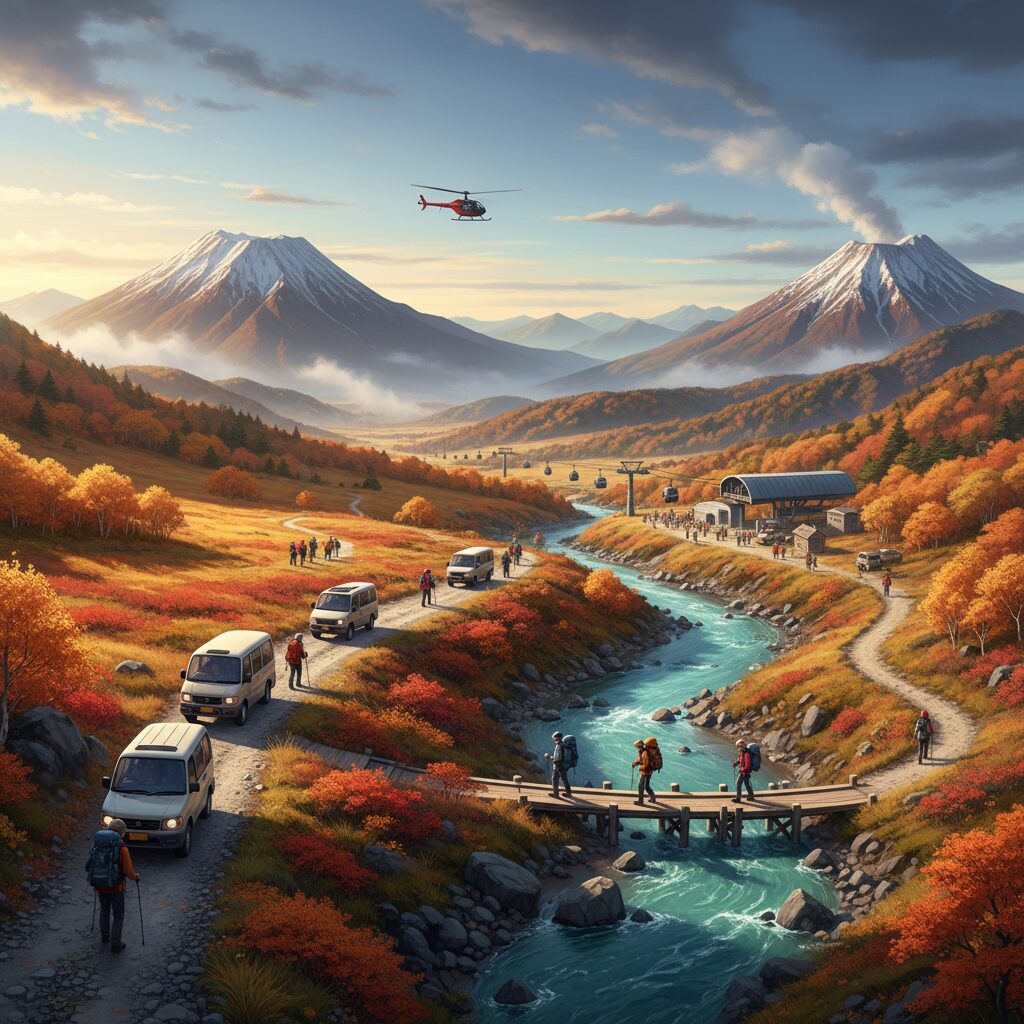
Let’s be honest for a moment: Daisetsuzan National Park isn’t the easiest place to get to in Japan, and that’s a big part of its allure. You have to work for it. The best way to explore the park is definitely by renting a car. While public transportation is available, it’s limited, infrequent, and won’t take you to some of the top spots like Ginsendai. Having your own vehicle lets you stop at every random viewpoint, chase the best lighting for photos, and change your plans based on the weather. The gateway city to the northern part of the park is Asahikawa, which has its own airport and is easily accessible by train from Sapporo. This makes it the ideal place to rent a car and stock up on supplies.
A smart approach is to base yourself in one of the towns surrounding the park. Higashikawa is a charming, trendy town near the Asahidake Ropeway, known for its excellent cafes and artisan shops. Asahikawa itself is a larger city, offering more accommodation and dining options (hello, Asahikawa ramen!). Sounkyo Onsen is another excellent base if you want to be close to the main attractions and have easy access to hot springs. When driving, be prepared for mountain roads—they’re well-maintained but often narrow and winding. It’s also common to encounter wildlife, such as Ezo deer or the elusive Kita-kitsune fox, so drive carefully. Additionally, keep an eye on seasonal road closures and regulations. Popular spots might have traffic restrictions during peak seasons, requiring you to use shuttle buses. It’s all part of the adventure, so just go with the flow.
More Than Just Leaves: Soaking, Spotting, and Snacking
Daisetsuzan is a multifaceted treasure. While the autumn foliage is the main attraction, there is so much more to discover.
Onsen Paradise
This area is a geothermal marvel, meaning world-class onsen are abundant. After a day of hiking in the crisp mountain air, nothing beats slipping into a steaming hot spring. Each onsen site offers a distinct mineral composition and atmosphere. Asahidake Onsen is rustic and tranquil, while Sounkyo Onsen is a lively resort town. For the ultimate treat, seek out a rotenburo—an outdoor bath. Immersing yourself in geothermally heated waters surrounded by vibrant red and yellow leaves, with only the sound of wind rustling through the trees, is pure magic. It nourishes both body and soul.
Wildlife Encounters
The park is home to an extraordinary variety of wildlife. Its most famous inhabitant is the Ussuri brown bear, or higuma. Although spotting one is rare (and you should always keep your distance), just knowing they roam here adds an exciting edge to any hike. Always carry a bear bell to make noise and alert them of your presence. You’re more likely to see graceful Ezo sika deer grazing in meadows or a lively Siberian chipmunk scurrying across the trail. If you’re especially fortunate, in the rocky alpine zones, you might hear the high-pitched squeak of the pika, a tiny, charming relative of the rabbit that lives among the boulders.
The Foodie Scene is Fire
I couldn’t forget the food! Hokkaido is Japan’s breadbasket, and the region around Daisetsuzan is no exception. First and foremost, you must try Asahikawa ramen. It’s one of Hokkaido’s “big three” ramen styles, typically featuring a rich, savory shoyu (soy sauce) broth topped with a distinctive layer of hot lard to keep it warm in the cold climate. It’s a perfect, soul-warming dish. Beyond ramen, this is a land of extraordinary dairy. The soft-serve ice cream is exceptional, as are the local cheeses and yogurts. Seek out restaurants that pride themselves on using local, seasonal vegetables—the produce here is incredibly fresh and flavorful. And if you’re feeling adventurous, try Jingisukan (pronounced “Genghis Khan”), a Hokkaido specialty of grilled mutton and vegetables cooked yourself on a dome-shaped skillet. It’s a fun, communal meal and a genuine taste of Hokkaido.
Pro Tips from Your Girl: The IYKYK Guide
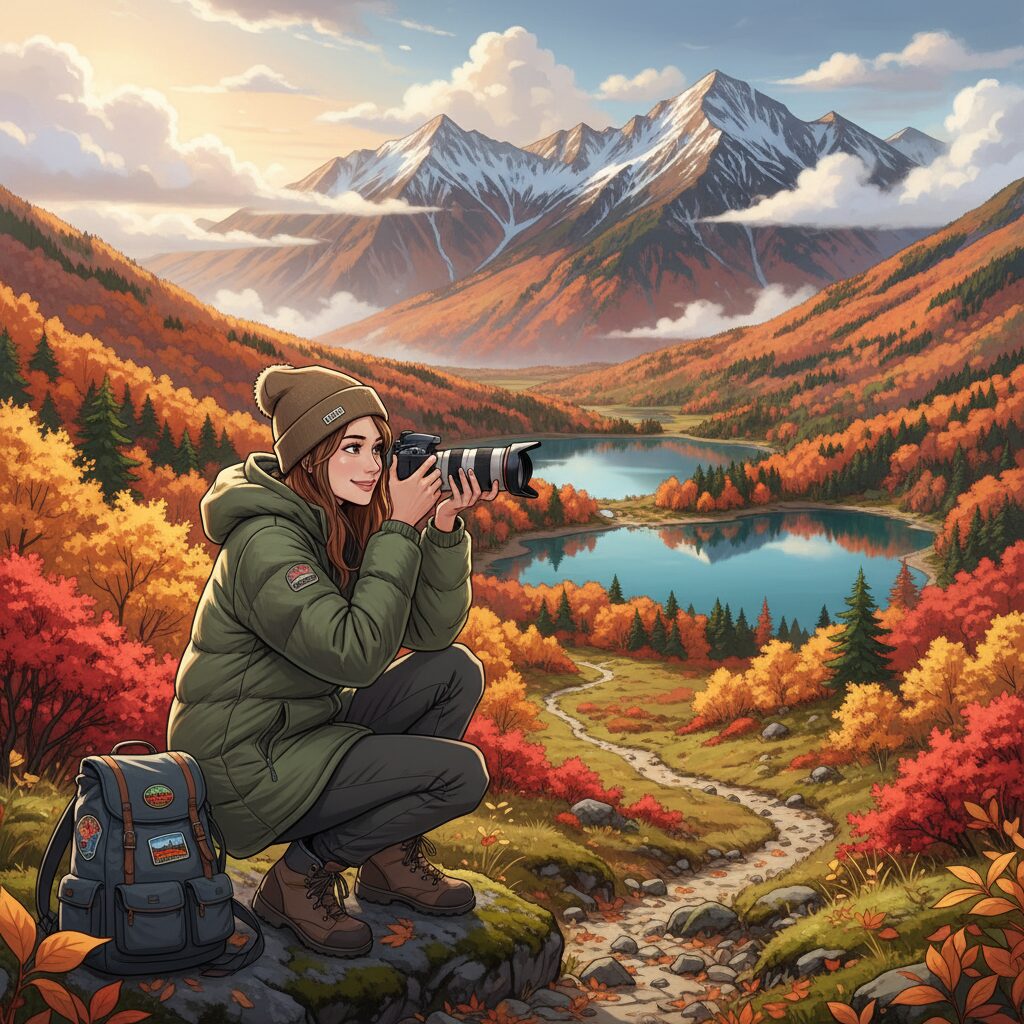
Alright, before you book your flight, here are some insider tips to help your trip go smoothly. IYKYK (if you know, you know) — and now you do.
Dress Like an Onion
Layers, layers, layers are your best friend. Mountain weather is famously unpredictable. You might start a hike in a comfortable t-shirt under the sun, only to be shivering in cold, windy fog half an hour later. Bring a waterproof and windproof outer shell, a fleece or down mid-layer, and a moisture-wicking base layer. A hat and gloves aren’t overkill, even in September.
Book It or Lose It
The peak autumn season in Daisetsuzan is short and highly popular. Accommodations in the small towns and rental cars from Asahikawa book up months ahead. Don’t delay—once you decide to go, start securing your reservations. Seriously.
Cash is Still King
While Japan is becoming more card-friendly, you’re heading into rural areas. Small guesthouses (minshuku), local noodle shops, and some onsen entrance fees may require cash only. Always carry a sufficient amount of yen with you.
Respect the Locals (The Furry Ones)
I can’t emphasize this enough: this is their home. Do not feed the wildlife. It’s harmful to them and can be dangerous for you. Keep a respectful distance, store your food securely, and take out everything you bring in. Leave no trace is the golden rule.
Check, and Double-Check
Before setting out on any hike, check the latest trail conditions and weather forecasts. Visitor centers in Asahidake and Sounkyo are invaluable resources. Trails may close due to weather, volcanic gas, or bear activity. Stay flexible and have a backup plan.
The Spiritual Core: Kamui Mintara, Playground of the Gods
There’s a deeper dimension to this place that deserves recognition. Before the Japanese named it Daisetsuzan, this vast mountain range was called Kamui Mintara by the Ainu, the indigenous people of Hokkaido. The name means “Playground of the Gods.” For the Ainu, these mountains were far more than a landscape feature; they were a sacred, living realm inhabited by powerful deities, or kamuy. This viewpoint transforms how one perceives the park. It’s not merely a collection of beautiful scenery; it’s a site of profound spiritual importance. The steaming volcanic vents were seen as the mountains’ breath, the strong rivers as life-giving forces, and the bears as mighty gods in animal form. Hiking through these ancient forests and volcanic plateaus, you can sense that energy. It serves as a powerful reminder to tread carefully and respectfully, appreciating the deep history and culture embedded in this remarkable landscape. Understanding this background enriches the experience well beyond simply capturing photos of autumn’s colors.
The Lingering Glow of Autumn’s First Flame
Leaving Daisetsuzan is bittersweet. You leave behind the crisp, pure air and the overwhelming grandeur of the mountains, but you carry something with you. It’s the memory of that impossible red, the feeling of being enveloped by wilderness that is both stunning and formidable, and the quiet awe inspired by witnessing the very first moments of a new season. The trip recalibrates your senses. Colors appear more vivid, food tastes fuller, and quiet moments feel deeper. Daisetsuzan is more than a destination; it’s an experience that sinks under your skin. It reveals the raw, untamed side of Japan that many visitors never encounter. So if you’re seeking an autumn adventure truly off the beaten path, one that rewards you with breathtaking views and a genuine sense of discovery, this is it. Come to the Playground of the Gods and watch the world ignite. You won’t regret it.