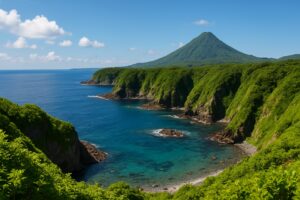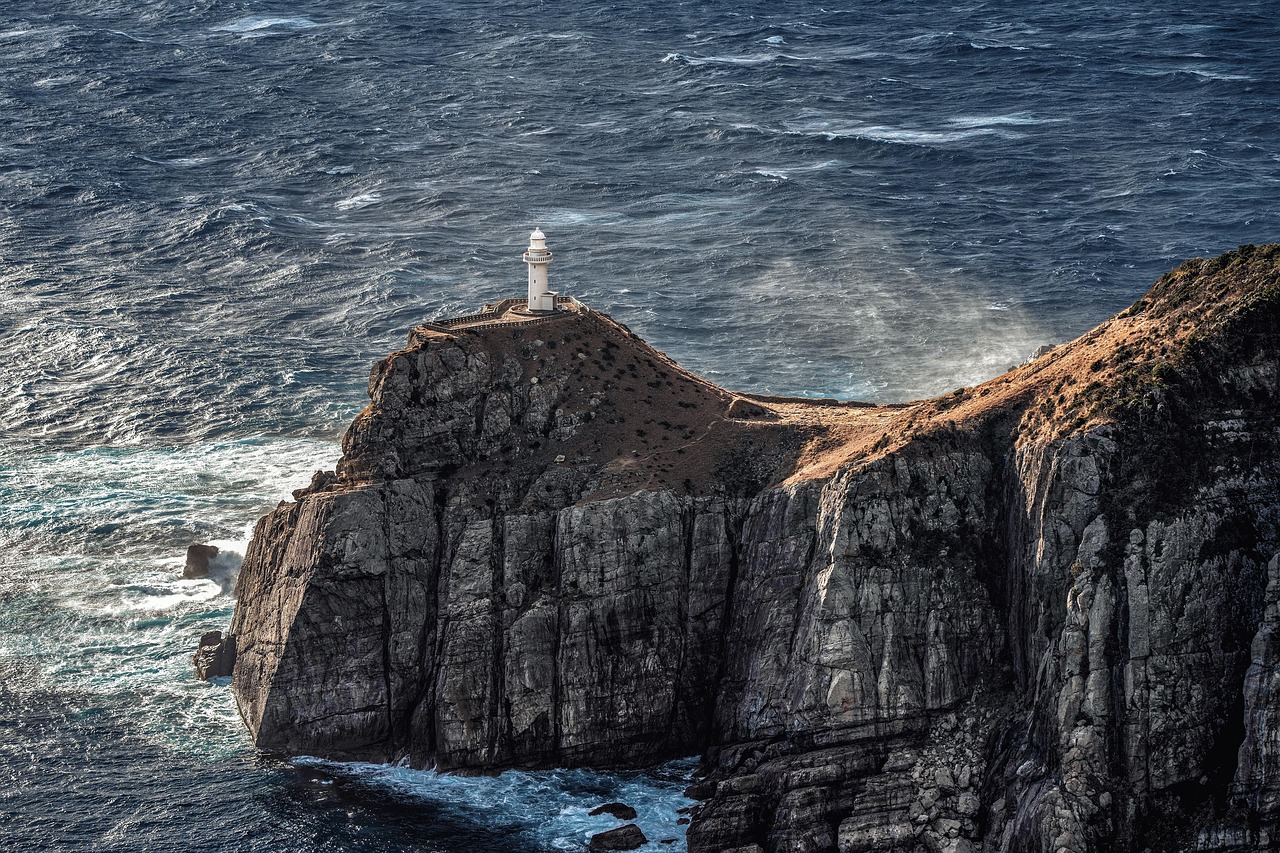
What’s up, world-wanderers! Sofia here, coming at you from a place that feels like the very edge of the map, a spot so raw and epic it basically recalibrates your soul. Forget the neon buzz of Tokyo for a sec, we’re going way, way up north to the Shimokita Peninsula in Aomori Prefecture. This place is shaped like a wild battle-axe, and trust me, the vibe is just as fierce. We’re talking about Japan’s untamed, mystical backyard, a land of ancient forests, sulfur-breathing volcanoes, and a coastline that looks like it was sculpted by deities. The main event, the reason we’re trekking to this remote corner of Honshu, is a jaw-dropping natural wonder called Hotokegaura, or “Buddha’s Cove.” This isn’t just a bunch of pretty rocks on a beach; it’s a full-on spiritual experience, a designated Place of Scenic Beauty and a Natural Monument that feels like stepping onto another planet. It’s the kind of place that makes your phone feel totally irrelevant and your spirit feel totally alive. If you’re craving a real adventure, something that’ll stick with you long after you’ve filtered the pics, then you’ve gotta add the Shimokita Peninsula and its otherworldly coastline to your bucket list. This is Japan unplugged, unfiltered, and unbelievable.
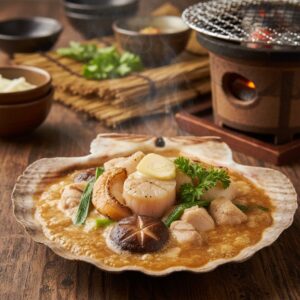
After experiencing the raw beauty of the Shimokita Peninsula, warm up with a taste of local culture by trying the region’s famous Kaiyaki Miso.
The Vibe Check: Getting on Shimokita’s Wavelength
Before we even discuss the hike, you need to grasp the energy of the Shimokita Peninsula. This place is unique. The moment you step into its realm, you sense a change. The air sharpens, the forest greens deepen, and the silence grows more profound. It’s a land rich in folklore with a profound reverence for nature. Locals share an ancient and powerful bond with the land and sea. This isn’t a place you simply visit; it’s a place you feel deep within your bones. The roads meander through thick cypress forests, occasionally opening up to breathtaking, dramatic views of the Tsugaru Strait, the stretch of water separating Honshu from Hokkaido. You’ll notice warnings about bears and monkeys, a constant reminder that nature still rules here. The atmosphere is one of isolation—yet not loneliness. It’s a potent solitude that allows you to hear your own thoughts clearly for the first time in ages. It’s a pilgrimage for the soul, a spot to disconnect from chaos and reconnect with something primal and genuine. The entire peninsula feels like a vast ‘power spot,’ a term used in Japan for places with special, often spiritual energy. And believe me, the energy here is truly electric. You’re not just a tourist here; you’re an explorer navigating the wild northern frontier of Japan’s main island.
The Main Event: Dropping into Another World at Hotokegaura
Reaching Hotokegaura is an adventure in itself, with two main options, each offering its own unique epic experience. You can choose the scenic route on a sightseeing boat, providing stunning panoramic views, or you can earn your reward by hiking down a steep, winding forest trail. As someone who believes the journey is part of the destination, I was drawn to the hike. It demands effort, but the reward is absolutely incredible.
The Forest Gateway: Hiking Down to the Shore
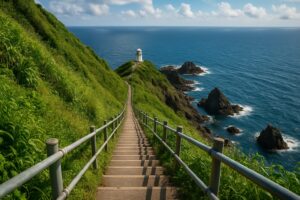
The trailhead is modest—a small parking area off the main coastal road, Route 338. Don’t be deceived by the quiet start; you’re about to enter a completely different world. The path immediately descends into a dense, ancient forest of hiba cypress trees. The air becomes cool, and sunlight filters through the thick canopy in shifting, dappled patterns. The scent is captivating—damp earth, fragrant wood, and fresh green aromas of thriving nature. The trail is well-kept yet steep, with wooden steps embedded in the sharpest sections. It takes about 20 to 30 minutes to reach the bottom, with each step drawing you further from the modern world. The only sounds are rustling leaves, distant bird calls, and your own breath. It feels less like a hike and more like a solemn procession. Anticipation grows with every downward step. You begin to catch glimpses of an impossible turquoise blue through the trees—a hint of the magic that awaits. This forest serves as a natural curtain, building suspense for the final, breathtaking reveal.
Arriving on Another World: The First Sight
Then, you emerge—stepping out of the shadowy, cool forest onto a pebble beach, where light and color explode around you. It’s a sensory overload in the best way. Before you stretches a two-kilometer coastline defined by towering rock formations of milky, greenish-white tuff. They rise dramatically into the sky, sculpted by millennia of wind and waves into fantastical, otherworldly shapes. The Tsugaru Strait’s waters shimmer in a crystal-clear, almost tropical blue-green, gently lapping the shore. The striking contrast between the pale, spectral rocks, the vibrant sea, and the deep green forest clinging to the cliffs above is breathtaking. It’s so surreal that you pause, trying to take in the sight. It feels like discovering a hidden world, a secret cove where gods and spirits might dwell. The scale is awe-inspiring. You feel tiny amid these silent stone giants that have watched over the coast for eons. This is the moment you came for—the reason the steep hike, long drive, and journey to this remote peninsula are all completely and utterly worth it.
Meet the Buddhas: Decoding the Sacred Stones
The name Hotokegaura, meaning “Buddha’s Cove,” is no coincidence. This is not merely a collection of random geological formations; locals regard it as a sacred landscape and a gathering site for Buddhist deities. As you walk along the shore, you’ll notice that each prominent rock formation bears a name linked to a figure or concept in Buddhism. This tradition is believed to have been initiated by a revered monk who perceived the divine in these natural sculptures. The entire cove serves as a natural temple, a place of reverence and profound tranquility. The atmosphere is steeped in a quiet, spiritual energy, prompting you to whisper so as not to disturb the sanctity of the place. It’s a powerful reminder that in Japan, nature and spirituality are deeply connected.
A Walk Among Deities
Walking from one end of the beach to the other feels like wandering through a gallery of divine art. There’s the towering Nyorai no Kubi (Head of the Tathagata Buddha), a massive rock that strikingly resembles a serene, forward-gazing face in profile, standing as a silent guardian of the cove. Further along, you’ll encounter Gohyaku Rakan (the 500 Arhats), a cluster of smaller, more intricate pillars and stones that resemble a gathering of enlightened disciples in meditation. The play of light and shadow on their weathered surfaces gives them a remarkable sense of life and character. You’ll find formations named after various bodhisattvas and heavenly beings, each one igniting your imagination. There’s the jagged silhouette of Taka-akushitsu (Eagle’s Nest), the gentle curve of Gokuraku-hama (Paradise Beach), and the delicate folds of Renge-iwa (Lotus Flower Rock). While this is an exercise in pareidolia—the human tendency to perceive patterns and faces in random shapes—here it feels like something more. It seems as though the rocks are truly imbued with the spirits of their namesakes. The stone itself is a type of volcanic tuff, giving it its distinctive pale green-white hue. Over millions of years, the persistent forces of wind, rain, and the powerful waves of the Tsugaru Strait have sculpted this soft rock into the masterpieces you see today. You can spend hours here, exploring every nook and cranny, discovering new shapes and angles, and sensing the immense power of time and nature.
The Panoramic Perspective: Taking the Boat Tour
If the hike down feels a bit too challenging, or if you’d like to see Hotokegaura from a different perspective, the sightseeing boat tour is an absolutely outstanding choice. In fact, many people opt to do both—hiking down first, then taking a one-way boat ride back to the nearby village of Sai. This way, you get the best of both experiences: the close-up, on-foot adventure and the sweeping, cinematic view from the water. The boats depart from the port in Sai Village, a quaint fishing community that feels like it’s been frozen in time. The journey itself is delightful as you cruise along the rugged coastline, known as the Hotokeai-kaido. The captain and guide, typically a seasoned local fisherman with a deep passion for the sea, will point out landmarks and share fascinating stories and legends about the area. The sea breeze, the calls of the gulls, and the breathtaking views of cliffs and forests all build excitement for the main event.
The Grand Reveal from the Water
Viewing Hotokegaura from the sea offers a completely different yet equally awe-inspiring experience. The boat slows as you approach, giving you time to absorb the full, spectacular stretch of the two-kilometer-long gallery of rock formations. From this angle, you can truly grasp the scale and magnificence of the landscape. The rocks appear to rise straight from the emerald water like a celestial city of stone spires and temples. The boat navigates close to the most iconic formations, providing fantastic photo opportunities of Nyorai no Kubi and others, perfectly set against the sky. Most tours include a 30-minute stop where you can disembark and stroll along the beach, allowing an up-close encounter with the rocks just as if you had hiked down. The return trip offers a lingering final glimpse of this natural masterpiece—a view that will stay with you forever. It’s an accessible, comfortable, and profoundly memorable way to experience the magic of this coastline.
Timing is Everything: When to Vibe with Hotokegaura
Like much of Japan, the experience of Hotokegaura shifts dramatically with the changing seasons. Choosing the right time to visit can transform your trip from great to truly unforgettable. Its remote northern location means weather plays a significant role, and some seasons are definitely better suited for an adventure here than others.
Summer Highlight: The Peak Season
From June to early September, Shimokita is at its best. This period offers picture-perfect days with brilliant blue skies and a crystal-clear sea. The contrast between the white-green rocks and the deep azure water is most striking. Warm weather makes it ideal for hiking and enjoying the sea breeze on a boat tour. The forests are lush and vibrant, creating a deep green backdrop along the coastline. Although this is the busiest season, the area’s vastness and remoteness ensure it never feels crowded. The extended daylight hours also allow plenty of time to explore the entire peninsula without rushing. It’s the perfect season for a classic, sun-soaked coastal adventure.
Autumn Magic: A Symphony of Color
In my opinion, autumn—especially from late October to early November—is the secret standout season for visiting Hotokegaura. The intense summer humidity fades, replaced by crisp, cool air, while the mountainsides burst into a fiery display of red, orange, and yellow foliage. Picture the scene: pale, ethereal rocks, turquoise sea, and a backdrop of vibrant autumn hues. It’s a stunning visual treat that feels almost unreal. The softer light casts long, dramatic shadows that highlight the texture and shape of the rock formations. Cooler temperatures make hiking especially enjoyable. This season is a photographer’s paradise, revealing the peninsula’s melancholic beauty at its peak.
A Caution for Winter and Spring
Planning a trip in winter or early spring requires careful consideration. The Shimokita Peninsula experiences heavy snowfall, and from late November through April, many roads—including the scenic coastal route near Hotokegaura—may be closed. Hiking trails become dangerous and inaccessible, and sightseeing boat services cease operations for the season. While snow-dusted rocks create a beautiful scene, it’s a rare sight due to limited access. If traveling during these months, be sure to check road conditions and tour availability in advance. For a safer, more enjoyable journey, it’s best to schedule your visit during the warmer, more accessible months.
Beyond the Buddhas: Soaking Up the Shimokita Spirit
Hotokegaura is undoubtedly the crown jewel, but the entire Shimokita Peninsula is a trove of wild and wonderful experiences. Since you’ve traveled this far, you simply must explore the rest of this unique region. It’s a place of striking contrasts, from the sacred to the eerie, the rugged coast to the tranquil forest.
Mount Osore: A Journey to the Underworld
Prepare for a complete shift in atmosphere. Mount Osore, or “Fear Mountain,” is regarded as one of Japan’s three most sacred spiritual sites and is unlike any other place. It’s a volcanic caldera that, according to Buddhist beliefs, serves as a gateway to the afterlife. The landscape is stark and surreal. A poisoned, acidic lake called Lake Usori glows with an eerie, beautiful jade green, yet it is lifeless. The air is heavy with the sharp scent of sulfur venting from the yellow-stained ground. You’ll pass piles of stones and offerings, especially colorful pinwheels left for the souls of deceased children. It’s a deeply moving, solemn, and profoundly powerful place. Blind mediums known as ‘itako’ occasionally gather here to communicate with the spirits of the dead. This is not a typical tourist spot; it’s a deeply spiritual destination that perfectly embodies the peninsula’s mystical essence.
Cape Oma: Tuna Capital of the World
From the spiritual to the savory! Head to the northernmost tip of Honshu, Japan’s main island, to Cape Oma. On a clear day, you can see Hakodate city across the strait in Hokkaido. Oma is famous for its tuna, where the legendary, record-breaking bluefin tuna—dubbed the “black diamonds” of the sea—are caught. The quality here is second to none. You simply cannot leave without trying it. Several small, unpretentious restaurants near the cape serve mind-blowingly fresh and fatty Oma maguro as sashimi or in a rice bowl (maguro-don). It melts in your mouth. Standing at the monument marking Japan’s northernmost point, feeling the wind whip around you, then savoring the best tuna of your life is a quintessential Shimokita experience.
Yagen Valley: A Forest Onsen Escape
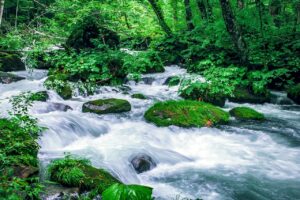
After all that hiking and spiritual discovery, it’s time to relax. Yagen Valley offers the perfect retreat in the heart of the peninsula’s lush forests. A crystal-clear river runs through the valley, surrounded by ancient hiba cypress trees. The main attraction here is the natural hot springs. You can find free, rustic outdoor baths (rotenburo) right beside the river. Soaking in the steaming, mineral-rich water while being enveloped by the forest sounds and the rushing river is sheer bliss. It’s the ideal way to soothe your muscles and reflect on the wild beauty you’ve experienced during your journey.
The Practical Lowdown: Your Shimokita Survival Guide
Exploring Japan’s remote northern region takes a bit more planning than visiting a major city, but that’s part of the excitement. Here’s what you should know to ensure your trip is smooth and unforgettable.
Getting Around is Half the Fun
Let’s be honest: renting a car is the best way to discover Shimokita. Public transport is limited and infrequent, and having your own vehicle allows you to stop at every scenic viewpoint, uncover hidden shrines, and follow your own timetable. The roads are well-maintained but can be narrow and winding in mountainous areas, so take it slow. You can rent a car from major centers like Aomori City or Hachinohe. If renting a car isn’t feasible, it’s still doable: take a train to Shimokita Station in Mutsu, the peninsula’s main city, then use the Shimokita Kotsu bus network and taxis. Just make sure to plan your routes and schedules carefully ahead of time, as service options are limited, especially off-peak.
Where to Stay and Recharge
Accommodation options on the peninsula vary from city hotels in Mutsu to cozy, family-run inns (minshuku and ryokan) in smaller coastal villages like Sai. Staying in Sai Village is a great choice if you want to be near Hotokegaura and experience life in a traditional fishing community. The hosts are warm and welcoming, and meals often include incredibly fresh seafood caught that very day. Staying in Mutsu offers more choices and amenities and serves as a convenient base for exploring the entire peninsula, from Mount Osore to Cape Oma. Wherever you choose to stay, it’s wise to book in advance, especially during the busy summer and autumn seasons.
Pack Smart for the Wild North
Prepare for all conditions. Sturdy, comfortable walking or hiking shoes are essential, especially for the Hotokegaura trail. Weather can change quickly, so layering your clothing is important. A waterproof jacket is recommended, even in summer. Bring insect repellent for warmer months. It’s also smart to carry enough cash, as many small shops, restaurants, and inns in rural areas may not accept credit cards. A portable phone charger is crucial since you’ll be using GPS and taking photos in areas with spotty service. And lastly, bring your sense of adventure—it’s the most important item on your list.
Final Thoughts: The Unforgettable Echo of Shimokita
Leaving the Shimokita Peninsula feels like emerging from a vivid dream. It’s a place that touches your soul and lingers in your memory. Hotokegaura, with its silent stone Buddhas and ethereal beauty, is more than just a breathtaking sight. It’s an invitation to pause, breathe deeply, and connect with the profound, ancient rhythms of nature. This entire peninsula stands as a testament to a side of Japan many visitors never experience—a land that is wild, spiritual, and strikingly beautiful in its ruggedness. It’s a journey that tests you physically and enriches you spiritually. It reminds you that the greatest treasures often lie at the end of the longest, most winding paths. So if you’re weary of the crowds and yearning for an adventure that feels truly genuine, look north. Look to the axe-shaped land at the world’s edge. A coastline of gods and spirits awaits you.