A Swift Welcome: Japan’s Answer to a Tourism Surge
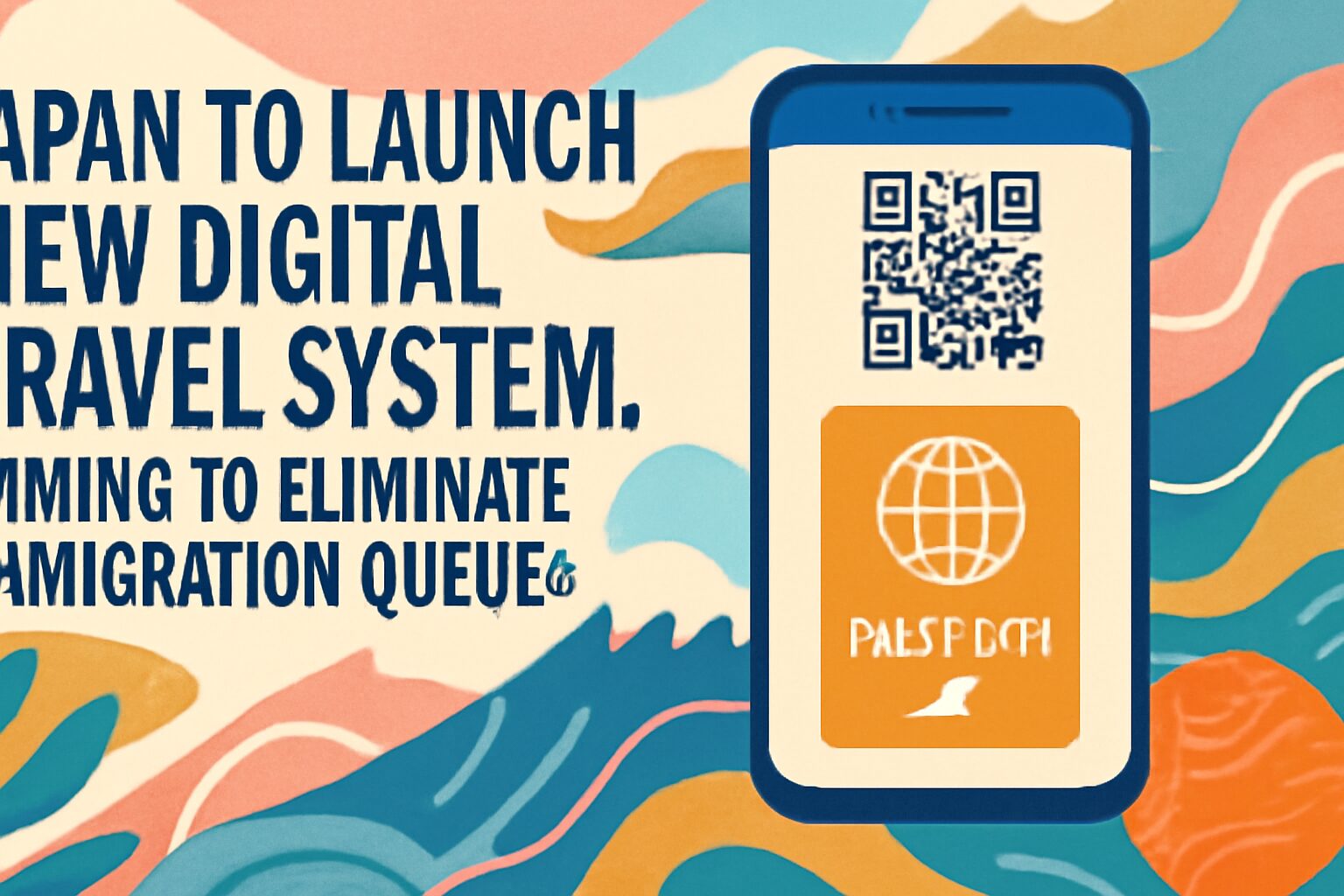
Japan is set to revolutionize its entry process for international visitors with the announcement of a new “Digital Travel System.” The Japanese government has greenlit the development of this ambitious project, designed to digitize and streamline immigration and customs procedures. The primary goal is to significantly cut, and perhaps even eliminate, the notoriously long queues at airport arrival halls, offering travelers a smoother and more welcoming start to their journey.
This initiative comes as a direct response to the unprecedented boom in tourism Japan has experienced since reopening its borders. By allowing travelers to submit necessary information online before they even board their flight, authorities hope to transform the arrival experience from one of frustration to one of seamless efficiency.
The Bottleneck at the Border: Why Change is Needed
Anyone who has traveled to Japan in the past year can likely attest to the challenge of navigating packed airports. The surge in visitor numbers has placed immense strain on existing airport infrastructure, leading to hours-long waits for immigration and customs clearance, particularly during peak seasons. This has become a significant point of friction, detracting from the otherwise exceptional travel experience Japan offers.
The Numbers Behind the Crowds
The need for this system is underscored by hard data. According to the Japan National Tourism Organization (JNTO), the country welcomed over 25 million international visitors in 2023. The trend has only accelerated in 2024, with Japan recording over 3 million visitors in a single month for the first time ever in March, a figure that was repeated in April. This record-breaking influx, while a boon for the economy, has made airport congestion an urgent issue to address. The new digital system is not just a convenience; it’s a necessary upgrade to sustain this tourism growth.
How the New Digital Travel System Will Work
While full details are still emerging, the core concept of the Digital Travel System is centered on pre-travel registration. The process is expected to function as follows:
- Pre-submission of Information: Travelers will access a dedicated online portal or app before their trip to submit their passport details, visa information (if applicable), and customs declarations. This is an evolution of the current “Visit Japan Web” service, likely aiming for a more integrated and mandatory system.
- QR Code Generation: Upon successful submission, travelers will receive a unique QR code.
- Automated Gates: At the Japanese airport, visitors will simply scan their QR code and passport at automated gates. These gates will likely utilize facial recognition technology to verify identity against the pre-submitted passport photo, completing both immigration and customs procedures in a single, swift step.
The government’s ambition is to reduce the processing time to as little as one minute, effectively making long lines a thing of the past.
The Future of Travel to Japan: What to Expect
The implementation of this system will have a profound impact on both travelers and Japan’s tourism industry.
For Travelers: A Seamless Start to Your Journey
The most immediate benefit will be the drastic reduction in stress and waiting time upon arrival. Instead of spending the first few hours of a vacation in a queue, visitors can quickly proceed to collect their luggage and begin their adventure. This enhancement to the overall travel experience will make Japan an even more attractive destination, particularly for families with young children and business travelers on tight schedules.
For Japan: Enhancing the Welcome Mat
For Japan, the system is a critical step in modernizing its infrastructure and solidifying its reputation as a world-class tourist destination. Efficiently managing the flow of visitors will allow airports to handle greater capacity without compromising service quality. It will also free up immigration and customs staff to focus on more complex security and assistance tasks, rather than routine processing.
Looking Ahead: A Smoother Path to Discovery
The Digital Travel System represents a significant investment in the future of Japan’s tourism. While challenges such as ensuring data security and accommodating travelers who may be less tech-savvy will need to be addressed, the potential benefits are immense. As Japan continues to break its own tourism records, this technological leap forward is a clear signal that the country is committed not only to welcoming the world but to doing so with unparalleled efficiency and hospitality. Travelers can look forward to a future where the journey into the heart of Japan is as smooth as the country’s famed bullet trains.