
Ask someone to describe the taste of spring, and they’ll likely reach for words like sweet, fresh, and tender. Think of young peas, crisp asparagus, or the sugary juice of the first strawberries. It’s a season of gentle, vibrant flavors, a welcome relief after the heavy, preserved foods of winter. But in Japan, the arrival of spring is heralded by a taste that many Western palates might find challenging, even unpleasant: bitterness.
As the snow recedes from the mountainsides and the ground begins to thaw, people head into the wilds not for sweet berries, but for hardy, astringent, and fiercely bitter plants known collectively as `sansai` (山菜), or “mountain vegetables.” These foraged greens—from the intensely fragrant butterbur scape (`fukinoto`) to the resinous angelica tree sprout (`tara no me`)—are not a mere side dish. They are the protagonists of the spring table, celebrated in everything from fine dining establishments to humble home kitchens. This embrace of bitterness isn’t a quirk; it’s a profound cultural and culinary ritual. It’s a way of physically consuming the changing of the seasons, a practice rooted in ancient wisdom that understands the body, the land, and the deep connection between the two. So, why this deliberate quest for a flavor most of the world tries to breed out of its food? The answer reveals a philosophy that sees food not just as sustenance, but as medicine, memory, and a direct line to the wild heart of nature itself.
This exploration of seasonal bitterness finds an even deeper cultural resonance when one delves into the tradition of wild mountain vegetable foraging, where nature’s austere flavors are transformed into culinary art.
The Flavor of Awakening: What is Sansai?
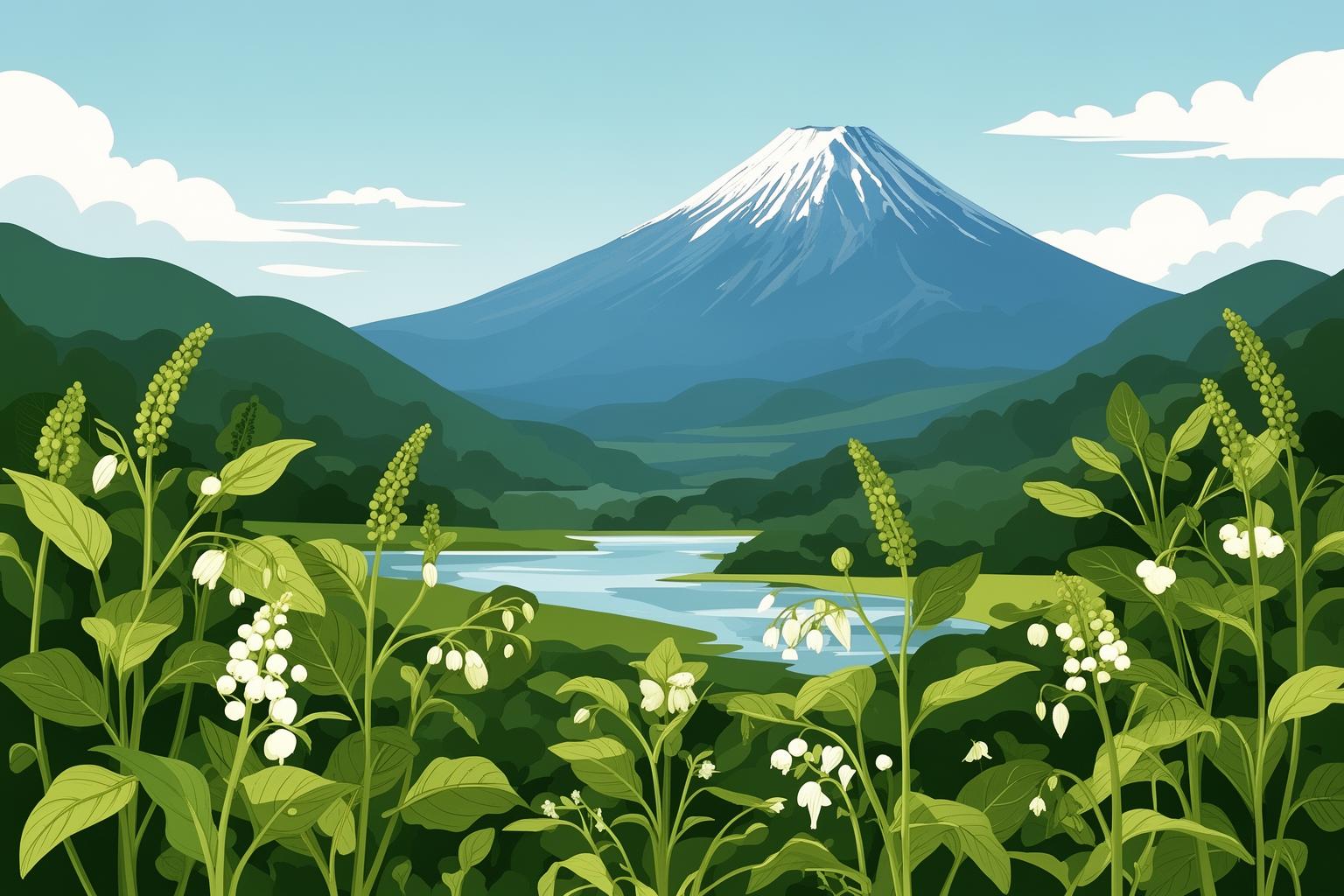
To grasp the role of sansai, you first need to understand what it is not. It’s not about the produce neatly arranged on supermarket shelves. Although some varieties are now semi-cultivated, the essence of sansai lies in its wild nature. These are plants that grow naturally without human help, emerging through the cold, damp soil of mountainsides, riverbanks, and forests. They are the very first burst of green life—resilient and untamed.
Beyond the Supermarket Shelf
The sansai family includes a wide range of plants, each with a unique character. There’s `fukinoto`, the tightly curled bud of the butterbur plant, which bursts from the ground with a strong aroma and a sharp, medicinal bitterness. `Tara no me`, often called the “king of sansai,” is the thorny shoot of the angelica tree, offering a nutty, slightly resinous flavor balanced with a pleasant bitterness. Then come the fiddlehead ferns: the bright green, tightly coiled `kogomi` (ostrich fern), which has a mild, asparagus-like flavor and a somewhat slippery texture, and its relative `zenmai` (royal fern), earthier and requiring more preparation.
Other staples include `warabi` (bracken fern), which must be carefully treated to remove toxins, and `udo` (Japanese spikenard), a thick stalk that can be eaten raw for a crisp, pine-like freshness or cooked to mellow its sharpness. What unites them all is a certain wild integrity. Their flavors are complex and layered, carrying earthy, mineral notes and hints of the forest floor. They possess an astringency and bitterness far removed from the predictable sweetness of farmed vegetables. This isn’t the mild bitterness of arugula; it’s a more pronounced, elemental taste that tells of endurance and survival.
A Fleeting, Fierce Season
What makes sansai especially treasured is its profound fleetingness. The time to harvest these wild greens is extremely brief, sometimes lasting only a week or two for a particular plant in a specific region. They embody the Japanese concept of `shun` (旬), the pinnacle of a food’s seasonality. While seasonal eating is common worldwide, `shun` is a more precise notion. It’s not merely about eating strawberries in summer, but capturing that perfect, transient moment when an ingredient is at its absolute peak. Sansai embody spring’s `shun`.
Their appearance is a vivid, tangible event. After winter’s monochrome landscape, the emergence of these vibrant greens signals that the earth is awakening. Foraging for them is a ritual itself, a way to reconnect with the land and engage directly with the seasonal cycle. This impermanence imbues the act of eating sansai with a sense of preciousness. You are aware that in a few weeks, they will disappear—growing too tough, too bitter, or simply blending back into the lush greenery of early summer. This ephemerality makes the experience all the more poignant.
The Bitter Pill: An Ancient Wisdom
The Japanese appreciation for bitterness is more than just an aesthetic preference; it is rooted in a longstanding tradition of viewing food as medicine, a concept shared throughout East Asia. The distinct bitterness of spring sansai is regarded as an essential tonic, a method to rejuvenate the body after the dormancy of winter.
Awakening the Winter Body
Traditional Japanese and Chinese medicine both emphasize balance. Winter represents cold and inactivity, with diets historically based on preserved foods such as pickles, salted fish, and heavy starches. The body becomes sluggish, and it is believed that toxins and excess fats build up. Spring, therefore, marks a time of renewal, a cleansing of the body to prepare for the more active months ahead.
The bitterness, or `nigami` (苦味), of sansai is central to this process. These plants contain high levels of polyphenols, alkaloids, and other compounds that contribute to their distinctive flavor. From the perspective of traditional medicine, these bitter elements are thought to stimulate the `qi`, eliminate toxins, and activate the digestive system. They function as natural diuretics and metabolic stimulants. Consuming sansai is essentially a way to perform spring cleaning for the body.
This understanding is encapsulated in the old Japanese saying, 「春には苦みを盛れ」 (Haru ni wa nigami wo more), which means “In spring, serve bitterness.” This is not merely advice; it is a directive—a culinary philosophy recognizing that a small amount of what may seem unpleasant is actually highly beneficial, helping to clear away the winter’s accumulation and prepare us for the lively energy of the new season.
The Concept of `Aku`
To fully appreciate the Japanese approach to these wild vegetables, one must understand the concept of `aku` (灰汁). `Aku` is a challenging term to translate directly. It refers to the harsh, astringent, and sometimes toxic elements found in certain foods, especially wild plants and some root vegetables. It is the puckering sensation of an unripe persimmon, the acrid sting of raw bamboo shoots, or the strong bitterness of bracken fern.
In many culinary traditions, the aim is to eliminate `aku` completely. However, Japanese cooking treats this as a negotiation. The technique of handling `aku` is called `aku-nuki`, or “removing the harshness.” This typically involves blanching vegetables in water with a touch of ash or baking soda, or soaking them for extended periods. Yet the goal is not to strip the plant entirely of its defining traits, but to moderate the `aku` enough to make it palatable while preserving its wild character and medicinal properties.
Bitterness is seen as part of the plant’s vital force, its natural defense against being eaten. Removing it entirely would be to domesticate the plant, to erase its essence. The skill in preparing sansai lies in striking a delicate balance—softening the harshness while keeping the core of its bitter, wild nature intact. The lingering bitterness is not a defect; it is the very point. It serves as a reminder that you are consuming something that has fought to survive, something potent and alive.
A Ritual on a Plate: How Sansai is Eaten
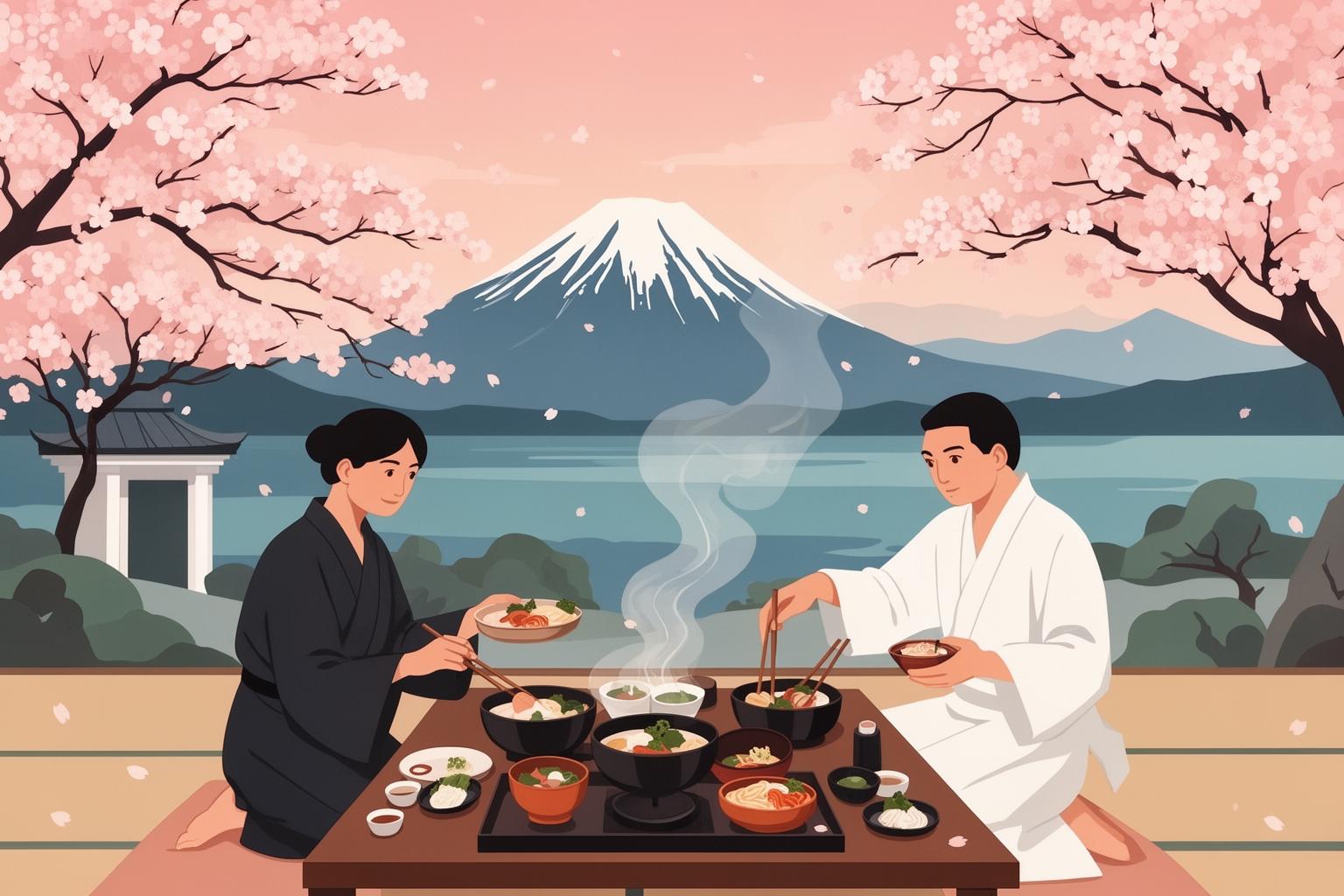
The respect for sansai is evident in its preparation. Cooking methods are almost always straightforward, aiming to showcase the ingredient rather than conceal it. The chef’s role is to serve as a caretaker, presenting the vegetable in a way that highlights its natural character.
Simplicity as the Ultimate Sophistication
One of the most favored ways to enjoy sansai is as tempura. A light, crisp batter combined with a quick fry in hot oil perfectly cooks the tender shoots, creating a delightful textural contrast. The heat slightly softens the bitterness while enhancing the fragrant, earthy aromas. A plate of sansai tempura, featuring `tara no me`, `fukinoto`, and `kogomi`, is a classic spring treat. Eaten with just a pinch of salt, it lets you savor each vegetable’s distinct profile.
Another popular preparation is `aemono`, where blanched sansai are dressed in a simple sauce. `Goma-ae`, a mixture of ground sesame seeds, sugar, and soy sauce, adds a nutty richness that complements the bitterness. `Shira-ae`, a creamy tofu-based dressing, provides a gentler balance. `Miso-ae` offers a savory, umami-rich coating. In every case, the dressing plays a supporting role, never overpowering the main ingredient.
Even simpler is `ohitashi`, where boiled greens steep in a light, clear broth made from dashi, soy sauce, and mirin. This method gently seasons the vegetables while letting their natural flavor and vibrant color remain the focus. You’ll also find finely chopped sansai mixed with rice (`sansai gohan`) or sprinkled on top of hot soba or udon noodles, adding a burst of seasonal freshness to the dish.
The Taste of a Place
Since they are foraged from the wild, the flavor of sansai is deeply connected to its `terroir`. The `fukinoto` harvested on a snowy mountainside in Niigata Prefecture will taste different from one picked in the hills near Kyoto. This bond to a particular place and moment in time is a major part of its charm. In a world of globalized food systems where anything is available anytime, sansai offers a vivid taste of the local and the immediate.
Eating a dish of sansai at a rural inn is more than just a meal; it’s an experience of the surrounding landscape. You taste the mineral content of the soil, the quality of the mountain water, and the unique microclimate of that valley. It’s a direct, edible connection to the natural environment—a reminder that food doesn’t just come from a store, but from the earth itself.
More Than a Meal: The Cultural Resonance
The annual custom of eating sansai carries rich cultural significance. It is an act that echoes history, philosophy, and a profound Japanese aesthetic that embraces beauty in imperfection and transience.
Remnants of a Pre-Modern Way of Life
For much of Japan’s history, sansai were not considered a delicacy but a vital source of sustenance. In rural areas, these wild vegetables provided the first fresh supply of vitamins and minerals after the long, harsh winter months, when grain and pickle stores were running low. They formed a crucial link between the scarcity of winter and the bounty of the summer harvest. This was food that symbolized endurance.
When modern Japanese people forage for or consume sansai, they engage in a tradition that connects them to their ancestors. It is an act of cultural remembrance, a flavor of a time when life was more deeply intertwined with the cycles of nature. In our era of convenience, the slightly risky practice of foraging—requiring the knowledge to identify edible plants from poisonous ones—and the painstaking process of `aku-nuki` serve as grounding experiences. They reject passive consumerism and renew a connection to the origins of our food.
Wabi-Sabi in Flavor
Lastly, the appreciation of bitterness reflects the Japanese aesthetic of `wabi-sabi`. This concept is often characterized by finding beauty in imperfection, impermanence, and incompleteness. It prizes the rustic, the weathered, and the unpolished over the flawless and pristine.
Straightforward sweetness is predictable and simple, but the complex bitterness of sansai aligns more closely with `wabi-sabi`. It is an “imperfect” flavor—challenging, layered, and profoundly genuine. It does not offer instant pleasure; it requires focus and a refined palate to be truly enjoyed. There is a subtle beauty in its astringency and a richness in its earthy tones. Eating sansai means embracing nature as it is, rather than as we might wish it to be. It’s an appreciation of the raw, untamed, and fleeting beauty of the wild.
So, the next time you visit Japan in spring and encounter these unusual greens on a menu, do not hesitate. Recognize that what you are offered goes beyond mere vegetables. It is a tonic that awakens the body, a direct taste of the mountains, a link to an ancient heritage, and an edible expression of Japanese philosophy. To savor the bitterness of sansai is to embrace the fierce, wild joy of life itself, bursting forth from the cold earth. It is the genuine, unadorned flavor of spring.