Someone asked me the other day what the most “Japanese” thing they could do in Tokyo was. They were expecting, I think, a temple, a museum, or some elaborate tea ceremony. My answer surprised them. I told them to find a small, old coffee shop, the kind with dark wood paneling and vinyl seats, order a single cup of coffee, and then proceed to do absolutely nothing for at least an hour. They laughed, thinking I was joking. I wasn’t.
In a country globally recognized for its relentless efficiency, its packed trains, and its culture of tireless work, the most radical and perhaps most insightful act one can perform is intentional inactivity. This isn’t about laziness or boredom. It is a cultivated skill, a quiet rebellion against the tyranny of the clock. And its primary dojo, its dedicated training ground, is the kissaten.
Forget the bright, airy cafes of the third-wave coffee movement with their minimalist decor, laptop-friendly outlets, and chirpy baristas. The kissaten is a different creature entirely. It is a time capsule, a portal back to the Showa Era (1926-1989), a period of post-war recovery, economic boom, and burgeoning urban culture. These places are relics, living museums where the atmosphere is as important, if not more so, than the coffee itself. Entering one is like stepping into a sepia-toned photograph. The air is thick with the ghosts of past conversations, the scent of dark-roast coffee, and the faint, sweet memory of cigarette smoke, even in establishments that have long since banned it.
Mastering the art of doing nothing here is to understand a fundamental, unspoken aspect of Japanese urban life: the need for a personal sanctuary outside the home and the office. It’s about learning to occupy a space without needing to fill it with productivity. It is a ritual of quiet observation and deep, unhurried thought. This isn’t just about getting a caffeine fix; it’s about recalibrating your soul. So, let’s explore how to find these places, what to do when you get there, and why sitting silently in a dimly lit room is one of the most profound experiences you can have in Japan.
For readers intrigued by other uniquely mindful retreats, exploring the onsen relaxation tradition serves as a serene complement to the understated art of doing nothing in a kissaten.
What a Kissaten Is (and Crucially, What It Isn’t)
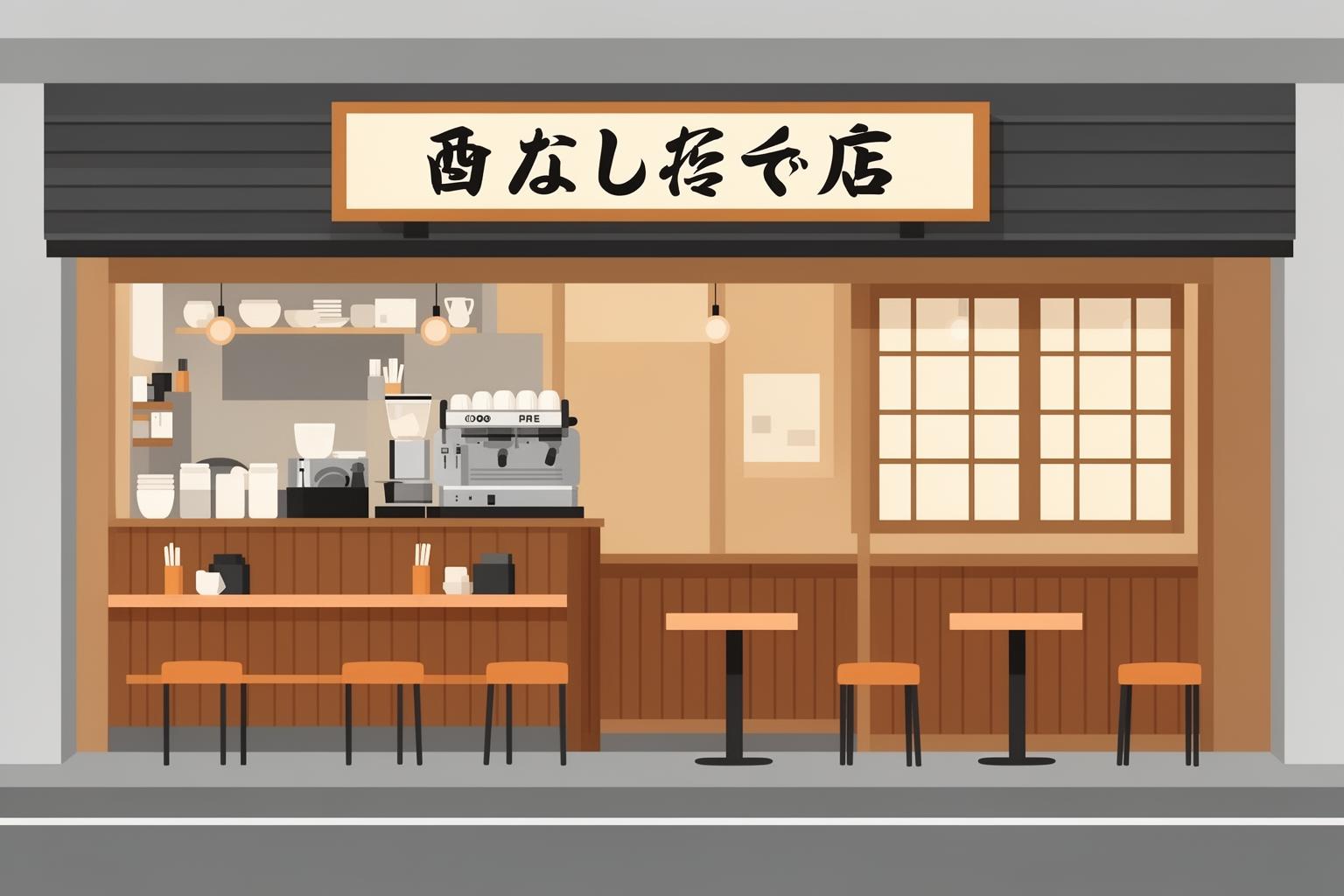
Before you can embrace stillness, you first need to understand the setting. A modern café—such as Starbucks, Tully’s, or Blue Bottle—is a place of transit, designed for efficiency. You grab your customized latte, maybe plug in your laptop for a focused work session, or meet a friend for a quick chat. The experience is transactional. In contrast, the kissaten is a destination, its entire purpose to slow you down.
The Anatomy of a Time Machine
First, you must learn to spot them. They often hide in plain sight, tucked away on side streets or in the basements of aging office buildings. The signage gives them away: look for ornate, sometimes slightly kitschy European-style lettering, often in katakana, spelling out names like “Café de L’ambre” or “Salon de Thé.” The windows are likely tinted or draped with heavy lace curtains, obscuring the interior. A glass case might stand outside, displaying wax models of the food offered—thick slices of toast, a bright green melon soda float, a simple plate of spaghetti Napolitan—all slightly faded from decades of sunlight.
Step inside, and the outside world immediately fades away. The sensory shift is unmistakeable. The lighting is low and warm, usually from ornate, low-hanging lamps with amber glass shades. Dark wood, worn leather, and plush velvet dominate—often in hues of burgundy, forest green, or mustard yellow. The furniture is heavy and solid. The tables are small, the chairs comfortable yet upright, encouraging contemplation rather than slouching. There is no communal table; each booth or seat forms a self-contained island.
Then there’s the sound—or more precisely, the carefully curated absence of it. The dominant soundtrack is not the noise of a busy kitchen or shouted orders. Instead, it is a gentle, deliberate soundscape chosen by the proprietor. This is almost always classical music or American jazz from the 1950s and ’60s, played at just the right volume to create a blanket of privacy while allowing room for thought. It stands in stark contrast to the pop playlists designed to speed up customer turnover.
The Guardian of the Space: The Master
Overseeing this realm is the masutā, or Master. This is not a barista; this is the owner, the conductor, the silent guardian of the establishment’s soul. Often an older man, sometimes a woman, the Master exudes quiet dignity. He is immaculately dressed—perhaps in a crisp white shirt, waistcoat, and tie—and moves with economical precision, honed by decades of practice.
He won’t greet you with a loud, artificial welcome. A quiet nod and a soft “Irasshaimase” suffice. His role is not to befriend or upsell, but to maintain the sanctuary. He prepares coffee with intense focus, frequently using a siphon or a flannel drip filter—methods that are as much about ritual and performance as extraction. He is a craftsman, and coffee is his medium. The Master sets the tone for the whole space. His calm, focused presence is contagious, gently guiding you to adopt a similar state of mind. You enter his world as a guest, and the price of admission is your respect for its tranquility.
The Unspoken Contract of Inactivity
When you sit down in a kissaten, you enter into an unspoken agreement. The coffee you order, which typically costs a bit more than at a chain café—perhaps 600 or 700 yen—is not merely a drink. You are not buying the liquid in the cup. Rather, you are paying for something far more valuable: the privilege to occupy that space and time undisturbed.
The Currency of Time
This is the essence of the kissaten transaction. That cup of coffee functions as your rent. It secures a chair, a table, and a protective bubble of tranquility for as long as you choose to stay. There’s no pressure to order more, nor any urge to leave. The staff won’t hover or bring the check until you request it. A glass of water will appear quietly on your table and be refilled as needed. This simple gesture confirms the unspoken contract: you are welcome here. Your presence is no inconvenience.
Grasping this concept is crucial to releasing the modern anxiety around lingering. In a world where every minute is commodified, the kissaten provides a space where time stretches out. Savoring a single coffee over an hour, or even two, is not only allowed; it’s the expected behavior. Drinking it quickly and departing misses the entire point of the place.
The Ritual of the Simple Order
The menu contributes to this ritual. It is small, straightforward, and likely unchanged for decades. There are no seasonal pumpkin spice treats or elaborate milk alternatives. It consists of “blend coffee,” “American coffee,” and “ice coffee.” Perhaps a few other classics like café au lait or Vienna coffee topped with whipped cream. The simplicity is intentional. It removes the burden of choice, a minor but meaningful source of mental clutter outside these walls.
When the coffee arrives, it becomes a ceremony. Served in a beautiful, often ornate porcelain cup and saucer, it feels substantial in your hand. Accompanying it is a tiny pitcher of cream and a small bowl of sugar cubes with tongs. Preparing your coffee just the way you like it is the first step in slowing down. It’s a small, tactile ritual that anchors you in the present moment.
Alone, Together: The Social Architecture
The kissaten perfects a unique social experience: being alone in public. Everyone in the room is engaged in their own solitary activity. One person may be reading a paperback novel, softened with age. Another might be carefully completing a crossword puzzle in a newspaper. A salaryman might sit with closed eyes, simply absorbing the music. You all share the same space but do not intrude upon one another’s private worlds. There is a tangible, shared respect for this solitude.
This is why loud conversations are a serious breach of etiquette. Quiet, hushed exchanges between two people are permissible, but boisterous chatter that shatters the calm is not. Likewise, while phone use is allowed, making a phone call is unthinkable. The silent, communal understanding is that the soundscape belongs to the Master, and each patron’s personal space extends to their auditory bubble. This is what makes the kissaten a true sanctuary—it offers refuge from the social and digital noise that constantly surrounds us.
Decoding the Sensory Landscape
To fully embrace the kissaten experience, you must engage all your senses. The ambiance is a carefully orchestrated blend of sights, sounds, aromas, and textures, all intended to transport you away from the hectic rhythm of modern life into a more reflective state.
The Symphony of Intentional Sounds
Listen attentively, beyond the jazz or classical melodies. The soundscape is composed of subtle, calming noises. You’ll hear the gentle clink of the Master’s spoon against a ceramic cup, the quiet hiss of a siphon brewer, like a soft exhalation, the faint rustle of a newspaper page turned by a patron in the corner, the squeak of a velvet chair as someone shifts their weight, and the distant, muffled hum of the city outside—a reminder of the world left behind.
These sounds are not distractions. They are natural, analog noises that create a soothing atmosphere. They are the sounds of a world moving at a human pace. The absence of harsh noises—the shrill beep of a cash register, the roar of a high-powered espresso machine’s steam wand, or the incessant chatter of a pop song—acts as a form of therapy, allowing your mind to unwind.
The Weight of History in Your Hands
The tangible items in a kissaten carry memories. The coffee cup you hold is unlikely to be a cheap, mass-produced ceramic piece. It has weight and a unique design. Some Masters take pride in their extensive cup collections, selecting a particular one for each patron based on some unspoken intuition. The ashtrays, though often unused now, are usually heavy cut glass relics from an era when smoking and contemplation were inseparable companions.
Observe the sugar bowl, the small silver tongs, the embroidered cloth napkin. These are not disposable; they are enduring fixtures, objects handled by thousands of people over many years, each seeking the same peaceful refuge. Touching them connects you to that long chain of quiet moments. The spoon used to stir your coffee is not flimsy; it feels cool and solid. These details matter. They ground you physically in the space and signal that this is a place of substance and permanence, not fleeting trends.
The Perfume of Nostalgia
Close your eyes and breathe in. The dominant scent is, naturally, coffee—not the bright, acidic aroma of a light roast, but the deep, earthy, slightly chocolatey fragrance of a traditional dark Japanese roast. It is a comforting, enveloping aroma. Beneath it, you may notice the smell of caramelized sugar from toast, the faint sweetness of cream, and the subtle hint of tobacco that has seeped into the dark wood and upholstery over decades. It doesn’t smell unclean; it smells well-lived. It is the scent of time itself—a complex perfume of nostalgia and comfort that is impossible to duplicate.
A Practical Guide to the Art of Stillness
Grasping the theory is one thing, but applying it in practice can be difficult, especially for those of us conditioned to think every moment must be productive. Here is a straightforward framework for your initial venture into the realm of intentional inactivity.
Step One: Find Your Sanctuary
Your first task is to locate a genuine kissaten. Move away from the main train station’s busy streets. Explore narrow alleys and the basements of older buildings. Look for the signs I described earlier. If the interior appears dark and you can’t see clearly inside, that’s often a positive indication. It suggests a place not desperate for customers, one confident in its purpose. Trust your intuition—you want a spot that feels like a refuge, not a retail space.
Step Two: The Initial Commitment
Enter quietly. The Master will acknowledge you with a nod. Choose a seat without hesitation. The menu will either be brought to you or already be on the table. Make a simple choice: “Blend coffee, please.” (“Burendo kōhī, kudasai.”) This will be your anchor.
When your order arrives, pause to appreciate the presentation: the cup, saucer, and accompaniments. This marks the start of the ritual. Prepare your coffee slowly—add cream, drop in a sugar cube, and stir deliberately. Listen to the sound the spoon makes against the porcelain. This small mindful act transitions you from the outside world to the inner world of the kissaten.
Step Three: Disarm Distractions
This is the most vital step. Put your phone away—don’t just flip it face down on the table but put it in your bag or pocket. The glowing screen is a portal to the world you are trying to leave behind. Its presence alone is a distraction, a promise of endless notifications and manufactured urgency.
If you want, bring a physical book or a small notebook and pen. An analog object is far less intrusive to your meditative state. But for your first time, I challenge you to bring nothing at all. Your goal isn’t to consume or produce content; it is simply to be.
Step Four: Embrace the Nothingness
Take a slow sip of your coffee. Taste it. Feel its warmth. Now, soften your gaze. Look around without staring. Notice the wood grain patterns on your table. Observe how the lamp’s light falls on the wall. Watch the Master as he polishes a glass or arranges cups with care. He is a master of focus; learn from him.
Your mind will begin to race, bringing your to-do list, worries, or plans for dinner. This is normal. Don’t resist it. Acknowledge these thoughts and let them drift away like clouds. Return your attention to your senses: the taste of coffee, the sound of music, the chair supporting you. This is the practice—a form of meditation without pressure or spiritual baggage. You are simply allowing your brain to shift from active problem-solving to a passive, observational state.
Make the coffee last. Take small sips. There is no rush. An hour is a good target for your first session. At first, it will feel impossibly long, but as you settle into the rhythm of the place, time will seem to warp and dissolve.
Step Five: The Gentle Departure
When your coffee is finished and your thoughts have settled, the session is complete. There’s no need to linger once the purpose is fulfilled. Catch the Master’s eye and make a small gesture for the bill. He will bring it to you. Take it to the cash register near the entrance. Pay quietly. A simple “Gochisousama deshita” (“Thank you for the meal/drink”) is the only farewell needed. Step back out onto the street. Notice the contrast—the noise, light, and speed of the city will feel sharper. You, however, will feel calmer and more centered. You have successfully carved out a small island of peace in your day.
The Enduring Relevance of the Kissaten
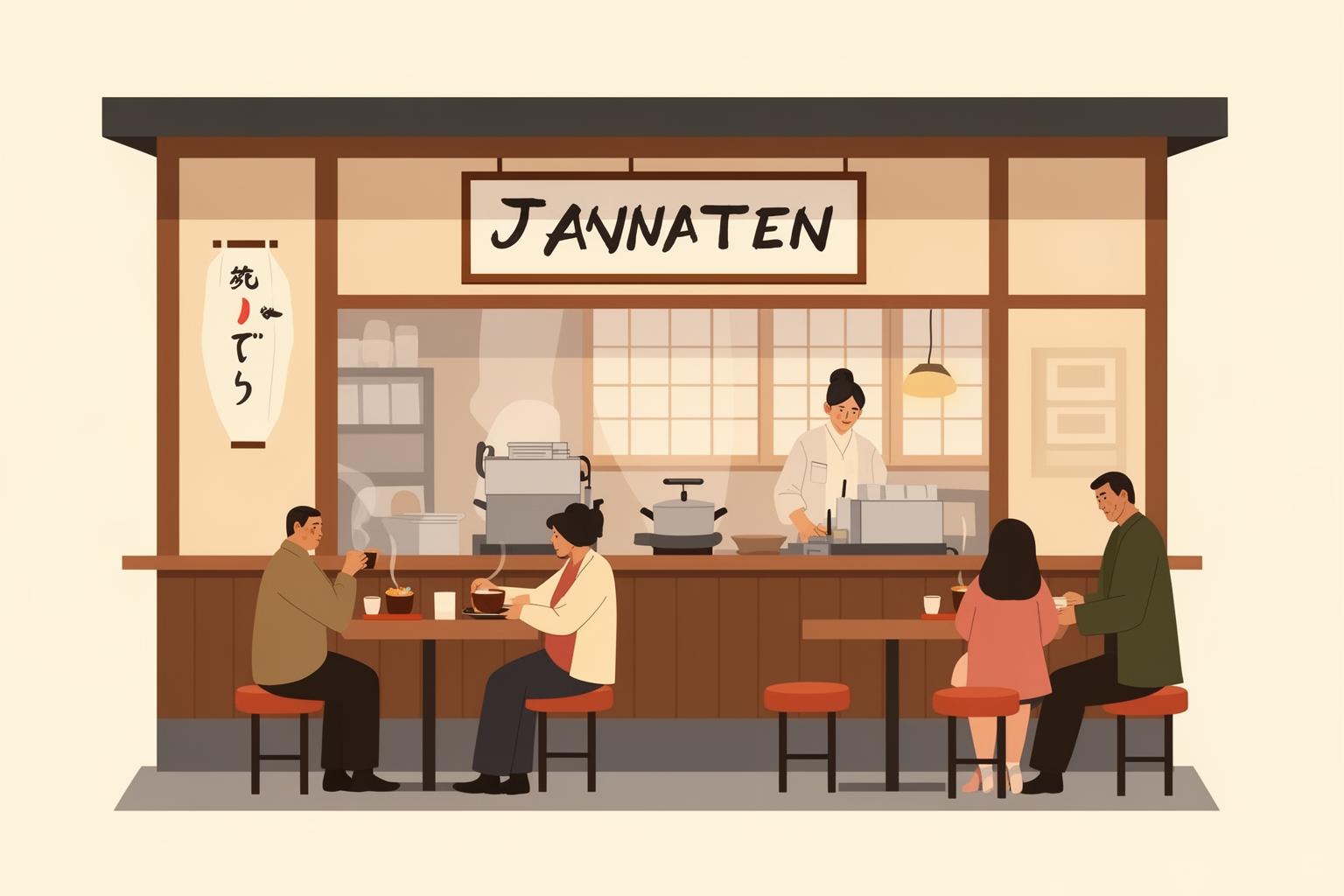
In an era defined by constant optimization and digital connectivity, you might question why these outdated spaces still endure. They are neither efficient nor fashionable. By most contemporary business standards, they would be considered failures. Yet their persistence speaks to their vital role.
They serve as an antidote—a necessary counterbalance to the intense, hyper-social pressures of modern Japanese life. Within a culture where group harmony and social duties are paramount, the kissaten offers a rare environment where an individual can simply be, free from any assigned role. You are not an employee, family member, or friend; you are merely a quiet guest. No performance is expected.
These cafés are the original “third places,” essential refuges nestled between the demands of home and work. They remain stable, dependable sanctuaries where the rules stay constant and the outside world can be kept at a distance for the cost of a cup of coffee. By engaging in this ritual of intentional idleness, you gain not only a moment of personal tranquility but also connect with a profound, enduring element of Japanese culture—an appreciation for quiet reflection, the beauty of imperfection, and the healing power of pure, undisturbed stillness.