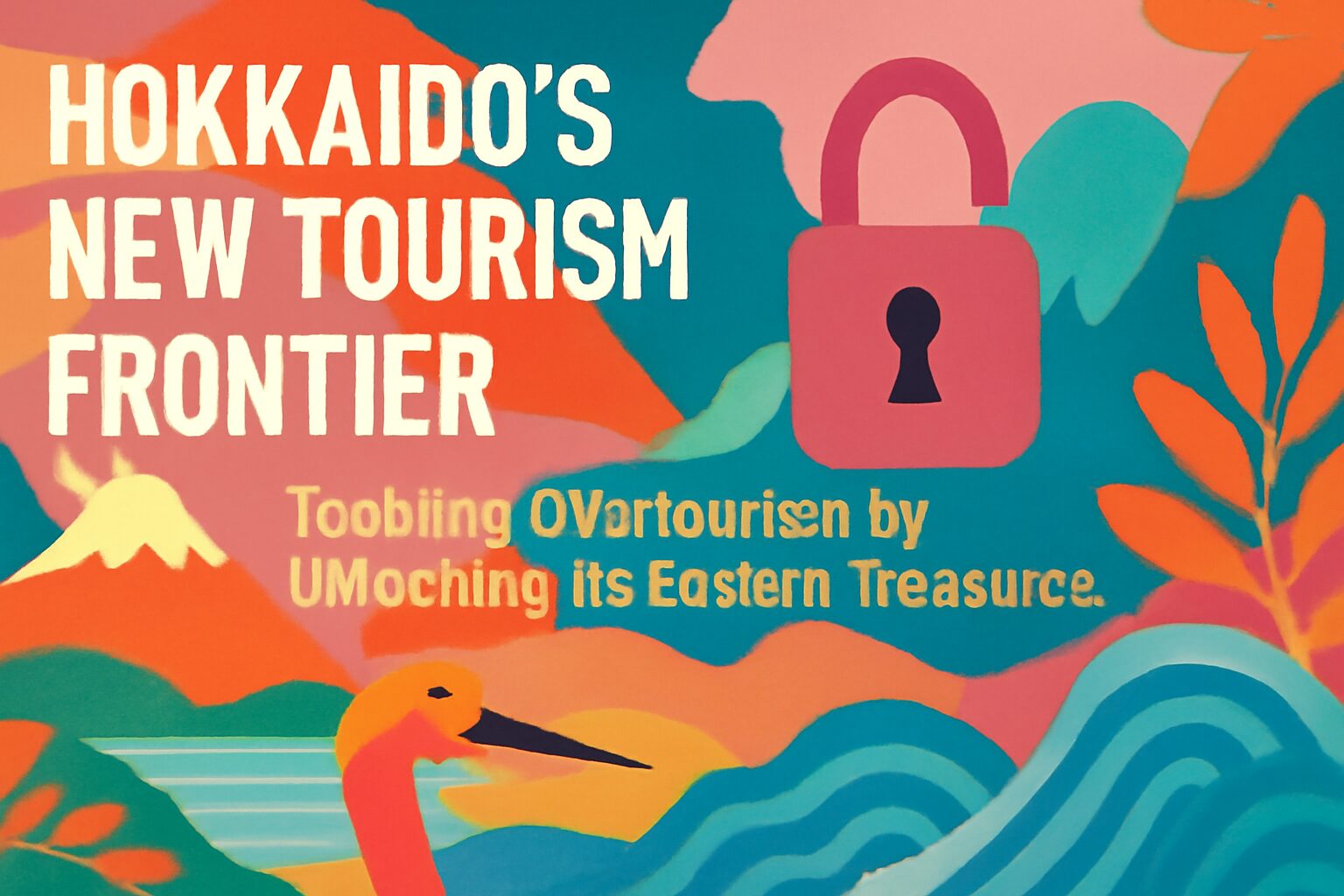
Hokkaido, Japan’s vast northern island famed for its powder snow, vibrant cities, and stunning landscapes, is embarking on a strategic pivot in its tourism policy. Facing the challenges of overtourism in its most famous destinations, the prefectural government is now championing a new approach: dispersing visitors to the island’s less-explored eastern regions and promoting sustainable, high-value travel. This move aims not only to alleviate pressure on crowded hotspots but also to revitalize local economies and preserve Hokkaido’s unparalleled natural beauty for generations to come.
The Challenge: A Victim of its Own Success
For years, international travelers have flocked to a concentrated set of locations in Hokkaido. The bustling capital of Sapporo, the charming port city of Otaru, the flower fields of Furano, and the world-class ski resorts of Niseko have become the pillars of the island’s tourism industry.
The post-pandemic travel boom, fueled by a weaker yen, has intensified this concentration. In 2019, before the pandemic, Hokkaido welcomed a record number of foreign visitors. Now, with tourism rapidly rebounding, these popular areas are once again grappling with the familiar symptoms of overtourism: traffic congestion, strained public services, soaring accommodation prices, and a growing impact on the local environment and quality of life for residents. The reliance on these few “golden route” destinations has created an economic imbalance, leaving other regions behind.
The New Strategy: A Pivot to the East
In response, Hokkaido’s new strategy shifts the spotlight eastward, towards a region of wild, untamed beauty and deep cultural heritage. The focus is on developing and promoting the areas encompassing the Akan-Mashu and Shiretoko National Parks.
Key Pillars of the New Approach
- Green and Sustainable Tourism: The core of the strategy is to move away from mass tourism and towards “green tourism.” This involves creating travel experiences that are environmentally responsible and have a low impact on the pristine ecosystems of Eastern Hokkaido. Shiretoko, a UNESCO World Natural Heritage site, is a prime example of the natural assets authorities are determined to protect.
- High-Value Experiences: Instead of focusing on visitor numbers, the goal is to increase the value of each visit. This means offering unique, immersive experiences such as guided wildlife tours, canoeing on crystal-clear caldera lakes, and staying in eco-lodges that blend with nature, encouraging longer stays and higher spending that directly benefits local communities.
- Cultural Immersion with the Ainu: A significant element of this new focus is highlighting the culture of the Ainu, the indigenous people of northern Japan. The Lake Akan area is home to one of Japan’s largest Ainu Kotan (settlements), offering visitors an authentic opportunity to engage with traditional Ainu music, dance, crafts, and philosophy, providing a deeper, more meaningful travel experience.
Future Outlook: A More Resilient and Authentic Hokkaido
This strategic shift holds the promise of transforming Hokkaido’s tourism landscape for the better.
For Travelers
Visitors will have the opportunity to escape the crowds and discover a more authentic side of Hokkaido. The eastern regions offer unparalleled experiences for nature lovers, adventure seekers, and those interested in cultural exploration. Imagine watching Steller’s sea eagles on drift ice off the coast of Shiretoko or learning ancient Ainu traditions from community elders—experiences far removed from the busy streets of Sapporo.
For Local Communities
For the towns and villages of Eastern Hokkaido, this strategy represents a significant opportunity for economic revitalization. By developing a sustainable tourism model, these communities can create new jobs and businesses that are in harmony with their natural surroundings and cultural identity. It promises a more equitable distribution of tourism revenue across the island, building a more resilient and diversified economy.
For the Environment
By dispersing tourists and promoting responsible travel, Hokkaido aims to reduce the environmental strain on its most popular sites. This forward-thinking approach ensures that the island’s greatest asset—its magnificent nature—is preserved, allowing it to be enjoyed sustainably for years to come.
Hokkaido’s decision marks a critical turning point. It’s a bold move away from the “more is better” mindset, towards a future where the quality of the travel experience, the well-being of local communities, and the health of the environment are the true measures of success. For travelers planning their next Japanese adventure, the wild, open expanses of Eastern Hokkaido are waiting to be discovered.