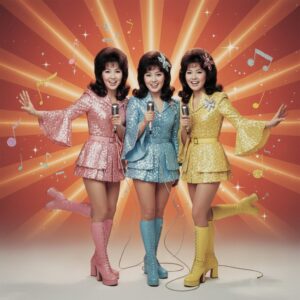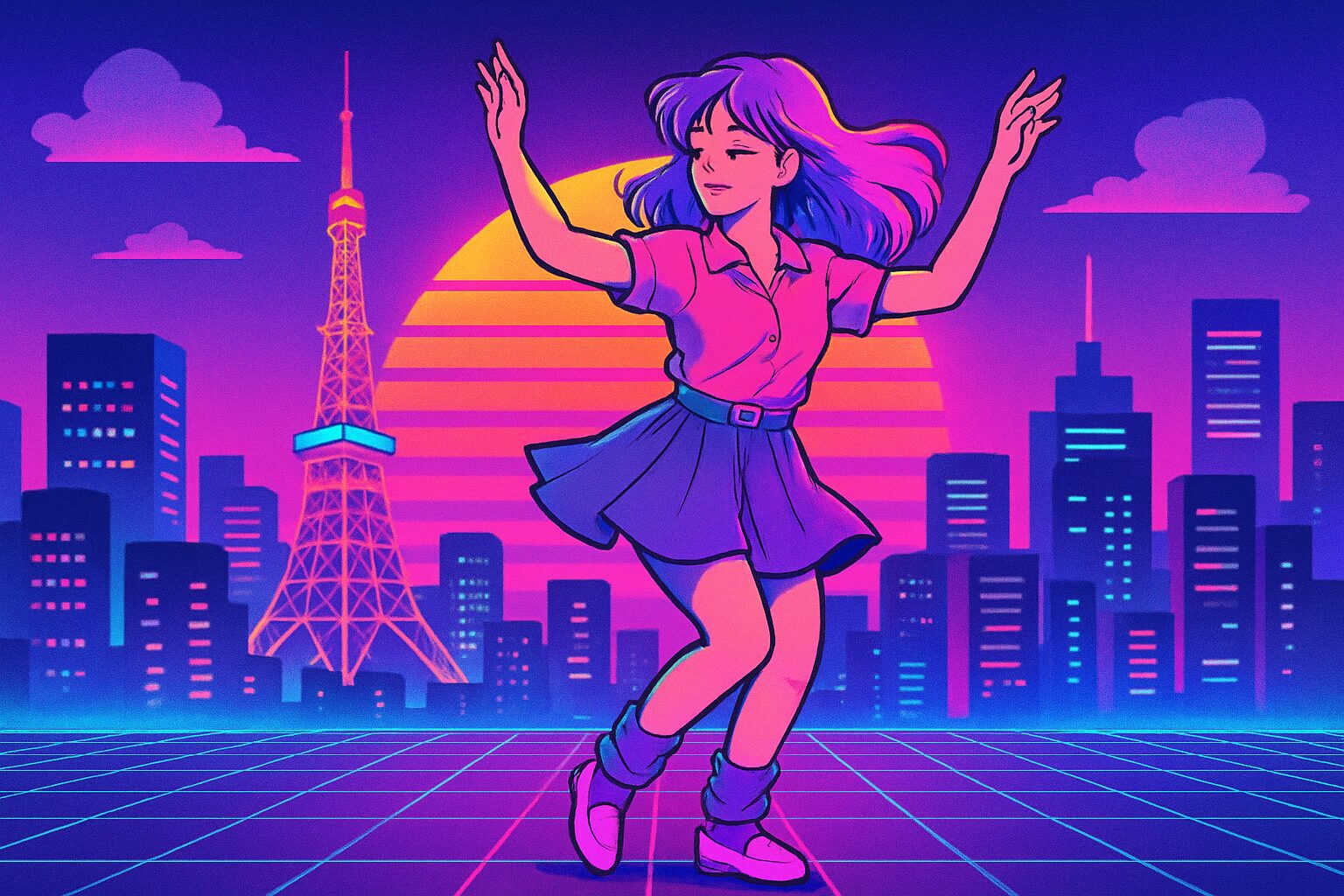
What’s up, world-travelers and culture chasers! Yuki here, your go-to guide for navigating the electric maze of Japan. Today, we’re doing a full-on time warp. We’re not just talking about visiting old temples or serene gardens. Nah, we’re diving headfirst into an era that’s so recent it still feels alive, buzzing with a phantom energy that refuses to fade. We’re talking about the Heisei era, that wild, vibrant period from 1989 to 2019 that shaped modern Japan. But we’re not just doing a history lesson. We’re chasing a specific vibe, a feeling, a sound. We’re chasing the heart-pounding, high-octane, neon-drenched soul of late-90s and early-2000s youth culture. Think flip phones covered in rhinestones, impossibly tall platform boots, and the unified, hypnotic arm movements of a Para Para dance floor at 2 AM. This is Heisei Retro. It’s not just vintage; it’s a mood, an attitude, a rebellion of color and sound that happened just before the internet changed everything. It was the last great analog hurrah, where your identity was defined not by your social media profile, but by the music on your MiniDisc player, the fashion tribe you belonged to, and the arcade you called your second home. And at the heart of it all was Tokyo, a city that served as a concrete catwalk and a pulsating dance floor for a generation overflowing with creative fire. We’re about to explore the places where you can still touch, taste, and feel that energy. This is your ticket to the real-life anime intro you’ve always dreamed of, a pilgrimage to the epicenters of cool that defined a generation. So, crank up the Eurobeat, get your glow sticks ready, and let’s dive into the glorious, chaotic world of Heisei Retro. Our journey begins, as it must, in the very heart of the chaos, the place where trends were born and died in the span of a week: Shibuya.
To fully immerse yourself in the era’s iconic soundscape, you can explore the world of City Pop on the Yamanote Line.
The Eurobeat Heartbeat: Rediscovering the Soul of Para Para
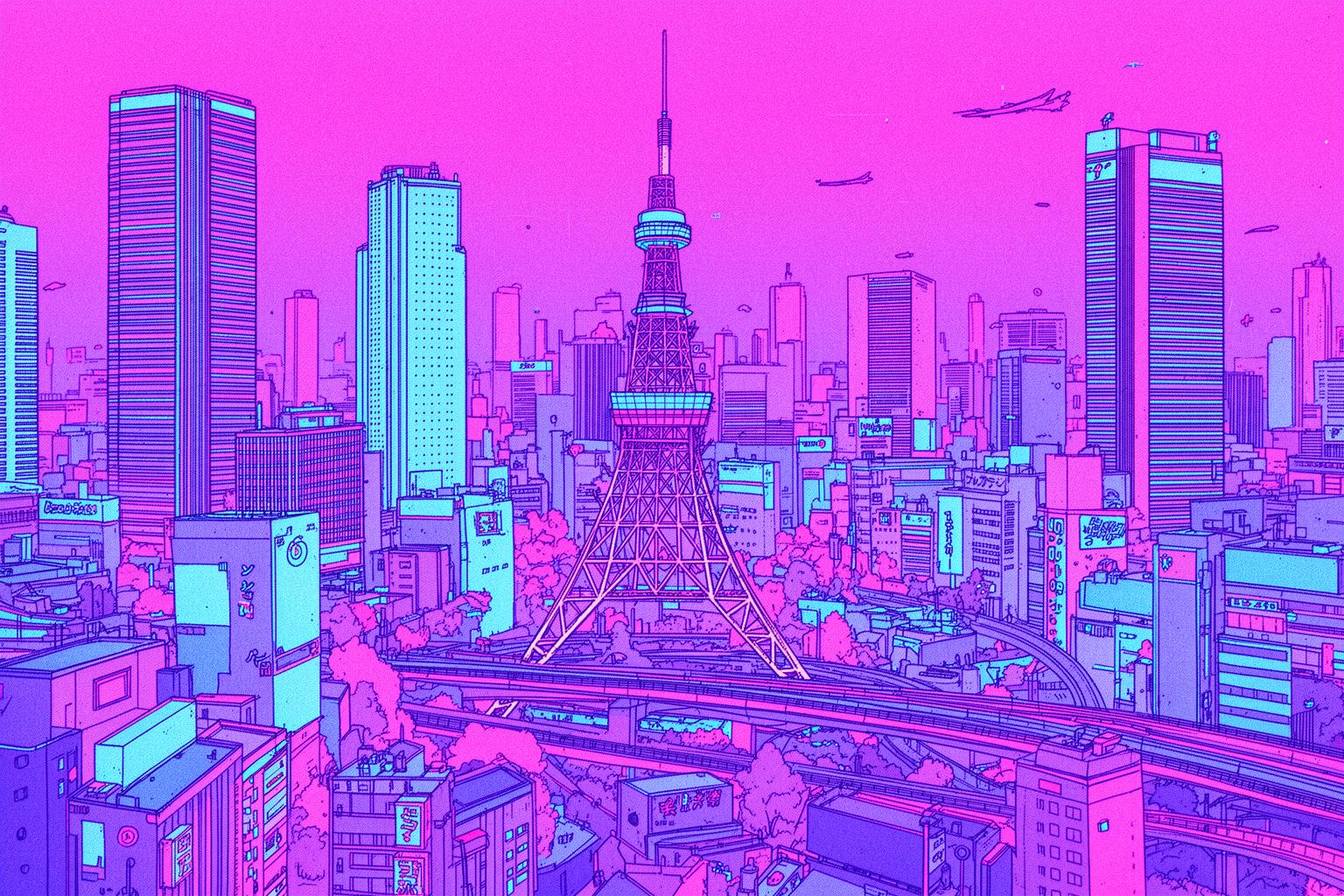
If the Heisei era had a heartbeat, it would be the frantic, synthesized 150-beats-per-minute rhythm of Eurobeat. The dance that shaped this rhythm was Para Para. For those unfamiliar, this is not the free-form dancing typical of most clubs. Instead, it was something distinct, uniquely Japanese. Para Para was a synchronized ritual, a collective expression where hundreds of people on a dance floor moved as one, performing a complex series of arm and hand movements with military-like precision. It was mesmerizing, hypnotic, and electrifying. The aim wasn’t to showcase individual moves; it was to become part of a larger, pulsating organism, all in sync with the high-energy tracks imported from Italy and Germany. This was more than just dancing; it was a social phenomenon and a community.
What Exactly IS Para Para?
Picture a packed room with strobe lights flashing and a song like “Night of Fire” or “Tora Tora Tora” blasting from the speakers. On the dance floor, everyone—from high school gyaru to salarymen in work attire—faces the same direction, feet mostly planted, while their arms perform a dazzling, intricate display of motion. Every song had its own specific, predetermined routine, learned carefully from instructional videos or by watching the senpai (seniors) at the clubs. It was a subculture with its own language, stars, and sacred texts in the form of ParaPara Paradise arcade games and VHS tapes. The dance involved only upper body movement, which some say developed because Japanese clubs were often too crowded to move your feet. Para Para was a workout, a performance, and a meditation all at once. The feeling of perfect synchronization with a hundred strangers is a rush unlike any other—a profound sense of belonging that served as a powerful antidote to the pressures of a highly structured society.
The Sacred Halls of Heisei Clubbing
At its peak, the Para Para scene was centered around colossal super-clubs—legendary venues that were like temples dedicated to the Eurobeat gods. The most famous was Velfarre in Roppongi, a multi-story mega-club that served as the global epicenter of Para Para. Walking into Velfarre on a weekend night felt like stepping into another dimension. The sound system was earth-shaking, the light shows blinding, and the energy overwhelming. It was a place where Japan’s biggest pop stars, like Namie Amuro and Takuya Kimura, danced alongside everyday fans. Other iconic venues like Twin Star in Shibuya nurtured devoted communities of dancers as well. Unfortunately, the golden age eventually ended, and these mega-clubs closed their doors, casualties of shifting tastes and regulations. Their closure marked the end of an era, and for a while, Para Para seemed destined to fade away.
Yet, the spirit of Para Para proved resilient. It didn’t die; it went underground. Today, it’s not found in massive super-clubs but remains alive at smaller, dedicated events in Shinjuku’s Kabukicho or tucked away in Shibuya’s backstreets. These gatherings, often called “Para-サー” (Para-Cir, short for Para Para Circle), are run by passionate fans determined to keep the beat alive. To find these circles, you’ll need to delve into Japanese social media, searching hashtags like #パラパラ or #ユーロビート. Though the crowds are smaller, the passion remains fierce, if not stronger. Original Heisei-era dancers, now in their 30s and 40s, mingle with a new generation discovering the scene through retro videos online. It is an incredibly welcoming community. Don’t be surprised if a seasoned veteran takes you under their wing, patiently teaching you the moves to a classic track. This is not just a dance but a living, breathing piece of cultural history, kept vibrant by sheer, unadulterated passion.
The Soundtrack of a Generation: Karaoke and the Heisei Hit Machine
While Para Para thrived in the clubs, another musical phenomenon captivated the private lives of Heisei youth: karaoke. But forget any image you might have of a drunken person singing off-key in a crowded bar. In Japan, karaoke is an entirely different experience. It’s a high-tech, private, and deeply personal activity. It’s where friendships were formed, hearts were broken, and the anthems of a generation were belted out with full passion. The karaoke box served as a sanctuary, stage, and social hub for millions across Japan.
Beyond the Mic: The Culture of the Karaoke Box
The experience begins the moment you enter a sprawling, multi-story building adorned with names like Big Echo, Karaokekan, or Shidax. You don’t step into just one room but a maze of corridors lined with doors to private, soundproof rooms. You rent a room by the hour, and for that time, it becomes your personal kingdom. Inside, you’ll find plush sofas, a large TV screen, a table for your drinks and food, and of course, the karaoke machine itself—a high-tech console, often a tablet, offering access to hundreds of thousands of songs. The classic experience often includes a “nomihodai” (all-you-can-drink) package, allowing you to order unlimited drinks via a phone on the wall. It’s an intimate space where you and your friends can let go without fear of judgment. You can sing passionately, practice a song repeatedly, or simply use the room as a private lounge to relax. This cultural institution is as distinctly Japanese as sushi or sumo—a perfect reflection of a society that values both group harmony and individual expression.
The Ultimate Heisei Playlist
To genuinely step back into the Heisei era inside a karaoke box, you need the right soundtrack. The late ’90s and early 2000s marked a golden age for J-pop, producing legendary artists whose music defined the era and continues to resonate today. These artists were more than singers; they were cultural icons shaping fashion, language, and the dreams of a generation.
At the forefront are the revered solo female artists. Ayumi Hamasaki, the undisputed Empress of J-Pop, whose heartfelt lyrics about love and loneliness voiced the feelings of countless high school girls. Singing an Ayu song like “M” or “Seasons” is a rite of passage. Then there’s Namie Amuro, the style queen from Okinawa, whose fierce dance moves and trend-setting fashion inspired legions of “Amuraa” fans who copied her look from head to toe. Her songs are polished, confident dance-pop perfection. And you can’t forget Utada Hikaru, the prodigy from New York whose R&B-infused sound and refined songwriting revolutionized J-pop with her debut album “First Love,” still the best-selling album in Japanese history. Tracks like “Automatic” and “Hikari” are timeless classics.
On the rock side, the scene was ruled by Visual Kei bands with their androgynous looks, elaborate costumes, and theatrical music. Groups like GLAY and L’Arc-en-Ciel sold millions of albums, packed stadiums, and provided a harder-edged soundtrack to the era. Singing their epic power ballads in a karaoke room, air guitar solos included, is an essential Heisei experience. Finding these songs is simple—modern karaoke systems include English search functions, but for a fully authentic feel, try typing the artist’s name in romaji. Don’t hold back. The walls are soundproof for a reason. Choose a song, grab the mic, and let the waves of nostalgia take over.
Picture Perfect Nostalgia: The Enduring Magic of Purikura
Before selfies and Instagram filters, there was Purikura. Short for “Print Club,” these photo booths became a pillar of Heisei youth culture—a technological wonder created for one purpose: to make you and your friends look as cute as possible. A trip to an arcade or shopping mall wasn’t complete without crowding into a tiny booth with your besties, striking a series of silly poses, and then spending a few frantic minutes decorating the photos with sparkly pens, hearts, and playful phrases. It was social media before social media existed, a tangible way to capture and share memories with the people who mattered most.
From Big Eyes to Kawaii Overload
The Heisei-era purikura aesthetic is unmistakable. The software was designed to automatically enlarge your eyes to anime-like proportions, smooth your skin for a flawless finish, and slim your jawline. It was a fantastical version of yourself, and it was glorious. The experience was a ritual. First, you’d squeeze into the booth, often barely big enough for two people, though somehow groups of five or six managed. A cheerful digital voice would guide you through several poses against a green screen. “Get ready! Three, two, one!” Flash! Next pose. After the photoshoot, you’d move to the decorating station outside the booth. That’s where the real creativity happened. Using a touchscreen and stylus, you had just a couple of minutes to go wild. You’d add digital stamps, draw cat whiskers on your friends, write your names and the date, and cover every spare inch with glitter and stars. The final product was a sheet of small photo stickers, which you carefully cut out and shared with the group. Modern purikura machines still exist and are more technologically advanced than ever, offering realistic filters and makeup effects. But for an authentic Heisei experience, you have to find an older machine, sometimes hidden in a corner of a retro arcade. The slightly grainy quality, the exaggerated eye-enlarging effects, and the charmingly dated digital stamps perfectly capture a more innocent, outrageously cute era.
The Art of the Purikura-cho
Purikura stickers weren’t just meant to be stuck on your phone or in a locker. They had a special home: the purikura-cho, or sticker album. Almost every high school girl in Japan had one. These weren’t mere photo albums—they were carefully curated diaries of social life. You’d fill the pages with photos of yourself and your best friends, your crush, and your club members. The ultimate sign of friendship was trading your precious purikura stickers. When you met a new friend, you’d swap stickers to mark the occasion. Flipping through an old purikura-cho is like scrolling through a physical Instagram feed from 2000. It’s a tangible record of friendships, fashion trends, and youthful joy. While the practice has declined with the rise of digital photos, the spirit endures. Taking purikura remains a popular activity—a fun and affordable way to create lasting, physical memories of your time in Japan. So grab a friend, squeeze into a booth, and let your inner kawaii artist shine.
Tokyo’s Concrete Catwalks: A Deep Dive into Heisei Street Style
Nowhere showcased the explosive creativity of the Heisei era more vividly than the streets of Tokyo. The city’s youth didn’t merely follow trends; they originated them, spawning a dizzying variety of subcultures and fashion tribes, each with its own strict codes and unique aesthetics. This was an era before fast fashion took over, when personal style served as a declaration of identity—a uniform for one’s chosen tribe. The epicenters of this fashion revolution were two neighboring districts: Shibuya and Harajuku. Each possessed its distinct flavor, and together they formed the pulsating heart of global street style.
Shibuya: The Kingdom of Gyaru
Shibuya was, and in many ways still remains, the undisputed capital of mainstream youth culture. In the late 90s and early 2000s, it reigned as the kingdom of the gyaru. Gyaru (derived from the English word “gal”) was a flamboyant, rebellious subculture that challenged traditional Japanese beauty ideals. Instead of pale skin and black hair, gyaru embraced deep, artificial tans, bleached blonde hair piled high, dramatic white and black makeup, and a uniform of miniskirts and towering platform boots known as “atsuzoko.” Their sanctuary was the iconic Shibuya 109 building, a cylindrical fashion paradise filled with tiny boutiques selling the latest gyaru essentials. Brands like Alba Rosa, featuring hibiscus prints, and Me Jane represented the pinnacle of cool. Being a gyaru was more than clothing; it was an attitude—loud, confident, and unapologetically bold. They had their own slang, magazines like Egg and Popteen, and musical icons, including Namie Amuro and later Ayumi Hamasaki. While the extreme gyaru look is rarer today, its influence remains widespread. Shibuya 109 still stands as a beacon of youth fashion, and vintage shops around the area continue to stock the iconic platform boots and hibiscus-print clothing that defined an era. To catch the vibe, stand in the middle of the Shibuya Scramble Crossing and observe the waves of people. The energy, confidence, and sheer love of fashion—that is the lingering spirit of the Shibuya gyaru.
Harajuku: The Canvas of Individuality
If Shibuya was about being a glamorous, rebellious gal, Harajuku was about being… anything you wanted to be. It was the hub for a multitude of niche, artistic, and often fantastical subcultures. The pedestrian-only Takeshita Street was, and remains, a chaotic explosion of color, sound, and sugar, lined with crepe stands, purikura shops, and stores offering every imaginable style of clothing. Yet the true magic took place on weekends, especially at Jingu Bashi (the bridge connecting Harajuku station to Meiji Shrine), where young people from all over Tokyo gathered to see and be seen.
This was the stage for some of the most iconic Heisei styles. There was Lolita, with its intricate, Victorian-inspired dresses adorned with petticoats, lace, and parasols. Within Lolita, countless sub-genres thrived, from the dark and dramatic Gothic Lolita to the sweet and saccharine Sweet Lolita. Then there was Decora, a style involving covering oneself from head to toe in countless colorful plastic toys, hair clips, and layers of mismatched clothing—a joyful, childlike explosion of pure kawaii. Visual Kei fans were impossible to miss, inspired by their rock star idols, sporting dramatic spiky hair in every color of the rainbow, heavy makeup, and elaborate, often androgynous outfits. The legendary magazine FRUiTS, founded by photographer Shoichi Aoki, documented this incredible street-level creativity, bringing the wild styles of Harajuku to a global audience. Today, the Harajuku bridge is somewhat quieter, but the spirit of creative freedom endures. Stroll down Takeshita Street for sensory overload, then venture into the backstreets of Ura-Harajuku to discover independent boutiques and vintage shops where the true spirit of Harajuku’s DIY fashion culture continues to thrive.
Button Mashing to the Beat: The Golden Age of Japanese Arcades
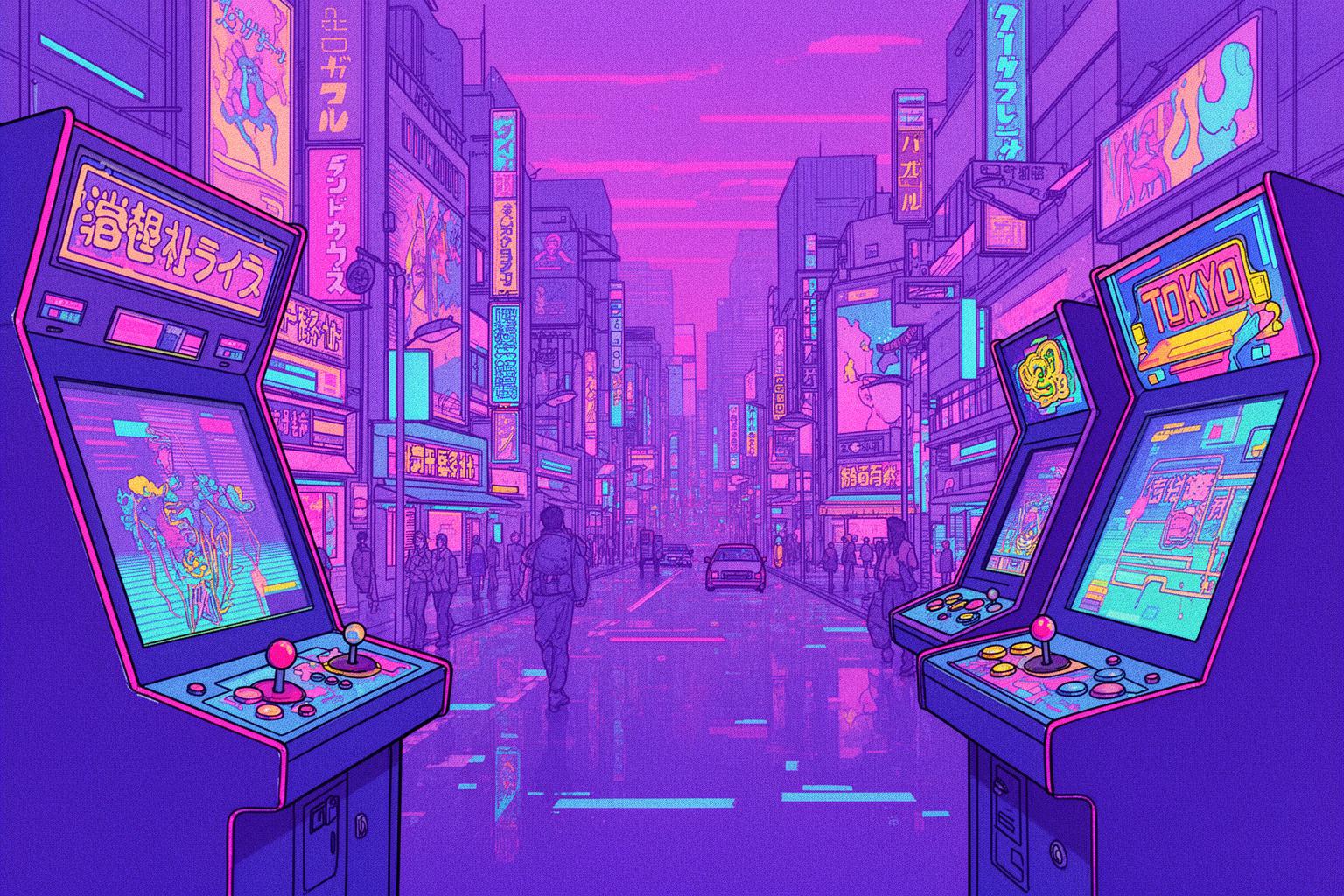
Long before high-powered consoles filled our homes and online multiplayer became common, the heart of the gaming world was the Japanese arcade, or “game center.” During the Heisei era, these venues were more than just places to play games; they were loud, smoky, highly competitive social hubs. They served as testing grounds where friendships were challenged and legends emerged. From the clatter of pachinko balls to the celebratory chimes of a UFO catcher win, alongside the booming bass of rhythm games, the sounds of the arcade provided the soundtrack to the lives of many young people.
More Than Games: The Arcade as a Social Hub
Entering a multi-story arcade complex like Taito Station or Round1 means stepping into a vertical playground of entertainment. Each floor offers a distinct theme. The ground level is usually dedicated to UFO catchers (crane games), overflowing with plush toys, figures, and snacks, their enticing calls promising an easy victory. Ascend one floor, and you’ll find rhythm games, where incredibly skilled players move with dancer-like precision on machines such as Dance Dance Revolution. Another floor hosts fighting games, where intense one-on-one duels take place, often drawing small crowds of spectators. In the Heisei era, arcades acted as the original “third place” for students. After school, friends would gather at the local game center, wager 100-yen coins, and spend hours competing for dominance or teaming up to beat a game. It was a place where skill, not social standing, mattered most. The air was thick with focus and the shared excitement of competition—a real-world community bound by a passion for gaming.
The Holy Trinity of Heisei Gaming
Although arcades featured countless game types, three genres stood out as defining the Heisei experience. First were rhythm games. Konami’s Bemani series, including Beatmania (a DJ simulation) and Dance Dance Revolution (DDR), sparked a cultural phenomenon. Watching an expert DDR player was like witnessing an Olympic event—their feet a blur as they flawlessly hit streams of arrows. These games weren’t merely about high scores; they were performances that drew crowds and created spectacles.
Second were fighting games. Classics like Street Fighter II, Virtua Fighter, and The King of Fighters transformed arcades into modern battlegrounds. The culture of face-to-face competition was fierce. Placing a 100-yen coin on the machine indicated, “I’m next,” and then players squared off against strangers. Victory earned bragging rights; defeat meant getting back in line for another chance. These games cultivated local rivalries and communities, with each arcade boasting its own top players and distinctive styles.
Finally, there were the UFO catchers. The crane game, renowned for both pride and frustration, featured prizes that reflected the era’s trends—anime character plushies, cute Sanrio merchandise, and other coveted goods. The thrill lay not just in winning a prize but in the strategic challenge against the machine’s mechanics. The moment when the crane’s claws grasped and successfully dropped the item into the chute was a moment of pure, unfiltered triumph.
Finding Your Game Center
Today, arcades remain a prominent part of Japan’s urban landscape. For the most intense, hardcore experience, head to Akihabara, Tokyo’s Electric Town. Arcades there, such as the renowned GiGO buildings, are multi-level temples of gaming designed for serious players. For a more nostalgic, local feel, seek out smaller neighborhood arcades in areas like Ikebukuro, Shinjuku, or even residential districts. These spots often feature older machines and a more laid-back atmosphere. Regardless of where you visit, the experience is essential. Bring a handful of 100-yen coins, choose a game that grabs your attention, and dive in. You’re not just playing—you’re taking part in a cultural tradition that has thrived for decades.
Fueling the Fire: Tastes and Trends of the Heisei Era
The energy of Heisei-era youth was driven by a distinctive landscape of snacks, drinks, and food trends. From the fluorescent-lit aisles of convenience stores to the trendy city cafes, the tastes of the time focused on convenience, novelty, and, naturally, cuteness. These were more than just meals; they were cultural markers, a way to join the latest fad or simply grab a quick, affordable bite between school and the arcade.
The Convenience Store Time Capsule
The Japanese convenience store, or “konbini,” is a marvel of the modern era and was the essential lifeline for kids during the Heisei period. Open around the clock, it provided everything: breakfast, lunch, dinner, snacks, magazines, and even concert tickets. To savor Heisei nostalgia, all you have to do is step into a 7-Eleven, FamilyMart, or Lawson. Many classic snacks and drinks remain available. Pick up a bottle of Calpis Water, a uniquely tangy and sweet yogurt-based beverage that was everywhere. Grab some Jagariko potato sticks in their iconic cup, or a bag of uniquely Japanese chip flavors like seaweed and salt. And naturally, there’s onigiri (rice balls), the perfect portable meal. During the Heisei era, a simple tuna-mayo onigiri paired with a bottle of green tea was the standard student lunch on a budget. The hot food section by the counter, featuring fried chicken (like FamilyMart’s famous “FamiChiki”) and wintertime oden, was also a staple. The konbini was more than just a store; it was a dependable, comforting, and indispensable part of everyday life.
Cafe Culture and Sweet Treats
When it came to treats, two items stood out in the Heisei era: crepes and bubble tea. Harajuku’s Takeshita Street gained fame for its crepe stands and remains popular today. The Japanese-style crepe is a masterpiece: a thin, soft pancake folded into a cone and filled with generous amounts of whipped cream, fruit, ice cream, and sometimes even whole slices of cheesecake. Strolling down the street with a freshly made strawberry and chocolate crepe was a quintessential Harajuku experience.
Another major trend was the first “tapioca” (bubble tea) boom in the late ’90s and early 2000s. Long before it became a worldwide craze, Japanese high schoolers were captivated by the chewy black pearls in sweet milk tea. Specialty tapioca cafes sprang up all over Shibuya and Harajuku, attracting long lines of students eager for their fix. Though the trend waned for a time before resurging strongly in the late 2010s, it remains a defining flavor of the era. Enjoying these treats today is about more than taste; it’s about engaging with a food culture intimately linked to the youth trends and social scenes of that time.
Your Heisei Retro Pilgrimage: A Practical Guide
Ready to embark on your own Heisei time-travel adventure? With a bit of planning, you can create a day in Tokyo that hits all the nostalgic highlights. This isn’t a strict itinerary, but rather a guide to capture the vibrant Heisei atmosphere, allowing room for spontaneity and discovery along the way.
Planning Your Time-Traveling Itinerary
A perfect Heisei-themed day might begin in Harajuku. Arrive mid-morning before the crowds become overwhelming. Stroll down Takeshita Street, indulging in an outrageously extravagant crepe for energy. Venture into the side streets to explore vintage clothing shops in Ura-Harajuku, searching for echoes of the fashion tribes that once dominated these neighborhoods. From there, it’s just a short walk or one train stop to Shibuya. Head straight to Shibuya 109 to witness the modern take on gyaru fashion, then stop by the vast Tower Records or HMV to browse the J-pop sections, where you can still find CDs from the era’s top stars. Spend some time soaking in the vibrant energy of the Scramble Crossing. As evening falls, it’s time to dive into nightlife. You might head to Akihabara to get lost in a multi-level arcade, competing on classic fighting games or trying your luck with UFO catchers. Alternatively, for a different vibe, head to Shinjuku. Explore the neon-lit streets of Kabukicho, find a karaoke box, and belt out your favorite Heisei anthems until the early morning hours. For the truly committed, check if any special Para Para or Eurobeat nights are happening at clubs in the area. This itinerary offers a little bit of everything: the fashion, the music, the games, and the pure, unfiltered energy.
Pro-Tips from a Heisei Kid
To make your adventure smoother, keep a few tips in mind. First, bring cash. Although Japan is becoming more credit card-friendly, many smaller venues, vintage shops, and especially arcade machines still operate on cash, mainly 100-yen coins. Having plenty of these on hand is crucial. Second, don’t hold back! Heisei culture celebrated bold self-expression. Squeeze into that tiny purikura booth with your friends. Sing your heart out to power ballads in the karaoke box. Try learning basic Para Para moves from a YouTube video before you go. The more you immerse yourself, the richer your experience will be. Finally, the most important advice is to be an observer. Find a cafe overlooking Shibuya Crossing or stand on the side of Takeshita Street and simply watch. The fashion, the gestures, the way people interact—these are the living echoes of the culture you’re there to experience. Take it all in. The spirit of Heisei lives not just in the places but in the people who still carry its energy today.
The Echo of an Era: Why Heisei Still Hits Different
Why are we so captivated by this particular slice of the past? Heisei Retro is more than mere nostalgia. It signifies a unique moment in time, a cultural explosion that unfolded during the twilight of the analog era. It was the last generation to structure their social lives without the internet, to discover new music by purchasing CDs, and to learn about fashion through the printed pages of magazines. Subcultures were highly specific and regional because trends spread gradually, person-to-person, fostering distinct and passionate communities. Your identity was something you built and performed in the physical world, on the streets of Harajuku or the dance floors of Shibuya.
That world of tangible connections and bold, unapologetic self-expression feels both incredibly distant and refreshingly authentic from today’s digitally-mediated viewpoint. Pursuing Heisei Retro is about seeking that sensation. It’s about the excitement of belonging to a synchronized crowd, the joy of sharing a physical artifact like a purikura sticker, and the rebellious spirit of a fashion statement that required true courage to wear. The neon lights may have dimmed on some of the era’s most iconic sites, but the fiery energy they sparked still flickers in the heart of Tokyo. You can feel it in the beat of a retro J-pop song, see it in the defiant style of a youth in Harajuku, and experience it in the focused intensity of an arcade gamer. It’s an echo reminding us of a time when everything felt a little brighter, a little louder, and infinitely more possible. So go out and find it. The dance floor awaits.