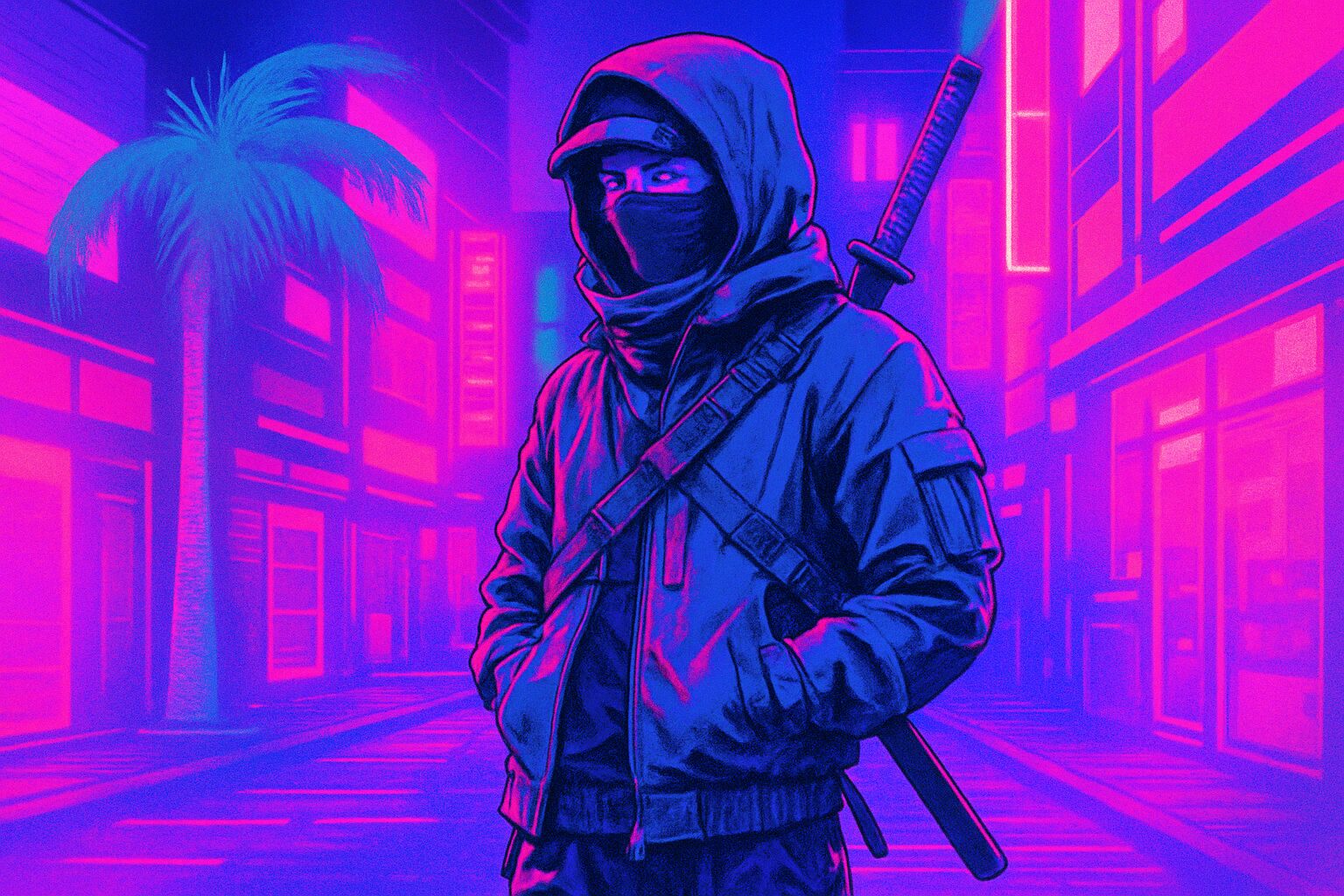
Yo, what’s the move? It’s Megumi, coming at you live from the concrete jungle where dreams and aesthetics are born: Tokyo. Today, we’re diving deep, like, way past the rainbow cotton candy and cute crepes of Takeshita Street. We’re going off-grid, into the back alleys of Harajuku, the legendary Ura-Hara, to decode a style that’s been bubbling just beneath the surface. It’s a whole mood, a philosophy you can wear. We’re talking about ‘Shadow Style’—a fusion of Y2K nostalgia and futuristic techwear with a heavy dose of modern-day shinobi energy. This isn’t just about looking cool; it’s about moving through the city like a ghost in the machine, a digital ninja navigating the chaos. It’s tactical, it’s mysterious, and it’s so uniquely Tokyo it hurts. This style is the city’s pulse made visible, a uniform for the urban explorer who values function as much as form, and anonymity as much as aesthetics. Forget the loud logos and bright colors for a sec. We’re entering a world of muted palettes, functional fabrics, and silhouettes designed for stealthy movement. It’s the ultimate ‘IYKYK’—if you know, you know—vibe, and trust me, after this, you’re gonna know. It’s a subculture that’s seriously redefining what it means to be street in the 21st century, blending the digital past with a very tangible, tactical future. This is the real underground sound of Harajuku’s fashion scene, and we’re about to turn the volume all the way up. Get ready to plug in. This is the low-key revolution of style happening right now, a quiet statement in a city that’s always screaming. It’s the fit for when you want to see everything but be seen by no one. It’s the evolution of cool, and it’s happening in the spaces between the spaces in Harajuku.
This urban ninja aesthetic finds a parallel in the digital realm, where the concept of the digital shinobi is fully realized by Japan’s Vtubers.
The Code Behind the Style: Where Y2K Nostalgia Meets Shinobi Spirit
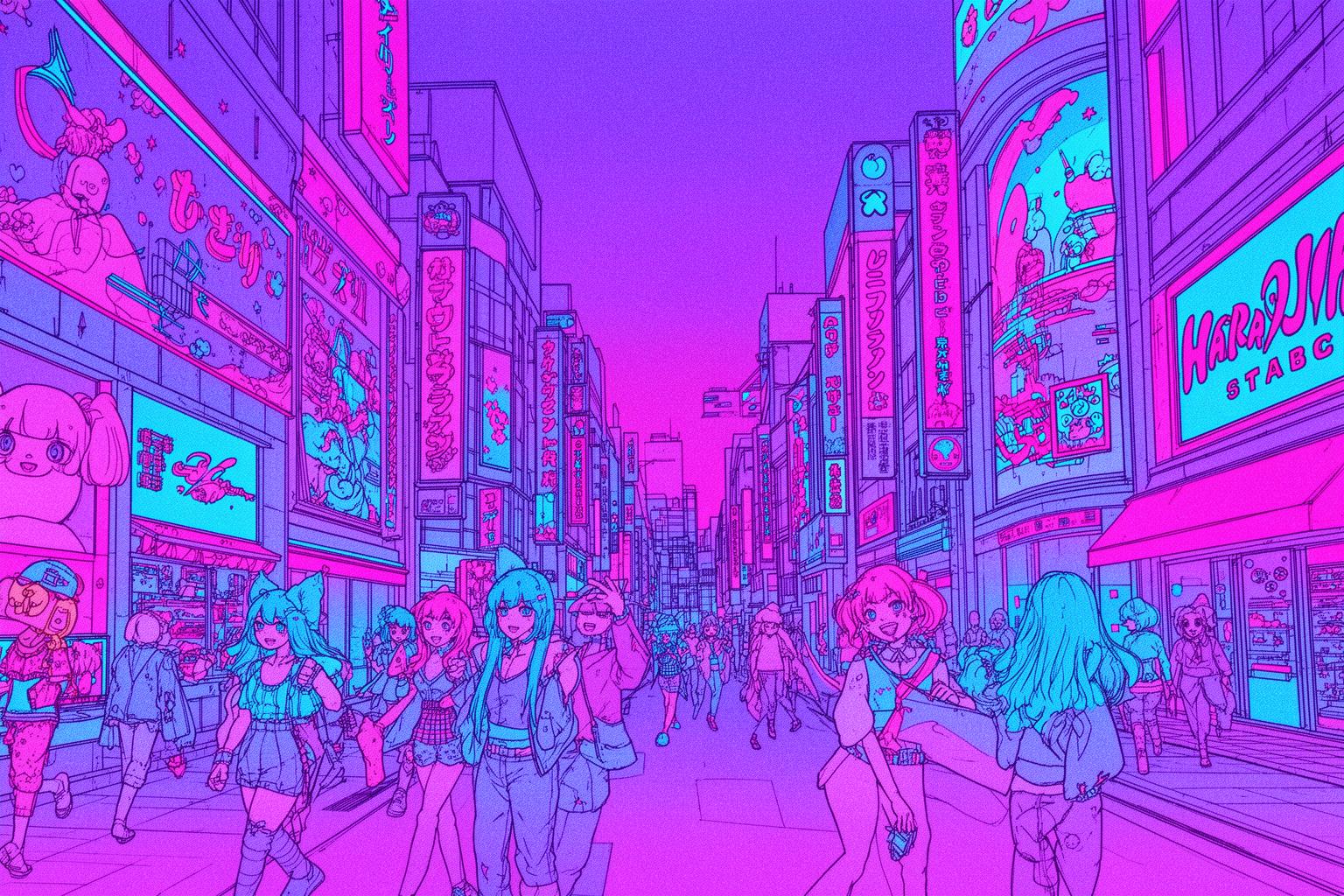
So, how did we even end up here? This Shadow Style didn’t suddenly appear out of nowhere. It’s a genuine cultural fusion, a striking remix of two distinct Japanese aesthetics that, at first glance, seem worlds apart. On one side, you’ve got the Y2K vibe—that turn-of-the-millennium era where everything felt cybernetic, futuristic, and a little glitchy. Picture late ’90s and early 2000s video games, the shiny metallic look of early tech, sci-fi anime like Ghost in the Shell, and the kind of baggy, utilitarian fashion that came along with it. It was the age of dial-up sounds, the hope for a digital future, and a style that balanced optimism with dystopian undertones. That period had a unique texture, a tangible sensation of being on the verge of something massive and unknown. The fashion embodied this—it was experimental, packed with pockets for shrinking gadgets, and often carried an almost alien, otherworldly vibe.
On the flip side, there’s the shinobi. The ninja. This is the deep-rooted cultural foundation of Japan. We’re not talking about the Hollywood stereotypes, but the real historical figures—spies and mercenaries of feudal Japan who excelled in stealth, espionage, and unconventional warfare. Their entire existence emphasized function above all else. Their clothing, the iconic shozoku, wasn’t just attire; it was a tool. Dark to meld with shadows, lightweight for silent movement, and designed to carry essential items without sacrificing agility. It was the original techwear. Every strap, fold, and hidden pocket had a clear purpose. The key values were infiltration, intel gathering, and survival. It was about remaining unseen and moving through hostile terrain with lethal finesse. The shinobi was the ultimate minimalist, embodying mastery of efficiency, wholly dedicated to the mission.
Shadow Style emerges when these two eras collide in the backstreets of Harajuku. It merges the cyber-dystopian, gadget-focused aesthetic of Y2K with the deadly practicality and quiet confidence of the shinobi. It’s not cosplay; it’s about capturing the essence. It’s about taking the historical idea of an operative who blends into their environment and reimagining it for the contemporary cityscape. The setting is no longer a feudal castle but the vast, sensor-laden, camera-monitored city of Tokyo. The modern shinobi doesn’t need to disappear into the forest; they must vanish into the digital and physical chaos of urban life. They navigate crowds, subways, and concrete canyons. Their gear isn’t for carrying shurikens anymore; it’s for holding a smartphone, a portable charger, headphones, and all the modern essentials. This blend creates something entirely new. It’s a look that feels both retro and ultra-futuristic simultaneously. It’s nostalgic for a future once dreamed of by the past, yet built for today’s reality. The muted colors—the blacks, charcoals, olives, and greys—directly evoke the ninja’s need for camouflage. The intricate layering, numerous pockets, and adjustable straps reinterpret the shinobi’s utility-driven gear in a modern light. This style communicates, ‘I’m ready. I’m self-reliant. I move on my own terms.’ It’s a potent statement in a world constantly vying for your attention. Instead of shouting, it whispers—and that whisper is undeniably far more compelling.
Deconstructing the Silhouette: The Essential Gear of the Urban Ninja
Alright, let’s dive into the details. To truly grasp the Shadow Style, you need to dissect it step by step. It’s a modular system—a language of layers and textures—that combine to create this covert aesthetic. It’s a uniform, but one tailored to your personal mission. The essence lies in the details, the subtle functions you only notice up close. It’s a masterclass in design, where every component serves a purpose. This isn’t fast fashion; it’s deliberate, intentional, and made to endure. Let’s break down the core elements that define this look.
The Foundation: Advanced Cargo Pants and Technical Trousers
Everything begins with the pants. Forget basic jeans or chinos. The Shadow Style is grounded in technical trousers or upgraded cargo pants. But these aren’t the baggy, careless cargos of the past. They’re crafted for mobility and function. The silhouette is often articulated, with pre-bent knees or extra panels allowing full movement without strain on the fabric. You’ll find tapered designs—roomy at the top and narrowing at the ankle—often finished with zippers or elastic cuffs. This keeps the fabric out of the way, forming a sleek line that pairs perfectly with chunky sneakers or tech boots. The standout feature? The pockets. So. Many. Pockets. But they’re not just random additions. Strategically positioned zippered thigh pockets for your phone, hidden seam pockets for keys or transit cards, and deep cargo pockets with magnetic or Fidlock closures for secure yet quick access. Their placement is based on how you move and what you carry in the city. The fabrics bring the ‘tech’ into techwear. Expect materials like Schoeller Dryskin—water-repellent, breathable, and four-way stretch—or lightweight, durable ripstop nylon tough enough for daily commutes. Some pants have integrated webbing belts or adjustable waists for a perfect, secure fit. The color scheme sticks to the style’s unspoken code: black, charcoal grey, navy, olive drab. It’s about blending in, creating a silhouette that’s practical and almost tactical in efficiency.
The Upper Body Armor: Utility Vests and Modular Jackets
Layering is crucial, with the upper body often centered around a utility vest or modular jacket. Utility vests make a bold statement, inheriting traits from military and fishing vests but redesigned for the urban environment. They embody the concept of carrying your essentials on you. Vests are covered in pockets of varying shapes and sizes, MOLLE webbing loops for attaching extra pouches, and D-rings for hanging gear—allowing hands-free access while keeping everything close. Usually crafted from tough nylon or breathable mesh, they’re designed to be worn over hoodies, long-sleeve tees, or jackets. This is where the shinobi influence is clearest—the garment doubles as a toolkit. Then come the jackets: shell layers crafted from waterproof, breathable fabrics like Gore-Tex or equivalents. Not just rainwear, they shield you from wind, transit temperature swings, and urban grime. Top models feature taped seams, waterproof zippers, and adjustable hoods for full coverage. A standout detail is the “jacket sling”—an internal strap that lets you sling the jacket over your shoulder indoors, keeping your hands free. It’s a brilliant urban design touch. Many jackets are modular, with removable liners, detachable hoods, or zip-off sleeves. This flexibility is key in cities like Tokyo where weather shifts fast. The silhouette is sharp and architectural, projecting power and presence while remaining stealthy and agile.
The Final Touches: Masks, Hoods, and Headwear that Conceal
Anonymity is central to the Shadow Style ethos. In a city teeming with millions, carving out personal privacy is a form of power. This is where face coverings and headwear come into play. Long before the pandemic, masks were a staple in Japanese street fashion and remain essential in techwear aesthetics. They range from simple, stylish black or grey cloth masks to advanced technical masks with filtration or futuristic designs. A mask obscures your identity, adding mystery and drawing focus to your eyes, intensifying your gaze. It completes the transformation into an urban operative. Hoods serve a similar purpose. The hood of a techwear jacket or hoodie is often oversized and structured to create a “tunnel vision” effect, shielding your peripheral view and concealing your face from the side. It crafts a personal bubble, letting you retreat into your own space while moving through public areas. Pulling up your hood signals you’re in your zone. Headwear finishes the look—simple beanies, technical fabric caps, or bucket hats in dark hues are the go-to choices. They add concealment and practicality, shielding from sun or rain while maintaining a cohesive, low-profile vibe. Combined, a cap or beanie, pulled-up hood, and mask embody the style’s undercover shinobi spirit. You become a dark silhouette, a figure blending into the cityscape, identity hidden, purpose your own.
Carrying the World: Slings, Holsters, and Modular Bags
No urban ninja is complete without a carry system. This is where the style’s modularity and tactical inspiration truly shine. Forget bulky backpacks. Preferred carry options are more agile and body-integrated: crossbody sling bags, chest rigs, and leg holsters. These are worn close to the body, distributing weight evenly and allowing swift access without removing the bag. Slings rule—they can be swung from back to chest in seconds, letting you grab your wallet or phone even in packed trains. They’re often made from ultra-durable, water-resistant materials like X-Pac or Cordura ballistic nylon. Chest rigs strap over the shoulders, sitting high on the torso for immediate access to essentials. They look intense and add a layer of functional armor. The modular design is next-level—many bags use MOLLE webbing systems to attach smaller pouches and accessories, tailoring your loadout for the day’s mission. Your setup might include a phone pouch, water bottle holder, and mini first-aid kit all attached to the main bag. It’s a personalized, integrated system. The philosophy extends to the entire outfit—you might spot a pouch clipped onto a belt loop or a keychain with a carabiner on a utility vest. Every piece is secured, accessible, and part of a greater whole. This is the purest modern expression of the shinobi spirit: ready for anything, burdened by nothing.
The Hunting Grounds: Finding Your Shadow Style in Ura-Harajuku
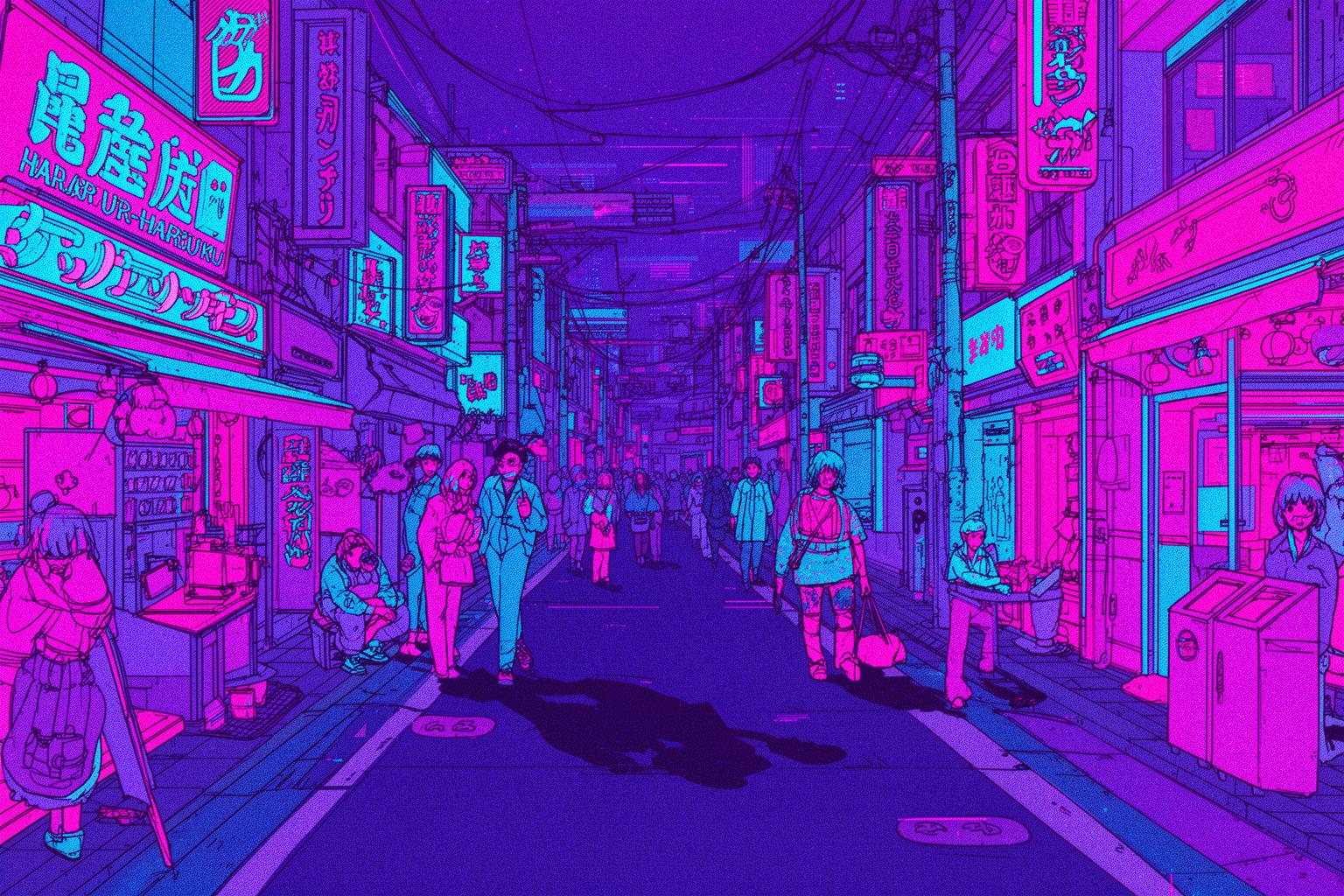
Alright, so you’re hooked on the vibe and ready to start gearing up. But where do you begin your search? The answer isn’t on the main stretch of Takeshita Street. That area has a completely different energy—it’s loud, vibrant, and geared toward tourists and kawaii culture. To truly capture the essence of Shadow Style, you need to explore the maze of backstreets known as Ura-Harajuku, or Ura-Hara for short. This is the authentic heart of Harajuku’s fashion scene. It’s a network of quiet, narrow lanes nestled between Harajuku and Omotesando, feeling like an entirely different world.
The atmosphere here is relaxed, much more mature and deliberate. Instead of huge department stores, you’ll find small, independent boutiques, carefully curated vintage shops, and flagship outlets of legendary Japanese streetwear brands. This is where true fashion enthusiasts gather. The vibe is less about grabbing attention and more about a subtle, confident coolness. Exploring Ura-Hara is its own kind of adventure. There’s no set route—you just wander, get a bit lost, and stumble upon hidden gems tucked away on second floors of unmarked buildings or down barely noticeable alleyways. This process of discovery is integral to the culture. The best spots aren’t always obvious; you have to seek them out, perfectly reflecting the covert spirit of the style itself.
When searching for techwear, you’re looking for specific types of shops. First, there are the high-end select stores. These places curate collections from various cutting-edge domestic and international brands. The staff are usually very knowledgeable and passionate, ready to explain the technical details of a fabric or the design philosophy behind a jacket. Don’t hesitate to ask questions—they appreciate genuine interest. These shops are like museums of modern fashion and showcase the pinnacle of techwear design.
Next, seek out dedicated Japanese streetwear and outdoor brands. Many iconic Japanese labels originated in Ura-Harajuku. Although not all are strictly ‘techwear,’ they often use technical fabrics and utilitarian designs in their collections. They understand Tokyo’s unique environment and create gear perfectly suited for it. Discovering their often-discreet flagship stores is a rite of passage for style fans.
Finally, here’s a pro tip: don’t overlook vintage and second-hand shops in Ura-Hara and nearby neighborhoods like Koenji or Shimokitazawa. These stores are treasure troves where you can find archival pieces from iconic Y2K-era techwear brands at a fraction of the original price. This is where you’ll find truly unique items that few others own. It takes some searching, patience, and a sharp eye, but the payoff is a piece with history—a layer of authenticity that elevates your look. It’s sustainable, smart, and helps you build a style that’s genuinely your own, not just a copy of the latest trends. The hunt itself is part of the experience. You might spend an entire afternoon scouring and find only one perfect piece, but that one piece will be priceless. That’s the Ura-Hara way.
Living the Vibe: It’s More Than Just Clothes, It’s an Attitude
Wearing the gear is just the initial step. To fully adopt the Shadow Style, you need to grasp the mindset that accompanies it. It’s a way of navigating the world, an attitude marked by quiet confidence and self-reliance. It’s about being an observer, a silent presence in the chaotic dance of the city. This style serves as your interface with the urban landscape. It’s a uniform that empowers you to explore, blend into the crowd, and stay prepared for whatever the day brings.
Your demeanor shifts when dressed in functional, tactical gear. A sense of readiness permeates your posture. You move with greater purpose. Your outfit isn’t something delicate to fret over; it’s a sturdy system that supports you. You can lean against a concrete wall, endure an unexpected downpour, or dash to catch the last train without hesitation. This freedom from concern is central to the appeal, allowing you to focus on experiencing the city rather than maintaining your attire.
Tokyo is the perfect playground for this style. The city’s architecture—a dense blend of gleaming skyscrapers, futuristic infrastructure, and hidden neon-lit alleys—creates an ideal backdrop. The look feels natural in this setting. Discovering the right photo locations is part of the culture. Think of spots with interesting textures and lighting: the underpasses of Shibuya, adorned with graffiti and stark concrete walls; the complex network of elevated walkways around Shinjuku Station, especially at night when city lights reflect off wet pavement; the quiet, almost deserted side streets of Akihabara, tucked away from the main thoroughfares. These places emit the perfect cyberpunk, dystopian-chic vibe that complements the gear. The objective isn’t to strike a pose but to capture a moment of interaction with the environment—a candid shot of you moving through your natural habitat.
A key tip for newcomers to this style is to start gradually. There’s no need to go full tactical ninja from the start—that can feel like a costume. Instead, try integrating pieces into your current wardrobe. Begin with a solid pair of technical cargo pants, which are highly versatile and pair easily with a simple hoodie or t-shirt. Alternatively, opt for a high-quality sling bag, a functional and stylish accessory that instantly adds a techwear element to any look. Once comfortable with these essentials, you can experiment with more advanced items like utility vests or technical shells. The aim is to build a modular wardrobe where pieces combine in various ways, creating a system that’s uniquely yours. And keep in mind that color is important. Sticking to a muted palette of blacks, greys, and olives simplifies coordination and maintains a consistent, undercover aesthetic. It’s not about dullness; it’s about intention. In Shadow Style, the silhouette, fabric texture, and functional design are what speak, not the colors.
Practical Intel: Your Mission Briefing for Harajuku
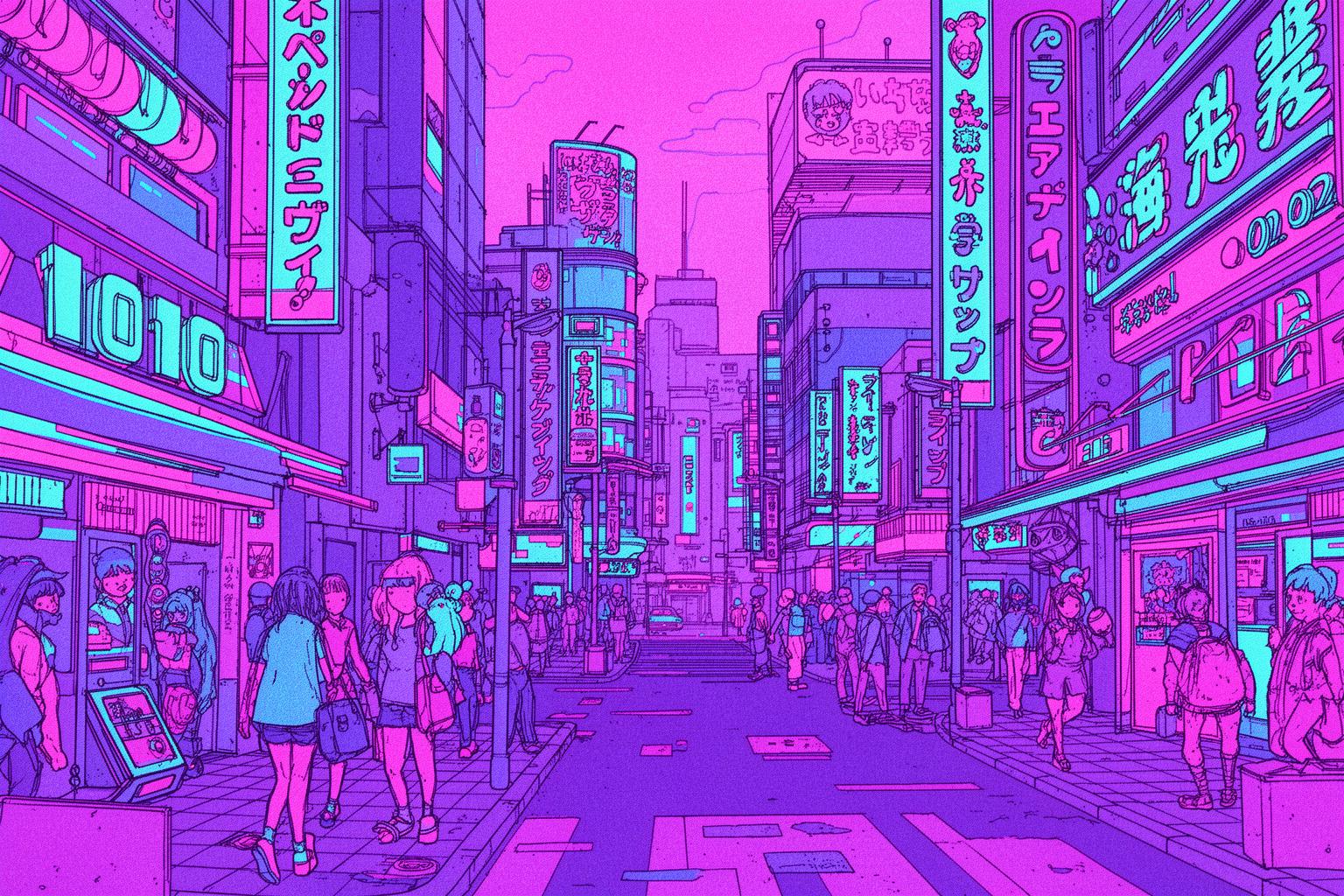
Ready to start your own style adventure in Harajuku? Bet. Here’s the essential info you need to navigate the area like a pro. Once you have the logistics sorted, you can focus on the best part: exploring and discovering.
First, getting there. Harajuku is super easy to access. The quickest way is taking the JR Yamanote Line, the main loop around central Tokyo, to Harajuku Station. Right outside the station, you’ll spot the iconic entrance to Takeshita Street just across the road. For a different route, take the Tokyo Metro Chiyoda Line or Fukutoshin Line to Meiji-jingumae ‘Harajuku’ Station. This station sits at a major intersection, just steps away from both Takeshita Street and the more upscale Omotesando avenue. Between these two main spots lies Ura-Harajuku, a network of streets worth exploring.
Timing is key in Tokyo. To experience Harajuku’s full, buzzing energy—with street style photographers and crowds of stylish teens—the weekend is your best bet. Saturday and Sunday afternoons are peak times. It gets very crowded, especially on Takeshita Street, but the people-watching is unbeatable. If you want a serious shopping trip and prefer browsing the smaller Ura-Hara boutiques without the crush, go on a weekday afternoon. The atmosphere is more laid-back, and you’ll have time and space to chat with shop staff. Most stores open around 11:00 AM or noon and close by 8:00 PM, so there’s no need to rush early.
A crucial tip for Japan visitors, especially when shopping in Ura-Hara’s smaller boutiques: carry cash. While larger stores and department stores accept credit cards, many of the coolest independent and vintage shops still do cash only. It’s smart to have enough yen on hand to avoid disappointment when you spot that perfect, one-of-a-kind find.
Also, wear comfortable shoes. This can’t be stressed enough. You’ll do a lot of walking. Truly exploring Harajuku means wandering, and Ura-Hara especially is a maze you’ll want to get lost in. Your feet will thank you. This is why the techwear style, with its focus on functional and comfy footwear, fits the city so well. Your best sneakers aren’t just for style—they’re essential gear for the mission.
Finally, don’t hesitate to stray off the beaten path. The Ura-Harajuku map is just a guide. The real magic is in unexpected discoveries. Follow a street that catches your eye. Step into a shop that looks unassuming from outside. The urban explorer spirit is all about curiosity. Embrace it, and Harajuku will surprise you with unforgettable experiences and finds. Even in this hyper-connected age, it’s a place with secrets, and uncovering them yourself is the ultimate reward.
Mission Complete: Fading Back into the Signal
Here’s the lowdown on Harajuku’s Shadow Style. It’s much more than a passing trend. It’s a profound, meaningful subculture that mirrors the reality of modern urban life. It acts as a conversation between Japan’s deep history and its imagined future—a style that gains strength not from being loud, but from being smart, ready, and almost unseen. It serves as the perfect armor and toolkit for navigating Tokyo’s beautiful, chaotic, and inspiring jungle. Whether you’re a seasoned techwear enthusiast or just starting to explore this hidden world, Harajuku stands as the spiritual home of this aesthetic. It offers more than clothes—you buy into a philosophy of intention and self-reliance.
So next time you’re in Tokyo, go beyond the bright lights and cute mascots. Step into the shadows of Ura-Harajuku. Experience the unique energy of the backstreets. Feel the technical fabrics, admire the clever design of a modular pocket system, and maybe, just maybe, discover that one piece that feels made for your personal mission. This is your invitation to become part of the city’s living, breathing fabric, moving through it with a fresh sense of purpose and style. It’s a vibe, truly. Go find yours.