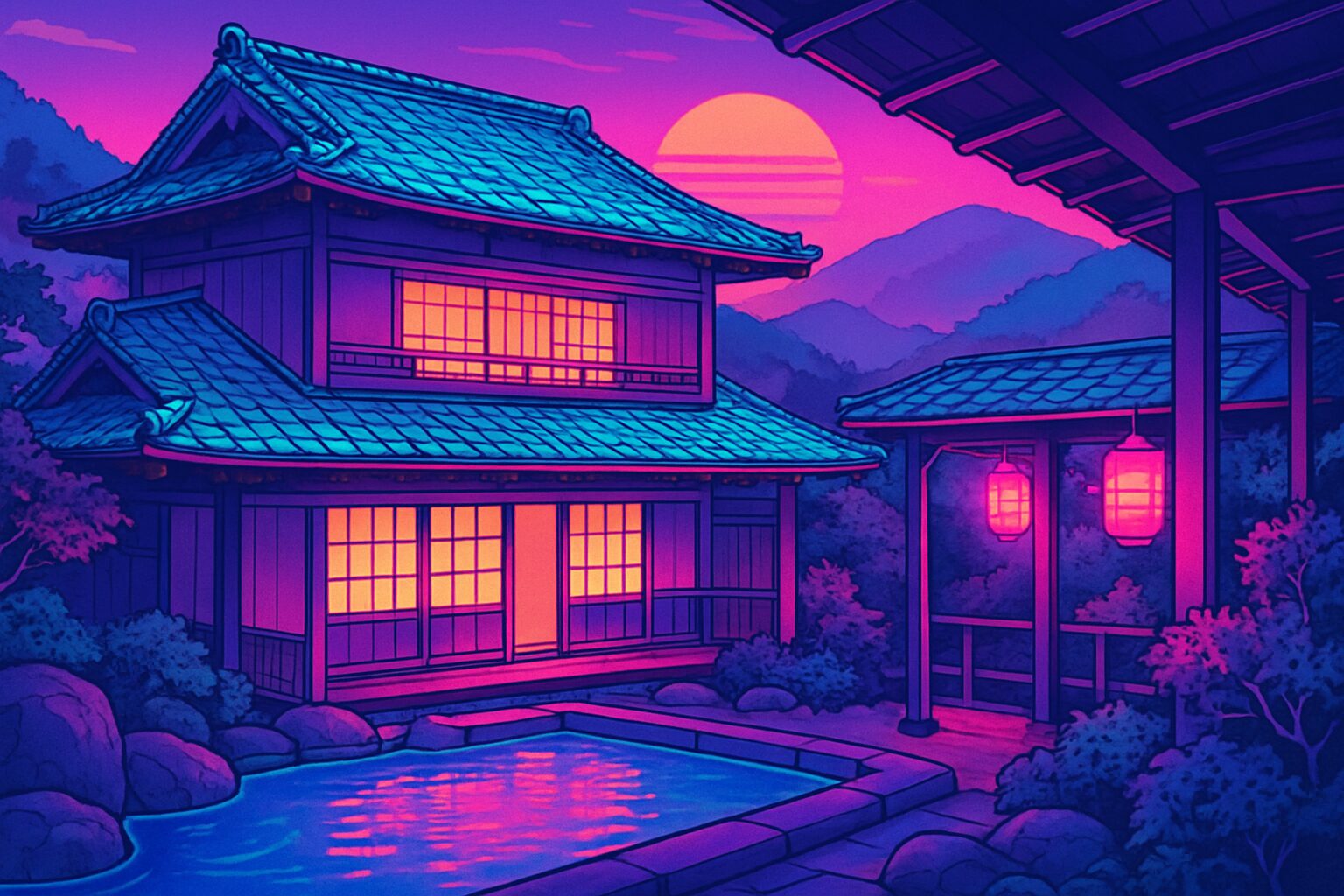
Yo, let’s talk about escaping the neon-drenched, high-octane energy of Tokyo. Sometimes, you just need to hit the pause button, you know? Your soul needs a reset, a full-on system reboot. And fam, I’ve found the ultimate cheat code for that: Hakone. Nestled in the mountains just a quick trip from the city, this place is a whole mood. We’re talking misty forests that look straight out of a Studio Ghibli film, a massive lake reflecting the sky, and the shy, majestic peak of Mount Fuji playing peek-a-boo through the clouds. But we’re not here to talk about just any trip. We’re here to discuss leveling up your entire existence with an experience that is so next-level, so incredibly boujee and blissful, that it’ll live in your head rent-free forever. I’m talking about holing up in a secluded luxury ryokan, soaking in your own private onsen, and having a personal chef craft an omakase dinner that’s basically edible art. This isn’t just a vacation; it’s main character energy, activated. It’s the ultimate expression of ‘treat yourself,’ a deep dive into the heart of Japanese hospitality, or omotenashi, that will have you rethinking what luxury even means. Get ready to unplug from the world and plug into pure, unadulterated serenity.
If you’re captivated by the idea of an exclusive culinary journey, you’ll also want to discover the secrets behind Tokyo’s most elusive introduction-only omakase experiences.
Hakone’s Vibe is Unmatched, Real Talk
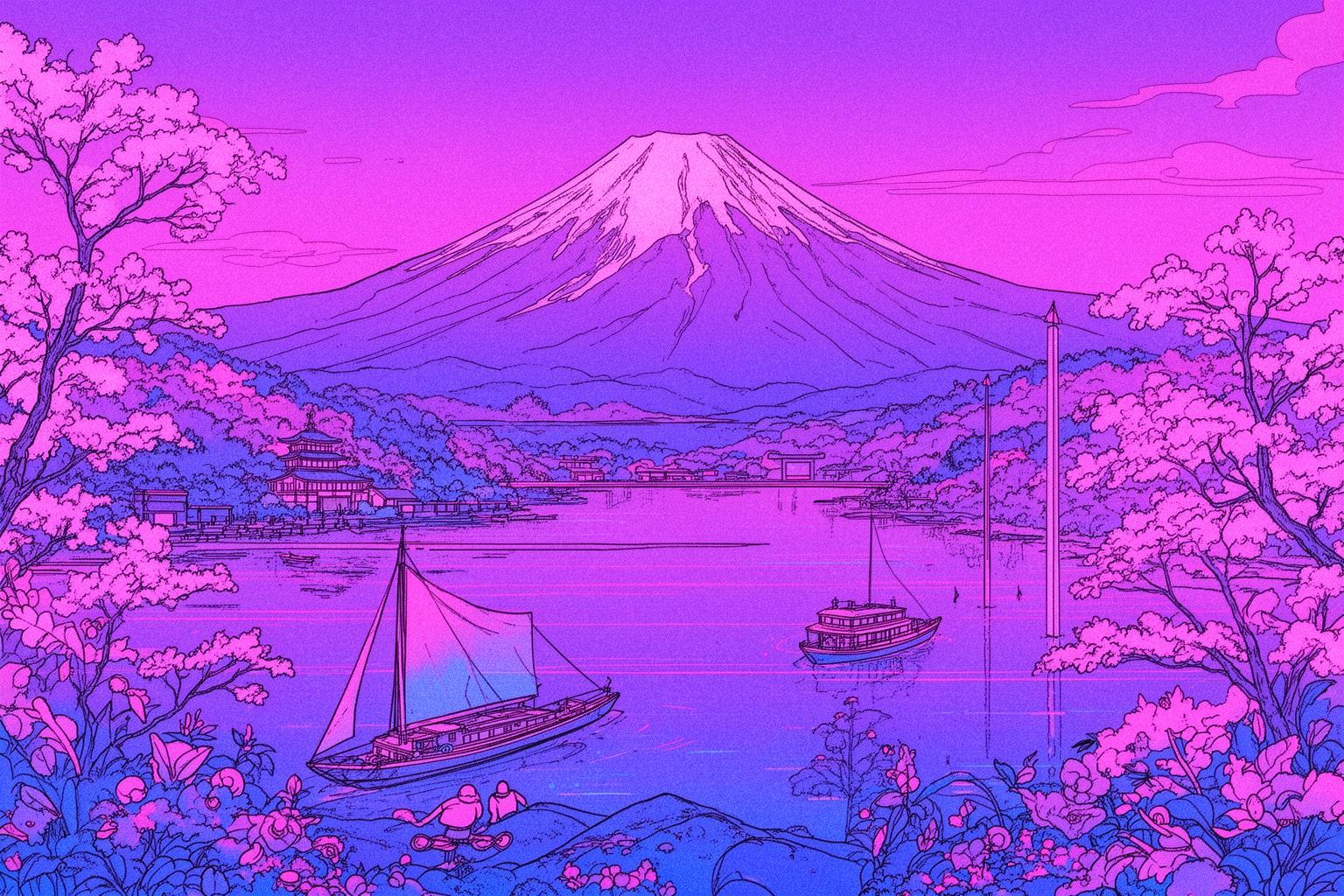
Hakone is more than just a location; it’s an experience. The moment you step off the train and inhale the fresh mountain air, you sense the change. The relentless city noise fades into the rustling of leaves, the distant call of birds, and the soft hiss of steam rising from the earth. The whole area is part of Fuji-Hakone-Izu National Park, and it’s evident everywhere. Summers are lush and green, autumns light up with vibrant reds and golds, and winters transform the landscape into a tranquil, monochrome scene dusted with snow. The air feels different here—cleaner and richer with the scent of pine, mixed with the subtle sulfuric aroma of hot springs that are the town’s lifeblood. This is sacred territory for onsen, the natural volcanic hot springs attracting visitors seeking healing and relaxation for centuries. There’s a profound sense of history and a quiet respect for nature that infuses everything. You can feel it walking beneath the ancient cedar trees along the old Tokaido Road, once traveled by samurai and shoguns journeying between Kyoto and Edo (now Tokyo). Hakone’s unique allure comes from this extraordinary fusion of raw, powerful nature and refined, elegant culture. It’s a place that invites you to slow down and appreciate the small details: moss growing on a stone lantern, the intricate steam patterns rising from a volcanic vent, or the perfect reflection of a shrine gate on the water’s surface. It’s a sensory overload, but in the most peaceful way imaginable.
So, What’s the Deal with a Luxury Ryokan? It’s Giving Main Character Energy
Before we fully immerse ourselves, let’s clarify one thing: a ryokan isn’t simply a Japanese-style hotel. It’s a complete experience, a cultural immersion refined over centuries. Staying in a luxury ryokan in Hakone feels like starring in your own beautifully crafted film. From the moment you arrive, you become the focal point of a world designed entirely for your comfort and tranquility.
More Than Just a Hotel Room
Forget everything you know about typical hotel rooms. When you slide open the door to your suite in a high-end ryokan, you step into a sanctuary. The first thing that greets you is the scent of igusa—the dried rushes used for tatami mats—that fills the air with a clean, grassy, uniquely Japanese fragrance that instantly soothes your nerves. The design embraces intentional minimalism. Rather than clutter, you’ll find clean lines, natural wood, and shoji paper screens softly diffusing the light into an ethereal glow. Often, a single exquisite piece of art or a carefully arranged floral display occupies the tokonoma, an alcove meant to highlight beauty. You’ll be provided a yukata, a lightweight cotton robe, to wear throughout your stay—at dinner, on the way to the onsen, or simply relaxing in your room. This small detail has a powerful effect, immediately making you feel part of the ryokan’s serene world. As for sleeping arrangements, while some modern ryokans offer Western-style beds, the traditional experience features plush futons laid out for you in the evening by staff while you dine. There is something deeply grounding about sleeping close to the tatami floor—a must-try experience. Every element is thoughtfully curated to foster harmony and peace, creating a space where you can truly unwind.
Onsen Culture: The Heart of the Hakone Experience
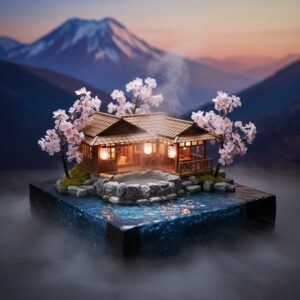
The true soul of any Hakone ryokan lies in its onsen. These aren’t merely hot tubs; they are natural hot springs, rich in minerals reputed to relieve muscle pain, soften skin, and soothe the mind. For many visitors, this is the primary reason for their trip. Most ryokans feature communal baths called daiyokujo, separated by gender. These baths are often breathtaking, featuring large stone tubs, open-air sections overlooking nature, and a quiet, respectful ambiance. Yet for the pinnacle of luxury and privacy, nothing compares to having your own private onsen. This is where the finest ryokans excel. Picture a rotenburo—an open-air bath—on your private balcony or nestled in your own garden. Imagine sinking into the geothermally heated water, steam drifting around you as you gaze at a mountain view or a sky full of stars. There’s no one else in sight—just you, the warm water, and the sounds of nature. This is an experience of deep peace and intimacy, a moment of pure, uninterrupted bliss. For visitors with tattoos, which can be problematic in some public Japanese baths, a private onsen offers the perfect solution, allowing you to enjoy this essential cultural tradition without concern or stress. It’s your personal slice of paradise and truly a game-changer.
We’re Here for the Food: Omakase with a Private Chef is the Real Flex
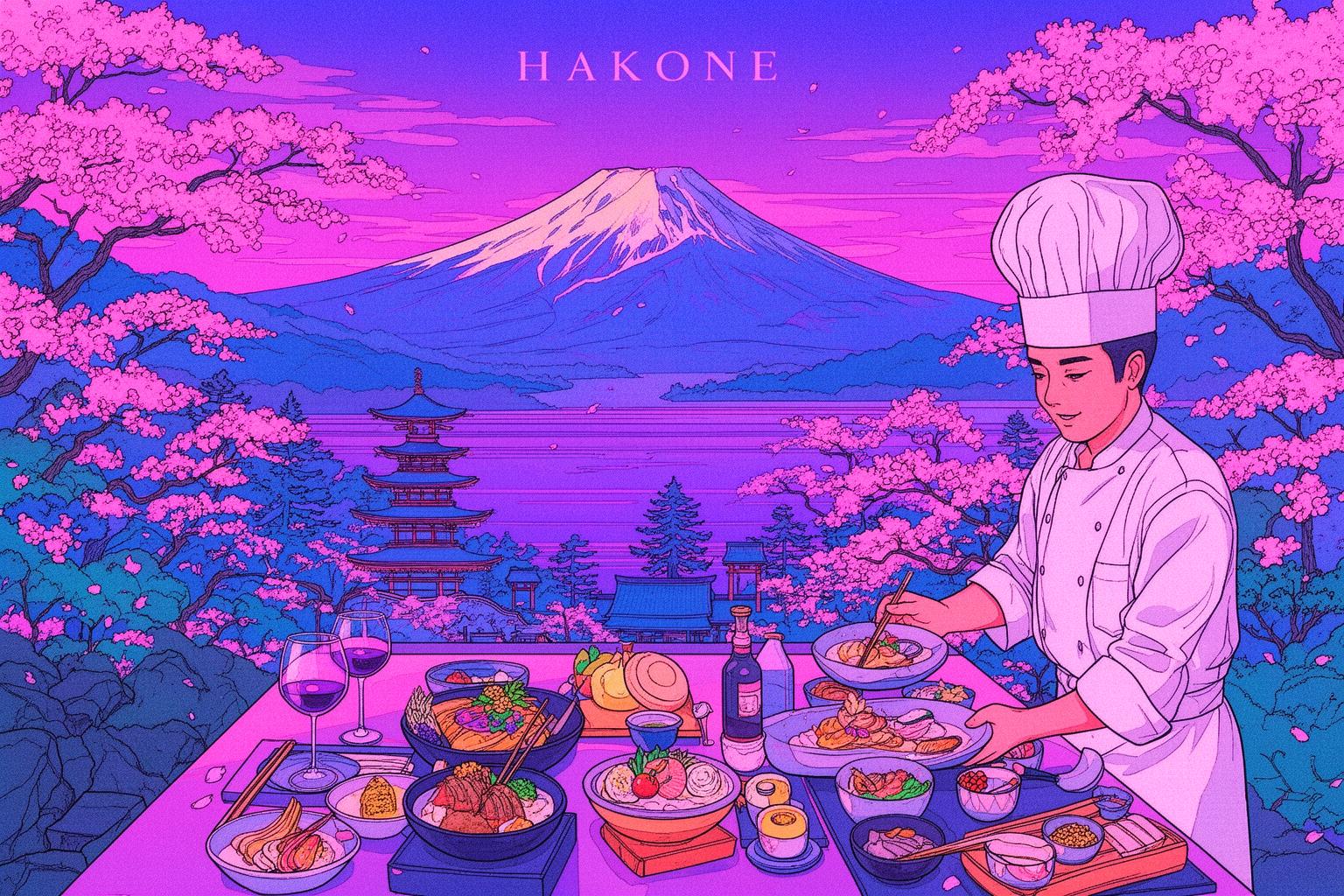
As remarkable as the onsen and the tranquil atmosphere are, the true highlight of the luxury ryokan experience—the factor that elevates it from simply amazing to truly legendary—is the dining. And not just any dining: we’re referring to a private chef omakase experience. This is the culinary equivalent of having a front-row seat at a concert by your favorite artist, if that artist happened to be a master of Japanese cuisine.
What “Omakase” Actually Means
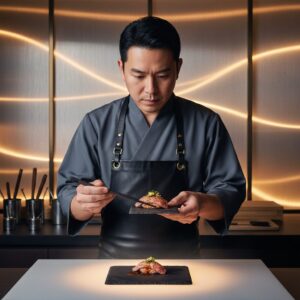
The term omakase literally means “I’ll leave it up to you.” It is a declaration of trust, as you entrust your entire dining experience to the chef. There is no menu to select from; instead, the chef presents a series of dishes based on the very best, freshest ingredients available that day. It’s a journey—a story told through food. Each course is a surprise, a carefully crafted masterpiece building upon the previous one. It’s a dynamic and personal experience, and when prepared by a private chef exclusively for you, it becomes something truly magical. The chef can accommodate your preferences, explain the origin of each ingredient, and share the philosophy behind every dish, transforming a meal into an intimate conversation.
The Kaiseki Connection
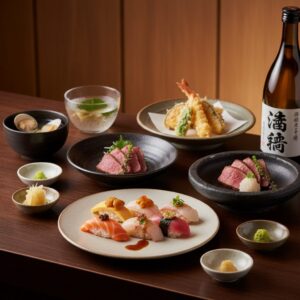
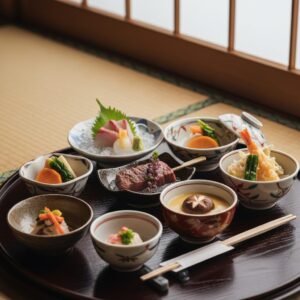
Within the ryokan setting, omakase dining is deeply connected to the tradition of kaiseki ryori. Kaiseki is a traditional multi-course Japanese dinner that values art and philosophy as much as it does food. It’s a meticulously structured meal emphasizing seasonality, balance, and presentation. A kaiseki meal is a symphony of various cooking techniques—simmered, grilled, fried, steamed—and a vibrant palette of colors, textures, and flavors. Each dish is served on its own unique, carefully chosen plate or bowl, often considered a work of art itself. The private chef omakase experience personalizes this exquisite tradition. The chef isn’t merely following a predefined menu; they are creating a unique kaiseki meal for you, inspired by that morning’s catch from nearby Sagami Bay or rare mountain vegetables gathered from the slopes of Hakone. It’s kaiseki with its essence fully revealed, tailored to your taste and served in the secluded intimacy of your own dining room.
A Feast for the Senses
Imagine this: you’re seated in a private dining room, perhaps overlooking your own Japanese garden. The chef, having introduced themselves earlier, begins presenting the first course. It might be a delicate appetizer, designed to awaken the palate—such as a single piece of sesame tofu with a touch of fresh wasabi, served in a small, hand-blown glass bowl. This is followed by a clear soup, or suimono, capturing the essence of the season—perhaps a light dashi broth with a perfectly steamed piece of sea bream and a floating cherry blossom petal in spring. Next comes the sashimi course: an edible mosaic of the freshest fish imaginable, sliced with surgical precision and arranged like jewels on a bed of ice. Each piece melts effortlessly in your mouth, a testament to its supreme quality. The meal unfolds further with a grilled dish, such as black cod marinated in miso and charcoal-grilled until the skin is crisp and the flesh buttery; a simmered course of tender taro root and mountain vegetables in a savory broth; perhaps a small, decadent portion of wagyu beef so richly marbled it barely requires chewing. The journey culminates with a perfectly cooked pot of rice, miso soup, and Japanese pickles—a comforting and grounding conclusion to the savory courses. Finally, the dessert is light and seasonal—a scoop of matcha ice cream or a piece of crystalline jelly with seasonal fruit. Every element is intentional. Every bite tells a story. This is far more than dinner; it’s an unforgettable performance for which you hold the exclusive ticket.
The A-List: Where to Find This Boujee Experience in Hakone
Alright, so you’re convinced. You need this experience in your life. But where should you go? Hakone hosts some of Japan’s most renowned and exclusive ryokans. While every luxury establishment provides exceptional service, a select few truly shine for their dedication to privacy, private onsen, and top-tier private dining. Let’s explore the types of places that offer this A-list experience.
Ryokan Profile 1: The Modern Sanctuary with Imperial Heritage
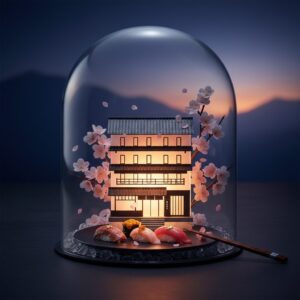
Picture a location that once served as an imperial family’s summer retreat, now reimagined as a beacon of modern Japanese design. This is the essence of our first profile, inspired by iconic places like Gora Kadan. The ambiance here exudes quiet, assured luxury. The architecture beautifully blends tradition with contemporary minimalism, featuring long corridors, expansive glass walls, and meticulously maintained gardens that merge effortlessly with the surrounding nature. The sense of exclusivity is tangible; it feels as if you’ve been granted access to a well-kept secret.
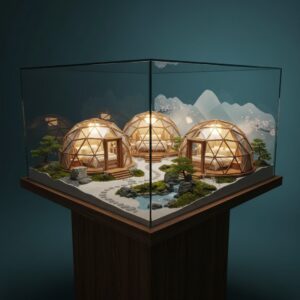
The rooms resemble private villas, boasting spacious, open-plan layouts with soaring ceilings, private rock gardens, and, of course, a stunning open-air onsen bath supplied by the local spring. The design is sleek and uncluttered, utilizing natural materials like wood and stone to evoke a warm, organic atmosphere. You could easily spend your entire stay inside your suite and feel completely satisfied.
Here, the private chef’s omakase experience is an elegant affair. The chef often combines traditional kaiseki training with modern European influences, creating a fusion that is both innovative and deeply respectful of Japanese ingredients. Expect dishes such as seared foie gras with daikon radish in a yuzu-infused sauce, or inventive sashimi preparations enhanced with olive oil and sea salt. Dining occurs in a private, soundproof room within your suite, where the only sounds are the gentle bubbling of your onsen and the chef’s quiet descriptions of each course. It’s a culinary journey for the discerning palate, perfectly balancing tradition and innovation.
Ryokan Profile 2: The Cliffside Retreat with Endless Views
Next, consider a ryokan whose entire identity centers on its breathtaking natural setting, such as Hakone Ginyu. Perched dramatically on a steep ravine, this ryokan emphasizes panoramic views. Every room is designed to showcase stunning vistas of the Hakone mountains and the Hayakawa River valley below. The philosophy is simple: nature is the ultimate luxury.
The rooms offer a complete escape from reality. Their highlight is the infinity-edge private onsen on every balcony. While soaking, it feels as though you’re floating amidst the treetops, with nothing but the vast mountain expanse around you. The interior design blends Japanese and other Asian influences, like Balinese, creating a dark, moody, and intensely romantic atmosphere. It’s the perfect place to disconnect fully and feel wrapped in nature.
The omakase experience here centers on shun, the Japanese appreciation for ingredients at their peak season. The private chef excels at sourcing local produce, with a menu reflecting the surrounding landscape. The theme is “mountain and sea.” You might enjoy freshly caught abalone from Sagami Bay paired with tender bamboo shoots from nearby hills. Presentations are rustic yet elegant, incorporating handmade pottery and natural elements like leaves and stones. Your private dinner could be served on your terrace under a starry sky, with the river’s sounds providing a natural soundtrack. This is an elemental, deeply romantic dining experience that connects you intimately with the land.
Ryokan Profile 3: The Grand Resort with a Ryokan Spirit
Lastly, for those seeking the ryokan experience combined with the extensive amenities of a five-star international hotel, hybrid resorts like Hyatt Regency Hakone offer the best of both worlds. You get the grand lobby, full-service spa, multiple dining options, and impeccable multilingual service characteristic of a global luxury brand, all while maintaining a genuine dedication to Japanese aesthetics and hospitality.
The rooms are spacious and supremely comfortable, blending Western-style beds and living areas with Japanese touches like tatami sections and shoji screens. Many suites feature private balconies and their own hot spring baths, delivering essential privacy and indulgence.
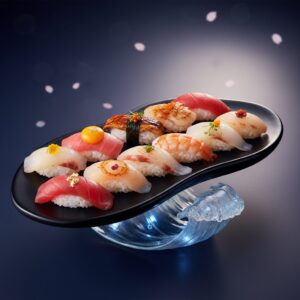
The private chef omakase here takes a somewhat different form. Instead of dining in your room, you might reserve a private experience at the resort’s upscale sushi or teppanyaki counter. Imagine a master sushi chef preparing nigiri one piece at a time, explaining the fish cut and the ideal rice temperature. Or watch a teppanyaki chef perform as they grill premium wagyu beef and fresh seafood right before you. This interactive, performative style of omakase offers personalization and quality with a different energy and a wider selection of choices at your fingertips.
Don’t Just Stay In (But Like, Mostly Stay In)
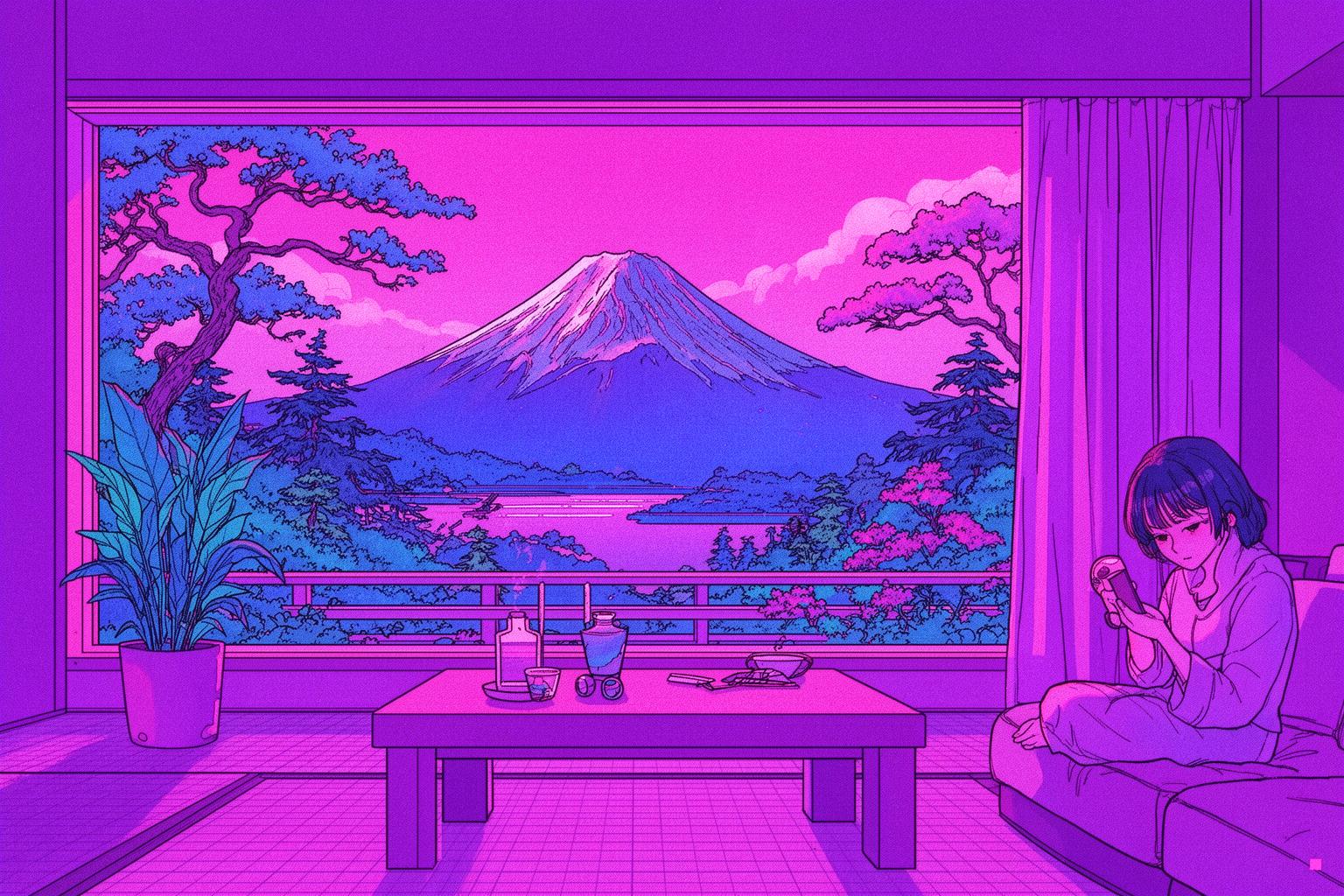
As tempting as it may be to remain forever in the blissful cocoon of your ryokan, Hakone is a region brimming with sights and activities. If you can peel yourself away from your private onsen for a few hours, you’ll be rewarded with stunning art, breathtaking nature, and unique cultural experiences. Consider it a small adventure to whet your appetite for the next incredible meal.
The Hakone Loop: A Classic for Good Reason
The Hakone Loop is a beloved tourist route, and rightly so. It’s an enjoyable and scenic way to explore the area using a variety of transport modes. You begin with the charming Hakone Tozan Railway, a switchback train climbing the steep mountainside. Next, you board a cable car followed by the Hakone Ropeway, which soars over the steaming, sulfurous vents of a volcanic valley. Then, you hop on a large, kitschy pirate ship for a cruise across the tranquil waters of Lake Ashi, potentially offering views of Mount Fuji. Finally, a bus takes you back to your starting point. It’s a full day packed with adventure and ever-changing, spectacular scenery.
Owakudani: Hakone’s Steamy Highlight
The highlight of the Hakone Ropeway is the stop at Owakudani, or the “Great Boiling Valley.” This active volcanic area features plumes of steam and volcanic gases rising from bare, yellow-stained rock. The strong sulfur scent in the air is a powerful reminder of the forces bubbling just beneath your feet. A must-try here is the famous kuro-tamago, black eggs boiled in naturally hot spring water. The sulfur turns their shells jet black, and local legend claims eating one adds seven years to your life. They taste like regular boiled eggs, but the experience is quite unique and makes for a great story.
Art Lovers, Unite! The Museum Scene is Outstanding
Hakone boasts an impressively vibrant art scene for a mountain town, which is a major draw for visitors. The Hakone Open-Air Museum is an absolute must. It’s a vast park where massive sculptures by artists from around the world are displayed against the stunning mountain backdrop. You can explore for hours, finding incredible art nestled in nature. There’s also an indoor Picasso Pavilion housing a large collection of his works. Another highlight is the Pola Museum of Art, a sleek, futuristic building seeming to float amidst a forest. It features an exceptional collection of French Impressionist and Japanese modern art. For something different, the Lalique Museum showcases the exquisite glass creations of René Lalique. The standout experience there is enjoying tea and cake inside an authentically preserved Orient Express train car designed by Lalique.
Chasing the Perfect Fuji View
Let’s be honest, seeing Mount Fuji is a bucket-list experience. Hakone offers some of the most iconic views of Japan’s most famous mountain, though Fuji-san is famously shy and often hidden by clouds. The best chance for a clear view is from the shores of Lake Ashi, especially around Moto-Hakone. The classic photo features the red torii gate of Hakone Shrine standing in the water, with Mount Fuji perfectly framed behind it. Pro tip: the likelihood of seeing Fuji improves during the colder, drier months from late autumn to early spring. Early mornings usually offer the clearest skies. Don’t be too discouraged if you don’t catch a glimpse; seeing it depends on luck, which makes the moment the clouds part and reveal Fuji’s perfect cone all the more special.
How to Slay Your Hakone Trip: The Lowdown
Alright, let’s dive into the practical details. A trip of this scale requires some planning, but it’s completely straightforward. Here’s what you need to know to ensure your journey goes smoothly and stress-free.
Getting There from Tokyo
Hakone is incredibly easy to reach from Tokyo, which is part of its charm. You have two great options. The quickest way is to take the Tokaido Shinkansen (bullet train) from Tokyo Station to Odawara Station, which takes about 30 minutes. From Odawara, you switch to the local Hakone Tozan Line to reach the heart of the mountains. Alternatively, the more scenic—and in my opinion, more atmospheric—option is to take the Odakyu Limited Express “Romancecar” directly from Shinjuku Station. This train ride lasts about 85 minutes, passing through beautiful countryside straight to Hakone-Yumoto, the main gateway to the area. Some Romancecar trains feature observation decks at the front and rear, so if you can grab one of those seats, you’re in for a real treat.
Getting Around Hakone
Once you arrive in Hakone, the transportation network is excellent. The best deal is the Hakone Free Pass, available for purchase in Shinjuku or Odawara. This pass covers most local transport within the designated area for two or three days, including the Tozan train, cable car, ropeway, pirate ship, and local buses, making getting around sightseeing spots very easy. However, since you’re on a luxury trip, you might prefer a more direct and comfortable alternative. Taxis are widely available, and many upscale ryokans provide private shuttle services from the main train stations. Don’t hesitate to use these for a smooth, hassle-free arrival and departure.
When to Go? Seasonal Highlights
Hakone is a year-round destination, and honestly, there’s no bad time to visit. Each season has its unique appeal. Spring (March-May) brings iconic cherry blossoms, painting the mountains in pink and white hues. It’s stunning but also peak season, so expect crowds. Summer (June-August) is lush, vibrant, and vividly green. It’s hydrangea season but can also be hot, humid, and rainy. Autumn (September-November) is generally considered the ideal time to visit. The weather is cool and comfortable, skies are often clear, and the fall colors are breathtaking, with the mountainsides ablaze in fiery reds, brilliant oranges, and bright yellows. Winter (December-February) is cold but enchanting. Crowds thin out, the onsen feels especially soothing, and you have the best chance to see crisp, clear views of a snow-capped Mount Fuji. A light dusting of snow adds to the serene beauty.
A Few Final Tips from a Fellow Traveler
To make your trip flawless, keep a few things in mind. Pack layers, as mountain weather can change rapidly and it’s usually cooler than Tokyo. While your luxury ryokan and major shops accept credit cards, it’s wise to carry some cash for smaller stores, local eateries, or temple donations. Remember, booking these high-end ryokans requires significant advance notice, especially during peak seasons like autumn foliage or cherry blossom time—they have very limited rooms and are in high demand. Lastly, relax and enjoy the pace. Hakone is a place to unwind. Don’t try to pack too much into one day—the true luxury is having the time to simply be.
The Final Takeaway: Is It Worth It?
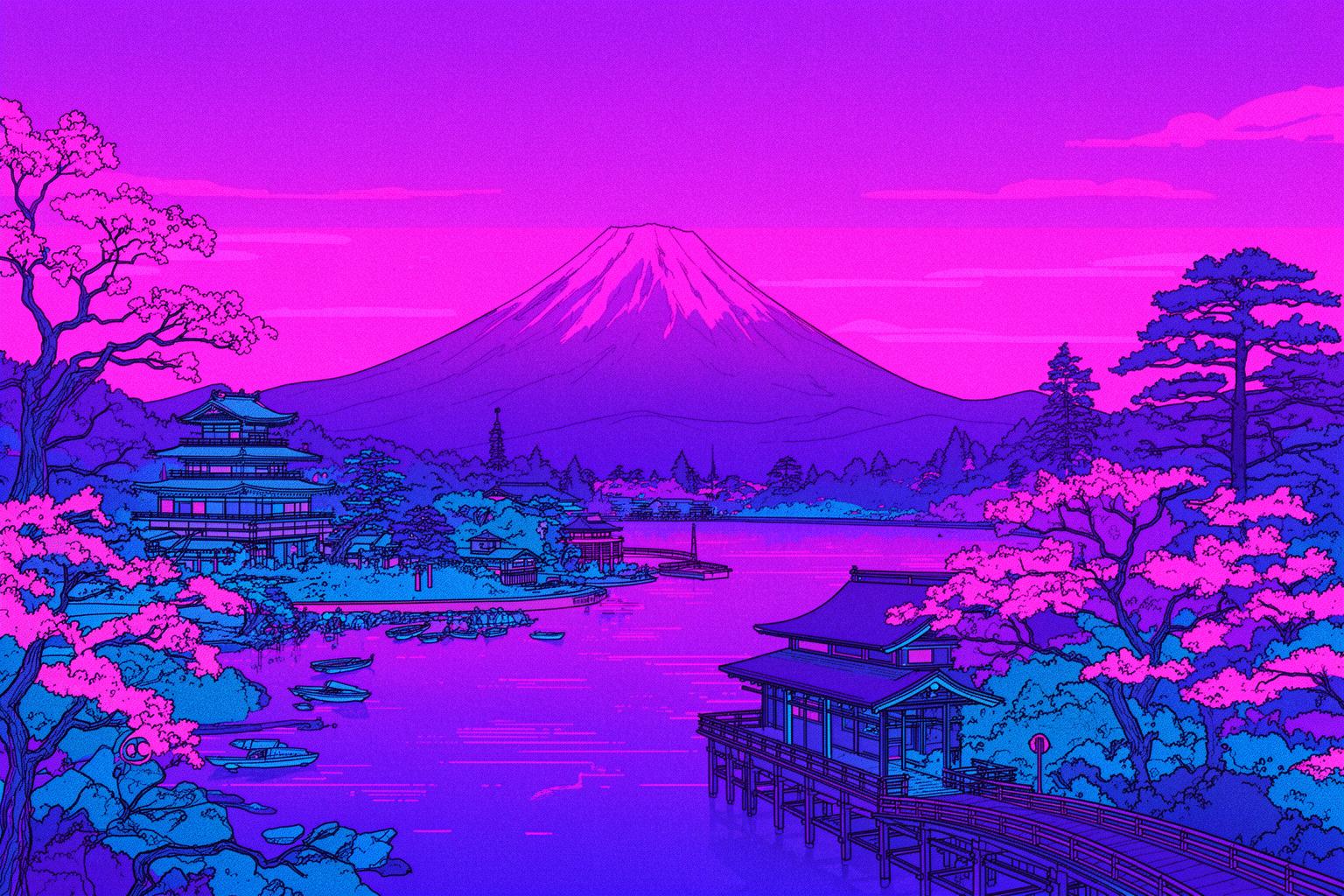
So, after everything is said and done, is this type of trip—the secluded ryokan, the private onsen, the personal chef omakase—really worth the splurge? The answer is a definite, emphatic yes. Absolutely. This is more than just a lavish vacation. It’s an immersive journey into the heart of Japanese culture, an experience centered on peace, beauty, and mindful indulgence. It’s about the sensation of hot spring water on your skin as you watch the sun set over the mountains. It’s about savoring a perfect piece of sashimi, so fresh it feels alive with ocean energy. It’s about the profound quiet of a private garden, interrupted only by the gentle sound of a bamboo water fountain. It’s an investment in a cherished memory, a story you’ll share for a lifetime. In a world that’s always rushing, always demanding our focus, the opportunity to fully disconnect and be cared for with such grace and artistry is the ultimate luxury. So save up, plan carefully, and go. Treat yourself to the main character moment you deserve. You won’t regret it.