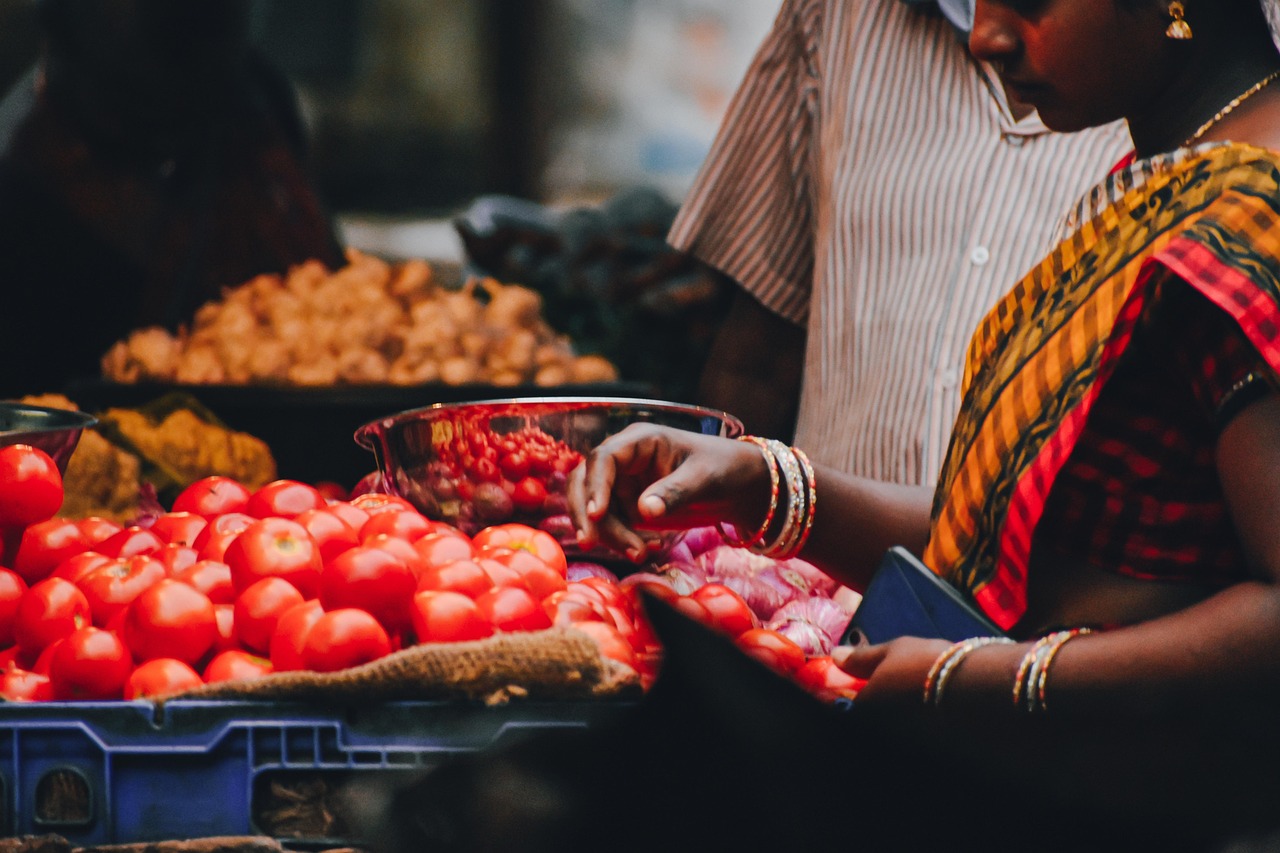
Yo, what’s the move? Let’s talk about a place where the vibe is so real, it hits you the second you step out into the pre-dawn chill. We’re in Hakodate, a port city at the southern tip of Hokkaido, Japan’s wild northern frontier. The air here tastes different—it’s sharp, salty, and loaded with the promise of adventure. Before the city fully wakes up, while the sky is still a soft, bruised purple, a different kind of world is already popping off. This is the Hakodate Morning Market, or the Hakodate Asaichi, and trust me, it’s not just a place to grab breakfast. It’s a full-blown sensory assault, a culinary pilgrimage, and the home of a legendary challenge that separates the tourists from the travelers. This is where you come to understand why Hokkaido’s seafood is straight-up iconic. It’s a living, breathing beast of a market, a labyrinth of over 250 stalls, each one a universe of flavor, from giant, spiky crabs that look like alien warlords to boxes of uni so golden they could be pirate treasure. But we’re here for one mission, one epic quest that defines the Hakodate experience: to catch our own breakfast. Yeah, you heard me. We’re going fishing. Indoors. For squid. Get ready, because this is about to be the freshest meal of your entire life, no cap.
If you’re captivated by the golden uni that looks like pirate treasure, you’ll definitely want to check out the uni gold rush happening in Okushiri.
The Port City’s Soul: A Vibe Check on History
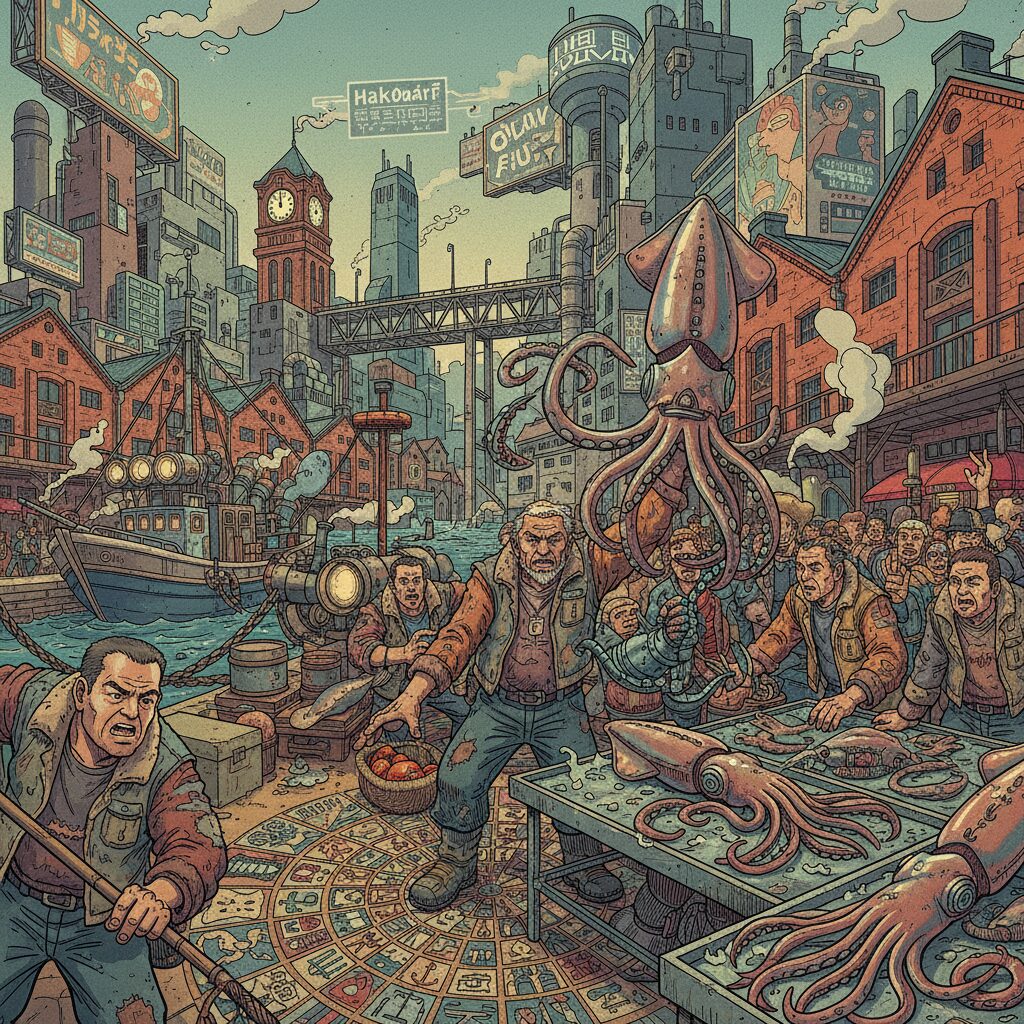
Before you even consider ordering that kaisendon, you need to understand the roots of this place. Hakodate isn’t just any city; it’s a character with a rich backstory. In the 1850s, it was among the first ports in Japan to open for international trade, serving as a true gateway to the world. That history is still palpable as you walk around, from the European-style buildings in the Motomachi district to the old red brick warehouses along the bay. This past fostered a melting pot of cultures, but the city’s soul has always been tied to the sea. The Tsugaru Strait, right at its doorstep, is a remarkable meeting point of warm and cold currents, creating one of the world’s richest fishing grounds. The Hakodate Morning Market didn’t arise from a tourist guide; it grew naturally after World War II, with local farmers and fishermen coming together to sell their produce. It was, and remains, the city’s pantry—a place where grandmas, top chefs, and seasoned fishermen all converge. From an East Asian viewpoint, it shares a spiritual kinship with places like Taipei’s Addiction Aquatic Development or the lively wet markets of Hong Kong—that raw, unfiltered vibe of people engaging directly with their food source. Yet Hakodate’s take is distinctively Hokkaido: vast, pristine, and unapologetically dedicated to seafood of almost mythical quality.
Waking Up in Seafood Heaven: The Morning Market Grind
Stepping into the main market area feels like plugging straight into Hakodate’s core. The energy is electric—a controlled chaos that somehow fits perfectly. The air is thick with the briny aroma of the ocean, the savory smoke of grilled scallops, and the sweet, almost melon-like fragrance of fresh sea urchin. It’s noisy, but not irritating; it’s the sound of life, commerce, and passion. You’ll hear the rhythmic calls of vendors, a chorus of “Irasshaimase!” (Welcome!) and “Oishii yo!” (It’s delicious!). They aren’t just sellers; they’re performers, storytellers, and keepers of their family’s tradition. Watch the man behind the crab stall as he handles those massive king crabs with near reverence. Notice the woman artfully arranging salmon roe, each glistening orb like a perfect jewel. This isn’t merely a job for them; it’s a legacy. The market is a maze of indoor and outdoor sections. The main covered area hosts the big players—the crab experts, the uni vendors, and the dried goods specialists. But real magic often happens in the smaller surrounding alleys, like Donburi Yokocho, a narrow street devoted almost entirely to seafood rice bowls. The atmosphere here focuses less on grand displays and more on intimate, counter-style dining where you can watch chefs work their magic up close. It’s a place to wander, get a little lost, and follow your senses. Forget your map for a moment and just follow the most irresistible scent—you won’t regret it.
The Breakfast of Champions: A Deep Dive into the Kaisendon Quest
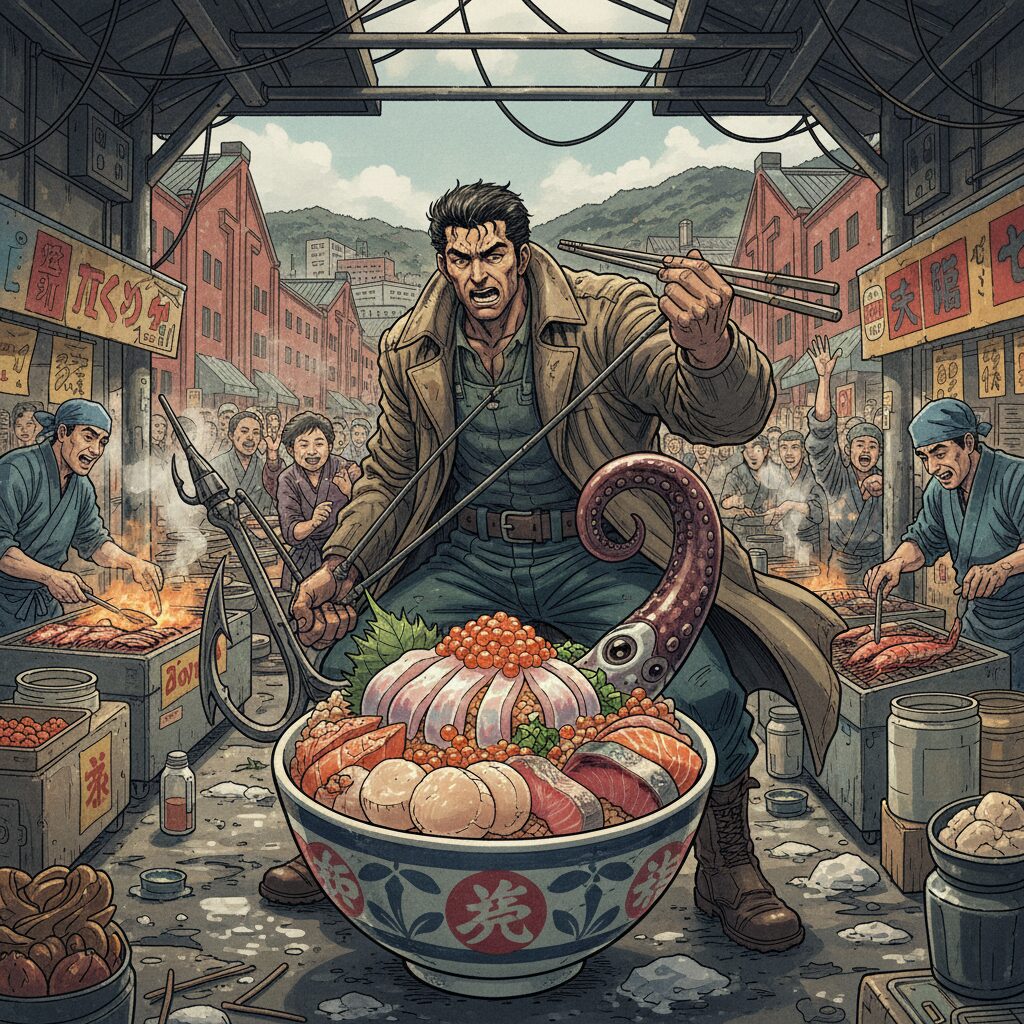
Alright, let’s dive into the essential rite of passage for any visitor: the kaisendon. This isn’t just rice topped with fish; it’s an edible mosaic, a symphony of textures and flavors that tells the story of Hokkaido’s seas. Finding the perfect bowl is a genuine quest. Around Donburi Yokocho, you’ll spot dozens of restaurants, each flaunting mouth-watering plastic models showcasing their signature combinations. Don’t settle for the first place you see. Take a stroll, browse the menus, and notice where the locals are queuing—that’s usually the best sign. The magic of kaisendon lies in its incredible variety. You can stick to the classics, like the salmon and ikura oyako-don (parent-child bowl), where rich, fatty salmon complements the salty burst of the roe. Or you can treat yourself to the full luxury: a bowl heaped with creamy, sweet bafun uni (the rich, orange sea urchin), plump, juicy hotate (scallops), and tender slices of fatty tuna that literally melt on your tongue. The secret to an unforgettable kaisendon is balance. It’s about the quality of the neta (toppings), of course, but also the shari (rice). Hokkaido rice is renowned for its perfect texture and subtle sweetness, served here slightly warm, creating a stunning contrast with the cold, fresh seafood. When your bowl arrives, take a moment to admire the craftsmanship. Then, pour a bit of soy sauce over the toppings (never directly on the rice!), mix in a hint of wasabi, and dig in. Each bite is a revelation—it’s the pure taste of the cold, pristine ocean concentrated in a single, perfect bowl. It’s a breakfast that will redefine all others for you, forever.
The Main Event: Enter the Squid Fishing Arena
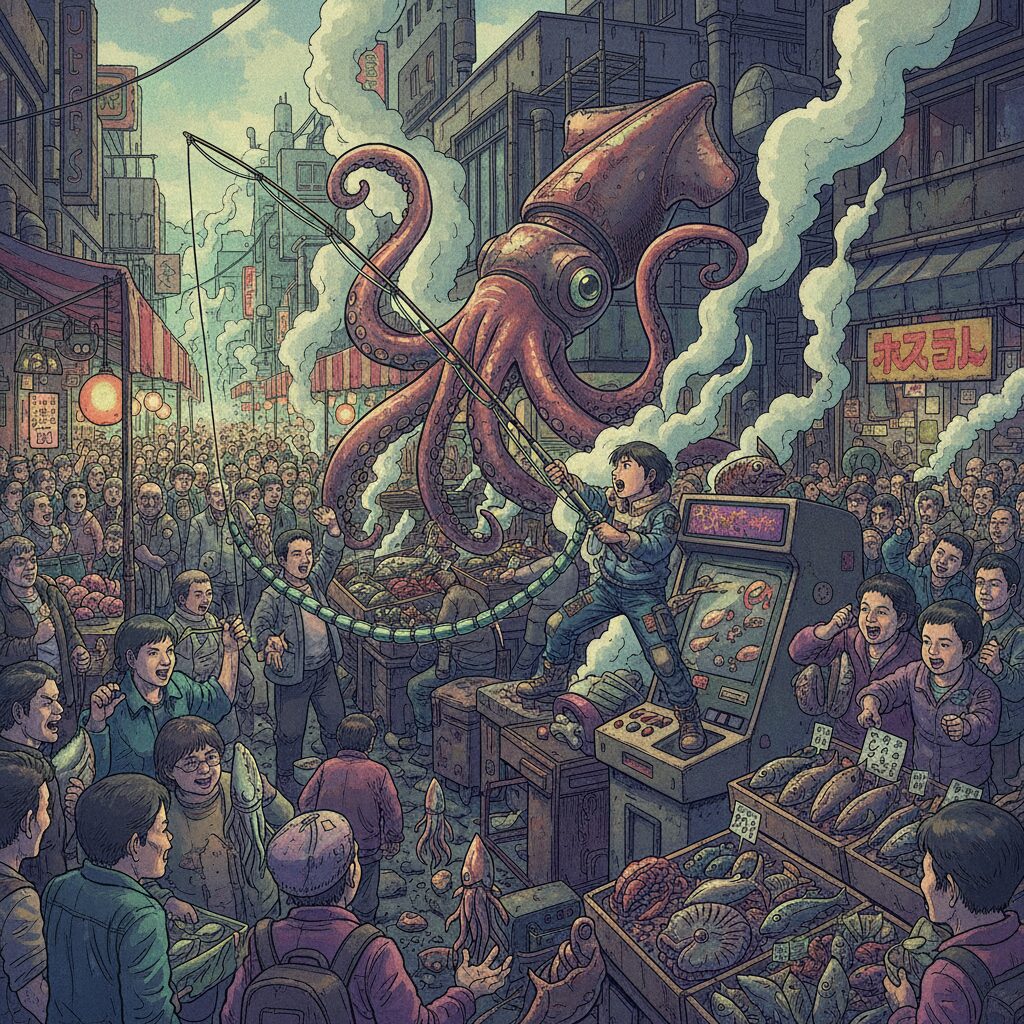
After fueling up, the moment we’ve all been waiting for arrives. Deep within the market, the sounds of splashing water and excited shrieks grow louder. You’re nearing the squid fishing pool, the ika tsuri bori. This, my friends, is the ultimate challenge of the Hakodate Morning Market experience. It appears simple enough: a large, illuminated tank filled with dozens of translucent, almost ghostly squid darting through the water. For a small fee, you’re given a basic fishing rod equipped with a kakebari—a special lure featuring sharp prongs but no bait. This isn’t about tricking the squid; it’s about skill, timing, and a bit of luck.
The Battle Royale: You versus Squid
Leaning over the tank, you enter a state of intense focus. You must anticipate the squid’s movements. They’re fast, clever, and surprisingly elusive. Your goal is to hook them by the fin, a delicate move requiring a swift, decisive flick of the wrist. Around you, others try their luck—some succeeding on their first attempt, others struggling comically. The crowd that gathers heightens the pressure and excitement. You dip your line, eyeing a possible target. It darts away. You try again, another narrowly evades you. Then, it happens: a squid slows just for a moment. You flick your wrist, feel a gentle tug, and lift. Success! You’ve caught one! The feeling is pure, unfiltered triumph. But the battle isn’t over. As you raise the squid from the water, brace yourself for its ultimate defense: the ink jet. Getting sprayed is a badge of honor, proof you fought hard. A well-aimed stream of black ink can catch you off guard, to the delight of the onlookers.
The Ultimate Reward: Freshness Like No Other
After securing your catch, you hand it over to the skilled hands behind the counter. Here the true spectacle unfolds. With the precision and speed of a samurai, the chef skillfully dispatches, cleans, and slices your squid in under a minute. It’s a breathtaking display of knife mastery refined over decades. What you receive is ika somen—squid cut into thin, noodle-like strips. The dish is served with freshly grated ginger and a special soy sauce. This is squid sashimi, but unlike any you’ve known. The flesh is so fresh it still contracts; the tentacles on the plate may even wiggle slightly. For some, this can be a bit startling, but it’s the ultimate sign of freshness. The flavor is exquisite. It’s not chewy or rubbery as squid often is; instead, it’s crisp, with a satisfying snap, followed by an incredible, clean sweetness unique to this moment. It’s the purest taste of the ocean. You caught it, watched it prepared, and now you’re eating it. This is the pinnacle of the farm-to-table—or rather, tank-to-table—experience. A story you’ll be sharing for years to come.
Beyond the Bowl: Market Treasures You Can’t Miss
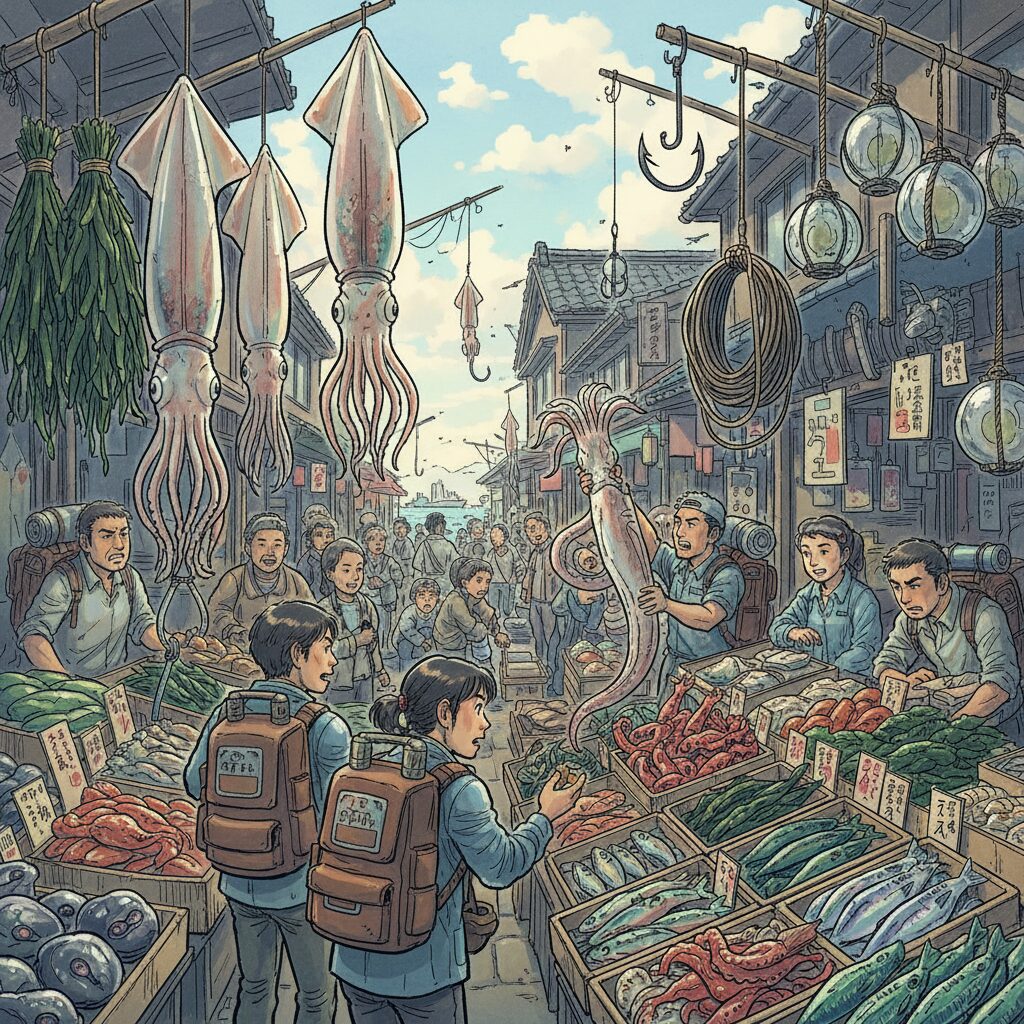
While squid fishing takes center stage, the rest of the market is a vibrant festival of flavors just waiting to be savored. Make sure to explore the other star attractions of Hokkaido’s culinary world before you leave.
The Kings of the North: Hokkaido Crabs
They’re impossible to miss. Crab vendors boast huge tanks and displays heaped with Hokkaido’s renowned crustaceans. There’s the mighty tarabagani (king crab), known for its enormous, meaty legs. Then the spiny, formidable kegani (hairy crab), celebrated for its rich, flavorful kanimiso (crab tomalley). And the graceful zuwaigani (snow crab), prized for its sweet, delicate meat. The best part? Many vendors will cook your chosen crab right on the spot, steaming or grilling it fresh for you. Cracking open a hot crab leg and dipping it in melted butter or vinegar is pure, indulgent bliss—a real treat you should experience at least once.
Street Food Sensations: Grills and Sweets
As you stroll through the market, follow the tempting aromas from grilling stations scattered around. The scent of scallops sizzling with butter and a splash of soy sauce is utterly entrancing. They’re served piping hot in their shells, plump and rich with savory juices. You’ll also spot vendors selling grilled oysters, corn on the cob (Hokkaido corn is famous for its sweetness), and various kinds of kamaboko (fish cakes) on sticks. And don’t overlook the fresh produce. Depending on the season, you might find boxes of perfect strawberries, asparagus, and if you’re lucky, the legendary Yubari King melons. Treated like precious gems and carrying a matching price, you can often buy a single, flawless slice to taste what all the excitement is about—a bite of pure sunshine.
Pro Tips for Your Hakodate Morning Market Raid
To fully enjoy your adventure, keep a few key points in mind. This insider info will help you navigate the market like a local.
Timing is Key
This isn’t the place to sleep in. The Hakodate Morning Market, true to its name, thrives in the morning. The hustle begins around 6:00 AM and starts slowing by noon. For the freshest selections, best catches, and liveliest atmosphere, plan to arrive between 7:00 AM and 9:00 AM. Arriving later means risking missing out on the best offerings, plus many popular restaurants will have long waits.
Cash is Still King
Although Japan is gradually becoming more card-friendly, traditional markets like this one still operate mainly on cash. Bigger restaurants and shops may accept credit cards, but for smaller stalls, street food vendors, and especially squid fishing, you’ll need yen. Be sure to bring enough cash to cover your meal, snacks, and any souvenirs you want. Stopping at an ATM beforehand is a wise choice.
The Unofficial Dress Code
Remember, this is a working market. The floors can be wet, and it often gets crowded. This is no time for brand-new white sneakers or high heels. Choose comfortable, closed-toe shoes that you don’t mind getting a bit dirty. Since Hakodate is a port city, even on sunny days a cool breeze can blow off the water. Wearing layers is always smart. Here, practicality beats fashion.
Getting There is Easy
One of the best perks of the market is its incredibly convenient location—just a one-minute walk from JR Hakodate Station. You really can’t miss it. This makes it an ideal first stop if you arrive by train in the morning, or a great last stop for a tasty breakfast before you leave. Its central spot also lets you easily walk to nearby attractions like the Kanemori Red Brick Warehouses or the base of Mount Hakodate once you’ve eaten.
More Than a Market, It’s a Vibe
As the morning progresses and the crowds begin to thin, you’re left with a profound sense of satisfaction. A visit to the Hakodate Morning Market is far more than just a meal. It’s an interactive, immersive experience that connects you to the very heart and soul of this remarkable port city. It’s about the excitement of the catch, the respect for the craft, and the joy of savoring something so fresh it transforms your understanding of flavor. From the spectacular kaisendon bowls to the personal triumph of the squid fishing challenge, every moment becomes a cherished memory. It’s a vibrant, delicious, and beautifully chaotic reminder that the best travel experiences engage all your senses. So, when you find yourself in Hokkaido, set your alarm early. Prepare for an adventure. The squid are waiting, and the breakfast of a lifetime is at stake. Are you ready to answer the call?