Yo, let’s get real for a second. You’ve seen the pics, right? The ones that look like a level straight out of a post-apocalyptic video game or a villain’s lair from a classic spy flick. A jagged silhouette on the horizon, a concrete fortress rising from the turbulent East China Sea. That’s Gunkanjima. And let me tell you, the reality is a thousand times more intense, more visceral, than any photo could ever capture. Officially named Hashima, everyone calls it Gunkanjima—literally “Battleship Island”—because from a distance, its tightly packed high-rises and industrial skeleton genuinely look like a massive, gray dreadnought steaming through the waves. This isn’t just some abandoned spot; it’s a full-blown ghost city, a concrete time capsule sealed off from the world for nearly half a century. Once the most densely populated place on the entire planet, this tiny speck of rock off the coast of Nagasaki was the beating heart of Japan’s industrial revolution, a coal-mining powerhouse that fueled a nation’s rapid modernization. Then, one day, the coal ran out, the plug was pulled, and everyone just… left. They walked away, leaving behind apartments with TVs still in the corner, classrooms with chalk on the blackboard, and a silence so profound it feels like a physical weight. Visiting Gunkanjima isn’t your typical temple-hopping, kawaii-hunting Japan trip. Nah, this is a deep dive into the raw, unfiltered story of ambition, community, collapse, and the relentless power of nature. It’s a UNESCO World Heritage site, but it wears that title with a gritty, unpolished authenticity. It’s a place that gets under your skin and stays there, a haunting echo of a world that vanished overnight. This is the real deal, a journey to the edge of modern history, and trust me, you’re not ready for the vibe shift that’s about to hit you.
For another perspective on Japan’s eerie, abandoned spaces, explore the haunting atmosphere of its forgotten amusement parks.
The Voyage to a Forgotten World
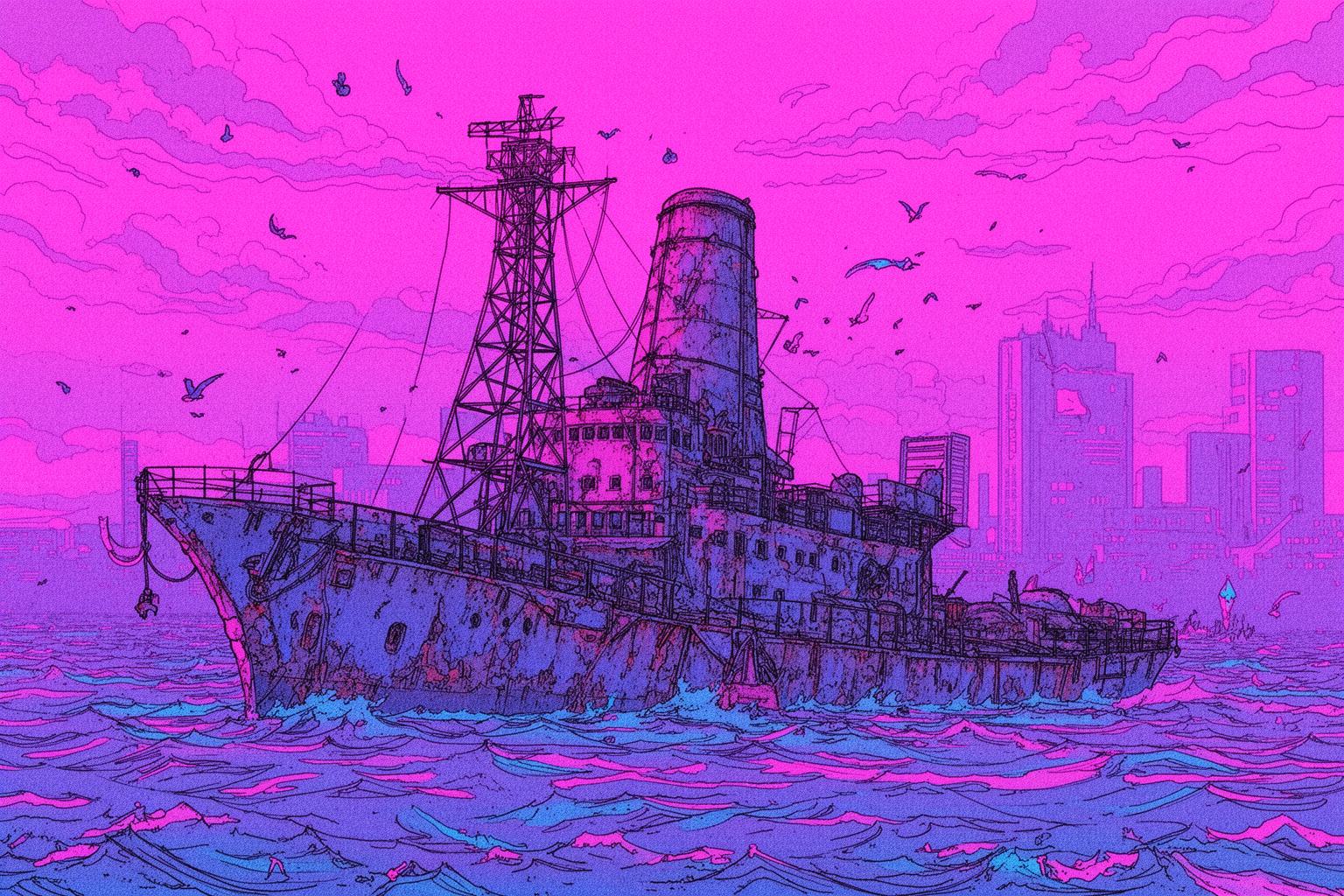
The entire experience begins long before you actually step onto the island. It starts at Nagasaki Port, a location already rich with its own heavy, complex history. The air carries a thick mix of salt and diesel scents, and the atmosphere on the tour boat blends a touristy excitement with a quiet sense of solemn anticipation. You can feel it; everyone knows this isn’t a trip to a theme park. As the boat moves away from the mainland, the vibrant, rebuilt city of Nagasaki gradually shrinks in the distance. The journey lasts around 40 to 50 minutes, feeling like it moves through time as much as through space. You’ll glide past lush, green islands—some hosting small fishing villages, others appearing untouched by humans. The contrast is striking. These islands are alive with nature, making the first sight of Gunkanjima all the more shocking. At first, it appears as just a smudge on the horizon. Then, as you get closer, the smudge takes shape into that unmistakable battleship silhouette. Its scale begins to register. It looks unnatural. It’s a brutalist marvel of human engineering, a concrete mountain rising defiantly from the waves. The guides aboard the boat begin their narration, setting the historical scene and distributing safety helmets and translated audio guides. They discuss the Mitsubishi Corporation, which purchased the island in 1890 and transformed it from a barren rock into an underwater coal mining hub. They tell of the community that flourished here—a miniature city complete with schools, a hospital, a cinema, and even a pachinko parlor. The closer you get, the more details come into focus. You notice the sea wall, a huge concrete barrier built to resist the fierce typhoons common to this region. You see the skeletal remains of the coal conveyor belt, rusted and twisted like the bones of some ancient leviathan. And then you see the apartment blocks—towering, monolithic structures dotted with thousands of empty, black windows. It’s a chilling sight, truly. The boat makes one full circle around the island before docking, a slow, ceremonial lap that lets you take in the sheer overwhelming density of the place. From the water, you can see how every single inch was used. Buildings are packed tightly, linked by a labyrinth of staircases and corridors, all clinging to the rock. It’s a vertical city, a concrete beehive, and as you gaze up at its silent, crumbling façade, you can’t help but wonder what life was like when it thrived with 5,000 residents.
First Contact: A Step into the Silence
The instant the boat nudges the pier at Dolphin Pier is a moment etched in memory. The engine falls silent, and the abrupt stillness is broken only by crashing waves and the cries of black-tailed gulls that dominate the island. Stepping onto Gunkanjima feels like trespassing, as if you’ve entered a sacred, solemn space where you are merely a temporary visitor. The air itself feels different—thick with salt, moisture, and the faint, dusty scent of decay. You’re immediately dwarfed by the surrounding structures. The first landing spot places you at the base of the industrial and residential zones, and the scale is staggering. Everything is concrete—the ground, the walls, the buildings stretching skyward. It’s a monochrome realm of gray, stained by decades of rust and grime. Your tour group is guided along a specially constructed walkway, with firm rules: stay on the path, don’t touch anything, and respect the ruins. It’s not a suggestion—it’s essential. The entire island is in a state of controlled collapse, and safety is critical. The initial minutes overwhelm the senses as your eyes dart everywhere, trying to absorb the vast amount of visual detail. A collapsed balcony here, a tangle of exposed rebar there, a single forgotten shoe wedged in rubble, a tiled wall from what was once a public bath, its faded colors still discernible. It’s the small details that hit hardest. These aren’t just ruins; they are the abandoned homes of thousands. Every broken window, every crumbling wall tells a story of a life interrupted. You’re walking through a ghost story, with the city itself as the main character, whispering its past through the wind that rushes through its concrete canyons.
The Anatomy of Decay: A Tour Through Time’s Debris
The guided tour restricts you to three main observation decks, but from these points, you gain an intimate yet safe glimpse into the island’s essence. Each stop unveils a different facet of life and death on Battleship Island, painting a portrait of a society as resilient as it was confined.
Block 65: The Concrete Heart of the Community
Dominating the island is the massive apartment building known as Block 65. Built in 1916, it was Japan’s first large-scale reinforced concrete apartment complex. This nine-story giant housed hundreds of families in tiny two-room apartments. From the platform, you look into its hollow shell—the balconies have crumbled, the windows long gone, and interiors exposed to the elements. You see ghostly outlines of rooms stacked like a vertical filing cabinet of human lives. The guides describe the conditions—no elevators, shared bathrooms, and almost no privacy. Yet, they also share stories of a remarkably close-knit community. Rooftops were transformed into gardens where families grew vegetables. Festivals were held in narrow courtyards. Neighbors depended on one another, creating a strong social fabric forged through shared hardship and proximity. It’s this contrast that makes Gunkanjima so compelling. It was a harsh, unforgiving place, but also a home. Gazing at Block 65, you can almost hear phantom sounds of children playing, smell food cooking, and catch whispers of conversations from open windows. Now, only the wind whistles through its skeletal frame—a profoundly lonely sound.
The Industrial Skeleton: Heart of the Undersea Mine
As you continue, your attention turns to the island’s industrial side, where the remnants of the machinery driving this enterprise remain. The most striking sight is the cantilevered conveyor belt system that once carried coal from the mine shaft to waiting cargo ships. It is now a twisted, rusted remnant, resembling a derailed roller coaster frozen in slow motion for over fifty years. Below it lies the sealed mine entrance—a dark, unassuming hole once the gateway to hell for thousands of miners. The shafts extended for miles under the sea, plunging over a kilometer deep. Conditions were brutal—extreme heat and humidity, with constant dangers of gas explosions and cave-ins. This was the dark underbelly of Japan’s industrial miracle, built on the backs of men who risked their lives daily. Standing there among rusted gears and crumbling structures, you sense the immense human effort and suffering embedded in this rock. The relentless crash of waves against the seawall is a constant reminder of the hostile environment both above and below ground.
Echoes of Normalcy: The School and the Shrine
Perhaps the most moving part of the tour is the view of the former school building. This seven-story structure, now gutted and crumbling, remains unmistakably a place of learning. You can make out the gymnasium on the ground floor, with classrooms stacked above. Here, the human cost of the island’s abandonment feels most tangible. You imagine children of miners attending classes, playing, their futures seemingly secured within this self-contained world. The guides explain the school had to accommodate a vast number of students, housing both elementary and junior high levels in one building. Near the school, perched atop the island, are the remains of a Shinto shrine. Weathered and damaged, its presence speaks volumes about the community’s need for faith, tradition, and spiritual comfort in a harsh, unnatural landscape. This reminder that even in an industrial, man-made environment, people sought to live full lives, raise families, worship, and dream. These glimpses of daily life transform Gunkanjima from a mere cluster of decaying buildings into a deeply moving human monument.
The Vibe Check: Decoding the Island’s Haunting Frequency
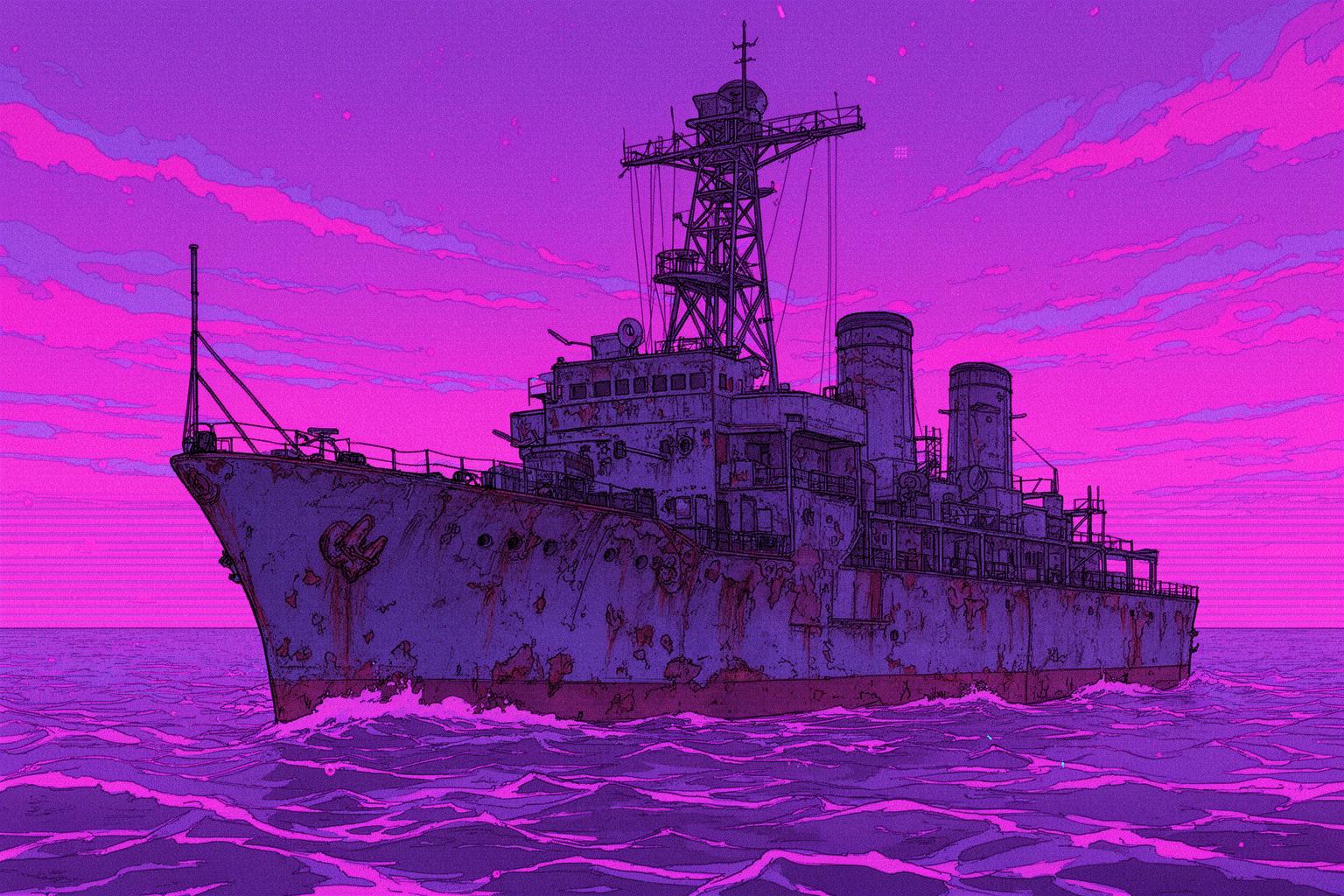
Beyond its history and architecture, there’s the atmosphere. And the atmosphere on Gunkanjima is intensely next-level. It’s a complex mixture of awe, melancholy, and an odd sense of peace. The island forces you to be present, to listen, and to feel the heavy weight of its story.
A Symphony of Wind and Waves
The first thing that strikes you is the soundscape—or rather, the absence of human sounds. There are no cars, no conversations, no background buzz of electricity. The island’s soundtrack is made entirely by nature. The primary instrument is the wind, which howls through the empty apartment blocks, crafting eerie, mournful melodies. It’s an ever-present voice, seemingly carrying the whispers of the past. The second instrument is the sea. The relentless percussion of waves crashing against the concrete sea wall reminds you of the island’s isolation and the force that will eventually reclaim it. It’s a sound both destructive and cleansing. Lastly, there’s the chorus of seabirds, whose sharp cries are the only signs of life. This natural symphony, performed on a stage of man-made decay, creates an atmosphere that is both deeply unsettling and strangely beautiful.
Nature’s Slow, Inevitable Reclamation
What’s truly astonishing about Gunkanjima is witnessing the battle between concrete and nature as it unfolds in real time. Despite its brutalist strength, the city is losing. Greenery bursts from every crack in the pavement. Vines climb the concrete walls, their tendrils reaching into broken windows like searching fingers. Rust stains metal fixtures, leaving long, orange streaks on gray walls. Annual typhoons act as nature’s wrecking ball, peeling back roofs, shattering walls, and slowly grinding the island back into dust. It’s a powerful, humbling demonstration of impermanence. The city, built to defy the ocean, is now being patiently and methodically dismantled by it. You are witnessing entropy in motion—the slow, graceful decay of a civilization’s hubris.
The Weight of a Contested History
It’s impossible to discuss Gunkanjima’s vibe without confronting the darker chapters of its past. During World War II, the workforce included conscripted Korean civilians and Chinese prisoners of war, forced to labor in the mines under brutal conditions. This painful part of the island’s history has sparked international controversy, particularly regarding its designation as a UNESCO World Heritage site. While official tours often highlight the Japanese workers and the story of industrialization, the memory of that suffering lingers. There’s a heaviness in the air that goes beyond simple abandonment. The island doesn’t just feel empty; it feels burdened. It stands as a silent witness not only to Japan’s remarkable industrial rise but also to the human cost that often accompanies such rapid progress. To truly understand Gunkanjima, you must embrace its full, complex, and often uncomfortable history. This depth makes a visit far more than ruin tourism; it’s a profound lesson in memory and the stories we choose to tell.
The Practical Play-by-Play: Nailing Your Gunkanjima Mission
Alright, so you’re officially excited to explore this dystopian dreamscape firsthand. Bet. But hold on, you can’t just show up at Gunkanjima on a whim. Access is tightly regulated, so you need to plan ahead. Here’s the essential info to make your trip happen.
Booking Your Passage: Tours Are Required
First off: there’s absolutely no chance of visiting Gunkanjima on your own. It’s far too dangerous. The only way to set foot on the island is through a licensed tour boat operator departing from Nagasaki. Several companies run these tours, including Gunkanjima Concierge, Yamasa Shipping, and the Gunkanjima Cruise. It’s smart to reserve your spot well in advance, especially during busy travel seasons like spring and autumn, as tours can sell out. Tours typically last about three hours, including the boat trip there and back, a lap around the island, and roughly an hour of guided walking on designated paths. Most tours offer audio guides in multiple languages, so you can absorb all the historical background. The cost generally runs between 4,000 and 5,000 yen, plus a separate landing fee charged by the city of Nagasaki. It’s worth every yen.
Timing is Key: Navigating the Weather Gamble
Here’s the most important advice I can offer: landing on Gunkanjima is NOT guaranteed. The island faces the open sea, and if the waves are too rough, the boats can’t dock safely. Cancellations happen frequently, especially in winter and typhoon season (late summer to early autumn). If they can’t land, tour operators usually still cruise around the island and often offer partial refunds, but honestly—you’re coming to walk on it. The best chances for calm seas and enjoyable weather are in spring (April-May) or autumn (October-November). Still, it’s always a gamble. Keep a close eye on the forecast, have a backup plan for your Nagasaki day, and hope for the best. The unpredictability just adds to the island’s mystique and makes landing feel like a true accomplishment.
Gear Up: What to Bring and What to Expect
This isn’t about style. Dress for the conditions. Comfortable, closed-toe shoes are essential since you’ll be walking on uneven terrain. The weather can change quickly, so layers are your best bet. Even on sunny days, it can be windy and chilly out on the water. Bringing a rain jacket is wise, no matter the forecast. Sunscreen, a hat, and sunglasses are must-haves because there’s almost no shade on the island. Before the tour, you’ll sign a safety waiver acknowledging the risks. On the island, you’ll receive a helmet to wear. Follow your guide’s instructions, stay with your group, and don’t even think about climbing fences for that perfect Instagram shot. Respect the rules, the ruins, and the powerful atmosphere of the place.
Beyond the Battleship: Decompressing in Nagasaki
A trip to Gunkanjima is both emotionally and mentally draining, leaving you with much to reflect on. The ideal way to unwind and put the experience into perspective is by spending time in Nagasaki itself. These two places are deeply connected, each conveying distinct narratives of destruction, resilience, and renewal.
A City of Unyielding Spirit
Nagasaki is a city that comprehends ruins better than most. Visiting the Nagasaki Peace Park and the Atomic Bomb Museum is an essential, heart-wrenching yet ultimately hopeful experience. It offers a wider understanding of the region’s history—one of enduring unimaginable tragedy and rebuilding with remarkable grace and strength. The contrast between Gunkanjima’s gradual, natural decay and the sudden, violent devastation caused by the atomic bomb is striking to consider. Witnessing the lively, modern city that Nagasaki is today stands as a powerful testament to human resilience, serving as a perfect counterbalance to the silent desolation of the island you just departed.
A Culinary Cool-Down
And since this is about me, we have to talk food. Nagasaki is a foodie’s paradise, boasting a unique culinary culture shaped by its history as one of Japan’s few open ports to the outside world for centuries. After the intensity of Gunkanjima, nothing beats grounding yourself with a hot, comforting bowl of Nagasaki Champon. This hearty noodle soup, packed with pork, seafood, and vegetables, is a flavor explosion and the culinary equivalent of a warm embrace. For something sweet, you must try Castella cake, a simple yet divine sponge cake introduced by Portuguese traders centuries ago. It’s the perfect way to end your day—a sweet finish to a journey into the heart of a profound and solemn story.
Final Thoughts: The Lingering Echoes of Hashima
Leaving Gunkanjima feels just as strange as arriving. As the boat pulls away and the concrete battleship fades into a blur on the horizon, the silence follows you. It’s a place that leaves a lasting impression on your memory. It’s more than just an impressive, dystopian ruin; it stands as a monument to the relentless cycle of human ambition and natural consequence. It embodies an entire era of Japanese history—one marked by explosive growth, intense struggle, and eventual obsolescence. You arrive expecting to see a ghost town, but you depart having felt the presence of thousands of lives. Gunkanjima prompts you to reflect on what we build, why we build it, and what we leave behind when we move on. It is a haunting, beautiful, and utterly unforgettable echo of a vanished world that, on that small, lonely rock in the middle of the sea, is certainly not forgotten.