Yo, what’s up, world-travelers and culture-seekers. Let’s talk about Japan. Not just the neon-drenched streets of Tokyo or the serene temples of Kyoto, though those are epic in their own right. Nah, today we’re going deeper. We’re talking about something you can hold in your hands, something with a soul that’s been thousands of years in the making. We’re about to get into the glossy, mysterious, and seriously cool world of Japanese lacquerware, or urushi. Forget whatever you think you know about shiny bowls. This ain’t your grandma’s tableware, unless your grandma is an empress from the Heian period. Urushi is a living, breathing art form, a craft that’s equal parts ancient science and pure aesthetic fire. It’s the original flex of Japanese craftsmanship, a tradition so deep it literally has roots—the sap of a tree. It’s a vibe, a testament to patience, and a physical manifestation of Japanese philosophy. It’s about finding insane beauty in something made from nature, polished to perfection by human hands over months, sometimes years. This journey is about tracing a single drop of sap from a tree on a misty mountainside to a finished piece that feels warm and alive to the touch, glowing with a light that seems to come from within. We’ll explore the legendary towns where this magic happens, break down how it’s made, and figure out how you can connect with this timeless craft on your next Japan adventure. Get ready to have your mind blown by the understated elegance and hardcore dedication behind traditional Japanese lacquerware. It’s a story that needs to be told, a beauty that needs to be seen, and a feeling that needs to be felt. Let’s get into it.
To further immerse yourself in Japan’s living history, consider visiting the country’s historic samurai towns where tradition is still palpable today.
The Urushi Vibe: It’s More Than Just a Bowl
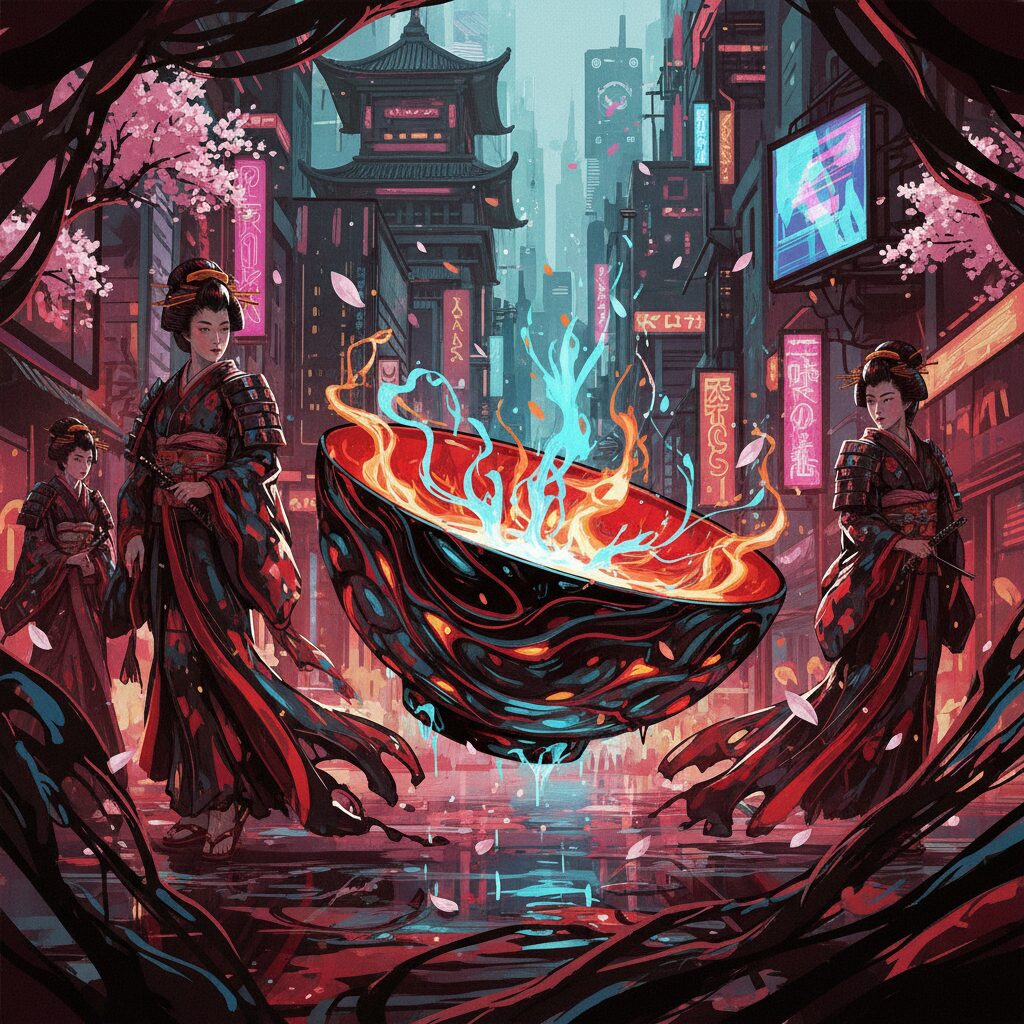
First things first, let’s get the feeling right. Holding a piece of high-quality lacquerware is a whole vibe. Seriously. The first thing that strikes you is how unbelievably light it is. You see this deep, rich, almost liquid-looking bowl, and your mind expects it to have some heft, some weight like porcelain or glass. But when you lift it, it feels like cradling a perfectly shaped cloud. It’s warm, too—not cold and sterile, but with a gentle, organic warmth that seems to absorb the heat from your hands. The surface is smooth, incredibly smooth, yet it doesn’t feel slick or artificial. It has a certain grip, a subtle texture that quietly says “natural.” It’s this tactile experience that draws you in. It’s a quiet connection to the wood beneath and the tree sap that forms its skin. It feels alive. And that’s because, in a way, it is. Urushi is a natural polymer that never truly stops curing; it only grows harder and more brilliant over decades, even centuries. Your grandfather’s lacquerware soup bowl isn’t just old; it’s at its prime, its glow-up complete. This is the physical essence of the Japanese concept of mono no aware, the gentle appreciation of the fleeting nature of things, and wabi-sabi, finding profound beauty in imperfection and the passage of time. You might notice a piece of Negoro-nuri lacquer, where the top layer of red has worn away through years of use to reveal the black layer underneath. That’s not a flaw; that’s its story. That’s its soul shining through. It’s a beauty that doesn’t shout; it hums. It’s understated elegance wrapped in subtlety. It’s the difference between blasting a pop song and feeling the deep bass of a cello resonate within you. One is for the moment, the other is for the soul.
Spilling the Tea: A Quick History Sesh
This craft is no newcomer. It’s OG — prehistoric levels of old. Archaeologists have uncovered lacquered items in Japan dating back to the Jomon period, about 9,000 years ago. No exaggeration. This makes it one of the oldest and most enduring craft traditions worldwide. People back then discovered that sap from the Rhus verniciflua (the lacquer tree) was truly special. It functioned as a super-glue, waterproof sealant, and preservative all at once. Essentially, it was nature’s ultimate plastic. Its aesthetic value was soon recognized. By the Heian period (794-1185), when aristocrats in Kyoto penned the world’s first novel, lacquerware had become the ultimate status symbol. It was the definitive flex. Ornate boxes for calligraphy tools, multi-tiered food containers for lavish cherry blossom picnics, and even architectural features in temples and palaces were all finished with gleaming, intricate urushi. Moving into the samurai era, lacquer wasn’t just decorative—it was practical. It weatherproofed armor, making it both durable and strikingly stylish. A samurai’s armor wasn’t merely protection; it was a statement, with the lacquerwork quality reflecting his status and taste. During the Edo period (1603-1868), a peaceful era of thriving urban culture, lacquerware craftsmanship reached artistic heights. Regional styles flourished, and decoration techniques like maki-e became incredibly refined. The demand was so high that when Japan opened to the West, these glossy creations created a sensation in Europe. They were so distinctively Japanese that the English language adopted “japan” to mean lacquerware, much like “china” refers to porcelain. This wasn’t just a souvenir; it was a piece of an exotic, highly sophisticated culture that the world eagerly sought.
The Craft is Real: The Long and Winding Road to Glossy Glory
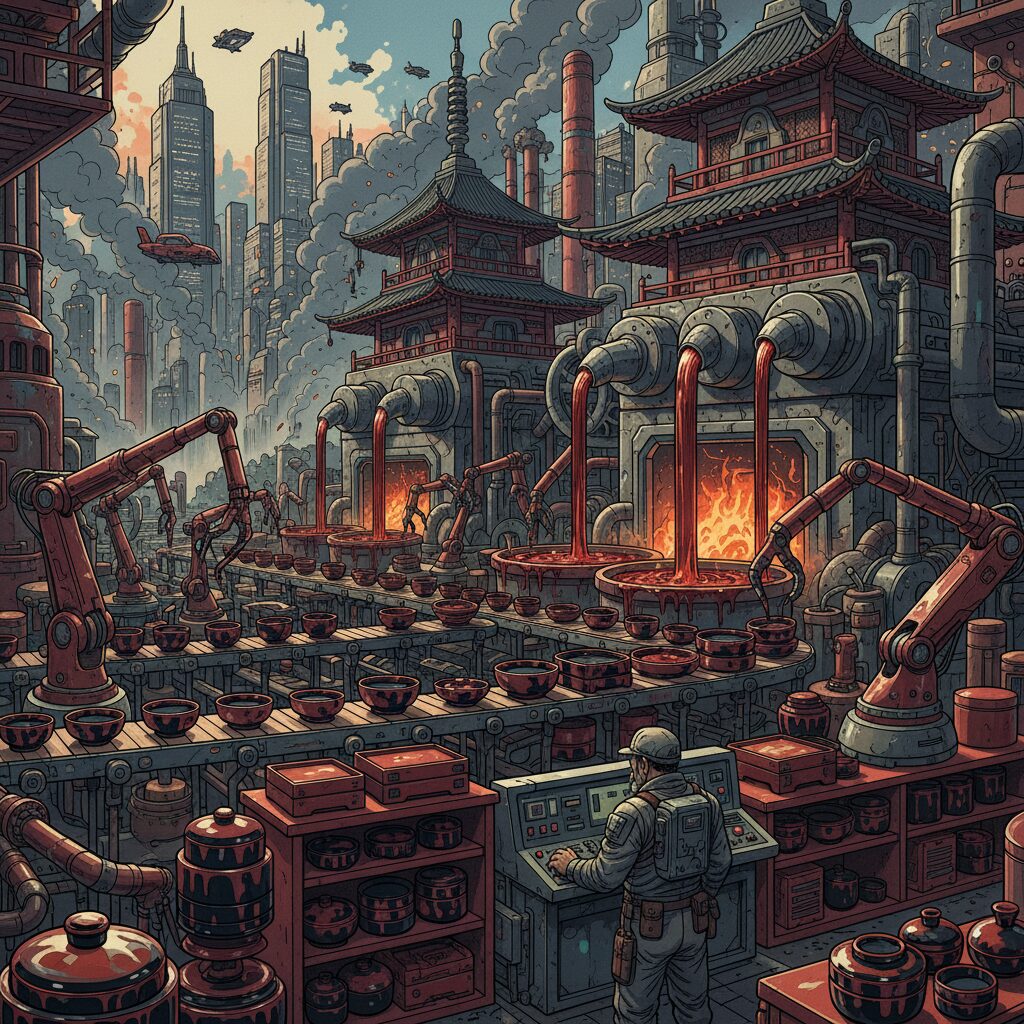
So why is this material so special and often quite expensive? Because the process is incredibly, almost unbelievably difficult and time-consuming. It demands a level of patience and precision that seems almost superhuman in our world of instant gratification. Here, “Trust the process” isn’t just a motivational phrase; it’s the actual rulebook.
Tapping the Sap: Liquid Gold
It all starts with a tree—the urushi tree. But you can’t just tap it like a maple for syrup. Harvesting the sap, known as urushi-kaki, is a highly specialized craft passed down through generations. A skilled tapper makes careful, horizontal incisions in the bark of a tree at least 10 years old. A milky, grayish sap slowly drips out. Over a whole season, from June to October, one tree produces only about 200 milliliters of sap—less than a cup. That’s all. To make matters more challenging, the raw sap is a potent allergen containing urushiol, the same compound that causes poison ivy’s notorious rash. Craftsmen must build immunity over years, and even then, one careless slip can cause a severe reaction. They literally put their skin on the line to harvest this liquid gold. The raw sap is then filtered, stirred, and gently heated to remove impurities and excess water, producing different lacquer grades for various stages.
The Base Game: It Starts with Wood
Though lacquer is the star, the stage for it is the wooden base called kiji. This is no minor detail. The choice of wood is crucial. Woods with stable grains that resist warping—like Japanese cypress (hinoki), zelkova (keyaki), or horse chestnut (tochi)—are often selected. A master woodworker, or kijishi, shapes the base. This might be a woodturner using a lathe to craft a perfectly symmetrical bowl with walls so thin they’re almost translucent, or a carpenter meticulously joining wood pieces to create a complex bento box. The quality of the kiji is essential. If the wood isn’t properly seasoned and shaped, the finished piece will warp or crack, wasting countless hours of lacquering. The collaboration between the woodworker and lacquer artist is a sacred partnership.
Layer Up, Buttercup: The Slow Build
Here is where true patience is tested. The process revolves around layers—many, many thin layers. First, the wooden base is sealed and strengthened. Sometimes linen cloth is applied over joints and weak areas using a mixture of lacquer and rice paste, a technique called nuno-kise, to add structural integrity. Then the undercoats begin. An initial layer of lacquer, often combined with a fine clay powder called jinoko (especially in Wajima-nuri), is spread with a spatula, or hera. This fills the wood grain and forms a solid foundation. After each coat, the piece must be cured—not air-dried, but placed in a special wooden cabinet called a muro, where temperature and humidity are precisely controlled (usually 20-30°C and 70-85% humidity). Urushi doesn’t dry by evaporation; it cures through a chemical reaction where an enzyme in the sap absorbs oxygen from moisture in the air and polymerizes. It’s basically scientific magic. This curing takes a day or more per layer. Afterward, the surface is sanded smooth with charcoal or fine sandpaper. Then another lacquer layer is applied, it returns to the muro, it’s sanded again. And again. And again. Middle and top coats use finer lacquer grades. The number of layers can range from a dozen to over a hundred, each applied, cured, and polished. This months-long process builds the incredible depth, durability, and flawless surface that’s ready for its final flourish.
The Glow Up: The Art of Decoration
Once the perfect, mirror-smooth lacquer surface is achieved, the decorators take over. This is where urushi evolves from craft into high art. The techniques are varied and require expertise that takes a lifetime to perfect.
Maki-e: Sprinkled Perfection
Maki-e is the unrivaled queen of lacquer decoration, meaning “sprinkled picture.” The artist uses a fine, delicate brush to paint a design onto the lacquered surface with more wet lacquer. Before this lacquer cures, they sprinkle gold, silver, or other metallic powders onto the design using a special bamboo tube or fine brush. The powder clings to the wet lacquer, forming the image. This demands insane precision and control. Various maki-e styles exist. Hiramaki-e (“flat sprinkled picture”) creates a design flush with the surface. Takamaki-e (“raised sprinkled picture”) builds the design up with layers of lacquer or charcoal powder into a three-dimensional, sculptural effect. Then there’s togidashi maki-e (“burnished sprinkled picture”), the most intricate style, where the entire area is covered with a black lacquer layer after the gold powder is applied. Once cured, the surface is polished with charcoal until the golden design re-emerges beneath the black, creating a soft, ethereal image that seems to float in the lacquer’s depths.
Raden: Iridescent Dreams
If maki-e is the golden sun, raden is the shimmering moon. This technique uses thin, iridescent pieces of mother-of-pearl (from abalone, turban shells, and other mollusks) inlaid into the lacquer surface. The artist cuts the shell into precise shapes, which are then embedded in the lacquer. The shell fragments catch the light, flashing blues, greens, and pinks against the deep black or red lacquer in a breathtaking display. This method adds an otherworldly sparkle to urushi’s understated elegance.
Chinkin: The Golden Etching
Chinkin, or “sunken gold,” focuses on sharp, precise lines. Using a special chisel, the artist carves a design directly into the hardened lacquer surface. It’s a one-chance technique; a slip can ruin the entire piece. Once carved, raw lacquer is rubbed into the grooves, then gold leaf or powder is pressed into them. Excess material is wiped away, leaving a brilliant golden design literally engraved into the object. The detail achievable with chinkin is stunning, ranging from bold geometric patterns to incredibly fine, hair-thin depictions of birds and flowers.
Where’s the Party At? A Tour of Japan’s Lacquerware Capitals
Ready to experience these treasures firsthand? Different regions across Japan boast their own distinctive lacquerware styles, each with a rich history and unique aesthetic. Visiting one of these towns feels like a pilgrimage for craft enthusiasts.
Wajima-nuri (Ishikawa): The Ultimate in Durability
Situated on the ruggedly beautiful Noto Peninsula stretching into the Sea of Japan, Wajima is arguably Japan’s most renowned lacquerware hub. Wajima-nuri is famous chiefly for its exceptional toughness. The key ingredient is local diatomaceous earth, a fossilized algae powder called jinoko, blended into the undercoats. This makes Wajima-nuri remarkably durable and chip-resistant. The town itself lives and breathes lacquer. The bustling Wajima Morning Market is an excellent spot to see it all, with vendors offering everything from exquisite decorative items to everyday chopsticks and bowls. For a deeper understanding, the Wajima Lacquerware Art Museum is essential. Many workshops also provide hands-on experiences where you can decorate your own piece using the chinkin technique. It’s an incredible way to grasp the skill involved. Though somewhat remote, Wajima’s setting adds to its allure. The drive up the Noto Peninsula from Kanazawa treats you to stunning coastlines and terraced rice paddies.
Aizu-nuri (Fukushima): The Comeback Champion
Originating in the castle town of Aizuwakamatsu in Fukushima Prefecture, Aizu-nuri reflects the area’s rich samurai heritage. This legacy shines through its lacquerware, known for bold, intricate designs. Aizu artisans excel in numerous techniques, often blending different types of maki-e and other decorative methods on a single item. The spirit here is resilient and proud. Despite hardships like the 19th-century Boshin War and the 2011 earthquake, the craft has persevered. Visiting Aizuwakamatsu is like stepping back into history. After exploring the impressive Tsuruga Castle, you can stroll through streets lined with traditional buildings, many housing lacquerware shops and galleries run by families for generations. It’s a perfect place to see how this ancient art is deeply woven into the city’s identity.
Yamanaka-nuri (Ishikawa): The Woodworking Experts
Near Wajima, in the Kaga Onsen area, lies the hot spring town of Yamanaka. Yamanaka-nuri takes a somewhat different approach, focusing on masterfully crafted wooden bases. Yamanaka woodturners are renowned for their tategi-dori technique, cutting wood vertically along the grain to minimize warping and highlight the wood’s natural beauty. Many Yamanaka pieces feature clear or translucent lacquers, showcasing the stunning grain patterns underneath. This minimalist, organic style is incredibly elegant. Visiting Yamanaka delights all the senses. You can relax in the hot springs, take a breathtaking walk along Kakusenkei Gorge, and tour woodturning workshops, hearing the hum of lathes and smelling fresh wood shavings. It’s a place where nature and craft blend in perfect harmony.
Kishu-nuri (Wakayama): Everyday Sophistication
In Wakayama Prefecture, south of Osaka, lies Kishu-nuri, one of Japan’s largest lacquerware producers, historically focusing on durable yet beautiful everyday items. While high-end art pieces are crafted here, Kishu’s reputation is built on making lacquerware accessible. Trays, lunch boxes, and simple bowls are their forte. The region is especially known for the Negoro style, named after the nearby Negoro-ji Temple. This technique applies a vivid vermilion red lacquer over a black base. Over time, daily use wears away the red at the edges, revealing the black underneath. This perfectly captures the wabi-sabi ethos, highlighting the beauty of wear and age. The Kuroe district in Kainan City is the heart of Kishu-nuri, a charming area dotted with old lattice-windowed houses housing lacquerware shops and wholesalers.
Getting Your Own Bling: A Quick Buyer’s Guide
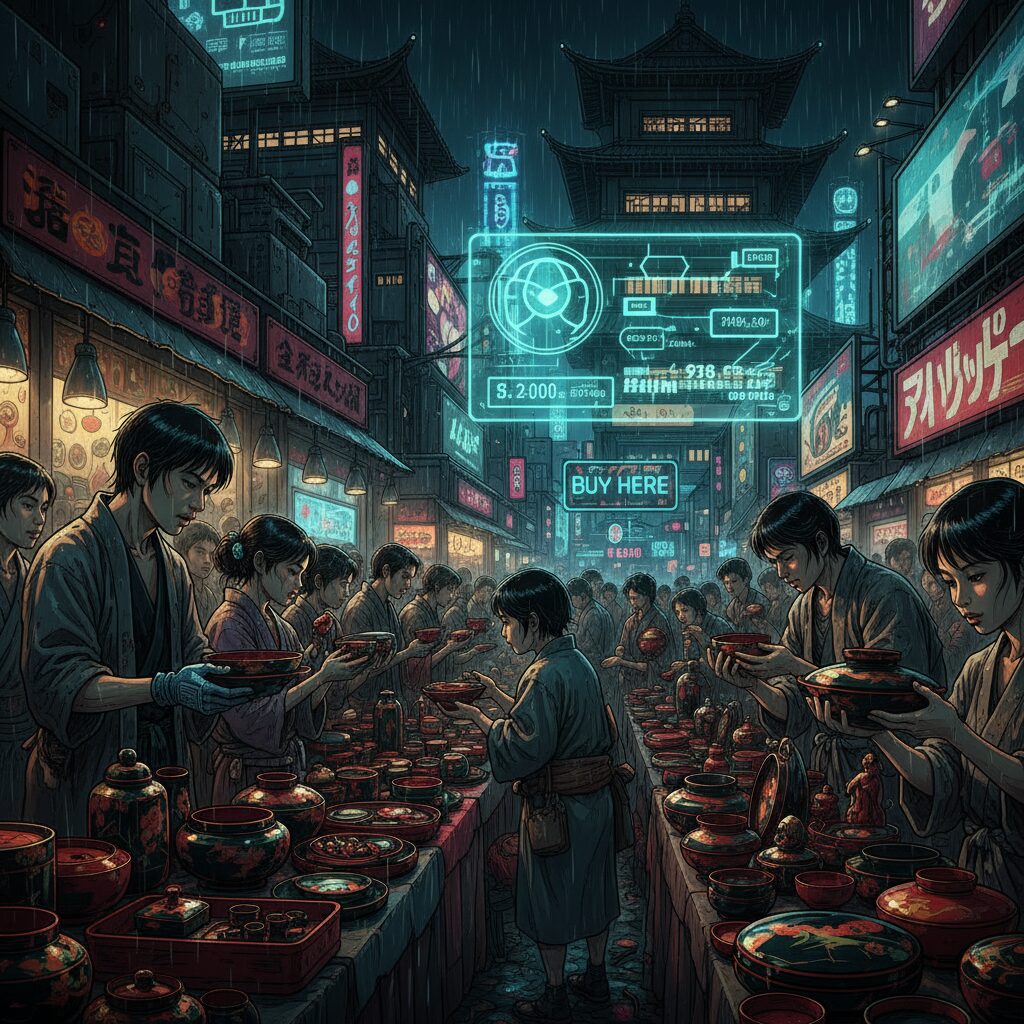
Thinking about taking a piece of this soul home with you? Bet. But it’s worth knowing what to look for.
Real vs. Fake
In tourist shops, you’ll often find bowls and trinkets that resemble lacquerware but are actually plastic or wood coated with synthetic paint like urethane or cashew lacquer. They may look shiny and attractive, but they lack the depth, warmth, and soul of genuine urushi. How can you tell the difference? Real urushi has a softer, deeper, and more complex gloss, unlike the hard, glassy shine of plastic. It also emits a faint, sweet, resinous scent when new. The texture is the biggest clue; it feels warmer and lighter than synthetic alternatives. And, naturally, the price is a factor. If a piece looks intricate but is very cheap, it’s probably not authentic.
Price Check
Yes, authentic lacquerware can be pricey. A simple pair of chopsticks might be affordable, but a small bowl can cost hundreds of dollars, and a masterwork maki-e box can be as expensive as a car. Don’t panic. You’re not just paying for the item; you’re investing in time, skill, and rare materials. The price reflects the months spent applying and curing layers, the years the artisan devoted to perfecting their craft, and the decade it took the tree to produce the sap. Think of it as an investment in a piece of functional art that will endure for generations.
Where to Buy
For the best quality, buy from the source. Production regions like Wajima and Aizu offer the finest pieces, where you can often meet artisans and purchase directly from their workshops. In major cities, upscale department stores like Mitsukoshi or Takashimaya have excellent craft sections with guaranteed authentic items. Museum shops are also a wonderful, carefully curated option.
Care Guide 101
So you have your piece. Don’t hesitate to use it! Urushi is surprisingly durable. It’s waterproof and resistant to acids, alkalis, and alcohol. The key is to treat it with gentle care. Wash by hand with a soft sponge and mild soapy water. Never put it in the dishwasher or microwave. Avoid prolonged exposure to direct sunlight, which may cause fading, and stay away from abrasive cleaners. With these simple steps, your lacquerware will not only last but grow more beautiful over time as its patina deepens. It’s a relationship, not just possession.
The Modern Wave: Urushi for the 21st Century
Don’t assume for a moment that this is a dusty, dying art form. Although it faces challenges such as a shortage of young artisans and urushi tappers, the craft remains vibrant and evolving. A new generation of artists and designers is steering urushi in exciting new directions. They are applying traditional techniques to contemporary objects: sleek smartphone cases, minimalist jewelry, high-end audio gear, custom fountain pens, and even luxury car dashboards. These creators are proving that urushi goes beyond just traditional bowls and boxes. It is a versatile, sustainable, and beautiful material with limitless potential. They honor the past while reimagining it for the future, ensuring the spirit of this ancient craft continues to shine in the modern world. It’s inspiring to witness—a tradition sturdy enough to maintain its essence yet flexible enough to explore new forms.
More Than a Souvenir
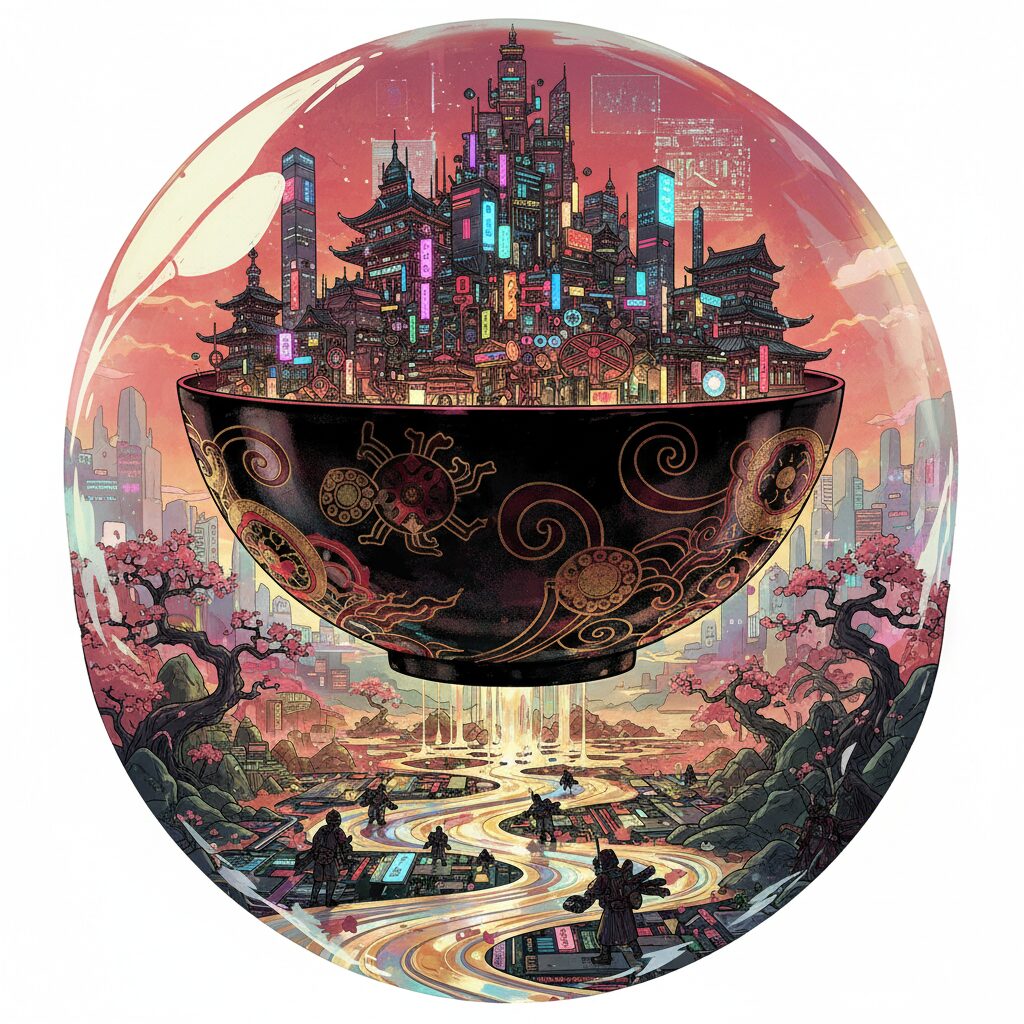
Here it is: the journey from a single drop of tree sap to a timeless work of art that seems to have a pulse. Japanese lacquerware is far more than just a beautiful object. It tells a story of nature’s magic and human devotion. It’s a reflection on patience in a world that’s constantly rushing. It embodies a tangible piece of Japan’s profound aesthetic and philosophical heritage. On your next visit, I encourage you to seek it out. Visit the small towns where it’s crafted. Step inside a quiet workshop and watch an artisan who has devoted their life to this singular craft. Hold a bowl, feel its astonishing lightness, its natural warmth, and see the universe mirrored in its glossy surface. It’s more than a mere souvenir. It’s a connection—a silent dialogue with a thousand years of history. And in that moment, you’ll understand. You’ll sense the true spirit of urushi, the glossy, living heart of Japanese craftsmanship. And that feeling will linger long after you’ve returned home.