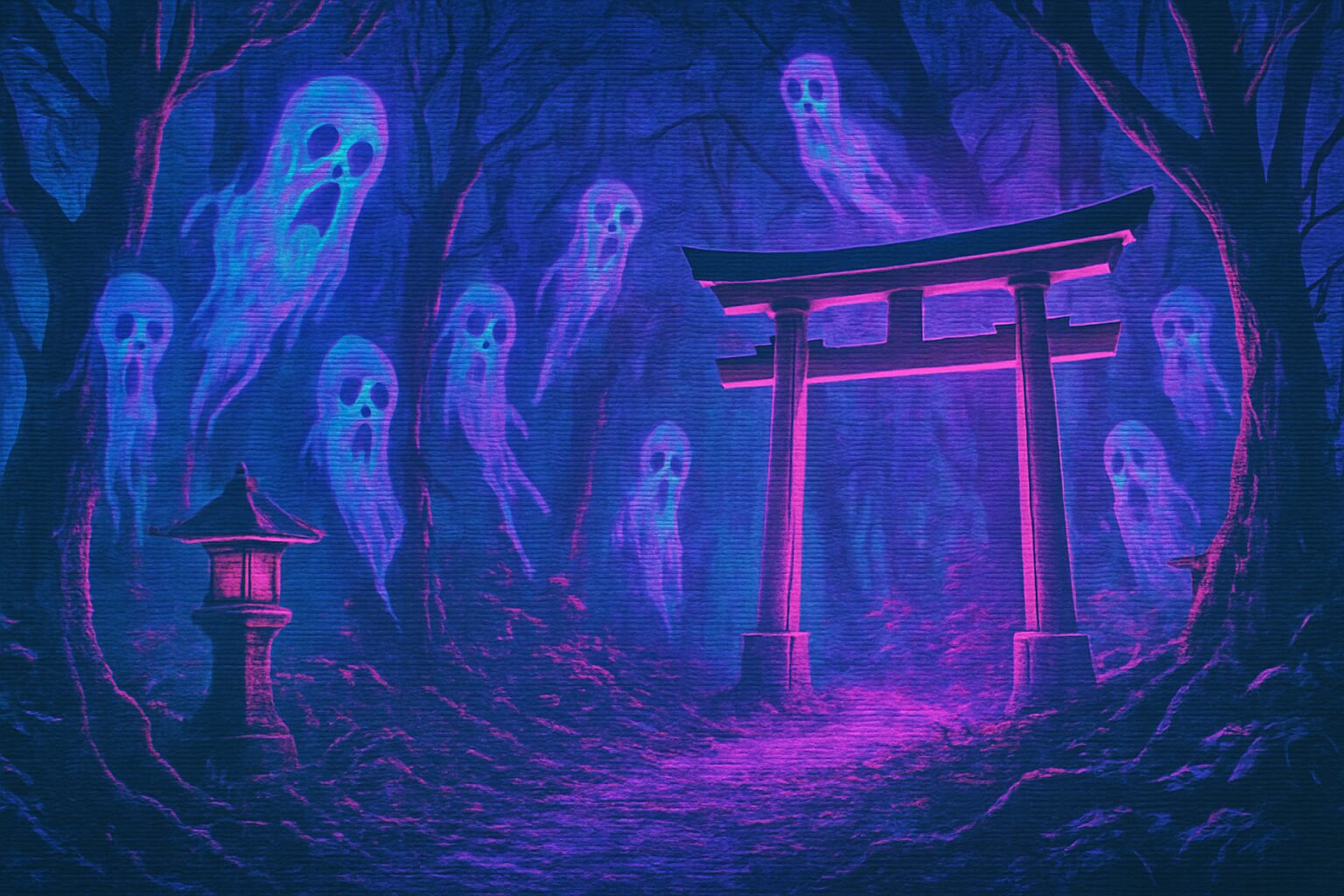
Yo, what’s up, fellow travelers! Ayaka here, ready to spill the tea on something that’s seriously next level. Forget the neon glow of Tokyo for a sec. We’re going deep. Like, deep deep into the misty, ancient forests of Japan, where the trees whisper secrets and the shadows play tricks on your eyes. We’re talking about a place where legends aren’t just stories; they’re the literal vibe of the landscape. This ain’t your average camping trip. We’re dialing up the comfort to max with some boujee glamping, but we’re also dialing up the supernatural. We’re going on a hunt for Yokai—the wild, weird, and wonderful spirits of Japanese folklore. Imagine this: you’re cozy in a luxury dome tent, listening to the rain patter outside, and you can’t help but wonder if that sound in the woods is a mischievous Kitsune or a lumbering Oni. It’s a whole mood. This is for the adventurers who want their five-star comfort with a side of spine-tingling folklore, for those who wanna connect with the real, untamed soul of Japan. It’s about feeling that main character energy as you wander through a world straight out of a Ghibli movie, but maybe one directed by Guillermo del Toro. So, grab your sense of adventure (and maybe a good luck charm, just in case), because we’re about to check into the most mystical, Yokai-infested glamping spots this country has to offer. It’s gonna be epic.
To truly immerse yourself in this supernatural atmosphere, consider visiting some of the country’s forgotten shrines where yokai are said to dwell.
Tono, Iwate: The OG Capital of Yokai Lore
Where the Legends Live and Breathe
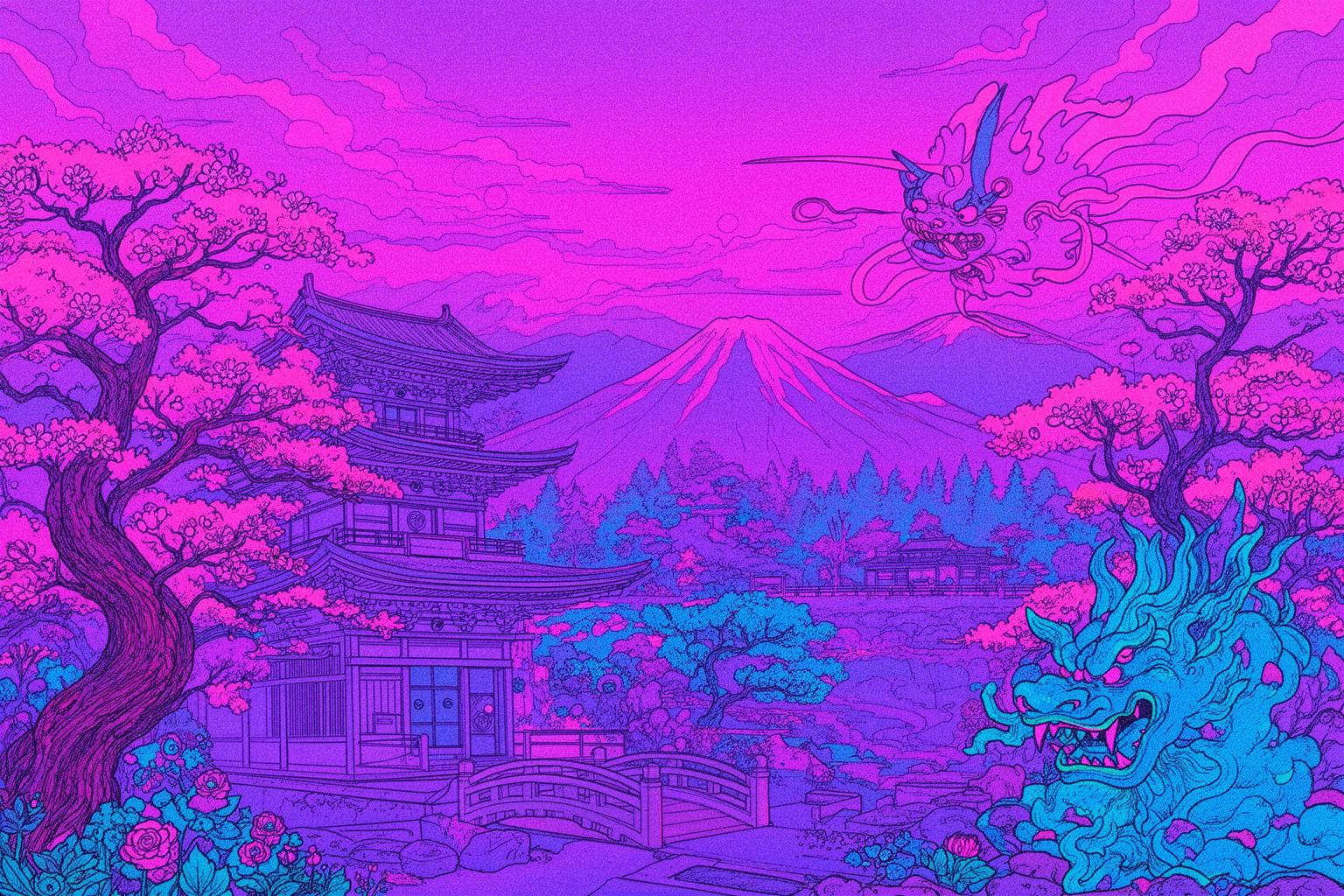
First on the list is Tono in Iwate Prefecture, a must-visit. If Japanese folklore had a capital, this would unquestionably be it. This town is the heart and source of countless Yokai tales you’ve probably heard. It’s all thanks to a book called Tono Monogatari, or The Legends of Tono, written over a century ago. This collection of local folk stories essentially put this quiet rural town on the map as a hub of the supernatural. Driving into Tono feels like stepping through a portal. The scenery is a mosaic of lush green rice fields, traditional farmhouses with striking thatched (kayabuki) roofs, and a low mist that clings to gently rolling hills. It’s stunning, certainly, yet there’s an ancient, mysterious energy in the air that’s unmistakable. You get the sense you’re being watched—not in a creepy way, but as if the very land is alive and aware of your presence. This is home to the cucumber-loving Kappa and the house-guarding Zashiki-warashi. Here, the boundary between our world and the spirit world feels incredibly thin, almost nonexistent. It’s the ideal starting point for our Yokai glamping adventure.
Glamping at the Whispering Stream: A Deep Dive
Picture a glamping site nestled beside a softly babbling stream, surrounded by dense forest—let’s call it “Kappa’s Ripple Retreat.” This is far more than a tent; it’s a full sanctuary. The accommodations are sleek geodesic domes with huge bay windows offering sweeping views of the forest. Inside is pure cozy luxury: a plush king-sized bed piled with pillows, a stylish lounge area featuring minimalist wooden furniture, and, best of all, a private open-air bath—a rotenburo—right on your deck. So you can soak in hot, mineral-rich water under the stars, listening to the forest sounds, and maybe, just maybe, spy a shadowy figure at the water’s edge. The dome is fully climate-controlled, keeping you comfortable whether it’s a cool autumn night or a humid summer evening. Everything is provided: fluffy towels, organic toiletries, comfy robes (yukata), and even a pour-over coffee setup to kickstart your morning. This is the perfect blend of rugged nature and high-end comfort, designed to immerse you in the environment without sacrificing luxury. The atmosphere is impeccable—peaceful, slightly eerie, and utterly unforgettable.
The Culinary Experience: A Taste of Tono’s Soul
Now, onto the food, because the culinary experience here is seriously impressive. This is authentic farm-to-table dining at its finest. The glamping site partners with local farmers to deliver the freshest seasonal ingredients possible. Dinner is often a multi-course meal served on your private deck as the sun dips below the horizon. You might begin with a delicate platter of mountain vegetables (sansai) foraged from nearby hills, followed by melt-in-your-mouth grilled Iwate beef. A local specialty you shouldn’t miss is hittsumi, a hearty wheat-flour noodle soup that’s pure comfort in a bowl. And since this is Tono, there’s always a whimsical nod to the local legends—perhaps your dessert, a matcha tiramisu, arrives topped with a small cucumber-shaped cookie. Breakfast comes in a beautiful wooden box delivered to your dome, filled with grilled salmon, perfect tamagoyaki (rolled omelet), steaming rice, miso soup, and assorted local pickles. It’s a traditional Japanese breakfast that fuels you for a day of adventure. Many sites also offer a DIY barbecue option, providing a premium grill and a curated basket of ingredients: marinated meats, local sausages, fresh vegetables, and even the region’s signature doburoku, a rustic, unfiltered sake. Grilling under the stars, with the crackling fire and rustling trees, is a memory you’ll cherish.
Connecting with the Kappa and Friends
What truly makes glamping in Tono a genuine Yokai experience are the thoughtfully curated activities, especially after dark. The site often hosts a guided “Twilight Yokai Walk.” Equipped with traditional paper lanterns, you follow a local storyteller deep into the woods. They lead you to key spots—a twisted ancient tree, a moss-covered shrine, or the famed Kappa Buchi, a small pool believed to be the Kappa’s home. As you wander, they share tales from the Tono Monogatari, their voice low and mesmerizing against the encroaching shadows. It’s one thing to read the stories; it’s another to hear them where they originated. It’s thrilling and just a bit spooky. During daylight, you can rent bicycles to explore Tono’s folk villages, such as Denshoen, where traditional L-shaped magariya farmhouses stand—designed to shelter both families and their horses under one roof. You can also try your hand at local crafts like straw weaving or pottery and learn about traditional lifestyles. For an extra special experience, visit Jokenji Temple, home to a shrine dedicated to the Kappa, where it’s customary to leave cucumber offerings to appease these mischievous water spirits. The entire experience feels like stepping straight into a fairytale.
Practical Deets for Your Tono Trip
Getting to Tono is part of the experience. The easiest route is the Tohoku Shinkansen from Tokyo to Shin-Hanamaki Station—about a three-hour journey. From there, take the scenic JR Kamaishi Line, winding through mountains for roughly an hour and a half, dropping you in central Tono. Renting a car from Shin-Hanamaki is another great option, offering more freedom to explore scattered sights. When to visit? Honestly, every season shines. Summer is lush and vibrant, filled with cicada songs. Autumn brings breathtaking reds and golds, with morning mist adding an ethereal touch. Winter is calm and serene, blanketed in snow that amplifies the magic and mystery. Spring sees cherry blossoms and nature’s renewal. Just be sure to book your glamping spot early, especially during peak times, as these exclusive retreats fill up fast. A pro tip: learn a few simple Japanese phrases. While staff may speak some English, locals will appreciate your effort, enriching your experience even more.
Iya Valley, Shikoku: Glamping in a Lost World
Into the Secret Heart of Japan
If Tono is known as the celebrated capital of folklore, then the Iya Valley in Shikoku stands as its secret, hidden society. This place is truly off the beaten path. Recognized as one of Japan’s “Three Hidden Regions,” Iya is a remote, mountainous valley sculpted by the emerald-green Iya River. Imagine sheer cliffs, deep gorges, and ancient vine bridges (kazurabashi) that look like they belong in an Indiana Jones film. For centuries, this region remained almost entirely isolated from the rest of Japan, serving as a sanctuary for defeated clans and, according to legend, a perfect refuge for all kinds of elusive Yokai. The atmosphere here is strikingly different—raw, untamed, and ancient on a geological scale. The air feels thick with untold stories. Standing on a cliff edge, gazing down at the mist-filled valley below, you feel like a tiny speck in a vast, powerful world. It’s both humbling and awe-inspiring, making it easy to understand why people believed that mighty mountain spirits, the Tengu, ruled these peaks.
Sky-High Domes: The Tengu’s Perch
Glamping in Iya Valley offers sublime isolation. Picture this: a cluster of luxury pods or cabins dramatically perched on a mountainside, providing breathtaking panoramic views of the entire valley. Let’s call it “Tengu’s Vista.” These aren’t mere tents; they are architectural marvels crafted to make you feel as if you’re floating in the sky. Each unit features floor-to-ceiling glass walls, a private balcony with an infinity-edge hot tub, and a telescope perfect for epic stargazing. The interiors exemplify Japanese minimalism—warm woods, clean lines, and an emphasis on the view. The bed is arranged so you wake to the sun rising over a sea of clouds that frequently fills the valley in the morning. It’s a sight that will literally take your breath away. This is the kind of place to disconnect from the world and reconnect with yourself. Cell service is spotty at best, and Wi-Fi is a considered luxury rather than a given. The intention is to immerse yourself in the profound silence and grandeur of the mountains. It’s a soul-refreshing experience.
A Feast Fit for a Mountain God
Dining at Tengu’s Vista is a memorable event. Due to its remote location, everything is hyper-local. The chefs craft exquisite meals using ingredients sourced directly from the valley. Think river fish like ayu (sweetfish), grilled with just a touch of salt; wild boar or venison from the surrounding forests, slow-cooked into a rich stew; and unique mountain vegetables you’ve likely never encountered. A local specialty is Iya soba—buckwheat noodles grown in the valley’s rocky soil, giving them a rustic, hearty texture. Another must-try dish is dekomawashi, comforting skewers of grilled taro, tofu, and konjac, all glazed in a sweet and savory miso sauce. Your multi-course dinner is served privately in your pod, letting you savor the incredible flavors while watching the sky’s colors shift over the mountains. Breakfast is equally curated, featuring freshly baked bread, local jams, Iya-grown coffee, and perhaps a warm soba porridge. It’s food that not only tastes superb but also tells the story of the land it came from.
Living the Legend: Tengu and the Spirit of the Mountain
The Yokai presence in Iya revolves less around specific stories and more around the overwhelming presence of the landscape itself. The steep mountains and dense forests are the traditional realm of the Tengu, powerful bird-like Yokai famed as masters of martial arts and guardians of the mountains. They are said to dwell in the oldest, most inaccessible parts of the forest, and the glamping experience here is centered on honoring and connecting with that potent, wild energy. Activities focus on nature immersion. You can take guided hikes to hidden waterfalls, where you might practice takigyo (waterfall meditation) if you’re daring enough. You’ll learn about the Heike clan, who reportedly hid in this valley after their 12th-century defeat. And, naturally, you must cross the kazurabashi vine bridges. Made from sturdy mountain vines, these swaying, creaking bridges offer a thrilling test of courage. As you carefully cross them with the river rushing far below, you gain newfound respect for the people who built them centuries ago. At night, the main attraction is the sky. With almost no light pollution, the stars shine brilliantly. Sitting on your balcony, wrapped in a blanket, you can trace constellations and feel the vastness of the universe—a sensation that surely inspired countless tales of celestial beings and mountain gods.
Navigating the Hidden Valley
Let’s be honest: reaching the Iya Valley is a challenge, but that’s part of what makes it special. It naturally filters out casual tourists. The easiest way is to fly into Takamatsu or Tokushima airport and rent a car. A car is essential; public transport is extremely limited, and attractions are spread out. The roads are narrow, winding, and not for the faint-hearted, but the views are unquestionably worth it. Drive cautiously and be prepared to pull over for oncoming vehicles. The best times to visit are spring, when the mountains are dotted with cherry blossoms, and autumn, the undisputed champion. Iya’s fall foliage is legendary, turning the valley into a vibrant masterpiece of fiery hues. Summer offers lush greenery but can be hot, while winter brings snow, making driving tricky but unveiling a stark, silent beauty that’s truly otherworldly. A tip for first-timers: plan your fuel and food stops carefully. Gas stations and convenience stores are scarce in the inner valley. Stock up on snacks and drinks in the larger towns on the outskirts before heading deep into the mountains. This journey rewards preparation and a spirit of adventure.
Kii Peninsula: Where Gods and Spirits Walk the Earth

A Pilgrimage into the Mystic
Our final destination is the Kii Peninsula, an expansive, forested region located south of Osaka and Kyoto. This is no ordinary forest; it stands as one of Japan’s most sacred and spiritually vibrant places. It hosts the Kumano Kodo, a network of ancient pilgrimage routes tread by emperors, shoguns, and ordinary people for over a thousand years. These trails and their sacred sites are recognized as a UNESCO World Heritage Site. The peninsula itself feels like a vast, natural cathedral. The forests are thick with towering cedar and cypress trees, some hundreds or even thousands of years old. The air carries the fragrance of pine and damp earth, imbued with a profound sense of peace and reverence. Here, the boundaries between Shinto gods (kami), Buddhist deities, and nature spirits such as Yokai dissolve. You are not merely hiking through a forest; you are journeying through a living, breathing spiritual realm. The Yokai here are intimately connected to nature itself: the Kodama (tree spirits), the playful Tanuki (raccoon dogs), and the wise, powerful Kitsune (foxes).
Glamping in a Sacred Grove: Kodama’s Embrace
Glamping on the Kii Peninsula centers on wellness and spiritual renewal. Imagine a site named “Kodama’s Sanctuary,” tucked away in a clearing deep within the sacred forest, perhaps near a lesser-known section of the Kumano Kodo. Accommodation options include luxurious bell tents or minimalist cabins crafted from local Kii cedar. The design emphasizes harmony with nature—large windows, natural materials, and an earthy color scheme. Each unit features a private meditation deck overlooking the forest, a deep soaking tub (ofuro) crafted from aromatic cypress wood, and a small library filled with books on Buddhism, Shintoism, and local folklore. The atmosphere is serene, reflective, and profoundly restorative. It’s a place to quiet your mind and listen—to the rustling leaves, the calls of birds, and your own breath. The experience is crafted to help you connect with the powerful spiritual energy of the land. You might awaken to a deer grazing gently outside your window or catch a glimpse of a Tanuki darting into the underbrush at dusk. You truly become a guest in their realm.
Shojin Ryori: Food for the Spirit
The culinary journey here is distinctive and deeply rooted in Buddhist tradition. The focus is on shojin ryori, the traditional Buddhist vegetarian cuisine. Yet, don’t mistake “vegetarian” for dull—this cuisine ranks among the most refined and flavorful you’ll ever enjoy. It embodies the principle of balance, using seasonal, locally sourced ingredients to nurture both body and soul. A typical dinner is a beautiful array of small dishes, each a masterpiece. You may find creamy sesame tofu (goma-dofu), crispy vegetable tempura, savory simmered dishes, delicate clear soups, and perfectly cooked rice. The flavors are subtle, layered, and deeply satisfying. It’s a meal that leaves you feeling light, refreshed, and centered. Breakfast offers a similar experience, perhaps a gentle rice porridge with various toppings. For those seeking variety, many glamping sites also provide a more conventional, yet still locally inspired, menu often featuring fresh seafood from the nearby coast or game from the mountains. Sampling shojin ryori at least once is an essential part of the Kii Peninsula experience.
Walking with the Spirits of Kumano
The connection to Yokai and spirits here is fostered through active engagement with the landscape. The primary activity is hiking segments of the Kumano Kodo. The glamping site can arrange for a guide, often a yamabushi (mountain ascetic) descendant, who not only leads you on the trail but also shares the spiritual meaning behind the landmarks—the Oji shrines serving as spiritual markers, ancient camphor trees believed to shelter gods, and waterfalls revered as sacred. They teach you the proper way to pray at shrines and recount local legends of Kitsune guiding lost travelers to safety or Tanuki playing gentle tricks on pilgrims. It’s a form of walking meditation. Beyond hiking, workshops in calligraphy or incense making may be offered. Morning yoga and guided meditation sessions in the forest are staples. At night, instead of a spooky Yokai walk, you might experience a silent, meditative “forest bathing” (shinrin-yoku), where you stroll slowly, absorbing the healing energy of the woods. The aim is to leave you feeling renewed, restored, and deeply connected to the natural world and its unseen inhabitants.
Your Path to the Sacred Peninsula
Reaching the Kii Peninsula is relatively simple. From major cities like Osaka or Kyoto, you can take a limited express train along the coast to Kii-Tanabe (west side) or Shingu/Kii-Katsuura (east side). These towns serve as primary gateways to the Kumano Kodo trails. From there, renting a car is highly recommended for flexibility in exploring the vast, mountainous interior where the best glamping spots await. Local buses run on main routes but can be infrequent. The optimal times to visit are spring (March–May) and autumn (October–November), when the weather is mild and ideal for hiking. Summer brings heat, humidity, and rain but also the magical sight of fireflies. Winter is cooler, with occasional snow at higher elevations, and the trails are quieter. When visiting, remember that this is a profoundly sacred place. Show respect—dress modestly when visiting shrines, learn basic prayer etiquette, and always follow the “leave no trace” principle on the trails. This journey is as much about inner discovery as it is about outer exploration. It’s an opportunity to walk the same paths as ancient pilgrims and, perhaps for a moment, share the same sense of awe and connection to the divine that they once experienced.