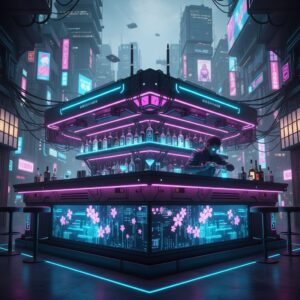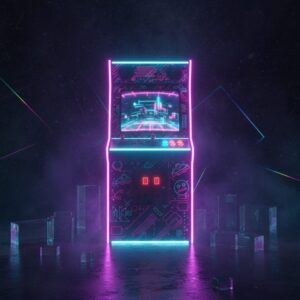
Yo, what’s the deal? Keiko Nakamura here, your go-to curator for all things cool and artsy in Tokyo. Today, we’re ditching the quiet, minimalist galleries and diving headfirst into a world of neon-drenched chaos, 8-bit symphonies, and… ghosts. Yeah, you heard me. We’re going yokai hunting. But forget foggy mountains and ancient shrines. Our hunting grounds are the humming, glowing hearts of Japan’s retro arcades, and our prey is the Tsukumogami—the spirit that awakens in an object after a century of service. Or, in our case, maybe a few decades of intense, coin-op devotion. These old-school game centers aren’t just nostalgia trips; they’re liminal spaces where the digital and the spiritual get seriously blurred. They are living museums where pixels bleed into folklore, and every busted joystick or flickering CRT screen tells a story. This is where forgotten machines, packed with the energy of a million players, might just be waking up. Bet. It’s time to feel the history, chase the high scores, and maybe, just maybe, meet the ghost in the machine. Let’s get it.
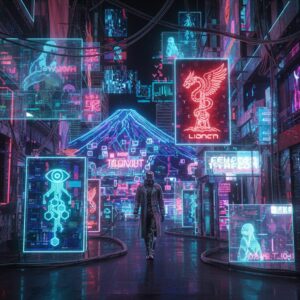
If you’re fascinated by these neon-drenched, cyberpunk atmospheres, you should definitely explore the real-life Blade Runner alleys of Tokyo’s yokocho.
The Vibe Check: What’s a Japanese Retro Arcade Even Like?
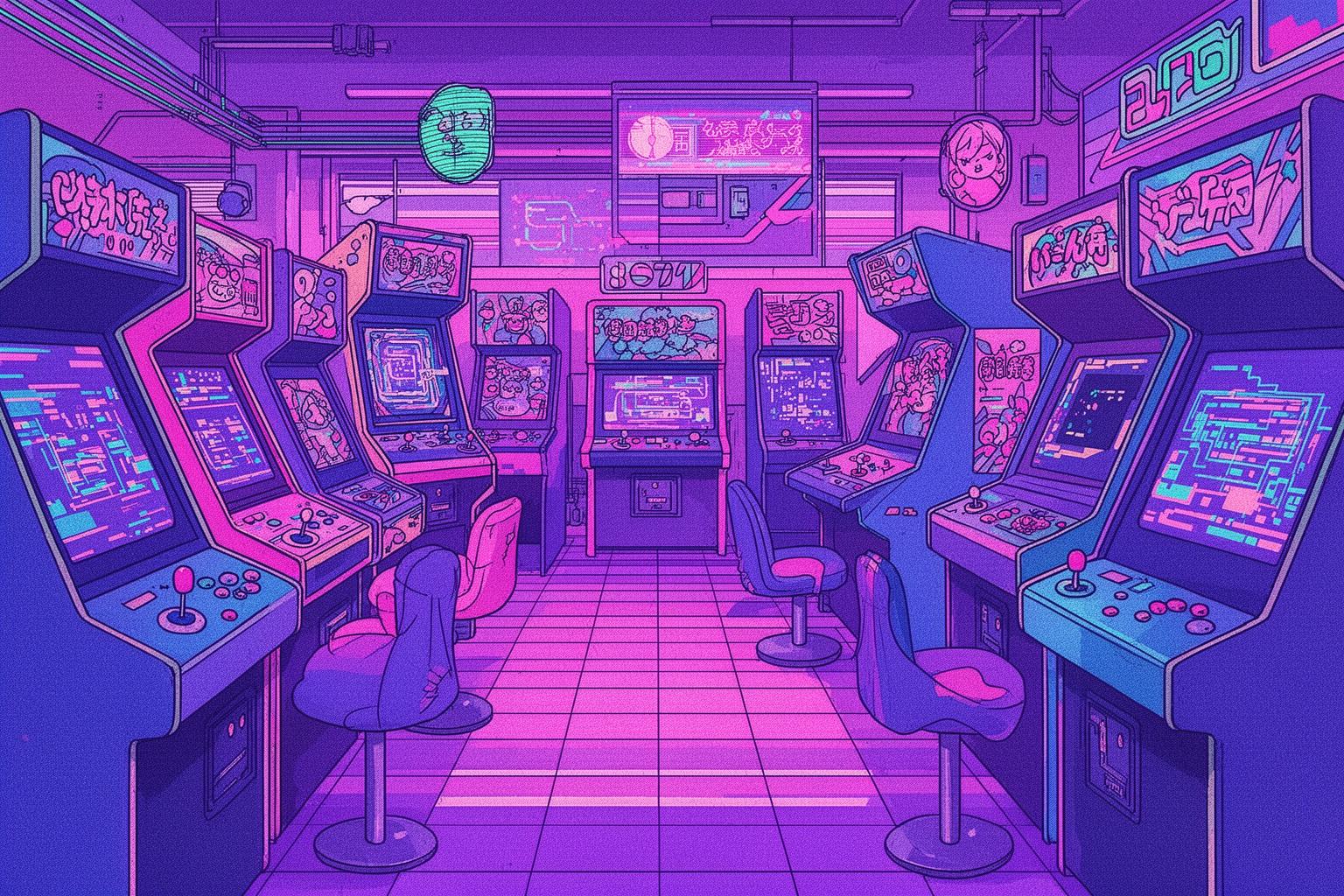
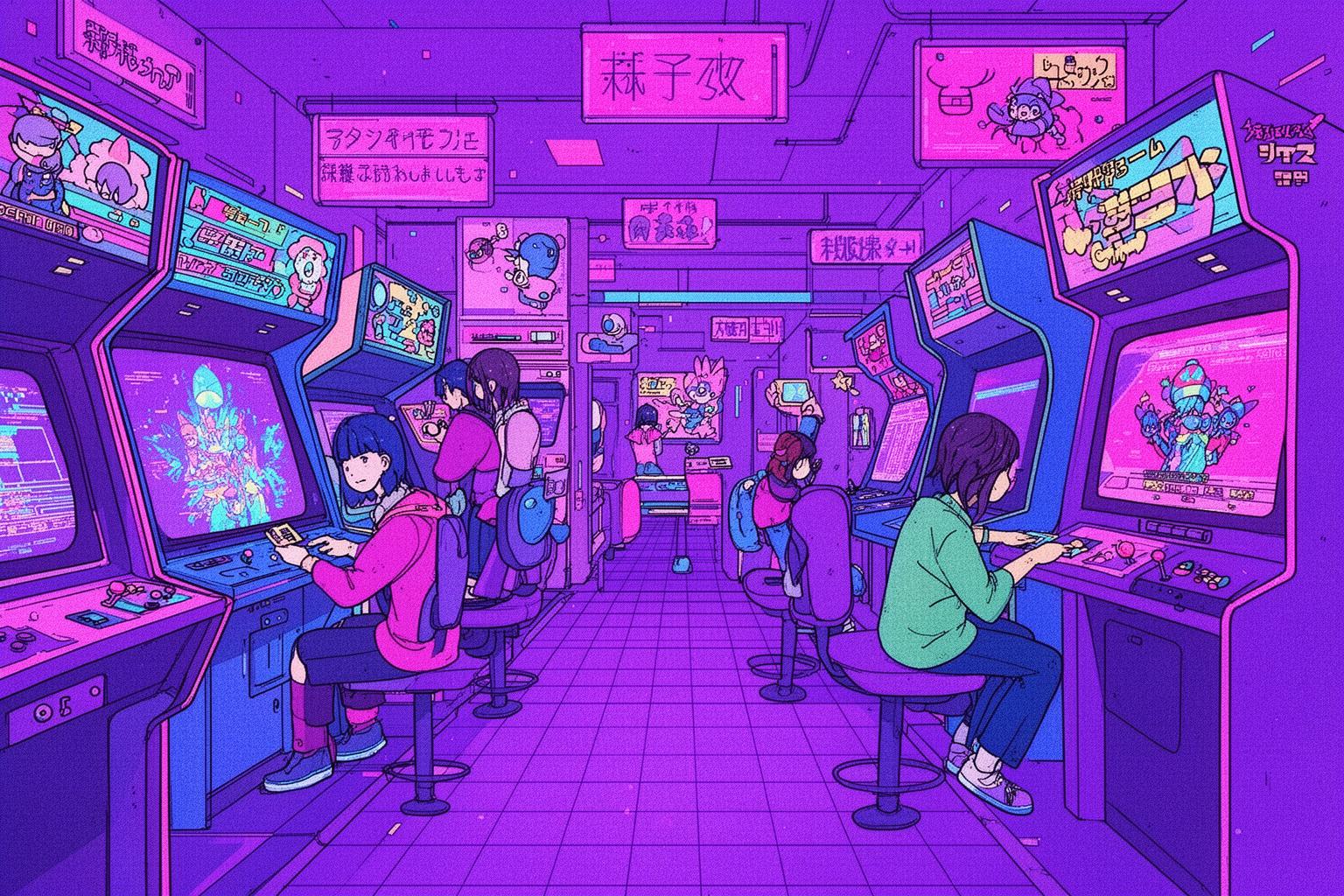
First things first, you need to recalibrate your brain. If your image of an arcade is a bright, spotless hall at the mall filled with ticket redemption games and VR pods, you’ll want to erase that vision. A proper Japanese retro arcade, or ‘ge-sen’ as we call them, is an entirely different experience. It’s sensory overload in the best way. The moment you pass through the sliding glass doors, it hits you—not just one sound, but a hundred layered together, a chaotic symphony of 8-bit and 16-bit tunes clashing and harmonizing. You’ll catch the iconic ‘wocka wocka’ of Pac-Man, the ‘Hadouken!’ shout from a Street Fighter II cabinet, the frantic laser blasts of a shoot-’em-up, and beneath it all, the steady, percussive clatter of buttons being mashed and joysticks slammed. It’s a sonic wall that feels electric and alive.
Then there’s the lighting—or rather, the lack thereof. These spots are often gloriously dim, cavernous spaces where the only real light comes from the machines themselves. The hypnotic glow of countless CRT monitors bathes everything in hues of neon blue, green, and pink. The screens have that distinct, fuzzy warmth that modern LCDs just can’t replicate. You can feel the heat radiating off the backs of the cabinets, a physical sign of the power pulsing through their aging circuits. The air is thick with a unique atmosphere—a blend of old electronics, the faint lingering ghost of cigarette smoke from decades ago (though most places are non-smoking now, the scent is baked into the walls), and the sheer energy of human focus. It’s a space that feels well-lived-in, worn, and absolutely sacred. It’s less a playground and more a digital dojo. You’ll spot salarymen in suits loosening their ties for a quick round of Darius, high schoolers perfecting their fighting game combos, and seasoned veterans—the ojisan who’ve been playing the same game in the same spot for twenty years. These players aren’t just killing time; they’re engaged in a ritual. They share a deep, personal connection to these machines, a silent bond forged over thousands of 100-yen coins. This is the perfect breeding ground for a Tsukumogami. The energy, the history, the dedication—all seep into the hardware, charging it with more than just electricity. It’s a vibe that hits differently, a palpable sense of history that makes you feel like you’ve stepped into another era. No cap.
The Legend of the Tsukumogami: When Machines Get a Soul
Alright, let’s dive deep for a moment. The idea of Tsukumogami is genuinely fascinating old-school Japanese folklore. Here’s the gist: when any object turns 100 years old, it can gain a soul—a ‘kami’ or spirit—and become a yokai. Picture umbrellas that possess a mind of their own, sentient sandals, and playful tea kettles. This beautiful concept stems from Shinto animism—the belief that everything, from stones and rivers to tools and teacups, houses a spirit. It’s a philosophy centered on respecting the things you use daily. Don’t just throw out your old belongings; appreciate them for their service, or they might come back to haunt you. Seriously.
Now, let’s connect the dots. Take an arcade cabinet from the golden era, like one from 1991. It’s over thirty years old now—not quite a century yet, but hear me out. Traditional Tsukumogami tales focus on household items used daily but with relatively low energy. An arcade machine, however, is a different beast. Imagine a legendary Street Fighter II cabinet at a place like Mikado. For decades, it’s been the epicenter of intense feelings: the pure thrill of victory, the sting of defeat, the frustration of missed combos, the adrenaline of tight matches. Thousands of players have poured their hopes, dreams, focus, and coins into that one machine. They’ve slammed its buttons, yanked its joystick, and fixated on its screen with fierce determination. That’s a tremendous amount of psychic energy directed at a single object, day after day. Couldn’t that speed up the spirit’s birth? Couldn’t that raw human emotion serve as a catalyst, bringing a spirit to life well before the 100-year mark?
This is where things get interesting. You start to see the machines not just as equipment, but as beings with personality. That one cabinet in the corner with the sticky ‘A’ button? It’s not just worn out—it’s got an attitude. It’s being tsundere, making you earn your victory. That screen flicker for a split second during a special move? That’s the machine cheering you on, giving you a knowing wink. The coin slot that sometimes rejects your 100-yen? It’s being selective, deciding if you’re worthy of playing. These aren’t just glitches; they’re quirks. They’re early signs of consciousness stirring—a spirit forming inside the shell. Each machine builds its own reputation, legends passed along by regulars. They’ll tell stories of the ‘lucky’ Galaga machine or the ‘cursed’ Final Fight cabinet. They’re recognizing its spirit, its Tsukumogami. They acknowledge this is more than a collection of wires and code; it’s a character, a silent companion in your gaming experience.
Your Yokai Hunting Grounds: Iconic Retro Arcades
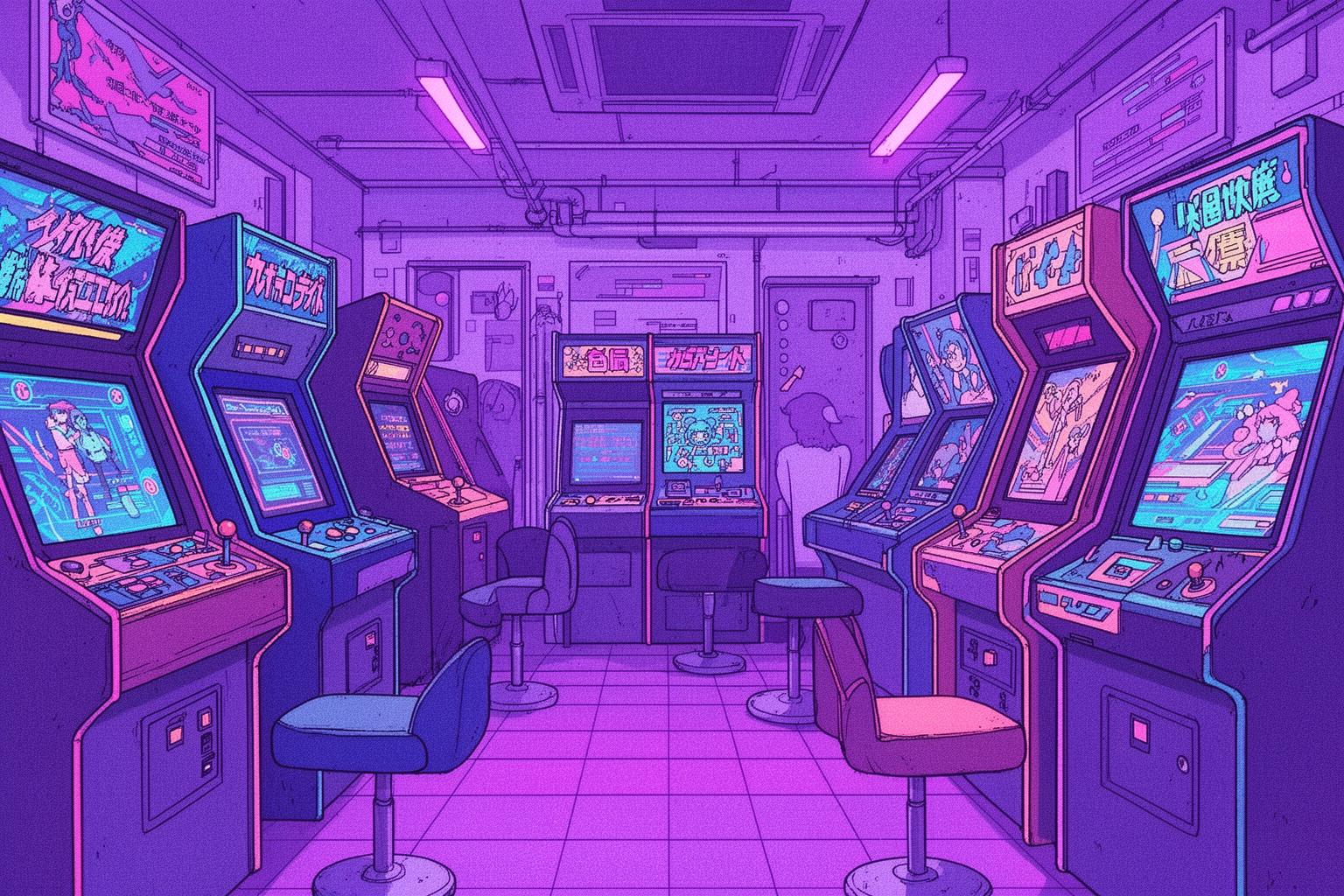
Ready to begin your pilgrimage? These digital spirits aren’t found just anywhere. You need to visit the high-energy spots where the boundary between the physical and spectral worlds is thin. These are the shrines, the sacred grounds of retro gaming in Japan. Each holds its own unique energy and its own pantheon of potential Tsukumogami.
Game Center Mikado: Takadanobaba’s Fighting Game Mecca
If Japanese retro arcades were a religion, Mikado would be St. Peter’s Basilica. Located a short walk from Takadanobaba Station in Tokyo, this legendary spot is more than an arcade—it’s an institution, a living archive of gaming history, and a pressure cooker of competitive energy. Finding it is part of the journey: you’ll navigate a bustling student neighborhood before spotting its modest entrance. The real magic begins as you descend the stairs or squeeze into the tiny elevator to explore its multiple, labyrinthine floors.
Inside, the atmosphere is dense and intoxicating. It’s a chaotic symphony of sound and light, with cabinets packed into every possible space—sometimes back-to-back so tightly you can barely slip through. The main floor is often devoted to the gods of fighting games, Mikado’s specialty. Rows of legendary titles—Street Fighter (every version imaginable), King of Fighters, Virtua Fighter, Guilty Gear, and obscure SNK games mostly known online—fill the space. The energy here is off the charts. You’ll witness some of the world’s most skilled players, their movements precise and economical, their faces masks of intense focus. The sound is a constant barrage of combos, special move callouts, and the rhythmic, almost meditative clack-clack-clack of high-end Sanwa joysticks.
This is a prime hunting ground for Tsukumogami. The sheer concentration of venerable machines, combined with the community’s fierce passion, makes Mikado a supernatural hotspot. The spirits of these fighting game cabinets would be fierce, proud, and competitive. Look for a classic like Garou: Mark of the Wolves with a crowd gathered even on a Tuesday afternoon. That machine has main character energy. It has witnessed decades of legendary matches, borne the tension of countless tournaments streamed live to thousands. Its spirit is forged in competition’s crucible. You might experience a brief input lag just enough to ruin a crucial combo—not a glitch, but the machine testing your resolve to see if you’re worthy. A victory on such a machine feels spiritually earned. Don’t overlook other floors; Mikado also boasts incredible sections for shoot-’em-ups, puzzle games, and classic side-scrollers. The Tsukumogami of a shmup cabinet like Dodonpachi would be a being of pure focus and controlled chaos, its spirit a frantic ballet of bullet patterns. Reaching Mikado is easy via the JR Yamanote line to Takadanobaba. Pro tip for hunters: bring a dedicated coin purse—you’ll be feeding 100-yen coins into these spirits all night.
Natsuge Museum: Akihabara’s Time Capsule
If Mikado is a chaotic, competitive dojo, then the Natsukashii Game Museum (Natsuge Museum) is a quiet, reverent shrine. Tucked away on an upper floor of a nondescript building in Akihabara’s electric heart, finding it feels like uncovering a secret. Akihabara itself overwhelms the senses, but upon entering Natsuge’s floor, the mood shifts. It’s calmer, more curated, steeped in ‘natsukashii’—the Japanese sense of fond, wistful nostalgia.
The layout is more spacious, the lighting softer. It feels less like a crowded arcade and more like a playable museum, which is exactly the intention. Here lie the ancestors, the primordial gods of gaming. Vintage tabletop versions of Space Invaders, where you peer down into the cabinet, original early-80s Pac-Man and Donkey Kong machines, and even older, obscure electromechanical games from the 70s—all present. These aren’t merely old; they’re ancient by digital standards. The sounds here are gaming history’s foundational melodies: the hypnotic four-note loop of Pac-Man, the marching bassline of Space Invaders’ advancing aliens. The soundscape is clearer and more distinct than Mikado’s cacophony.
The Tsukumogami here belong to a different breed: the old gods. These machines approach the century mark. The spirit of a 1978 Space Invaders cabinet is patient and methodical, defined by relentless logic: descend, destroy, repeat. It has witnessed the birth of the video game industry and watched games evolve from simple light patterns to sprawling 3D worlds. Its perspective is vast. Playing these machines feels like conversing with the past. Controls may be stiff; CRT screens might glow with a ghostly burn-in of alien shapes, permanent scars from millions of games played. These imperfections are marks of age and wisdom. A glitch here feels profound, like a whisper from history itself. Akihabara is easily reached by multiple train lines. The key tip is to look up—many of Akiba’s best spots hide on upper floors of tall, narrow buildings. Don’t hesitate to hop into a random elevator; you may just find a portal to the past.
Zarigani Arcade: Osaka’s Neighborhood Haunt
Next, take the Shinkansen west to Osaka, a city with a voice all its own—louder, bolder, and a bit grittier than Tokyo. In the vibrant, slightly chaotic Amerikamura district lies Zarigani, a small, single-room ground-floor spot that feels more like a local dive bar than a major destination. This is its charm.
The atmosphere is intimate and fiercely local. You’re likelier to encounter a handful of hardcore regulars than swarms of tourists. The air hums with a specific genre—often shoot-’em-ups or puzzle games—depending on the interests of the owner and community. The space is tight, decor minimal, with all focus on the games. It’s a place built by, and for, a dedicated community. The owner is usually present, tinkering with machines and chatting with regulars. It feels personal, like being invited into a private club.
The yokai here aren’t grand or intimidating; they’re local spirits, guardians of a small neighborhood shrine. The Tsukumogami of a puzzle cabinet like Puyo Puyo would be clever and mischievous, intimately familiar with the regulars’ playstyles. It might seem the machine knows your next move before you, dropping the exact piece you don’t want just to tease you. It’s a playful, familiar haunting. The close-knit community strengthens the player-machine bond. Regulars know every cabinet’s quirks intimately—they might say, “This joystick pulls slightly left; you need to compensate.” They’re not merely describing a flaw but the personality of a friend. Getting to know Zarigani’s machines is like getting to know the locals—a grounded, intimate form of yokai hunting and a perfect glimpse into Osaka’s unique gaming culture.
Anata no Warehouse: The Ghost of a Ghost Arcade
Sometimes the most powerful spirits dwell where things have ended. Consider the true ghost of Anata no Warehouse in Kawasaki. This legendary arcade, which sadly closed in 2019, wasn’t just retro—it was a meticulously crafted, immersive art installation resembling the Kowloon Walled City. The entrance was a rusty automated door that hissed open into a dark, grimy, neon-drenched alley. The attention to detail was extraordinary: fake grime, peeling posters, dripping pipes, even specific smells piped in to evoke cyberpunk dystopia. It was an environmental design masterpiece.
Inside sat an incredible collection of retro games in a haunting setting from the moment you entered. Playing R-Type in a room resembling a forgotten Hong Kong back-alley was transcendent. Although Anata no Warehouse is gone, its spirit and vision linger. Its closure is a poignant reminder of these places’ fragility. The machines it housed are now scattered—sold to collectors or other arcades, or worse, scrapped. This is the tragic side of the Tsukumogami tale. What becomes of a spirit when its vessel is destroyed or abandoned? Does it fade? Or become a wandering yokai searching for a new home?
Hunting for Anata no Warehouse’s “ghost” means seeking its influence. It raised the bar for what an arcade could be, blending gaming with art and narrative. A modern arcade with strong thematic design carries its legacy. And when you find a machine bearing a sticker from a vanished arcade, you’ve discovered an orphan. Treat it with reverence—its spirit has endured much. It’s a bittersweet hunt layered with mono no aware—the gentle sadness of passing things. It reminds us to cherish these magical places while they remain, before they too become memories.
The Hunter’s Guide: How to Spot a Tsukumogami
Alright, so you’re at the arcade with your coin purse ready. How do you actually find one of these digital spirits? It’s not about seeing a ghost emerge from the screen. It’s about tuning into the subtle language of the machines. It’s a feeling, a vibe, a series of small, mysterious moments. Think of yourself as a paranormal investigator, but for pixels.
First, use your eyes. Look beyond the game on the screen and observe the machine itself. Notice signs of a long life—the cabinet art, faded and worn in specific spots, especially around the controls. The screen with a faint, ghostly image burned into the phosphorus. Deep scratches and cigarette burns on the control panel—battle scars from decades of intense play. A machine with a rich physical history is more likely to have a developed spirit. Pay attention to the attract mode, the pre-programmed demo that runs when no one is playing. Does one machine’s demo seem more dynamic or chaotic than the identical machine beside it? Perhaps its spirit is impatient, trying to catch your attention.
Next, use your ears. An arcade is noisy, so you need to focus. Stand close to the machine you’re investigating and listen beyond the game audio. Hear the hum of the CRT monitor, the buzz of the power supply, the whir of an old fan. Every machine has its own unique baseline hum. A potential Tsukumogami might have a voice. You could notice a slight shift in pitch when you insert a coin, a subtle crackle when you pull off a difficult move. These are its whispers. The most obvious sound is the coin mechanism—the ‘ker-chunk’ when accepting your 100 yen. A truly spirited machine might provide a more satisfying, decisive clunk—the sound of acknowledging your offering.
Then, and most importantly, use your sense of touch and feeling. Play the game. This is how you truly communicate with the spirit. Pay attention to the controls. Are the buttons crisp or a bit soft? Does the joystick feel tight and responsive or loose and wild? These aren’t just mechanical details; they’re the machine’s handshake. You might find a machine whose controls resist you at first, but as you play more, they seem to sync with your intentions. That’s the machine learning you, accepting you. The ultimate sign, the holy grail for a Tsukumogami hunter, is the ‘glitch in the matrix’ moment: a graphical artifact appearing dramatically, a character acting outside its programming for a split second, a sound effect playing at an unexpected time. Is it a bug in the code? Or the Tsukumogami peeking through, trying to make contact? IYKYK. When it happens, you’ll know. It’s a moment of pure, unexplainable magic.
Gamer Etiquette in the Digital Shrine
When you’re hunting yokai in these sacred spaces, you need to show respect. This is not merely about being a courteous tourist; it’s about honoring the culture and the community that sustain these places. Breaking the unwritten rules is a serious faux pas, so here’s the guide.
First and foremost, respect the queue. In a busy arcade, especially at a popular machine, there will be a line. But it’s not a physical line. Players claim their spot by placing a 100-yen coin on the control panel or on the bezel of the screen. This is the universal signal for “I’m next.” Never remove someone’s coin or play on a machine marked with one. If you want to play next, simply put your coin next to theirs. It’s an elegant, honor-based system. Sometimes, a player might leave their drink or phone instead of a coin. The same rule applies—if something’s there, that machine is claimed.
Respect the players. Many you’ll encounter are deeply serious about their game. They’re not just fooling around; they’re training, competing, or fully immersed in the flow. Don’t be the loud, disruptive foreigner yelling at the screen. Avoid standing immediately behind someone, breathing down their neck. This is called “back-watching” and, while some don’t mind, it can create intense pressure for others. Give them space. If you want to watch, stand at a respectful distance. And if you plan to take photos or videos, be extremely discreet. Flash photography is absolutely prohibited. Some arcades ban photography altogether. Always check for signs, and even if allowed, avoid capturing players’ faces without their explicit permission. They’re here to play, not to be part of your travel vlog.
Respect the machines. These are venerable spirits with history. Don’t treat them like new equipment. Don’t slam your fists on the control panel when you lose (this is called “dai-pan” and is strongly frowned upon). Avoid spilling drinks on the cabinet. Handle the controls gently—they’ve been through a lot. The currency of this realm is the 100-yen coin. Most machines won’t accept anything else. There are always change machines (“ryogae-ki”) that break down 1000-yen bills into a satisfying cascade of coins. It’s wise to get change before choosing a game so you’re ready to play. By following these simple rules, you show you understand this is more than a business—it’s a community and a culture. The regulars, and perhaps even the Tsukumogami, will appreciate your respect.
Beyond the Arcade: Fueling Your Hunt
Your spiritual journey doesn’t have to stop when your stock of 100-yen coins runs dry. The neighborhoods around these legendary arcades are treasures in their own right, offering ways to deepen your experience and recharge your spirit.
After an intense session at Mikado in Takadanobaba, you’ll probably be starving. Luckily, this area is one of Tokyo’s fiercest ramen battlegrounds. Step into a local ramen-ya, savor a rich bowl of tonkotsu, and reflect on your gaming wins and losses. It’s the perfect way to come down from the adrenaline rush. The arcade’s energy seems to spill onto the streets, filled with students and office workers, creating a lively, buzzing atmosphere day and night.
In Akihabara, after communing with the ancient spirits at Natsuge Museum, your journey into the past can continue. This is Electric Town, after all. Visit a store like Super Potato, a multi-floor wonderland of retro games and consoles. Its shelves are packed with cartridges and discs from every generation, and the top floor even houses a small arcade. Here, you can purchase the home console version of the very game you just played—a tangible relic to take home. For a different kind of spiritual lift, take a short walk to Kanda Myojin Shrine. One of Tokyo’s most important shrines, it has taken on a modern twist as a patron for tech and IT. You can buy omamori (amulets) designed to protect your electronic devices from crashes. It’s the perfect blessing for your ongoing yokai hunt.
In Osaka, the area around Zarigani and Amerikamura is a hub of youth fashion and culture. After gaming, wander the streets, explore the unique vintage clothing shops, and head toward the Dotonbori canal. This is the heart of Osaka’s fame as Japan’s kitchen. Grab some takoyaki (octopus balls) or okonomiyaki (savory pancake) from a street vendor and enjoy it under the glow of giant neon signs, including the famous Glico Running Man. The lively, fun-loving spirit of Osaka provides a perfect balance to the intense focus of the arcade.
A Final Thought: The Ghosts We Carry
So why does this all matter? Why chase spirits in boxes of old circuits and wires? Because these arcades are more than entertainment—they are sanctuaries of culture. In a world that’s always upgrading, updating, and moving forward, they stand as powerful acts of preservation. They remind us that older technology isn’t simply obsolete; it’s a record of our history, creativity, and community. Each cabinet is a time capsule, a physical connection to a different era.
The concept of Tsukumogami—whether taken literally or metaphorically—is a beautiful way to view our relationship with the objects we cherish. We pour so much of ourselves into them—our time, emotions, passion—and in return, they live on in our memories. They become characters in our stories. The glitches, quirks, and worn-down joysticks are proof of a life well lived, a service faithfully performed. The spirits in these machines are not just the yokai of old tales; they are the collected echoes of every player who ever inserted a coin. They are the ghosts of a million high scores, the lasting energy of friendships forged before a glowing screen.
So when you visit these places, come with an open mind. Play the games, certainly. But also take a moment to stand, watch, and listen. Feel the history humming in the air. Place your hands on a control panel and imagine the thousands of others who have done the same before you. You might not see a ghost, but you will feel a presence. It’s the spirit of play, competition, and the enduring culture that believes even a humble arcade machine can have a soul. Now go find them.