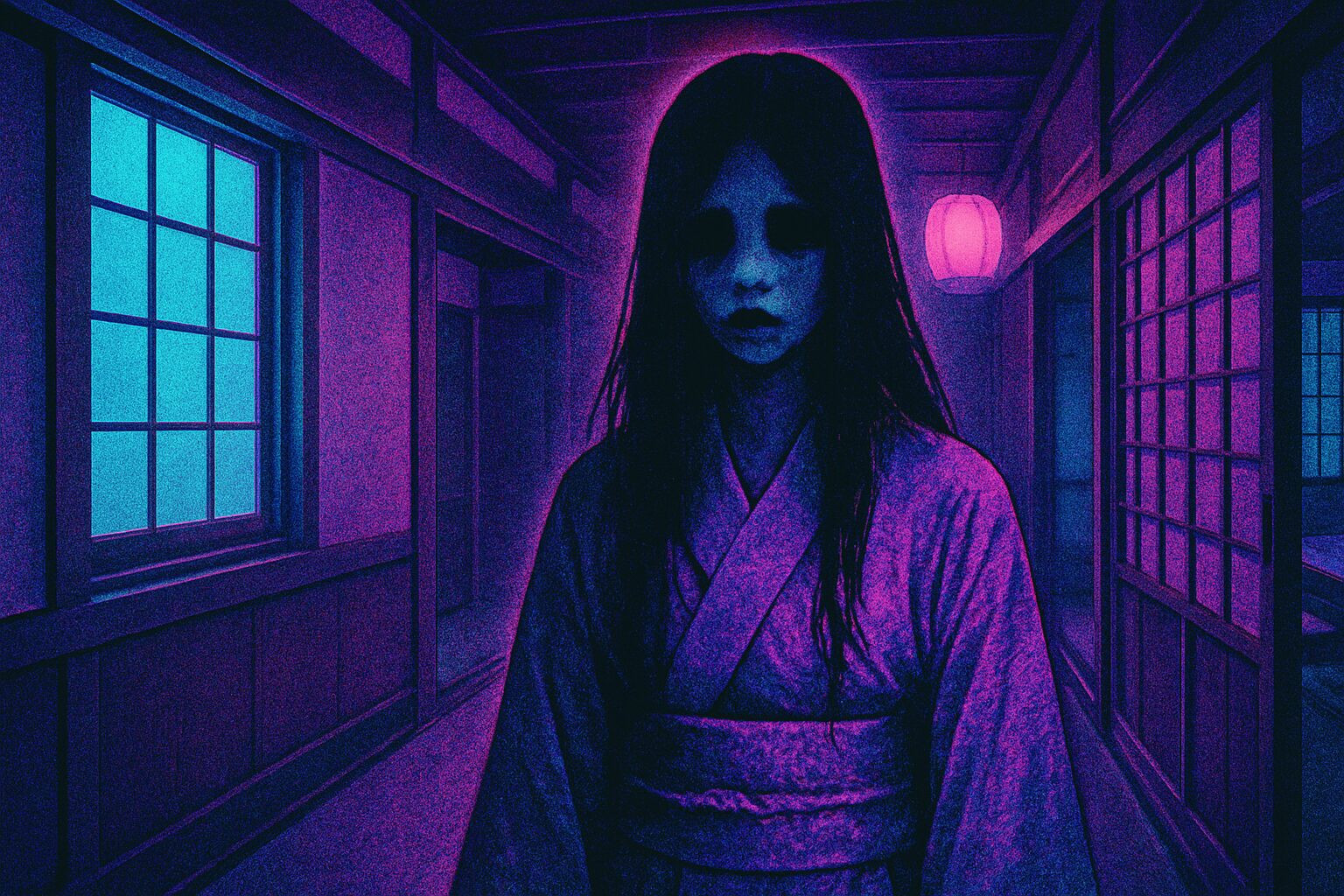
Alright, let’s talk about ghost hunting. When you hear those words, you’re probably thinking about spooky, abandoned buildings, flickering flashlights, and things that go bump in the night, right? Well, get ready to flip that script entirely. In Japan, specifically in the deep, soulful northern region of Tohoku, there’s a different kind of spirit on the scene—one you actually want to meet. We’re not talking about your typical chain-rattling specter. We’re talking about the Zashiki-warashi, a pint-sized, bob-haired spirit that’s less about the scares and all about the blessings. Think of them as the ultimate supernatural roommate, a bringer of good fortune and prosperity. If a Zashiki-warashi decides to hang out at your place, your family is basically set for life. But if they leave? Oof. Let’s just say you don’t want them to pack their tiny, invisible bags. The absolute best places to try and vibe with these lucky little legends aren’t creepy castles but cozy, traditional Japanese inns, or ryokans. And not just any ryokans—we’re talking about Showa-era gems, places that feel like a literal time machine to mid-20th century Japan. These inns are dripping with atmosphere, history, and the kind of authentic charm that modern hotels can only dream of. It’s a journey that’s one part cultural deep dive, one part foodie adventure, and one part wholesome ghost quest. It’s about chasing a feeling, a connection to Japan’s living folklore, and maybe, just maybe, getting a little bit of good luck to take home with you. So, if you’re down for an adventure that’s more Ghibli than horror movie, you’re in the right place. Let’s get into the world of Zashiki-warashi and the incredible Showa-era inns they call home.
For a different kind of supernatural treasure hunt, you can also try chasing yokai-themed lucky charms in Japan’s capsule toy corridors.
The 411 on Zashiki-warashi: Japan’s Cutest Ghost
Before we pack our bags and head north, you need to know who we’re searching for. A Zashiki-warashi isn’t your typical ghost. The folklore is highly specific and has been passed down through generations, especially in Iwate Prefecture, which is essentially the Zashiki-warashi capital of the world. Understanding the legend is crucial to truly appreciating the experience, because this is much more than just trying to capture an orb on camera.
Who Exactly Is She? The Lore and the Legend
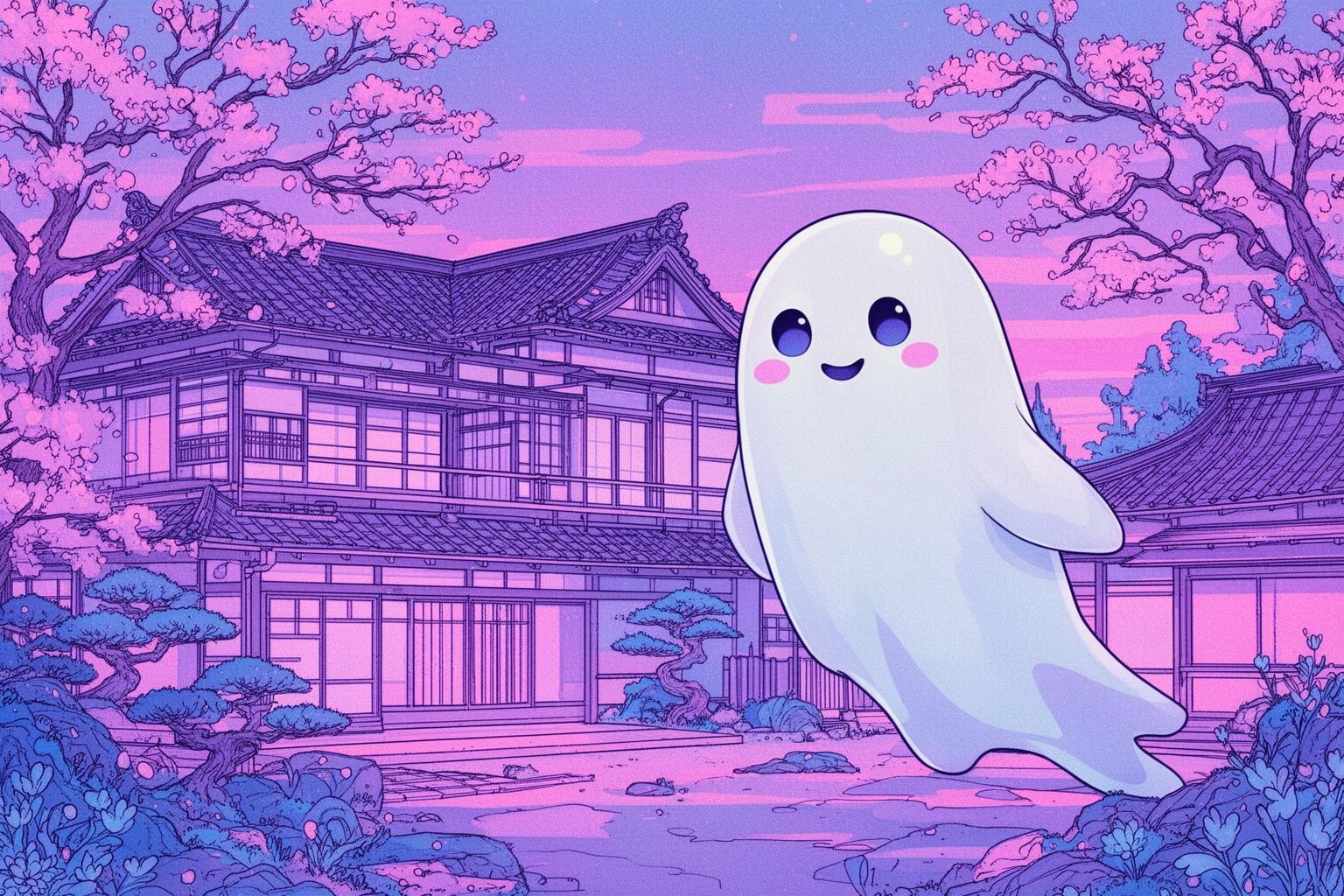
Imagine this: a small child, around five or six years old, with a classic bob haircut, or okappa, and a round, rosy-cheeked face. They’re usually depicted wearing a traditional kimono, sometimes an elaborate one with patterns, sometimes a simpler style. This is the iconic image of the Zashiki-warashi. They are essentially childlike spirits, meaning their behavior is a blend of shy, curious, and playful. They’re known to leave tiny footprints in ash or powder, play with toys left out for them, and occasionally you might hear the rustling of paper or a soft giggle in the dead of night. Some guests report feeling a slight weight on their chest as if a child is sitting there while they sleep—which sounds a bit eerie, but in this context, it’s considered a major sign of good luck. You’ve been chosen!
At the heart of the Zashiki-warashi legend lies this dual nature of fortune. As long as the spirit remains in a home or inn, the family or business prospers. They’ll enjoy success, wealth, and happiness. The spirit acts as a guardian, a secret source of prosperity. But the reverse side is quite dramatic. If the Zashiki-warashi departs, the household’s luck plummets. The business may fail, and the family could face hardship. It’s a total reversal of fortune. That’s why homeowners and innkeepers do everything possible to make the spirits feel welcome and content. It’s a relationship based on respect and a bit of fear. You want them to stay, so you treat them like honored guests. This dynamic is what makes the whole story so compelling. It’s not about exorcising a spirit; it’s about inviting one in and hoping they enjoy the atmosphere enough to remain.
More Than a Myth: A Cultural Vibe
The tales of Zashiki-warashi are deeply embedded in the cultural fabric of the Tohoku region. This area of Japan has historically endured harsh winters and economic struggles, so it makes sense that a folklore about a bringer of fortune would be so meaningful and enduring. The origins are disputed, but many folklorists link the legend to the spirits of children who passed away long ago. It’s a sad yet touching backstory that adds emotional depth to the belief. These spirits aren’t merely abstract good-luck symbols; they embody a profound cultural memory and a shared hope for a better future.
What’s truly remarkable is how this belief remains alive and vibrant today. People from all across Japan, and now from around the world, travel to these ryokans in Iwate. They come not just for a quirky travel experience but often with genuine hopes of being blessed by the Zashiki-warashi. Business owners praying for success, couples wishing for a child, students hoping for good exam results—they all visit these inns, leave offerings of toys and candy, and spend the night in quiet anticipation. It’s a living tradition, a beautiful fusion of folklore, spirituality, and tourism. It demonstrates how these ancient stories still hold tremendous power and relevance in our ultra-modern, hyper-connected world. It’s a reminder that we all secretly long for a bit of magic.
Time-Traveling to the Showa Era: Why These Inns are the Main Character
Alright, so we know who we’re searching for. But where we search is equally crucial. We’re specifically targeting Showa-era ryokans. The Showa period, spanning from 1926 to 1989, was a time of profound change in Japan. The inns constructed during this era, especially the older ones, possess a unique charm that feels truly magical. They’re more than just buildings; they tell stories. Staying in one isn’t merely lodging—it’s complete immersion. The atmosphere is so palpable, you can almost feel the history embedded in the walls.
The Aesthetic is Everything
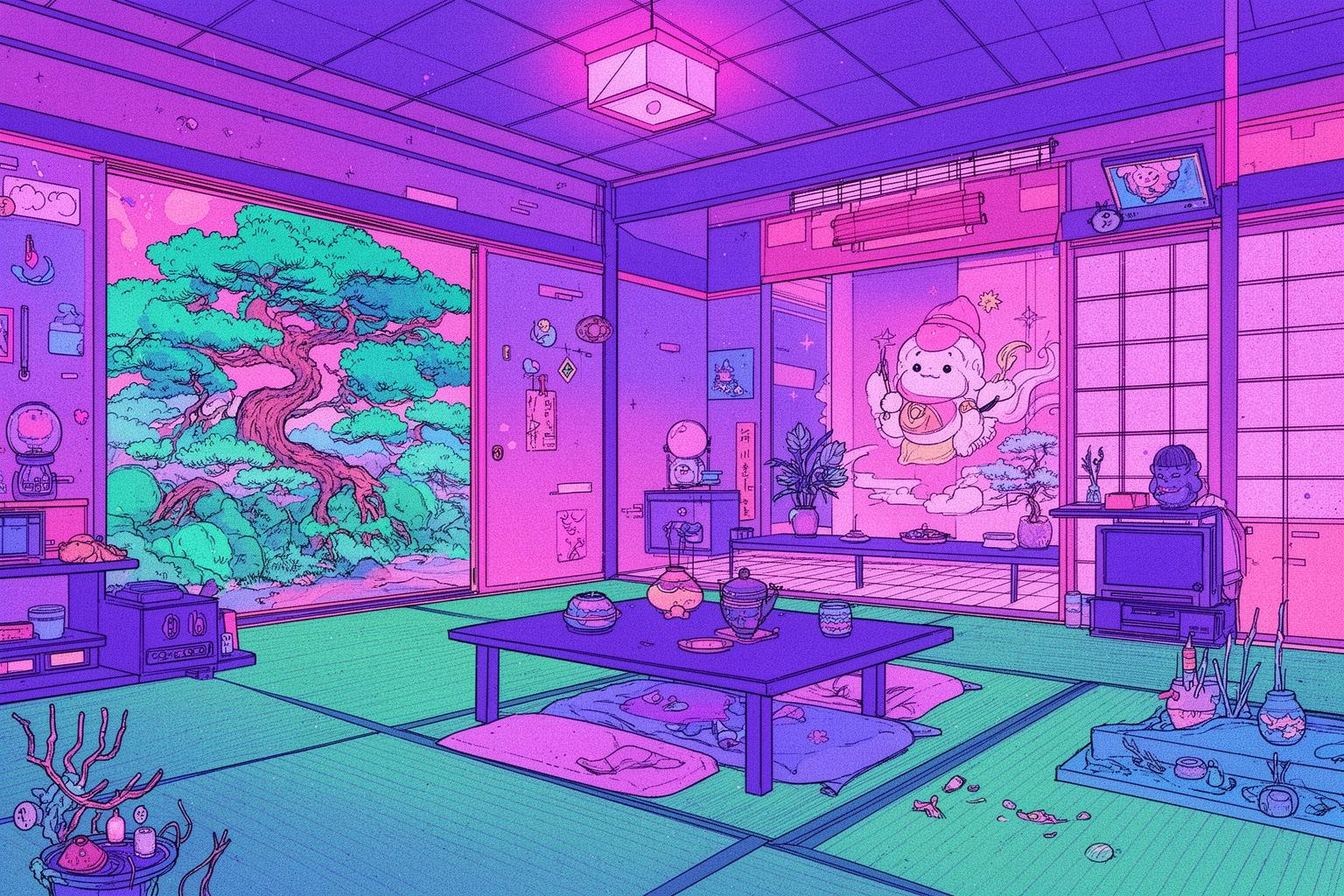
Forget about minimalist-chic hotels. A Showa-era ryokan is a masterclass in texture, shadow, and ambiance. The aesthetic is warm, dark, and deeply natural. Picture long hallways with polished dark wood floors that creak beneath your steps, echoing the footsteps of countless guests who came before you. The rooms are separated by fusuma (sliding opaque doors) and shoji (sliding paper screens), which diffuse daylight into a gentle, ethereal glow. The centerpiece of every room is the tatami mat floor. The scent of dried igusa reeds is one of Japan’s most iconic aromas—earthy, clean, and instantly soothing. It’s a fragrance that grounds you and connects you to the building’s natural materials.
The architecture is crafted to play with light and shadow. The roof’s eaves are often deep, casting a dim, tranquil atmosphere inside that feels both protective and mysterious. You’ll notice exquisite details everywhere, from the wooden carvings in the transoms above the doors (ranma) to the simple elegance of the tokonoma alcove, where a single flower arrangement or a piece of calligraphy is displayed. This thoughtfully curated aesthetic invites you to slow down and appreciate the small things. The entire structure feels alive, breathing with history, making it the perfect backdrop for a supernatural encounter. It radiates strong nostalgic energy, a gateway to a Japan both long gone and perfectly preserved.
Analog Living in a Digital World
One of the greatest pleasures of staying in an old ryokan is the opportunity to unplug. High-speed Wi-Fi is often not a priority here, and honestly, it’s a blessing. Instead of endlessly scrolling on your phone, you find yourself listening to rain dripping from the eaves or watching koi fish float in the central garden pond. The focus shifts from the digital realm to the physical one. It’s a kind of enforced mindfulness that feels incredibly rejuvenating.
This experience is worlds apart from the uniformity of modern hotel chains. There are no plastic key cards here; you receive a heavy, old-fashioned key with a wooden tag. The service is deeply personal, often delivered by the family who has owned the inn for generations. They’ll welcome you with a warm bow, offer green tea and a small sweet in your room, and lay out your futon in the evening while you’re at dinner. Everything is done with ritual and care. This heartfelt approach is what makes these places truly special. They haven’t been stripped of their character. They have quirks, imperfections, and a tangible sense of history. They feel genuine. And it’s in that authenticity, that quiet analog space, where you might just sense something beyond the ordinary.
The Ultimate Zashiki-warashi Hotspots: Your Ghost-Hunting Itinerary
Now for the main event. While legends of Zashiki-warashi appear across Japan, Iwate Prefecture is the ultimate hotspot. This region hosts the most famed and revered inns. Securing a room at one of these can be quite the challenge—some reservations are booked out months or even years ahead. However, if you succeed, you’re in for an unforgettable experience. Let’s explore the holy trinity of Zashiki-warashi ryokans.
Sugawara Ryokan (菅原館), Iwate: The Original Experience
For the classic, unfiltered Zashiki-warashi encounter, Sugawara Ryokan is the place to be. This inn is legendary—a genuine old-school, no-frills establishment centered entirely on the folklore. It isn’t a luxury resort; rather, it’s a living piece of history whose main attraction is the chance to meet its resident spirit.
The Vibe
From the moment you arrive at Sugawara Ryokan, you realize you’re somewhere truly special. The building is a traditional wooden structure that seems to have stood there forever. Run by an elderly couple who serve as its caretakers, the atmosphere is quiet, respectful, and filled with anticipation. Every guest shares the same purpose and excitement. Dim corridors creak underfoot, and the whole inn feels like it’s holding its breath, waiting for nightfall. It’s quietly one of the most atmospheric places you’ll ever stay.
The Legendary “Kiri no Ma” (Room of the Paulownia)
The most famous room here is the “Kiri no Ma,” where the Zashiki-warashi is said to appear most often. Booking this room is like winning the lottery. Inside, you’ll find a small altar piled high with toys, sweets, and offerings left by previous guests—dolls, toy cars, candy, marbles, origami cranes—a vibrant celebration of hope and belief. The energy in the room is electric but not frightening; it feels playful and full of promise. Guests report hearing the sound of a bouncing ball, spotting shadowy figures in photos and videos, and feeling gentle touches or tugs on their blankets during the night. The guestbooks overflow with incredible stories and photos of mysterious orbs of light. It’s a place that blurs the boundary between the real and the supernatural.
A Foodie’s Delight: Tohoku’s Best
Even in a ghost-focused setting, the food remains paramount. This is Japan, after all. At Sugawara Ryokan, you’ll enjoy an authentic multi-course kaiseki dinner served in your room, showcasing the finest local ingredients. Expect grilled river fish lightly salted, a bubbling nabe pot filled with local meats and vegetables, and a variety of sansai (wild mountain vegetables) foraged nearby. The humble, hearty dishes beautifully reflect the region’s landscape, with clean, pure flavors that perfectly complement the inn’s honest, unpretentious spirit.
Practical Info: Getting There and Booking
Reaching Sugawara Ryokan takes some planning. It’s nestled in rural Iwate, so driving is the easiest option. Alternatively, you can take a train to Morioka, Iwate’s capital, then catch a local bus or taxi. Online booking is not an option; this is an old-fashioned operation. You’ll likely need to reserve by phone (it helps to speak some Japanese or have a friend assist). Prepare to book far in advance, especially for Kiri no Ma. This isn’t a spontaneous weekend getaway; it demands dedication.
Ryokufuso (緑風荘), Iwate: The Icon Reborn
Ryokufuso is arguably Japan’s most famous Zashiki-warashi inn, renowned nationwide. Its story is one of tragedy and renewal. It’s more polished and modern than Sugawara Ryokan but equally steeped in legend.
An Unquenchable Legend
The original Ryokufuso was a historic inn welcoming guests for centuries and famed as the place to meet the Zashiki-warashi spirit named Kame-maro. Tragically, in 2009, the inn was destroyed by a fire, a huge loss of cultural heritage. Yet from the ashes came a powerful tale: during the blaze, the innkeeper’s family was reportedly guided to safety by a hazy childlike figure navigating through the smoke. The small shrine to Kame-maro in the garden survived unscathed, confirming the belief that Kame-maro was still protecting his home, awaiting reconstruction.
The New Ryokufuso: Blending Tradition with Modern Comfort
Rebuilt a few years later, the new Ryokufuso is a beautiful modern structure that incorporates classic Japanese design. It’s larger and more luxurious than before, offering all the modern conveniences. Still, the spirit of the old inn lives on. The owners have taken great care to honor its history and guardian spirit. The room where Kame-maro reportedly appears most frequently is the “Enju no Ma,” which, like its predecessor, features toys and offerings. Guests continue to share strange and wonderful experiences, and the story of fire and rebirth adds a profound new chapter to the inn’s lore, making stays here deeply meaningful.
Leveling Up: Onsen and Cuisine
As a modern ryokan, Ryokufuso offers excellent amenities, including beautiful onsen baths both indoors and outdoors with tranquil mountain views. The dining is another highlight, with kaiseki meals that are refined and contemporary, creatively highlighting local Iwate ingredients. It perfectly combines supernatural adventure with a relaxed, high-end ryokan atmosphere.
Practical Info: Access and Booking
Ryokufuso is more accessible for international visitors, located in Ninohe, which has a Shinkansen (bullet train) station, making travel from Tokyo relatively easy. It features an English website and an online booking system, simplifying reservations. Still very popular, it’s wise to book well in advance, but the process is far easier than at more traditional inns.
Warabe Zashiki Tashiro Ryokan (タガマヤ村), Iwate: A Whimsical Folk Village
For a wholly different experience, check out Tashiro Ryokan, also known as Tagamaya-mura. Rather than a single inn, it’s like a tiny enchanted village composed of restored traditional thatched-roof farmhouses (kominka). The atmosphere is less formal, more rustic, like stepping into a Japanese fairy tale.
Pure Ghibli Vibes
From the moment you arrive at Tagamaya-mura, it feels like stepping onto the set of My Neighbor Totoro. Nestled in a beautiful, secluded valley, the massive thatched roofs of the old farmhouses charm instantly. The entire village invites you to travel back to a simpler, magical time in rural Japan. It’s whimsical, peaceful, and carries an almost dreamlike ambiance. The place exudes main-character energy.
Meeting the Spirits: Tagamaya-hime
The Zashiki-warashi here is a girl named Tagamaya-hime. Each farmhouse you can stay in has its own personality, and guests report encounters scattered across the village. The experience is more spread out and organic than in a single room—footsteps on a wooden veranda, a small face peeking through a window. The focus is on immersing yourself in traditional life and remaining open to whatever happens. It’s a gentler, more holistic way to connect with local folklore.
Hearth-Cooked Delights: The Irori Experience
One of the biggest highlights is the food. Many farmhouses feature a traditional irori, a sunken hearth in the main room. Dinner here is often a communal, interactive event where you grill fresh fish, vegetables, and mochi over glowing charcoal. Cozy, social, and delicious, sharing a meal cooked over open fire in a centuries-old farmhouse is an unforgettable way to connect with the region’s culture and history.
Practical Info: A Rustic Escape
This stay suits the adventurous traveler. While comfortable, the farmhouses are rustic, so don’t expect hotel-level luxury. The charm lies in the authenticity. As with the other inns, it’s best to book well ahead. Access is somewhat tricky, so having a car is strongly recommended to reach this secluded spot. For those willing to venture off the beaten path, the reward is a truly unique, magical stay far removed from modern life.
The Guest’s Playbook: How to Vibe with a Zashiki-warashi
So you’ve secured a reservation. Fantastic! Now what? Your role as a guest is incredibly important. You’re not merely a tourist; you’re a participant in a living tradition. Having the right mindset and showing proper respect can make all the difference.
Be a Respectful Roommate
Keep in mind, you are a guest in the spirit’s home. The key rule is to be respectful. This begins with the tradition of bringing an offering. Zashiki-warashi are childlike spirits, said to enjoy things children like. Small toys, marbles, origami, and sweets are common choices. When entering the room, place your gift on the altar or in the designated spot. It’s also customary to introduce yourself aloud—say your name, where you’re from, and thank them for allowing you to stay. It might feel a little strange at first, but it’s part of the experience. Be kind, open, and never demanding. You’re inviting their company, not commanding them.
Capturing Evidence (or Just the Mood)
Many guests like to capture photos or videos of their stay. This is perfectly fine, and the innkeepers are accustomed to it. The most frequently reported phenomena in photos are orbs of light. Whether these are dust particles or something otherworldly remains debated, but spotting them is fun. Some guests set up a video camera to record overnight, hoping to catch movement or sounds. Here’s expert advice: don’t become obsessed with capturing proof. Often, the most powerful part of the experience is something you feel, not see. Put your phone down for a while. Sit quietly in the room. Meditate. Listen to the sounds of the old building. Be present. The goal is to connect with the place’s atmosphere, which you can’t do if you’re glued to a screen.
What If You Don’t See Anything?
This is important. Managing your expectations is crucial. Actually witnessing a full apparition of a Zashiki-warashi is extremely rare. Most encounters are much subtler—a sound, a fleeting shadow, a feeling. Many guests experience nothing at all, and that’s totally fine. Remember, the trip is about far more than a ghost sighting. It’s about staying in a stunning historic building, enjoying amazing local cuisine, experiencing world-class Japanese hospitality (omotenashi), and immersing yourself in captivating folklore. The journey and atmosphere are the real treasures. Any spirit encounter is just a bonus. Go in with an open heart and a spirit of adventure, and you’ll have a memorable experience no matter what.
Beyond the Ryokan: Exploring the Heart of Tohoku
While the Zashiki-warashi inns are a major attraction, don’t make the mistake of just flying in and out for your ryokan stay. The Tohoku region is one of Japan’s most breathtaking and underrated destinations. It offers dramatic natural beauty, rich history, and incredible cuisine. You should definitely set aside a few extra days to explore.
Iwate’s Natural Wonders
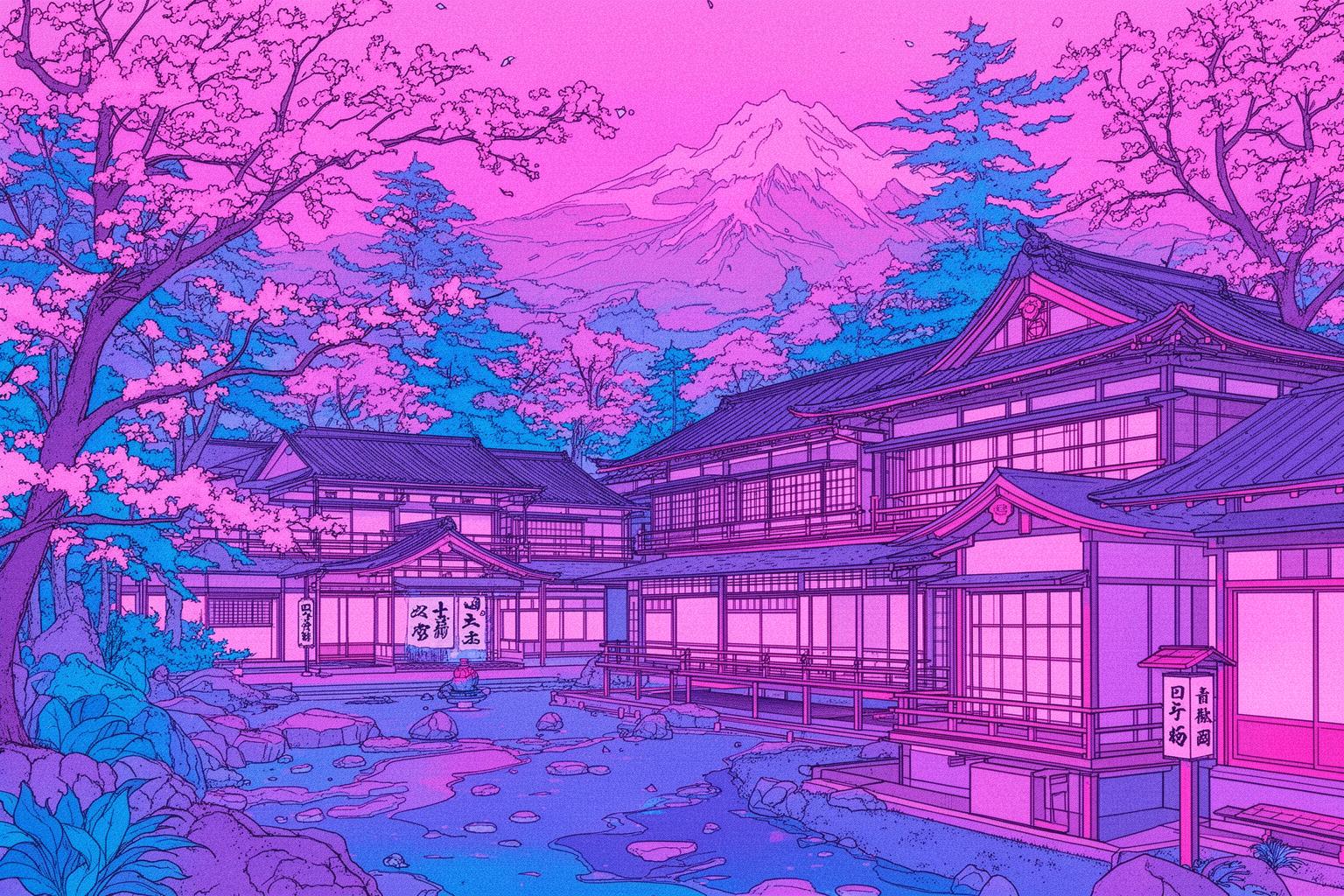
Iwate Prefecture is truly stunning. If you love nature, you’ll be in paradise. Take a boat ride through Geibikei Gorge, a spectacular limestone canyon with towering cliffs. In autumn, the Hachimantai mountains transform into a breathtaking tapestry of red, orange, and yellow leaves. Winter turns the area into a snowy wonderland, complete with ski resorts and enchanting snow festivals. Spring brings a sea of cherry blossoms, blooming a bit later than in Tokyo, giving you a second chance to catch them if timed right.
A Taste of the North
And the food! Oh my goodness, the food. Emily Johnson, your local foodie, insists you can’t leave Iwate without trying Morioka’s “Three Great Noodles.” First is Wanko Soba, a lively all-you-can-eat soba experience where a server keeps adding small servings until you signal you’ve had enough by covering your bowl. Then there’s Morioka Reimen, a cold noodle dish with Korean roots that is incredibly refreshing in summer. Finally, Ja-Ja Men features flat noodles topped with a savory meat-miso paste that you mix yourself at the table. Beyond noodles, the region is famous for high-quality beef, fresh seafood from the Sanriku Coast, and exceptional dairy products. Plus, the sake here is outstanding. Visit a local izakaya (Japanese pub) and ask for their jizake (local sake) recommendations—you won’t be disappointed.
Final Thoughts: More Than a Ghost Story
A journey to northern Japan in search of a Zashiki-warashi is far more than just a quirky travel tale. It’s an immersive exploration into the core of Japanese folklore and a wonderful way to experience a side of the country that often goes unnoticed by many visitors. It’s about slowing down, staying in a place full of soul, and opening yourself to the possibility of a touch of magic. It serves as a reminder that even in our hyper-rational, scientific world, there are still places where ancient beliefs endure, where a community’s hopes and dreams take shape as a mischievous, red-faced spirit child.
Whether you encounter a full supernatural experience or simply enjoy a quiet night in a creaky old inn, you’ll leave with a greater appreciation for the depth of Japanese culture. You’ll have savored the unique flavors of the Tohoku region and admired its stunning landscapes. And who knows? You might even carry a bit of that Zashiki-warashi luck with you on the rest of your journey. It’s a truly heartwarming adventure—a ghost hunt where the greatest reward isn’t a fright, but a blessing. And frankly, we could all use a little more of that. So go ahead, take the trip. The spirits are waiting.