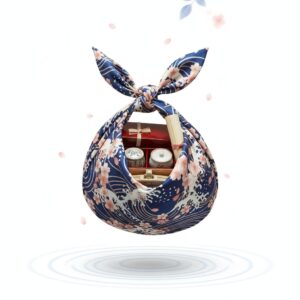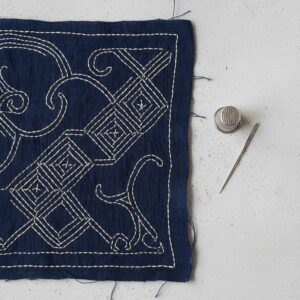
Alright, fam, let’s spill the tea. You think you know Japan? You’ve seen the neon glow of Tokyo, the serene temples of Kyoto, and you’ve probably double-tapped a million pics of fluffy pancakes and perfect ramen. But let me plug you into a secret that’s been hiding in plain sight, a cultural artifact that’s having a major glow-up and is about to change your whole travel game. I’m talking about Furoshiki. Say it with me: Fu-ro-shi-ki. It’s not a snack, it’s not a new anime, it’s the OG sustainable flex—a single piece of beautifully designed fabric that can be twisted, tied, and transformed into literally anything. A chic tote bag for your market haul? Bet. An eco-friendly way to wrap that bottle of premium sake you’re bringing home? Done. A stylish scarf to complete your fit? You already know. This isn’t just about wrapping gifts; it’s a full-blown lifestyle, a philosophy of beauty, utility, and respect for the planet, all folded into one perfect square. It’s the ultimate answer to the single-use plastic crisis, and honestly, it’s giving main character energy. In a world drowning in waste, Furoshiki is the elegant, artful life raft we all need. It’s a tradition with deep roots, but its comeback is so now, so necessary, and so unbelievably cool. Before we dive deep into the art of the knot and the soul of the square, let’s get you grounded. Peep the map below for a legendary spot in Tokyo where you can witness the magic firsthand. This is where the journey begins, where you can feel the fabrics and see the infinite possibilities. Prepare to get obsessed.
The Lowdown: What Even IS Furoshiki?

So, let’s dive into the details. What exactly is this magical piece of cloth that everyone’s suddenly raving about? At its essence, Furoshiki is a square piece of traditional Japanese wrapping cloth. But calling it merely a “wrapping cloth” is like calling a smartphone just a “phone”—a significant understatement. Think of it as the ultimate fabric multitool. These squares come in a wide variety of sizes, from tiny ones perfect for wrapping a small piece of jewelry to huge ones that can bundle up your entire bedding set during a move. The standard size you’ll most often see ranges from 50cm to 75cm, though they can exceed 200cm. There are no zippers, buttons, velcro, or single-use tape—the power lies entirely in the knot. The art of Furoshiki, known as Tsutsumi, is the skillful knowledge of folding and tying this simple square to securely carry, protect, and beautify objects of all shapes and sizes. It’s an elegant system of folds and knots passed down through generations—a silent language of care and thoughtfulness. When you gift someone a present wrapped in Furoshiki, you’re not only giving them the item inside but also the beautiful wrapper, which can be reused again and again. It’s a gift that continues to give—a perpetual cycle of functionality and beauty. This embodies the core of the concept of ‘mottainai,’ a profound Japanese cultural value meaning roughly ‘don’t be wasteful.’ Furoshiki is the tangible expression of mottainai. Why use a plastic bag destined for the trash within minutes when you can use a gorgeous cloth that can be a bag one day, a gift wrap the next, and a table runner the day after? It’s about recognizing the potential and value in everything, a mindset we can all appreciate. The materials themselves form an entire universe, ranging from everyday, sturdy cotton and resilient rayon to luxurious, whisper-soft silk crepe. Each fabric has its own character, its own way of holding knots, and its own story conveyed through texture and drape. And the designs? They span the full spectrum, from timeless traditional patterns rich with symbolism to bold, modern graphics crafted by contemporary artists. A Furoshiki is never just a practical item; it’s a piece of portable art.
A History Vibe Check: From Bathhouses to Eco-Baddies
To truly grasp Furoshiki, you need to understand its origins. This isn’t some new eco-trend that suddenly appeared on your feed last week. No joke, its roots stretch way, way back—over 1,200 years ago to the Nara Period in the 8th century. At that time, it was called ‘tsutsumi’ and used to wrap precious treasures and goods for temples and the imperial court, symbolizing respect and protection for valuable items. However, the name Furoshiki has its own rise story, and it’s quite relatable. Jump ahead to the Edo Period (1603-1868), a time of peace and thriving urban culture. Public bathhouses, or ‘sento,’ were the social hubs—think of them as local coffee shops or community centers. People visited sento to wash, relax, and gossip. But how did they keep their clothes from mixing with everyone else’s? They wrapped their kimonos and belongings in cloths often marked with their family crest. After bathing, they’d stand on the same cloth to dry off and dress. The name literally breaks down to ‘furo’ (bath) and ‘shiki’ (to spread)—thus, the “bath spread” was born. It was practical, clever, and a subtle way to show off family style with a cool pattern. From there, its use skyrocketed. Merchants used Furoshiki to transport wares, travelers as makeshift luggage, and families carried bento boxes for picnics beneath cherry blossoms. It was the original reusable bag, eco-friendly lunchbox, and versatile travel accessory all rolled into one—an essential part of daily life in Japan. Then came the 20th century. Post-war modernization brought the lure of Western convenience. The plastic bag arrived as a symbol of progress and throwaway culture, and paper bags became common in department stores. For a while, humble Furoshiki was seen as old-fashioned—something your grandma might use—and it slipped into the background, a beautiful tradition at risk of being forgotten. But a good thing can’t be kept down. The culture wouldn’t let this icon disappear. As awareness grew about the environmental disaster of single-use plastics, people in Japan began looking back, seeking solutions in their own traditions. There it was, patiently waiting: the Furoshiki. It proved to be the perfect antidote to a throwaway world. The government even launched campaigns to revive its use. Now, it’s experiencing a full renaissance, embraced by a new generation—not as a relic of the past, but as a stylish, clever, and powerful tool for a sustainable future. It’s the ultimate glow-up story.
The Furoshiki Glow Up: Why It’s Poppin’ Off RN

So why is Furoshiki experiencing such a huge revival? Honestly, it ticks all the boxes for today’s environmentally conscious consumer. First and foremost, it’s a zero-waste symbol. Consider the mountain of wrapping paper we create during holidays and birthdays—used once, torn off, and thrown away, often ending up in landfills since glitter and foil make it unrecyclable. It’s a sad, wasteful cycle that Furoshiki completely breaks. The wrap becomes part of the gift. The recipient doesn’t discard it; they reuse it. They can re-gift it, transform it into a bag, wear it as a headband, or use it as decor. The cycle is one of beauty and reuse, not waste and consumption. This hits home now more than ever, as many of us try to lessen our environmental impact. It’s a simple, elegant choice with real benefits. Beyond its eco-friendly nature, Furoshiki also boasts undeniable aesthetic charm. These cloths are simply stunning. The craftsmanship is breathtaking. You’ll find fabrics with delicate cherry blossom designs capturing the fleeting beauty of spring, bold geometric patterns with a modern feel, or playful prints featuring cats, sumo wrestlers, or iconic cityscapes. There’s a Furoshiki to suit every mood, occasion, and personality. Using one feels intentional and personal, showing extra thought and care. A bottle of wine is a nice gift, but a bottle elegantly wrapped in Furoshiki with a beautiful knot? That’s an experience—it elevates the act of giving. It’s also about creativity and personalization. There’s no single way to use a Furoshiki. Mastering different knots and wraps is a creative skill. You can pick a wrap that fits your gift’s shape perfectly or a bag style that complements your outfit for the day. It’s a form of self-expression—functional art you can touch, customize, and live with. In a world of mass production, that personal touch feels incredibly special and, dare I say, luxurious. And let’s not overlook its incredible versatility—this is where it truly shines. One cloth can be your grocery sack, lunch carrier, picnic blanket, camera protector, travel organizer, and fashion accessory. It declutters your life. Instead of juggling dozens of bags and containers, you have a small collection of beautiful fabrics that adapt to any need. It’s the ultimate minimalist life hack, rooted in centuries of Japanese wisdom. IYKYK. It’s this powerful blend of sustainability, beauty, creativity, and mind-blowing practicality that fuels its rising popularity. Furoshiki isn’t just a trend; it’s a movement. A mindful lifestyle that feels both timeless and strikingly modern.
Mastering the Art: Your Guide to Tying the Knot (Literally)
Alright, you’re convinced. You’ve got your Furoshiki, it’s looking lovely on your table, but what’s next? Don’t be daunted by the seemingly intricate knots and folds. It’s much easier than it appears, and once you master a few basic techniques, you’ll be unstoppable. It’s like learning to tie your shoes—just a bit of practice and it becomes second nature. The key is to be patient, enjoy the process, and don’t hesitate to experiment. The fabric is forgiving. Let’s walk through some foundational wraps that will turn you into a Furoshiki pro in no time. We’ll go step-by-step, so grab a square piece of cloth— even a bandana or tea towel works for practice—and let’s get started.
The Basic Wrap (Otsukai Tsutsumi)
This is your tried-and-true wrap, perfect for almost any box-shaped item. Think books, bento boxes, or that adorable souvenir you brought home. It’s clean, elegant, and very secure. First, lay your Furoshiki flat on a table, forming a diamond with one corner pointing toward you. Place your item in the center—imagine it as the heart of the cloth. Next, take the corner closest to you and fold it up and over your item, tucking any excess fabric neatly underneath. It should fit snugly, like tucking your item into bed. Then, take the farthest corner—the one at the top of the diamond—and fold it down over the item, covering it entirely. This is where you can adjust the smoothness and tightness of the fabric. Now you have two remaining corners, one on the left and one on the right—the ‘wings.’ Pick them both up, gathering the fabric in your hands. You’ll feel the cloth gently hugging the object. Bring these two corners up and toward the center, right on top of your wrapped item. Here’s the pivotal moment: tie a ‘mamusubi,’ which is a square knot. Cross the right corner over the left and loop it underneath, pulling tight. Then cross the left corner over the right and loop it under again. Pull the ends firmly to create a neat, flat knot that won’t slip. Adjust the ‘ears’ of the knot to stand perkily or lie flat elegantly. And that’s it! You’ve completed the Otsukai Tsutsumi—a timeless classic. Secure, beautiful, and incredibly satisfying.
The Bottle Wrap (Bin Tsutsumi)
Bringing wine or sake to a dinner? Ditch the paper bag. The bottle wrap is the ultimate stylish option and surprisingly straightforward. There are various ways to do it, but the two-bottle wrap is a classic that works perfectly even for one. Lay your Furoshiki flat in a square shape. Place one bottle in the center, or two side-by-side if you have them. Then roll the bottle(s) up in the fabric from the bottom edge to the top, creating a long, fabric-covered tube that resembles a giant spring roll. Stand this tube upright. Two fabric ends will stick out at the top. Separate the bottles slightly inside the fabric tube to give you room to tie. Take the two fabric ends and tie them together in a tight, secure mamusubi (square knot) right between the bottles. The fabric should cinch nicely around the bottle necks. For the finishing touch, grab the fabric points at the bottom corners of the roll (those little dog-ears). Bring them around to the front and tie another knot. This forms a handle and secures the base. If wrapping just one bottle, tie the two top corners together in a knot, then twist the fabric around the bottle and tie another knot to create a handle. It looks chic every time and protects the bottle perfectly.
The Book Wrap (Hon Tsutsumi)
For book lovers, this one’s for you. Wrapping a book in Furoshiki honors the stories inside and protects the cover and corners—a big bonus for travelers. Lay the Furoshiki flat in a diamond shape. Place the book horizontally across the center. Fold the bottom corner up over the book, then fold the top corner down, tucking it under the book to hold the fabric in place. You’ll now have a band of fabric across the book’s middle, with the left and right corners free. Carefully flip the book over; you’ll see the smooth folded side. Bring the left and right corners to the center and tie them in a simple, elegant knot. This creates a beautiful, symmetrical wrap that looks like a custom book cover. It’s a thoughtful way to gift a book or stylishly carry your current read to the café. It’s giving dark academia vibes, and we are loving it.
The Bag Flex (Shizuku Bag)
This wrap will change your life. Transforming a square of fabric into a functional, stylish bag is the ultimate Furoshiki move. The Shizuku, or “drop” bag, is among the easiest and most versatile. Lay the Furoshiki flat, wrong side up. Tie two opposite corners together in a secure square knot. Then, tie the other two opposite corners together in another secure knot. You should have a fabric pouch with two large loops. Now simply pull one knotted loop through the other. That loop becomes your bag handle. The weight of your items will pull the fabric taut, forming an elegant teardrop shape. Perfect for carrying your wallet and keys, a small grocery trip, or even as a unique evening bag if you use a silk Furoshiki. It takes just seconds to make and can be untied and folded flat to fit in your pocket afterward. This is sustainable, portable design at its finest. Try it once, and you’ll never see plastic bags the same way again.
Let’s Go Shopping: Where to Cop Your Furoshiki in Japan
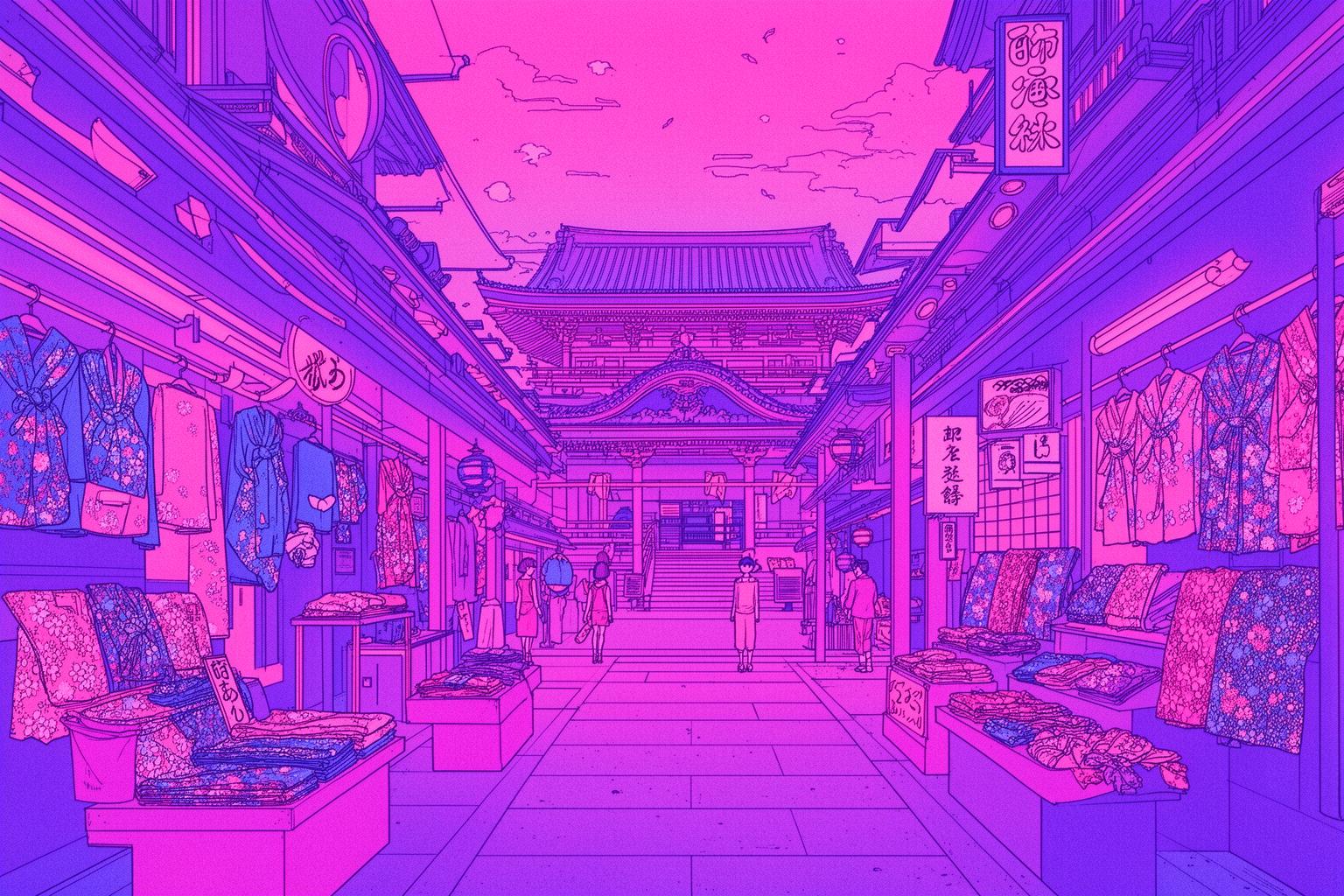
Alright, you’re ready to start your collection. But where can you find the best Furoshiki in Japan? You’re in luck, as Furoshiki are everywhere—from upscale department stores to small, family-run shops. The search itself feels like a treasure hunt, and buying one adds to the charm. You get to touch the textures, admire vibrant colors up close, and often hear the stories behind the designs from the shopkeepers. It’s an experience that becomes a cherished memory.
Tokyo’s Hotspots: From Harajuku to Ginza
Tokyo is a Furoshiki lover’s dream, offering a wide range from traditional to ultra-modern. For a comprehensive shopping trip, visit the basement levels of major department stores like Mitsukoshi in Ginza or Isetan in Shinjuku. These ‘depachika’ usually have dedicated areas for traditional Japanese goods, boasting impressive Furoshiki displays. The staff are knowledgeable and often demonstrate wrapping techniques. It’s a perfect spot to explore many high-quality options in one place. For a more focused experience, check out a specialty Furoshiki store. The standout is Musubi, located in trendy Jingumae near Harajuku (marked on the map!). Walking into Musubi feels like entering a fabric art gallery. They collaborate with modern artists and designers, offering unique patterns you won’t find elsewhere. Passionate about promoting Furoshiki culture, they also host workshops. It’s essential for anyone serious about Furoshiki. Another treasure is Kamawanu in Daikanyama. Although known for their ‘tenugui’ (Japanese hand towels), they also offer a beautifully curated selection of Furoshiki, often featuring rustic, folk-art-inspired designs. It’s ideal for finding something with a warm, handcrafted vibe.
Kyoto’s Craft Center: Discovering Timeless Treasures
While Tokyo pulses with modern energy, Kyoto embodies deep tradition. This is the core of Japanese craftsmanship, where you’ll find Furoshiki steeped in centuries of history. Roam the Gion district or near Nishiki Market and discover small, exquisite shops specializing in traditional textiles. Seek out stores with a long family history. One iconic name is Miyai, a company crafting Furoshiki since the early 1900s. Their Kyoto showroom displays a vast collection, ranging from simple cotton prints to museum-quality, hand-dyed silk pieces. Another excellent destination is the Kyoto Handicraft Center, offering a wide array of regional crafts, including an impressive Furoshiki section. While more tourist-oriented, it’s a dependable place for authentic souvenirs. In Kyoto, notice the fabrics; you’ll often find ‘Chirimen’ crepe, a specialty textile with a unique, crinkled texture that drapes beautifully and lends a luxurious feel to Furoshiki.
Outside the Major Cities: Hidden Gems and Artisanal Workshops
Don’t overlook smaller towns and rural areas, often where the true hidden gems are found. When visiting textile-famous spots like the Kurashiki Bikan Historical Quarter in Okayama or Arimatsu in Nagoya (known for shibori dyeing), stay alert. You may come across small studios where artisans hand-dye Furoshiki using traditional family techniques. Buying directly from the maker is an unforgettable experience—you hear their story, appreciate their craft, and walk away with a truly one-of-a-kind piece. These Furoshiki often become family heirlooms. Also, explore museum gift shops! The Tokyo National Museum and Kyoto National Museum often carry exclusive Furoshiki inspired by famous artworks in their collections. It’s like bringing home a piece of art history that you can actually use. No matter where you are in Japan, finding your perfect Furoshiki is part of the adventure—an invitation to slow down, appreciate craftsmanship, and connect with a timeless aspect of Japanese culture.
Choosing Your Fighter: A Deep Dive into Furoshiki Fabrics & Designs
Stepping into a Furoshiki shop can be an exhilarating sensory experience in the best possible way. The vast array of fabrics, colors, and patterns is truly impressive. So, how do you decide? It’s not merely about selecting a pretty design; the material and pattern significantly influence how the Furoshiki functions and what message it conveys. Let’s explore the main fabric options and uncover the meanings behind some iconic patterns.
Cotton: The Everyday Champion
Cotton is the most common and accessible material for Furoshiki. It’s your reliable all-rounder—durable, easy to clean, holds knots securely, and comes in endless prints. Cotton Furoshiki are ideal for daily uses like carrying groceries, wrapping a bento box, or packing gym clothes. They’re affordable, so you won’t worry about putting them to good use. There are various cotton weaves, ranging from smooth, crisp broadcloth to a slightly thicker, textured ‘shantung.’ For beginners, a medium-weight cotton Furoshiki is the perfect choice. It’s easy to manage and very forgiving when mastering knot-tying.
Silk: The Luxurious Monarch
Silk reigns supreme in the Furoshiki world. It’s reserved for the most special occasions—wrapping wedding gifts, meaningful presents, or as an elegant accessory for formal events. Silk Furoshiki boast a beautiful sheen and incredible softness. They drape and flow in ways other fabrics simply cannot match. The colors come out particularly vibrant and rich on silk. However, silk is more delicate and demands careful handling (usually handwashing or dry cleaning). Knotting silk can be challenging due to its slipperiness, but the finished knot exudes unmatched elegance. A silk Furoshiki is an investment—a wearable work of art you’ll cherish.
Rayon/Chirimen: The Texture Master
Rayon offers a fantastic middle ground. It’s more affordable than silk but often feels just as soft and drapes beautifully. This fabric is popular for Furoshiki because it absorbs dye well, producing deep, vibrant colors. A common type of rayon is ‘chirimen’ or crepe, which features a distinctive puckered texture from twisting fibers during weaving. This crinkled surface provides a lovely tactile feel and more grip than smooth silk, making it easier to tie. Chirimen Furoshiki have a traditional vibe and are frequently used for formal gift presentations. They are durable and resistant to wrinkles, making them excellent for travel.
Interpreting the Designs: What Do the Patterns Mean?
Furoshiki patterns are more than decoration—they’re a language filled with symbols, stories, and seasonal references. Knowing their meanings adds a richer layer of appreciation. Many patterns draw inspiration from nature. Sakura (cherry blossoms) evoke spring, new beginnings, and the fleeting beauty of life. Momiji (maple leaves) symbolize autumn. Matching your Furoshiki pattern to the season is a subtle, distinctly Japanese way to show thoughtfulness. Animal motifs are also prevalent. Cranes (tsuru) symbolize longevity and good fortune, often chosen for wedding gifts. Turtles (kame) represent long life, while rabbits (usagi) connect to the moon and cleverness. Geometric designs carry deep symbolism as well. The ‘seigaiha’ wave pattern expresses peace and good luck. The ‘asanoha’ hemp leaf pattern represents growth and health, commonly used for baby gifts. The ‘karakusa’ scrolling vine pattern signifies eternity and prosperity. Selecting a Furoshiki with a particular design lets you imbue your gift with special meaning or wishes for the recipient. It transforms simple wrapping into a heartfelt gesture of care and communication. This cultural depth woven into the fabric is what elevates Furoshiki beyond just a piece of cloth.
Furoshiki for the Globetrotter: Level Up Your Travel Game

As a traveler, I’m always seeking ways to pack smarter, lighter, and more sustainably. Let me tell you, Furoshiki is the ultimate travel hack—it’s like having a Mary Poppins bag tucked in your pocket. Just a few well-chosen Furoshiki can replace a dozen other travel essentials. For starters, they make excellent packing cubes: you can wrap your shirts in one, your socks and underwear in another, and toiletries in a third, keeping your suitcase tidy and compressed. Unlike bulky packing cubes, Furoshiki take up no space when not in use. You can also use one as a dirty laundry bag to separate clean and worn clothes, with breathable fabric that’s far better than plastic. A larger Furoshiki serves as an impromptu picnic blanket for a park lunch or beach day, a makeshift curtain in an overly bright hostel room, a shoulder cover for visiting temples requiring modesty, or even a quick towel. The possibilities are endless. As a foodie, I use a small one to wrap my bento box on train journeys, which keeps everything together and doubles as a placemat. It’s also my secret weapon for souvenir shopping—rather than accumulating plastic bags, I pull out my strong, comfortable Shizuku bag, which always earns compliments. When bringing gifts home, Furoshiki is a game-changer, safely cushioning delicate items like ceramic tea bowls or artisanal soy sauce bottles, while the wrap itself becomes a beautiful, useful souvenir from Japan. It’s the chicest, most zero-waste way to carry your treasures. Having a few Furoshiki in your travel bag is like carrying a versatile toolkit, encouraging creativity and resourcefulness on the road while helping you travel lighter and more responsibly.
The Zero-Waste Ripple Effect: More Than Just a Pretty Wrap
Embracing Furoshiki goes beyond simply cutting down on plastic bags and wrapping paper; it’s about transforming your mindset. It serves as an introduction to a deeper Japanese cultural philosophy that emphasizes mindfulness, intentionality, and respect for objects. It invites you to appreciate the beauty in simplicity and recognize the potential of a single square of cloth. This practice is closely linked to the concept of ‘mottainai,’ the feeling of regret over waste—not just physical waste but also wasted time, potential, or resources. Furoshiki encourages resourcefulness, making the most of what you have, and finding clever, beautiful solutions to everyday challenges. It also resonates with the idea of ‘wabi-sabi,’ the appreciation of imperfection and impermanence. A well-used Furoshiki might show soft creases or slight fading—these aren’t flaws, but part of its story, reflecting its journey and many uses. This beauty arises from utility and history. In our fast-paced, disposable culture, carefully folding and tying a Furoshiki becomes a small act of meditation, prompting you to slow down, focus on the present task, and be mindful. It’s a moment of quiet care, whether wrapping a gift or packing your lunch. This simple ritual can inspire greater mindfulness and intentionality in other areas of life. Starting with a piece of cloth, it can lead to more conscious consumption, living, and interaction with the world. It powerfully reminds us that the most sustainable solutions often stem from tradition, simplicity, and deep respect for our surroundings.
So, the next time you travel to Japan or simply browse online, I encourage you to pick up a Furoshiki. Choose a pattern that resonates with you and a fabric that feels good in your hands. Bring it home, experiment with it—try a simple knot, wrap a book, make a bag. Don’t stress about perfection; just enjoy the process. You’re not only learning a new skill but connecting with a beautiful tradition that carries a meaningful message for today’s world. It’s a message of resourcefulness, the beauty of utility, and the profound elegance of living with less. This small square of fabric has the power to change how you see the world, and that’s a skill worth mastering.