As a historian, I have spent decades tracing the grand narratives of Japan—the rise and fall of shoguns, the solemn beauty of its religious rites, the intricate dance of diplomacy and isolation. Yet, I often find that the most profound stories are not etched into stone monuments but are folded into the humble objects of daily life. Among these, few are as eloquent, as resilient, or as surprisingly contemporary as the Furoshiki. This single square of cloth is a vessel of Japanese culture, carrying within its fibres the weight of centuries of tradition, the vibrant spirit of post-war creativity, and a startlingly relevant answer to one of the 21st century’s most pressing questions. Today, we journey into the world of Furoshiki, not merely as a historical artefact, but as a living tradition, focusing on its explosion of colour and form in the 1970s and its modern renaissance as the ultimate emblem of sustainable elegance.
To the uninitiated, it is a simple square of fabric. To the Japanese, it is a cultural lexicon. It is a shopping bag, a gift wrap, a wine carrier, a tablecloth, a scarf, a work of art. Its purpose is defined only by the imagination of its user and the elegant geometry of its knots. The name itself, Furoshiki (風呂敷), translates to ‘bath spread,’ a deceptively mundane title for an object of such versatility. Its origins are tied to the communal bathhouses of the 14th century, where nobles would wrap their kimonos in cloths marked with their family crests. But its soul was forged in the bustling, resourceful streets of Edo-period Japan, where it became an indispensable tool for merchants, travellers, and families. It is a testament to a culture that has always valued ingenuity and abhorred waste—a philosophy encapsulated in the word mottainai. This article is an exploration of that spirit, a deep dive into how a simple cloth became a canvas for artistic expression, particularly during the visually riotous 1970s, and why its gentle, reusable embrace feels more revolutionary today than ever before. We will unfold its history, decode its patterns, and learn the simple magic of its knots, discovering how this ancient craft holds a key to a more mindful and beautiful future.
This philosophy of mottainai and mindful reuse, which finds its modern expression in Furoshiki, can also be felt in the nostalgic, unhurried atmosphere of Tokyo’s classic kissaten.
Unfolding the Past: The Rich Tapestry of Furoshiki History

To truly appreciate the Furoshiki, one must recognize that it is not a modern invention driven by eco-consciousness. Its origins are deeply embedded in the fabric of Japanese society, dating back over a thousand years. The use of cloth to wrap and carry valuable items can be traced to the Nara period in the 8th century. Within the renowned Shōsō-in Imperial Repository in Nara, a collection of Silk Road artefacts includes ancient textiles used for wrapping religious objects and imperial treasures. These early wrapping cloths, called tsutsumi, were more than simple protective coverings; they carried a sense of reverence, reflecting the belief that enclosing something precious in beautiful fabric was an act of respect and spiritual protection. This foundational idea—that the container holds as much significance as the contents—has resonated through Japanese aesthetics for centuries and finds its perfect embodiment in the Furoshiki.
The term we use today, however, emerged much later during the Muromachi period (1336-1573). The Ashikaga shogunate commissioned luxurious bathhouses in Kyoto, which became important social centers for the samurai elite. When visiting these furo (baths), lords brought their change of clothes wrapped in cloth often bearing their family crest, or kamon. They would stand on this cloth—literally a ‘bath spread’ or Furoshiki—while undressing to keep their feet clean and prevent their garments from mixing with others. After bathing, they would wrap their damp towels and toiletries in the same cloth to carry them home. This practical use gave the Furoshiki its name and established its connection to cleanliness, order, and personal identity.
During the Edo period (1603-1868), a time of prolonged peace and growing urban culture, the Furoshiki truly became widespread. As commerce thrived and cities like Edo (modern Tokyo) grew, the Furoshiki shifted from an aristocratic accessory to an essential tool for common people. Merchants used them to transport goods, creating large, durable Furoshiki to carry everything from bolts of silk to stacks of woodblock prints. Travelers on major routes like the Tōkaidō road bundled their belongings in a Furoshiki tied to a pole and slung over their shoulder. Housewives used them for daily shopping as a reusable and versatile alternative to baskets. The cloth became a familiar sight—a vibrant, moving tapestry on Japan’s streets. Materials and designs diversified, reflecting the user’s profession, social status, and personal taste. A wealthy merchant might use a finely woven silk Furoshiki with an elegant, hand-painted design, while a farmer might choose a sturdy, indigo-dyed cotton one with a simple, repeating pattern. This period established the Furoshiki not only as a practical item but also as a subtle form of self-expression and a cornerstone of a sustainable, pre-industrial lifestyle.
The Seventies Shake-Up: A Psychedelic Renaissance
The post-war era in Japan was marked by profound social and cultural change. The country rebuilt itself at an astonishing pace, embracing modernism, industrialization, and Western influences. Amid this rush toward the future, traditional items such as the Furoshiki began to feel outdated. The introduction of the paper bag in the 1950s, followed by the plastic bag, provided a convenience that the simple cloth could not rival. For a time, it seemed the Furoshiki might be confined to ceremonial gift-giving or forgotten in the closets of the elderly. However, the 1970s—a decade of explosive creativity, norm questioning, and global fascination with bold, expressive design—sparked a vibrant and colorful revival of the Furoshiki in Japan.
The aesthetic of 1970s Japan was a captivating blend of tradition and avant-garde modernism. While artists like Tadanori Yokoo crafted mind-bending, psychedelic posters combining ukiyo-e motifs with Pop Art vibes, textile designers infused that same energy into fabrics. The Furoshiki became a perfect canvas for this new wave of design. Instead of the subdued indigos and formal crests of the past, it showcased a riot of color and pattern embodying pure, unfiltered seventies funk. Picture a color palette dominated by earthy shades like avocado green, mustard yellow, and burnt orange, suddenly jolted by flashes of hot pink, turquoise, and vivid purple. These colors weren’t meant for quiet reflection; they embodied confidence, optimism, and a playful defiance of convention.
The patterns themselves marked a departure from tradition. While classical motifs persisted, they were often reimagined through a contemporary lens. More common, though, were bold geometric designs. Op Art-inspired concentric circles, hypnotic checkerboards, and dynamic sweeping lines adopting the international language of modern design gained popularity. These patterns echoed a society fascinated by technology, speed, and the future, even as they appeared on a fundamentally traditional medium. This contrast is what makes the 70s Furoshiki so captivating. It symbolizes a moment when Japan confidently embraced the future without fully abandoning its past. Using a Furoshiki with a wild, psychedelic design to wrap a bento box or gift became a uniquely Japanese statement: a seamless fusion of ancient and ultra-modern, practical and expressive. It was portable pop art, turning an ordinary chore into a stylish moment. This era rescued the Furoshiki from obsolescence and redefined it as a fashion item and form of personal expression, laying the groundwork for its later revival as an emblem of sustainable chic.
The Philosophy of the Fold: More Than Just a Knot
To understand Furoshiki is to grasp tsutsumi, the art of wrapping. This is not merely a mechanical act of covering an object; it is a form of non-verbal communication, a ritual imbued with thoughtfulness and elegance. In the West, gift wrapping often centers on concealment and surprise, ending with the tearing of paper. In Japan, however, the wrapping itself is an essential part of the gift. The way a Furoshiki is folded, the choice of knot, and the overall presentation all convey respect, care, and consideration for the recipient. The unwrapping is gentle and deliberate, ensuring the cloth remains intact for future use. This philosophy physically reflects a deeper cultural value placed on mindfulness and intentionality in everyday life.
The sheer ingenuity of Furoshiki wrapping techniques is remarkable. A single square piece of cloth, without fasteners, handles, or seams, can be transformed into a secure and elegant carrier for nearly any object. The key lies in a collection of knots and folds passed down through generations. Take the Otsukai Tsutsumi, or basic carrying wrap, often the first method one learns. By placing an object in the center and tying two opposite corners over the top, then repeating with the other two corners, a simple, sturdy handle is created. It is an ideal technique for a lunch box or a stack of books, elegant in its simplicity.
For more intricate shapes, specialized methods exist. The Bin Tsutsumi, or bottle wrap, is a wonder of fabric engineering. Wrapping the cloth around a single bottle, the corners are twisted and tied to form a secure handle, enveloping the glass in a protective and beautiful embrace. The Ni-hon Tsutsumi goes a step further, cleverly wrapping two wine bottles side by side, separated by a twist in the fabric, with one elegant handle on top. It transforms a pair of bottles into a beautifully presented package that is both easy and safe to carry. Then there is the whimsical yet practical Suika Tsutsumi, the watermelon wrap. This technique weaves a net of fabric around the round fruit, finishing with a strong handle, showcasing Furoshiki’s adaptability to even the most awkward shapes. For formal gifts, one might use the Kakushi Tsutsumi, or hidden knot wrap, where the knot is discreetly tucked away, creating a smooth, seamless surface that conveys refinement and deep respect. Each fold is precise, each knot secure yet easy to undo. Learning these techniques is like acquiring a new language, one that expresses care without a single word.
Reading the Threads: Symbolism in Furoshiki Design
While the 70s ushered in a surge of abstract and pop-art designs, the symbolic language of traditional Furoshiki patterns continues to be a powerful and treasured aspect of the art form. These motifs are more than mere decoration; they carry centuries of meaning, folklore, and well-wishes. Choosing a Furoshiki means selecting a message to convey to the recipient or to carry with you throughout your day. Grasping this visual vocabulary adds a deep layer of appreciation to these exquisite textiles.
One of the most timeless and recognizable patterns is Karakusa, an arabesque design featuring scrolling vines. This continuous, intertwining motif represents longevity, prosperity, and the interconnectedness of family. It is a powerful and auspicious symbol, often used to wrap wedding gifts or other celebratory items, wishing the recipient enduring good fortune. Another significant symbol from nature is Seigaiha, which means ‘blue sea and waves’. It appears as a series of layered concentric circles forming a fan-like wave pattern. This design signifies the ceaseless waves of the ocean, representing resilience, good luck, and the hope for a peaceful, unending life. It embodies both dynamism and tranquility.
The Asanoha pattern, a geometric starburst inspired by the hemp leaf, also holds deep meaning. Hemp grows quickly, straight, and strong, so this design is linked to healthy growth and vitality. Traditionally, it was used on children’s clothing and blankets, carrying a parent’s wish for their child to grow strong and healthy. Similarly, depictions of flora and fauna are rich with symbolism. The crane (tsuru) and the turtle (kame) are potent emblems of longevity and good fortune, frequently appearing together in designs for festive occasions. Cherry blossoms (sakura) evoke the fleeting beauty of life, symbolizing spring and renewal, while the steadfast pine tree (matsu) stands for endurance and longevity. Even the choice of color is significant. Deep indigo (ai) was historically the hue of the common people, believed to repel insects and strengthen fabric. Red and white form an auspicious combination used in celebrations, while purple has long been linked to the imperial court and nobility. By selecting a Furoshiki with a specific design, one engages in a rich cultural dialogue, wrapping an object not just in cloth, but in layers of history and meaning.
The Modern Traveller’s Companion: A Guide to Acquiring and Using Furoshiki
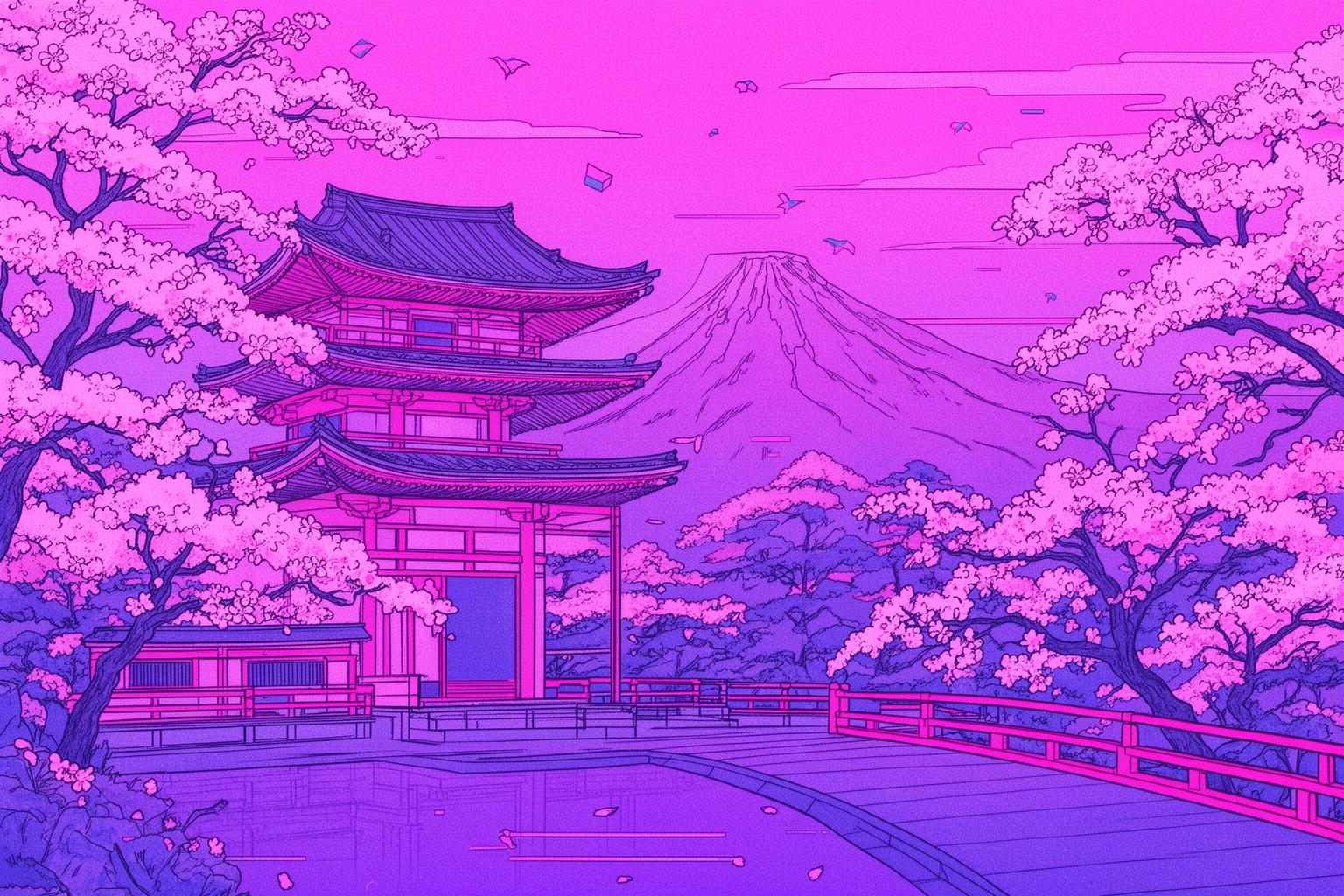
For any visitor to Japan, obtaining a Furoshiki is more than simply purchasing a souvenir; it is an investment in a beautiful, practical, and sustainable item that you will continue to use long after your trip has ended. Searching for them is an enjoyable treasure hunt. High-end department stores such as Mitsukoshi or Takashimaya feature dedicated sections with a wide range of Furoshiki, from luxurious, hand-dyed silks to contemporary designer cottons. For a more specialized experience, visit dedicated Furoshiki shops like Musubi in Tokyo or Eirakuya in Kyoto. Stepping into one of these stores is a sensory delight. Walls are covered with hundreds of cloths, arranged like a vibrant library of colors and patterns. The staff are often experts in the craft and are happy to demonstrate various wrapping techniques and explain the meanings behind the designs.
When selecting a Furoshiki, there are three main factors to consider: size, material, and design. Size is probably the most practical aspect. They generally come in three categories. Small Furoshiki (around 50 cm) are perfect for wrapping small gifts, bento boxes, or serving as a napkin. Medium or standard size (about 70-75 cm) is the most versatile, suitable for wrapping a wine bottle, a book, or creating a small handbag. Large Furoshiki (90 cm and above) are the heavy-duty option, capable of transforming into a shoulder bag for shopping, a carrier for a watermelon, or even a stylish baby blanket. First-time buyers would benefit from starting with a medium-sized cloth to appreciate its versatility.
The material influences the Furoshiki’s texture, function, and cost. Cotton is the most common and practical choice. It is durable, washable, easy to tie, and comes in countless prints, making it ideal for everyday use. Silk is the most luxurious option. Its beautiful sheen and smooth texture make it perfect for wrapping very special gifts, although it requires more delicate care. Rayon or chirimen crepe offers an appealing middle ground, with a lovely drape and texture that feels more formal than cotton but is more affordable than silk. In recent years, an increasing number of Furoshiki are crafted from recycled PET bottles, creating a wonderful blend of traditional craftsmanship and modern eco-friendly technology. These are often water-repellent and durable, making them excellent for outdoor use or shopping.
Once you have your Furoshiki, its uses during your travels are endless. Use a large one as a stylish scarf on a cool evening. Tie it into a bag to carry home treasures from a market, eliminating the need for plastic bags. Wrap delicate souvenirs in it for protection in your suitcase. Spread it out for an impromptu picnic in a park beneath the cherry blossoms. Use a small one as a decorative placemat for your hotel breakfast. It is the ultimate minimalist travel accessory: a bag, a wrap, a scarf, a towel, and a piece of art—all in one lightweight, foldable square. Don’t be intimidated by the knots; many shops provide small pamphlets with basic instructions, and a quick online search will reveal hundreds of tutorials. The joy lies in the practice—the small, mindful moment of folding and tying the cloth—connecting you with a tradition that is both ancient and profoundly modern.
The Enduring Embrace: Furoshiki in the 21st Century
In a world struggling with the impact of a throwaway culture, the Furoshiki has resurfaced not as a mere relic, but as a revolutionary concept. Its quiet philosophy of reuse, respect for materials, and appreciation for beauty in function sharply contrasts with the transient convenience of plastic and paper. The modern resurgence of the Furoshiki in Japan, along with its increasing popularity abroad, is fueled by a collective desire for a more sustainable and mindful lifestyle. In 2006, the Japanese Minister of the Environment, Yuriko Koike, promoted the ‘Mottainai Furoshiki,’ a design crafted from recycled materials, to position the cloth as a stylish emblem of environmental responsibility. This effort helped reintroduce the Furoshiki to younger generations, portraying it not as an outdated custom, but as a progressive solution.
The charm of the Furoshiki today lies in its beautiful duality. It is simultaneously deeply rooted in Japanese tradition and perfectly suited to modern values. It fulfills the craving for genuine, handcrafted items rather than mass-produced products. It appeals to the minimalist desire to own fewer, more versatile possessions. Most importantly, it provides a simple, elegant, and joyful way to reduce waste. Each time a Furoshiki is used to wrap a gift, it replaces a piece of paper that would otherwise be torn and discarded. Every time it is tied into a shopping bag, it substitutes for a plastic bag that could pollute the oceans. These may be small actions, but when repeated over a lifetime, they accumulate into a powerful statement.
To embrace the Furoshiki is to do more than just adopt an eco-friendly practice. It is to engage in a culture of care. It is to find beauty in a simple knot, to appreciate the story woven into a pattern, and to turn an everyday task into a moment of elegance. This single square of cloth, once used to wrap the clothes of bathing nobles and the goods of Edo merchants, now carries a message of hope. It reminds us that sometimes the most profound solutions are not discovered through new technologies, but through the rediscovery of an old and gentle wisdom. The Furoshiki is not merely a piece of fabric; it is a philosophy, folded and tied, waiting to be shared with the world.