A New Era of Accessibility for a Storied Region
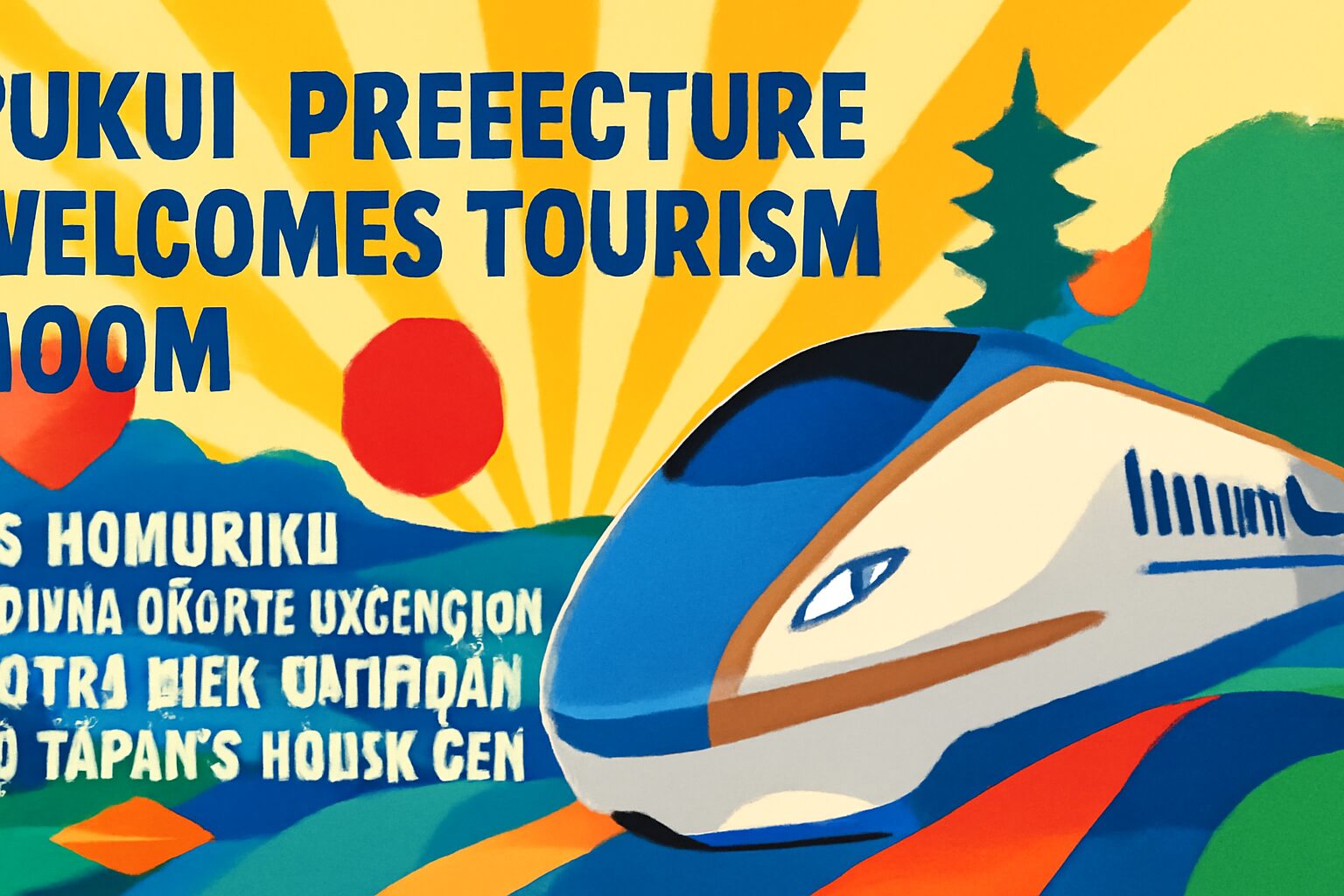
Fukui Prefecture, a coastal region in central Japan known for its dramatic cliffs, Zen temples, and world-renowned dinosaur museum, is experiencing an unprecedented surge in tourism. The catalyst for this transformation is the long-awaited extension of the Hokuriku Shinkansen (bullet train) line, which began service to Tsuruga Station on March 16, 2024. This new high-speed link has dramatically improved access from the Tokyo metropolitan area, unlocking one of Japan’s best-kept secrets for domestic and international travelers alike.
Previously, reaching Fukui required multiple transfers, making it a less-traveled destination compared to its more famous neighbors. The new extension has slashed travel times, connecting Tokyo and Tsuruga in as little as 3 hours and 8 minutes—a reduction of nearly 50 minutes. This newfound convenience has placed Fukui firmly on the map for weekend trips and longer explorations, leading to a significant influx of visitors eager to discover its charms.
An Immediate Economic and Cultural Boost
The impact on the local economy has been immediate and profound. Businesses across the prefecture, from seafood restaurants in the port city of Tsuruga serving the famed Echizen crab to traditional craft shops in Sabae known for their exquisite lacquerware and eyeglasses, are reporting a remarkable increase in sales. Hotels and inns are seeing higher booking rates, and tourist attractions are bustling with new faces.
The Fukui prefectural government has projected that the Shinkansen extension will generate a substantial economic impact, estimated at approximately 34.8 billion yen (around $220 million USD) in its first year alone. This injection of revenue is not just a temporary boom; it’s seen as a foundational shift for the region’s long-term prosperity. The increased visitor flow is breathing new life into local communities, supporting small businesses, and helping to preserve cultural heritage by creating new interest in traditional practices.
Looking Ahead: Sustainable Growth and Future Prospects
With the initial success of the extension, Fukui is now looking toward the future. The prefectural government and local municipalities are planning further investments in tourism infrastructure. These plans include improving local transportation networks to connect train stations with key sights, enhancing multilingual services for international visitors, and developing new attractions that highlight Fukui’s unique identity.
However, the rapid increase in tourism also brings challenges. Mindful of the potential for “overtourism” seen in other popular Japanese destinations, officials and local leaders are placing a strong emphasis on sustainable travel. The focus is on encouraging visitors to engage with the region respectfully, promoting longer stays, and distributing tourism benefits more evenly across the prefecture, from the coastal areas to the mountainous inland regions.
What This Means for Travelers
For travelers seeking an authentic Japanese experience away from the crowded “golden route” of Tokyo-Kyoto-Osaka, Fukui now presents an incredible opportunity. The region offers a rich tapestry of attractions. You can explore the majestic grounds of Eiheiji Temple, one of the head temples of Soto Zen Buddhism, or walk along the rugged, awe-inspiring Tojinbo cliffs. History buffs can visit the Ichijodani Asakura Clan Ruins, a beautifully preserved samurai town, while families will be captivated by the Fukui Prefectural Dinosaur Museum, one of the leading paleontological museums in the world.
The Hokuriku Shinkansen extension is more than just a new railway line; it’s an invitation to discover the heart of Japan. As Fukui steps into the international spotlight, it offers a perfect blend of modern accessibility and timeless tradition, making it a must-visit destination for any discerning traveler.