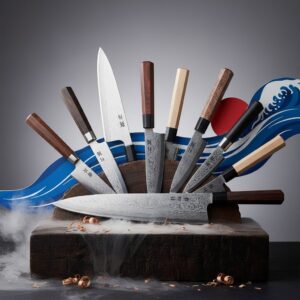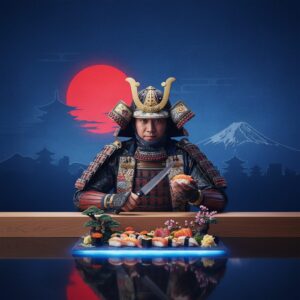
There’s a rhythm that beats at the heart of Japan, a sound that has echoed through its forested valleys for nearly a millennium. It’s not the serene chime of a temple bell or the bustle of a Tokyo crosswalk. It’s the percussive, insistent ring of a hammer striking red-hot steel. This is the pulse of Seki City, a place where the soul of the samurai sword was not only born but continues to thrive, transformed into the world’s most coveted kitchen knives, precision scissors, and exquisite cutlery. Tucked away in the mountainous embrace of Gifu Prefecture, Seki isn’t just a dot on a map; it’s a living museum, a testament to the enduring spirit of the Japanese artisan, the shokunin. For centuries, this city has been the undisputed capital of blade-making in Japan, a reputation forged in fire and sharpened by generations of unwavering dedication. To visit Seki is to do more than just see history; it’s to feel it in your hands, to breathe in the scent of burning coal, and to connect with a tradition so profound it feels almost sacred. This isn’t your average tourist stop. It’s a pilgrimage for anyone who appreciates true craftsmanship, a place where you can witness the alchemy of turning raw elements into objects of lethal beauty and practical perfection. And for the truly adventurous, it’s a place where you can step up to the forge yourself and, under the watchful eye of a master, create a blade with your own two hands—a tangible piece of Japan’s soul to take home.
To truly understand the spirit forged into these blades, one can explore the discipline of Japan’s traditional dojos.
The Unbreakable, Unbendable Legacy: Seki’s 800-Year History

To understand Seki, one must look back to the Kamakura period, around the 13th century. It was an era of warriors and shoguns, where the quality of a samurai’s sword, their katana, could mean the difference between life and death. A master swordsmith named Motoshige, in search of the ideal conditions for his craft, settled in this humble part of Gifu. What he discovered was a smithing paradise—a combination of three essential elements that would shape Seki’s future. First, there was an abundant supply of high-quality iron sand (satetsu), the raw material for the renowned tamahagane steel. Second, the nearby forests offered a seemingly endless source of sturdy pine, used to make the charcoal necessary to heat the forges to intense temperatures. Third, the pure waters of the Nagara and Tsubo Rivers provided the perfect medium for the critical quenching process—the fiery baptism of water and fire that imparts a Japanese blade with its distinctive strength and flexibility.
News of Motoshige’s exceptional blades spread rapidly. Soon, other master smiths were attracted to Seki, including the legendary Kanemoto Magoroku, whose swords were famed for their almost supernatural sharpness. A unique Seki style developed, embodied by the proud motto: “Unbreakable, unbendable, and exceptionally sharp.” The swords produced here were not merely weapons but true works of art, each featuring a unique hamon, or temper line, that shimmered along the edge like a misty river or a row of cloves—the signature of the smith who forged it. This distinctive pattern was more than decoration; it was tangible proof of the differential hardening technique, which created a razor-sharp, extremely hard edge while leaving the spine of the sword softer and more flexible, able to absorb impact without breaking. Possessing a Seki blade was a symbol of distinction for any samurai.
The craft thrived for centuries, with Seki providing swords to powerful warlords such as Oda Nobunaga and Tokugawa Ieyasu. However, the Meiji Restoration in the late 19th century brought significant change. The samurai class was abolished, and the Haitorei Edict of 1876 prohibited the public carrying of swords. For a city whose entire economy and identity revolved around the katana, this could have been catastrophic. Yet the spirit of the Seki artisans was one of resilience and adaptation. The smiths who had mastered the art of making weapons turned their extraordinary skills toward producing tools for a modernizing Japan. The same principles of forging, tempering, and sharpening were applied to kitchen knives, pocketknives, scissors, and razors. This shift from swords to cutlery was not a decline but an evolution. The essence of the katana was reborn in everyday tools, and Seki’s reputation for unmatched quality endured, now finding its way into kitchens and homes worldwide.
The Dance of Fire and Steel: Forging Your Own Blade
Reading about history is one thing, but feeling the heat of the forge on your face and the weight of the hammer in your hand is an entirely different experience. For any blade enthusiast in Seki, the ultimate pilgrimage is to take part in a knife-making workshop. This is no theme-park imitation; it’s a genuine, hands-on experience where you enter the sacred space of a kajiya (smithy) and are guided by a master whose lineage may stretch back centuries. I had reserved my spot months ahead of time—a crucial step since these workshops, especially those offering English-speaking support, are extremely popular and have limited availability. I chose a one-day course to forge a small utility knife, a perfect and practical keepsake.
Stepping into the workshop of Cutler Sanshu felt like entering a portal to another era. The air was heavy with the sharp, metallic scent of cold steel and the faint, earthy aroma of charcoal. Tools that appeared unchanged since the samurai era hung on the walls, their wooden handles worn smooth by generations of use. My guide and instructor for the day was a man whose quiet intensity instantly commanded respect. He spoke little, but every movement was economical and precise, each one a lesson in itself. After a thorough safety briefing, it was time to begin.
The Birth of the Blade: Hizukuri and Sunobe
The first step, hizukuri, is the initial forging. I was handed a small, unassuming block of steel that would become my knife. The master placed it into the heart of the forge, a roaring furnace glowing with a terrifying yet beautiful intensity. He taught me how to read the metal’s color—from cherry red to bright orange-yellow—to know when it was ready for shaping. Then came the moment of truth. He set the glowing steel on the anvil, and I lifted the hammer. My first strike was awkward, sending a shower of brilliant sparks into the air. But with his calm guidance—“Stronger here, softer here”—a rhythm began to form. The hammer became an extension of my arm, and with each resonant clang, I felt the steel yield, stretch, and start to take the rough shape of a blade. This stage, called sunobe, involves drawing out the metal into its basic form. It was physically demanding, sweat beading on my forehead despite the cool morning air, but utterly exhilarating. There’s a primal, powerful sensation in shaping metal with fire and force.
The Soul of the Blade: Yaki-ire
After hours of heating and hammering, the blade had taken shape. Now came the most critical and dramatic moment in creating any Japanese blade: the yaki-ire, or quenching. This is where the steel is hardened, the moment its soul is truly forged. The master carefully coated my blade with a special clay mixture, applying a thicker layer along the spine and thinner along the edge. This, he explained, is the secret to the katana’s differential hardening. The clay insulates the steel, causing it to cool at varying rates when plunged into water. The thin-coated edge cools almost instantly, becoming incredibly hard, while the thick-coated spine cools more slowly, retaining flexibility. He heated the blade one last time, eyes locked on the steel’s color with almost hypnotic focus. At the perfect moment, he pulled it from the fire. The workshop fell silent. With a swift, decisive motion, he plunged the glowing blade into a water trough. A violent hiss erupted, a plume of steam shot upward, and for a split second, the blade was shrouded in chaotic steam. When he lifted it out, the transformation was complete. The steel was no longer soft and malleable; it was hard, resonant, and alive. A light tap made it ring with a clear, high-pitched tone—the sound of success.
The Final Polish: Arazuri and Shiage
The rest of the day was devoted to the painstaking processes of grinding (arazuri) and finishing (shiage). The blade, now a blackened, rough object, had to be shaped and sharpened into its final, beautiful form. Using a sequence of grinding wheels followed by traditional Japanese water stones with progressively finer grit, I learned to feel the edge’s angle and listen to the sound of stone against steel. This was a meditative, focused practice—a stark contrast to the forge’s explosive energy. Slowly and meticulously, the dark scale fell away, revealing gleaming silver steel beneath. The master then showed me how to polish the blade to reveal the faint, beautiful hamon created during quenching. The final step was engraving my initials on the tang—the part of the blade hidden inside the handle. It was my mei, my signature, a permanent mark on the piece into which I had poured my heart and soul. Holding the finished knife, its wooden handle fitted perfectly, was a feeling I’ll never forget. It wasn’t a souvenir I had purchased; it was a story I had helped write, a tangible connection to an 800-year-old tradition.
Beyond the Anvil: What to See and Do in Seki

While the forging experience stands out as the undeniable highlight for many visitors, Seki City offers a rich array of attractions for anyone interested in its blade-making heritage. No visit here is complete without exploring the sites where this history is carefully preserved and celebrated.
Seki Traditional Swordsmith Museum
This should be your very first stop to truly connect with the city’s heritage. Housed in a beautifully preserved historic building, the museum showcases an impressive collection of historical katana, tachi, and tanto blades. Seeing these masterpieces in person is awe-inspiring. You can spend hours admiring the intricate details of the hamon, the craftsmanship of the fittings (koshirae), and the commanding presence these weapons exude. The museum offers excellent English explanations, outlining the entire process from smelting tamahagane to the final polish. The real highlight, however, is the live forging demonstration. On select days each month (make sure to check the schedule online before your visit!), master swordsmiths dressed in traditional white attire deliver a powerful and dramatic presentation of the ancient koshiki tanren forging technique. The rhythmic chanting, flying sparks, and thunderous sound of the giant hammer striking the folded steel create a visceral, unforgettable performance that vividly brings the samurai sword’s history to life before your eyes.
The Ultimate Shopping Spree: Seki Cutlery Hall & Cutler Sanshu
Get ready to open your wallet, as leaving Seki without purchasing a knife is almost impossible. The city is peppered with cutlery shops, but for the sheer variety and scale, the Seki Cutlery Hall and Cutler Sanshu are absolute must-visits. These are not just shops; they are vast emporiums dedicated to all things cutting. Aisle after aisle is brimming with kitchen knives of every shape and size imaginable, featuring world-renowned brands like Shun, Global, and Yaxell alongside smaller, artisanal makers. You’ll find everything from versatile santoku knives to highly specialized blades for slicing sashimi (yanagiba) or vegetables (nakiri). But the selection goes beyond kitchenware. There are high-end pocketknives, professional-grade scissors for hairdressers and tailors, intricate letter openers, and even novelty nail clippers shaped like samurai swords or famous landmarks. The staff are incredibly knowledgeable and can assist you in finding the perfect blade to suit your needs and budget. Many shops also provide knife sharpening services, so you can bring your dull knives from home for a professional tune-up. It’s a paradise for chefs, home cooks, and collectors alike.
A Quirky Detour: The Feather Museum
For a change of pace and a fascinating glimpse at a different kind of blade, visit the Feather Museum. Feather is a Seki-based company and a world leader in precision razors, surgical blades, and industrial cutting tools. The museum is a surprisingly engaging and modern facility that tells the story of the company and the history of shaving. Here, you’ll see everything from ancient Roman razors to the latest advancements in safety razor technology. It stands as a testament to how Seki’s blade-making expertise has evolved and diversified into highly technical, modern industries. This fun, quirky, and free attraction adds another dimension to your understanding of Seki’s identity as the “City of Blades.”
Timing is Everything: Seki’s Festivals and Seasons
While Seki is a wonderful destination throughout the year, timing your visit to align with one of its major events can truly enhance your experience.
The Seki Cutlery Festival
If possible, plan your trip for the first weekend of October, when the annual Seki Cutlery Festival, or Hamono Matsuri, takes place, bringing the entire city to life. Honmachi-dori, the main street, is closed to traffic and transformed into a vast outdoor market. Hundreds of stalls are set up by nearly every cutlery manufacturer in the city, offering products at incredible discounts, sometimes as much as 50-70% off retail prices. It’s a huge bargain event that attracts visitors from across Japan and around the world. But the festival is more than just a massive sale; it’s a celebration of the city’s culture. You can enjoy fascinating demonstrations of traditional sword polishing, watch the lightning-fast draws of Iaido practitioners, and feel the powerful rhythms of taiko drumming reverberate through the streets. The atmosphere is electric, filled with energy, excitement, and a strong sense of community pride.
Hamono Kuyo: A Memorial for Blades
For a more reflective and culturally meaningful experience, consider visiting on November 8th for Hamono Kuyo, or Blade Memorial Service. This special ceremony, held at the Seki Kaji Kinenhi (Swordsmith Monument), reflects the Shinto belief that inanimate objects, especially tools that have served people well, possess a spirit. Old, broken, or worn-out knives, scissors, and other blades are collected throughout the year. On this day, a Shinto priest conducts a solemn ceremony to thank these tools for their service and purify their spirits before they are respectfully laid to rest. It’s a touching and beautiful ritual that highlights the deep respect for craftsmanship and the tools of one’s trade deeply embedded in Japanese culture.
Your Seki Survival Guide: Practical Tips for a Perfect Trip

Seki is easy to reach and welcoming for visitors, but a bit of preparation can make a big difference, especially for international travelers.
Getting There
Nagoya, home to Chubu Centrair International Airport (NGO), is the most common gateway to Seki. From Nagoya Station, the trip is simple: take a JR train to Gifu Station (about 20-30 minutes). Then, transfer to the picturesque Nagaragawa Railway, a charming local line that will take you directly to Seki Station in around 40-50 minutes. The whole journey from Nagoya offers a pleasant ride through the Japanese countryside. If you’re coming from Tokyo or Kyoto, first take the Tokaido Shinkansen (bullet train) to Nagoya. Once in Seki, main attractions like the museum and cutlery halls are within a manageable walking distance from the station, with local buses available as well.
Where to Stay and What to Eat
Seki has several comfortable business hotels that offer convenience. For a more traditional Japanese experience, consider staying at a ryokan (traditional inn) nearby. The famous Gero Onsen, one of Japan’s premier hot spring resorts, is accessible from the area and serves as a wonderfully relaxing base. Regarding food, Gifu Prefecture boasts many specialties. Be sure to try grilled ayu, a small, sweet river fish caught in the pristine Nagara River, usually simply salted and charcoal-grilled. Hida beef, a premium wagyu brand from the nearby Hida region, is another must-try known for its remarkable marbling and tender, melt-in-your-mouth texture. For a rustic local flavor, try Keichan, a hearty dish of miso-marinated chicken and cabbage stir-fried on a hot plate.
First-Timer’s Advice
- Book Workshops Early: This cannot be emphasized enough. Knife-making workshops are Seki’s main attraction and often fill up weeks or even months in advance. Research different workshops online, find one that matches your interests and language preferences, and book as soon as your travel dates are set.
- Bring Cash: Although major stores and hotels accept credit cards, many smaller family-run shops, local eateries, and stalls at the Cutlery Festival operate on a cash-only basis. It’s wise to carry ample yen with you.
- Check Museum Schedules: Especially for live forging demonstrations at the Swordsmith Museum, which are held only on certain days (usually Sundays and holidays). Missing it by a day would be disappointing, so check their official website for the latest schedule.
- Shipping Your Knives: If you plan to purchase many knives, be mindful of your home country’s customs rules. Most large cutlery shops in Seki are experienced with international tourists and offer dependable international shipping, saving you trouble at the airport.
A Cut Above the Rest
A journey to Seki is a journey to the very heart of Japanese craftsmanship. It is a city that honors its past not by preserving it in amber, but by keeping its traditions vibrant, alive, and evolving. Walking its streets, one can hear the echoes of a thousand anvils. Holding a Seki blade means holding a piece of history, forged from pure water, fertile earth, and the steadfast dedication of generations of artisans. Yet, to stand at the forge, feel the heat, and wield the hammer—transforming a cold block of steel into a shining, sharp, and personal tool—is an experience that goes beyond ordinary travel. You leave not only with a knife but with a deep appreciation for the soul, skill, and immense patience required to create an object of simple, enduring perfection. You depart with a story engraved in steel.